Booking a Visit
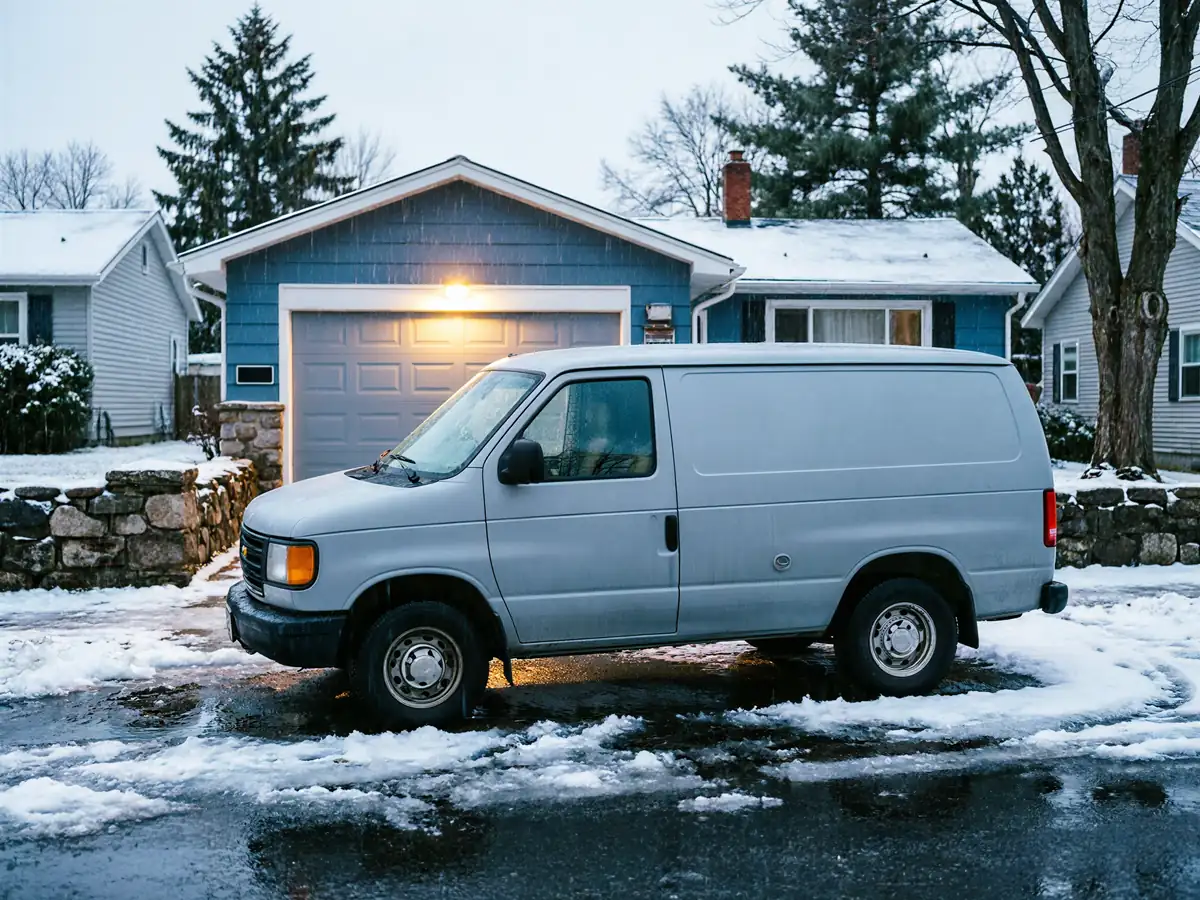
Pembroke sits 13 miles from our Manchester shop, which is a real factor in how a spring call here gets scheduled rather than squeezed in. We don't keep a truck parked in town, so a Pembroke job gets grouped with other calls on that side of the route when we can, or run as a dedicated trip when a spring snaps and the door won't open at all. Either way, the drive means we ask more on the phone up front - door width, whether it's one spring or two, what you can see of the coil - so the truck that shows up actually has the right spring instead of a close guess. That 13-mile stretch also means we're not the fastest same-day option if you need someone inside the hour; we're honest about that rather than promising a window we can't hit from Manchester. What we can promise is that once we're on site, we're carrying spring stock sized for the hardware that's actually common in Pembroke, not a generic assortment.
Where This Job Goes Sideways
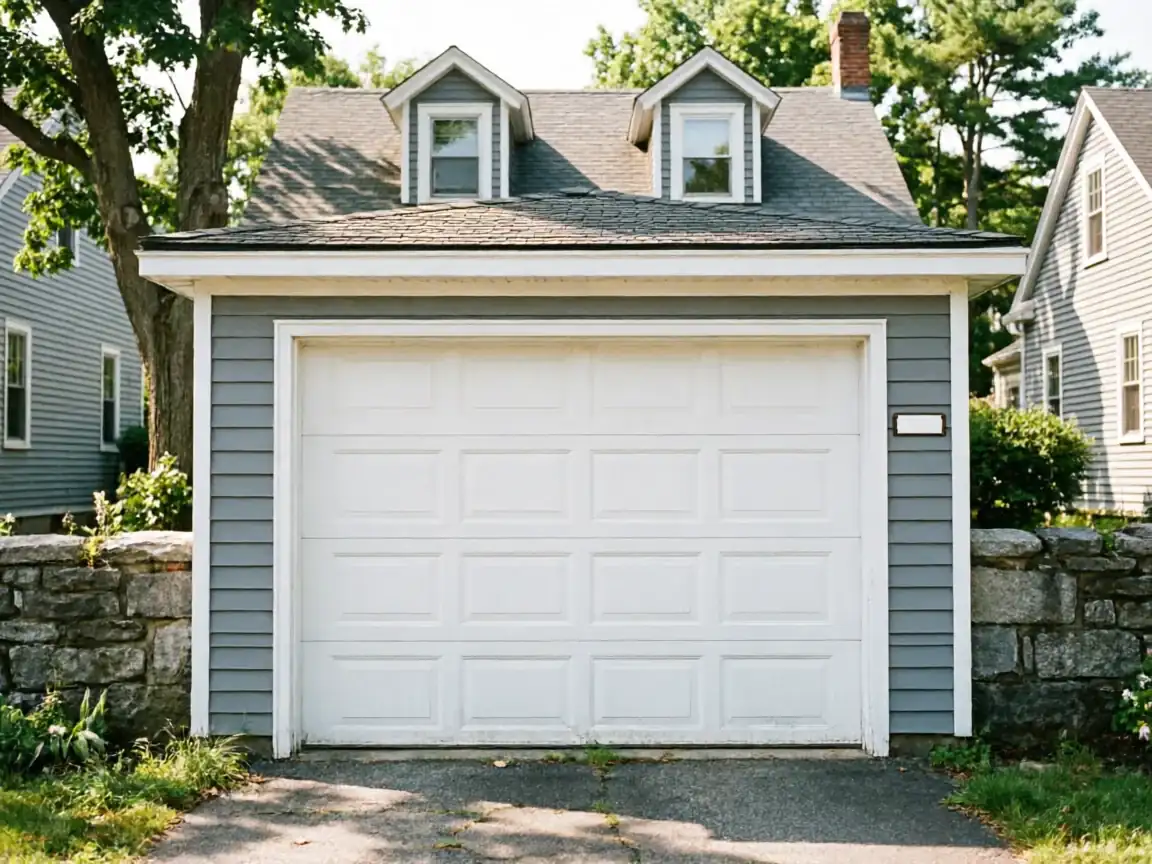
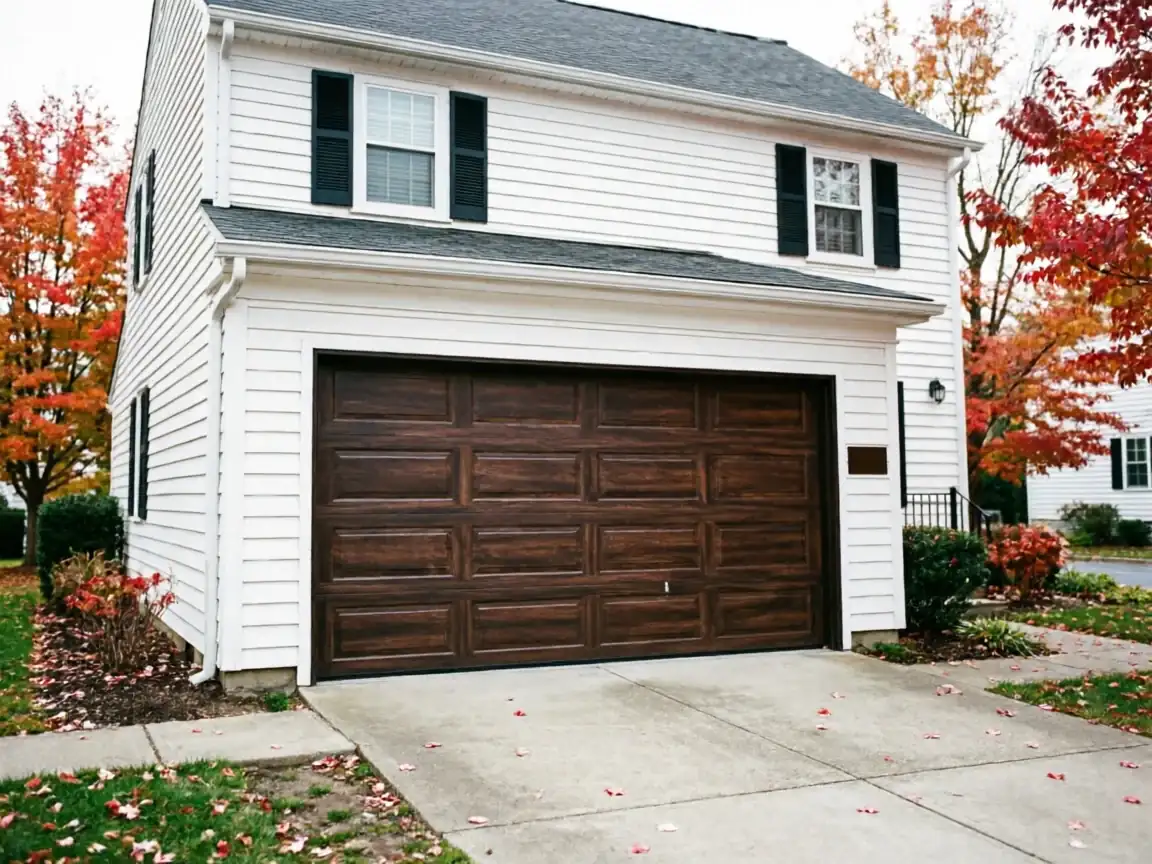
The typical Pembroke house was built around 1969, which puts a lot of this town's garage doors on hardware from a different era than what you'd find on a 1995 build in Manchester proper. A spring job on a door that old isn't just swap-the-coil - the drums, the end bearing plates, even the track gauge can be sized differently than what's sold off the shelf today. We've seen jobs where the spring itself is a five-minute fix but the shaft it rides on is worn enough that putting a new spring on it just transfers the problem down the line. With roughly 2,779 households in Pembroke and a lot of them sitting on original or near-original door hardware from that late-1960s build wave, this isn't a one-off - it's the normal case here, not the exception.
Parts We Carry
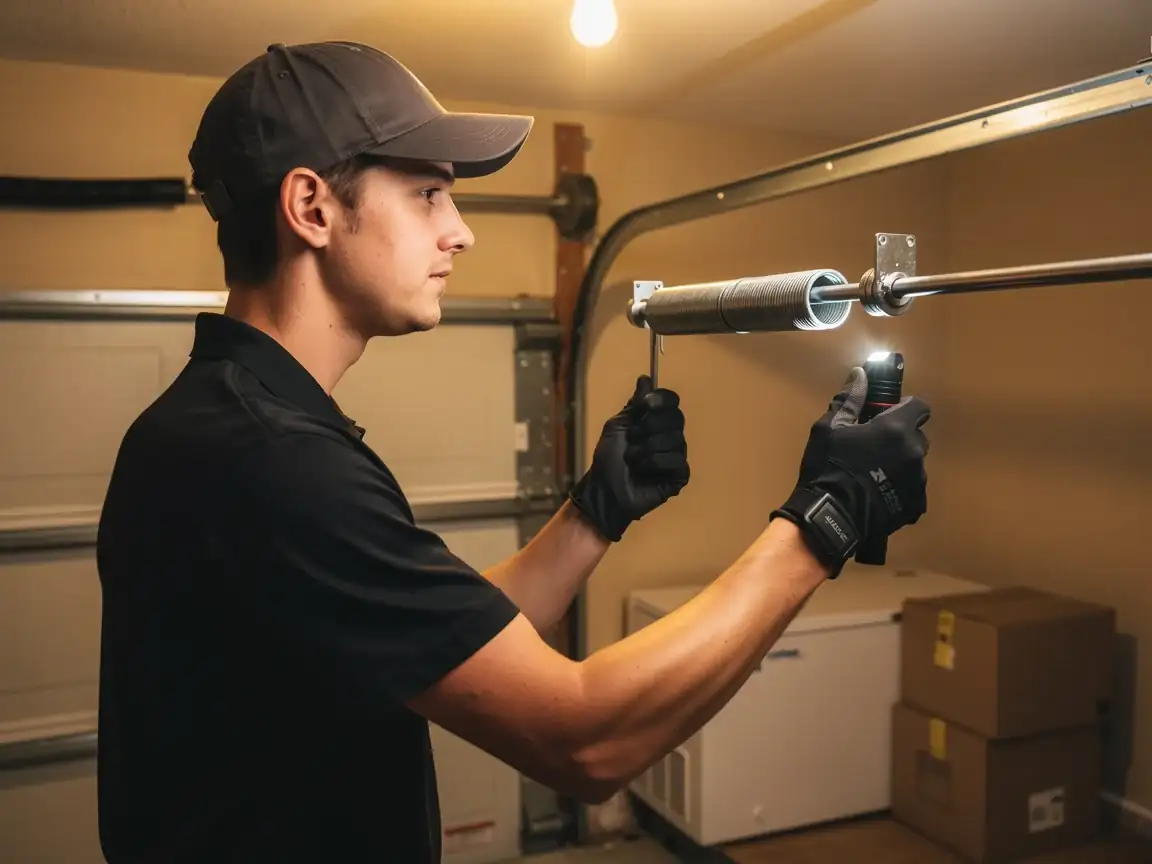
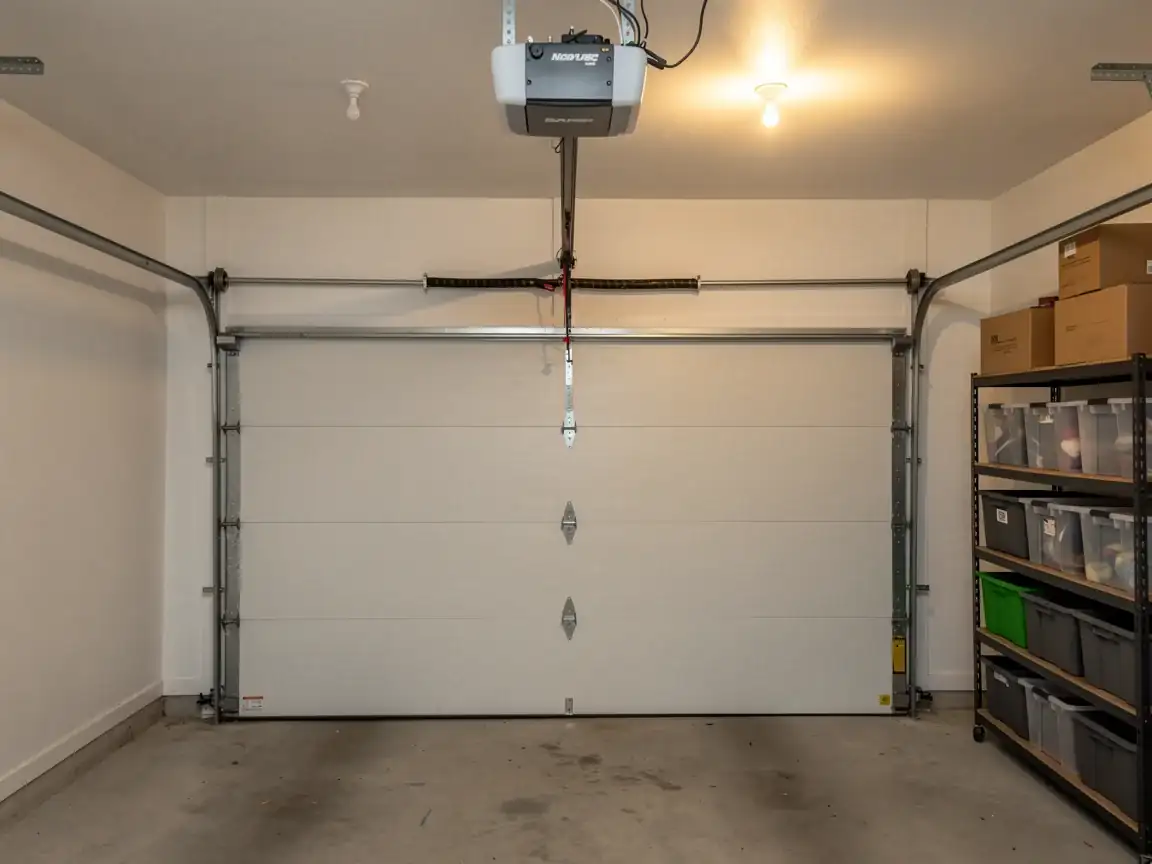
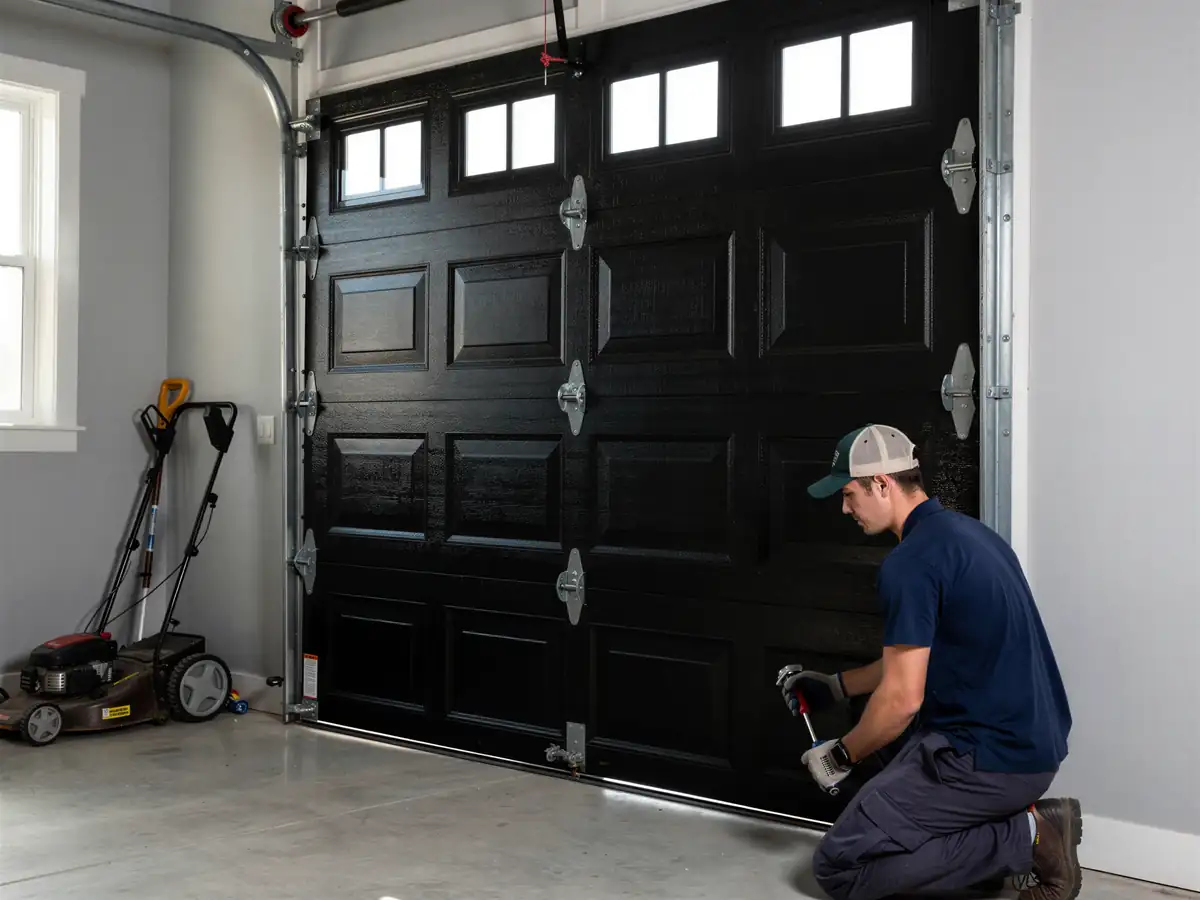
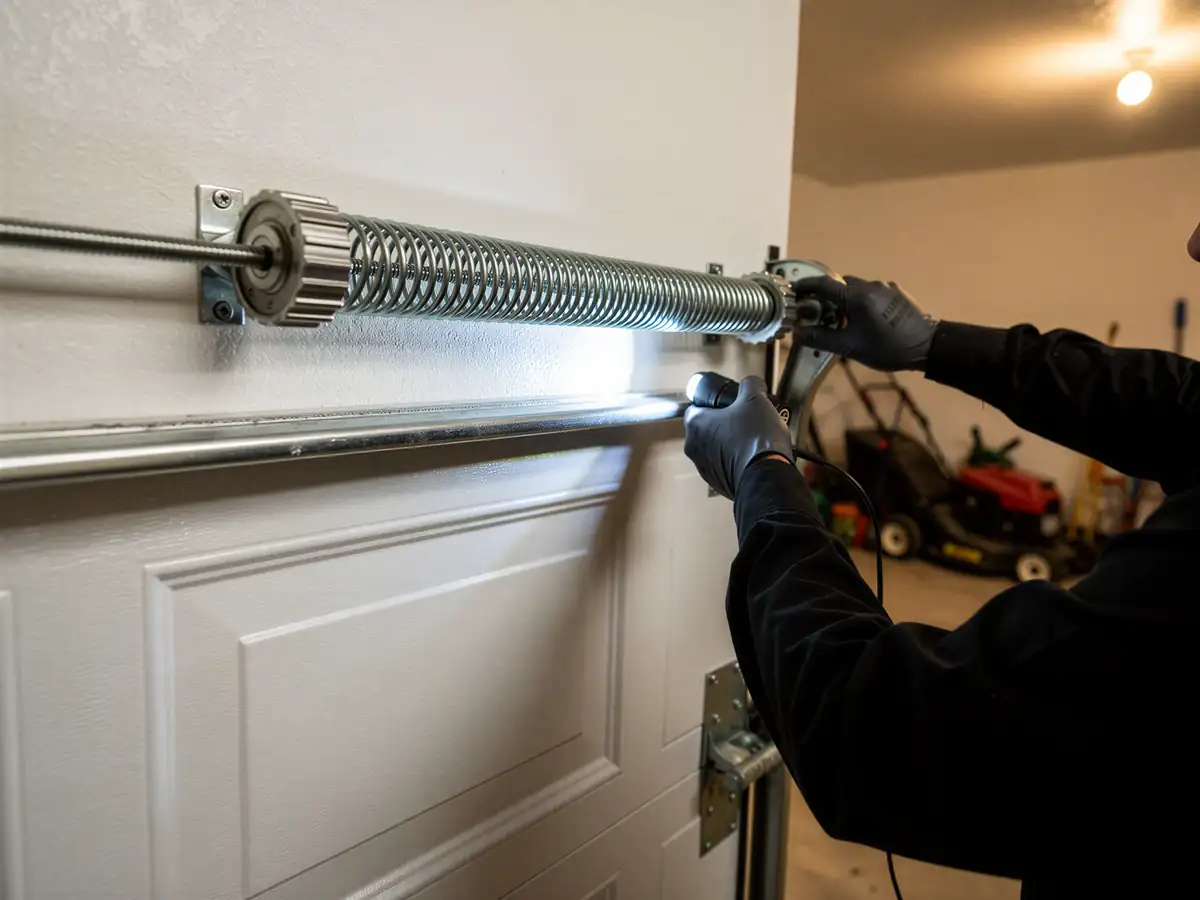
We stock torsion springs across the sizes that match Pembroke's housing stock from the 1960s and 70s, plus the extension-spring setups that show up on some of the older detached garages in town that weren't built with torsion hardware at all. Cables, drums, and center bearing plates ride along for the same reason - on a shaft that old, the spring is rarely the only part under stress. What we don't carry is every obsolete bracket or track profile a 1969 door might have started with; if a part was discontinued decades ago, we'll tell you straight that replacing the section or the whole door is the better call rather than hunting for a part that doesn't exist anymore.
Why This Fails Locally
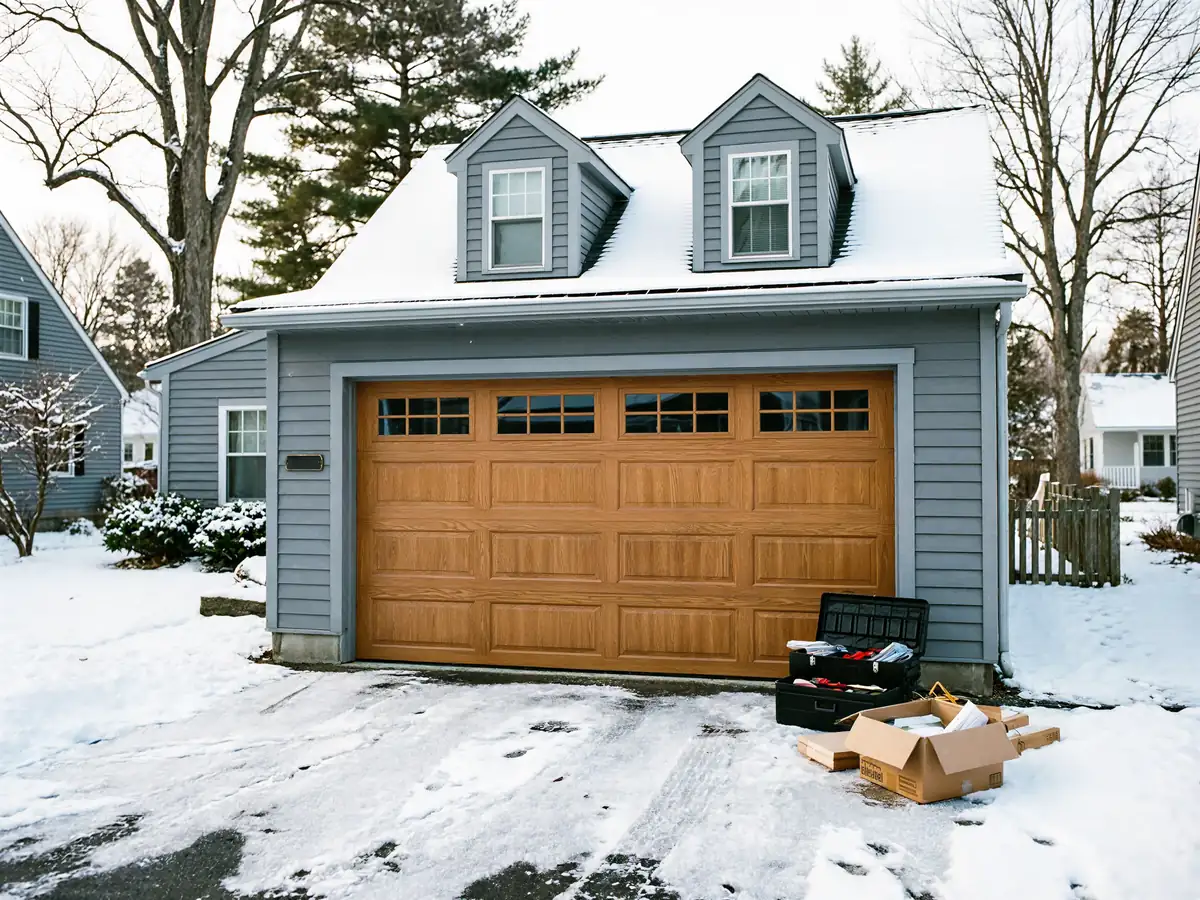
Winters here are cold enough, hard enough, that steel torsion springs lose a measurable amount of life cycle to the swings - the coil that's fine in June is the one that snaps on a January morning when the metal's stiff and the door's heavier with frost. On a house built in 1969, that spring has likely already been through one or two replacement cycles, and whoever did the last one may not have matched wire gauge exactly to the door's weight, which shortens the next one's life further. It's not a dramatic failure, just an ordinary one repeating on a predictable schedule, and it's why spring work in Pembroke tends to be about catching wear before the bang, not just responding after it.