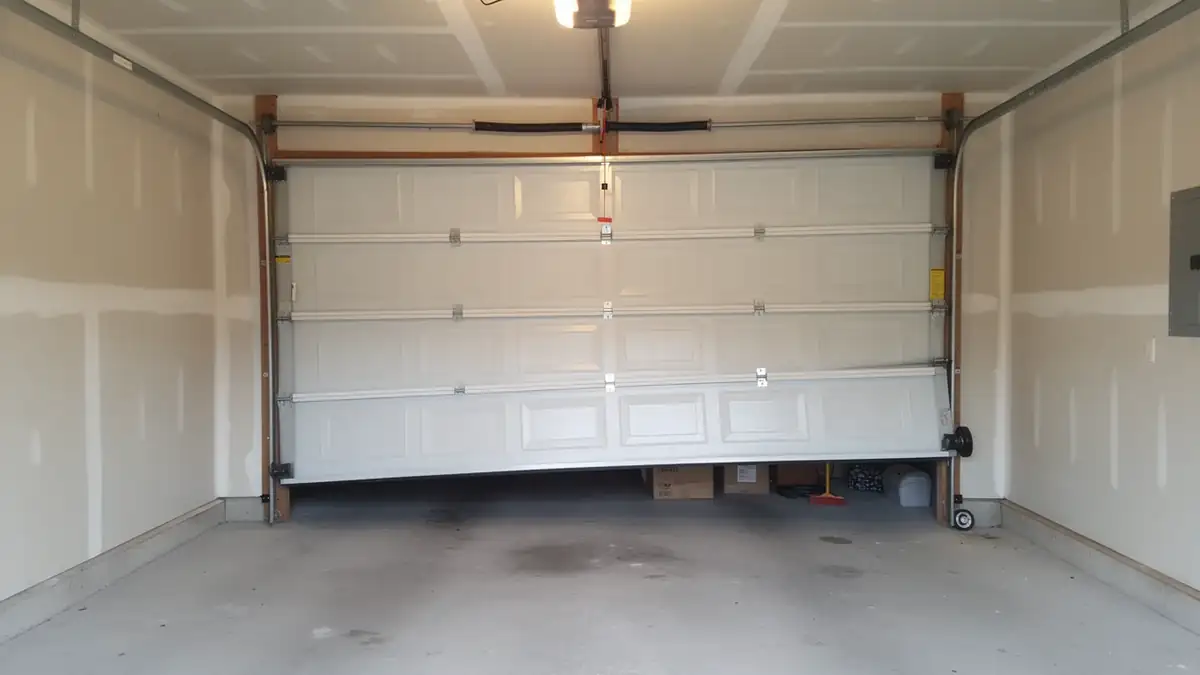
The Situation
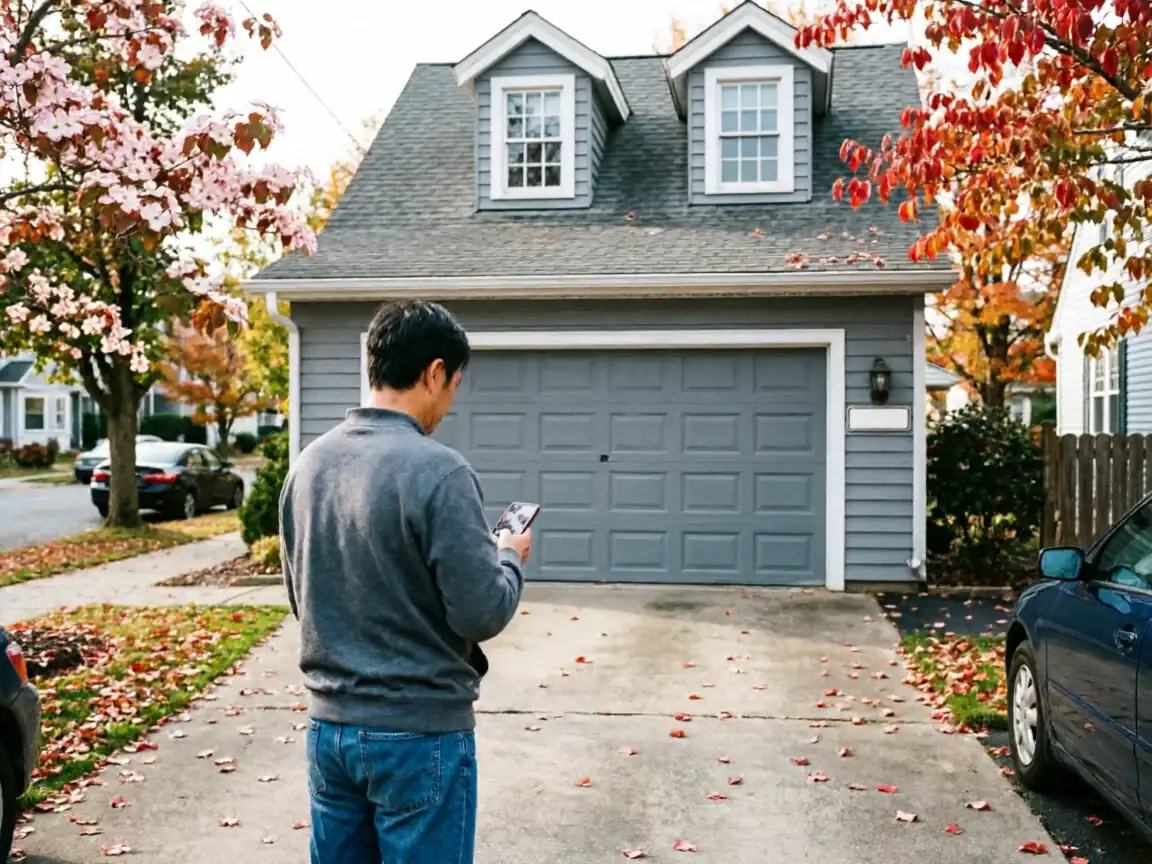
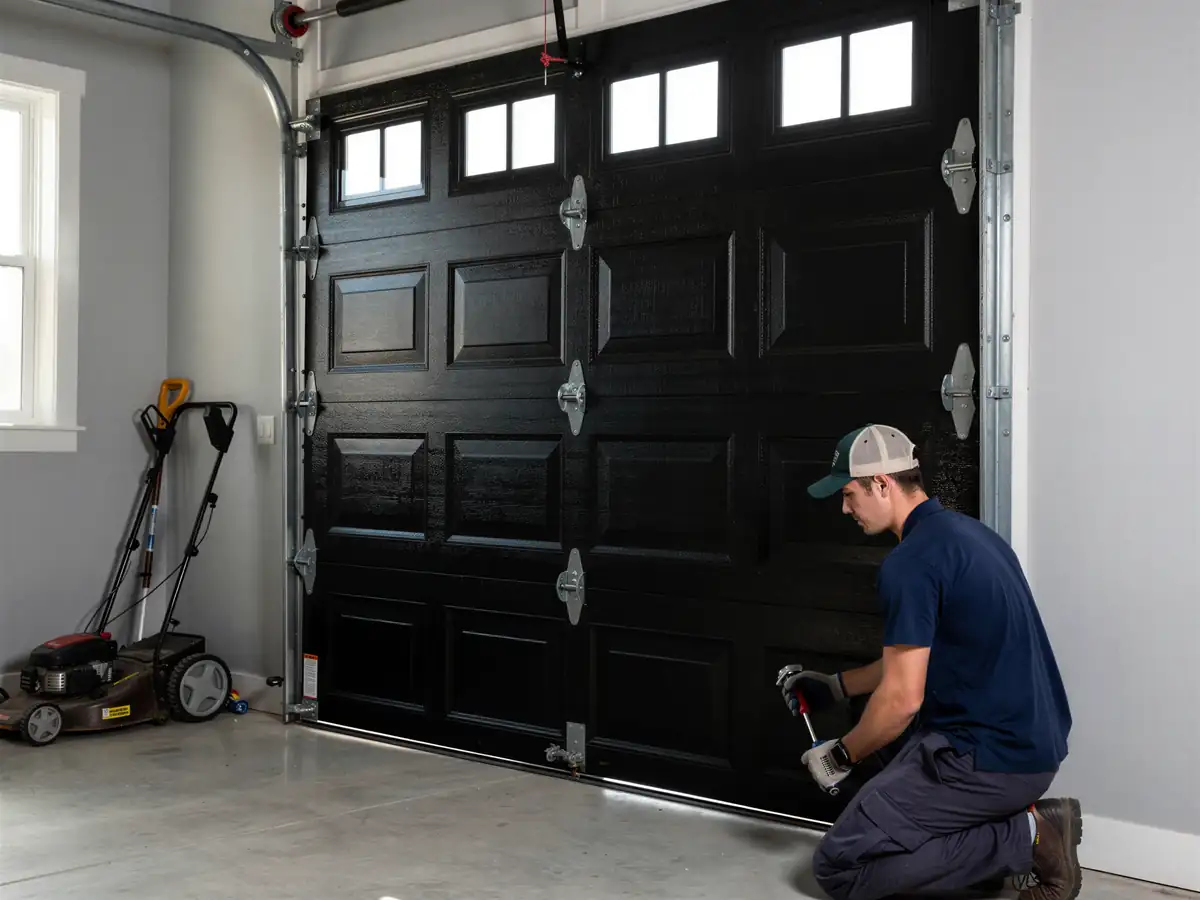
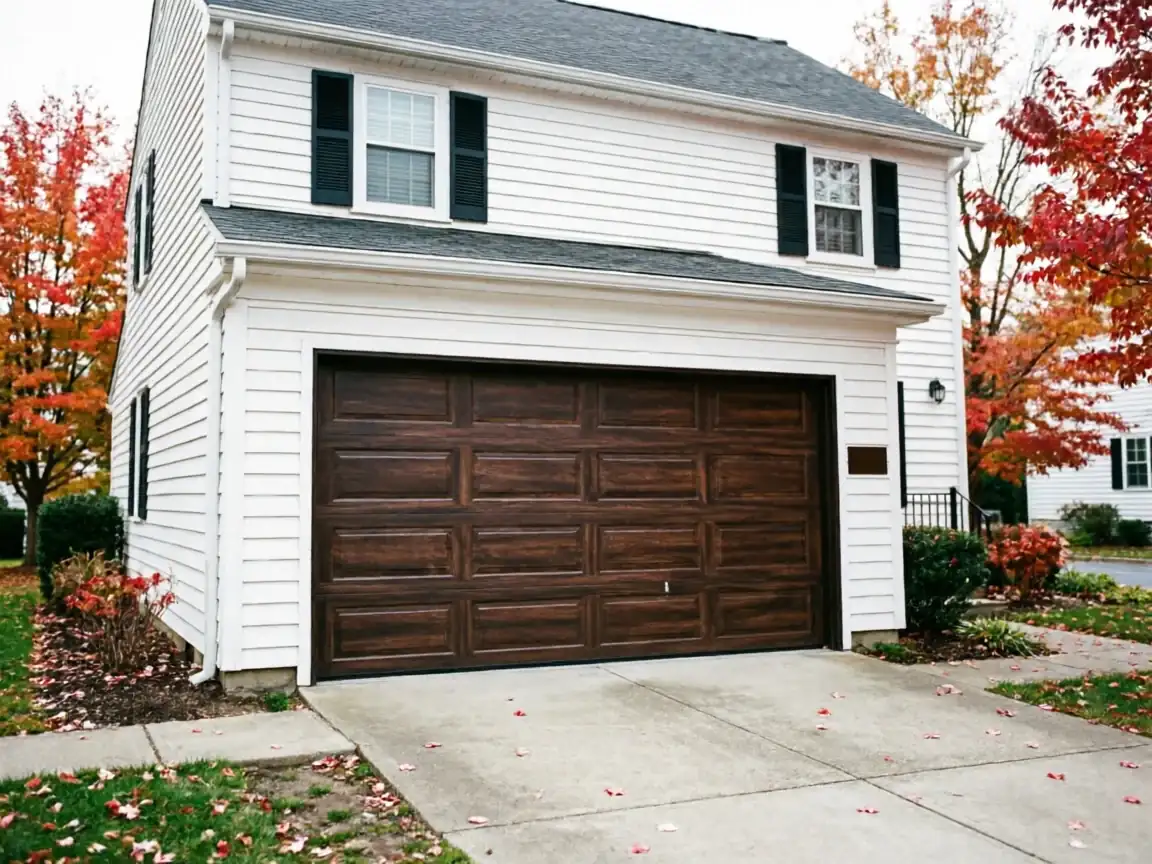
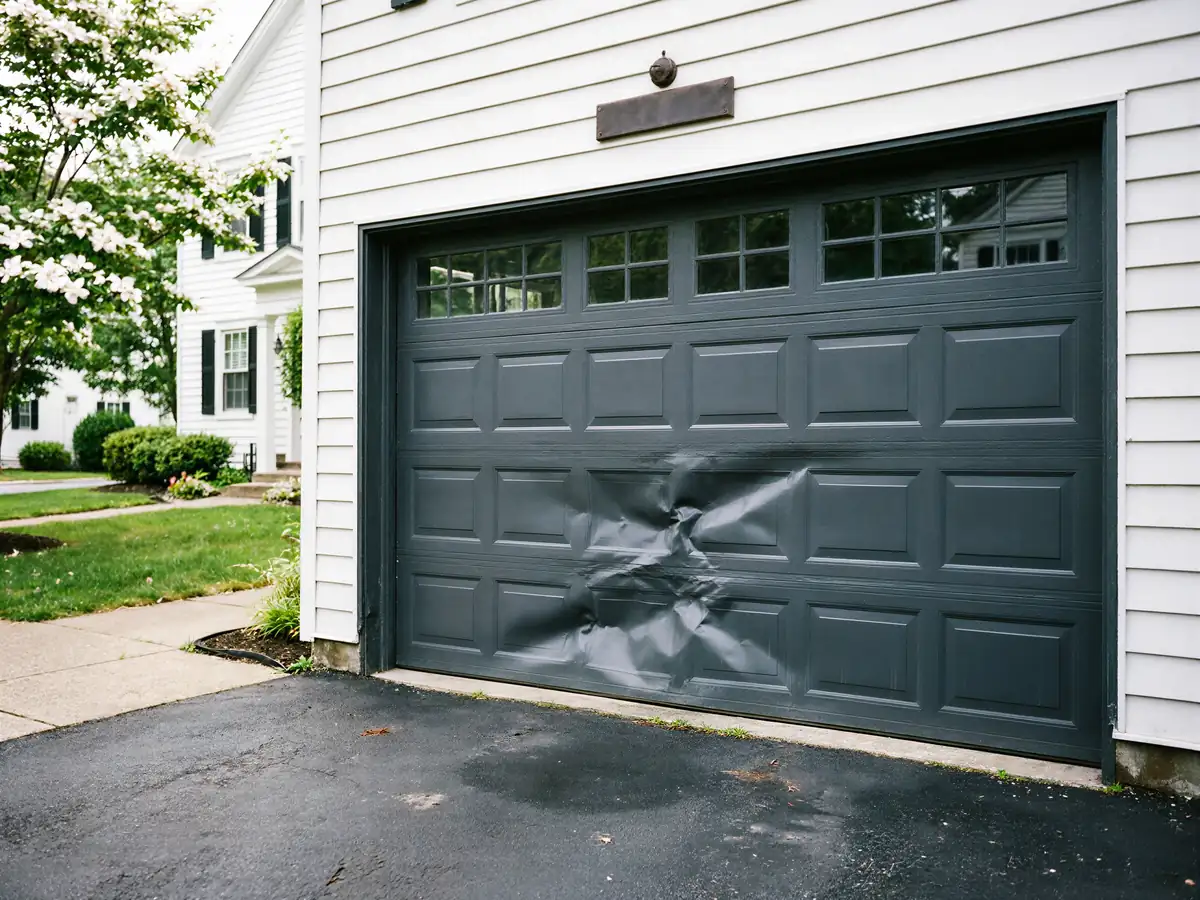
A door off its track almost never happens on its own. Something nudges it there, and in a city where the median house went up in 1982, the usual suspect is hardware that's outlived its design life. Manchester's housing stock runs 1938 to 1997, with most of it clustered in that 80s-and-90s band across the 45 or so named areas we work in, from the to to South Hooksett. That means a lot of garages still running original steel track that was never adjusted for the weight of a heavier insulated replacement door someone put in at some point along the way. The track itself doesn't wear out so much as it falls out of alignment - brackets loosen, the wall framing shifts a sixteenth of an inch over forty years, and the rollers start riding the edge instead of the channel. Once a roller catches an edge instead of running flush, it takes very little - a slightly warped panel, a gust against the door, a kid's bike left too close - to pop it clean off. On a house built when Reagan was in office, that first misalignment has had four decades to become a habit the door repeats every time it closes.
What to Look At First
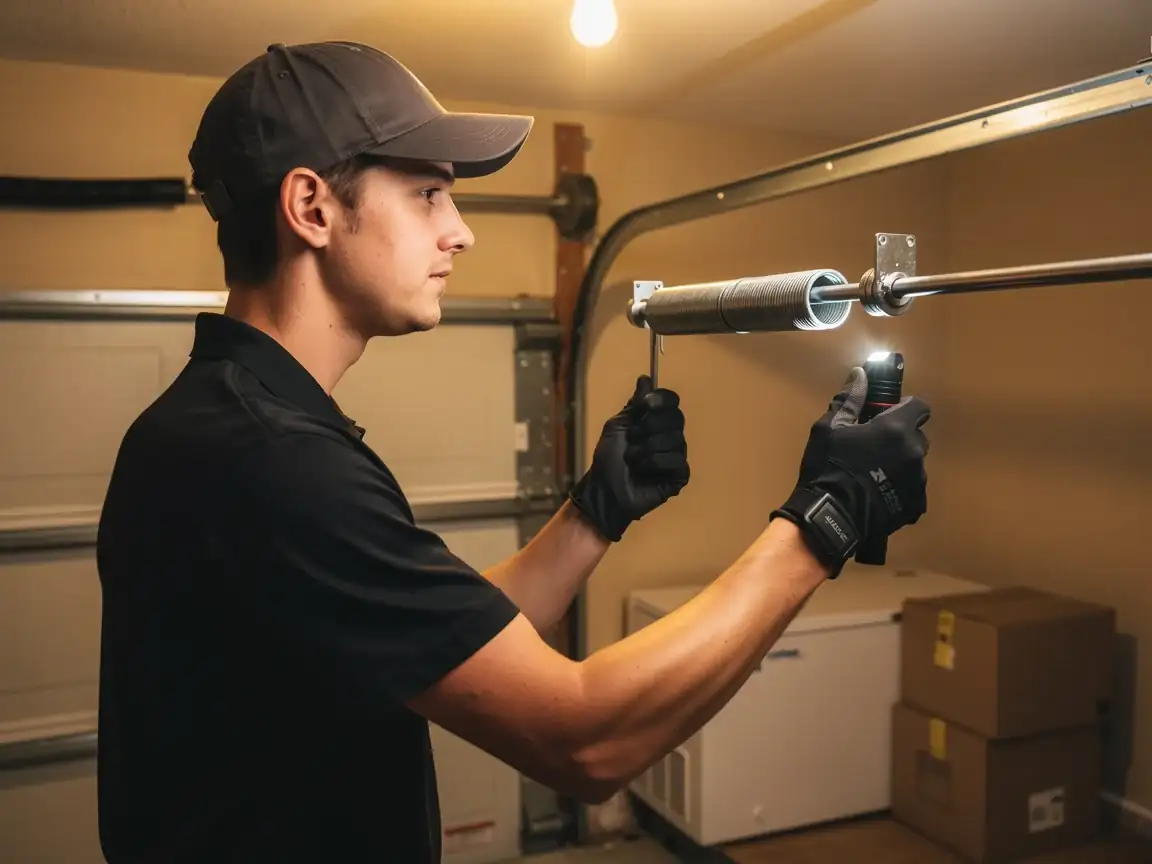
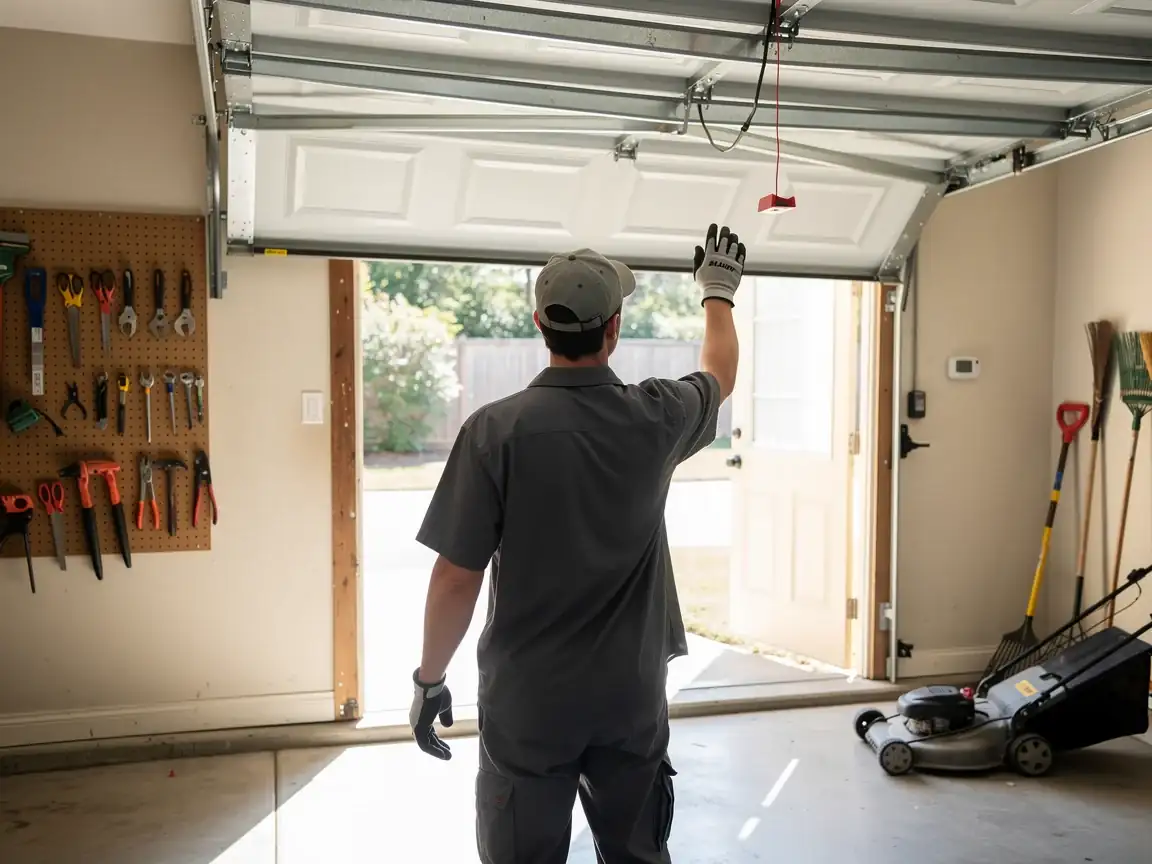
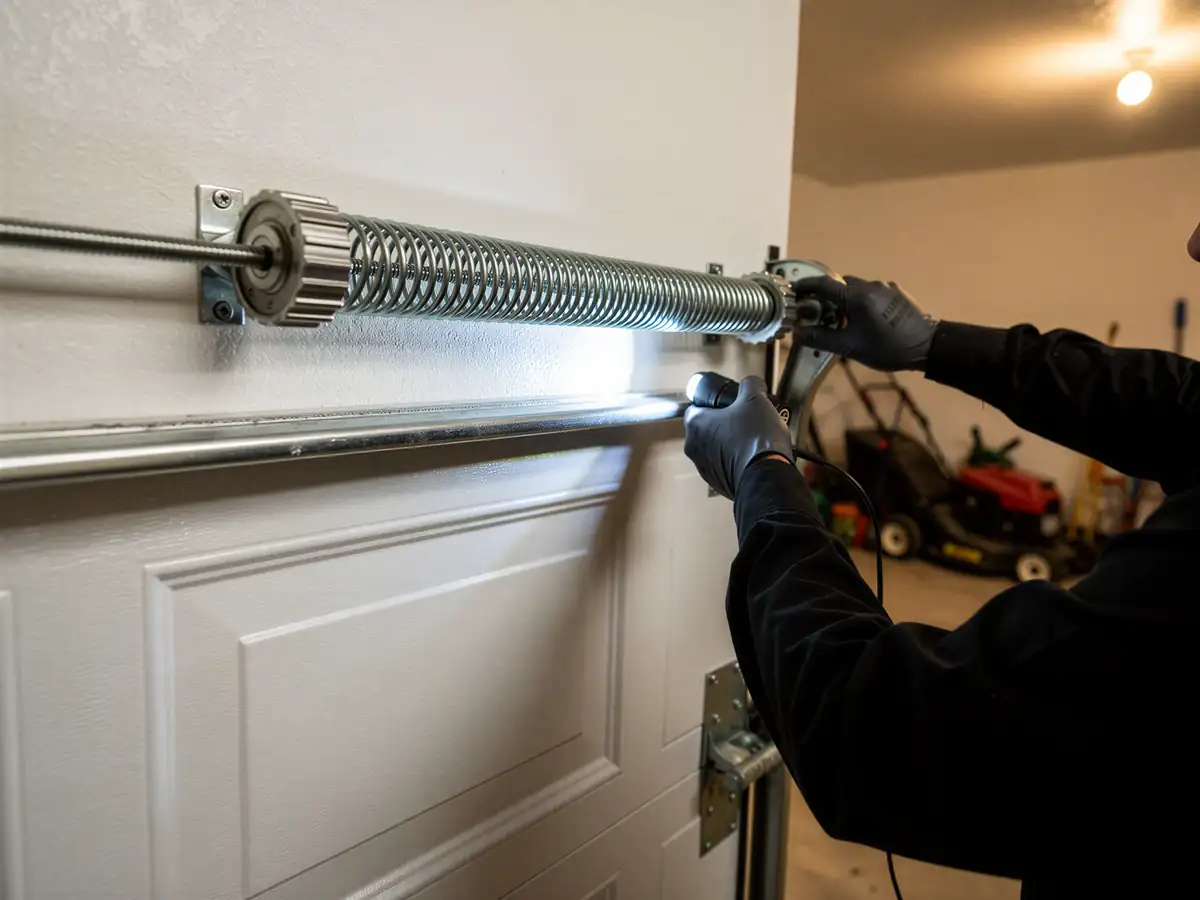
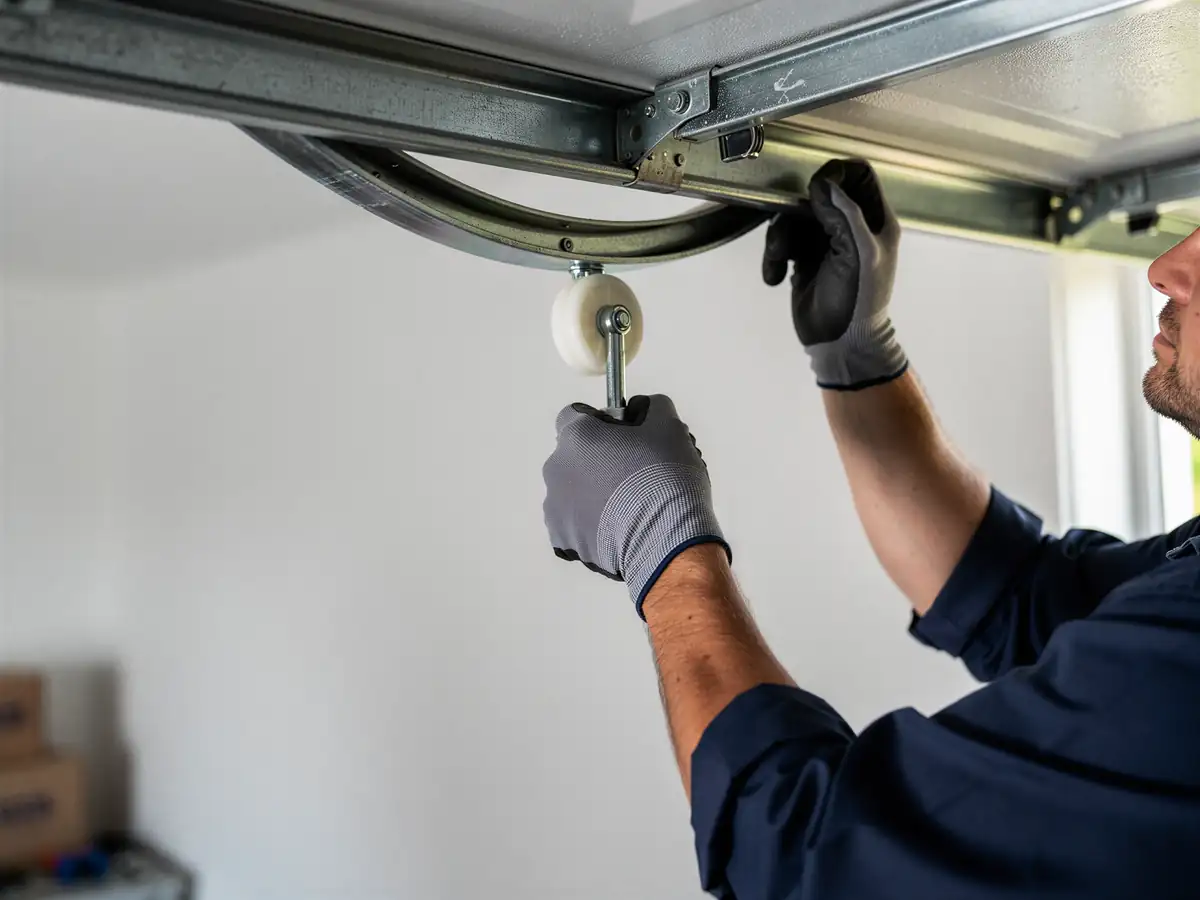
Start at the brackets, not the track. Roller brackets bolted to a door panel built before 1997 are usually holding original hardware, and the bolts back out slowly over the years from vibration alone. Check for a bracket that sits even a little crooked against the panel - that's usually where the roller first leaves the channel. Next, look at the track itself where it bolts to the jamb. In houses from this era the jamb lumber has had decades to dry and shrink, and a track bolted tight in 1985 can now have an eighth of an inch of play at the top bracket. Run a level along the vertical section near the opening - track that leans even slightly inward or outward will walk a roller off over repeated cycles. Last, look at the bottom rollers themselves. Original steel rollers on this older stock don't flex the way a nylon roller does, so they transmit every bit of track misalignment straight into the door instead of absorbing it.
How Local Conditions Play In
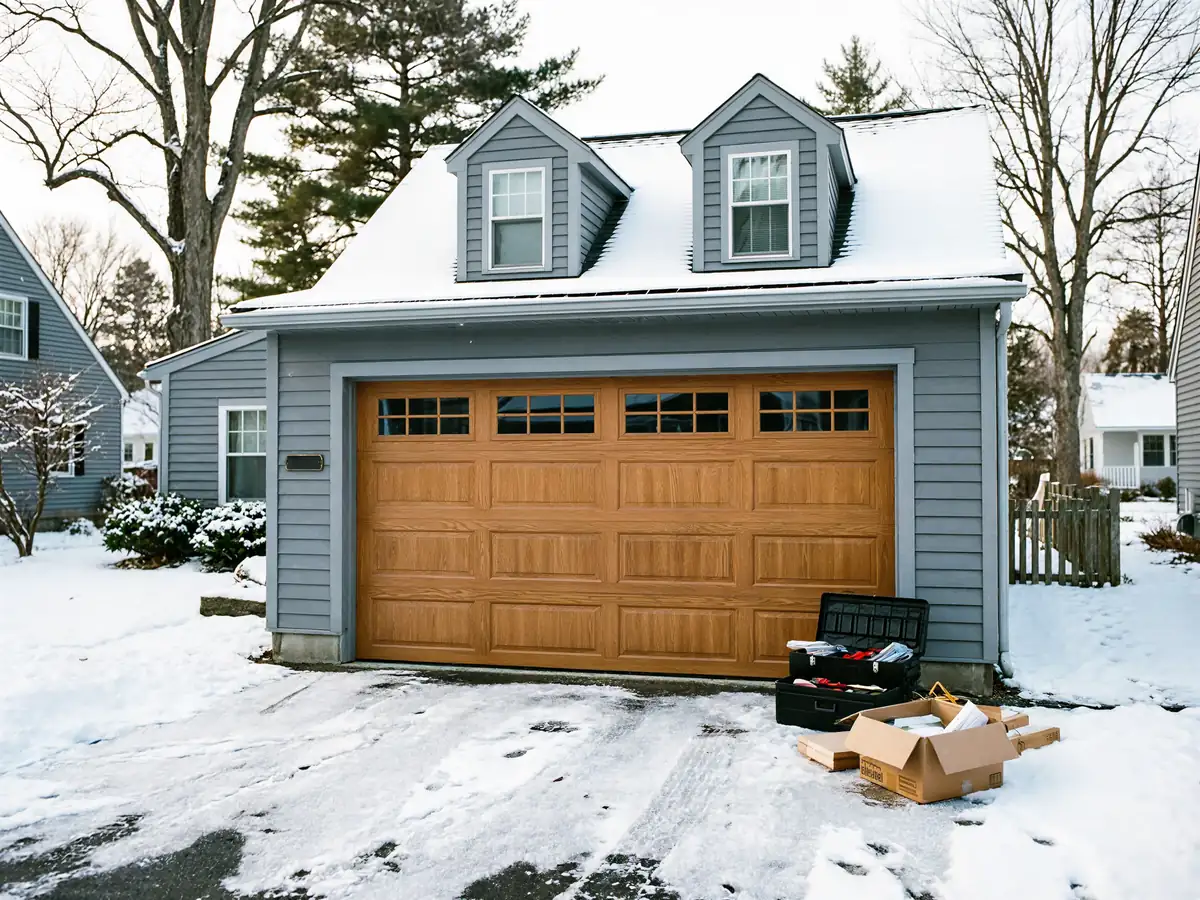
Manchester sits in a cold-and-severe climate band, and that matters more for track alignment than people expect. Steel track contracts in deep cold and expands again when the garage warms through the day, and on an attached garage that swing is constant through a New Hampshire winter. Over a house built in the 1938-1997 range, that decades-long cycle of contraction and expansion is exactly what loosens bracket bolts and nudges track brackets out of plumb in the first place - it's not one bad freeze, it's forty winters of it. Houses closer to the river-adjacent older sections near downtown and the built earlier in that range, show this more than the newer 1990s construction further out toward Bedford or Auburn, where track and framing simply haven't had as many freeze-thaw cycles to work against them.