Booking a Visit
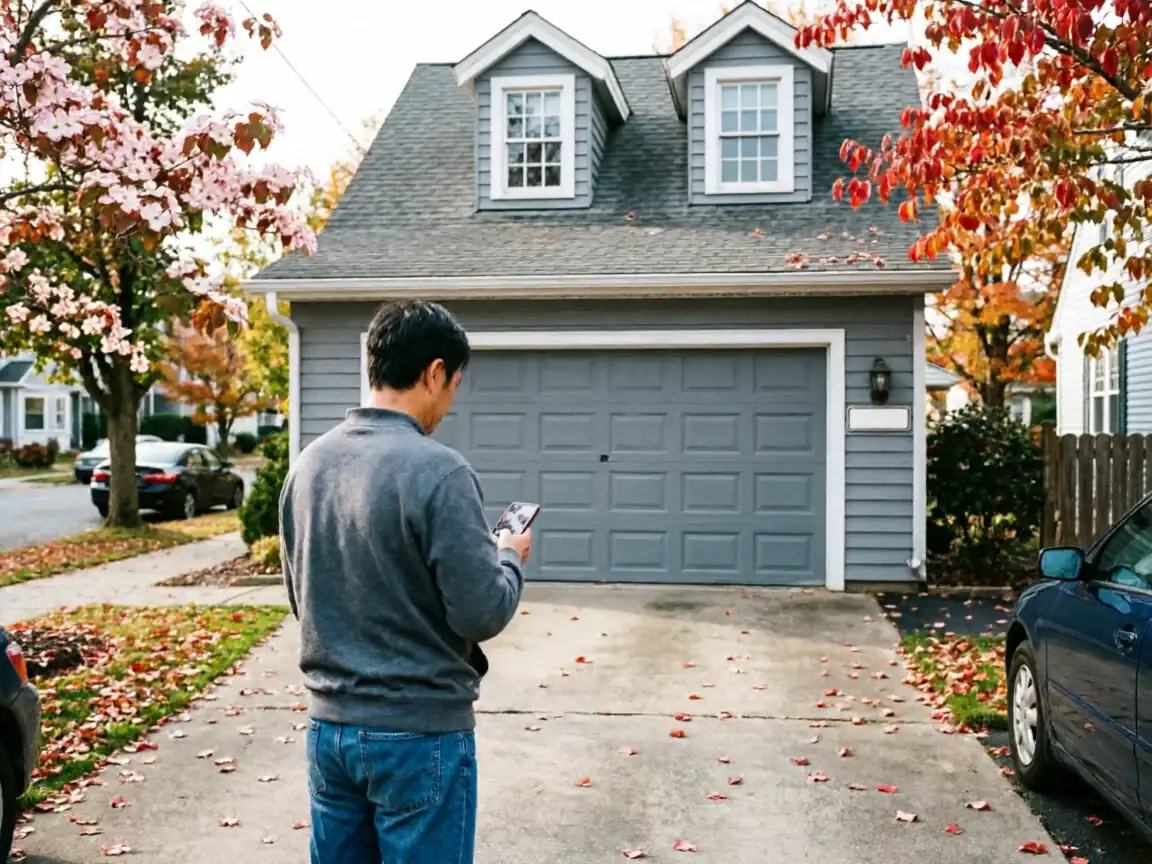
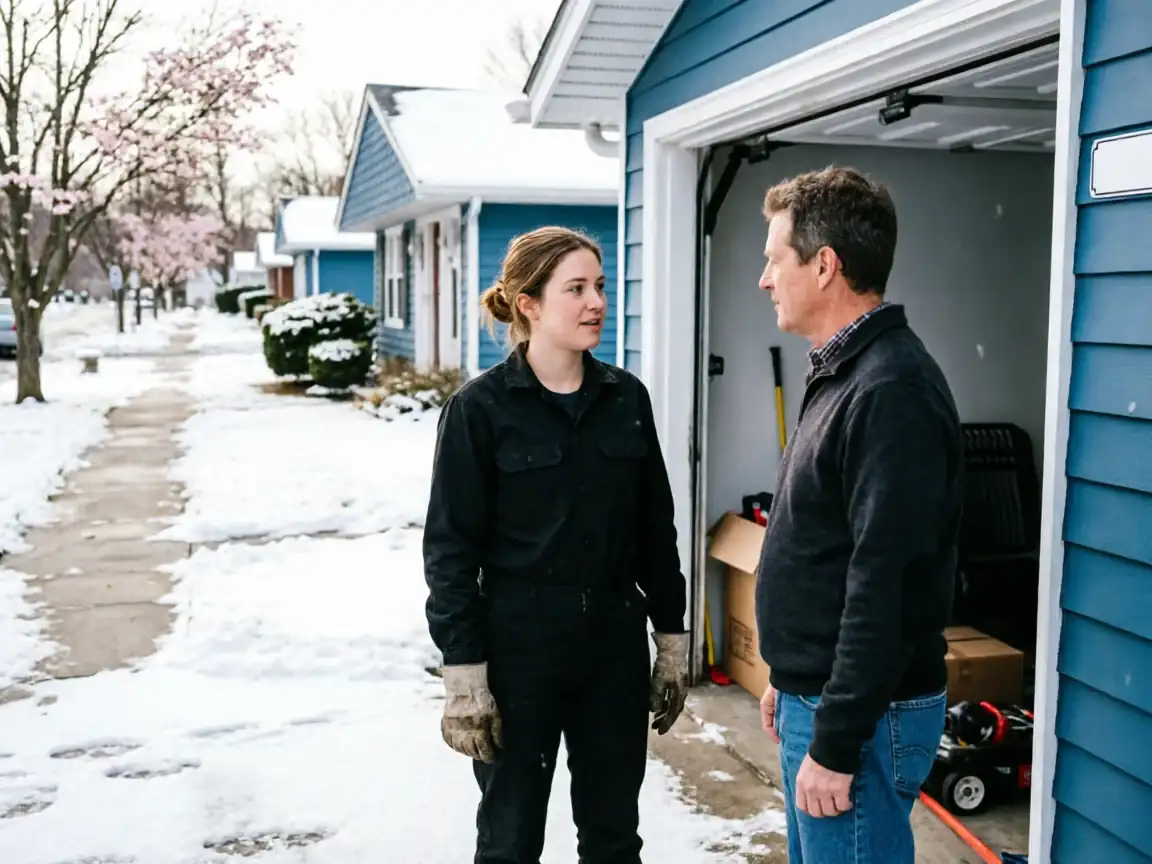
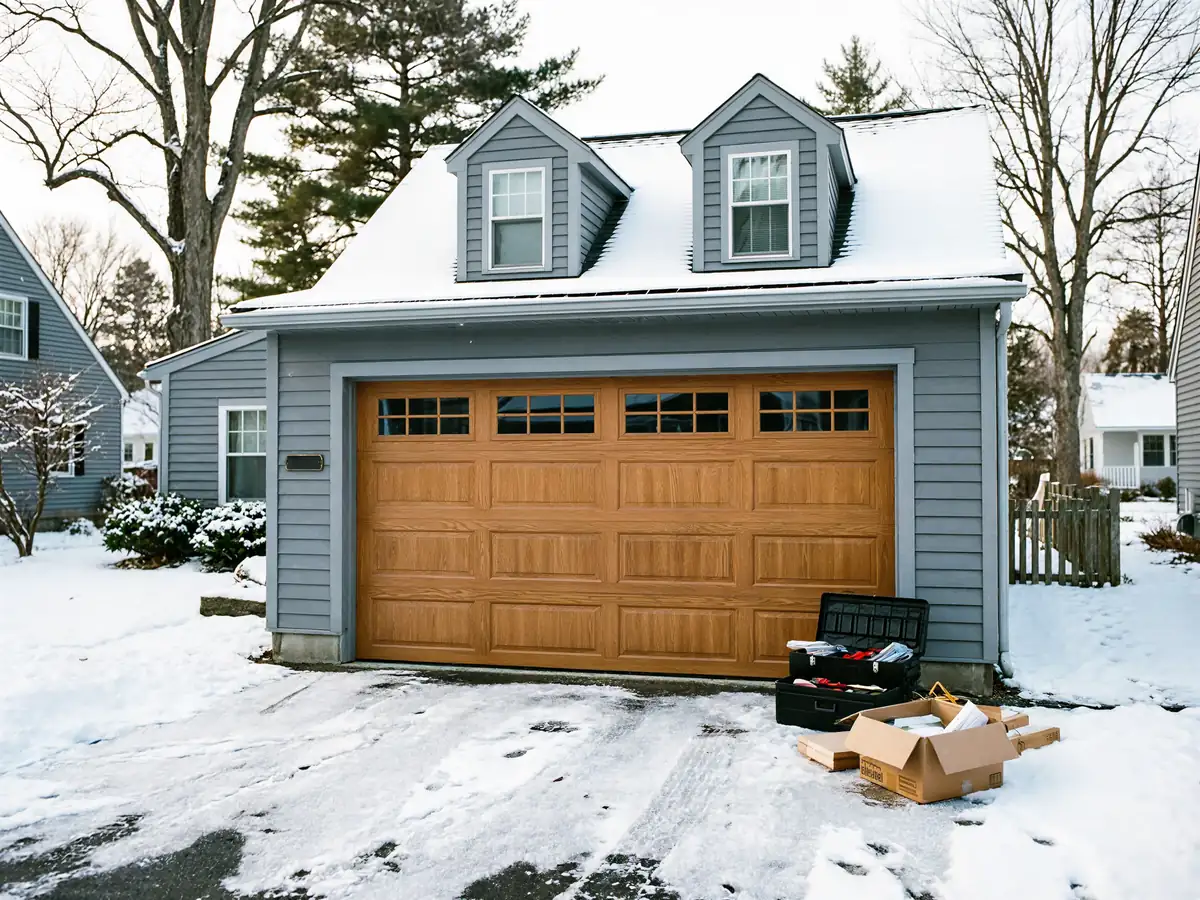
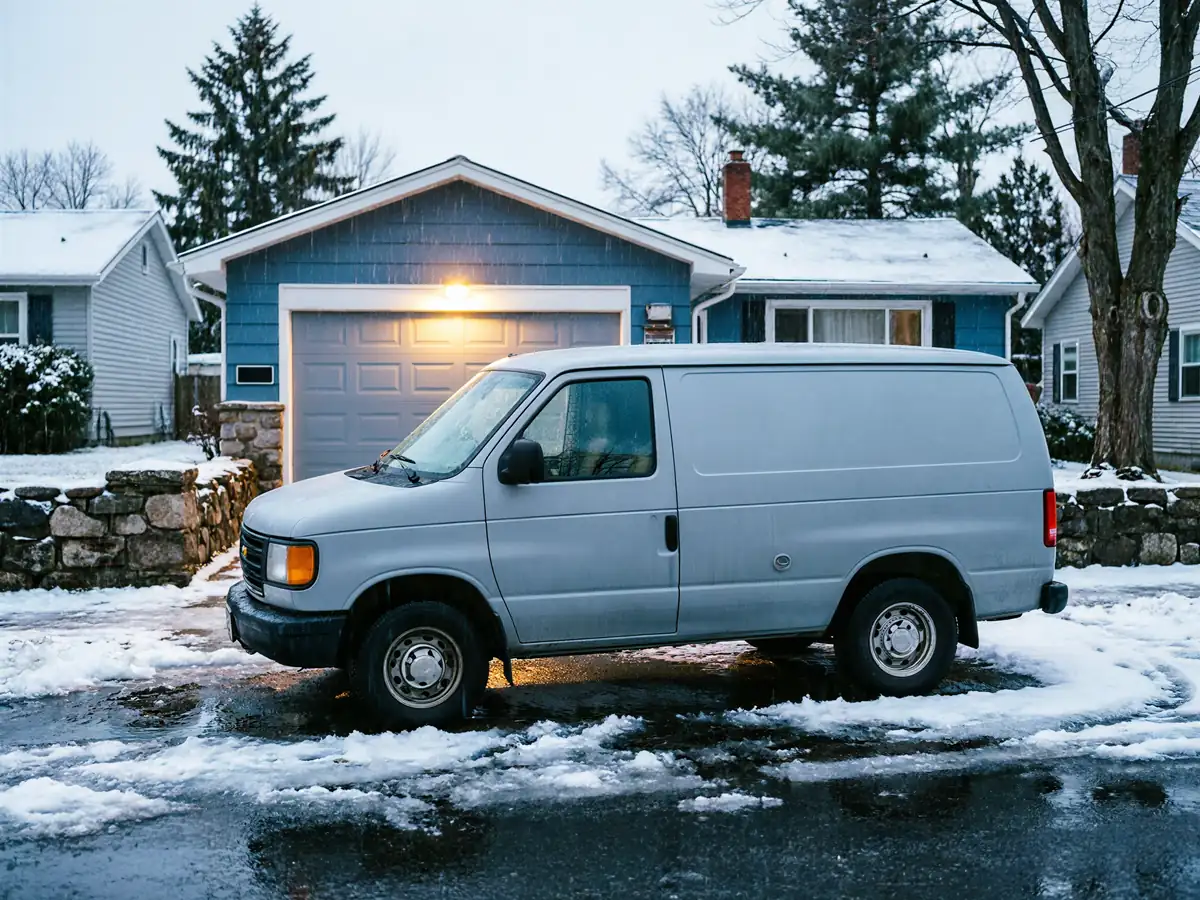
Pembroke sits about 13 miles from our Manchester shop, so when you call we're scheduling a truck out to you, not sending someone around the corner. That's worth saying plainly: we don't have a depot in Pembroke, and we're not going to pretend otherwise. What we do have is a crew that knows what's waiting behind a lot of these doors before they pull up - 2,779 households here, median income $95,307, and that number matters more than it sounds like it should. At $95,307, a lot of households are making a real decision between a $300 spring job and a $1,400 door replacement, not an automatic upgrade. We quote both options honestly and tell you which one actually makes sense for the door you have, not the one that pads the invoice. Bring us the symptom - won't open, opens crooked, opener grinds and quits - and we'll tell you over the phone roughly what you're looking at before the truck even leaves.
Where This Job Goes Sideways
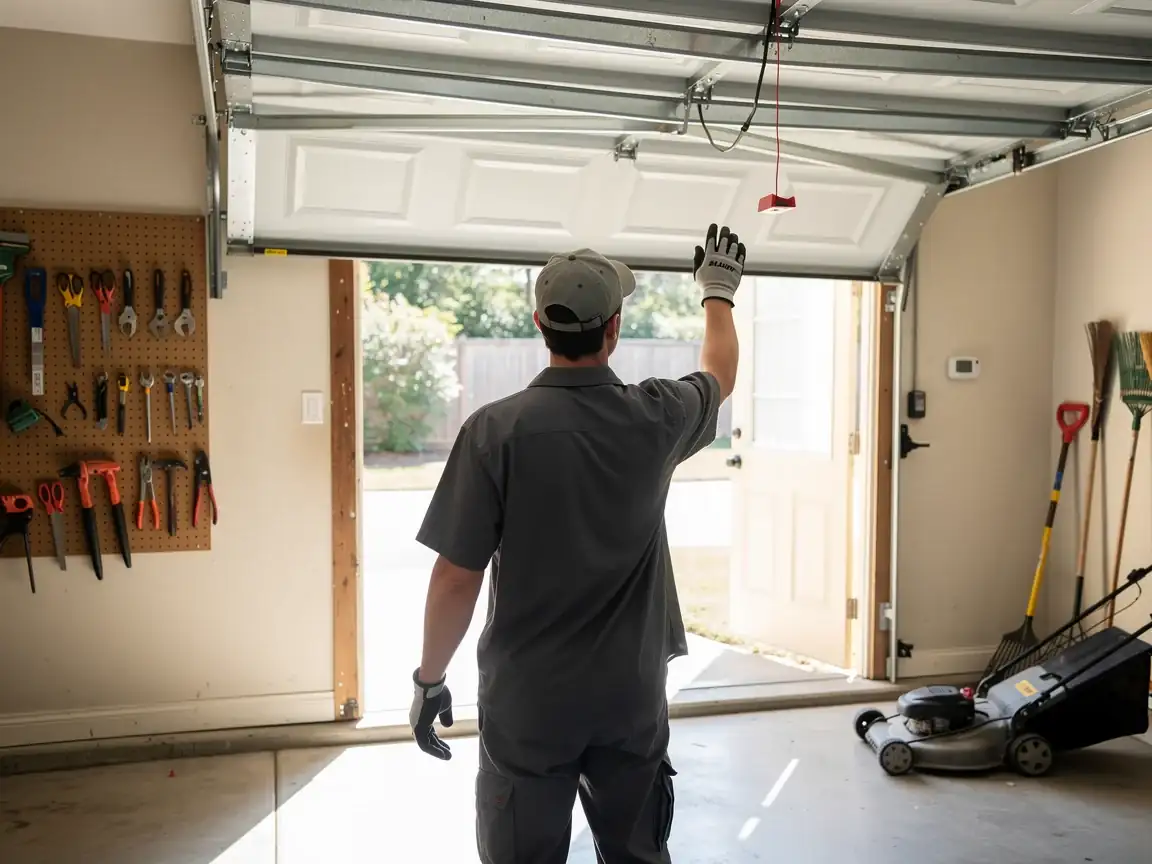
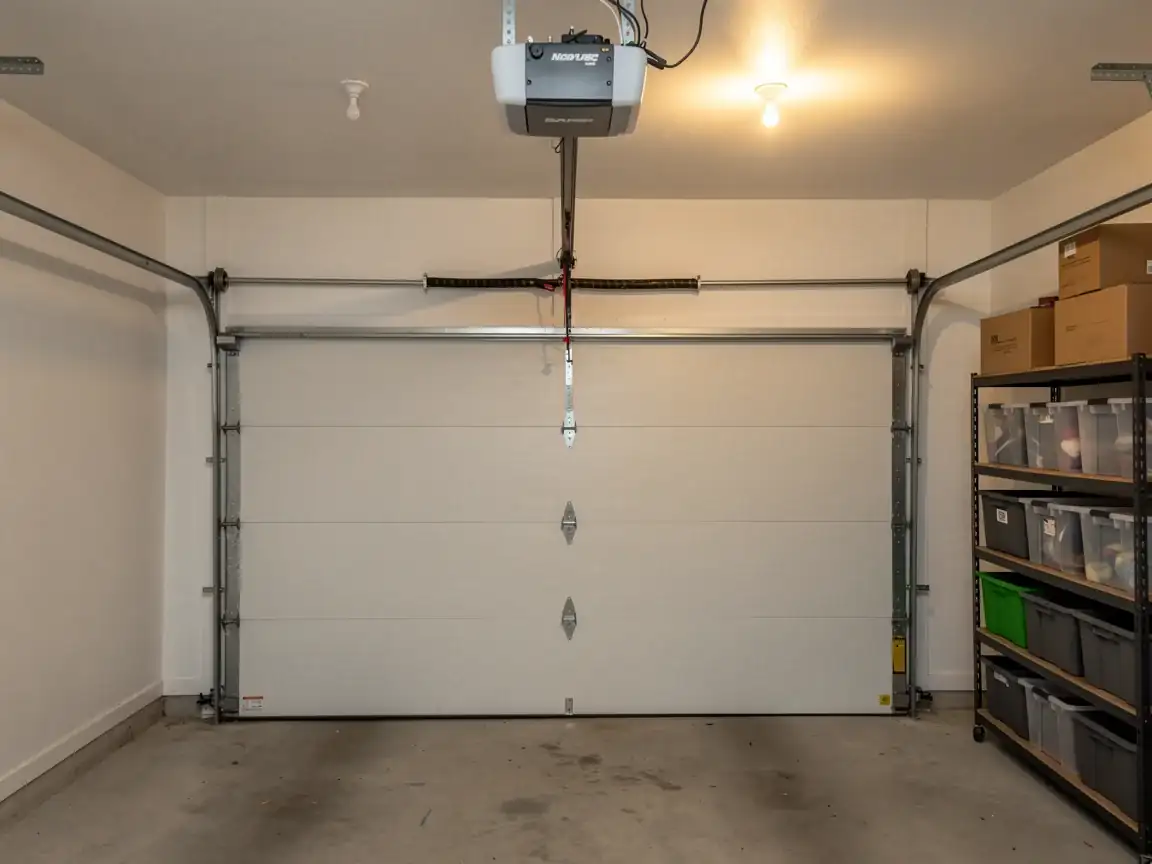
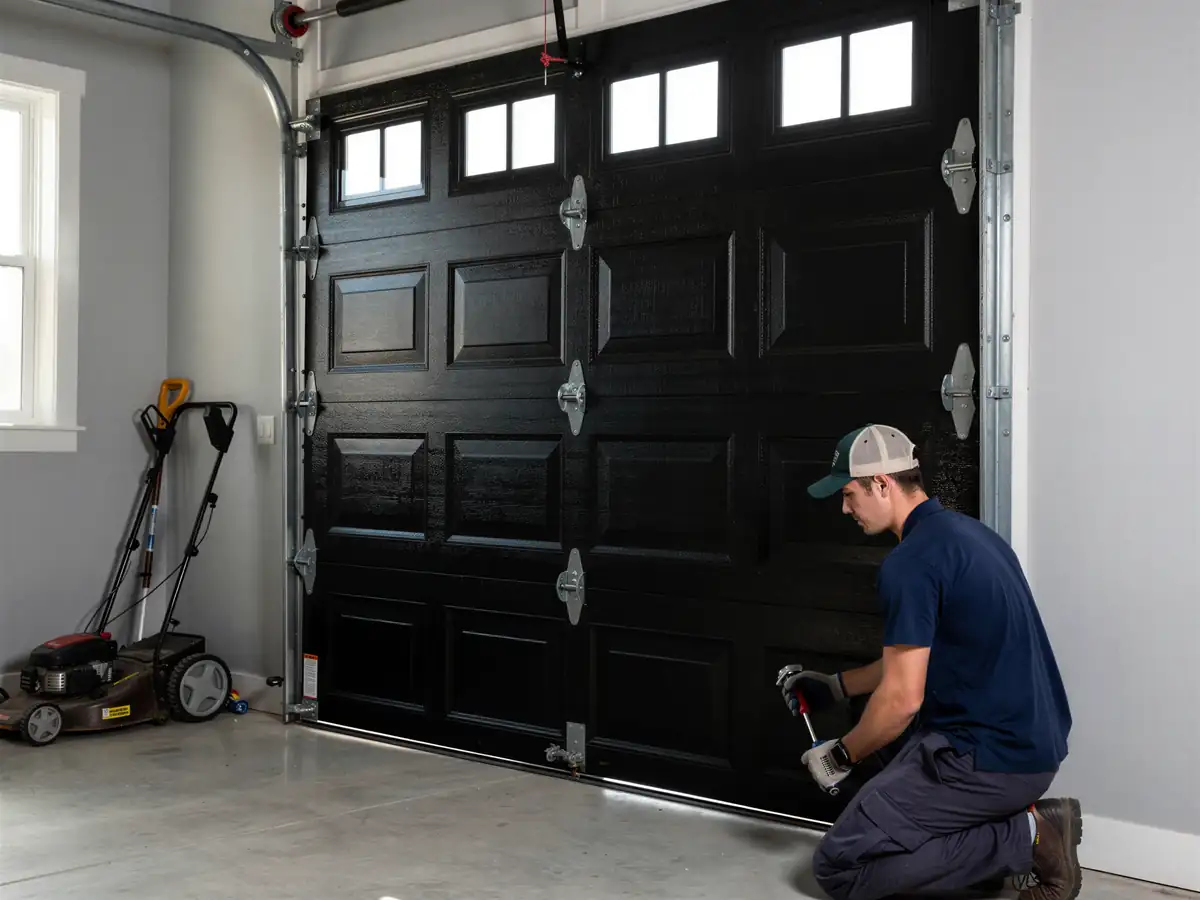
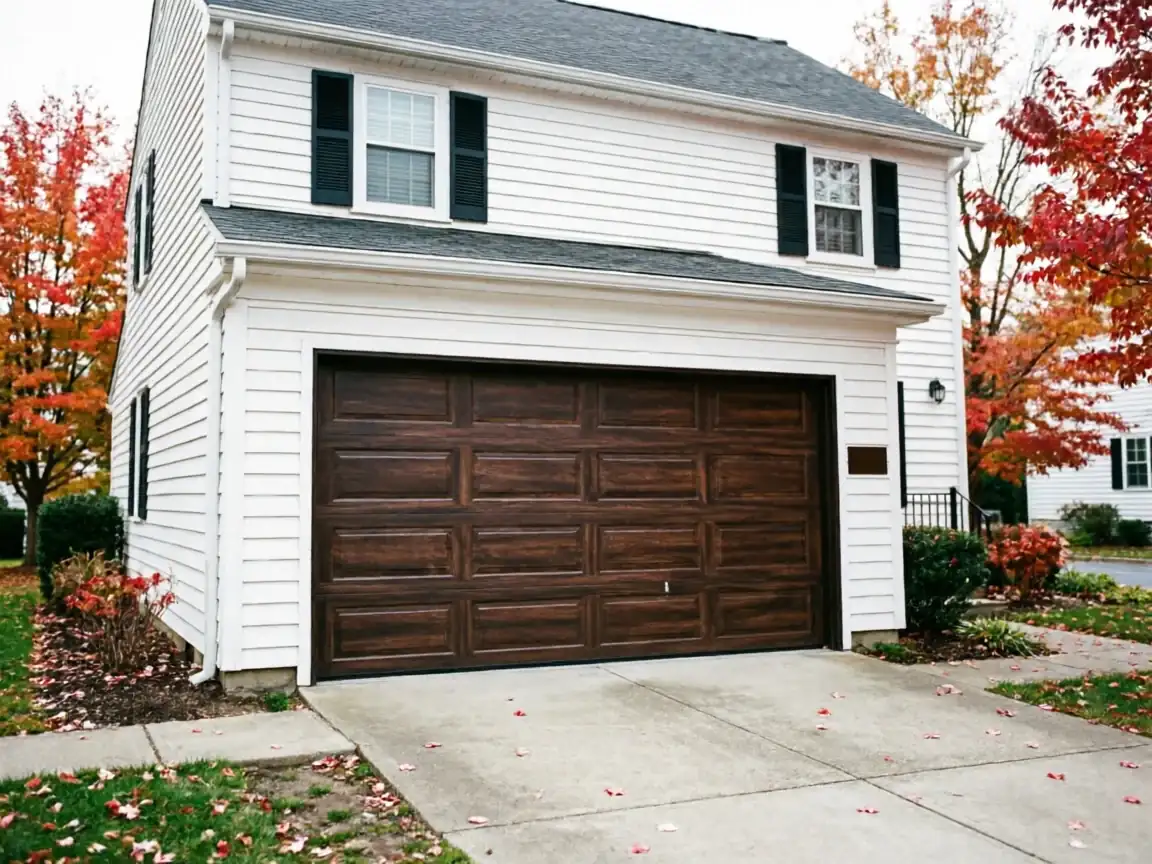
The median house in Pembroke was built around 1969, which puts a good share of the town's garage doors on original or first-replacement hardware from an era before extension springs went mostly out of favor on single doors. That's older than the 1982 median across the rest of our service area, and it shows up on the job: galvanized hardware that's pitted past its rated cycle count, track that was never resquared after decades of settling, and openers bolted to framing that wasn't built with an opener in mind. A repair that's routine on a 1990s door - swap the spring, done - turns into a longer job here because the drum, the cable, and the mounting brackets are all the same age and none of them want to come apart clean. We tell you that up front instead of discovering it on your dime once we're halfway into the job.
Parts We Carry
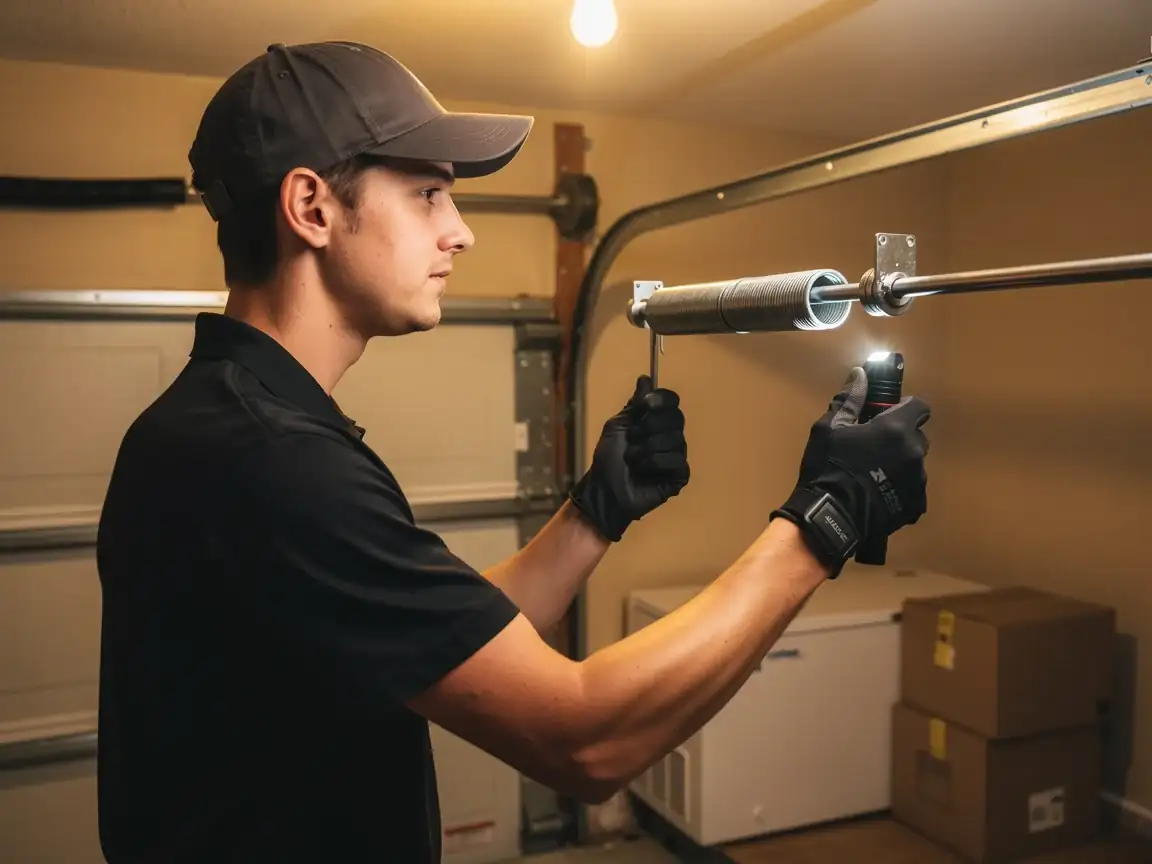
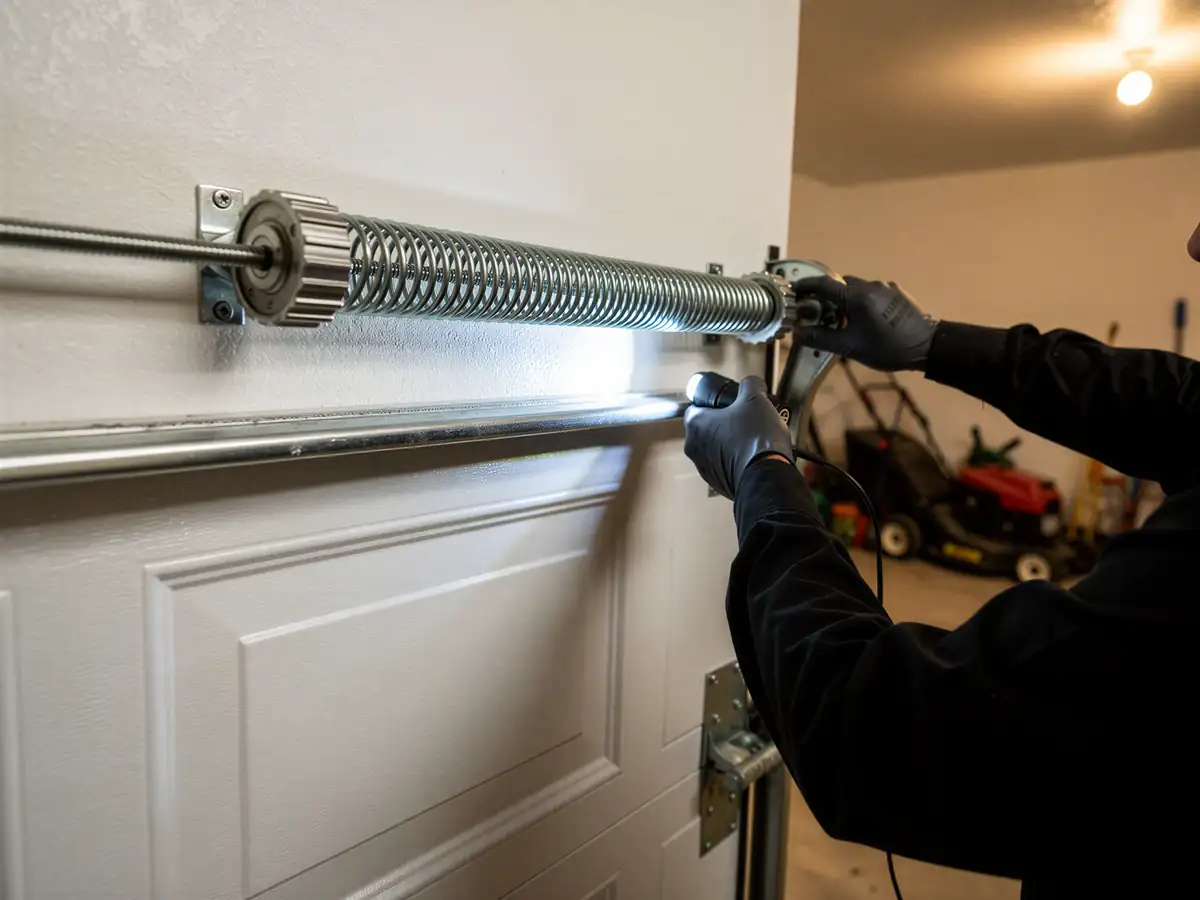
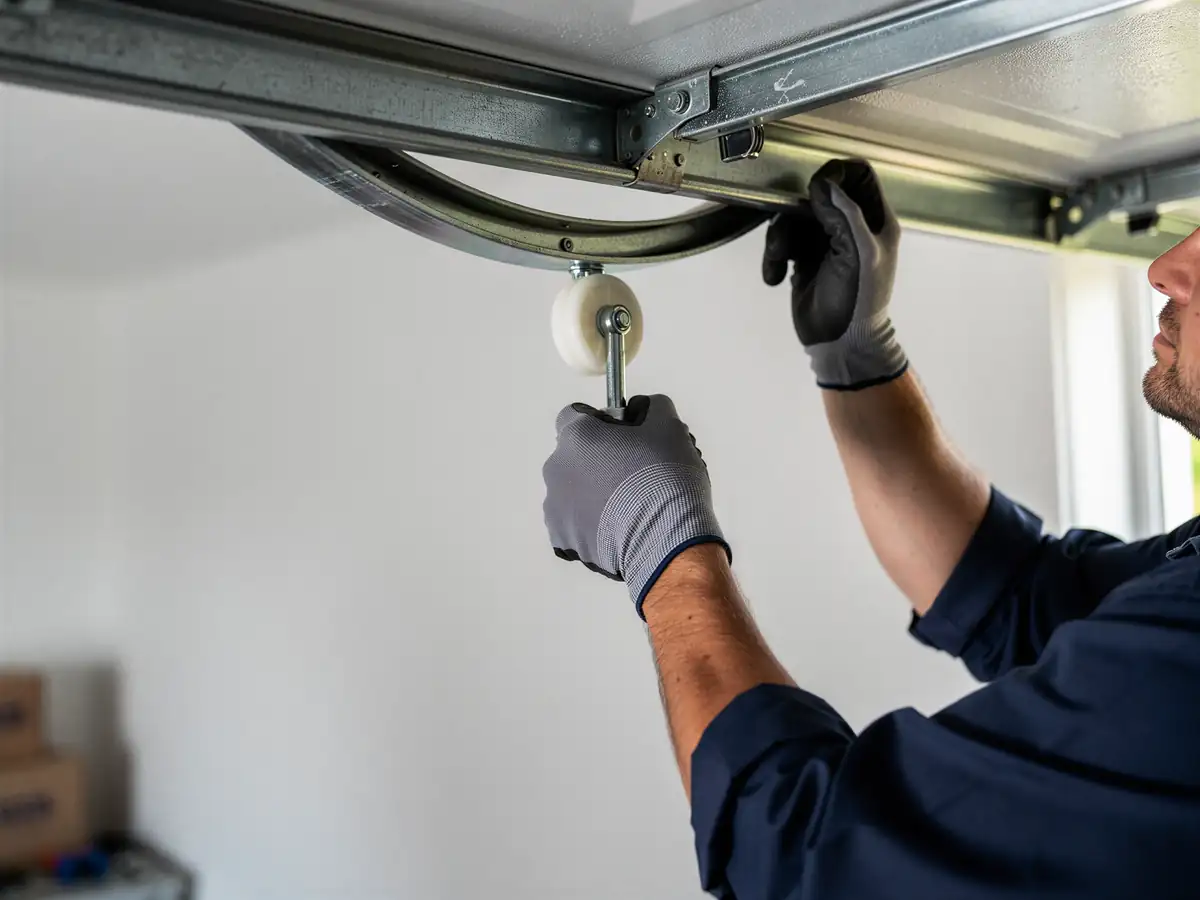
We stock torsion and extension springs sized for the standard door widths that show up across this part of our service area, plus rollers, cable, and standard track sections on the truck. What we don't carry on the truck is a part sized for a nonstandard or custom door - some houses built before 1970 have openings that don't match current standard sizing, and if that's your door, the part has to be ordered, which means a return visit instead of a same-day fix. We'll tell you on the first visit if that's the situation rather than let you assume it's a one-trip job. Honest answer: we'd rather lose you an afternoon of waiting than tell you it's fixed when it isn't.
Why This Fails Locally
The climate band here is classed as severe cold, and on a door built to late-1960s standards that means decades of hard freeze-thaw cycling on hardware that was galvanized to a lower bar than anything made today. Steel that's been through fifty-plus New Hampshire winters loses temper in the spring coil before it visibly rusts, so the failure often looks sudden - a clean snap on a cold morning - when really it's been building for years. On newer doors across the rest of our area, built closer to the 1982 median, that cycle fatigue is less advanced simply because the hardware's younger. In Pembroke, age and cold stack on each other, which is the real reason these calls skew toward spring failure rather than opener failure.