The Symptom
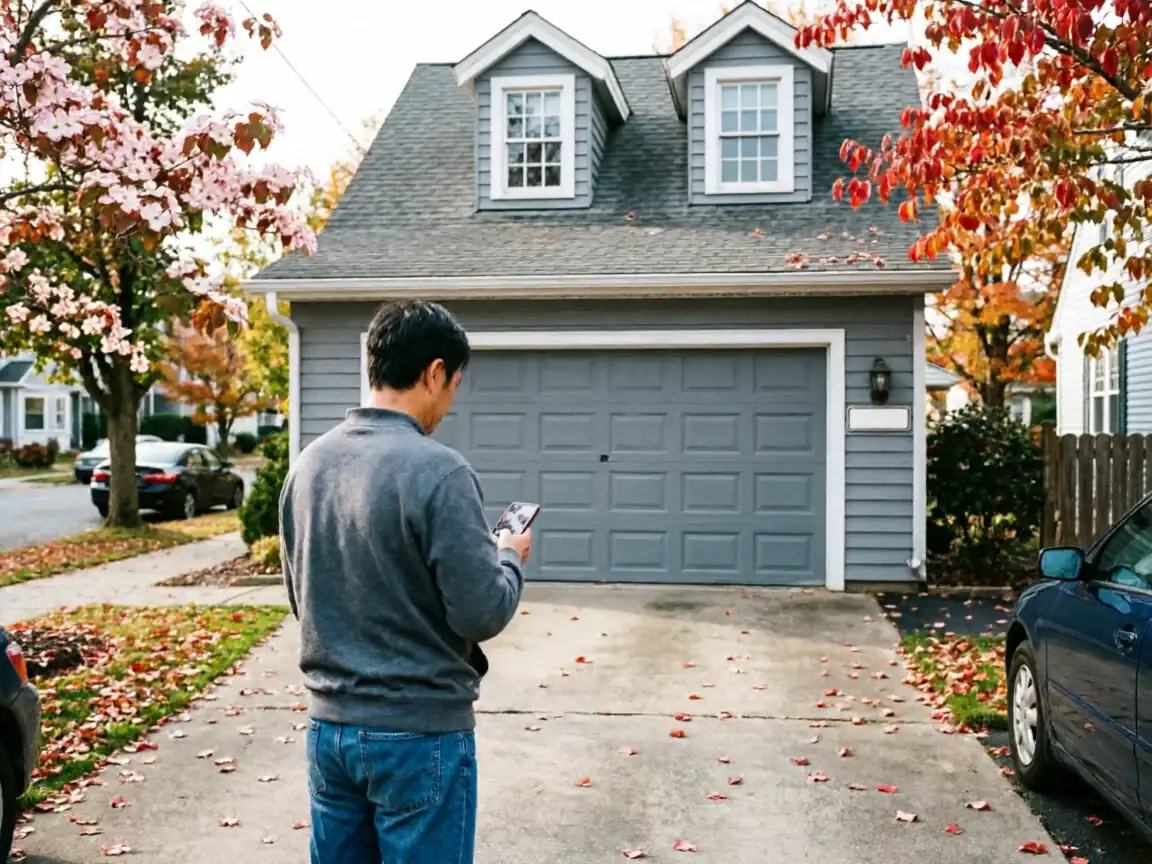
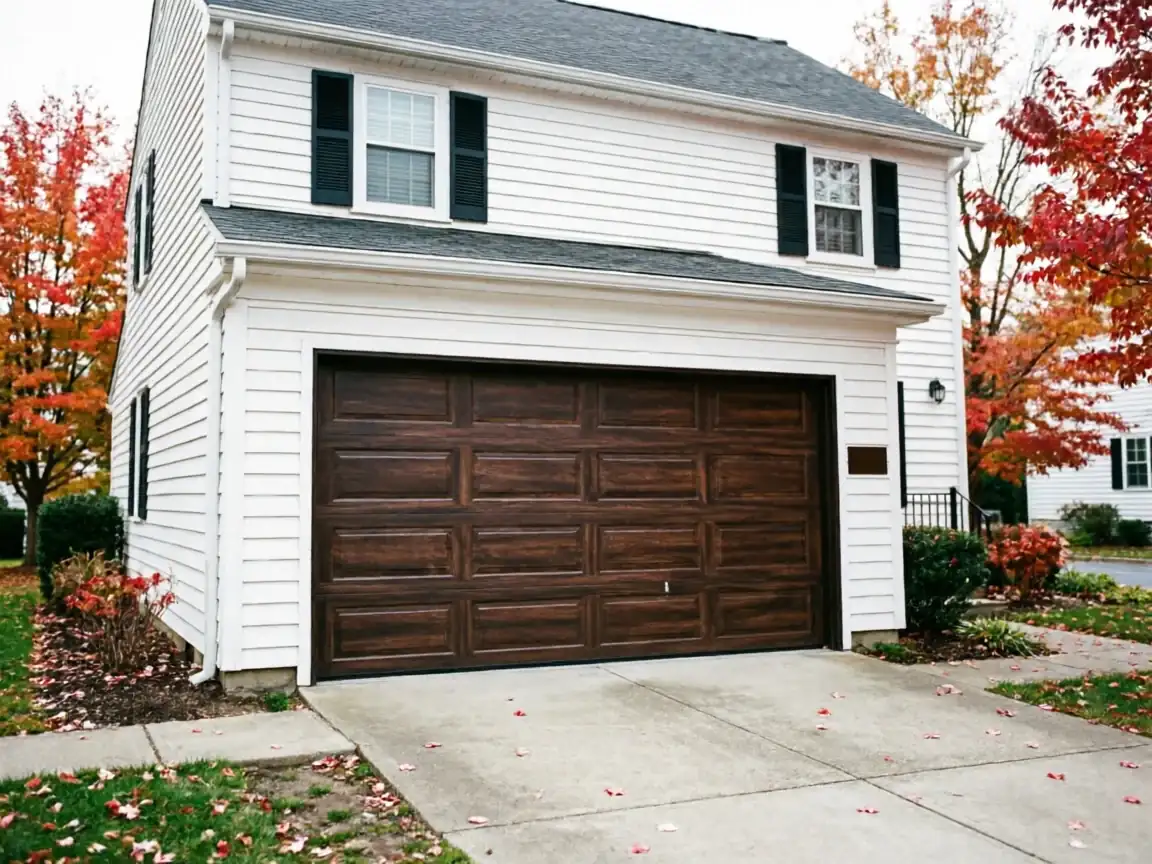
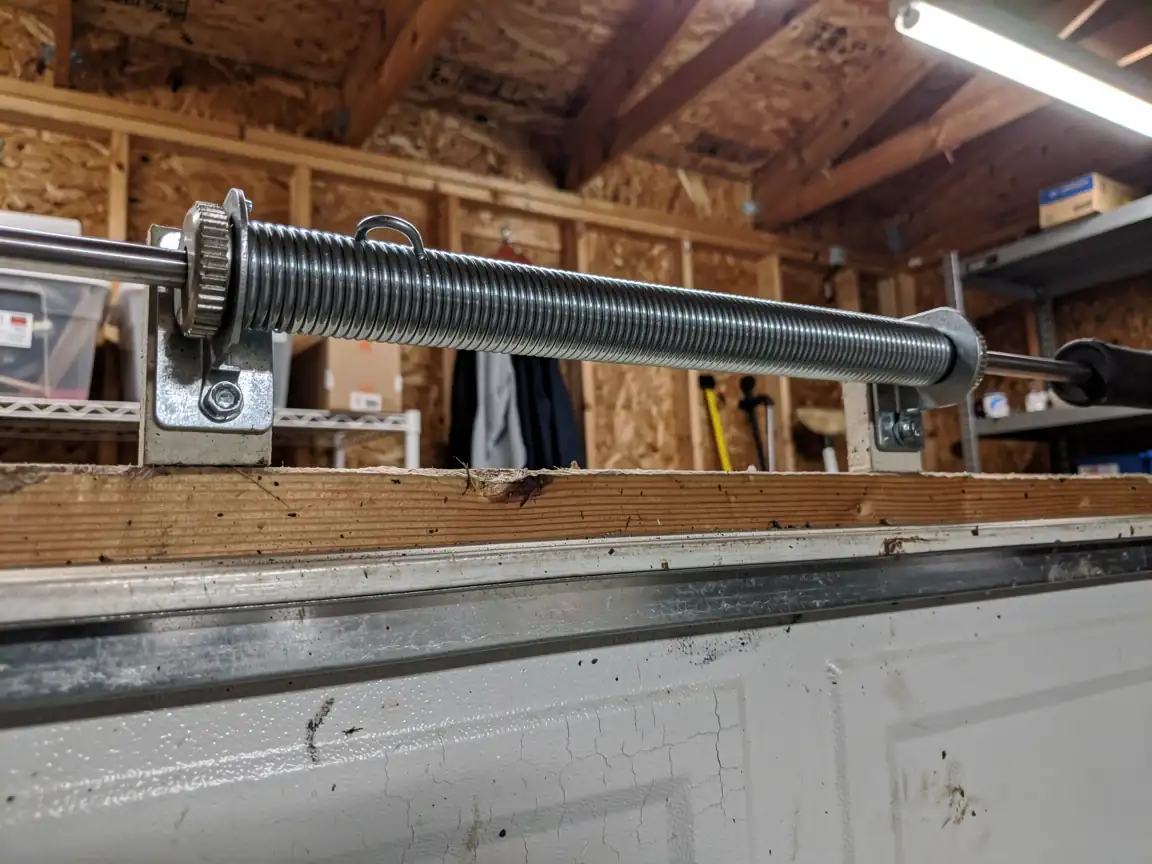
If your door drags, groans, or drops the last six inches instead of settling, you're feeling a spring that's lost tension it needed for this winter, not just this door. A lot of Manchester housing dates from 1938 to 1997, with the median build year landing around 1982, and most of that stock across the city's 45 named areas is 1980s-90s construction. That means the torsion spring on your door was likely sized decades ago for the panel weight and hardware of that period - not for a heavier insulated replacement panel someone bolted on later, and not for the opener upgrade that came after.
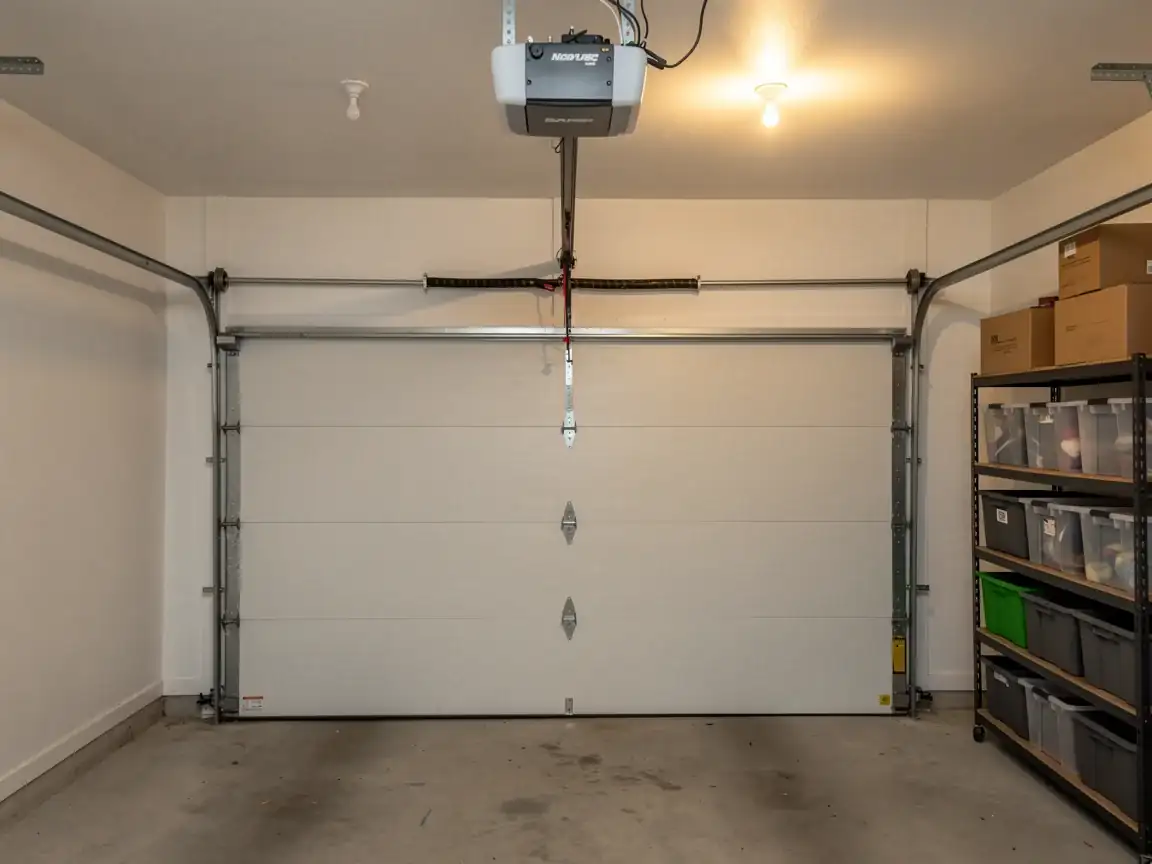
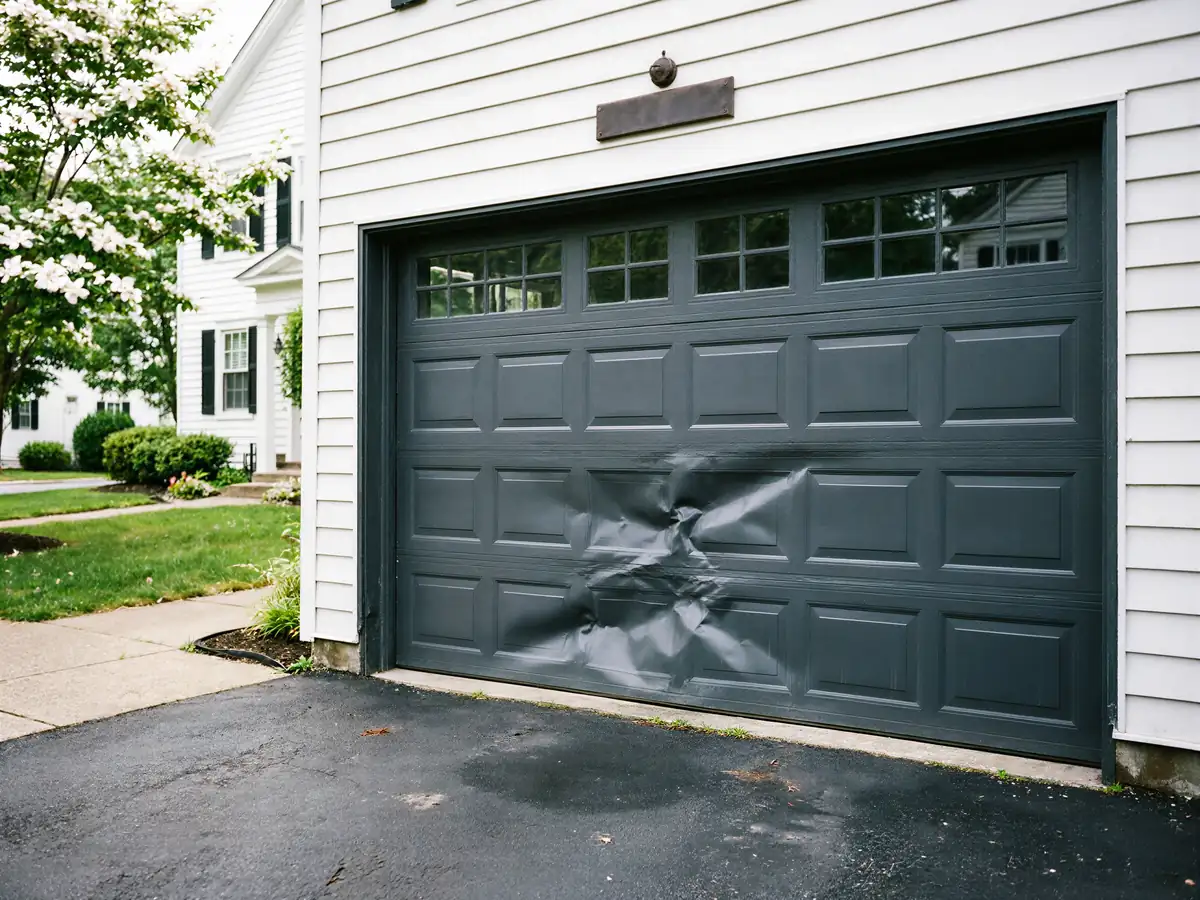
Other symptoms we hear a lot: the door reverses before it touches the floor, the opener motor runs but the door doesn't move, or one side of a double door visibly sags lower than the other. Cables that look fine but are actually frayed where they wrap the drum are common on doors this age too. None of these are opener problems first - they're usually spring or cable problems that the opener is just reacting to by refusing to finish the cycle.
Time on the Job
A straightforward torsion spring swap on a single door is a different job than a double door with two springs, a bent track, or a cable that's jumped the drum. We don't quote a flat number over the phone because the hardware on a house built in the 1960s is often not the same bracket spacing or shaft diameter as hardware on a 1990s build, and Manchester has plenty of both. Once we're looking at the door, the job itself moves fast - springs and cables are routine work.
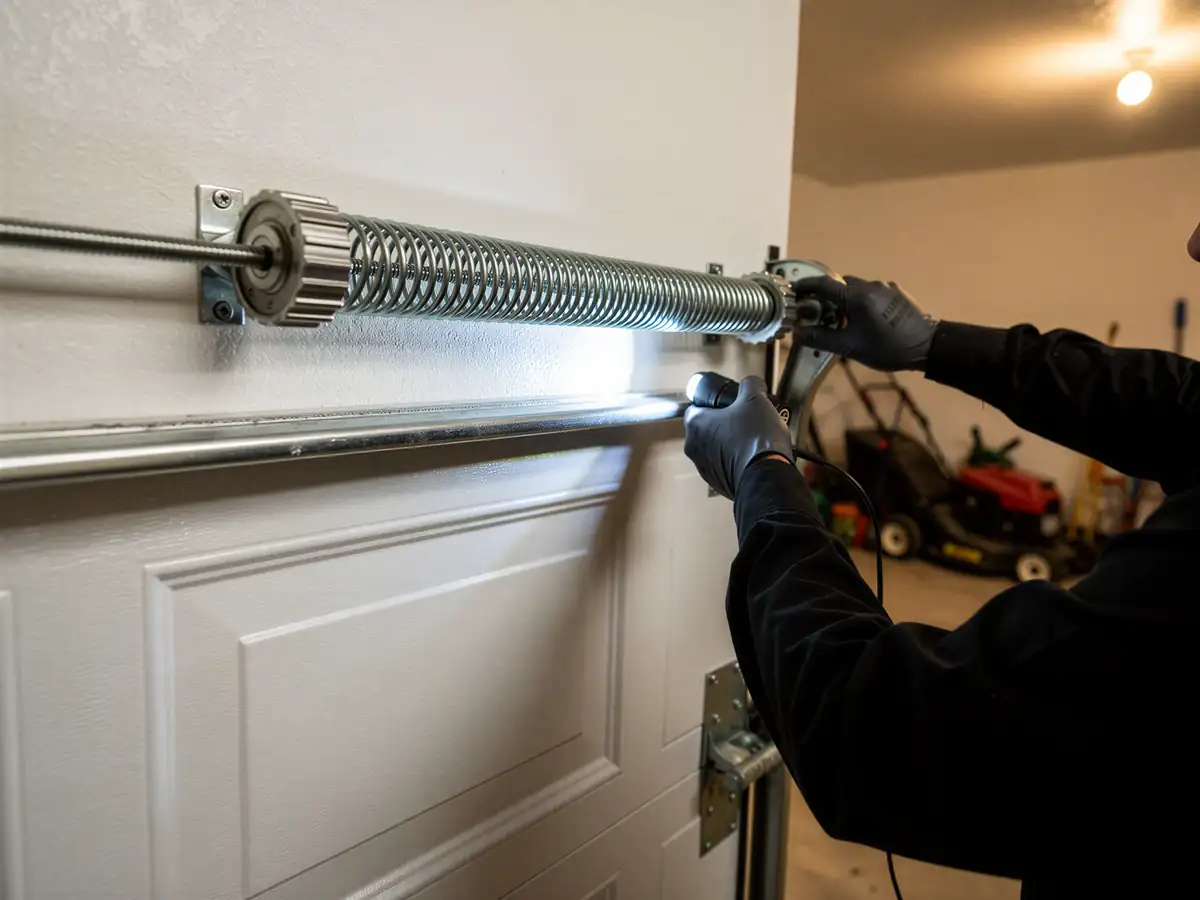
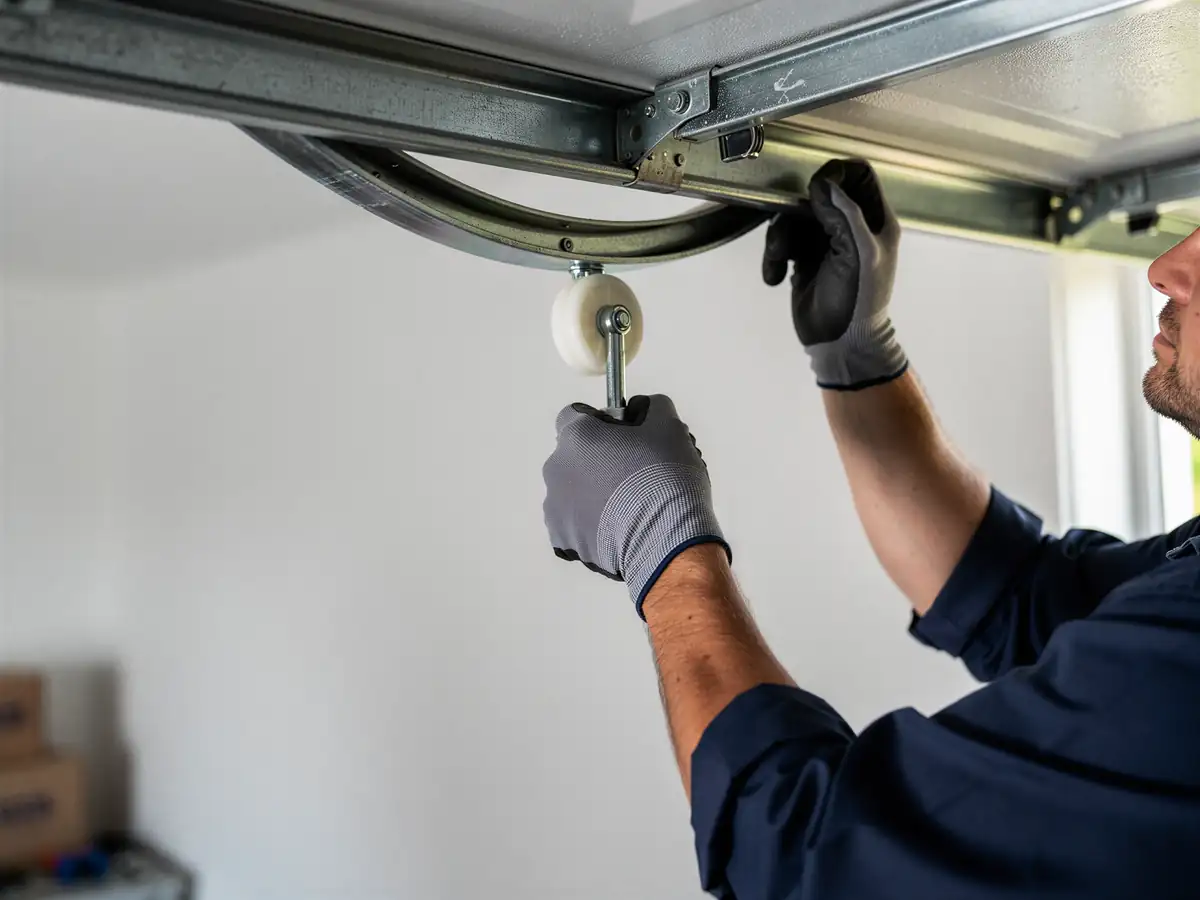
What takes longer is diagnosis when the complaint is vague, like "it's noisy" or "it sticks sometimes." Noise complaints on older torsion setups can be rollers, a bent track, or a spring that's days from failing outright, and those three look similar from across the garage. We check which one it actually is before we touch anything, because replacing a roller doesn't fix a spring that's about to let go.
Why This Fails Locally
Two things stack against older doors here
The age of the hardware and the weather it has to run in. With a median build year around 1982, a large share of doors in Manchester are still on their original or first-replacement torsion springs, and those springs were wound for the steel temperature and lubrication standards of that decade. Pair that with a cold climate rated severe and you get steel that contracts more in a hard freeze, grease that thickens past the point of lubricating, and galvanized cable that's been through more freeze-thaw cycles than a spring in a milder climate ever sees.
The practical result
A spring that's marginal in October can seize or snap in January, right when the door's working hardest against cold-stiffened rollers and a heavier door. This isn't a Manchester-specific defect in the hardware - it's what 1938-1997 stock does when it sits in a cold-severe band for forty-plus winters. Newer housing in warmer climates doesn't see this failure pattern nearly as often, because the spring never has to work this hard against both age and temperature at once.
Can You Do This Yourself
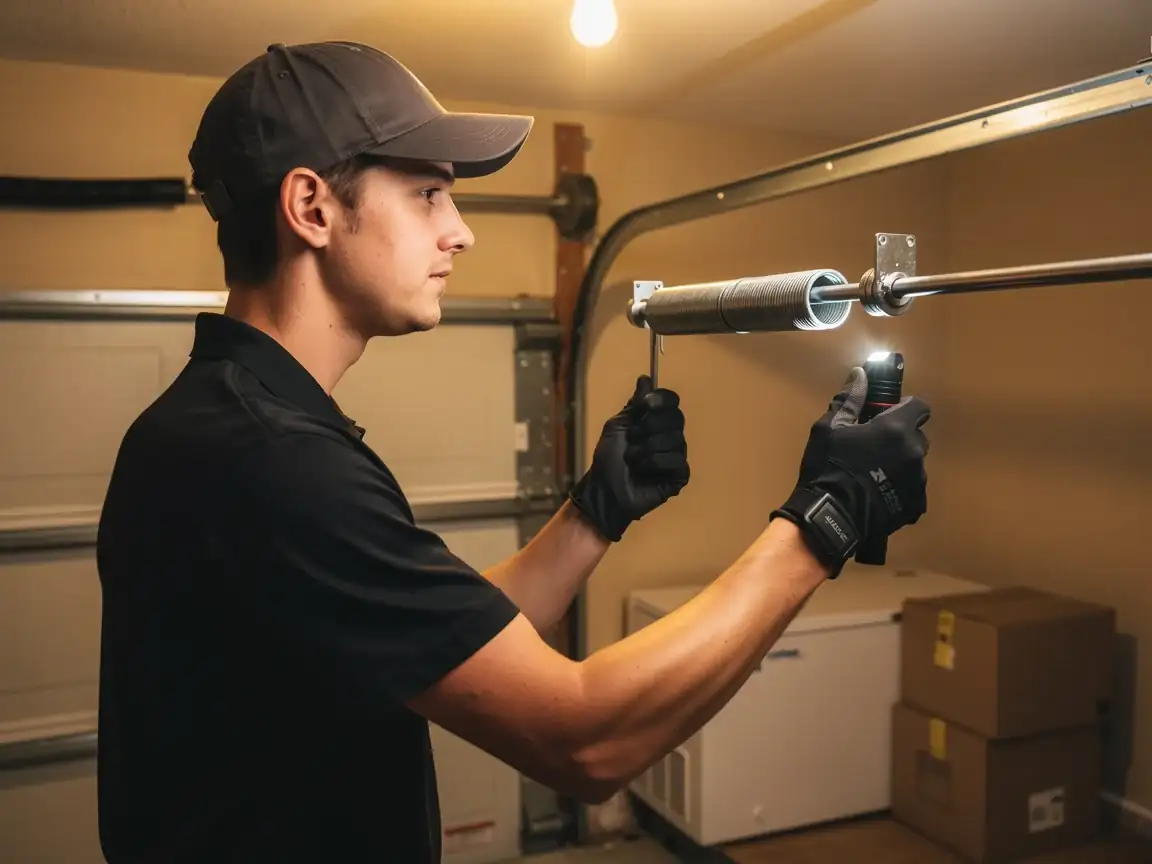
Rollers, hinges, and weatherstripping are reasonable DIY territory if you're comfortable on a ladder. Torsion springs are not. A wound torsion spring holds enough stored energy to break fingers or worse if the winding bar slips, and that risk doesn't change because the door looks old or the spring looks weak - weak springs under tension are still under tension.
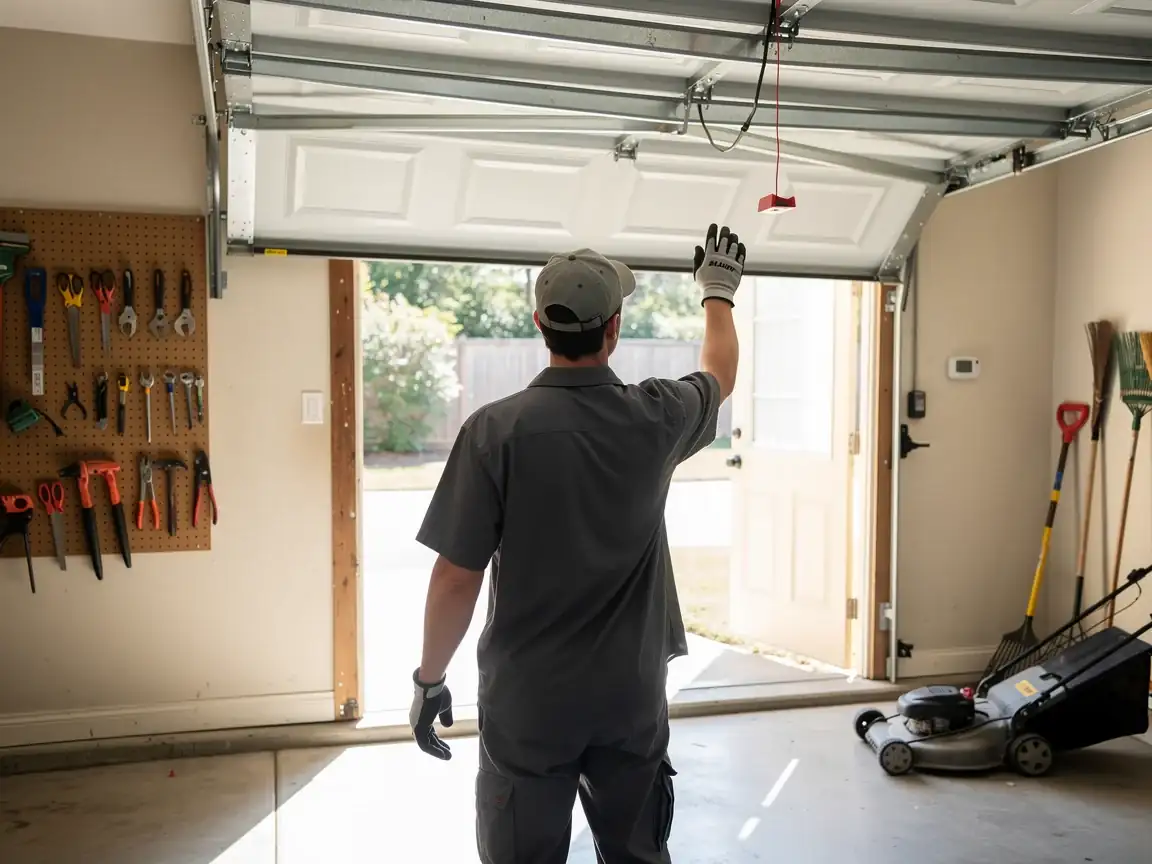
Here's the honest limit on our side too: if a door is original to a house built in the 1930s-40s and the track or jamb hardware is no longer a standard size, we may need to special-order a bracket or shaft rather than pull one off the truck, and that's a lead-time issue we can't shrink. For everything else - cable replacement, spring swaps, track alignment - that's the kind of call where doing it yourself mostly just means doing it twice, once wrong and once right. Checking the balance by hand (door should hold position when lifted halfway with the opener disconnected) is the one DIY test that's genuinely useful and genuinely safe.