The Symptom
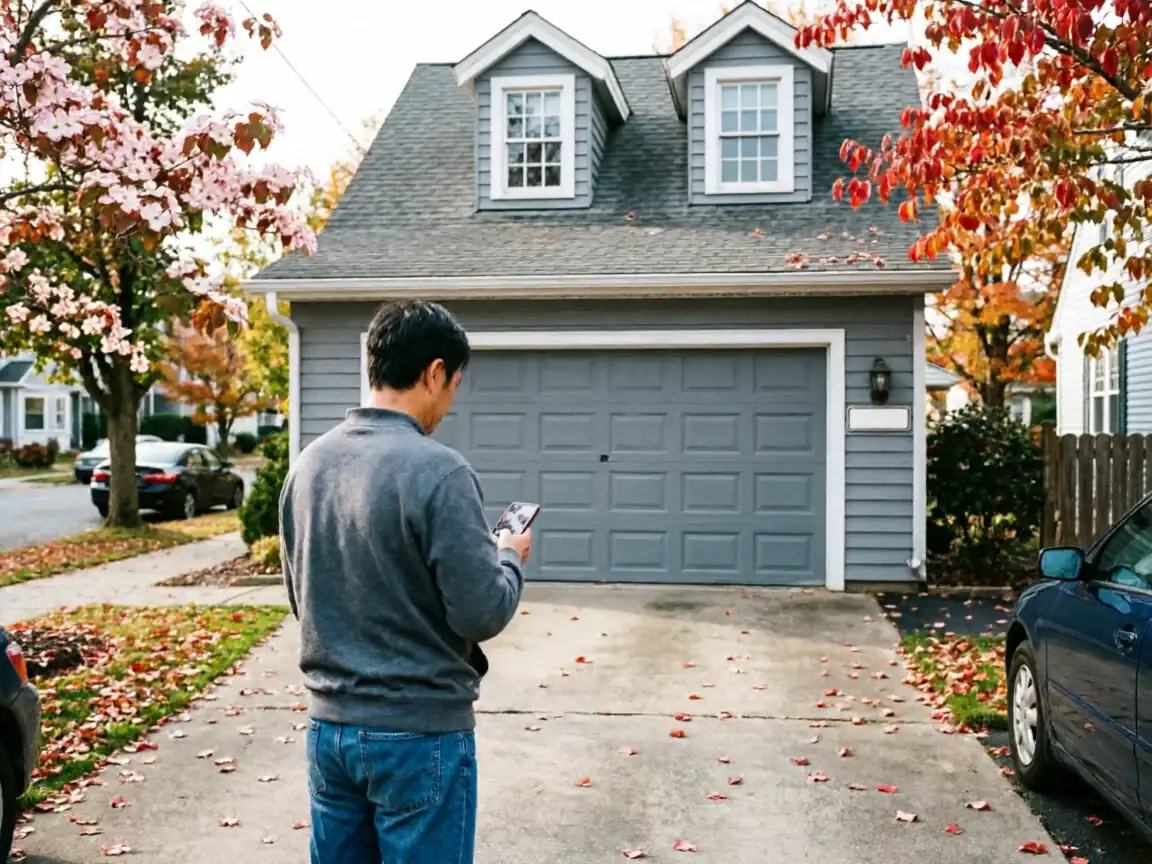
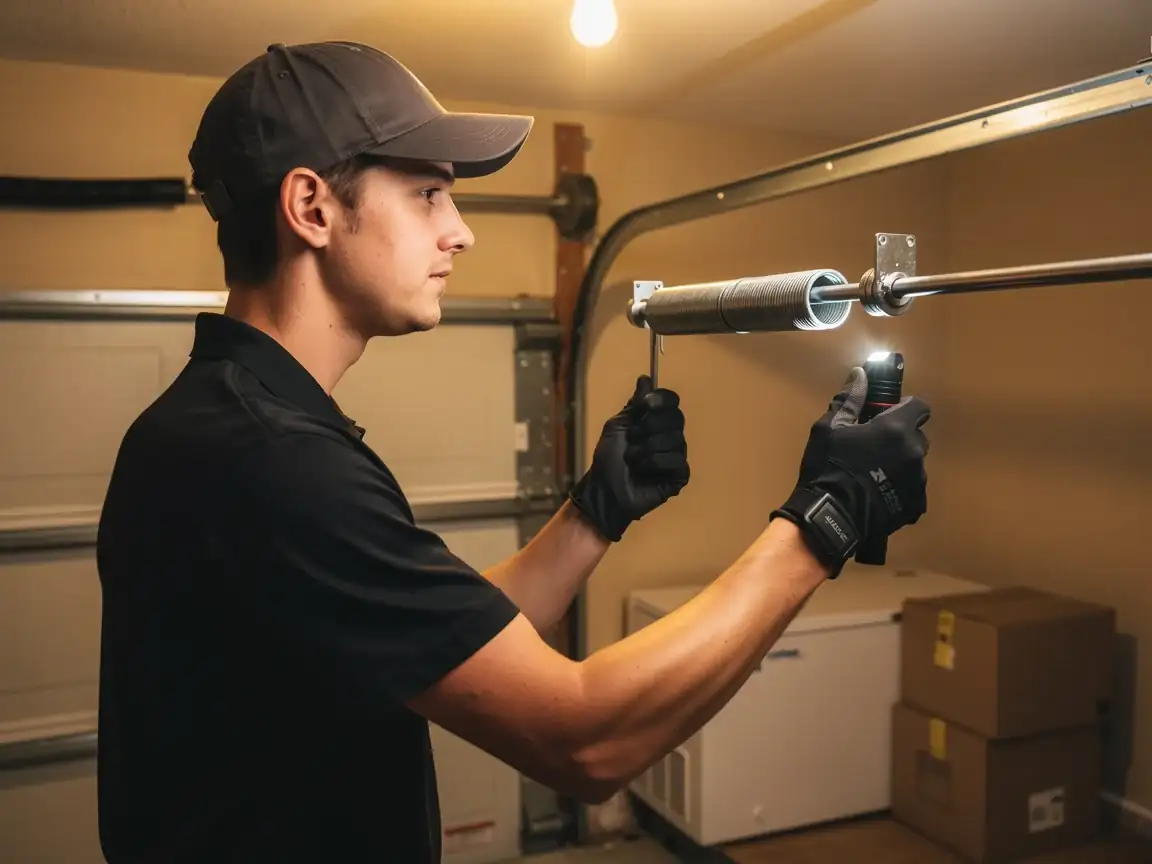
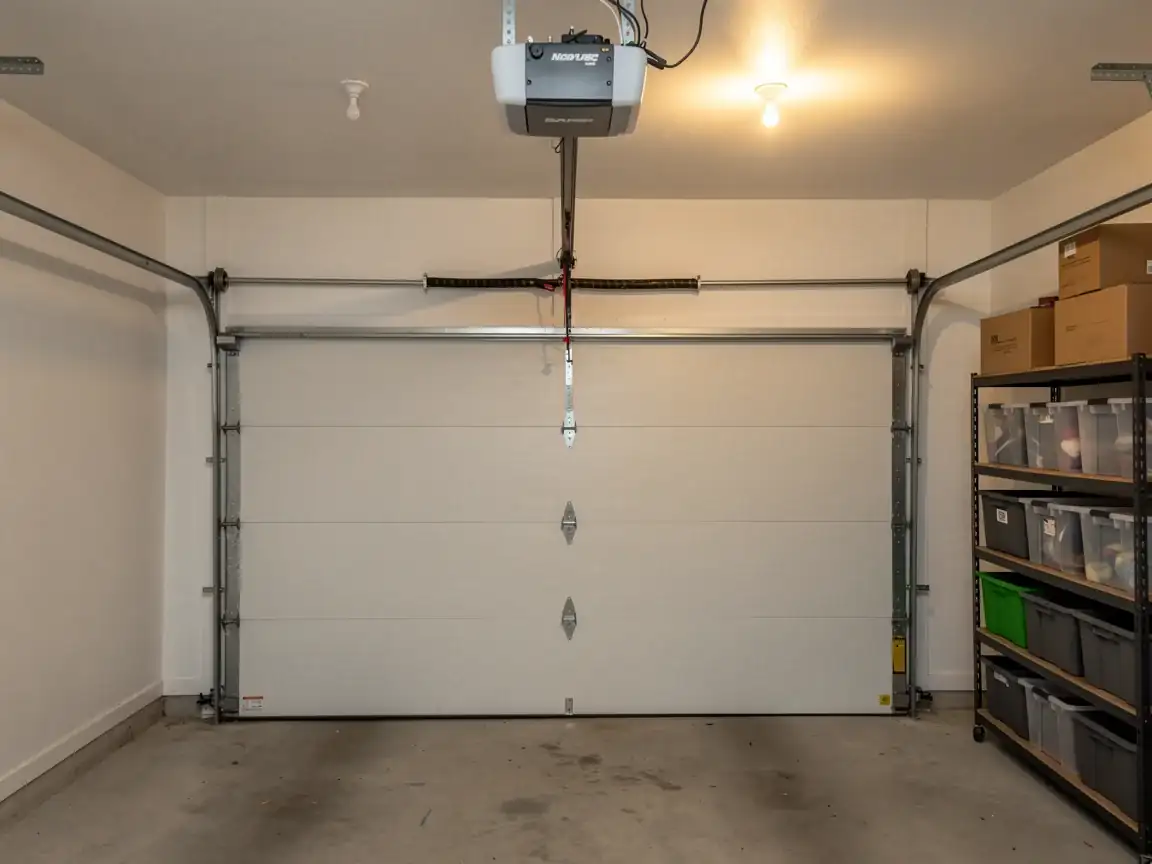
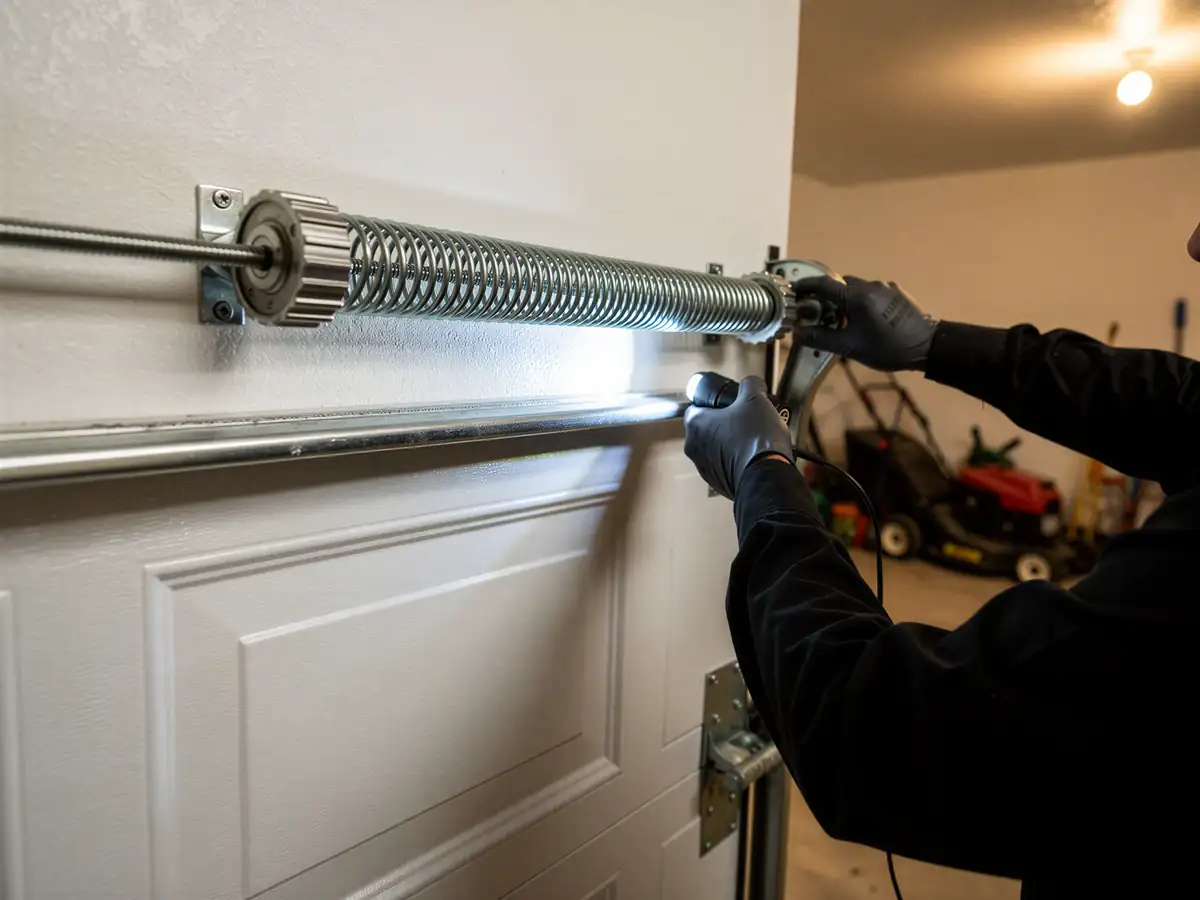
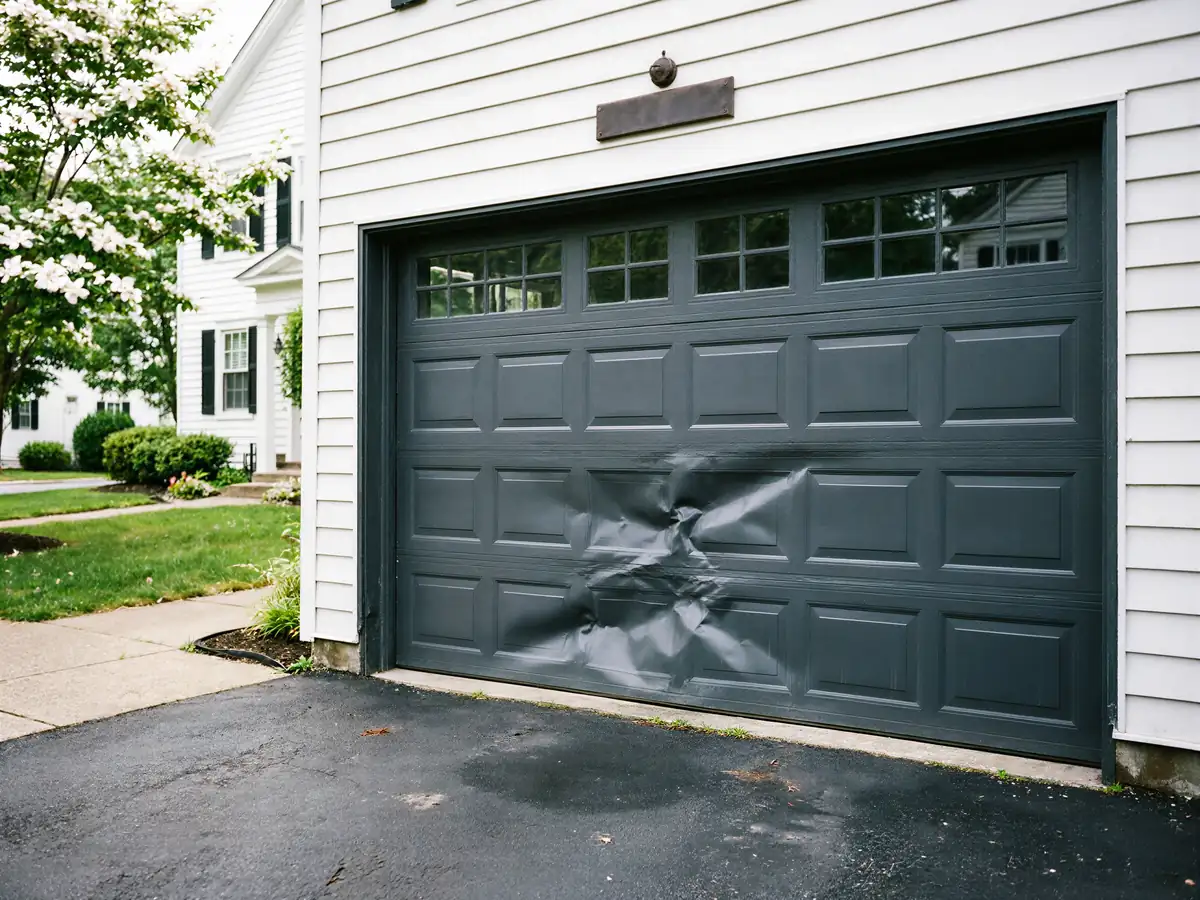
The call usually starts the same way: the door won't move, or it moved halfway and stopped, or it came down and now it's stuck shut with a car on the wrong side of it. Sometimes there's a bang first - a torsion spring letting go - and sometimes it's quieter, just an opener motor humming while the door sits there. A handful of calls are cables that have jumped the drum, which looks like the door is hanging crooked because it is. None of this is rare. It's the single most common reason the phone rings across the service area, from the to South Hooksett.
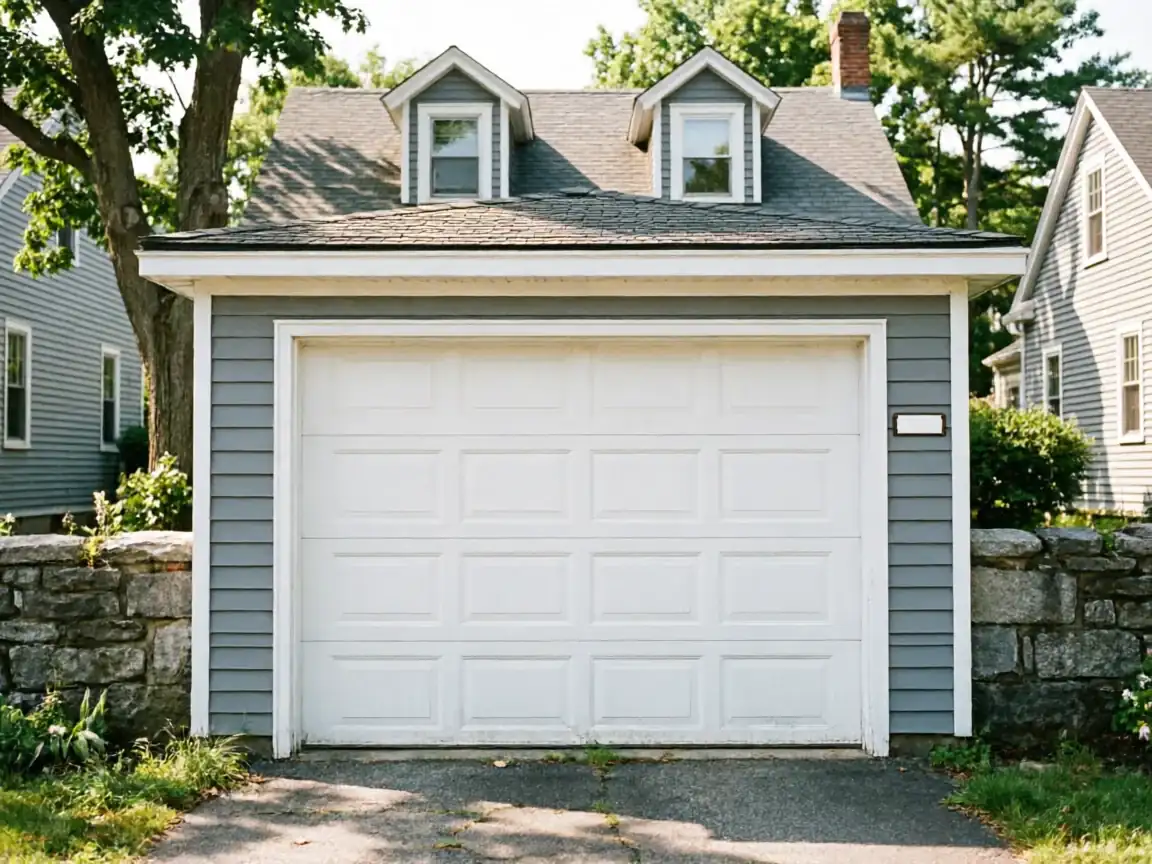
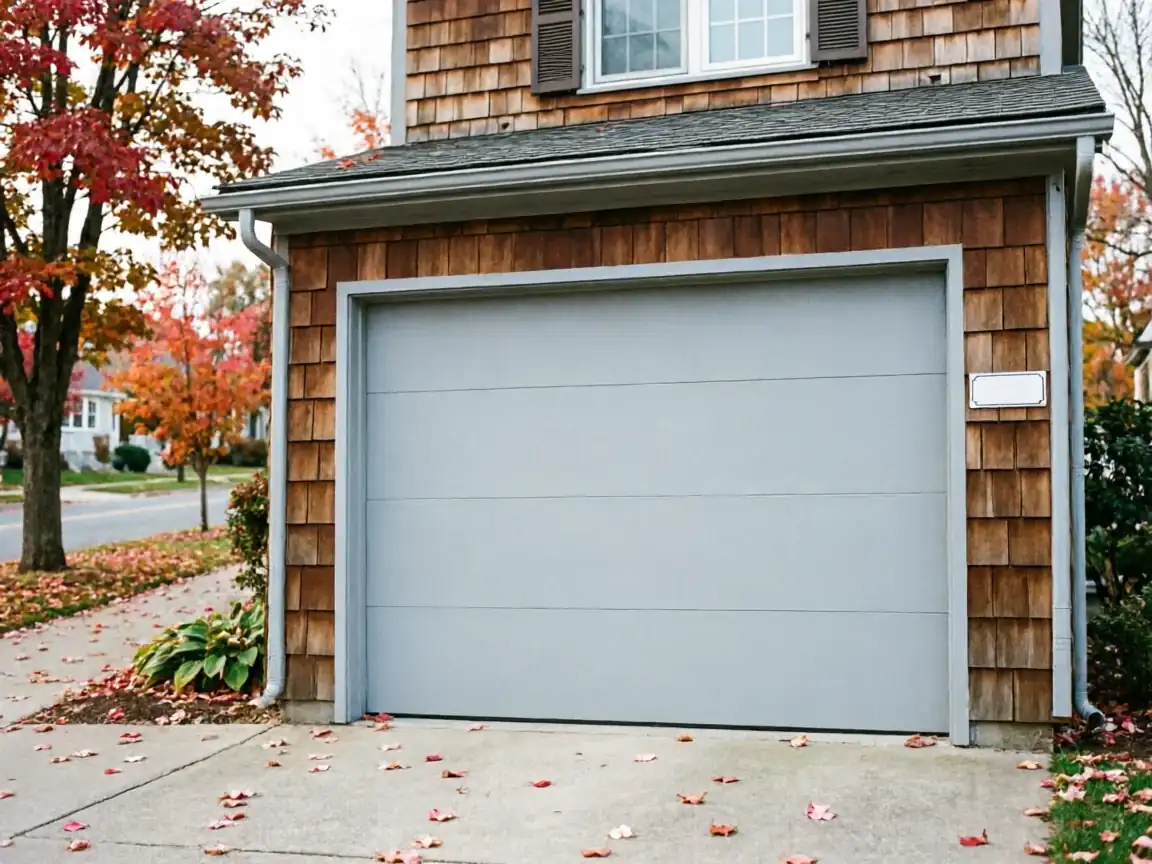
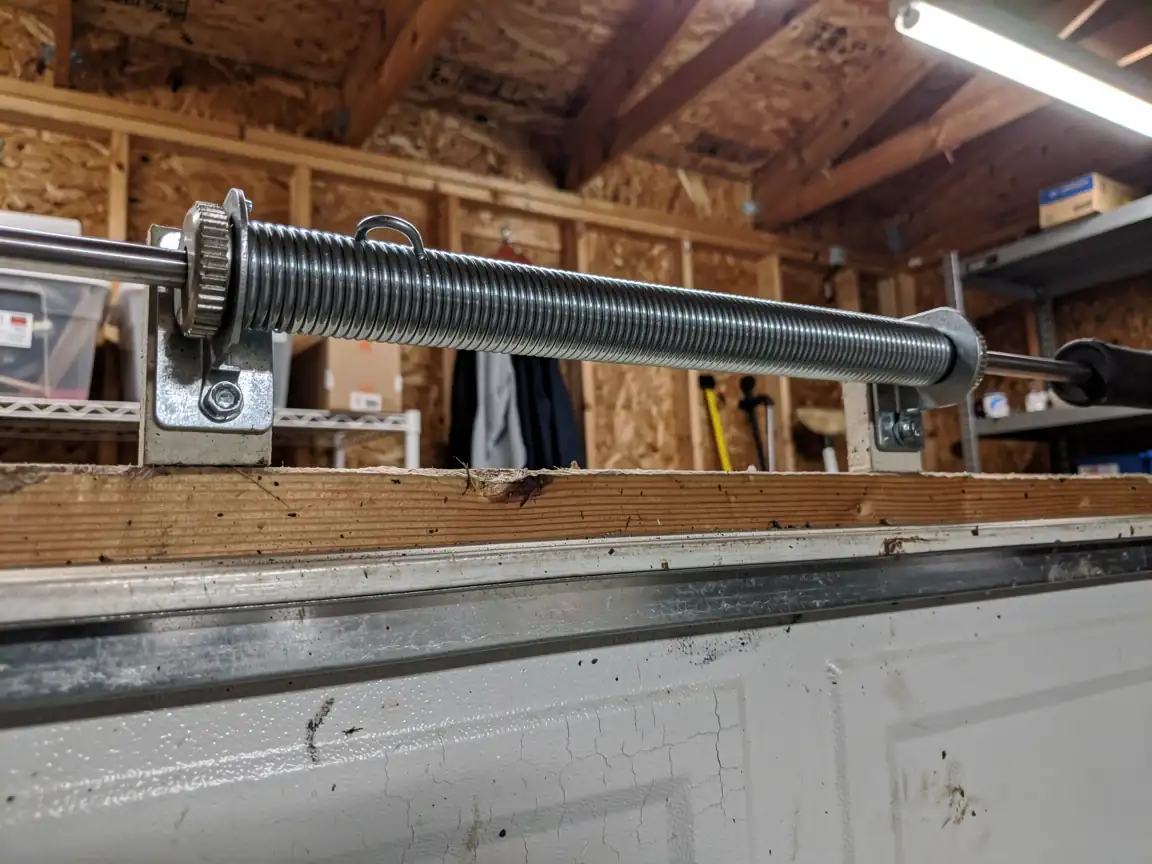
What changes town to town isn't the symptom, it's the hardware underneath it, which is why the fix that worked on your neighbor's door in 1991 might not be the fix for yours. Houses in this area span housing built between 1938 and 1997, with a lot of it dating to the 1980s and 90s, so the springs, drums, and openers we're pulling off doors vary more than people expect. We see galvanized torsion springs that are original to a 1982-built house sitting a few streets from an opener installed in the last decade. Both can fail. Both fail differently.
Time on the Job
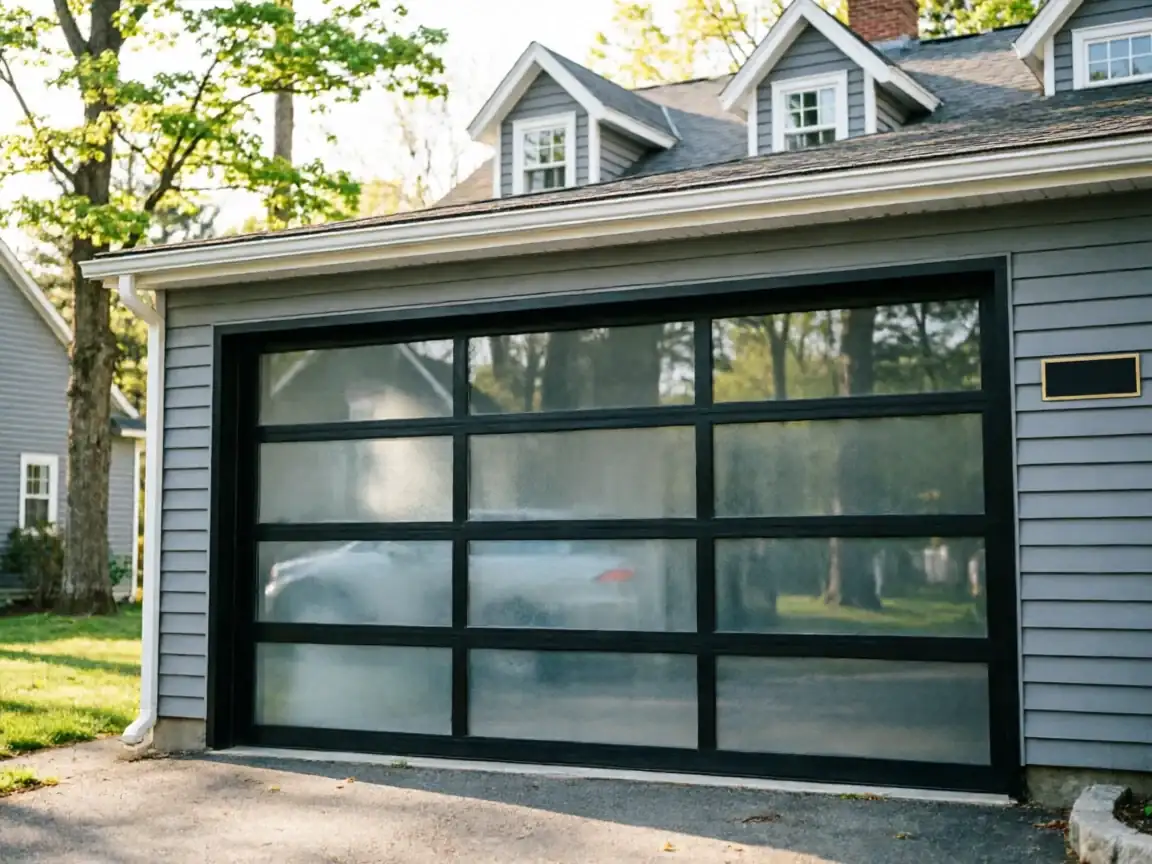
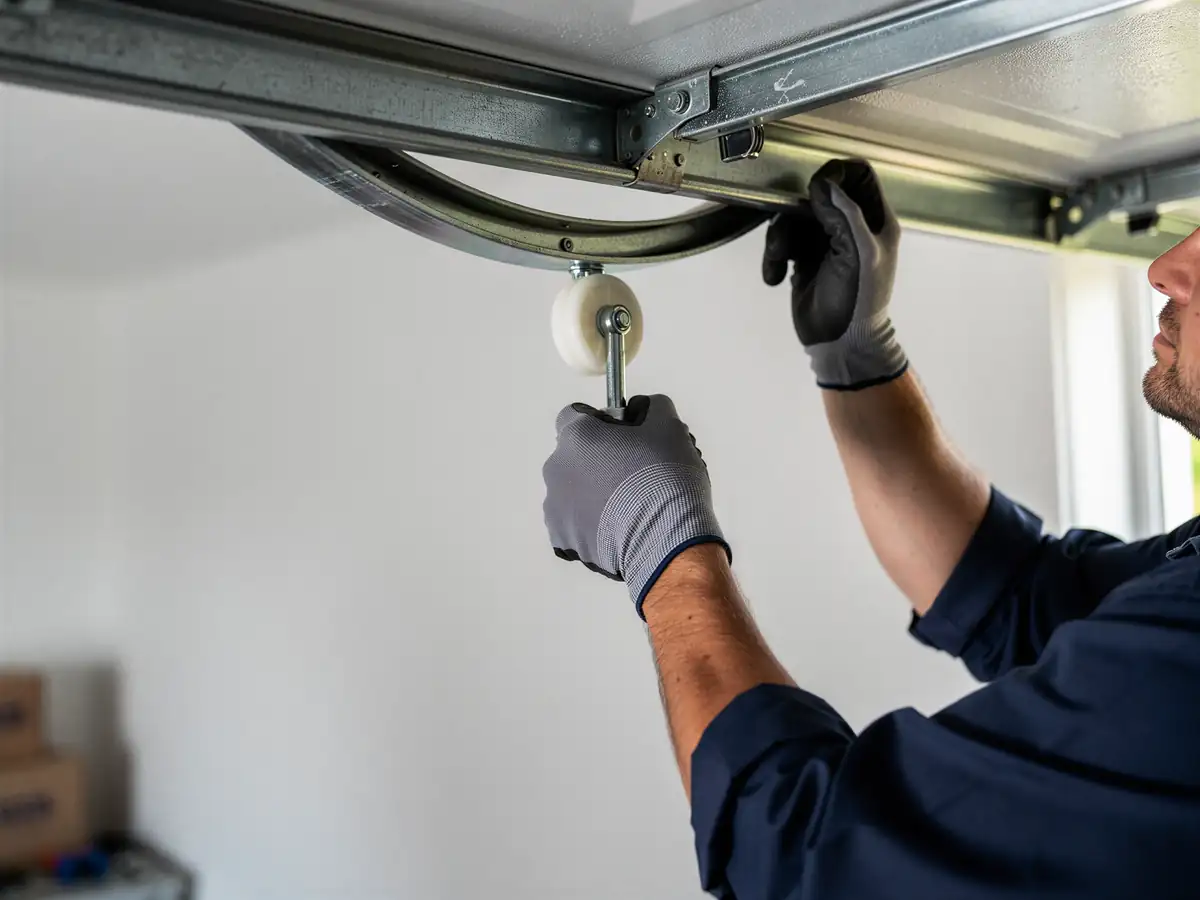
A broken spring replacement on a standard double door is a different job than chasing a short in an opener's circuit board, and both are different again from freeing a cable that's derailed off a drum under tension. We don't quote a flat number for every call because the hardware in this area isn't flat - a 1980s steel door on side-mounted torsion springs comes apart differently than a newer door on a modern extension system, and we need to see which one is in front of us before we commit to a time.
What we can tell you is what slows a job down and what speeds it up. A door that's been maintained, even loosely, comes apart clean. A door that's been painted shut, or has a spring that's been rusted in place for years in our climate, takes longer because every bolt fights back. If a part isn't something we carry on the truck - which happens more with older or odd-sized hardware - that adds a return trip, and we'd rather tell you that up front than pretend otherwise.
Why This Fails Locally
This area sits in a cold, severe climate band, and that matters more to a garage door than most people think
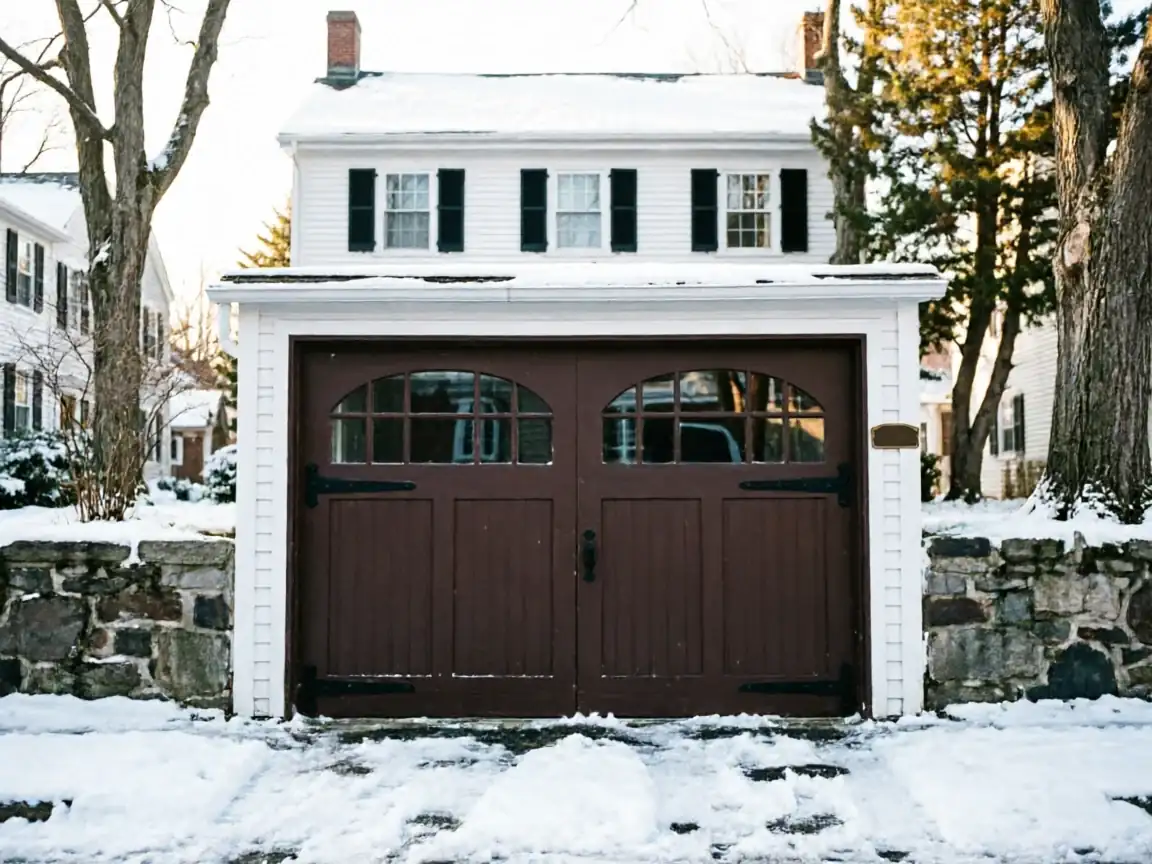
Steel contracts in cold. A torsion spring wound to spec in a 70-degree garage behaves differently at 10 degrees, and the cable and roller hardware on an older door - the kind common across housing built from the late 1930s through the 1990s - was rarely engineered with decades of New Hampshire winters in mind. Lubricant thickens, metal gets brittle at the stress points, and a spring that's been slowly fatiguing for years picks the coldest night of the year to finally let go. That's not bad luck. That's thermal cycling doing what it does to aging steel.
The other piece is just the math of the housing stock
With tens of thousands of owner-occupied houses across this service area, most built decades ago, a huge share of the doors out there are old enough to be near the end of a spring's working life, whatever that life was rated for originally. Add a cold snap and you get a predictable spike in calls - not because anyone did anything wrong, but because cold plus old steel plus years of cycles is exactly the combination that breaks springs and seizes openers.
Can You Do This Yourself
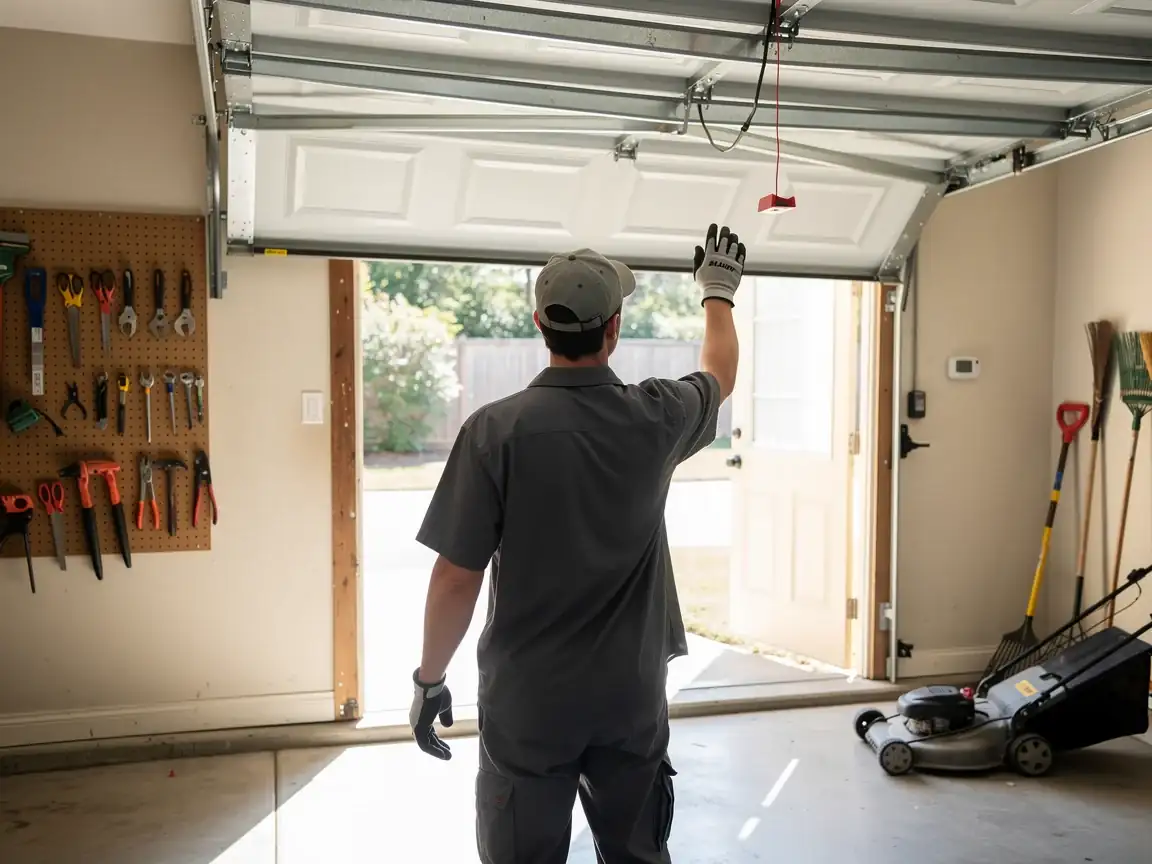
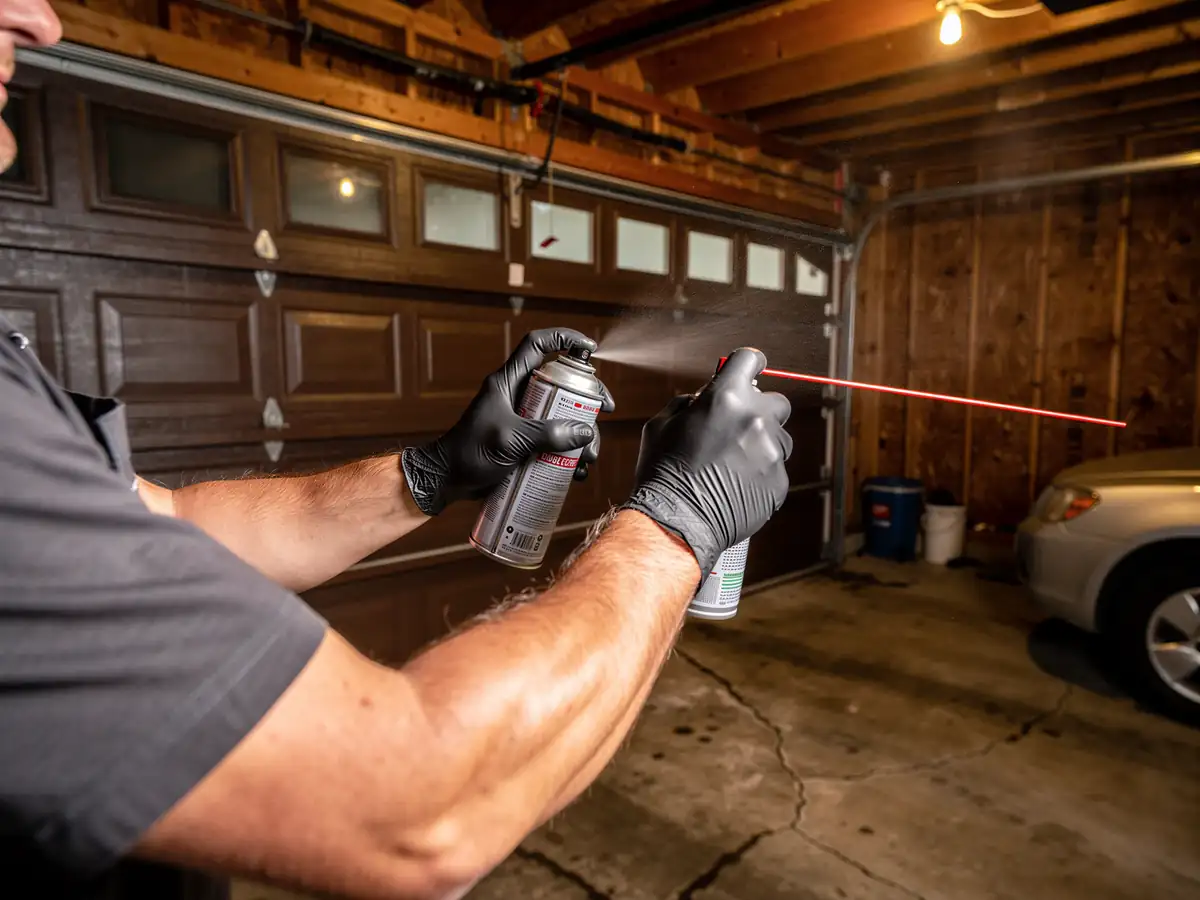
Some of this you can. If the door won't open and the opener light is blinking, check the sensors first - a kicked-over sensor or a beam blocked by a stored bike is the cheapest fix there is, and it's yours to make without a truck showing up. Manual release cords, track alignment that's just slightly off, and dead remote batteries are all fair game for a homeowner with a ladder and a Saturday.
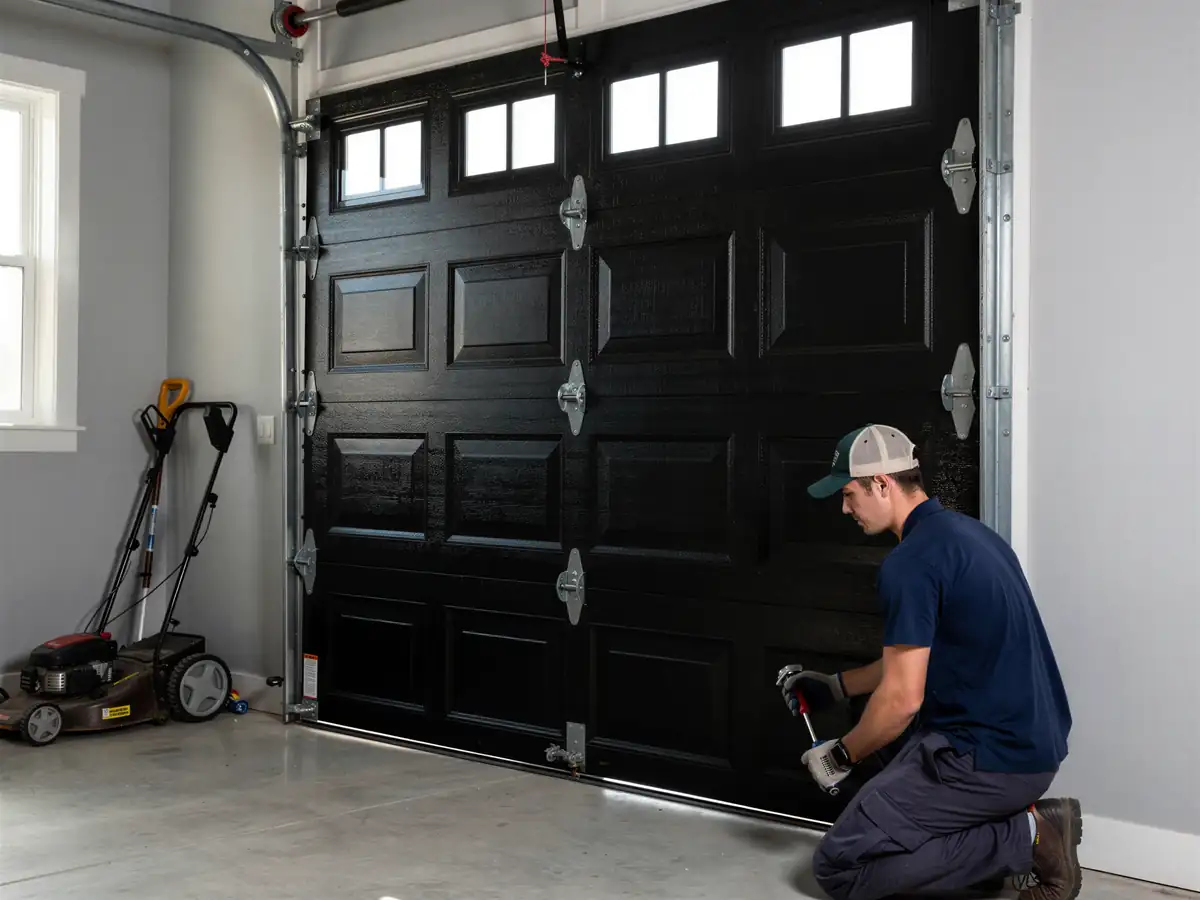
What you should not touch is a torsion spring under tension. It's wound tight enough to break a wrist or worse, and the tools to do it safely aren't the ones sitting in a garage toolbox. Cables under load are the same story. If the door is heavy, stuck halfway, or came down hard and now won't budge, that's spring or cable territory, and that's a call, not a project. We'd rather you wait twenty minutes for us than try to muscle a 150-pound door off a stuck track.