Serving Manchester, NH & nearby
(351) 200-9735
Manchester, NH

What Manchester's 1980s Housing Stock Means for Your Garage Door

Manchester Garage Door Co explains what to check first on pre-1980s Manchester, NH homes, when to leave a door alone, and how cold winters affect repairs.

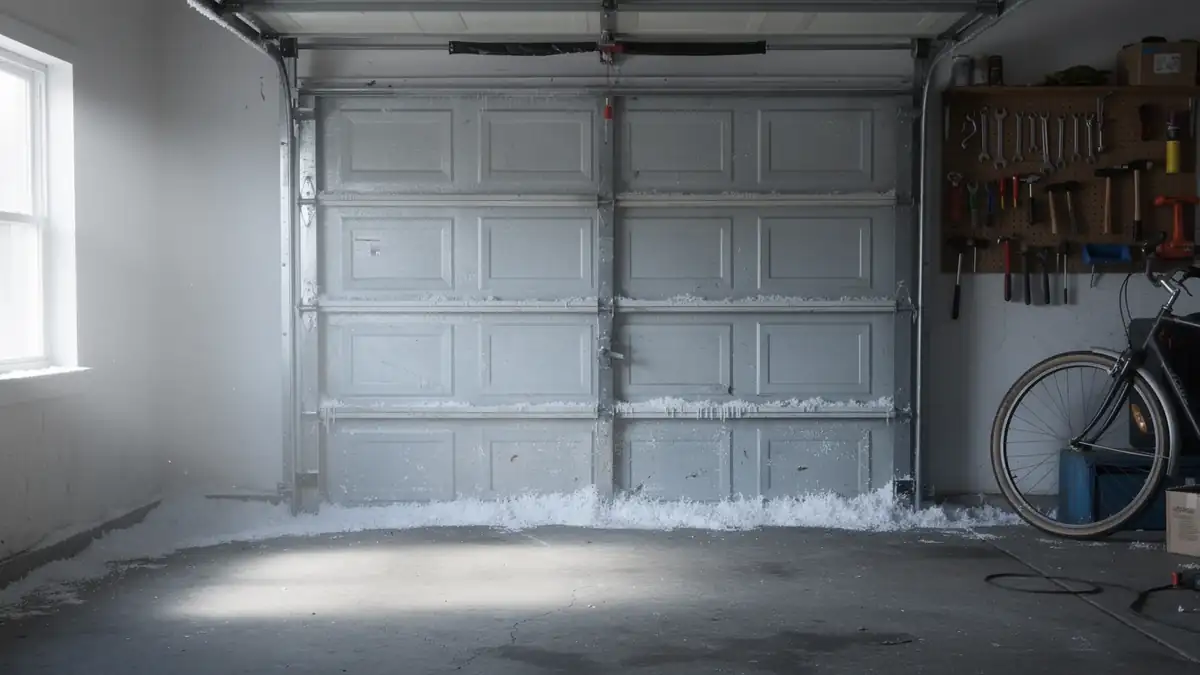
A closed garage door with snow and ice on the bottom panels and floor.

The Situation

Most of the housing across this service area went up between 1938 and 1997, with the median build year sitting around 1982. That spread covers 141,685 households and 82,285 owner-occupied houses spread over 45 named areas, from the close to downtown out through South Hooksett. A door built in the early 1980s was not engineered the way one is today. Insulation rules that govern garage doors now did not exist when a lot of these openers and tracks went in, so a huge share of the doors on these streets are single-layer steel or old wood panel, hung on hardware nobody has made in decades. That is not a knock on the neighborhoods. It is just the math of a city whose housing stock skews older. If your door predates the insulation standard, the symptoms show up as drafts around the panel seams, a door that feels heavier than it should in January, and an opener straining on cold mornings because the balance was set for a lighter, uninsulated slab.

What to Look At First

Start with the weakest link, not the whole door. On houses from this build era, that is almost always the spring and the bottom seal, in that order. A torsion spring rated for the original uninsulated panel weight is often still doing that job on a door that's since had a retrofit insulation kit bolted to the inside - which changes the lift weight and shortens the spring's working life faster than the rating sheet assumes. Check the bottom seal next: on a door built before double- or triple-layer weatherstripping was standard, the seal channel itself may be too shallow for a modern gasket, so a cheap replacement seal won't seat right. Look at the track plumb and the roller condition too - steel rollers on 40-year-old track show their age in noise before they show it in failure. None of this requires tools, just fifteen minutes with a flashlight. If you see daylight around the top corners or hear a grinding roller, that's the order to call about, not the opener.

Leaving It Alone

Not every quirk on an older Manchester door needs a service call. A door that's a little noisy in cold weather but still opens smooth and seats flush at the bottom is usually fine to leave through a winter - lubricating the hinges and rollers yourself with a household silicone spray covers most of that. We also won't talk you into replacing a structurally sound 1980s steel door just because the insulation value is lower than a new one; with a median household income of $115,712 across the area, that's a real cost decision, and a retrofit insulation kit or a better bottom seal often closes most of the comfort gap for a fraction of a full replacement. Where we do draw the line is a door with a cracked panel seam or a spring that's already stretched out of shape - patching that is false economy. One limitation worth saying plainly: we don't stock every panel finish on the truck, so matching the exact color or wood-look texture on an original door sometimes means a special order, not a same-visit fix.

How Local Conditions Play In

This area sits in a cold, severe climate band, and that matters more on an older door than people expect. Steel panels made before current thermal standards contract in sustained cold, which is why doors that fit fine in July bind at the top corners in January - the gap tolerances were never built for the swing. On the closer-in streets and that shows up as doors sticking on the first hard cold snap of the season; out toward South Hooksett and where lots tend to be a bit more exposed, wind-loading on an older track system can rack a door slightly out of plumb over a few winters. None of this is dramatic failure - it's slow wear that an insulated, properly weatherstripped door built to current standards doesn't experience the same way. If your door is original to a house from the 1938 to 1997 build range, the cold is working against hardware that was never designed to handle it, and that's the single biggest reason repairs on these doors come up more often here than they would on a newer build.

How it works

From “it’s stuck” to “it’s fixed”

  1. 1
    A man stands in a driveway looking at his phone in front of a gray garage door.

    Tell us what’s wrong

    Describe the symptom - won’t open, loud bang, opener runs but the door won’t move.

  2. 2
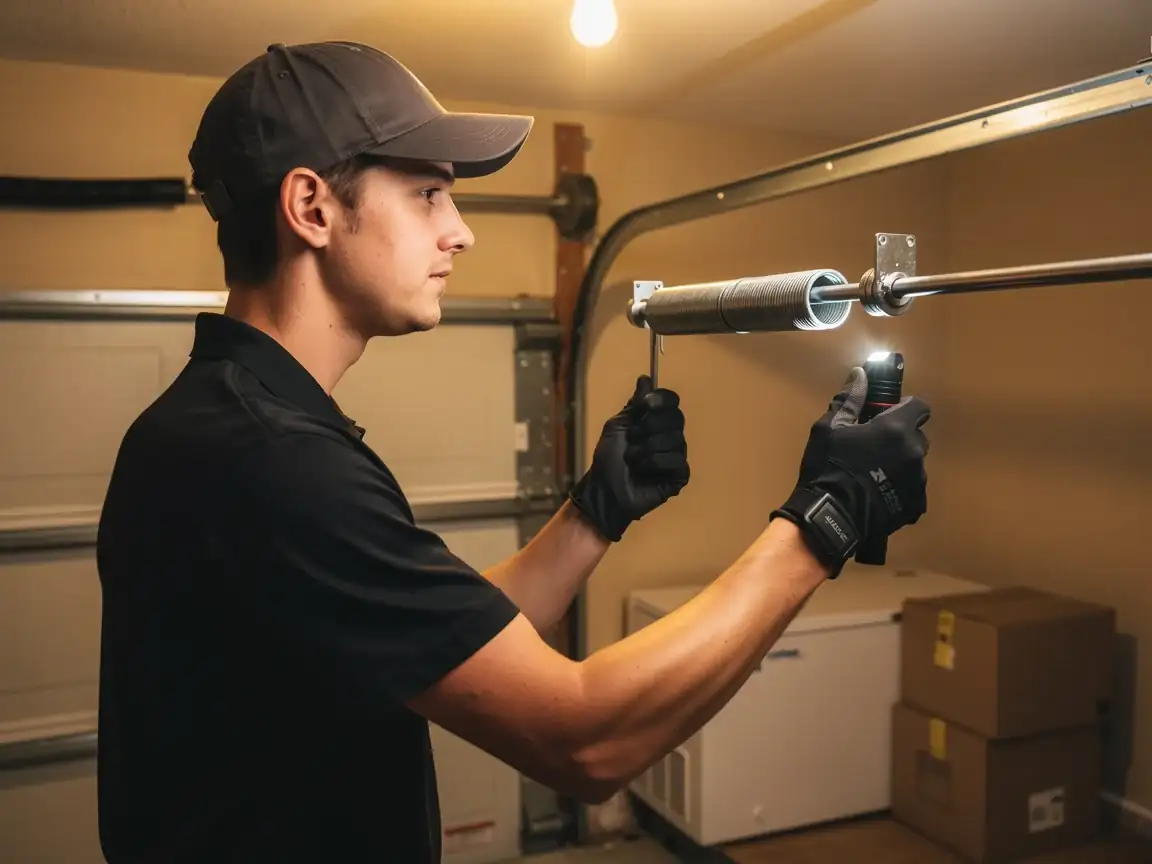
    A technician in a gray hat and black gloves inspects a garage door torsion spring.

    On-site diagnosis

    A technician tests the door under power and by hand and finds what actually failed.

  3. 3
    A technician in work clothes talks to a man in front of a blue house with an open garage.

    Clear, up-front plan

    You get the fix that’s needed and what drives the cost - before any work starts.

  4. 4
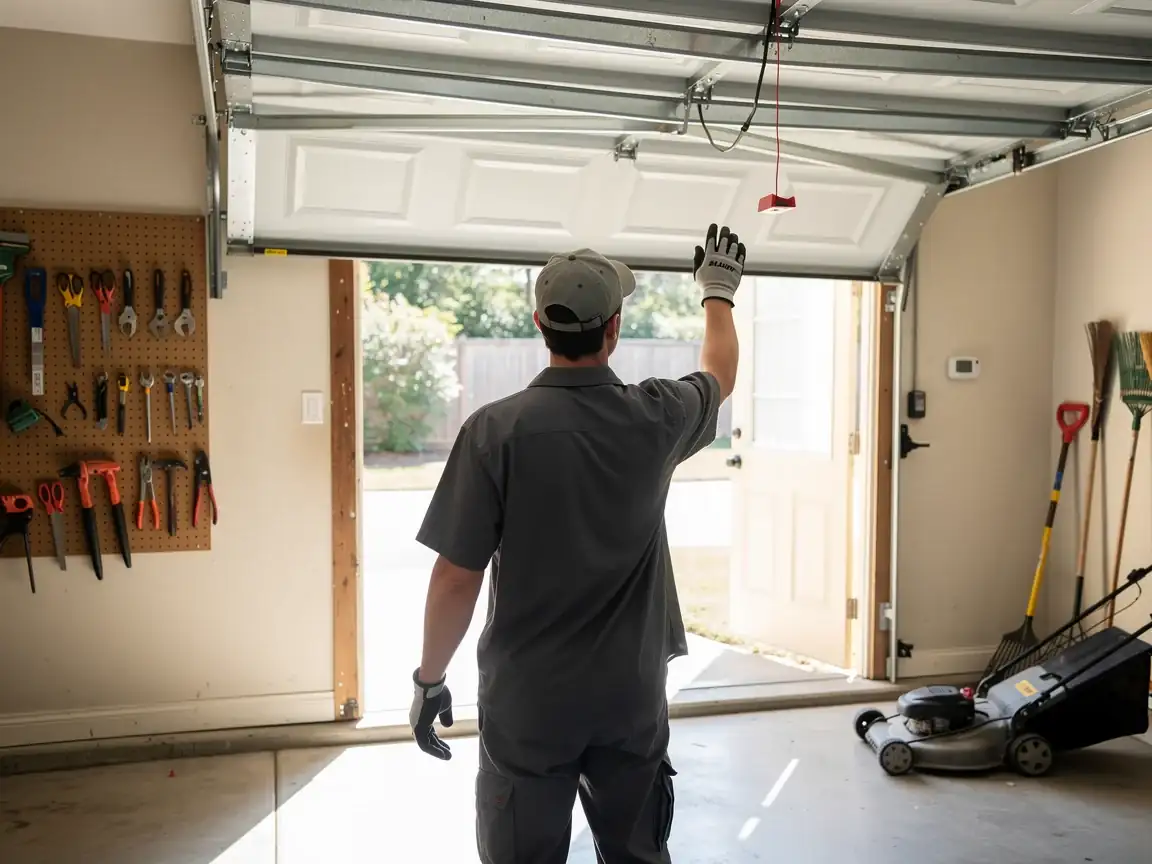
    A technician in a gray uniform and gloves is looking at an open garage door.

    Repaired & tested

    The repair is done, the door is set true and tested, and the work area left clean.

Not sure which repair your door needs in Manchester, NH? Describe what it’s doing - every job starts with a diagnosis.

How we work

What to expect

Diagnosis firstEvery visit starts by finding what actually failed - not a pre-written parts list.
The right part for the doorSprings and openers matched to the door’s weight and age, so the fix holds up.
Straight answersWhen a repair makes more sense than a replacement - or the reverse - you hear it plainly.
Clean, careful workTension released safely, hardware set true, the door tested under power before we leave.
What we do

Garage Door Services

Repair and installation work for Manchester homes and businesses.

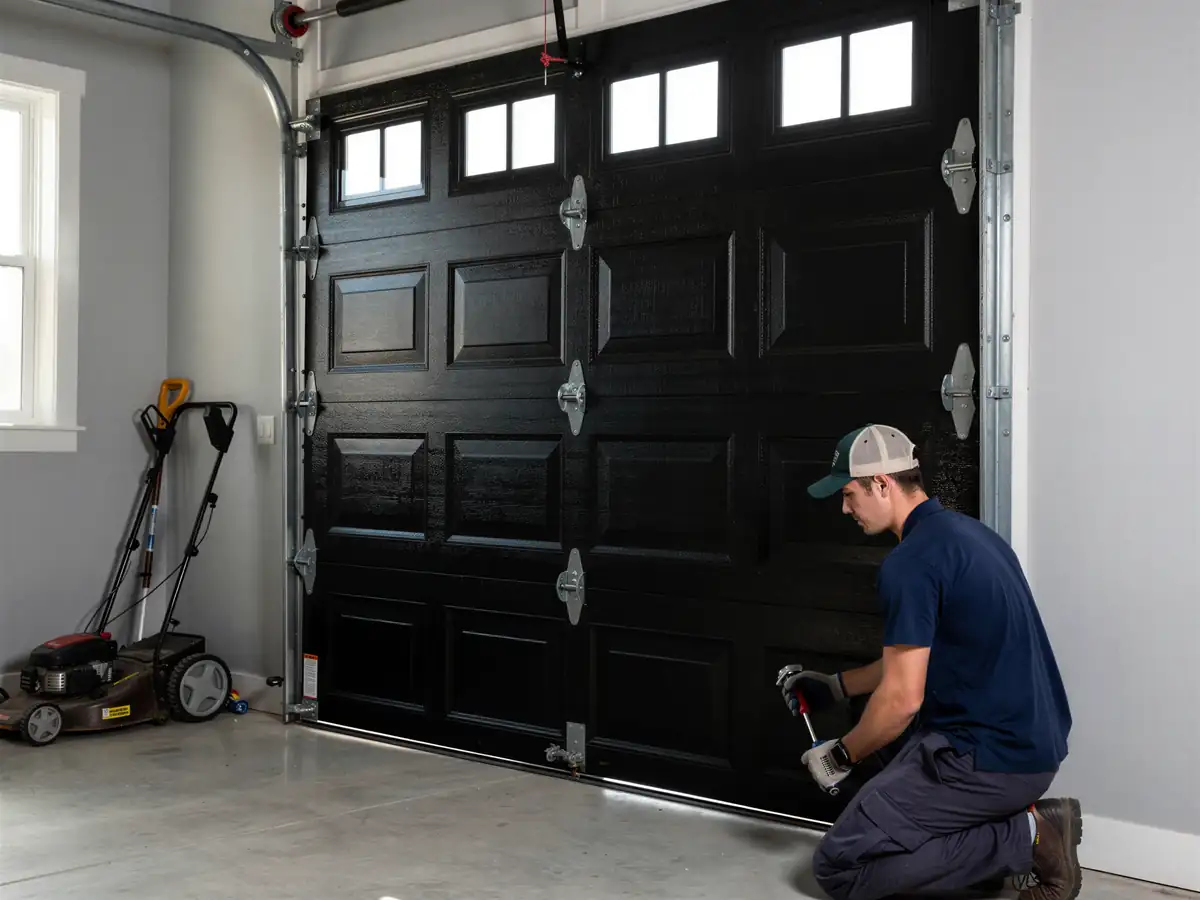
A technician kneels to work on the bottom panel of a black garage door.

Garage Door Repair

Torsion springs, openers, and tracks fail differently on Manchester's 1938-1997 housing stock once the cold hits. Here's what actually breaks and why, before you call anyone.

Learn more
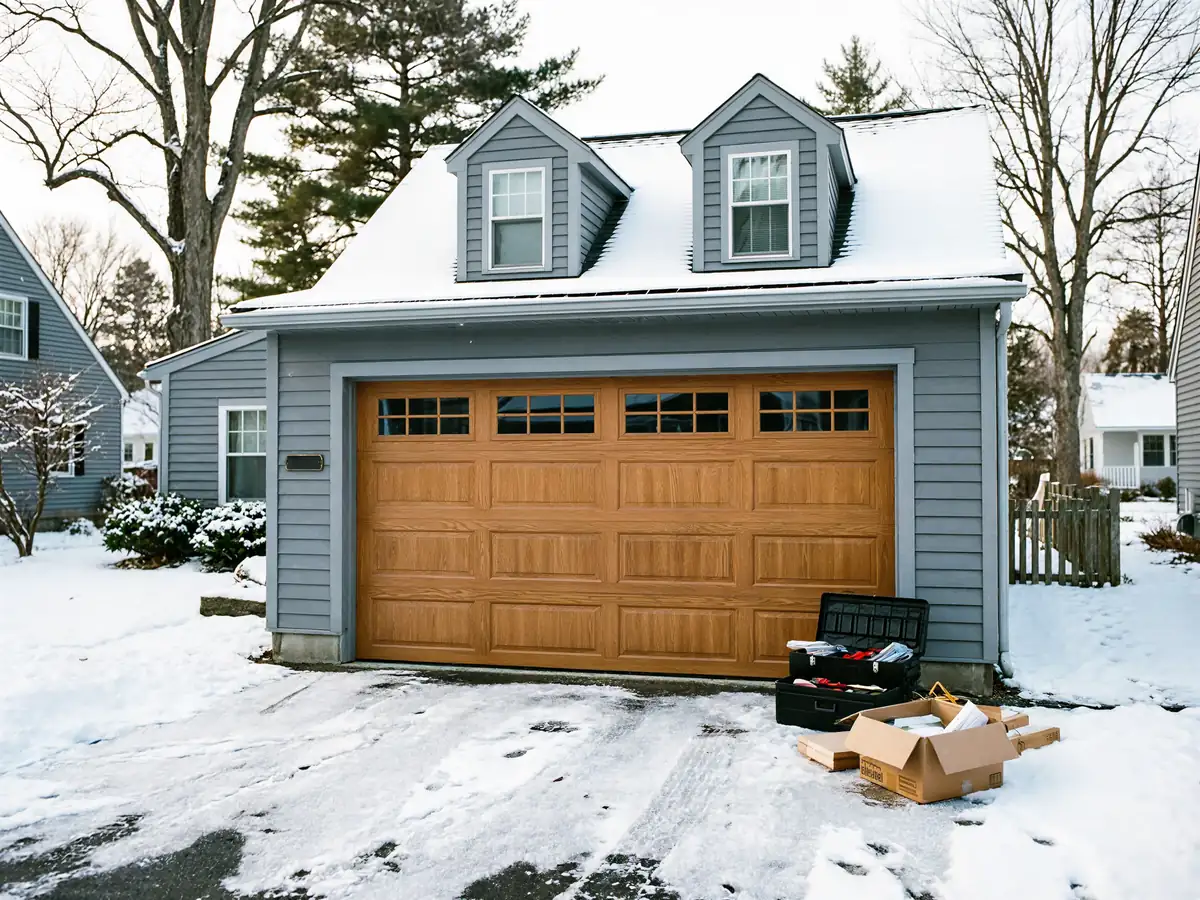
A wooden garage door on a gray house with snow on the roof and ground.

Garage Door Installation

New garage door installation for Manchester homes built 1938-1997, sized for New Hampshire's cold winters and the original openings common across the city's older neighborhoods.

Learn more
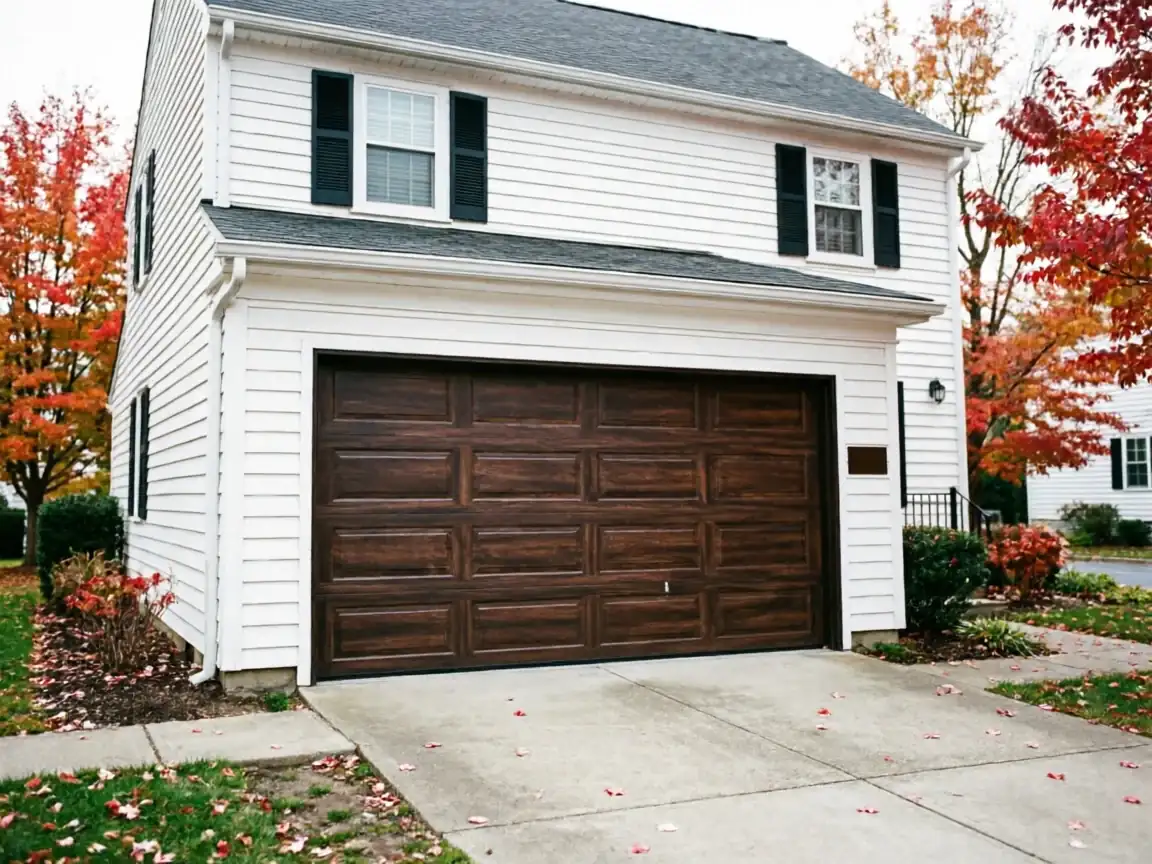
A white house with a dark brown garage door and red autumn trees.

Garage Door Service

Garage door service for Manchester homes built 1938-1997, where cold winters and original hardware wear out springs, rollers, and openers faster than newer stock.

Learn more
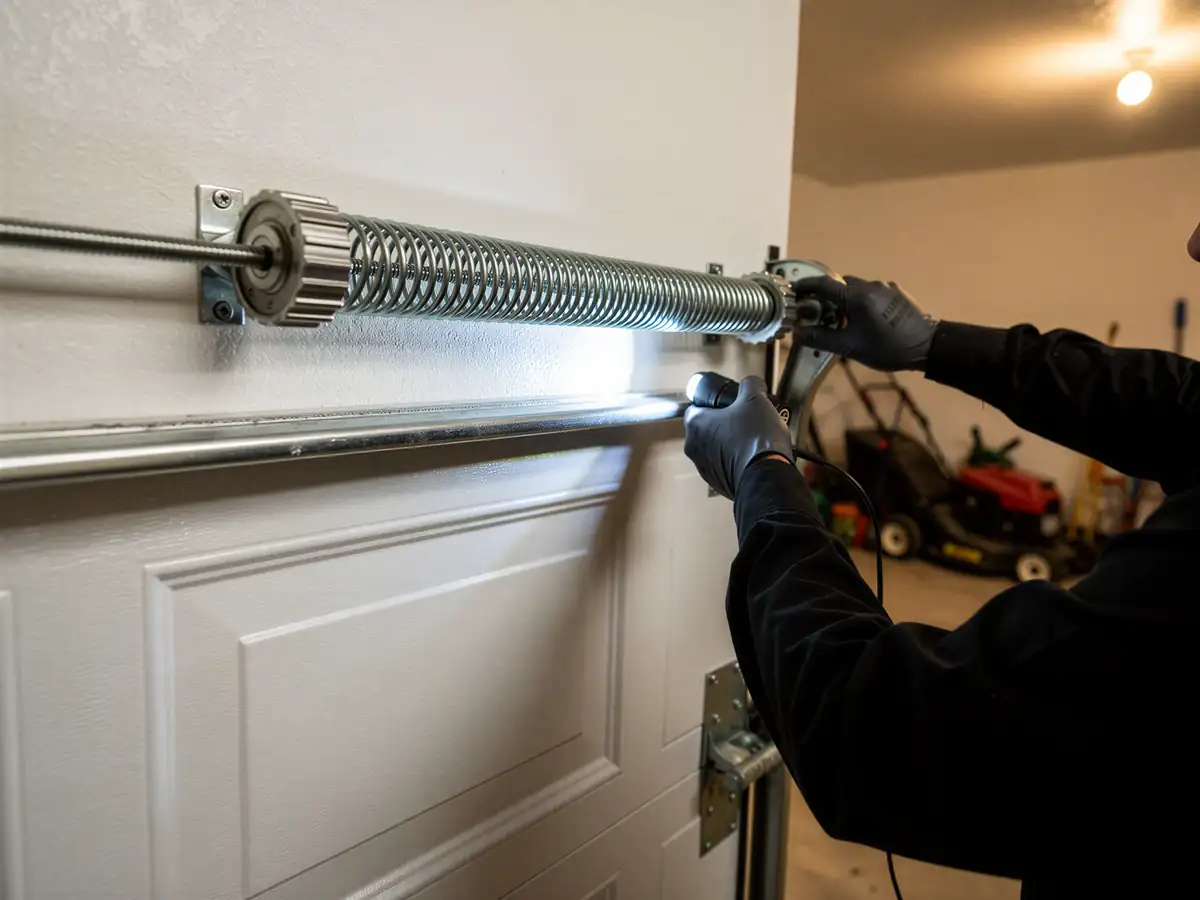
A technician in black gloves works on a garage door torsion spring.

Spring Repair

Broken torsion spring in Manchester, NH? Here's why 1980s-era housing stock and severe cold winters wear garage door springs out fast, and what repair takes.

Learn more
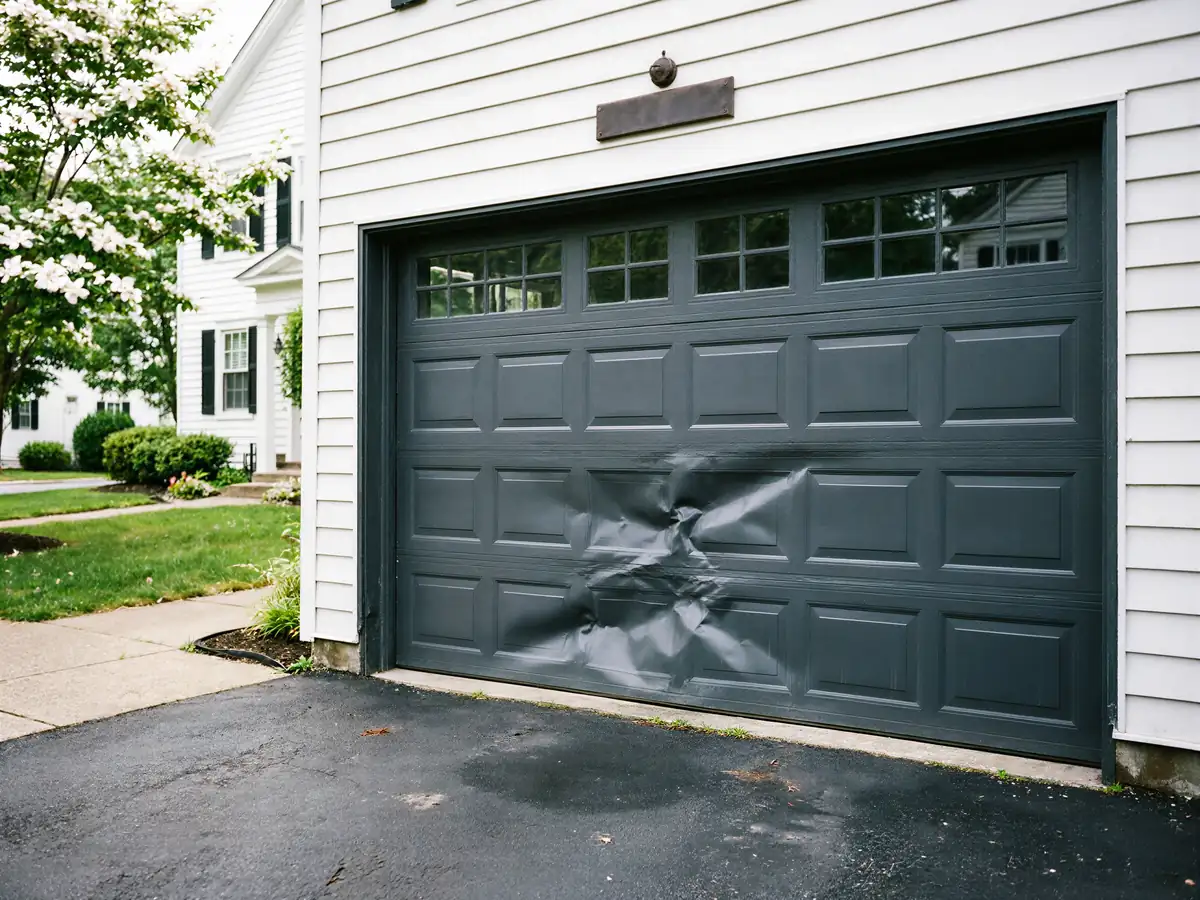
A dark gray garage door with windows has a large dent in the lower left panel.

Panel Replacement

Dented or cracked panel on a 1980s-era Manchester garage door? We match panels where we can and tell you straight when the whole door makes more sense.

Learn more
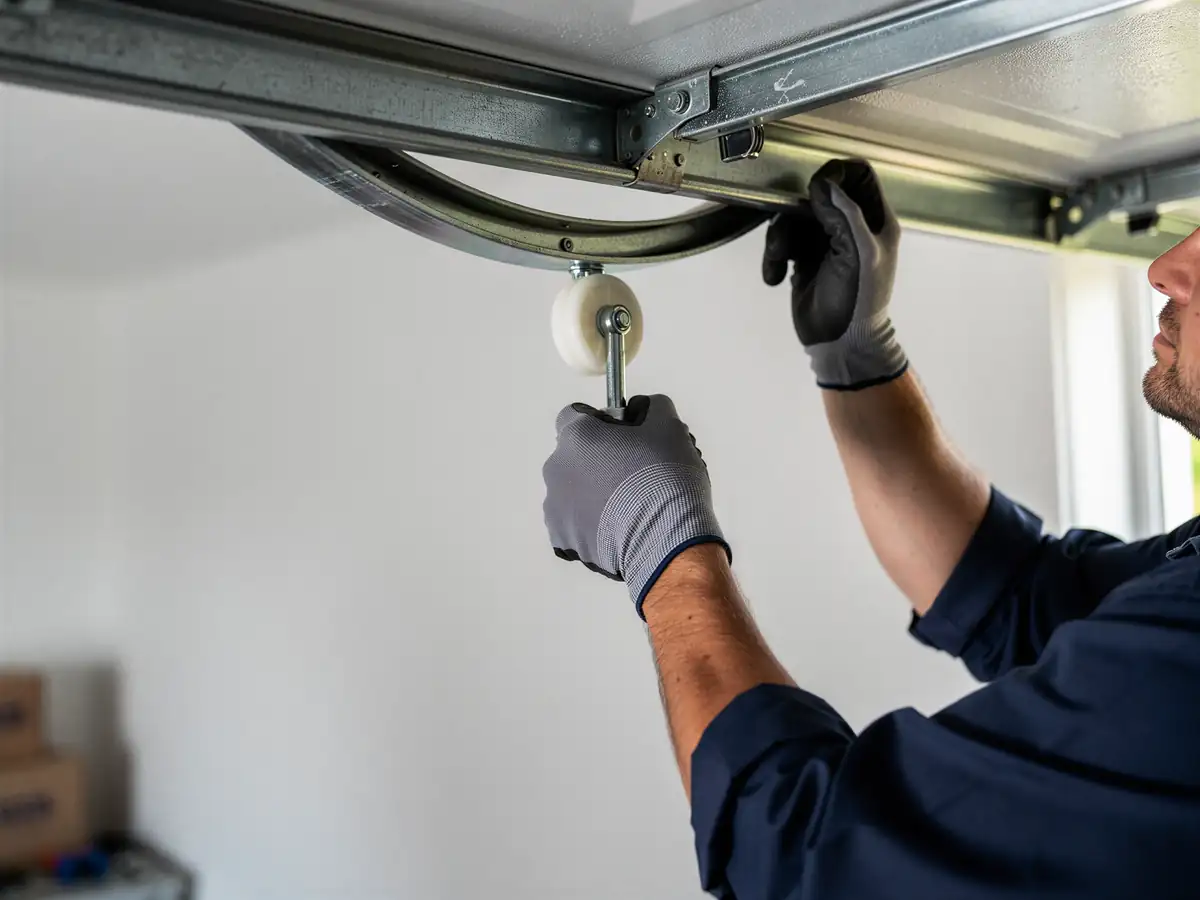
A technician in gloves adjusts a garage door roller and track.

Roller Replacement

Worn or cracked rollers on Manchester homes built 1938-1997 bind tracks in cold weather. Steel vs. nylon roller replacement for the whole Manchester, NH service area.

Learn more
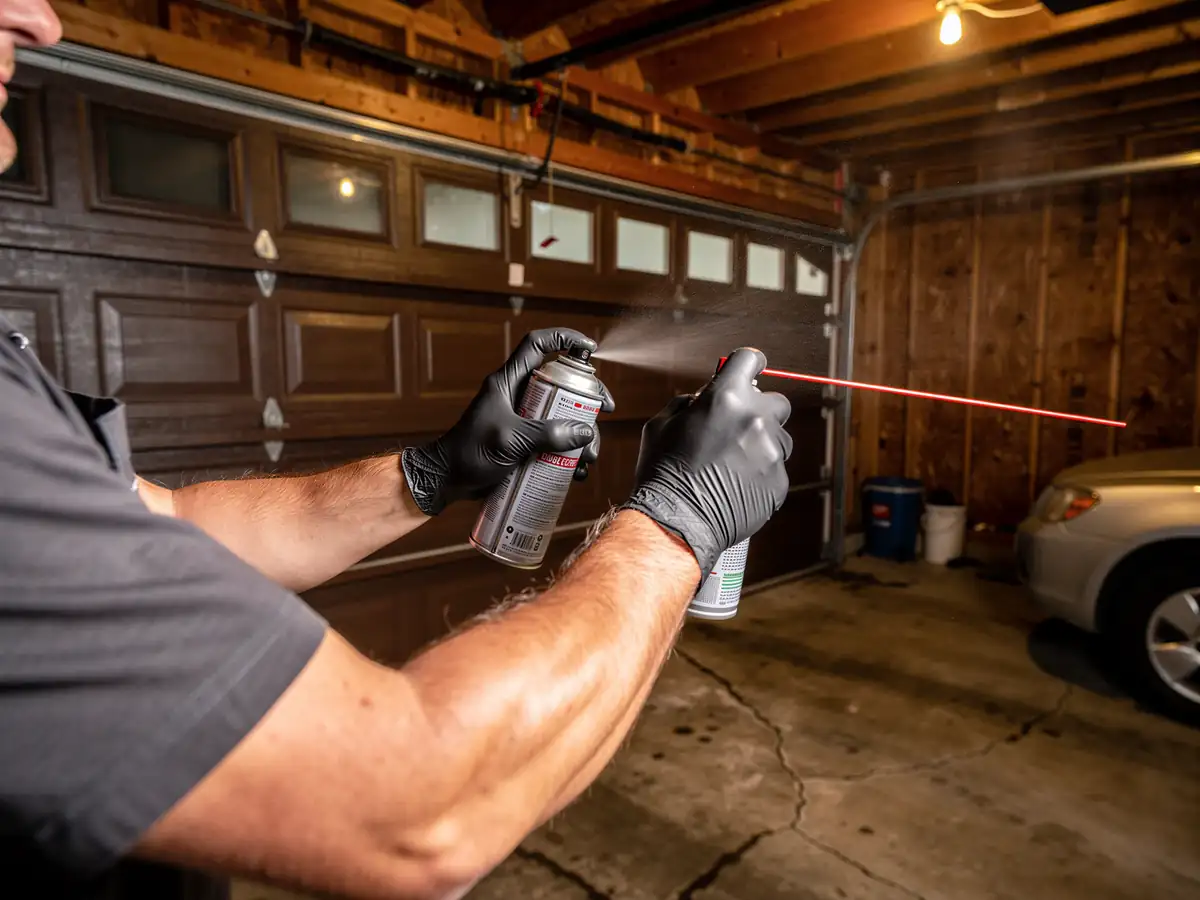
A technician sprays lubricant from two cans in a garage with a brown door.

Maintenance

Garage door maintenance built around Manchester's 1938-1997 housing stock and cold winters. Service across the Manchester, NH area from a local crew that knows the hardware.

Learn more
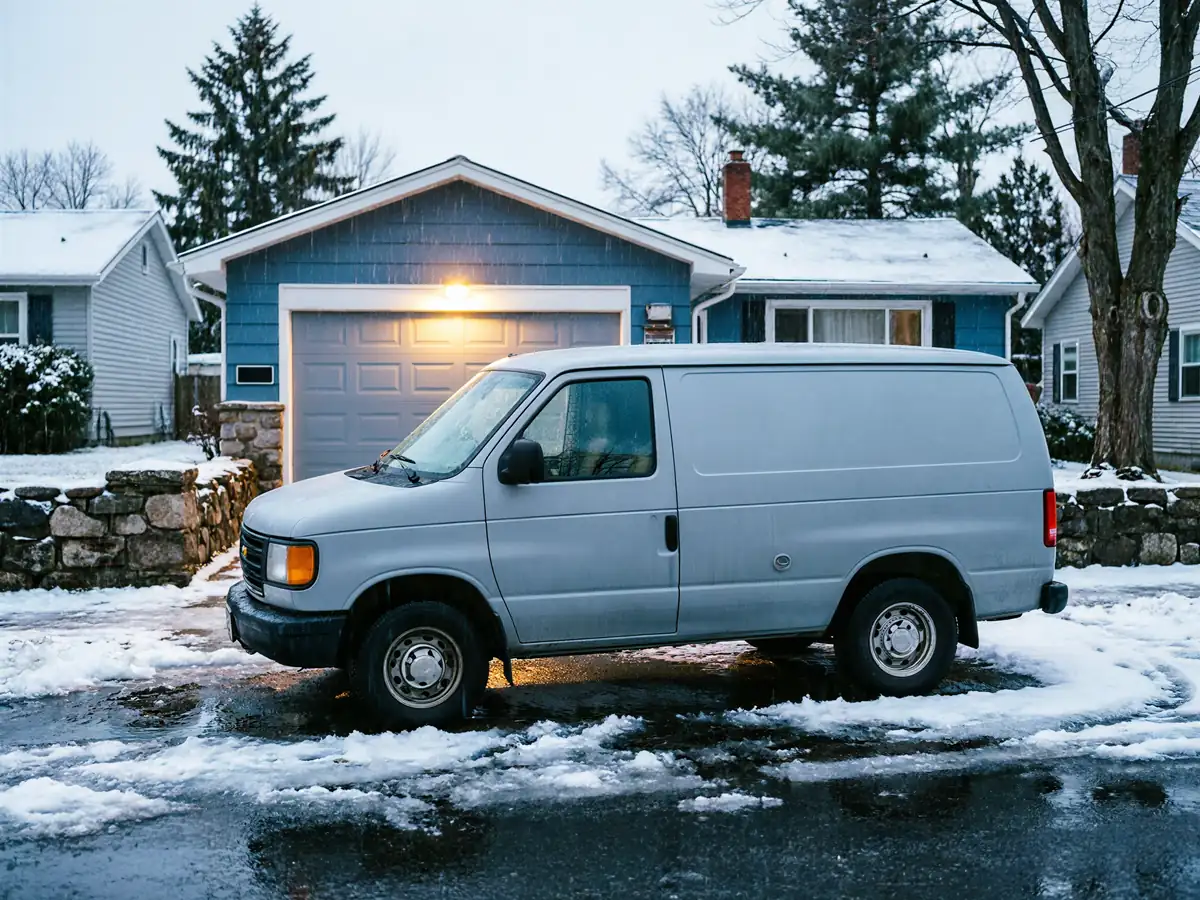
A gray van is parked in a snowy driveway in front of a blue house.

Emergency Garage Door Repair

Broken spring or dead opener in Manchester's cold snap? We work on 1938-1997 housing stock across the area and know which hardware fails first in winter.

Learn more
Questions

Frequently asked

Straight answers about garage door repair in Manchester. Still unsure? Ask us directly.

01Why does my garage door stick every winter but work fine in summer?

On a door built before current insulation standards, the steel panel contracts in sustained cold and can bind slightly at the top corners where the gap tolerance was never designed for that swing. It's common on original doors from the 1938 to 1997 housing stock here and usually points to the panel itself, not the opener.

02Is it worth replacing an old steel door just for better insulation?

Not always. A structurally sound door from the 1980s-era stock can often get most of the comfort benefit from a retrofit insulation kit or a deeper bottom seal, which costs far less than full replacement. We'd only push replacement if the panel is cracked or the spring is already overstretched for the added weight.

03My opener struggles more in cold weather - is that the spring?

Often yes. A torsion spring sized for the original uninsulated panel can end up under more strain once a retrofit insulation kit is added, since that changes the lift weight. Combined with cold-weather stiffness, the opener has to work harder than it was set up for.

Ready to get your garage door sorted?

Tell us what it’s doing and where you are in Manchester - we’ll take it from there.

Request a QuoteCall