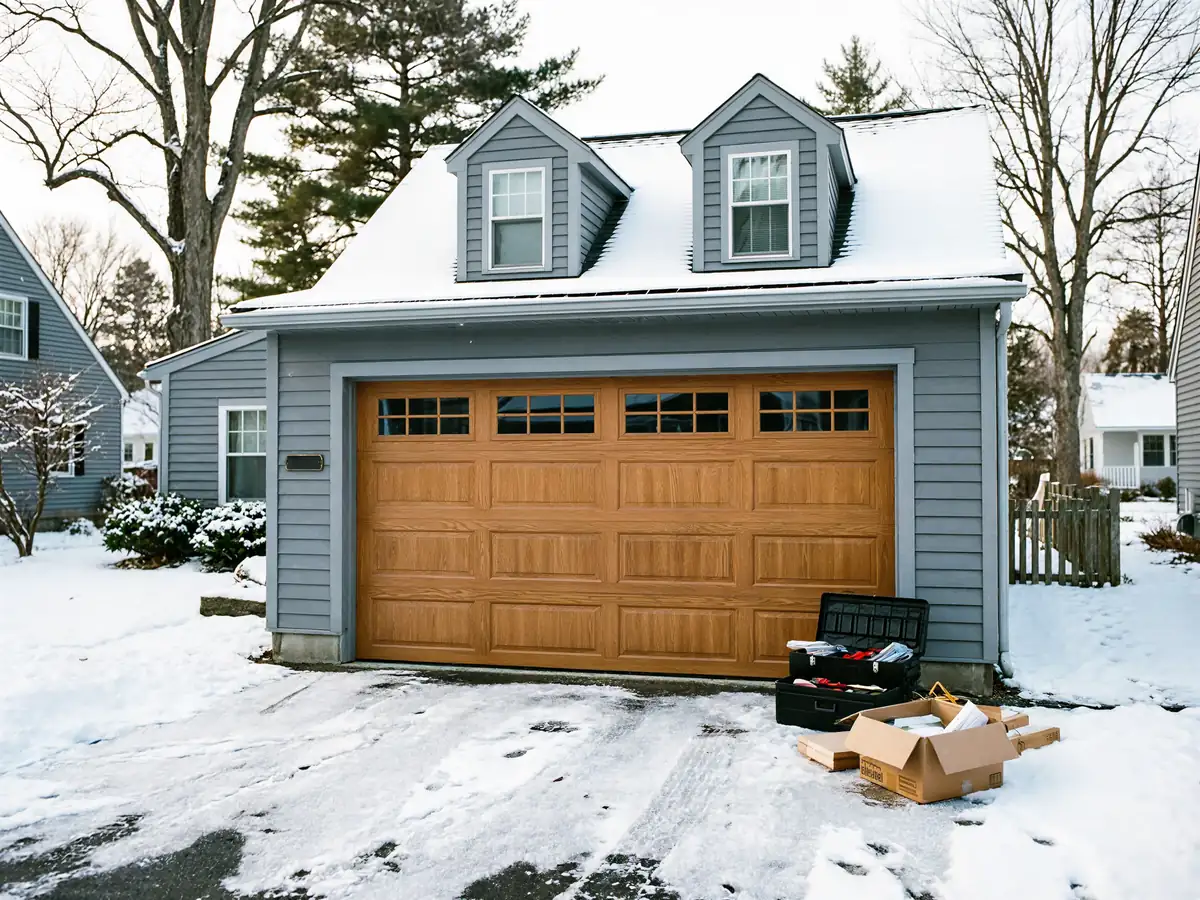
The Symptom
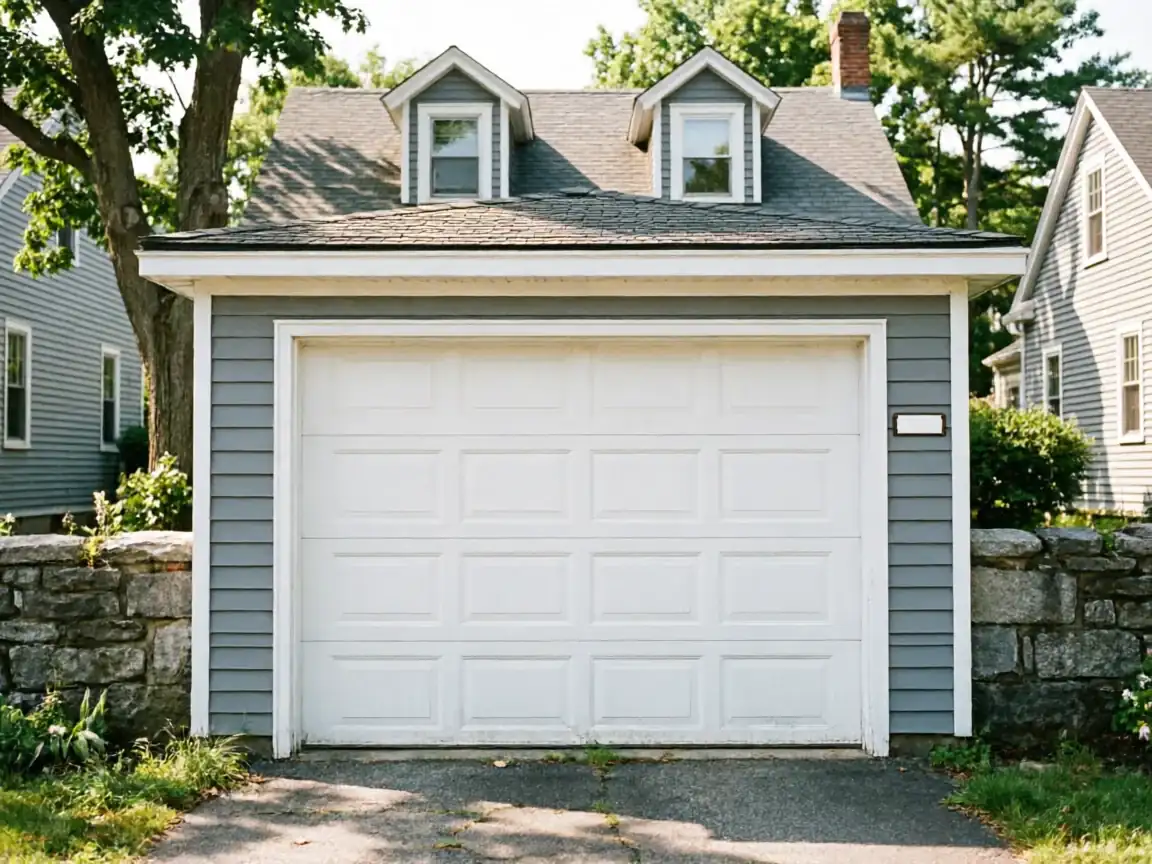
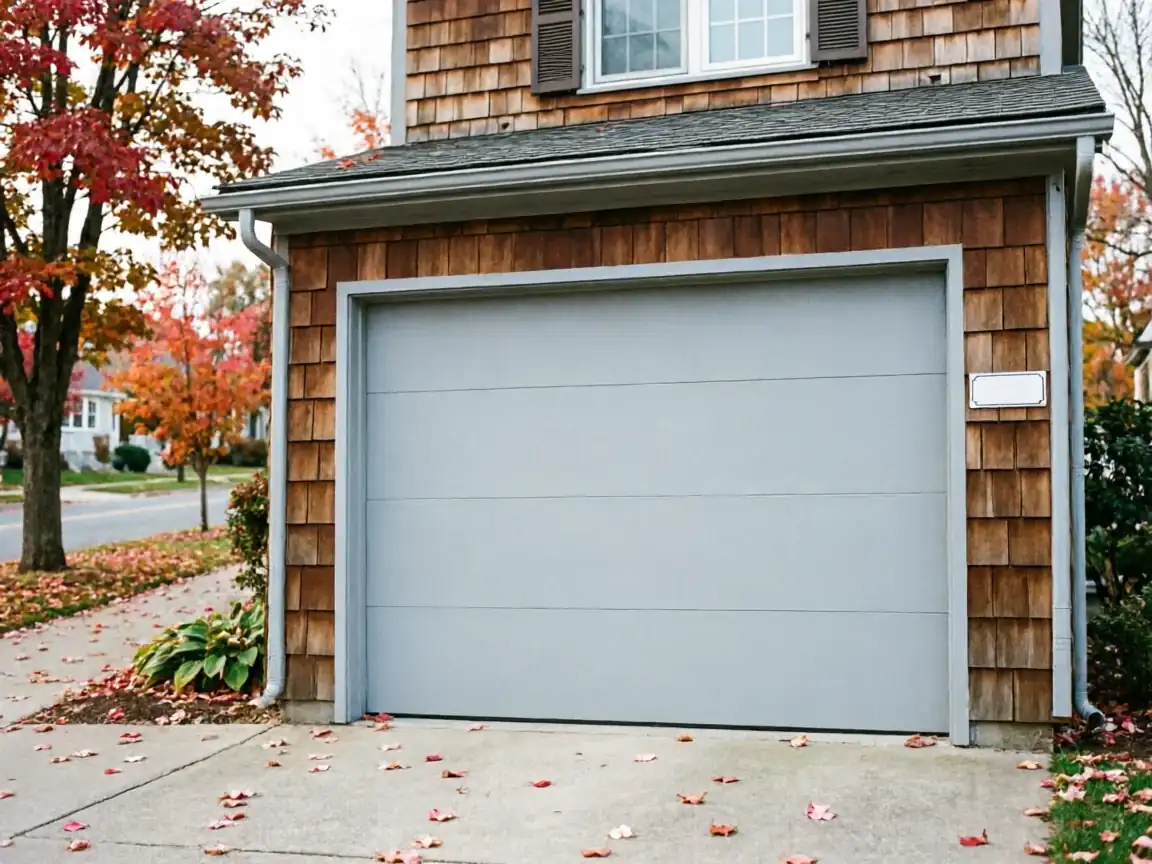
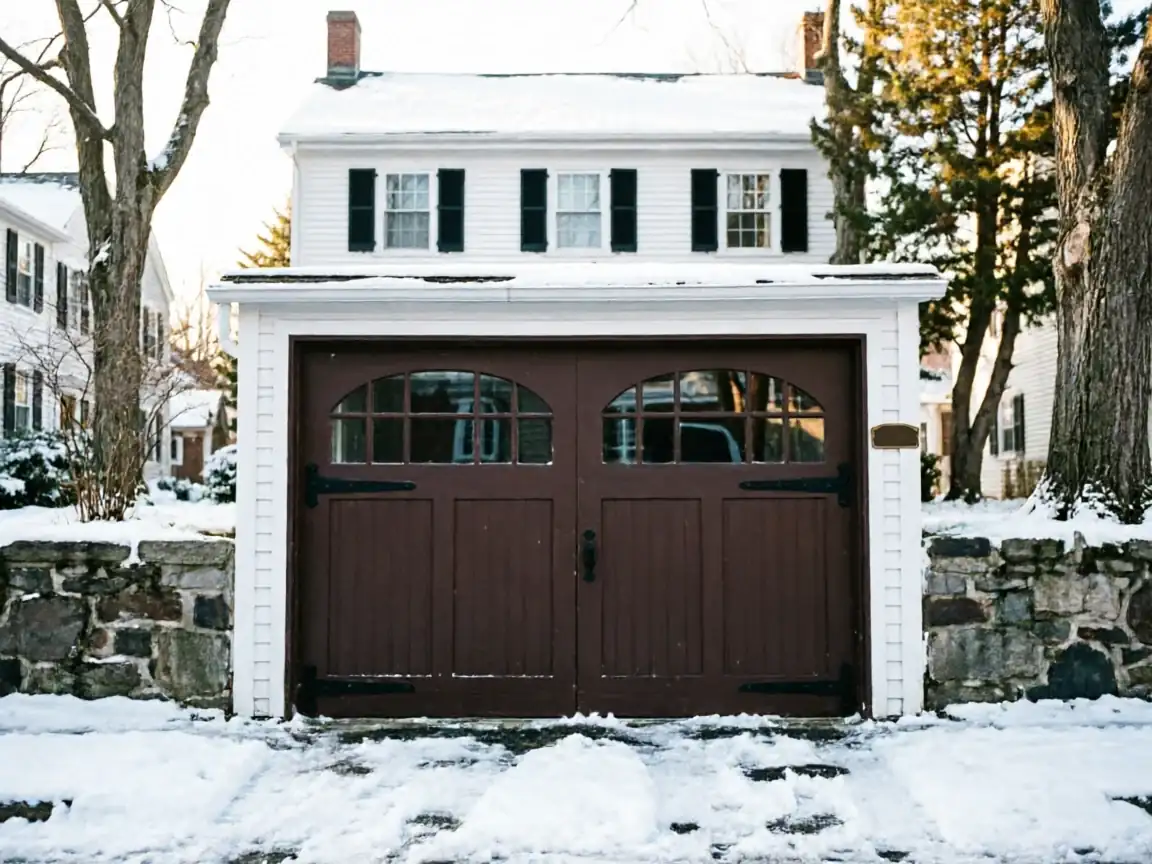
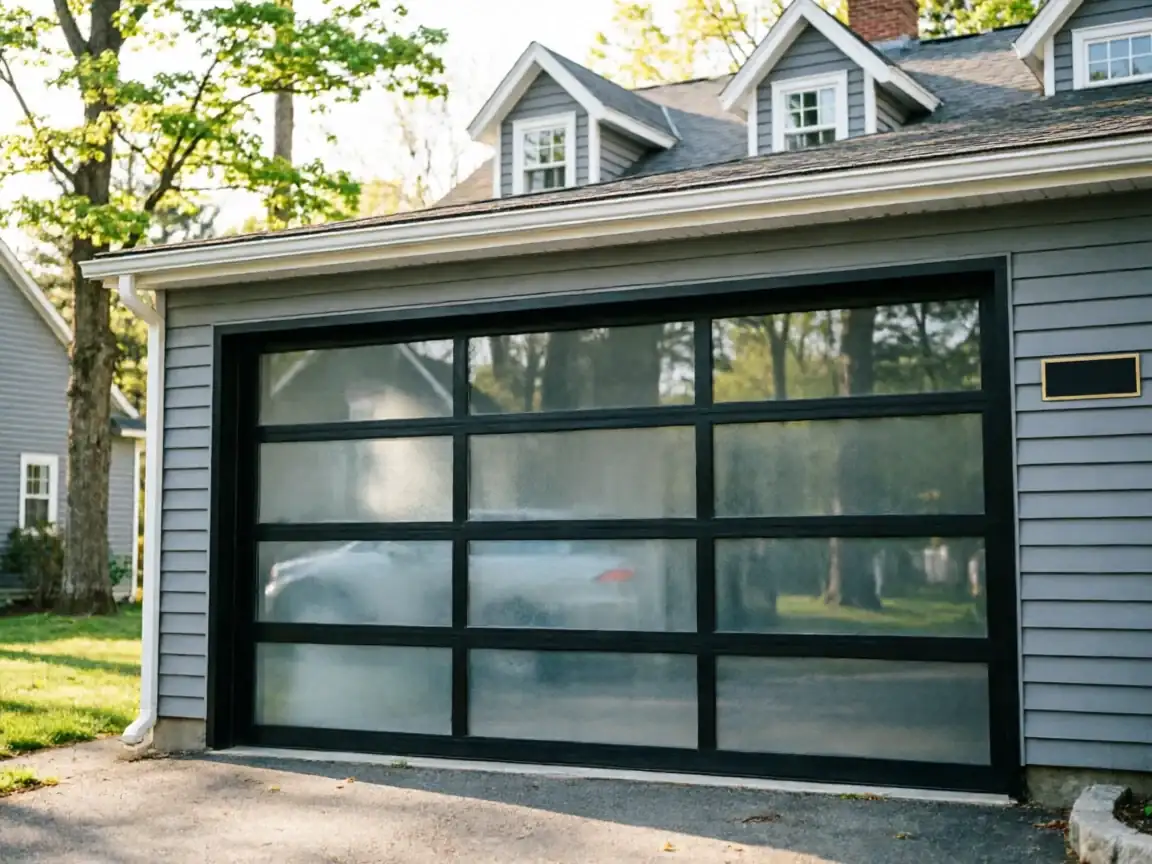
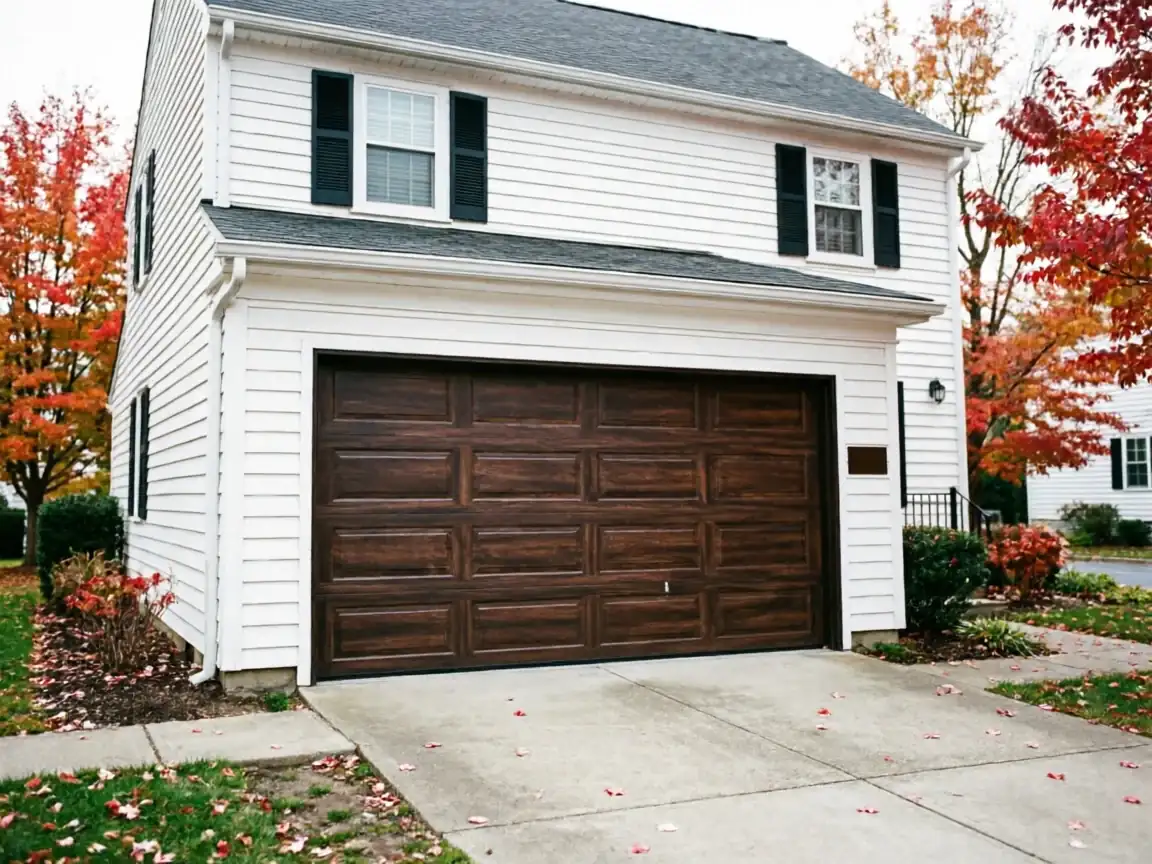
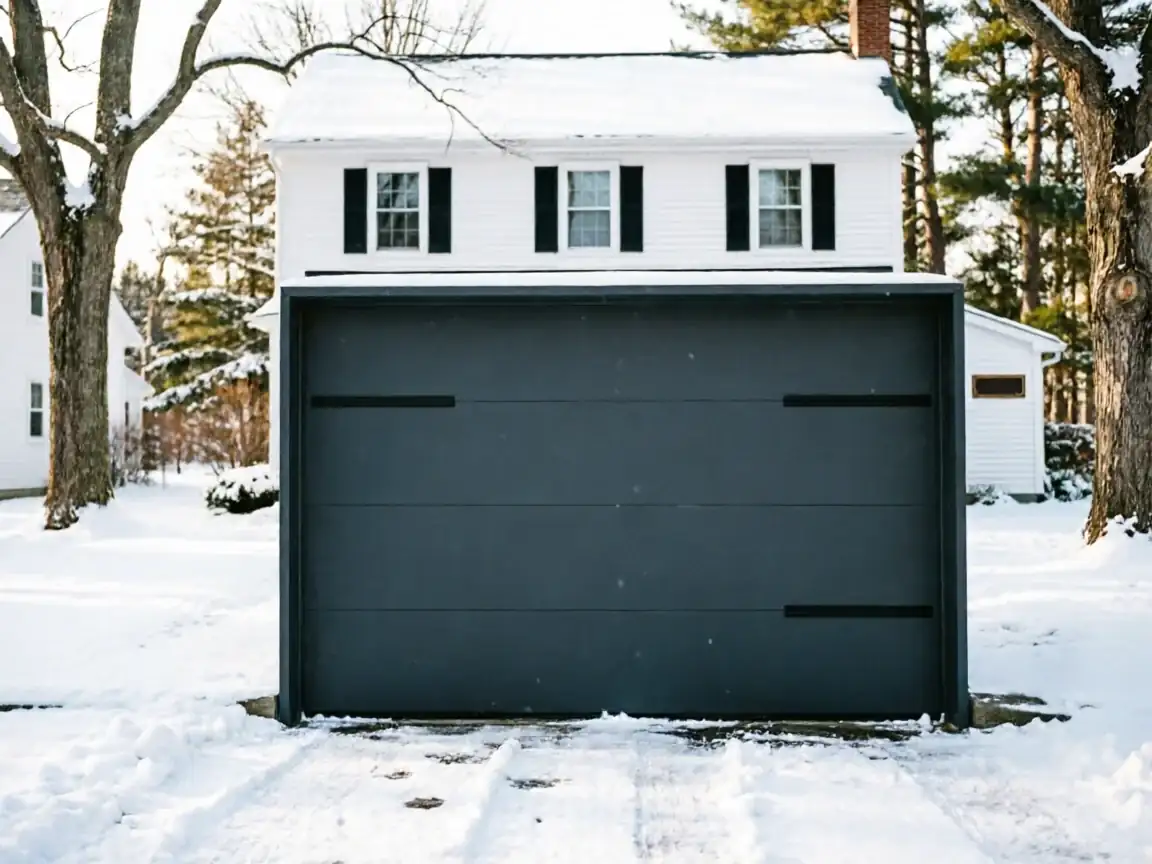
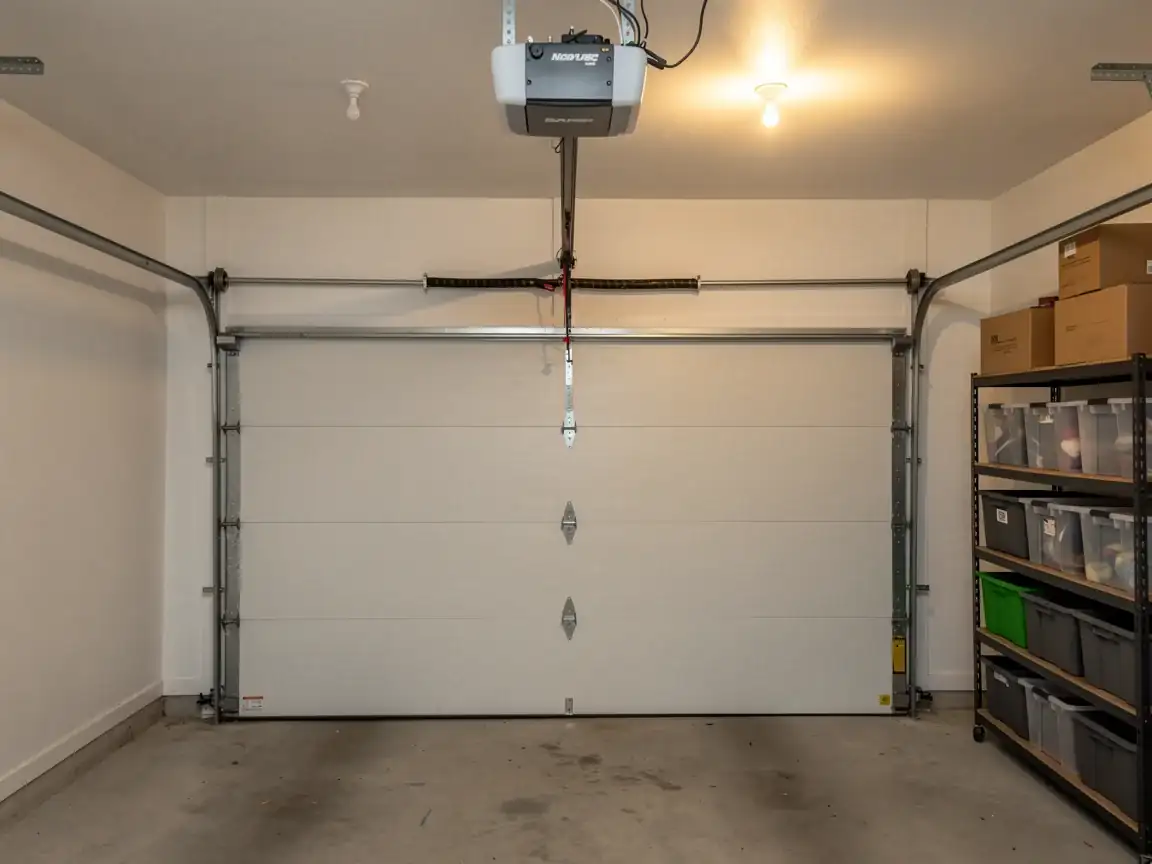
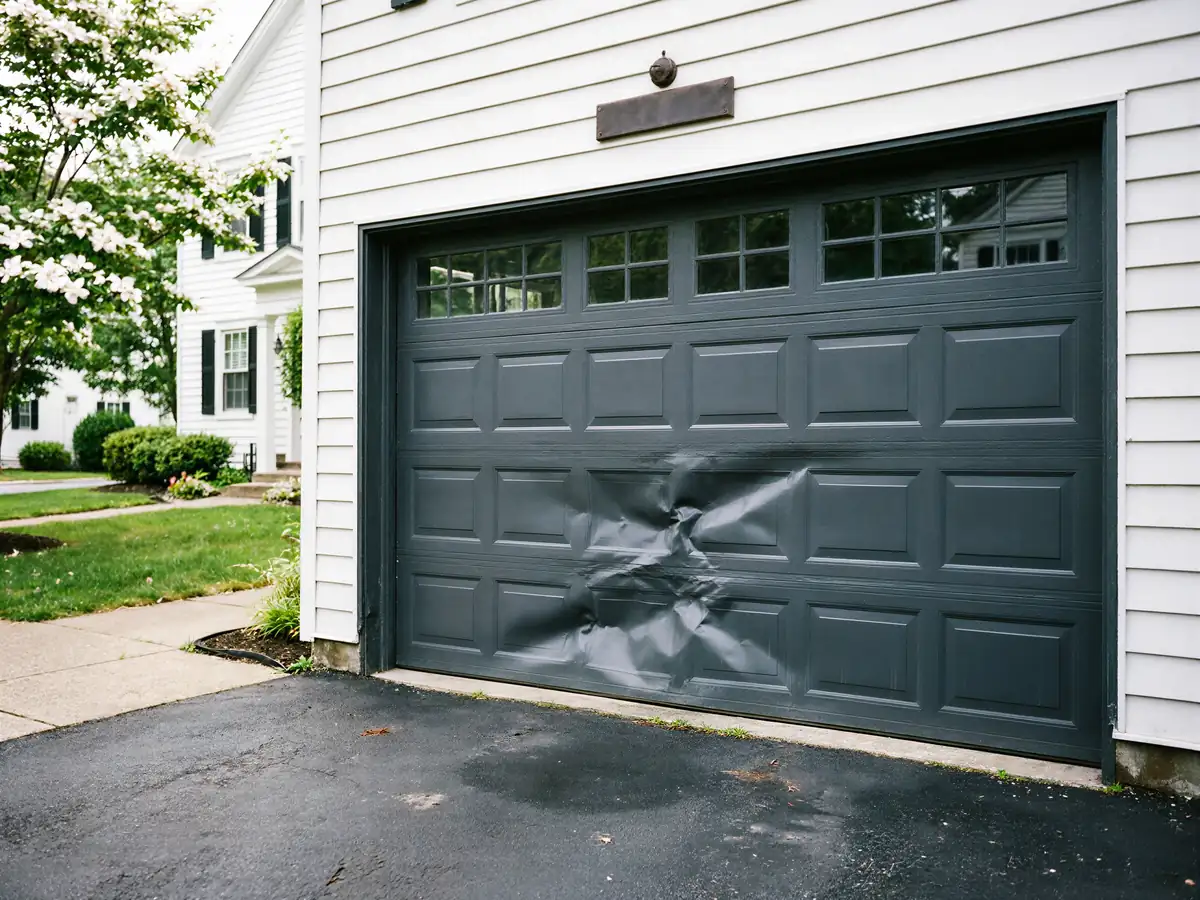
You're not calling because the door looks bad. You're calling because it's stuck half-open in January, or the panels are bowed from thirty-odd winters of frost heave under the slab, or the opening itself is just a little out of square because the house went up in 1961 and nobody's touched the door since the Carter administration. In a service area where the housing stock runs 1938 to 1997 with a median build year around 1982, a lot of garage openings were framed for doors that don't exist anymore - odd widths, low headroom, track styles that the current steel-door catalog doesn't match. You measure for a replacement expecting it to be simple, and it isn't, because the opening was never standard to begin with. That's the actual symptom: not a broken door, but an opening that fights whatever you try to put in it.
Time on the Job
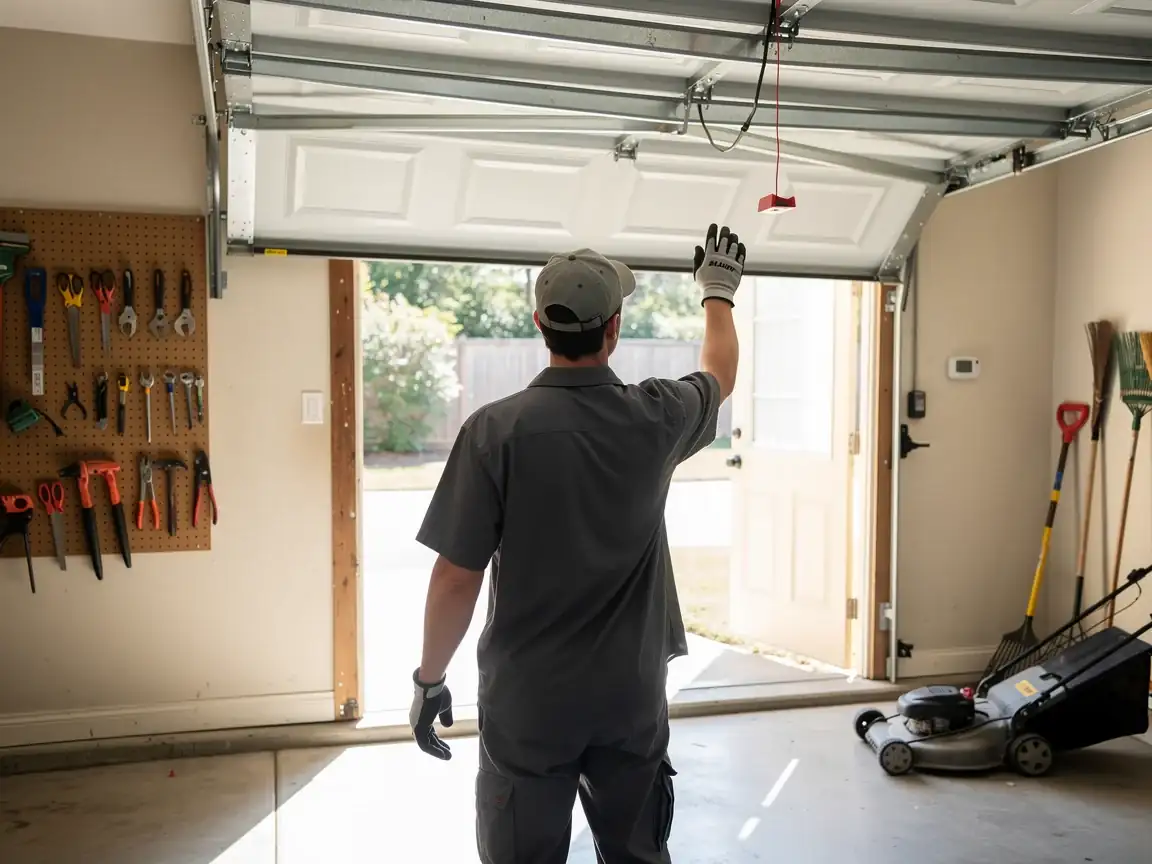
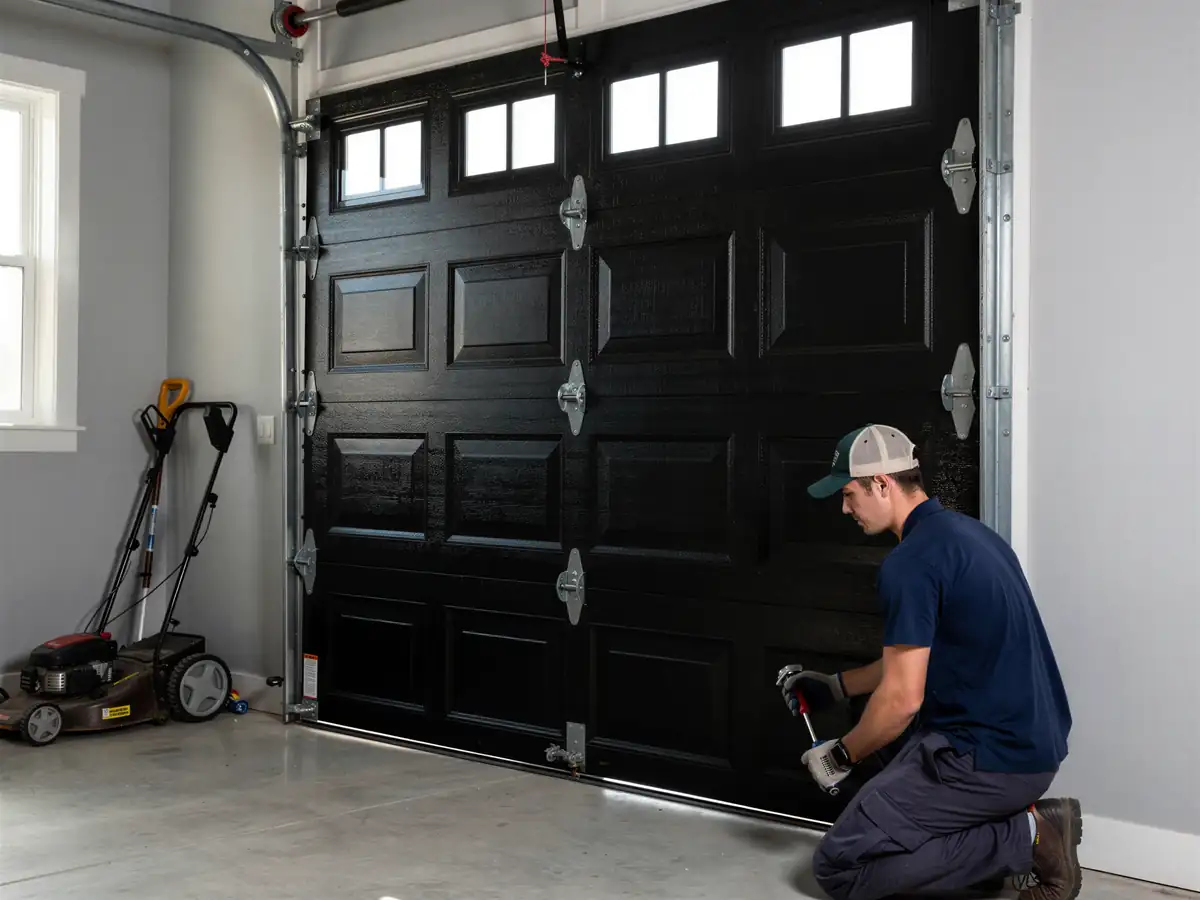
A straight swap - same size opening, standard headroom, no framing work - is a different job than what we run into on a lot of Manchester's older stock. Houses from the 1940s through 1960s, concentrated in areas like the often have shallower headroom and non-standard jamb widths that need shimming or minor carpentry before a new door and track will sit right. Newer construction from the 1980s-90s - which makes up most of the 45 named areas in the service territory - tends to have more forgiving openings, but even those are 30-40 years old now, and the original track hardware is rarely plumb anymore from decades of seasonal ground movement. We don't quote installation time off the phone sight unseen, because the honest answer depends on what the opening looks like once the old door's off the hinges.
Can You Do This Yourself
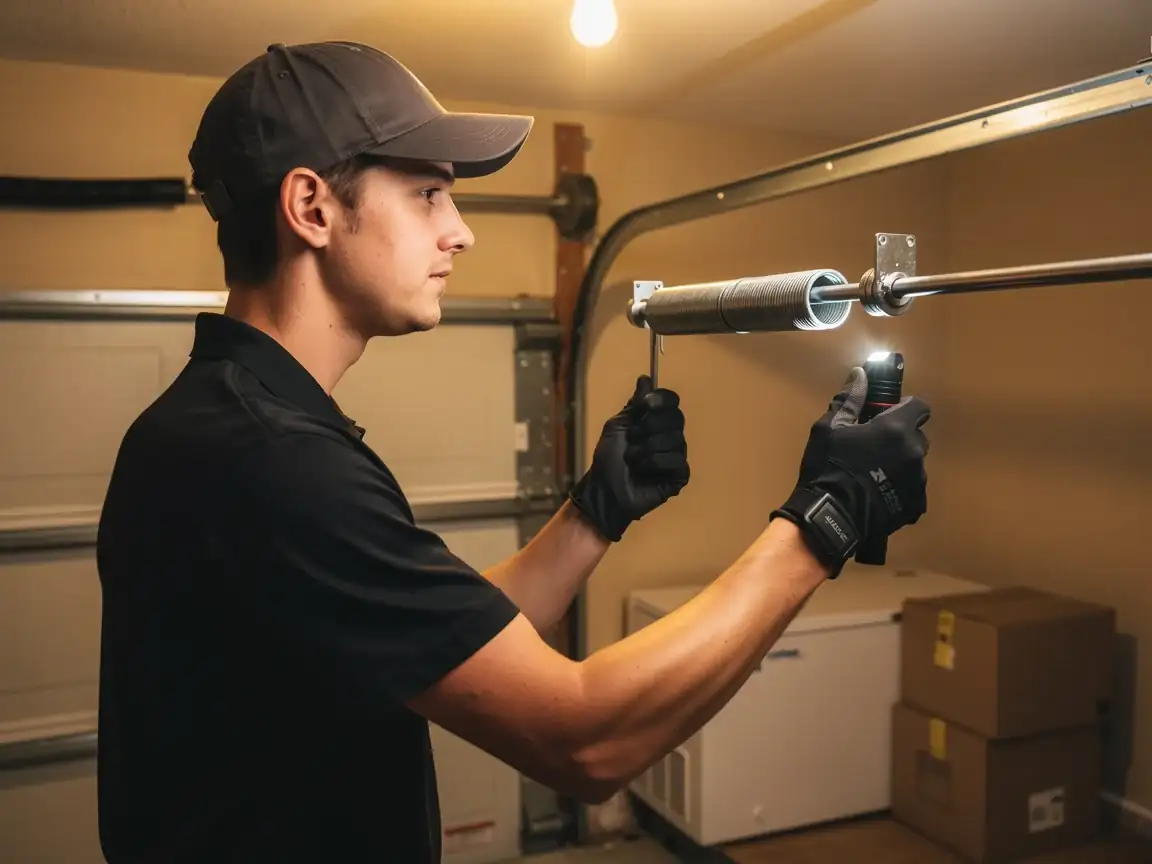
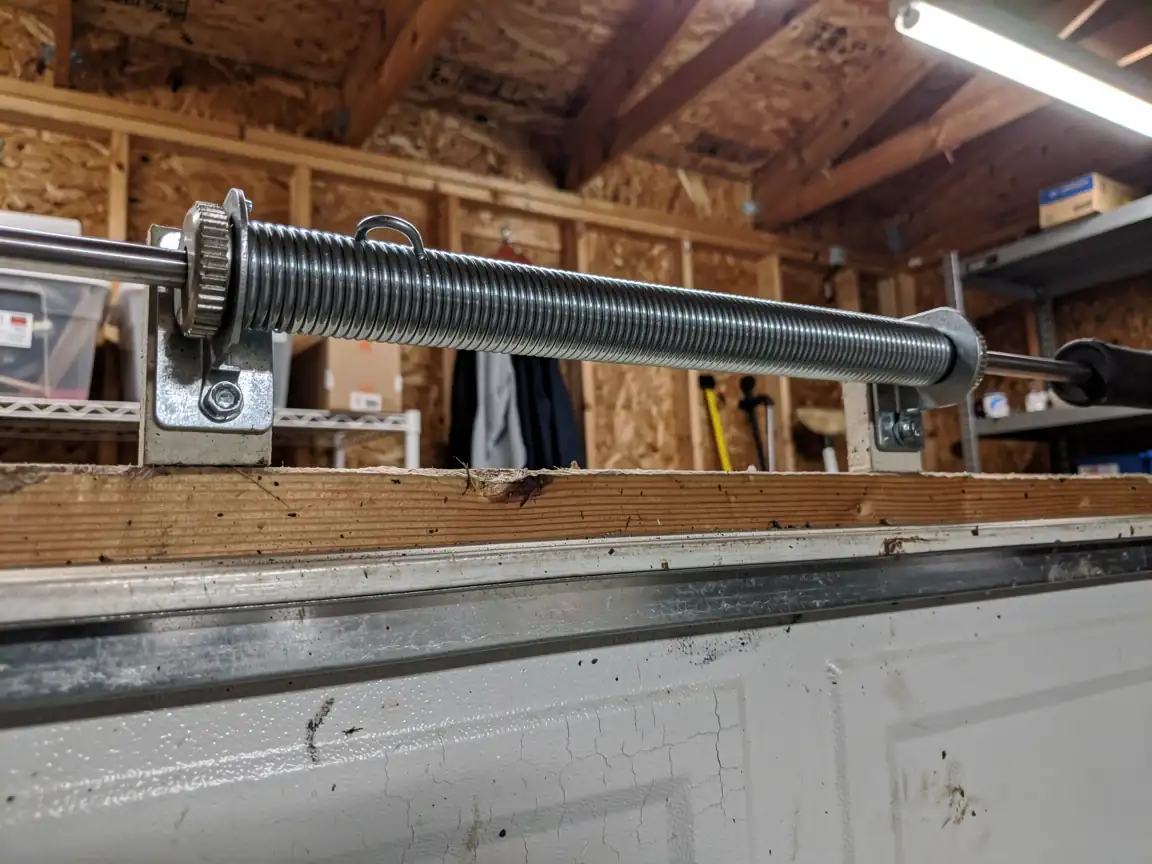
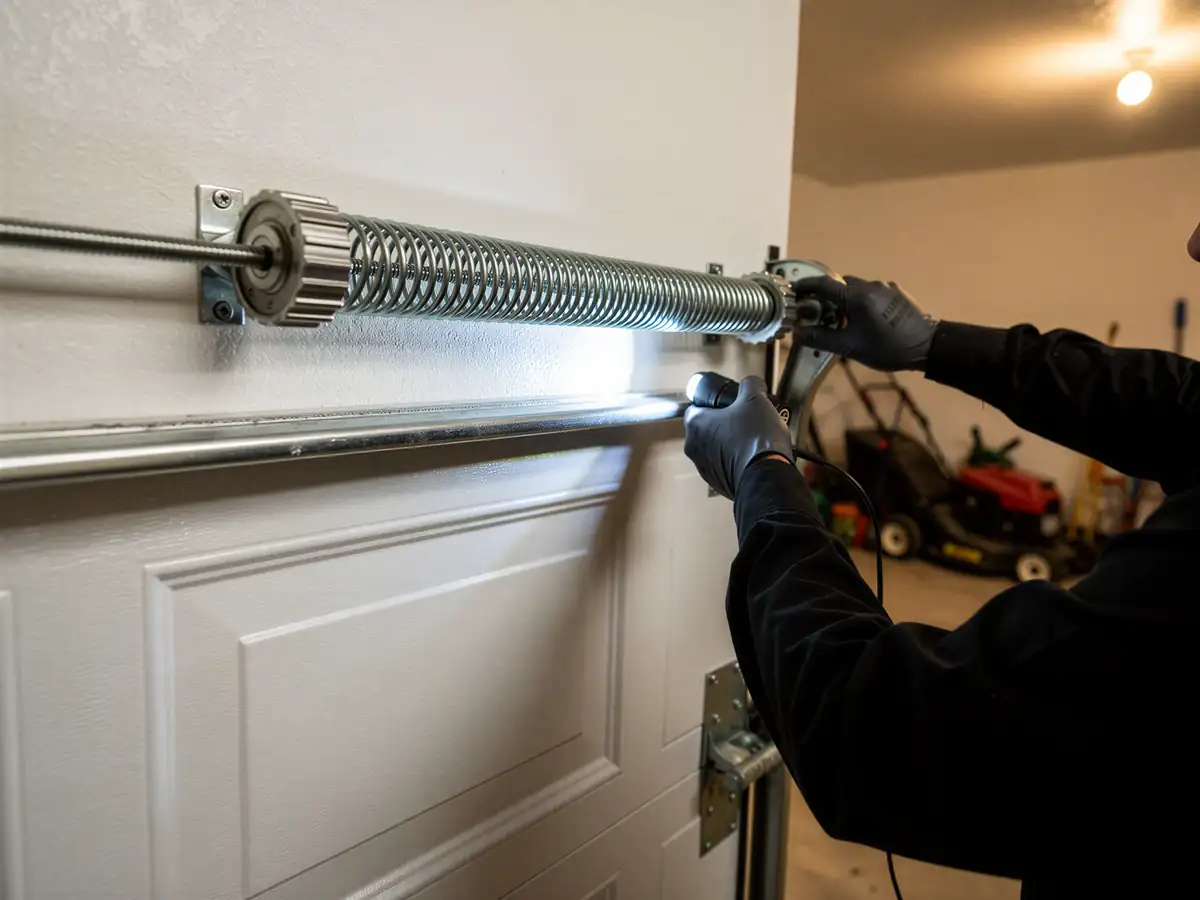
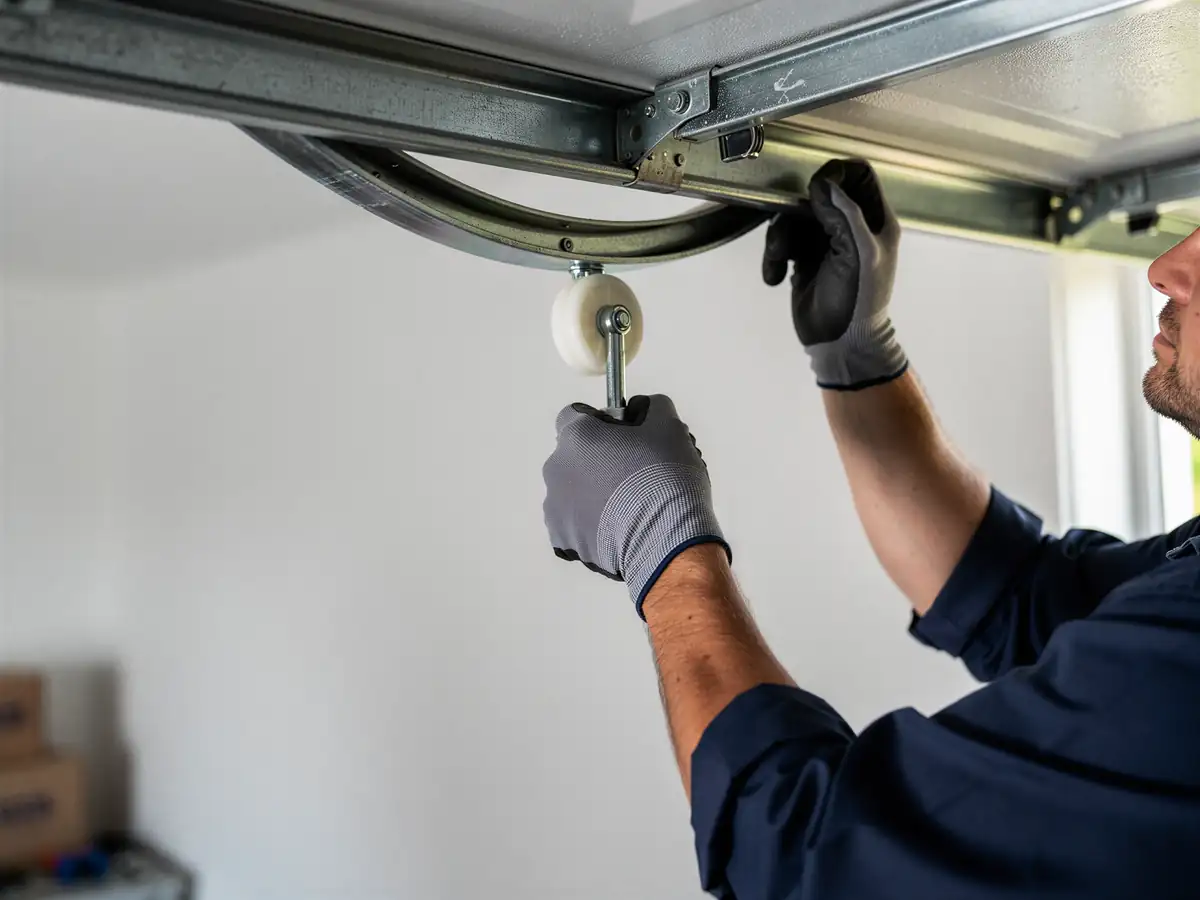
Hanging a prehung door is one thing. Hanging a garage door - torsion spring under real tension, track alignment to a fraction of an inch, a panel system that has to seal evenly across an opening that might not be square - is a different kind of job, and it's also one of the more dangerous DIY projects in a house. We'll say plainly: if your opening is standard and the old track is in good shape, a capable DIYer can handle panel installation on a pre-measured door. What we don't recommend doing yourself is spring conversion, header reinforcement, or anything touching an opening that's out of square - that's where people get hurt or end up with a door that binds in six months. If you're not sure which situation you're in, that's worth a look before you buy the door, not after.