Booking a Visit
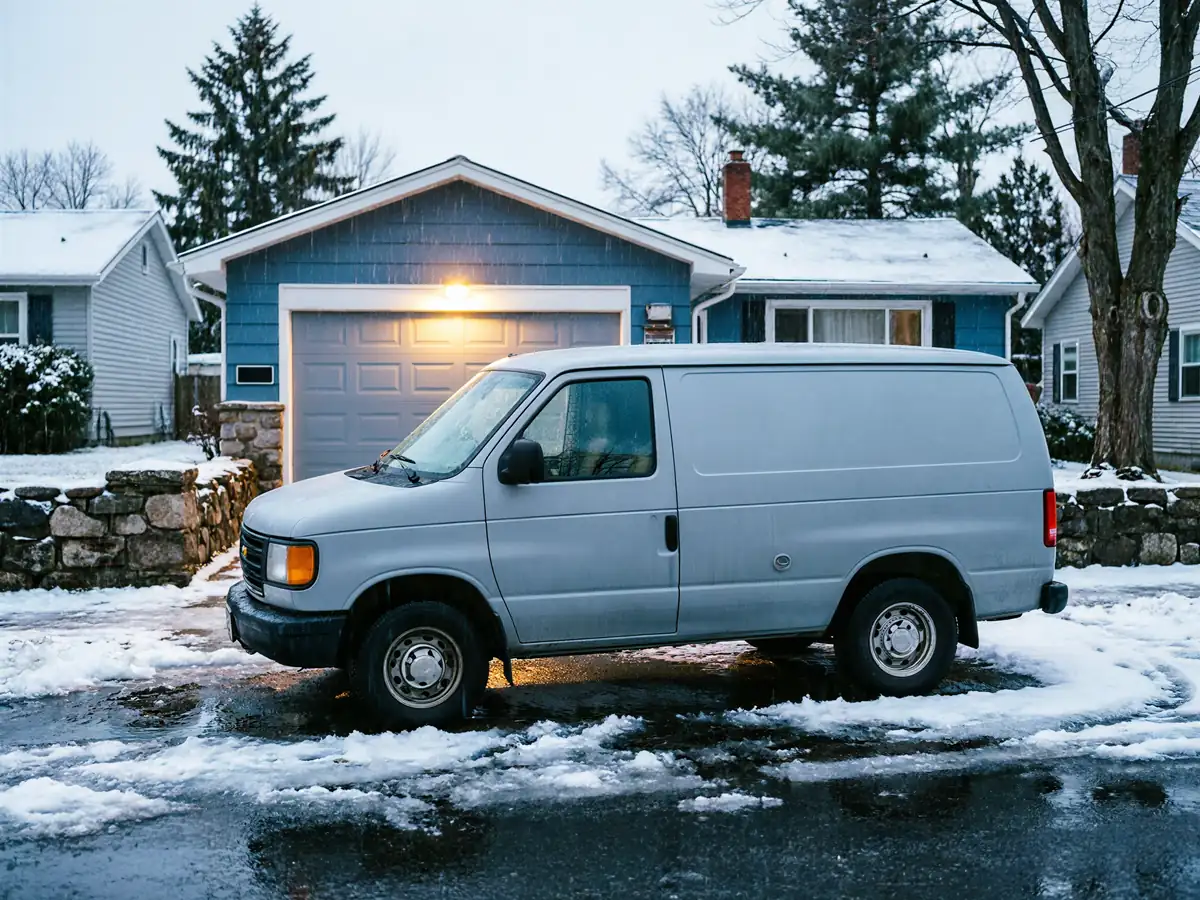
We run this job out of Manchester, 13 miles south, so a Pembroke visit goes on the route rather than being a walk-in stop. Tell us the door's rough age when you call - if the house was built around 1969, which is typical for this town, that's useful before we even load the truck, because it points us toward narrower panel stock and older track widths instead of the wider doors that went in during the 1980s building wave across the rest of the service area. We don't keep a branch in Pembroke. We carry what the job needs and drive it out.
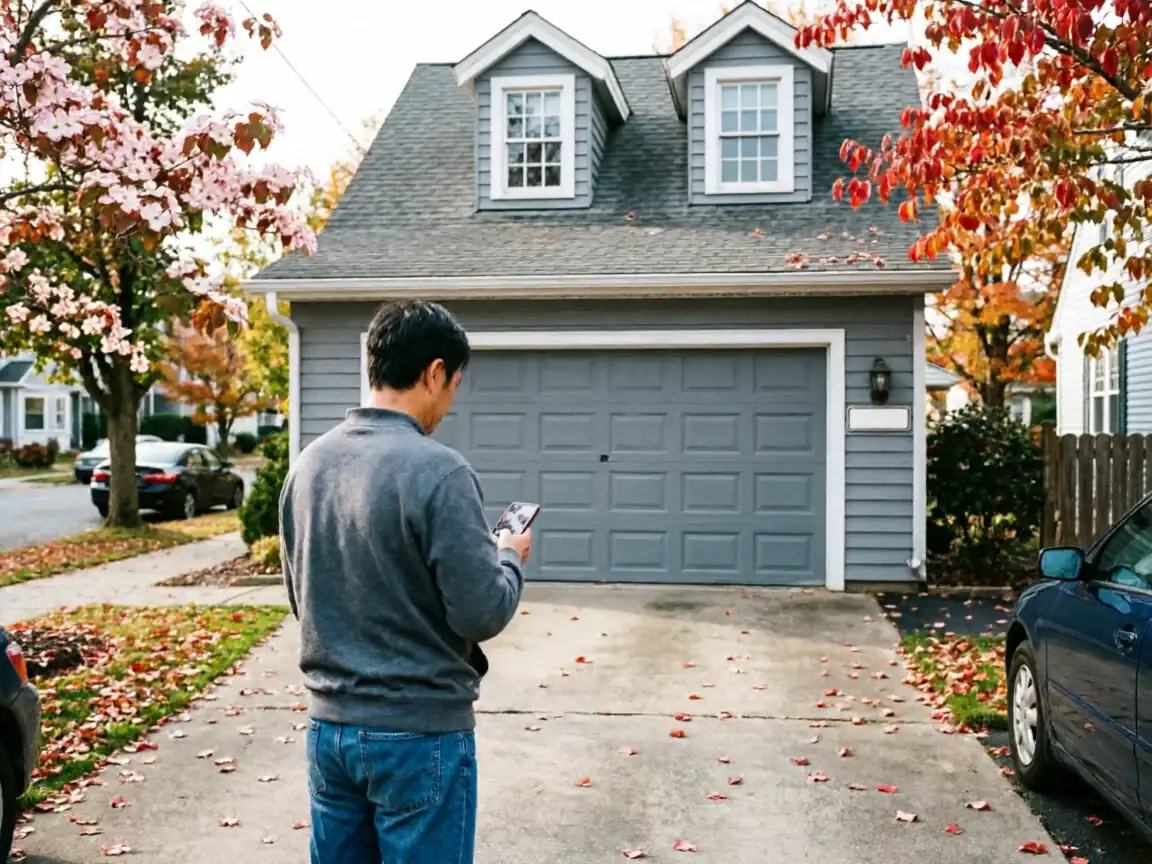
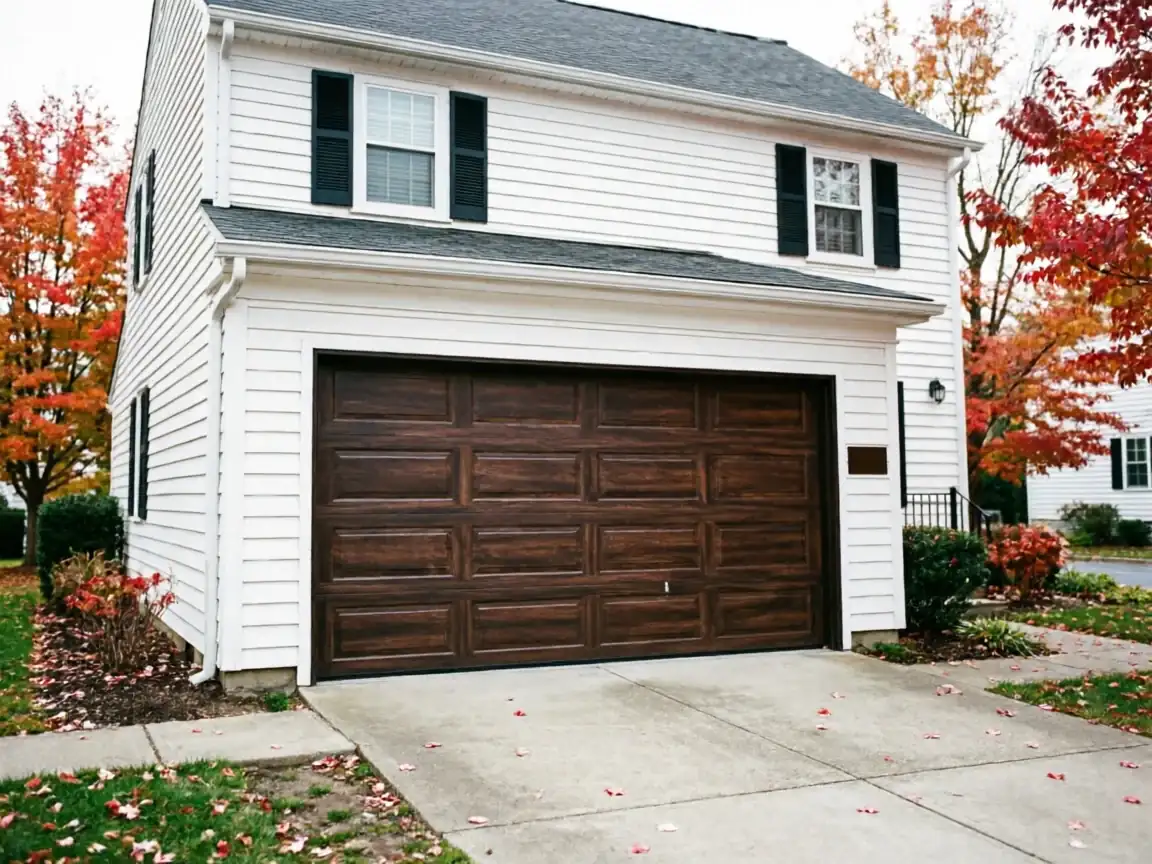
If you can get a photo of the door - the full face, plus a close shot of the hinge and track where it's damaged - send it ahead. It saves a second trip for the handful of cases where the track profile turns out to be something we need to special-order rather than something sitting on the truck. That's rare, but it happens more on houses from this era than on the newer stock we see elsewhere in the service area.
Where This Job Goes Sideways
Panel swaps on a 1969-era door look simple until you pull the damaged section and find the track mounting doesn't match current hardware. Houses in Pembroke predate the bulk of the area's housing stock, which the wider service area's record shows running 1938 to 1997 with a median around 1982 - Pembroke sits well below that median, so the door and jamb hardware on these houses is often a full build generation older than what we replace on a typical call elsewhere.
The other way it goes sideways: matching a single panel to a door that's been repainted or has sun-faded unevenly over fifty-plus years. We can usually get a close color match, but an exact one on a door that old sometimes isn't possible without redoing every panel. We'll tell you straight if that's the case before we start, not after.
The Symptom
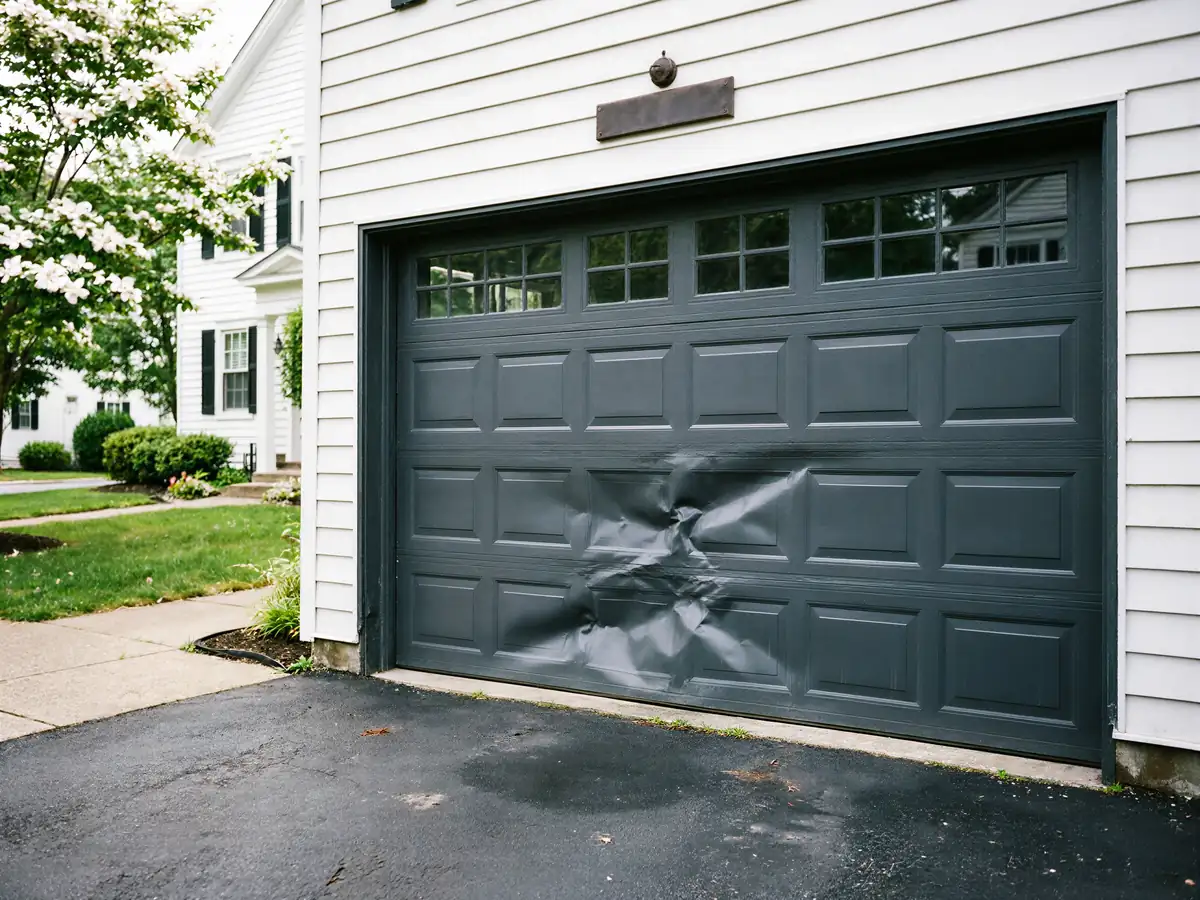
What you'll usually notice first is a bottom or second-from-bottom panel that's dented, buckled, or cracked
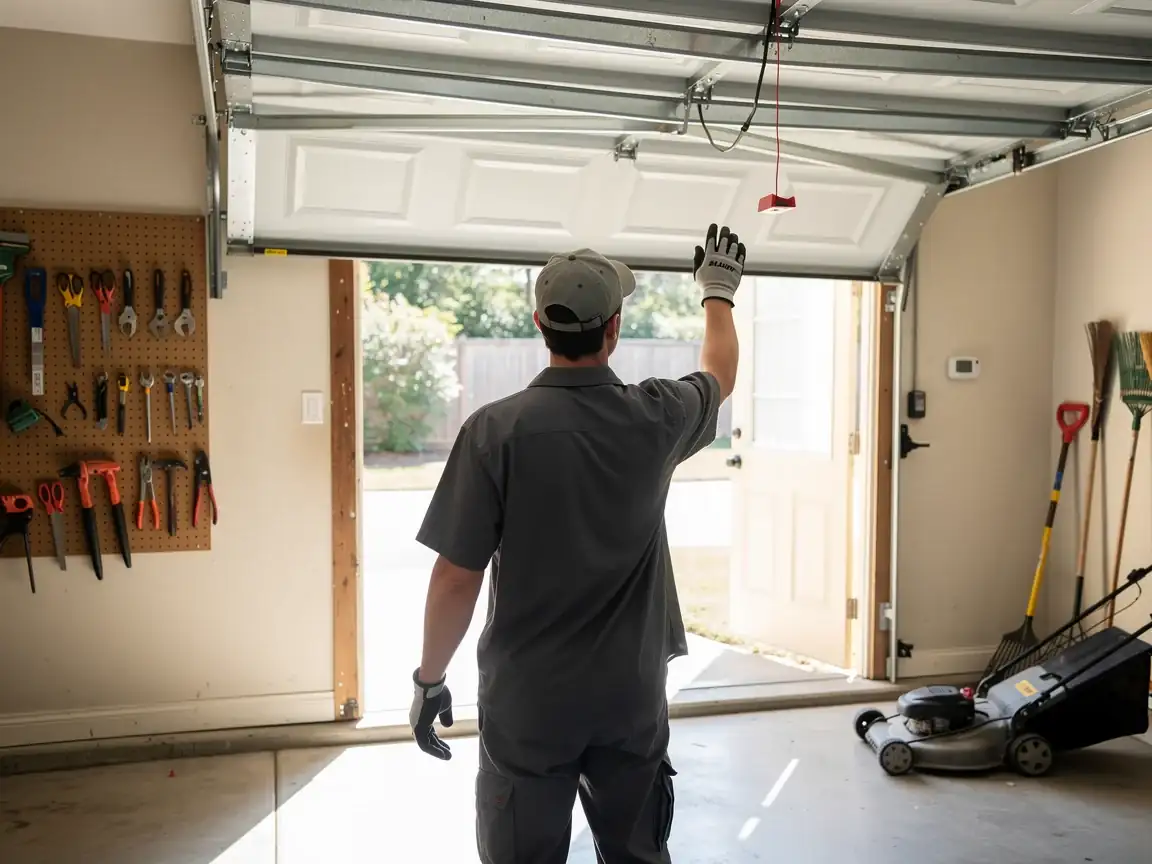
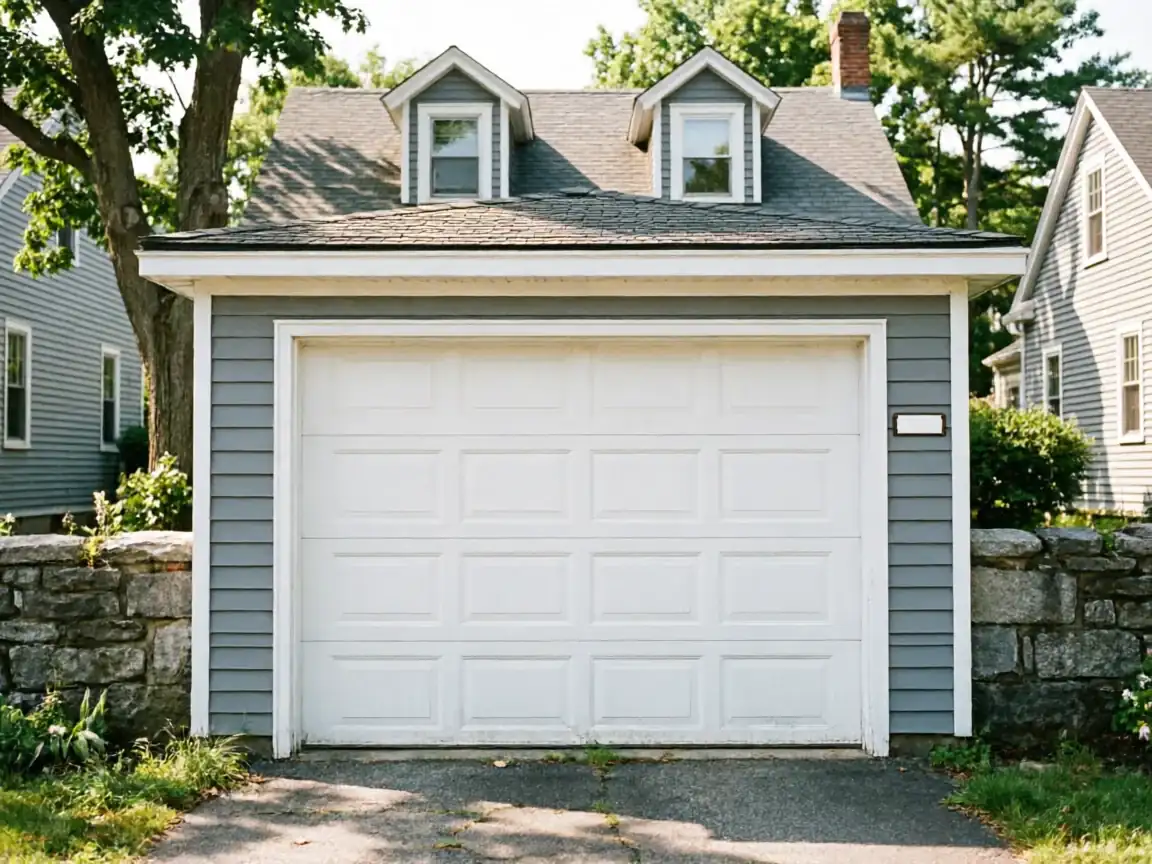
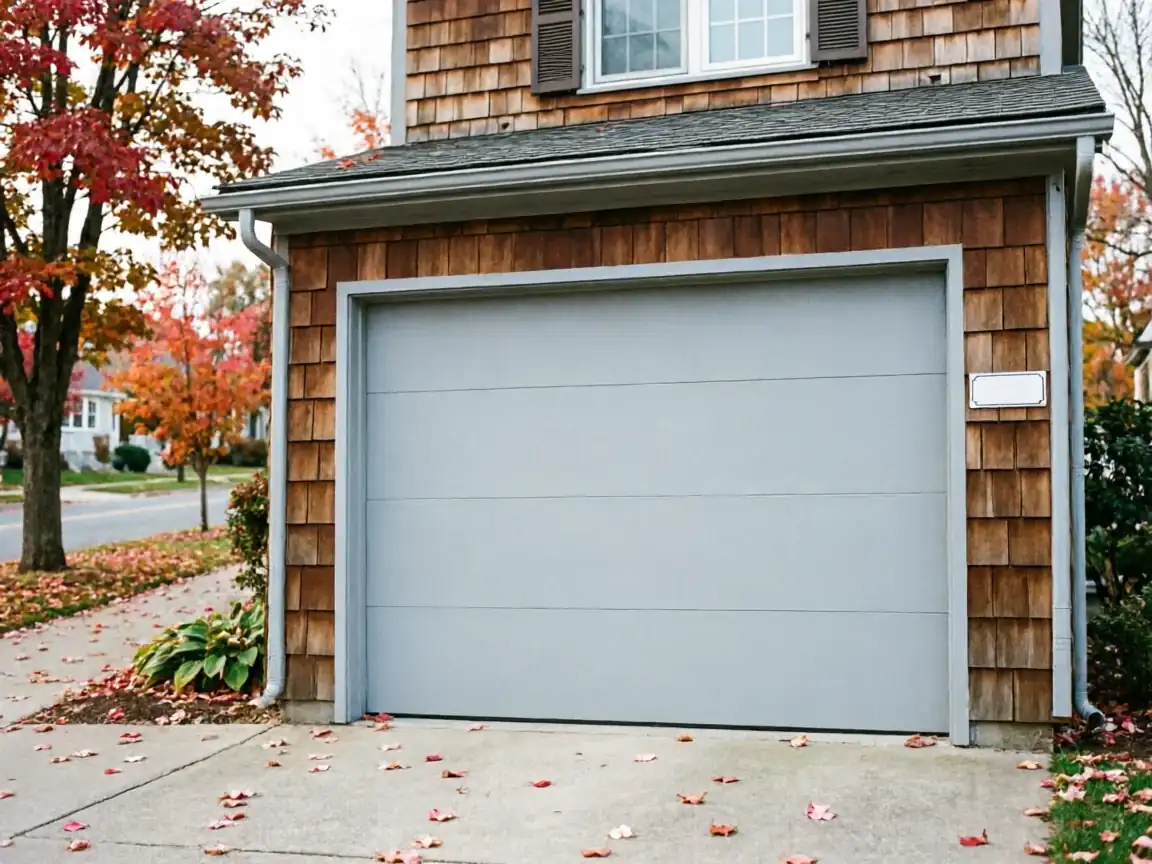
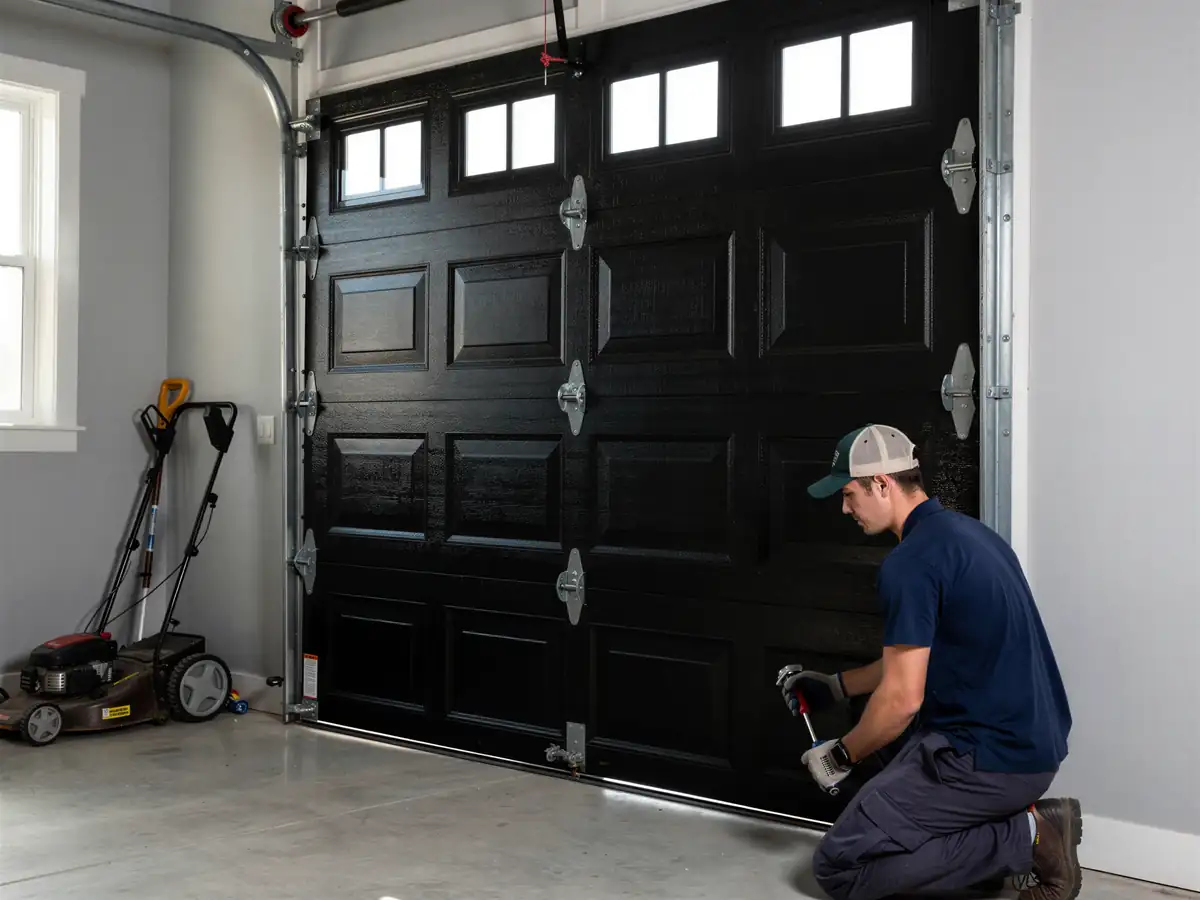
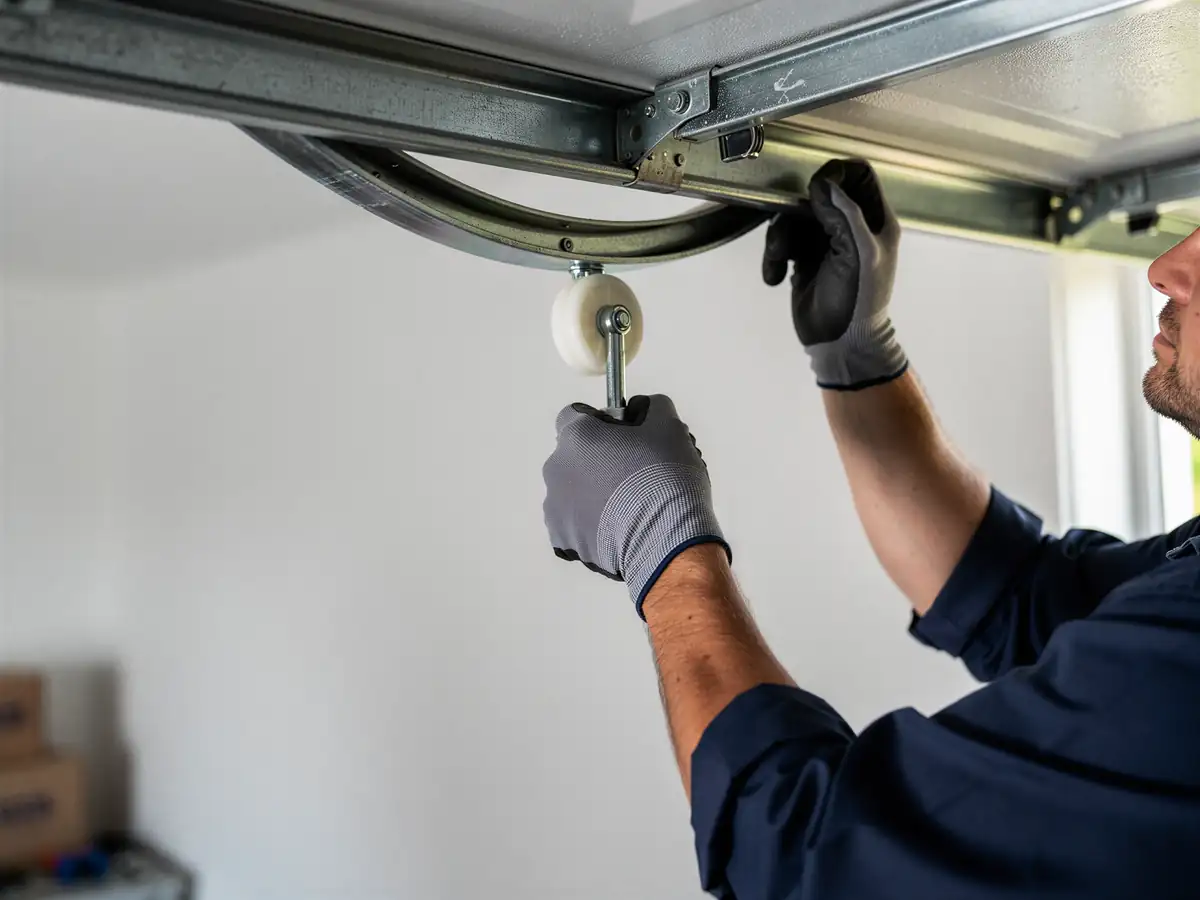
Most often from a car bumper or a hard-swung mower. On the sectional steel doors common to houses this age, a hit panel often means the roller bracket on that section has bent with it, so the door drags or binds on the track even though the opener still runs fine. Sometimes you'll hear a scrape on the way up that wasn't there last month.
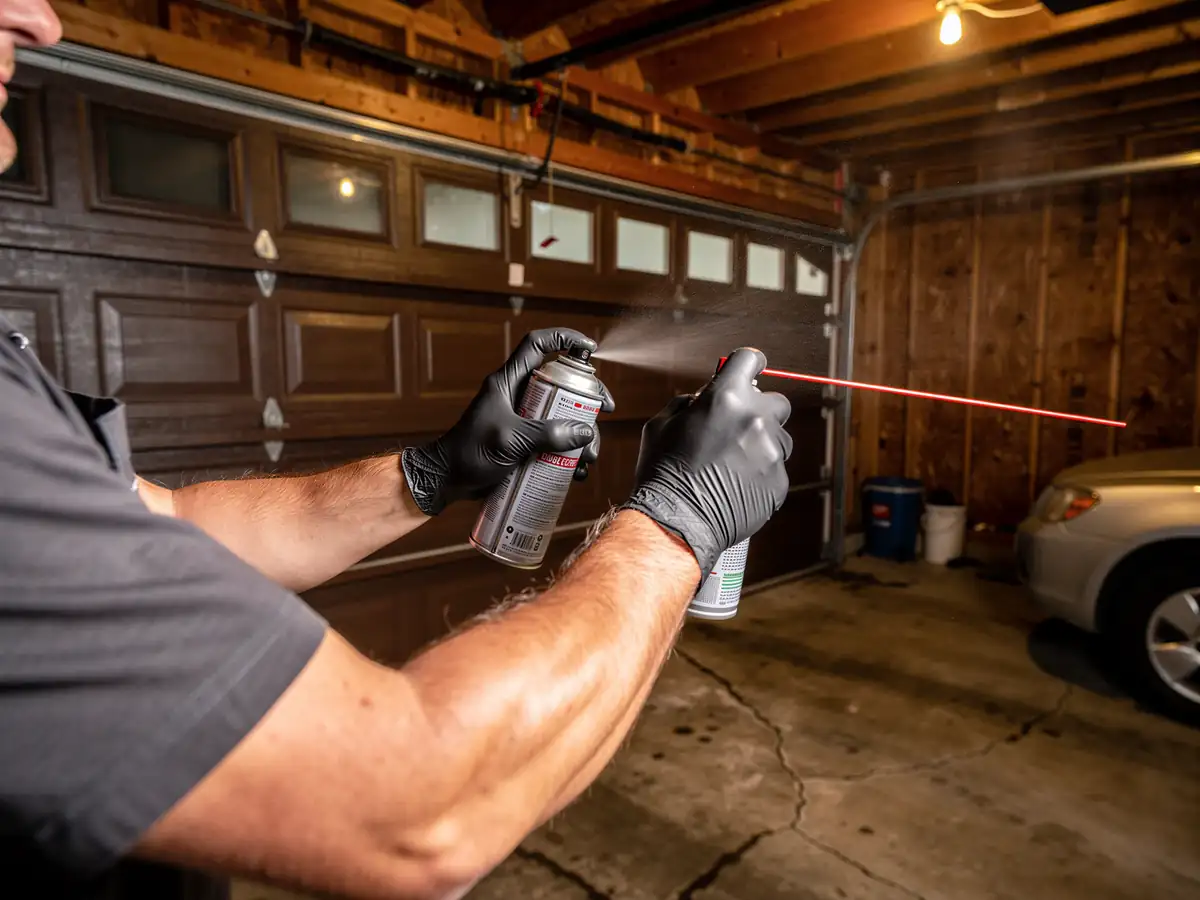
On the older wood or wood-composite doors that also turn up in this age bracket, the symptom looks different
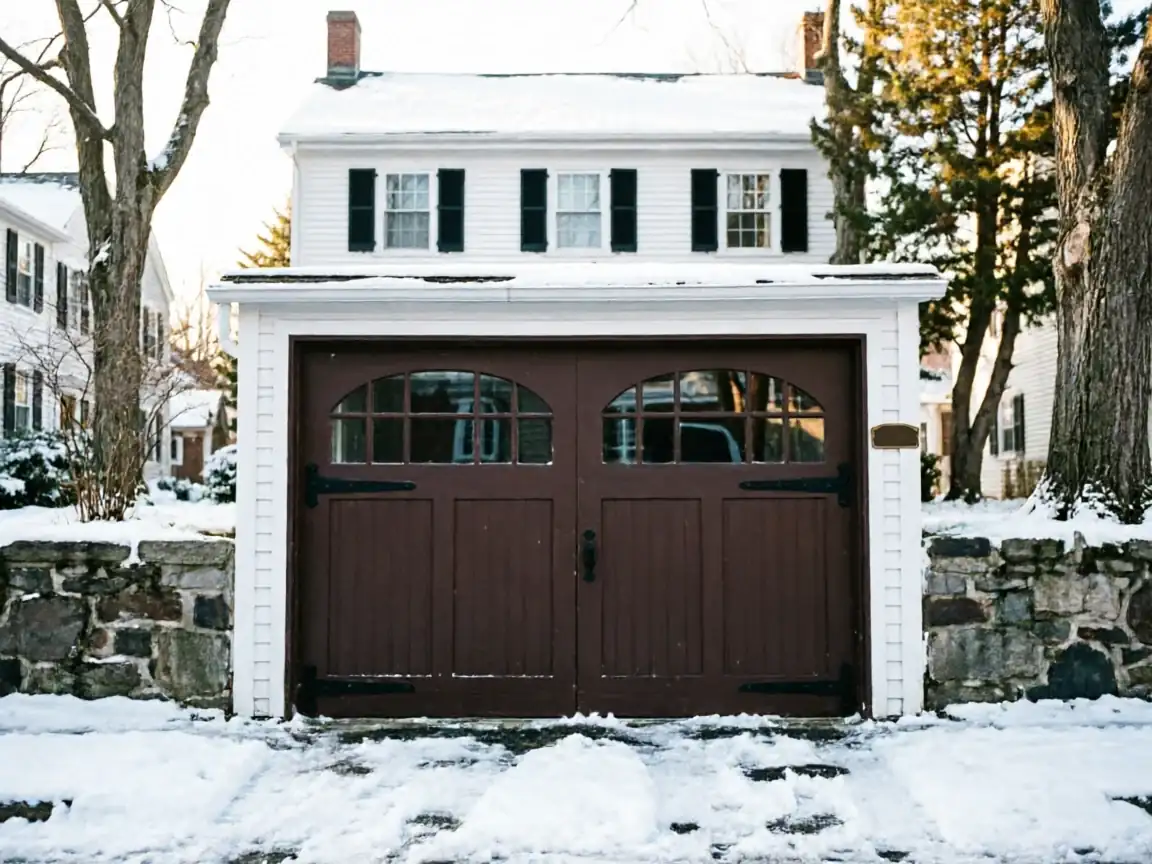
A split along a panel seam, or swelling at the bottom edge where moisture's gotten in over the years. That's a panel-level repair too, but the fix and the material are not the same as steel, so tell us which kind you have when you call.
Parts We Carry
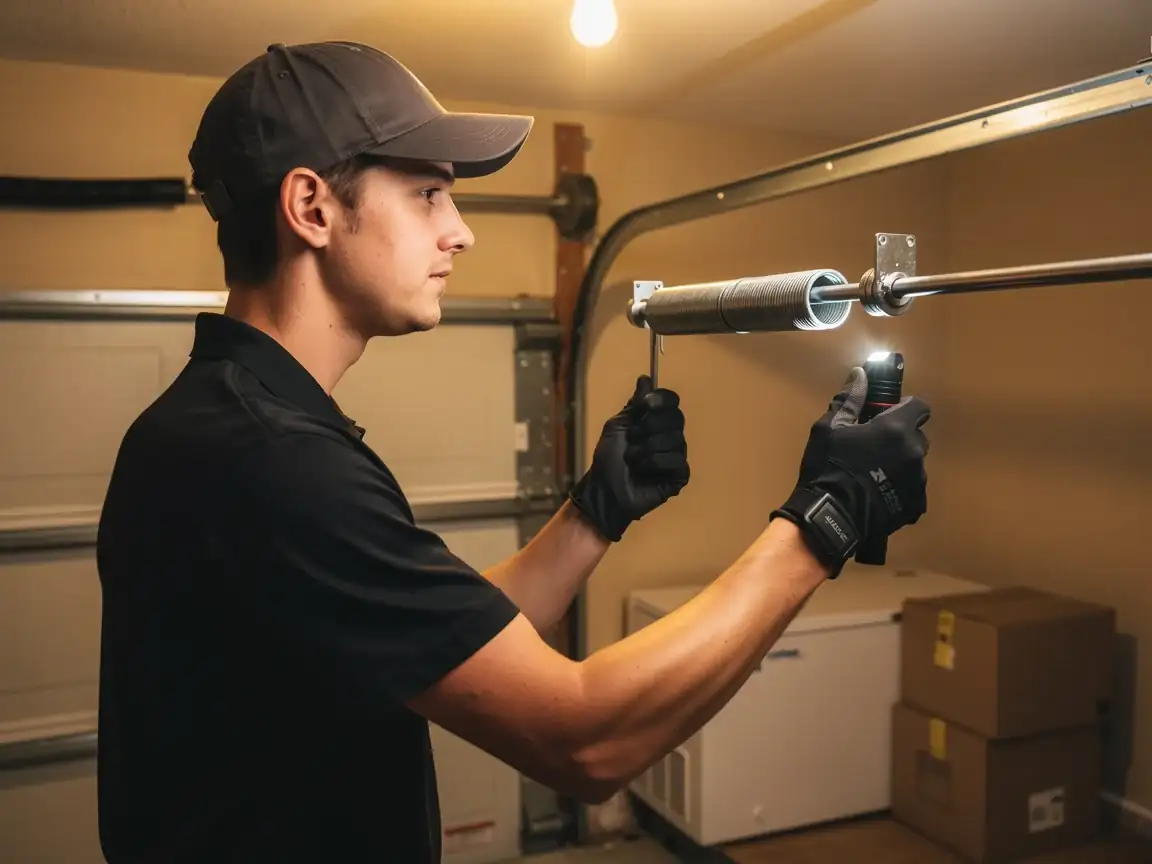
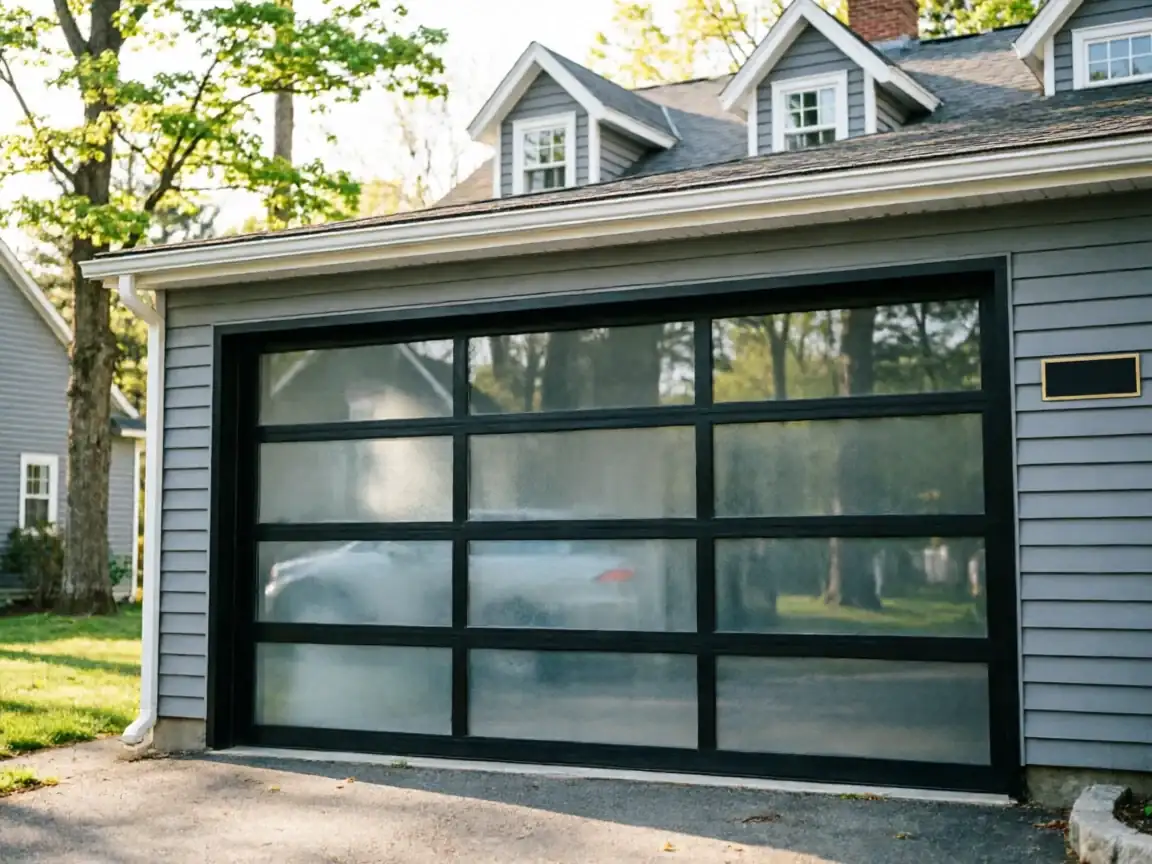
We stock the panel widths and track hardware that match the sectional steel doors most common across the service area's 1980s-90s housing wave. For a house in Pembroke built closer to 1969, the door is more likely to run an older panel height or a narrower rail spacing, so we check the measurements against stock before we quote rather than assuming a standard modern fit.
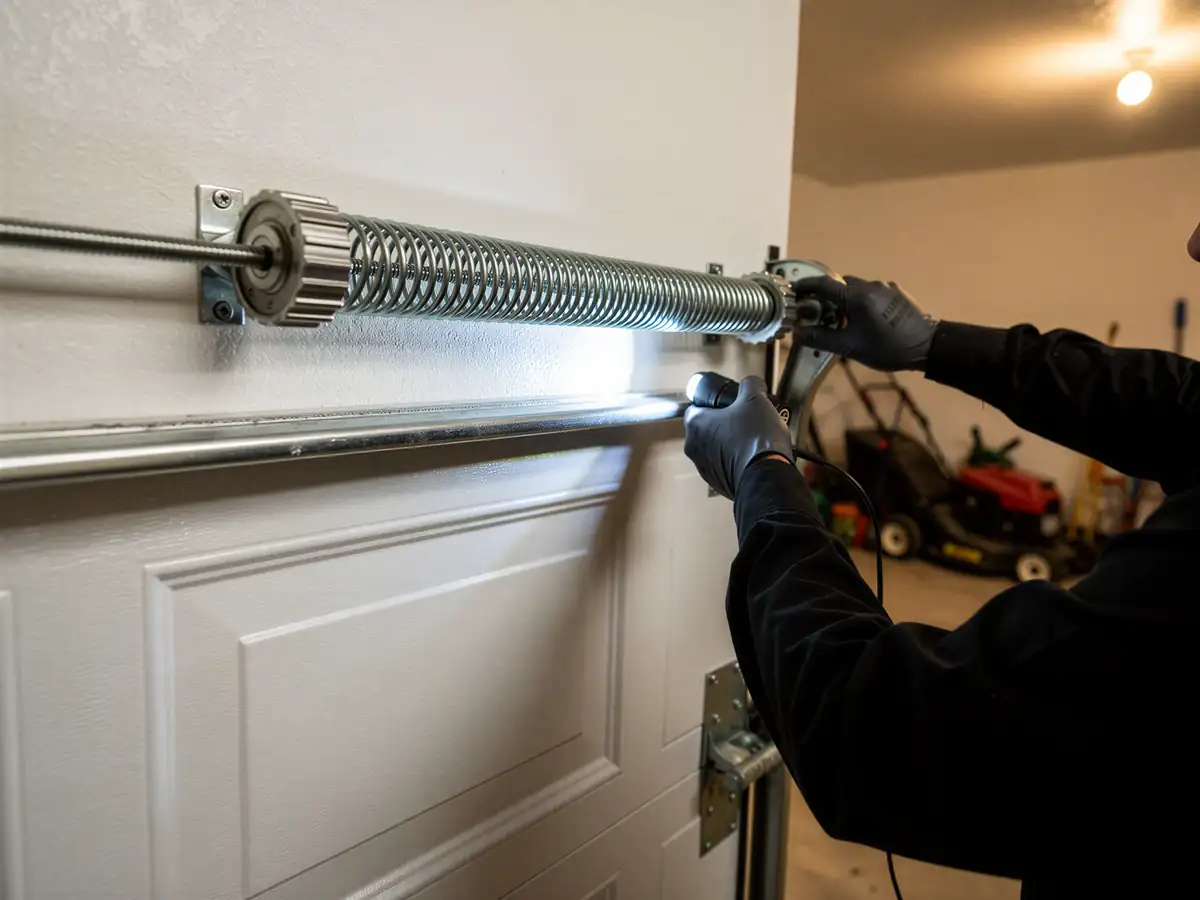
Where we run into a true mismatch - an original door that's never been replaced and uses hardware nobody has made in decades - we'll say so. In that case a full door replacement usually costs less and holds up longer than hunting down one obsolete panel, and we'll lay out both prices so you can decide. That's the honest limit of a panel swap: it fixes a dented or cracked section, it doesn't fix a door that's simply reached the end of its hardware's production run.
Why This Fails Locally
Pembroke's 2,779 households sit at a lower median income than the wider service area - $95,307 against the area's $115,712 - and that shows up in which repair people choose, not in how the door fails. A dent happens the same way everywhere. What changes is that more Pembroke owners ask us to replace just the damaged panel rather than the whole door, which is a reasonable call on a house this age as long as the track and spring assembly are still sound.
The region's winters are the other piece: this is a cold-climate area with severe seasonal swings, and a door that's already out of true from a bent panel loses its seal faster once the weather turns. A gap that's a minor nuisance in October becomes a draft and an ice problem by January. That's the practical reason to fix a dented panel here before the cold sets in, not after.