The Situation
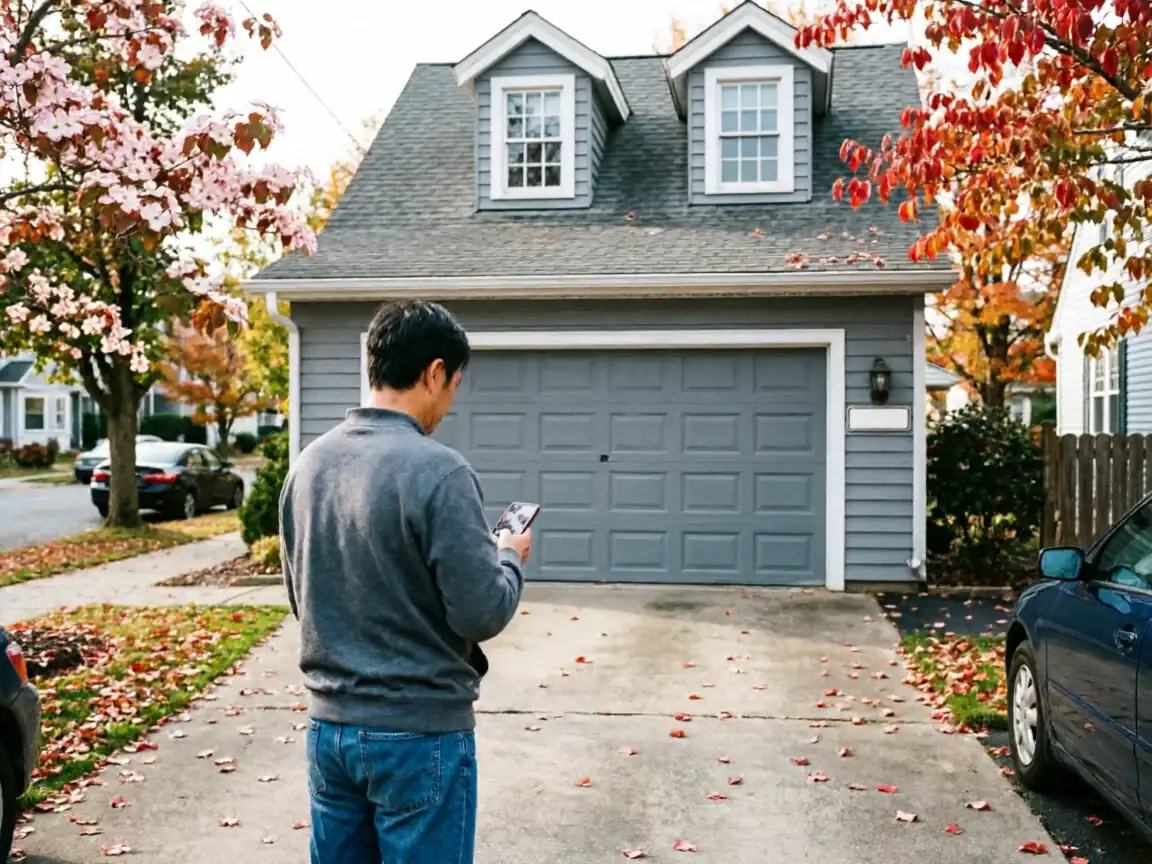
Most houses in this part of Manchester went up between 1938 and 1997, with the median landing around 1982. That means a lot of torsion springs, rollers, and openers in this town are original or close to it, or they've been replaced once already by whoever owned the place before you. A door that's 25 to 40 years into its life doesn't fail quietly. It squeals, it bangs, it hesitates halfway up the track. Those sounds aren't random. They correspond to specific parts wearing out in a specific order, and the order is pretty predictable once a door's hardware has sat through this many New Hampshire winters.
Across the wider service area - South Hooksett, and the other named areas - the stock is similar: mostly 1980s and 90s construction, with a handful of older frames mixed. That consistency matters. It means the failure patterns we see on one street tend to repeat a few miles over, because the doors and openers installed during that building wave were drawn from the same narrow set of manufacturers and spring gauges.
What to Look At First
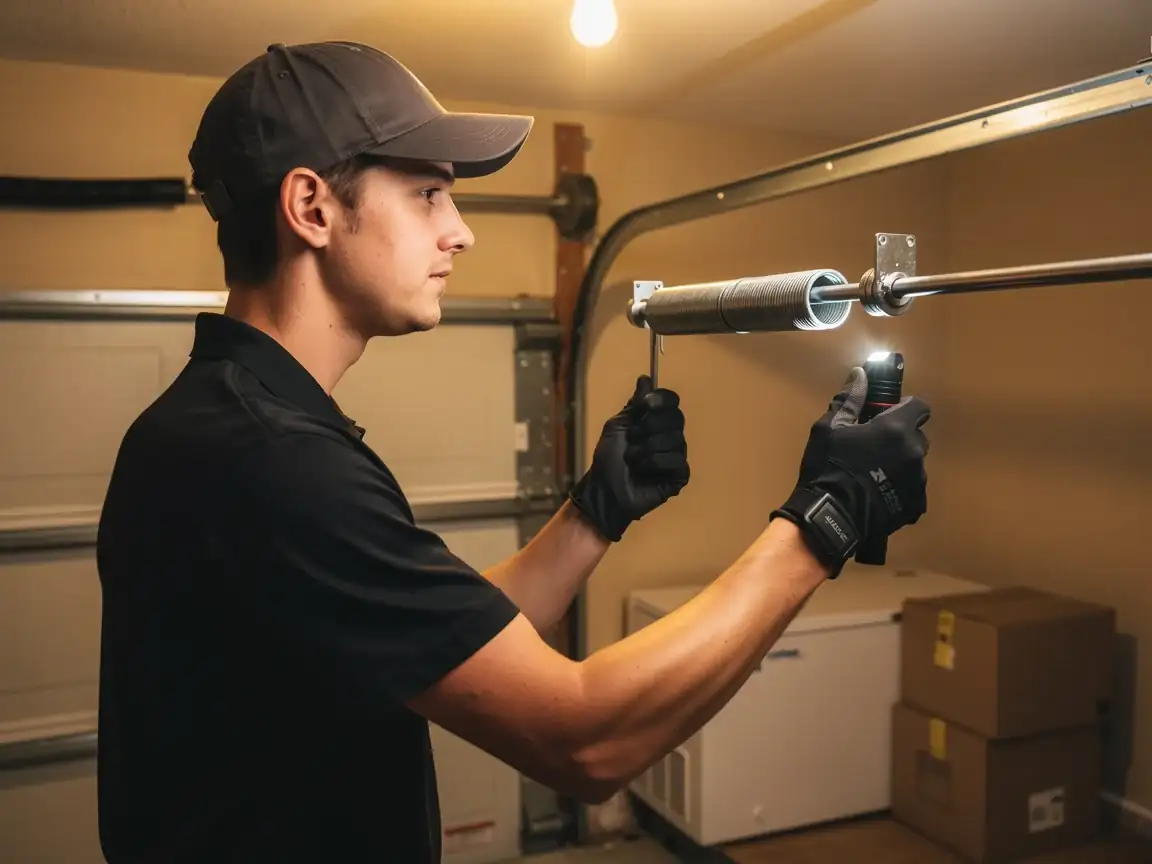
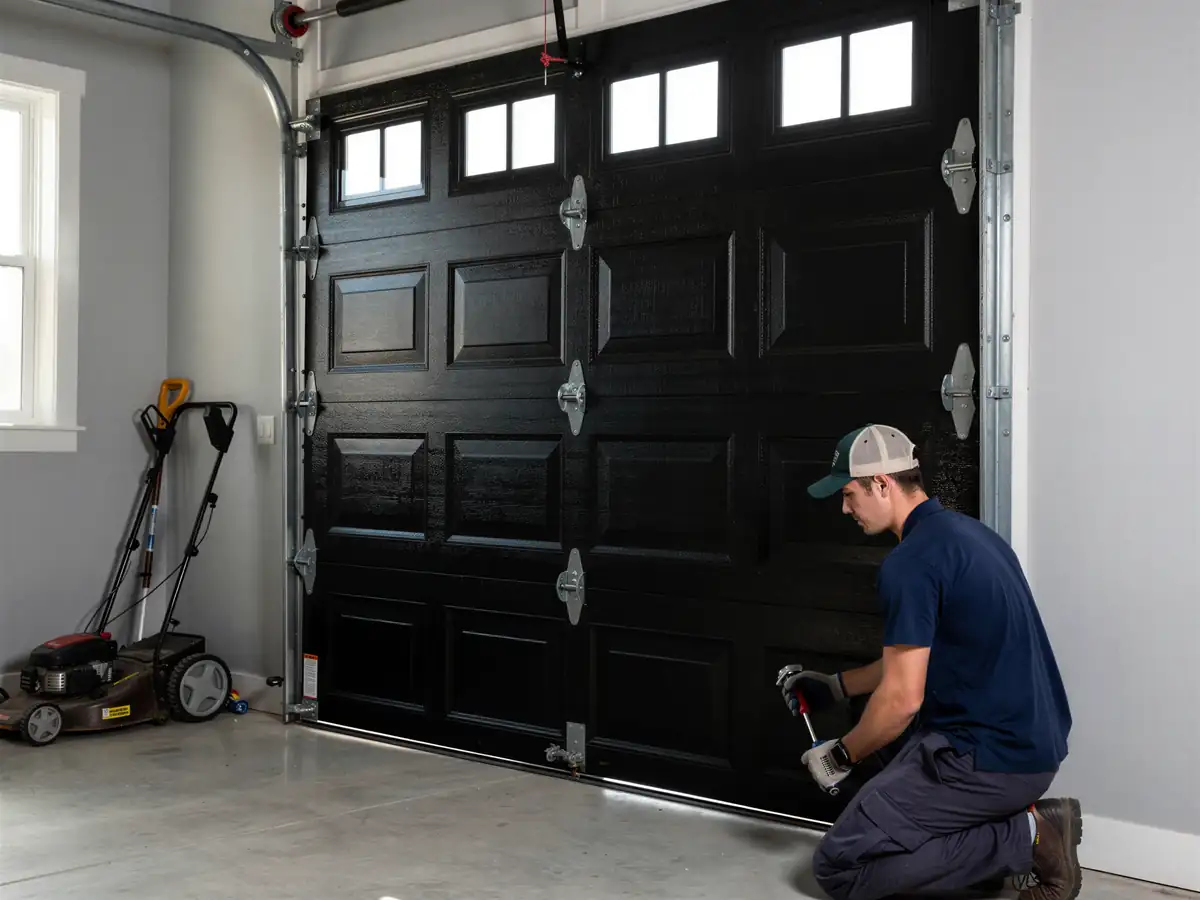
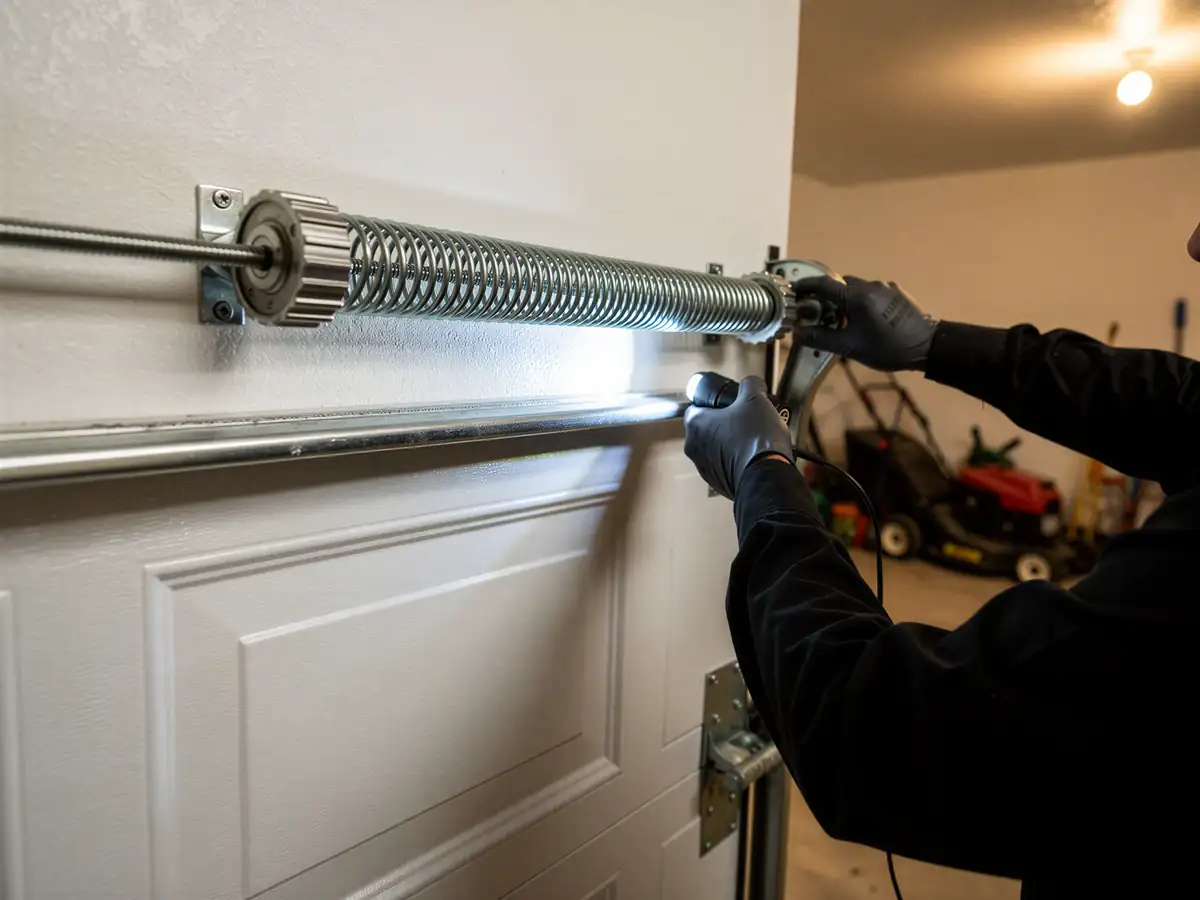
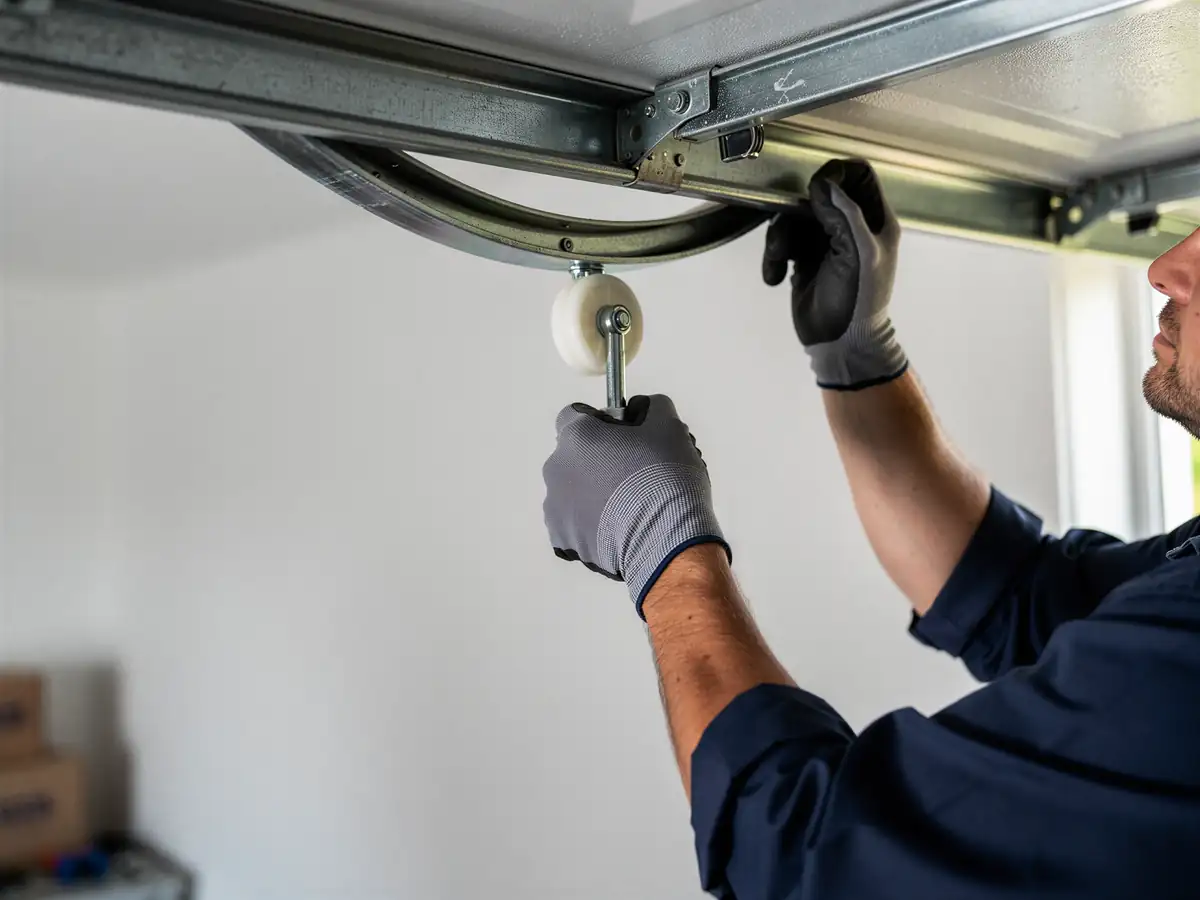
A sharp metallic pop followed by the door refusing to lift is almost always a torsion spring letting go - more common on doors installed in that 1938-1997 window because the springs have simply logged more open-close cycles than anything newer. A steady grinding sound as the door travels is usually a roller, and in homes built before the 1990s those rollers are often the original steel ones, which wear louder than the nylon rollers that came standard later.
A rhythmic thud once per rotation points to a flat spot on a roller or a bent track bracket - check the bracket first, it's the cheaper fix. If the opener itself is making the noise - a motor whine that doesn't match the door's movement - that's mechanical wear inside the unit, not the door, and it's worth isolating before you call anyone, because swapping a spring won't fix a dying opener.
Leaving It Alone
Not every noise needs same-week attention
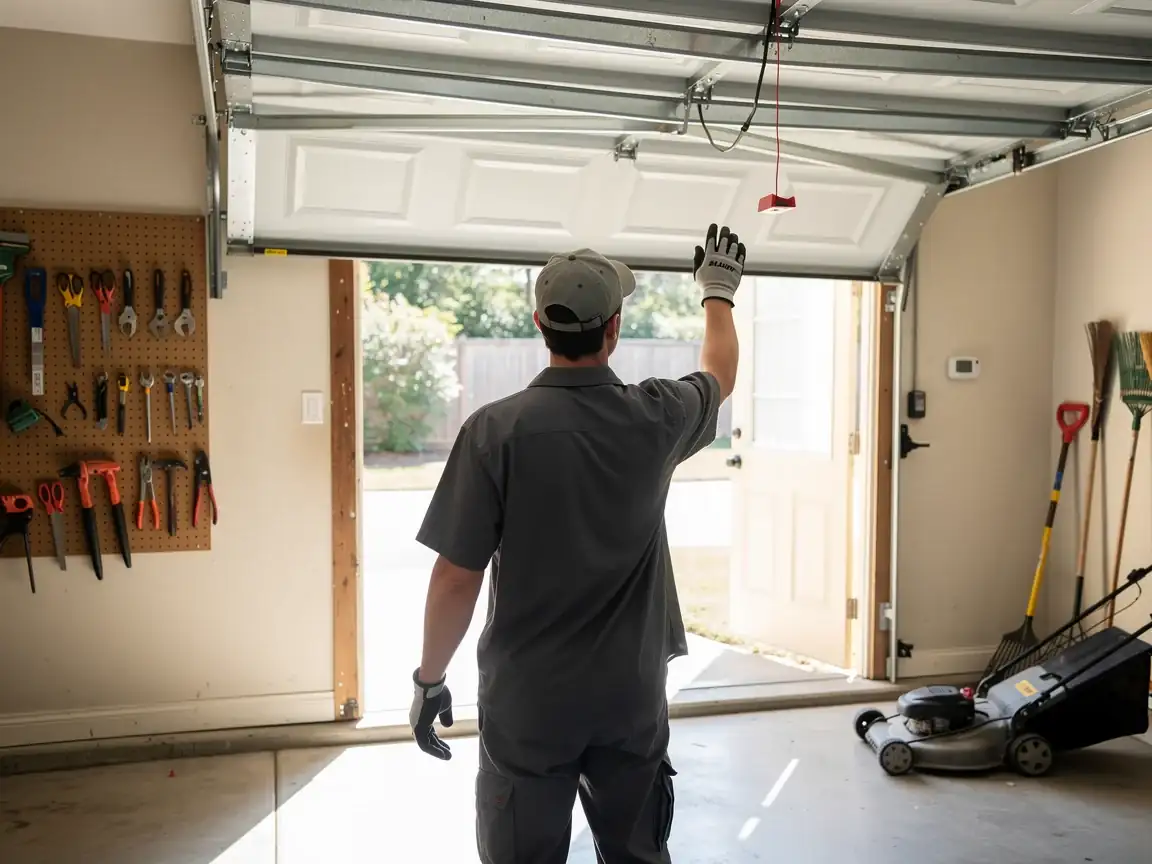
A light rattle on an older panel, especially on a door from the earlier end of that 1938-1997 range, is often just a panel bolt working loose - tighten it and move on. Where it stops being a maintenance item is when the noise changes character: a squeal that turns into a grind, or a pop that repeats. At that point you're looking at a spring under uneven tension or a cable starting to fray, and either one can let the door drop without warning.
I'll say plainly: I don't troubleshoot openers over the phone past a basic check
Because half the time the real cause is something you can't see from the kitchen - a worn gear inside the housing - and guessing wastes your time and mine.
How Local Conditions Play In
Manchester sits in a severe cold climate band, and that changes how these noises show up. Steel contracts in winter, which tightens tolerances on tracks and rollers that were already worn loose from summer heat expansion. A door that's been quietly grinding since August will often get noticeably louder in January, not because anything new failed but because the cold took up the slack. Torsion springs also lose a little tension in extreme cold, so a spring that was marginal in October can feel noticeably heavier to lift by the time it's below freezing.
This is part of why a door's exact age matters more here than in a milder climate - a spring rated for a certain cycle count under normal conditions does fewer cycles here before it's worn, because cold adds stress every single winter. If your house falls in that 1938-1997 build window, assume the hardware has already been through more of that cycle than the calendar alone would suggest.