The Symptom
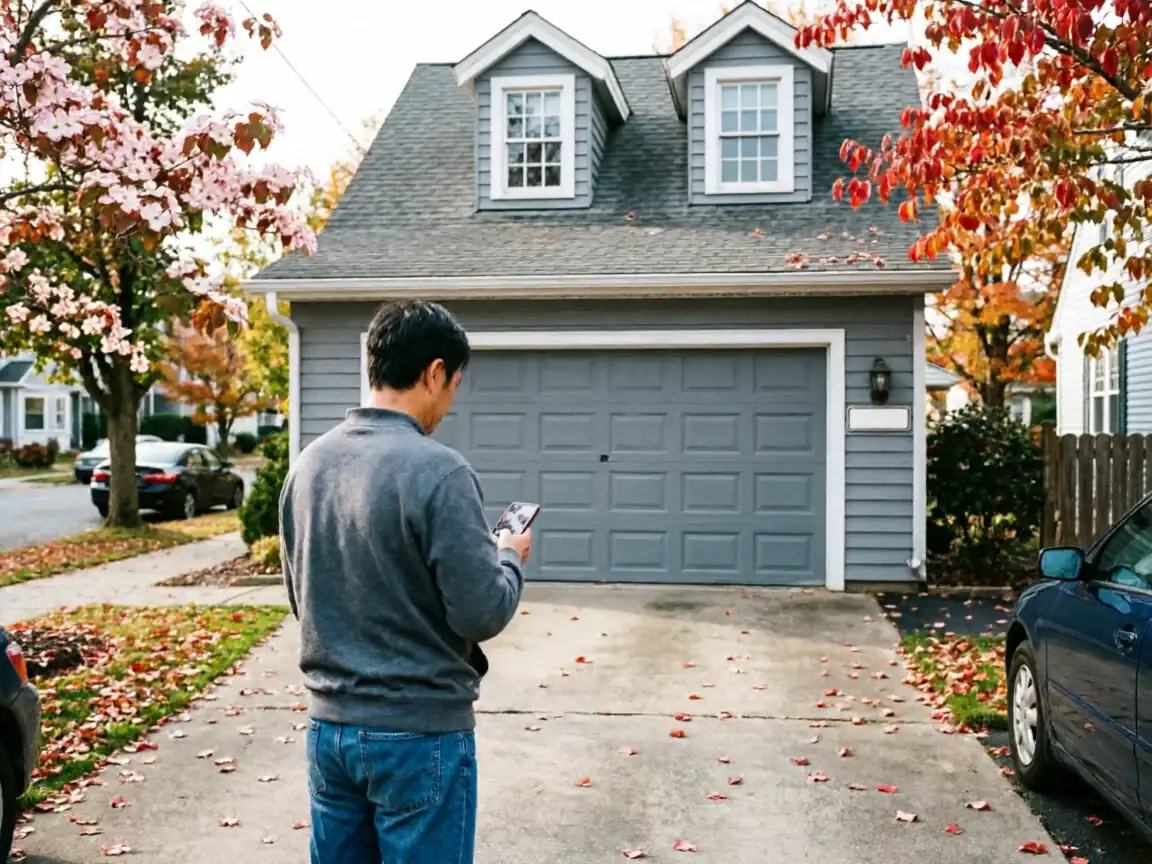
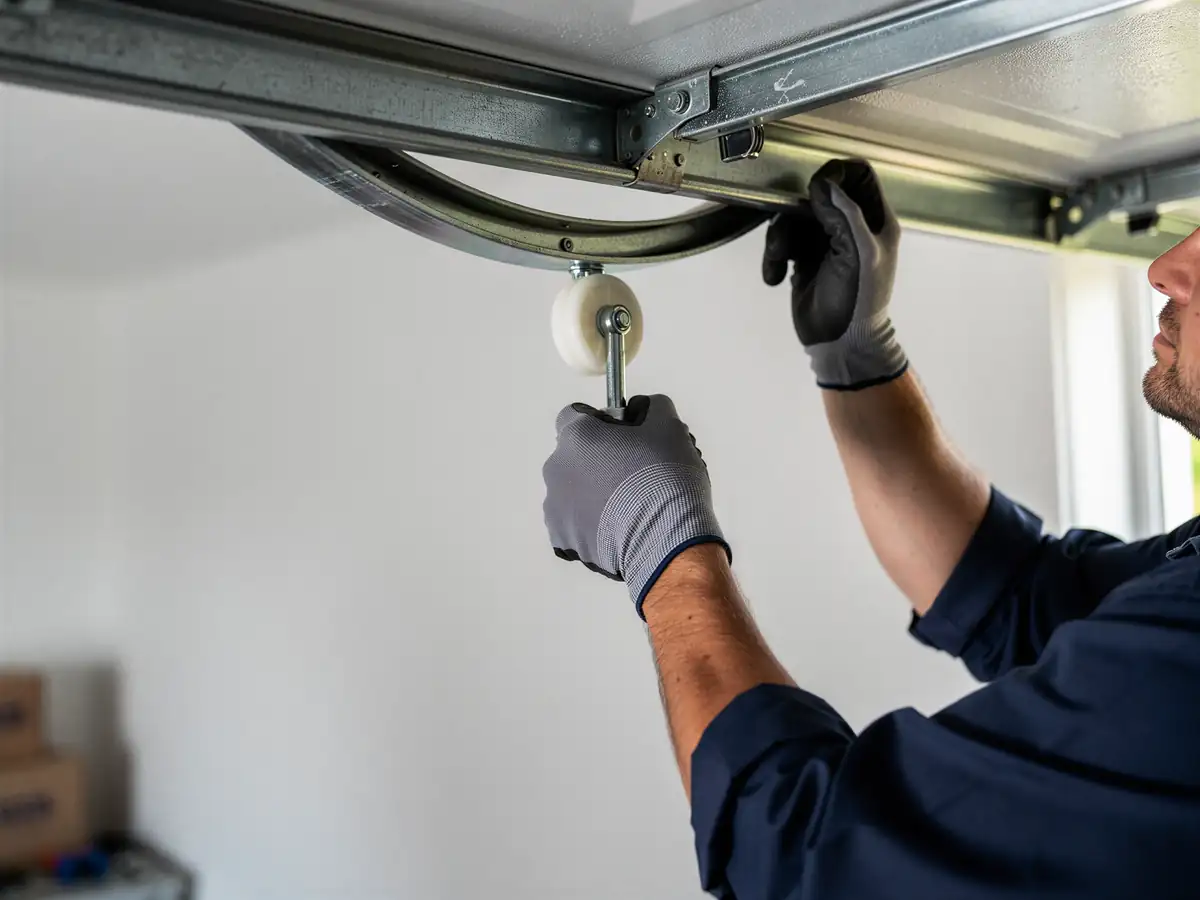
The door groans going up, hesitates halfway, or needs a shove to close the last foot. Sometimes it's a spring that's lost tension and sometimes it's a track that's packed with grime and ice. In the Manchester area, where housing runs from 1938 to 1997 with a median build year around 1982, we see the same pattern over and over: original hardware that's been lubricated maybe twice in forty years, now fighting rollers that have gone dry and cables that have started to fray at the drum. The door still works, technically, which is exactly why nobody calls until it doesn't. A door that groans today is a door that strands a car in the driveway on the coldest morning of the year. That's the symptom maintenance is built to catch before it becomes a 6 a.m. emergency call.
Time on the Job
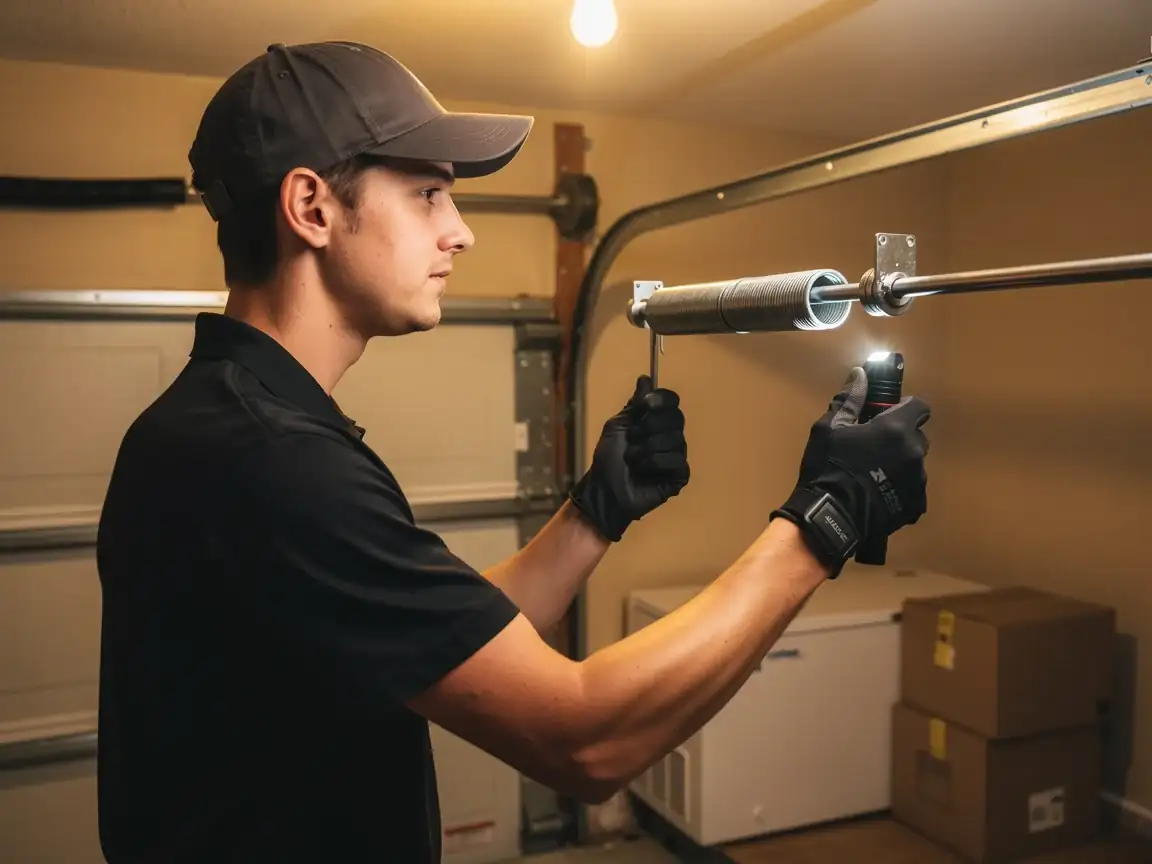
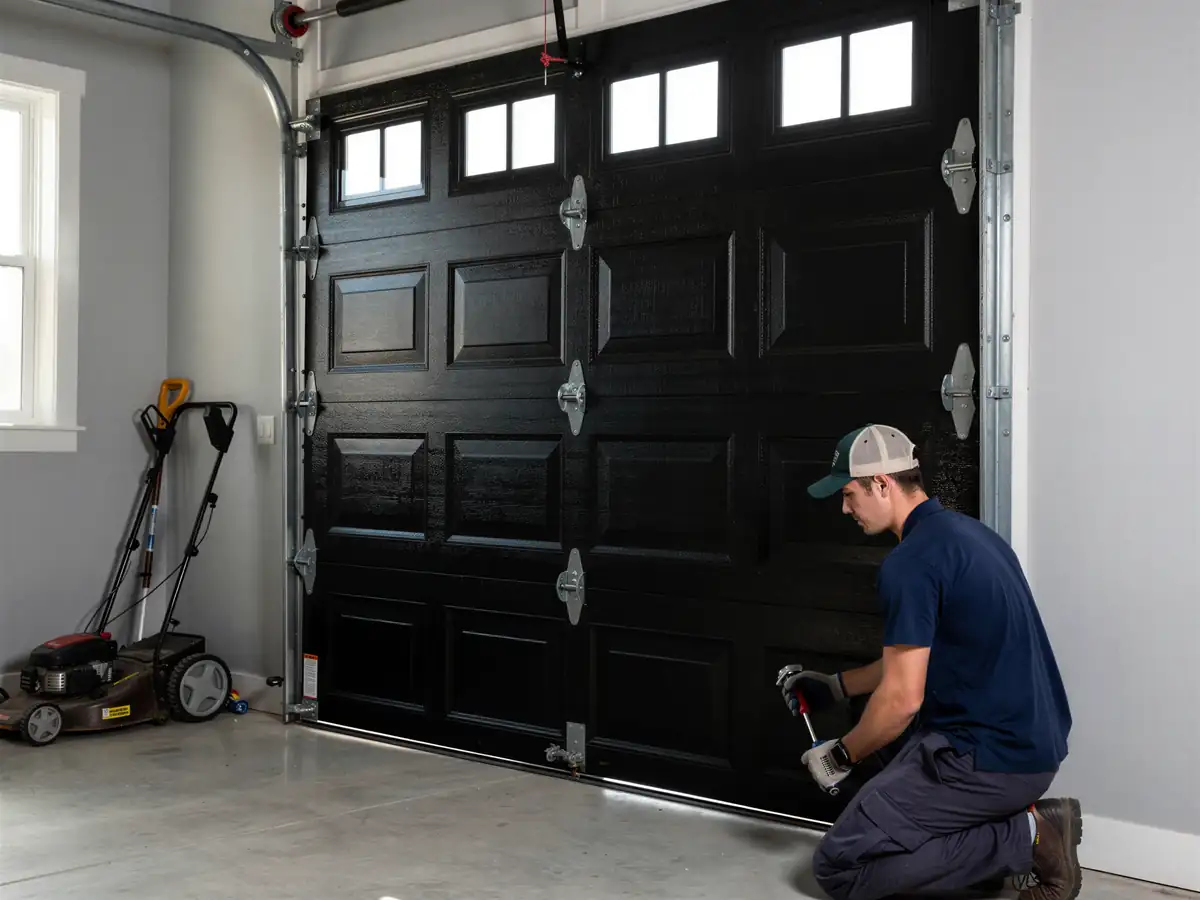
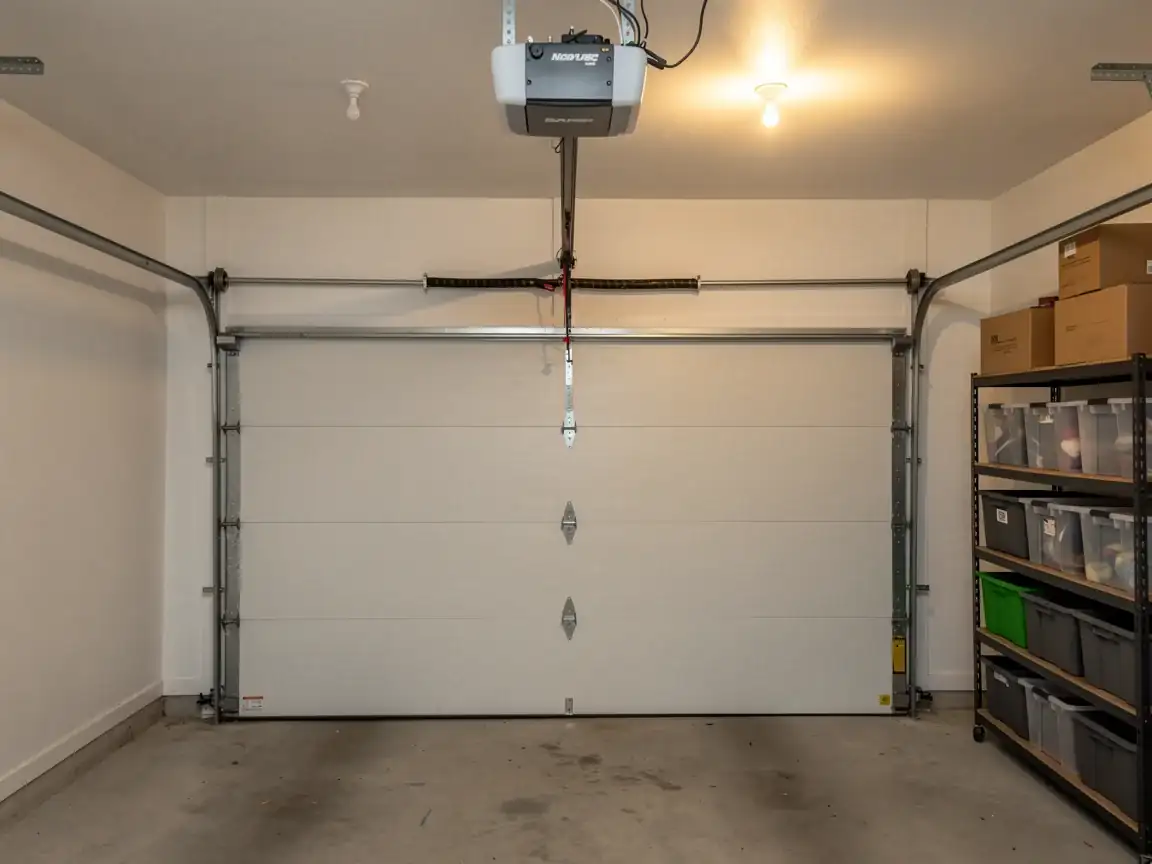
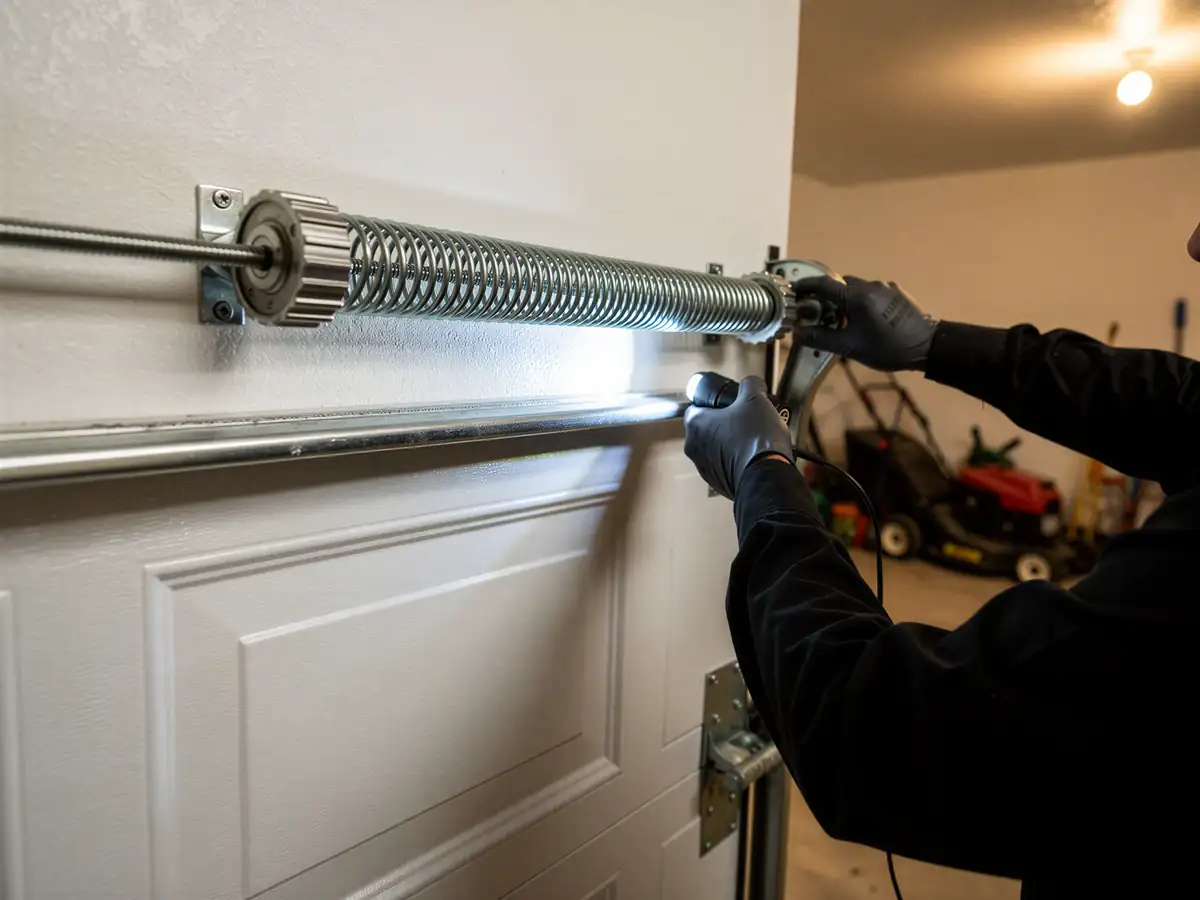
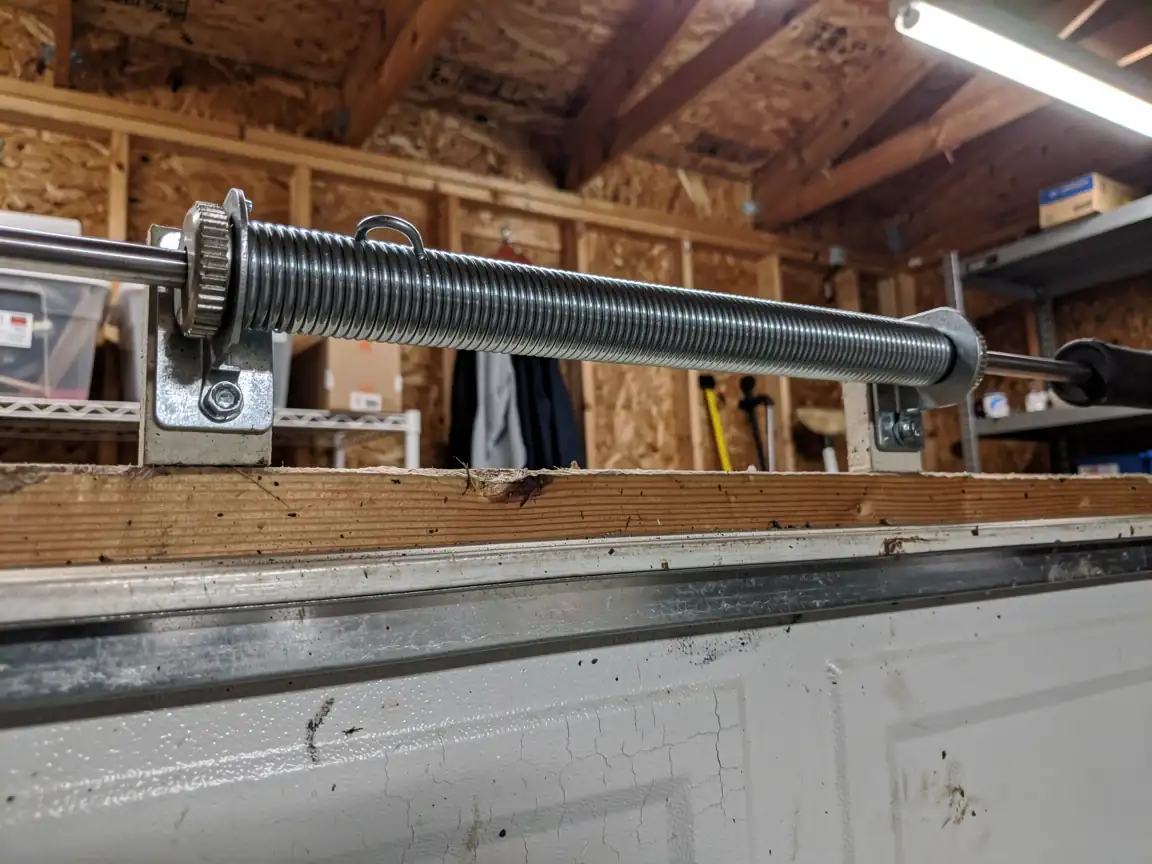
A proper maintenance visit isn't a five-minute spray-and-go. We're checking spring tension, balance, track alignment, roller condition, cable wear, opener force settings, and the weatherstrip at the bottom panel - all of it matters more here than in a milder climate because cold-band conditions stiffen lubricant, shrink seals, and make worn parts fail faster than they would in a warmer state. On a typical 1980s-era door, that's enough work to fill the better part of an hour, longer if the springs need real adjustment or the track has shifted out of plumb. We're not rushing through a checklist to get to the next job. A door that's been neglected for a decade takes longer to set right than one that's had regular attention, and we tell customers that up front rather than quoting a flat time and hoping it holds.
Can You Do This Yourself
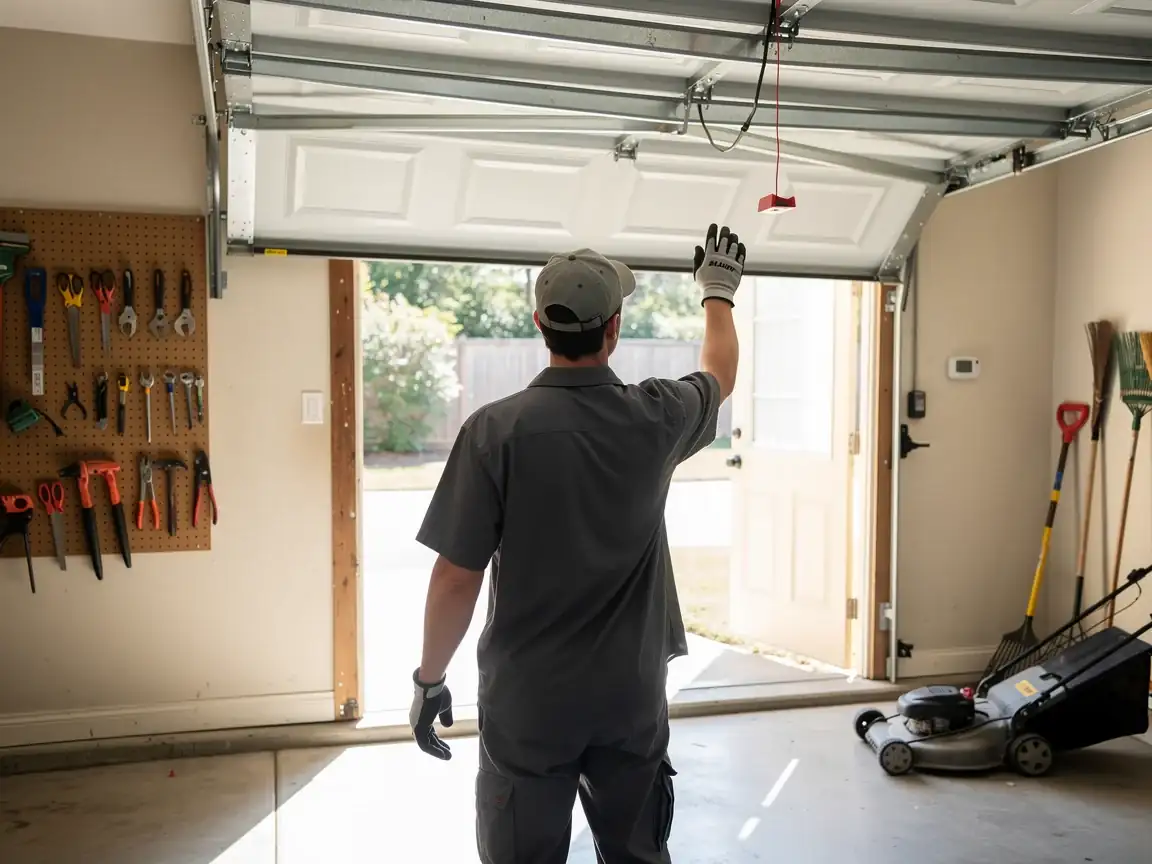
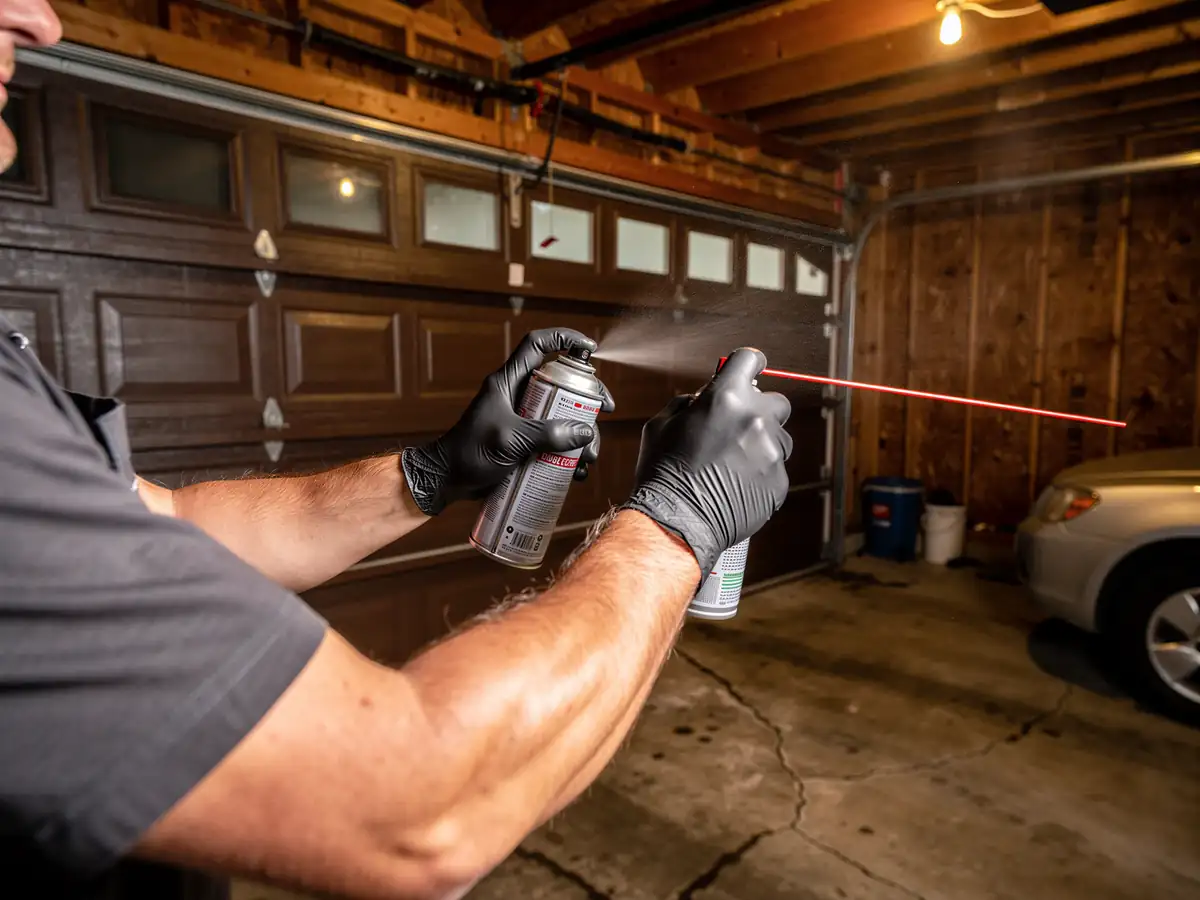
Some of this is within reach for a homeowner: wiping down tracks, checking that the auto-reverse safety feature still works, and putting a light coat of garage-door-specific lubricant on rollers and hinges a couple times a year. That much is reasonable and we'd rather you do it than nothing. What we don't recommend is touching the torsion spring yourself - it's under enough tension to cause serious injury, and on a door built in the 1980s or earlier, you often can't tell how much life is left in it just by looking. If the door is noticeably harder to lift by hand than it used to be, that's a balance or spring issue, not a lubrication issue, and it's worth a call rather than a guess. We'll say plainly when a repair isn't worth it and replacement makes more sense - that call depends on the door, not on upselling you.