The Situation
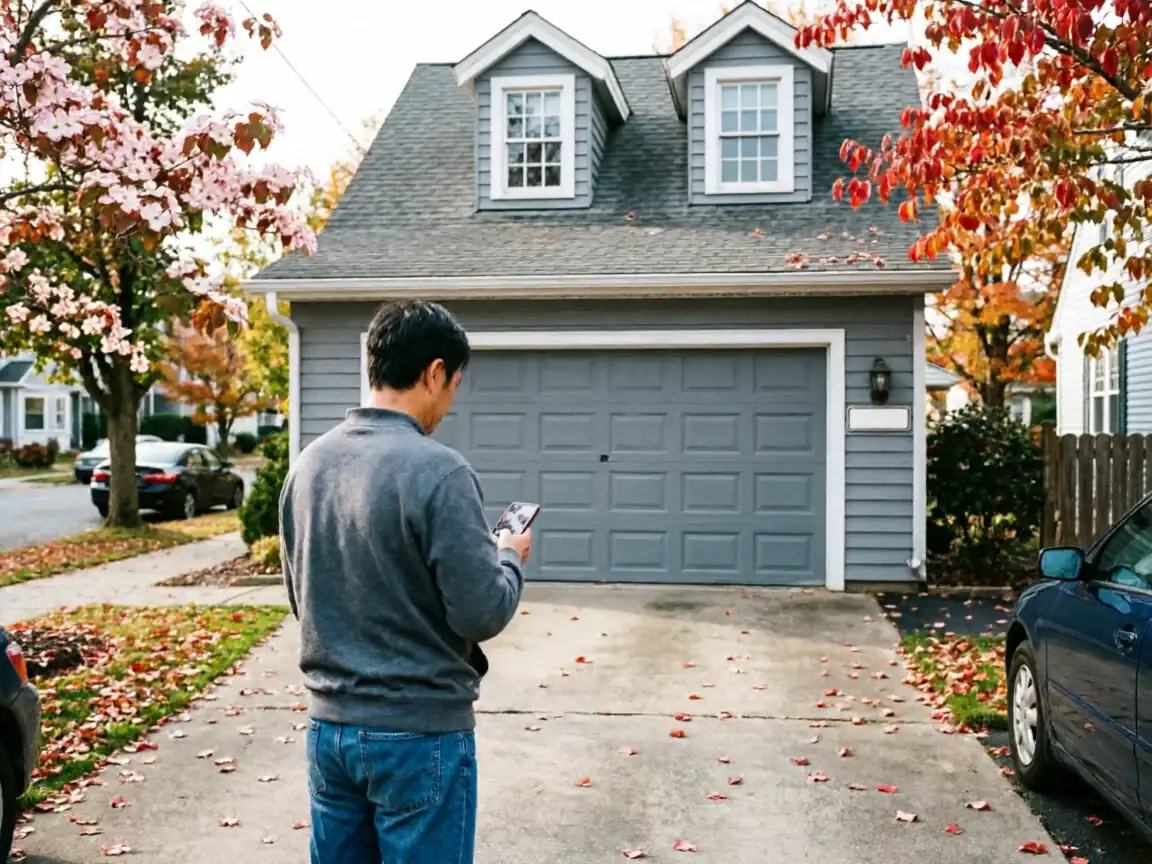
Most of the garage doors we look at in Manchester sit on houses built somewhere between 1938 and 1997, with the typical build year landing around 1982. That's a forty-year spread, and it matters because a door hung in 1960 and a door hung in 1995 were built to different standards, with different track widths and different seal profiles. Across the 45 named areas that make up this city, the stock leans heavily 1980s and 90s, which means a lot of steel doors with foam-and-vinyl weatherstripping that was decent when installed and is now thirty-plus years into a cold climate rated severe.
Draughts don't usually show up because something broke. They show up because rubber hardens, shrinks, and pulls away from the slab a little more every winter, and nobody notices until the first real cold snap makes the gap obvious under the door or along the sides. If your house falls into that 1980s-90s band like most of the city does, the seal on the door is very likely original or close to it, and it's doing less than you think.
This isn't a problem unique to one street or one subdivision. It's a function of how old the housing is and how cold it gets here, which is the same story whether you're near the center of the city or out toward the edges.
What to Look At First
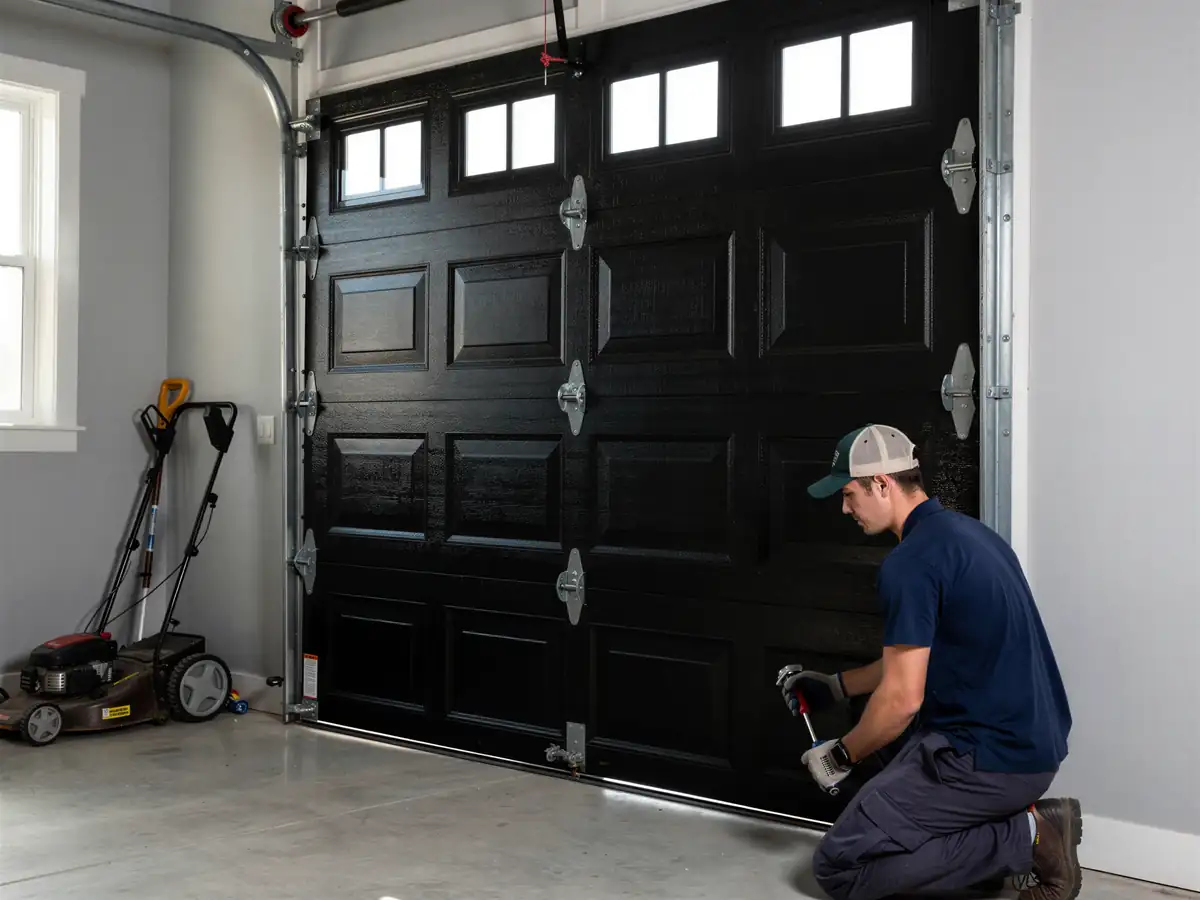
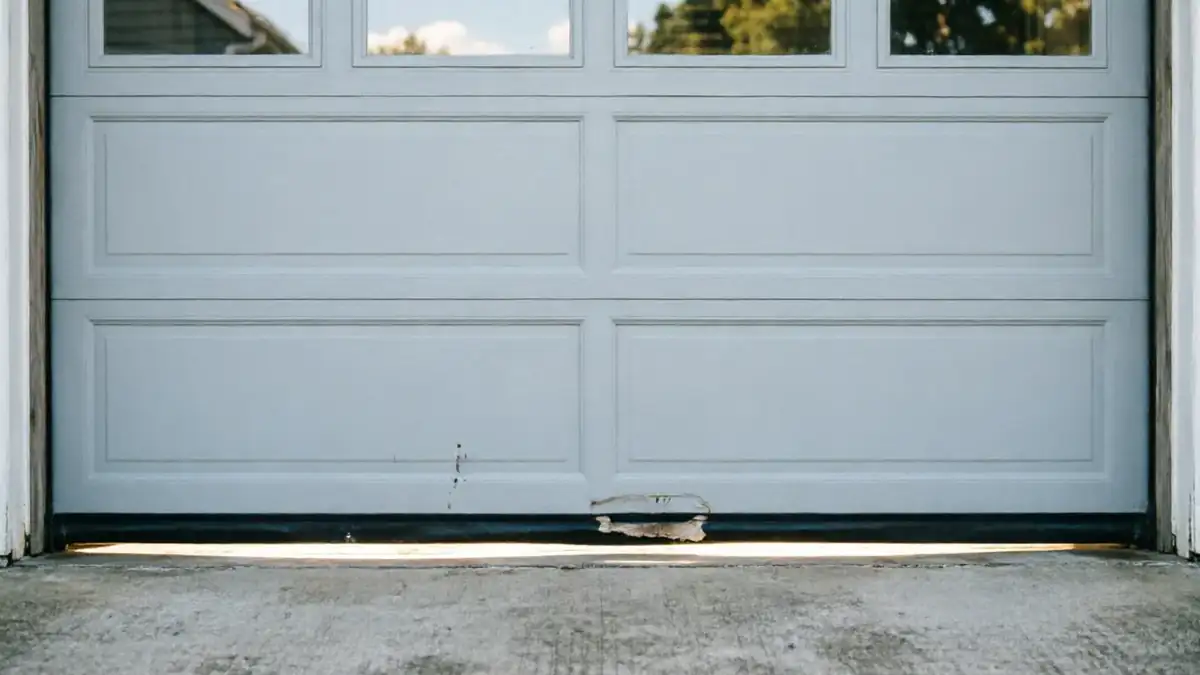
Start at the bottom seal, the long rubber strip (astragal) under the door. On houses from the older end of that 1938-1997 range, this is often the first thing to fail because it takes the most direct contact with the slab and the most direct hit from freeze-thaw cycling in a severe cold climate. Press it flat with your thumb. If it springs back slow, or feels stiff rather than pliable, it's past its working life.
Next, check the vertical weatherstripping down both sides of the frame, called "weather seals" by most door shops. On doors from the 1980s-90s stock that makes up most of this area, these seals are usually stapled or slid into a track, and they go brittle from the inside out, so they can look fine and still let a draught through.
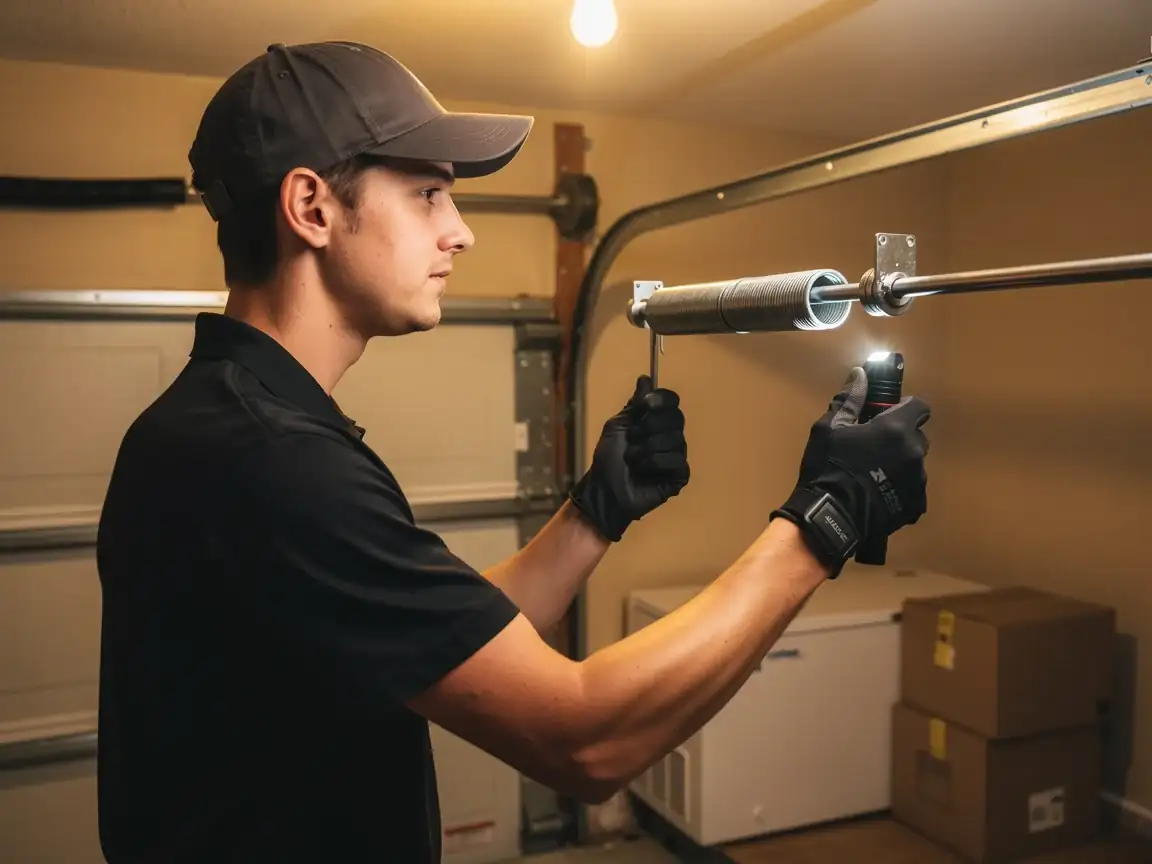
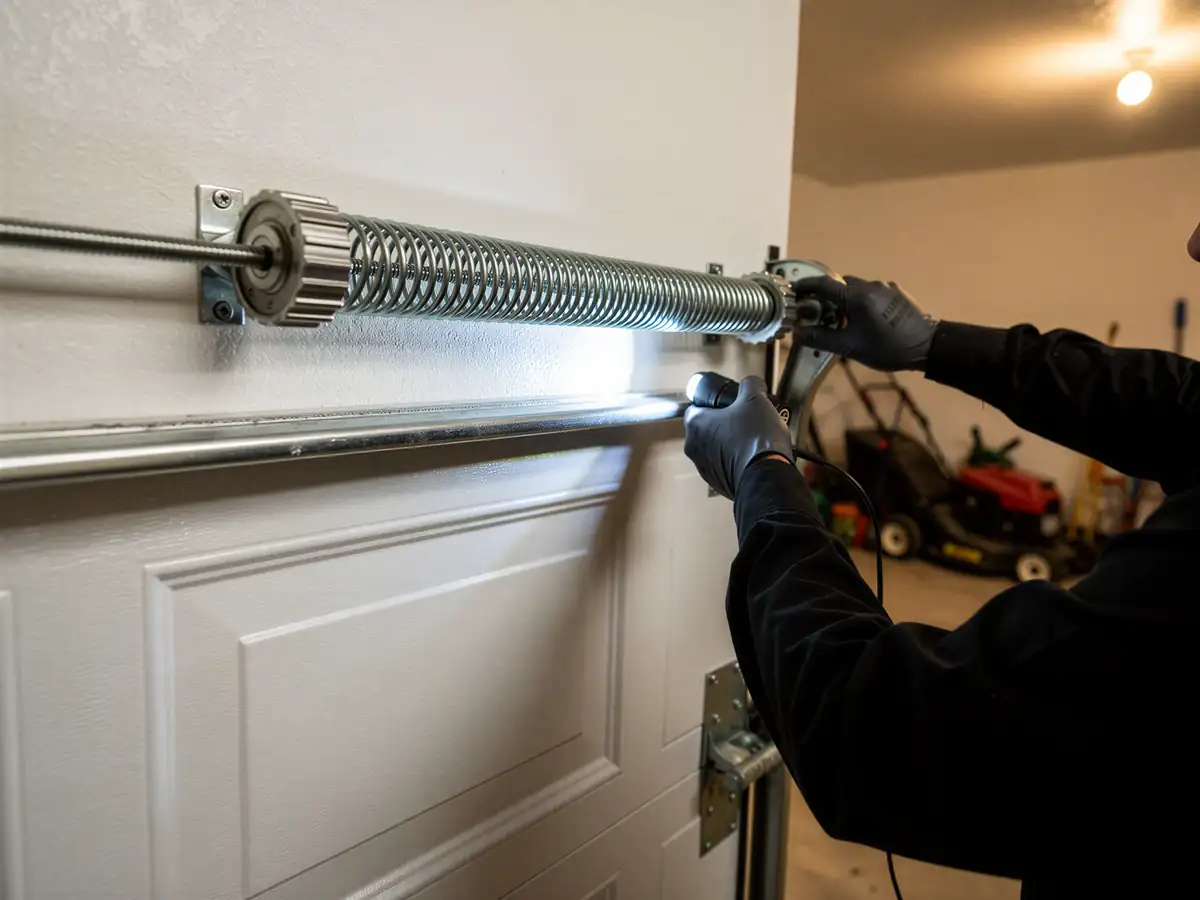
Then check the springs, not for leaks but for tension. Cold tightens steel. A torsion spring that was marginal in October can bind or snap outright on the first real cold stretch, and on older houses in this age bracket, you're often looking at the original spring, not a replacement. If the door feels heavier than usual on a cold morning, that's the spring, not your imagination.
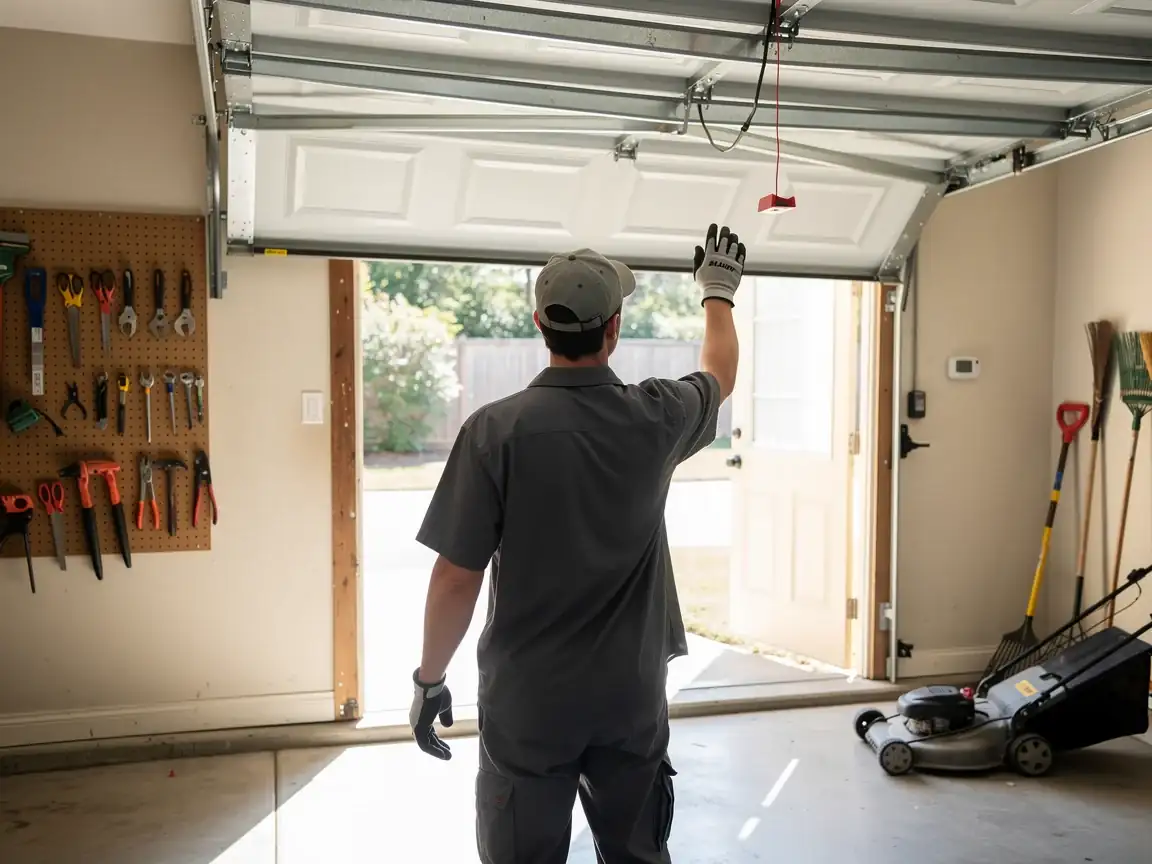
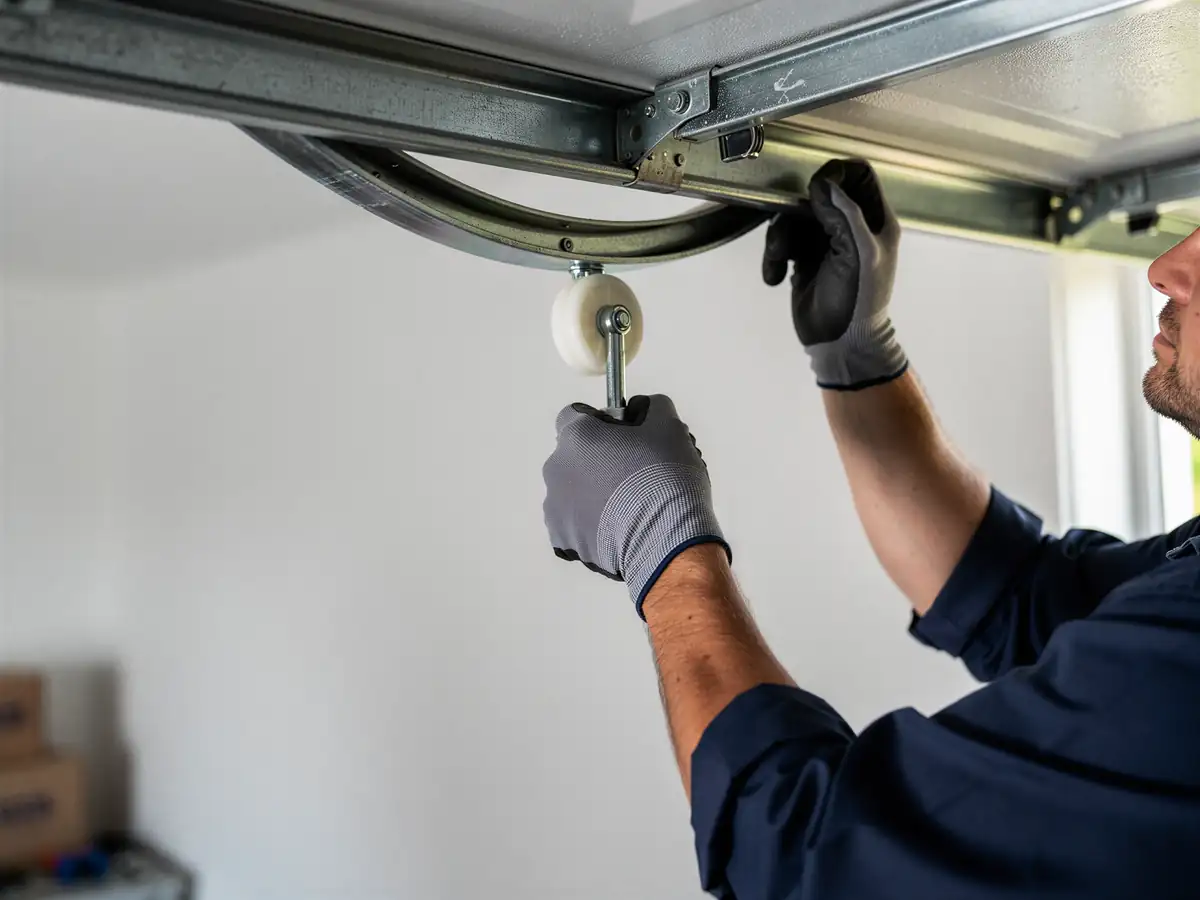
Last, look at the rollers. Metal rollers on older installs get loud and stiff in the cold before they fail outright.
Leaving It Alone
Not everything needs your hands on it
And some things shouldn't have your hands on them at all. A torsion spring under tension can hurt you badly if you don't know exactly what you're doing, and on a door from the older end of that 1938-1997 range, the hardware holding it may not match anything currently stocked, which means a repair can take longer than you'd expect while the right part gets sourced. That's a real limitation and worth knowing before you start.
If the weatherstripping is worn but the door still seals mostly flush and opens true
You can usually leave it through one more season rather than replacing the whole run of track seal. A slightly drafty door that still works is not an emergency, and chasing every small gap before winter is not worth the cost compared to waiting and doing one job right in spring.
What's not worth leaving alone
A spring that's visibly stretched, gapped, or rusted through on one coil, or a door that's started dropping unevenly on one side. Those get worse fast once the cold sets in properly, and a severe cold climate doesn't wait for a convenient weekend.
How Local Conditions Play In
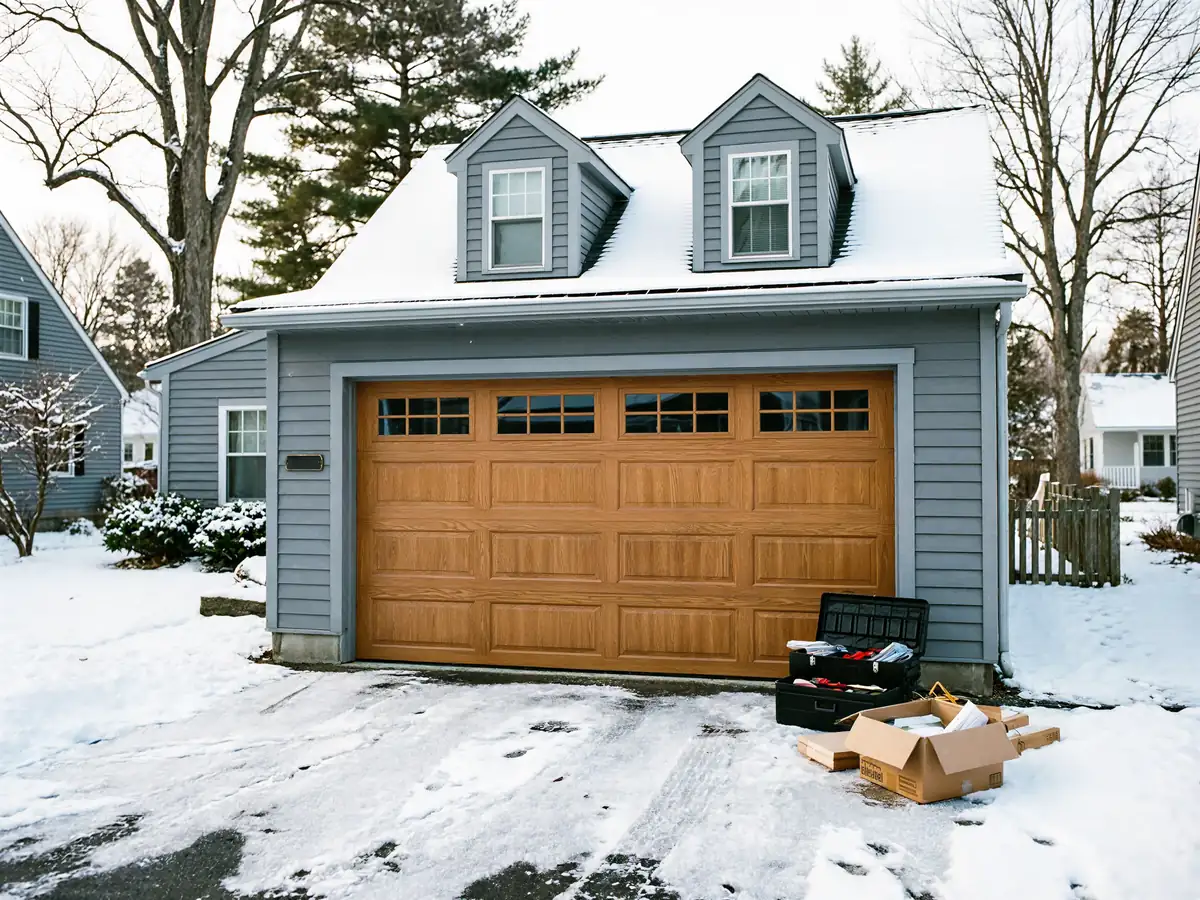
Manchester's climate band is rated cold and severe, and that's the single biggest factor pushing weather seals and draughts to the top of the list here rather than, say, sun-faded paint or pest damage. Cold does two things to a garage door: it stiffens rubber until it stops sealing, and it tightens steel springs until they're carrying more load than they were set for.
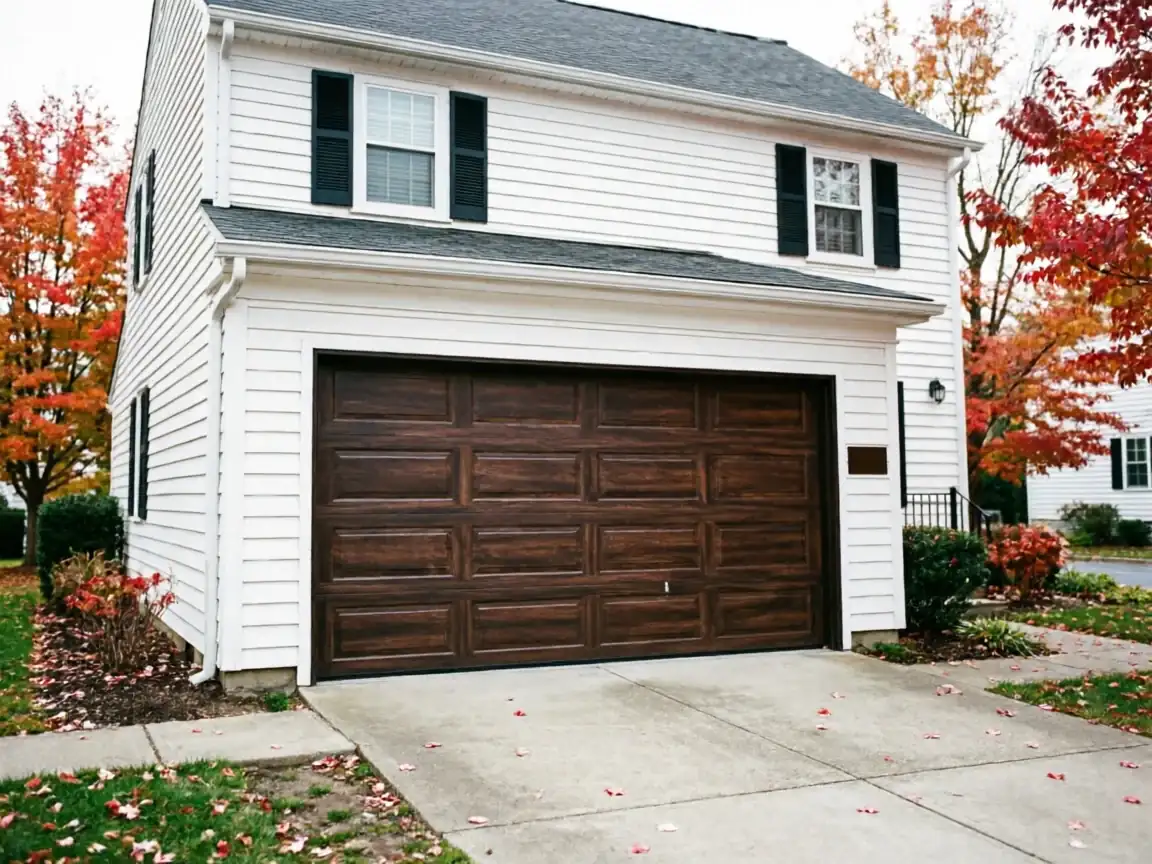
The housing stock compounds it. With most of the city's homes dating to that 1938-1997 span and clustering in the 1980s-90s, a lot of doors are old enough that their original seals and hardware were never upgraded for how cold our winters actually run. That's as true in the as it is out toward South Hooksett or areas just a few miles off that sit inside the same build-year band.
Ownership also shapes how this plays out. Across the wider service area there are roughly 141,685 households and about 82,285 owner-occupied houses, so most garage doors here are maintained by the person who actually lives behind them, not a property manager working off a maintenance schedule. With a median household income of $115,712 in the area, a full door replacement with better insulation is within reach for a lot of owners, even when a same-week repair isn't the priority.