The Situation
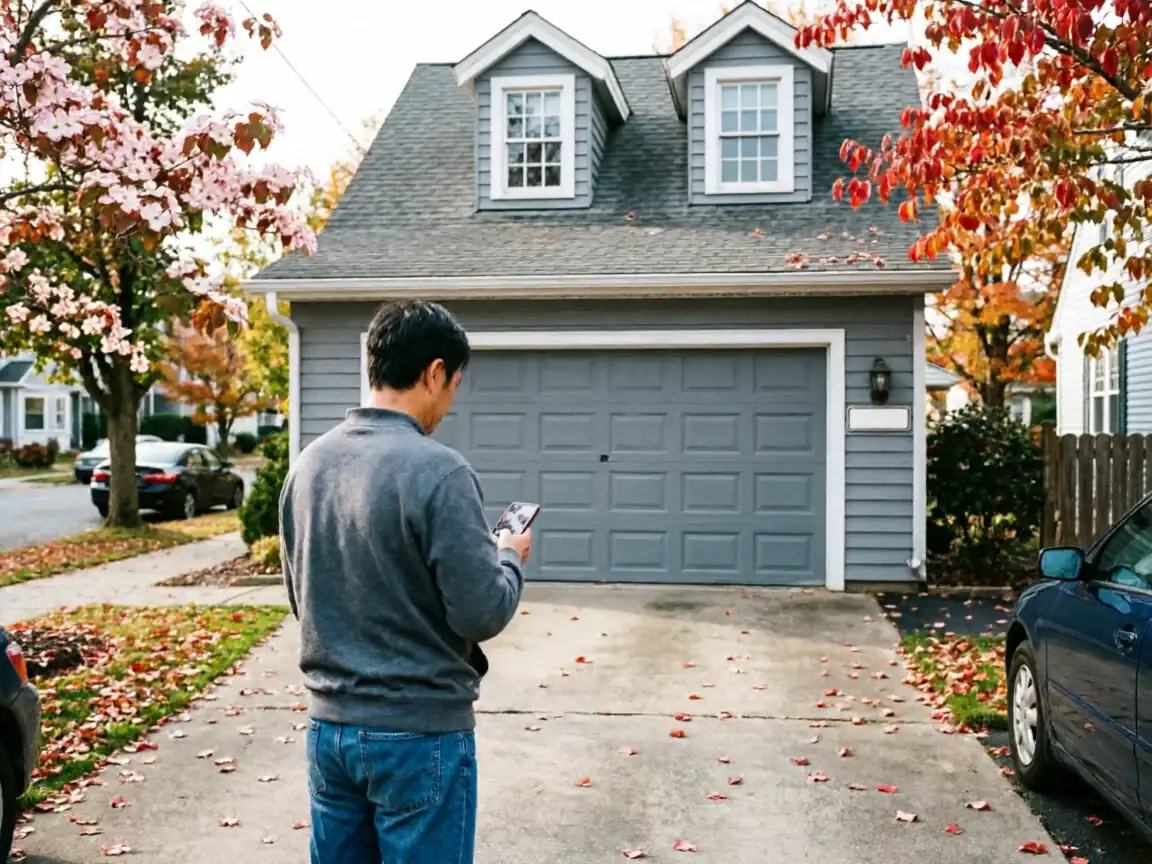
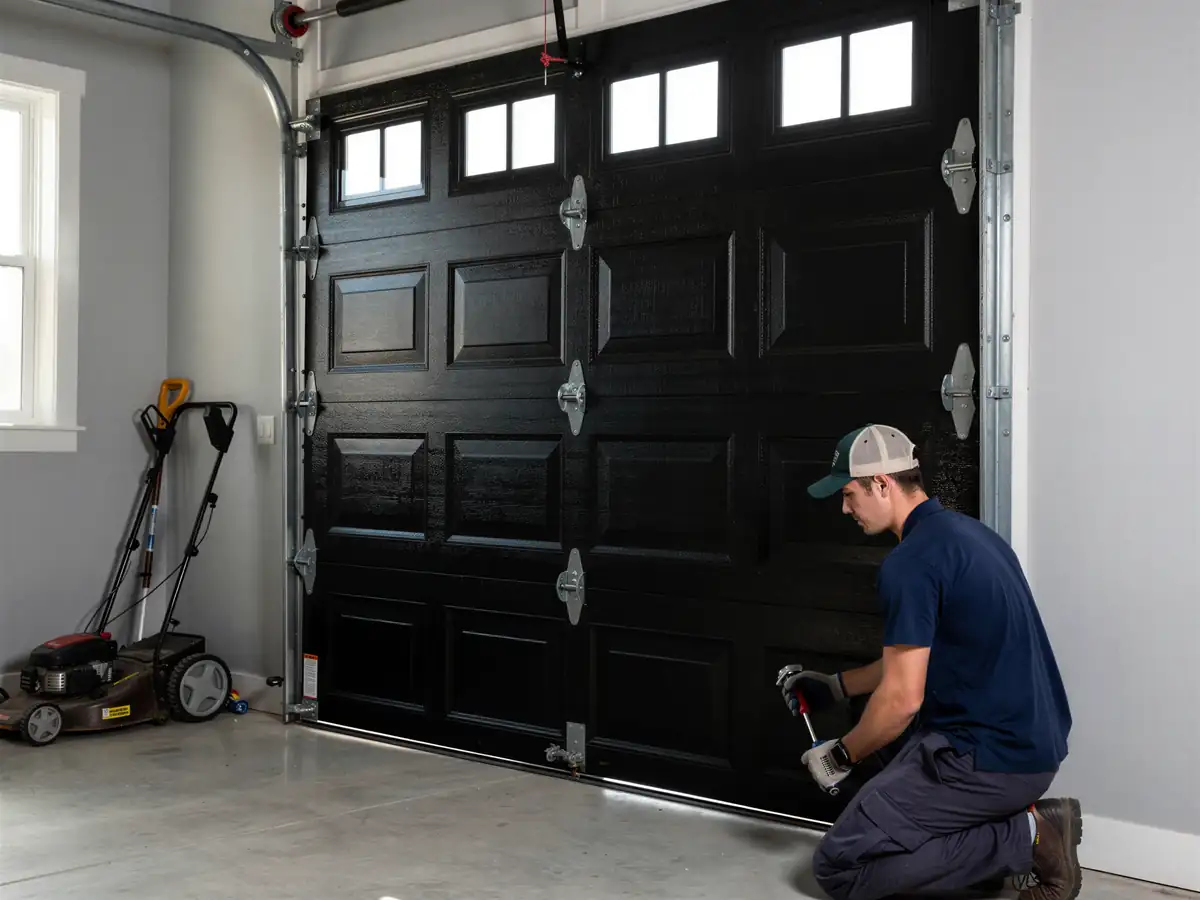
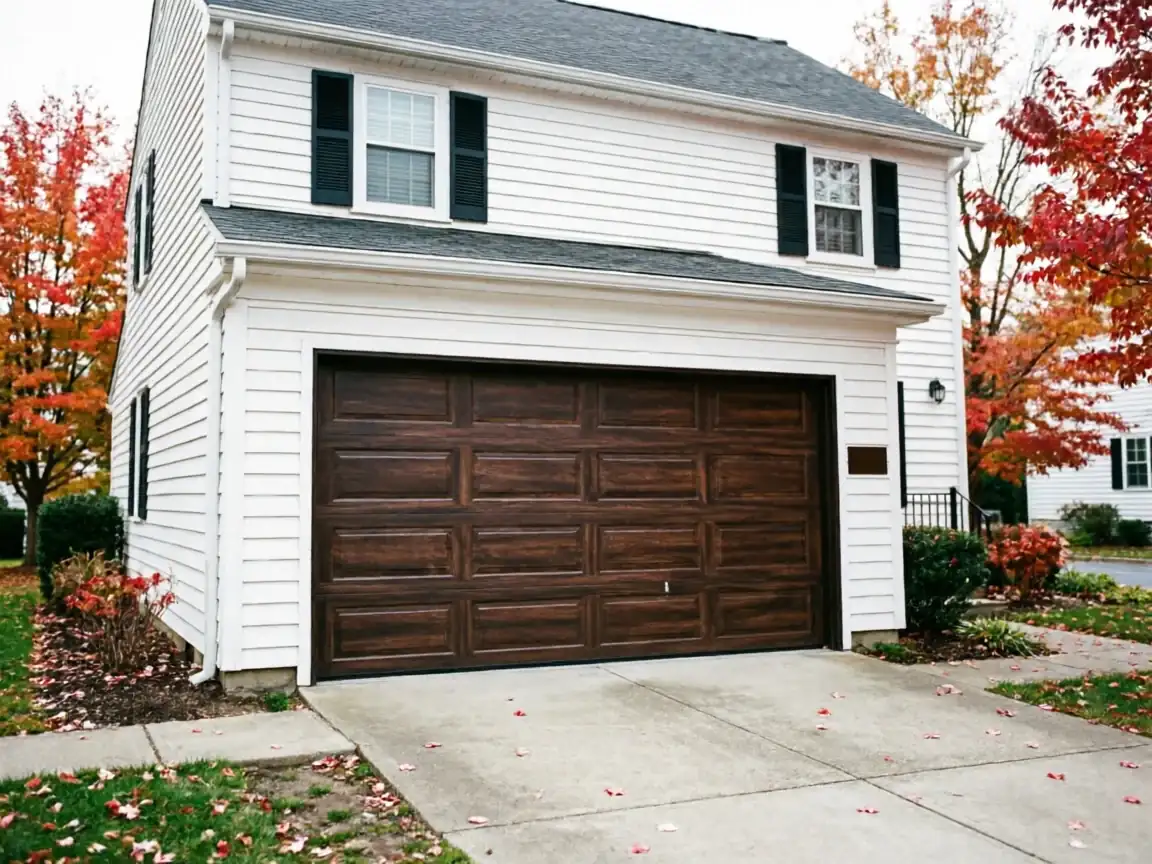
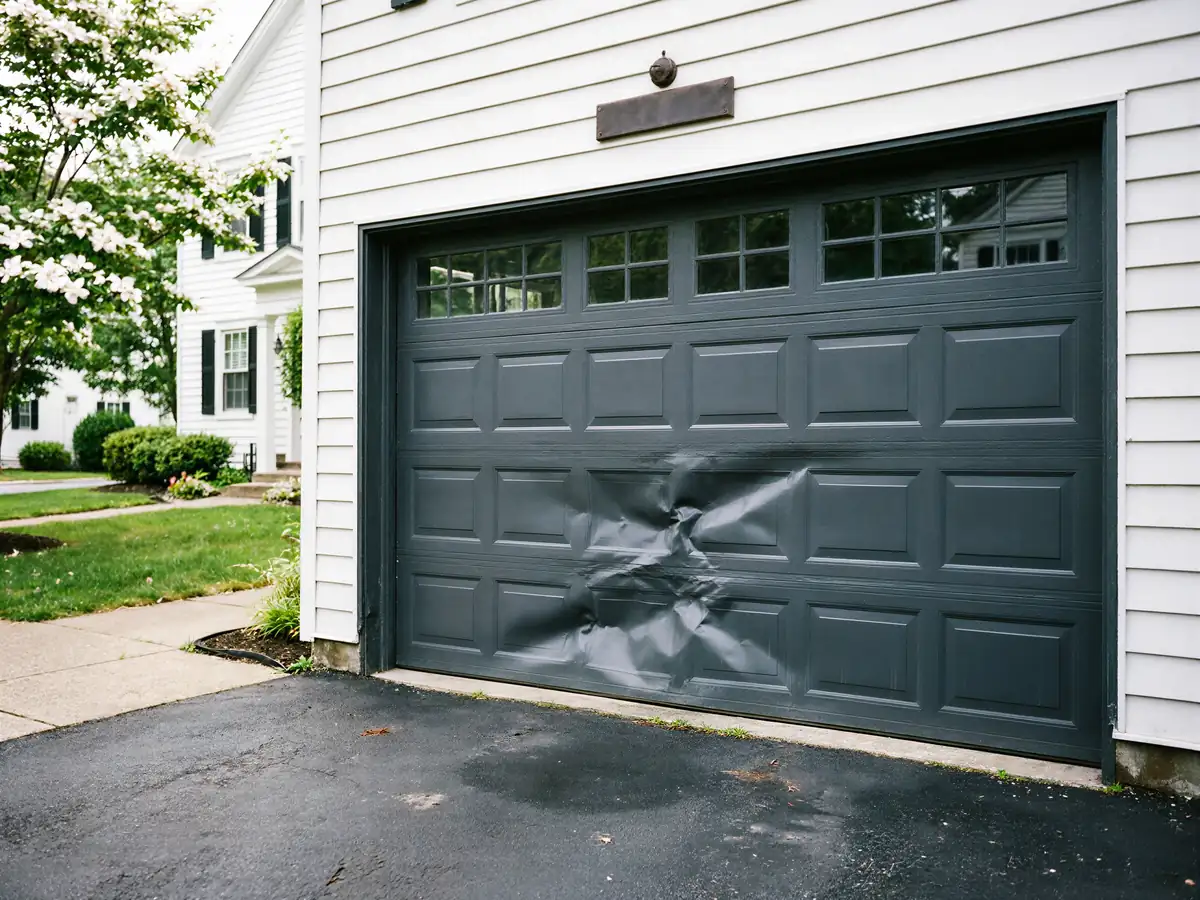
Most calls we run start the same way: a door that's slow, loud, or stuck halfway, in a house built somewhere between 1938 and 1997 - the range that covers nearly all of Manchester's housing, with the median landing around 1982. That matters more than people think. A door installed in the early 1980s has had four decades of New Hampshire winters working on its hardware, and the parts inside it were often sized to a lighter door than what's hanging on the track today if it's ever been swapped. Across the 45 named areas we work in, from the out to South Hooksett, the pattern repeats: original torsion hardware, original track brackets, and openers that have been replaced once, maybe twice, without anyone touching the spring. When a tech walks up to a door like this, the first look isn't at the opener - it's at the stuff holding the weight.
What to Look At First
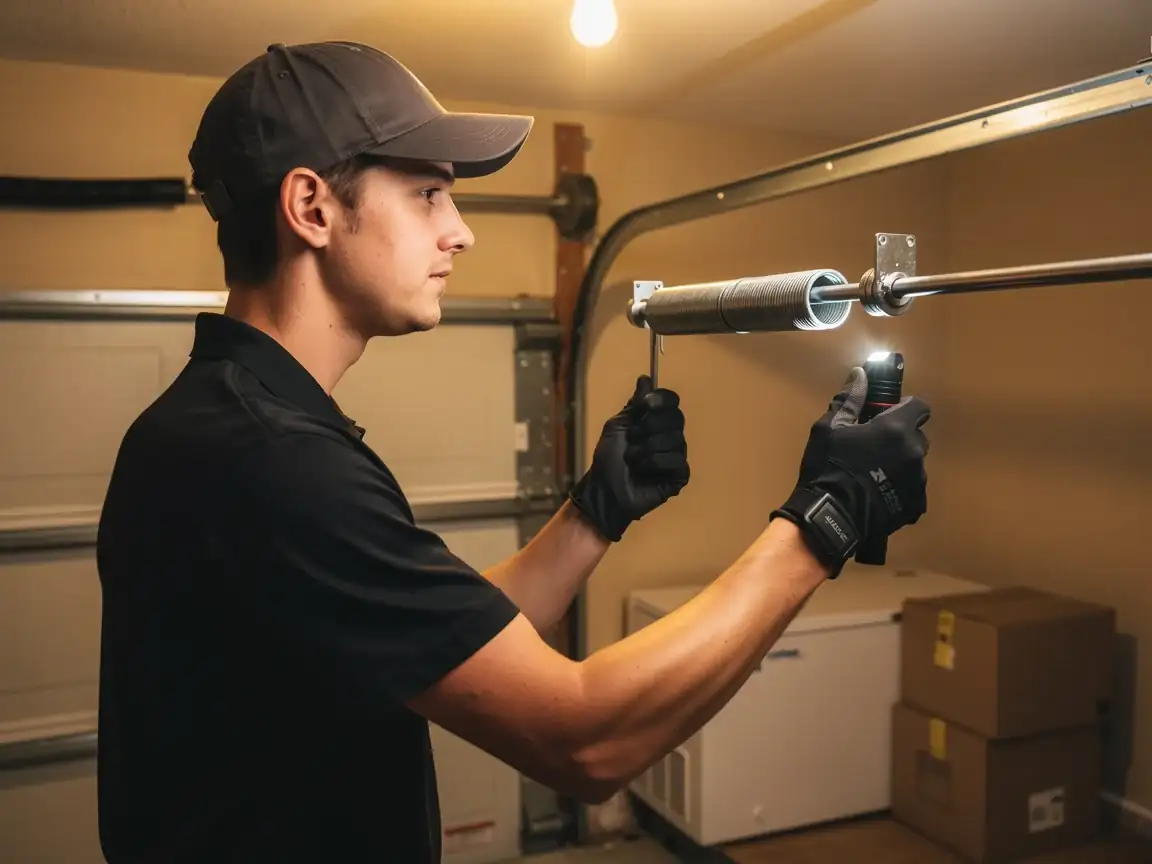
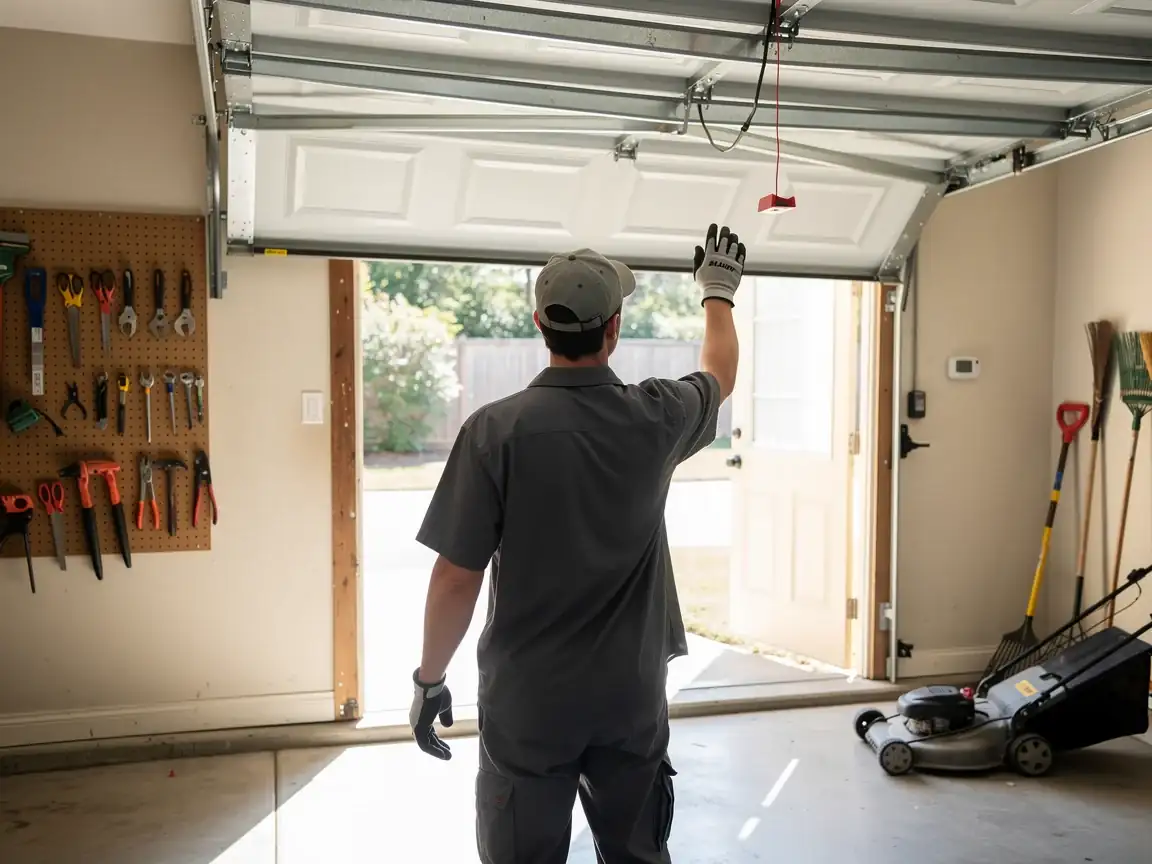
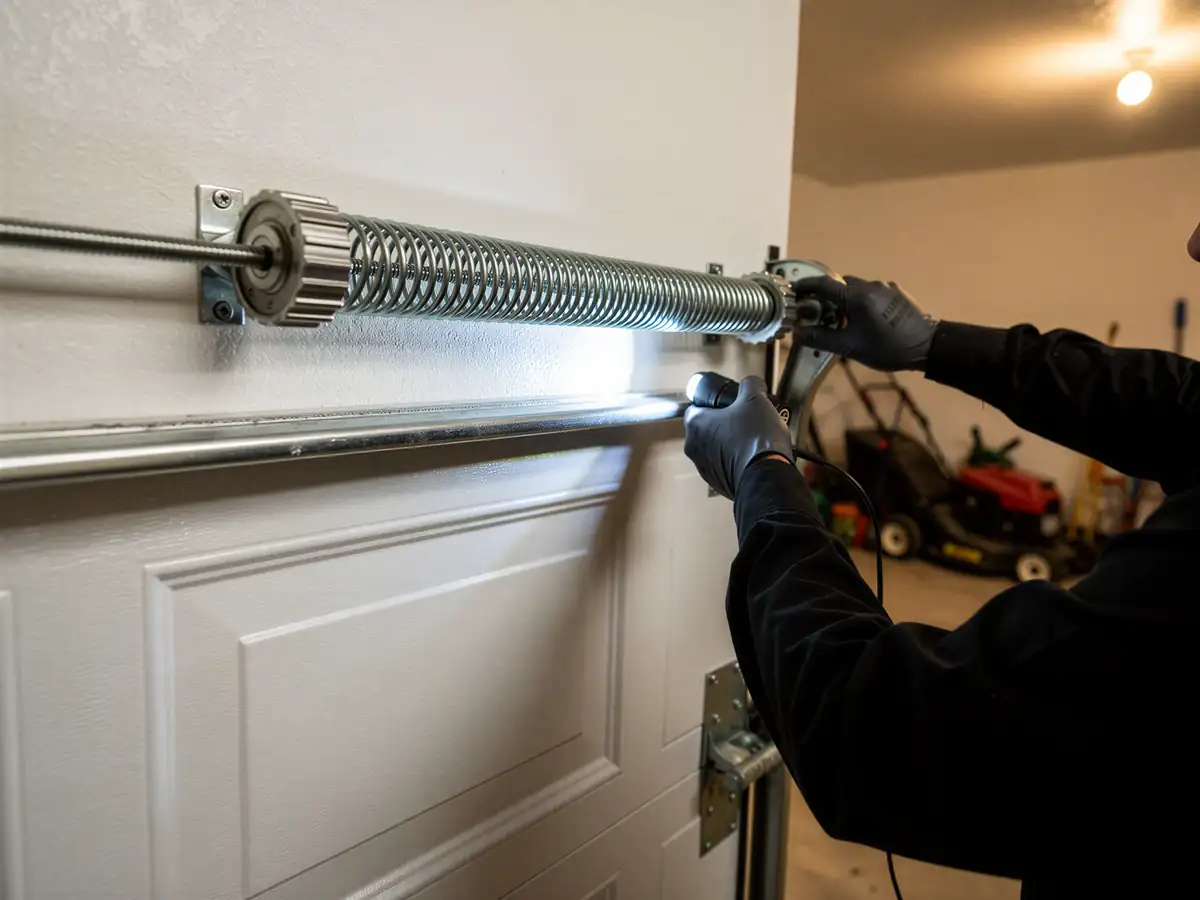
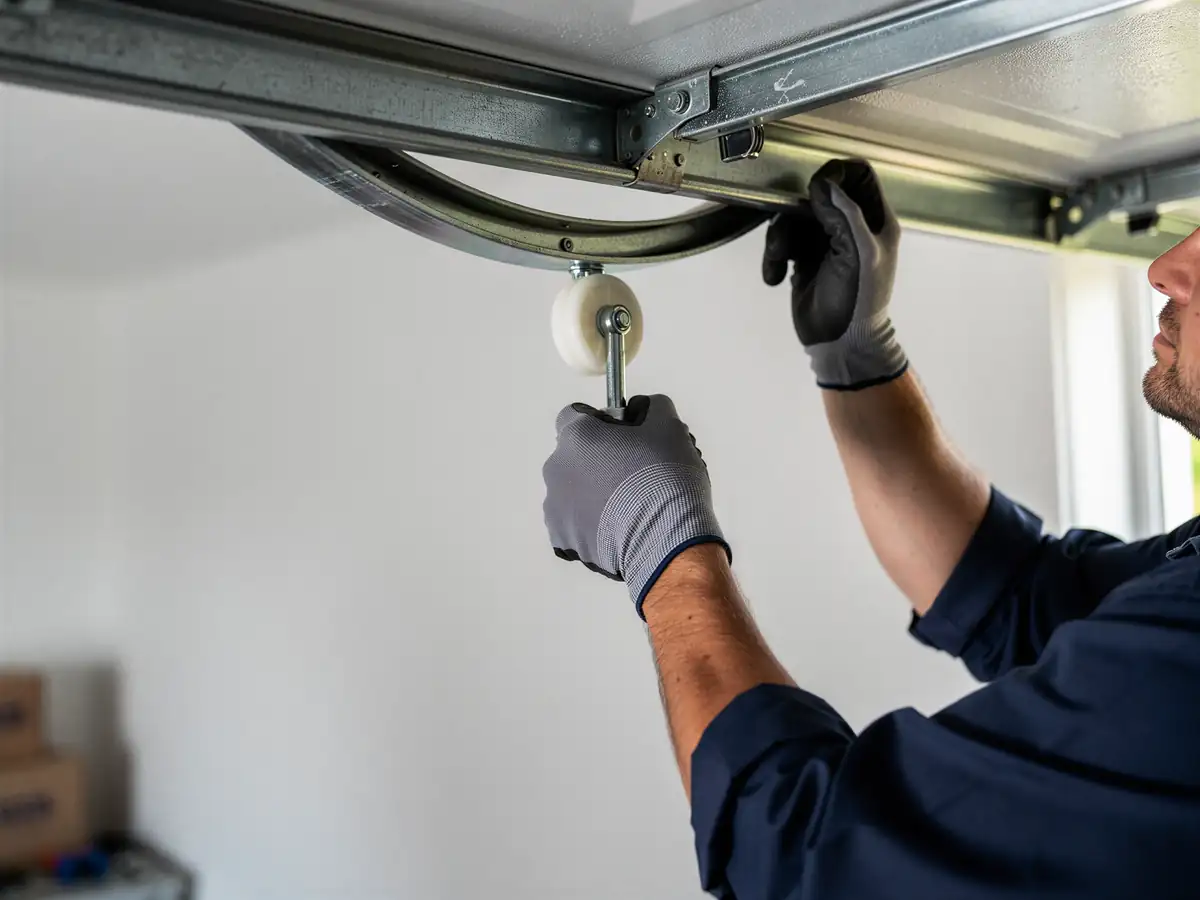
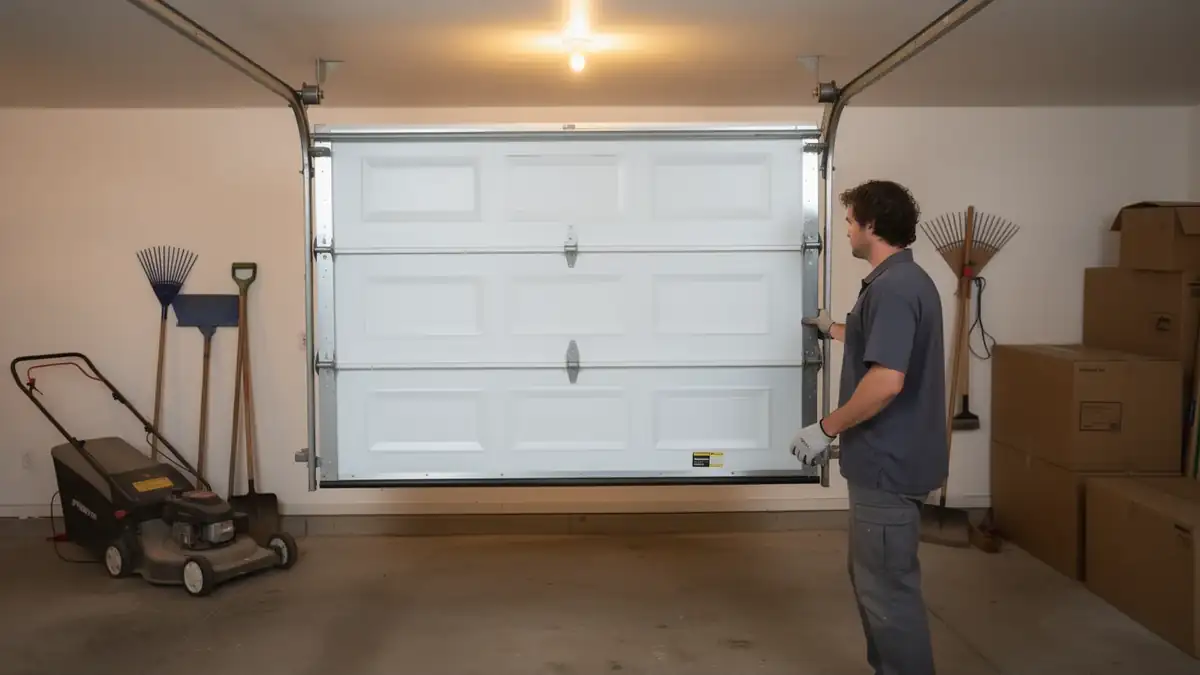
We check the spring before anything else. On a house from the 1980s-90s stock that makes up most of this city's garages, the torsion spring is usually original or a straight like-for-like replacement, and cold tightens steel - a spring that was marginal in August can bind or snap in January. Next is the track alignment, since 40-plus-year-old brackets shift as framing settles, and in this severe cold climate band, frost movement in the slab or footing shows up as a door that rubs on one side in winter and runs free in summer. We also look at the rollers - steel rollers from an older install wear a groove into the track that nylon rollers won't fix on their own. Last is the cable end at the bottom bracket, because fraying there is slow and easy to miss until the cable lets go under tension, usually on a cold morning when the steel is stiffest.
How Local Conditions Play In
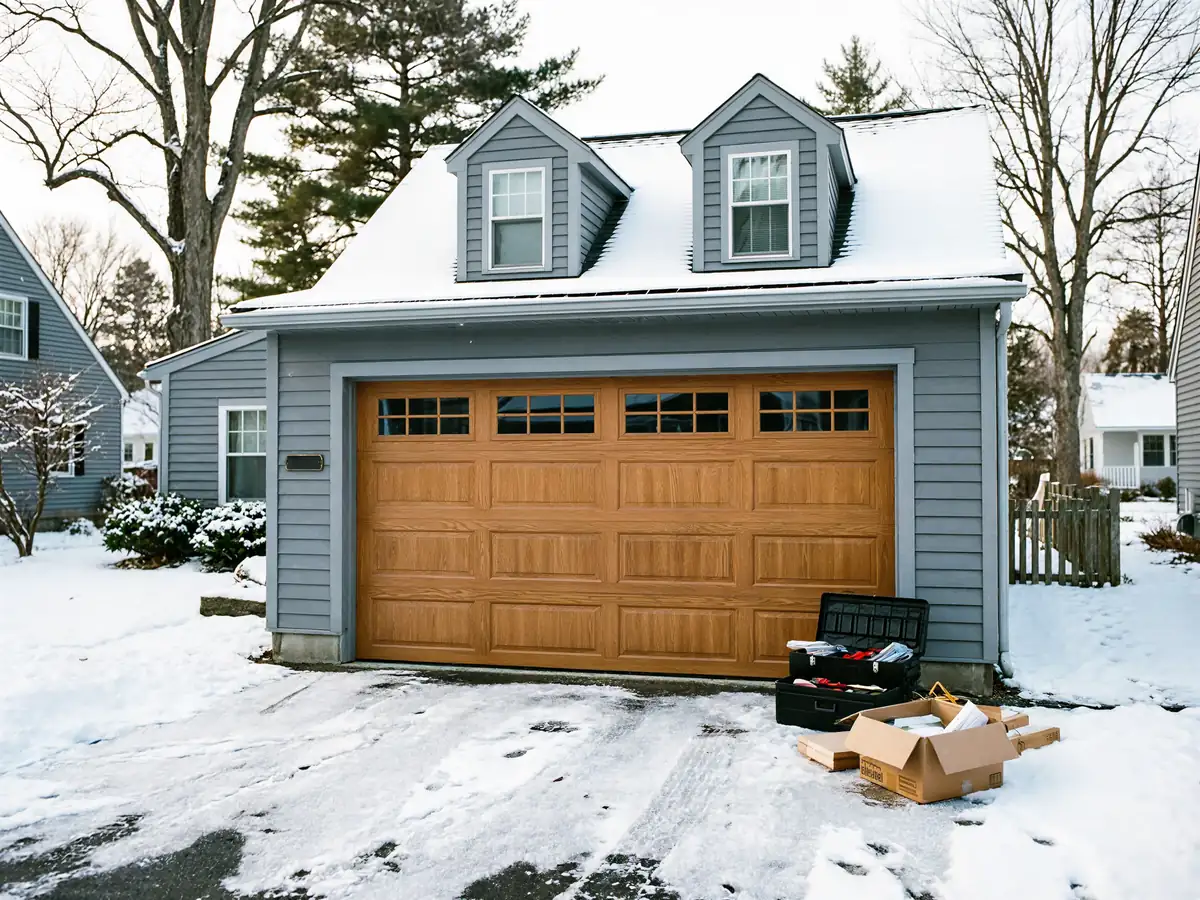
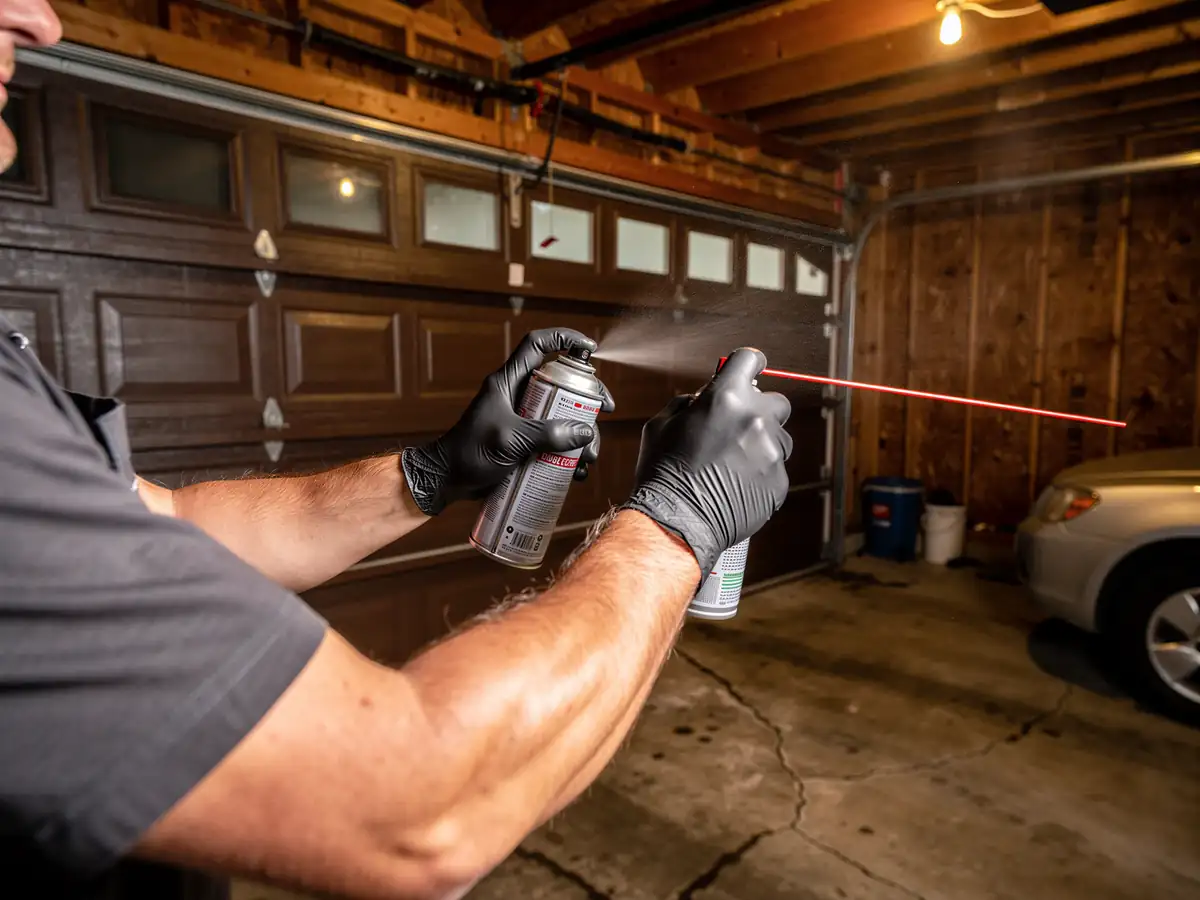
Manchester's cold band isn't a mild one, and that changes what fails and when. Steel contracts in the cold, so torsion springs here see more stress at the same door weight than they would somewhere warmer - that's why a spring rated for 10,000 cycles in a temperate climate can fall short of that here. It also means lubricant matters: a summer-grade grease gums up and slows the door down right when the opener is already working harder to lift cold-stiffened springs. We see this across the service area, not just in older sections - a house in Bedford or Goffstown built in the same era as one on the carries the same exposure. The honest version of this: cold doesn't cause most failures, it reveals ones that were already close, usually in hardware that's been doing its job quietly since the 1980s.