The Situation
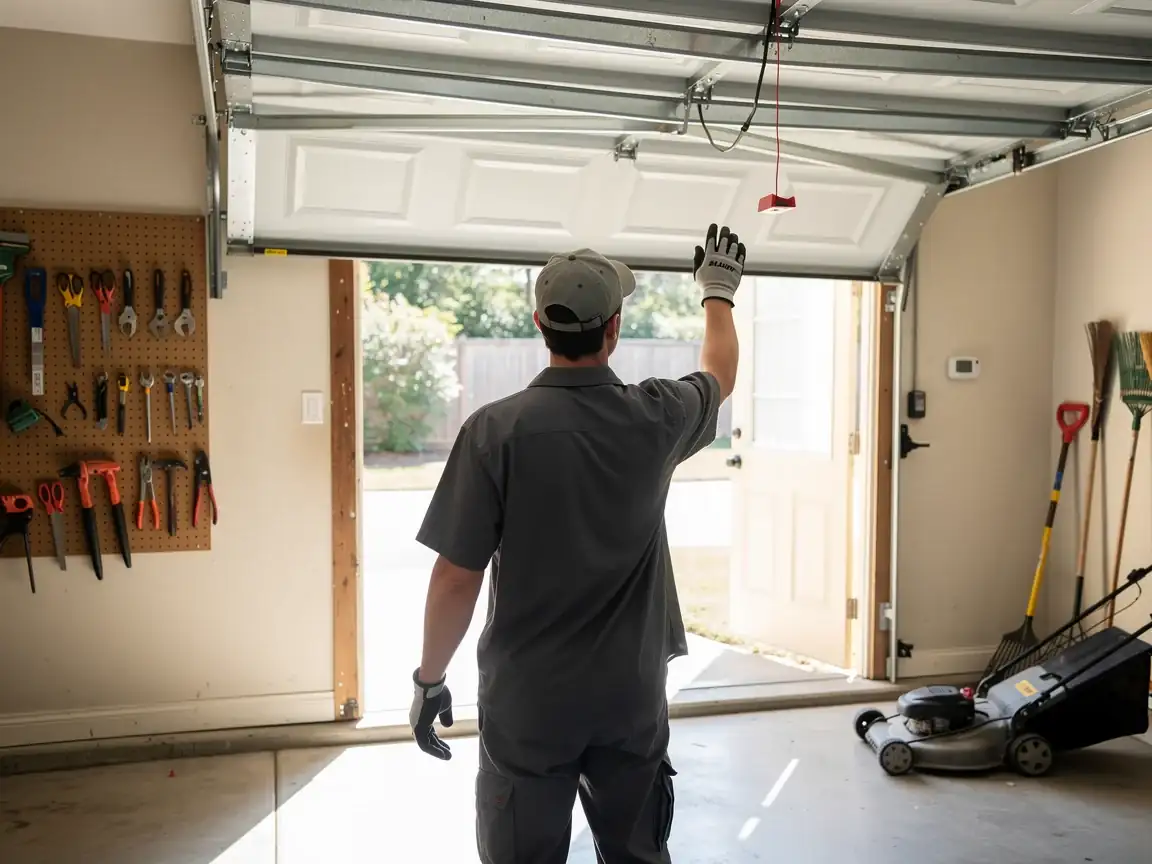
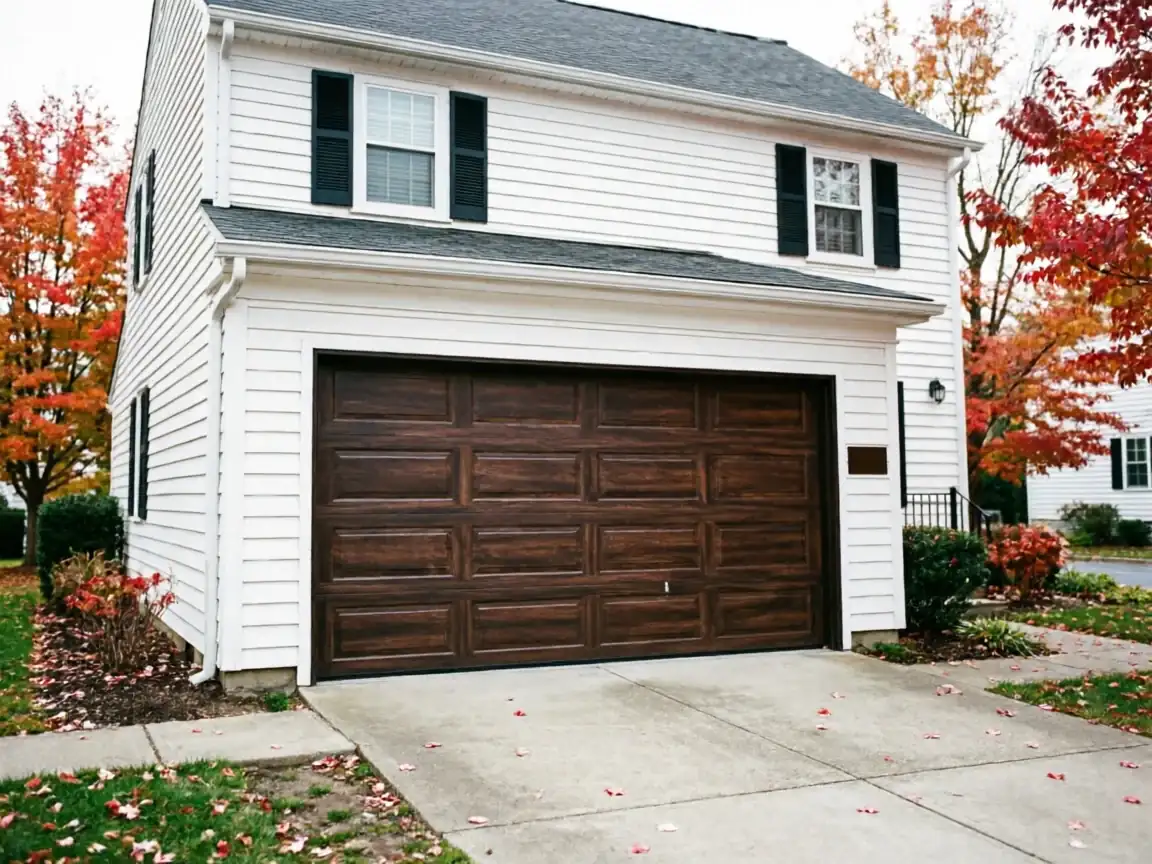
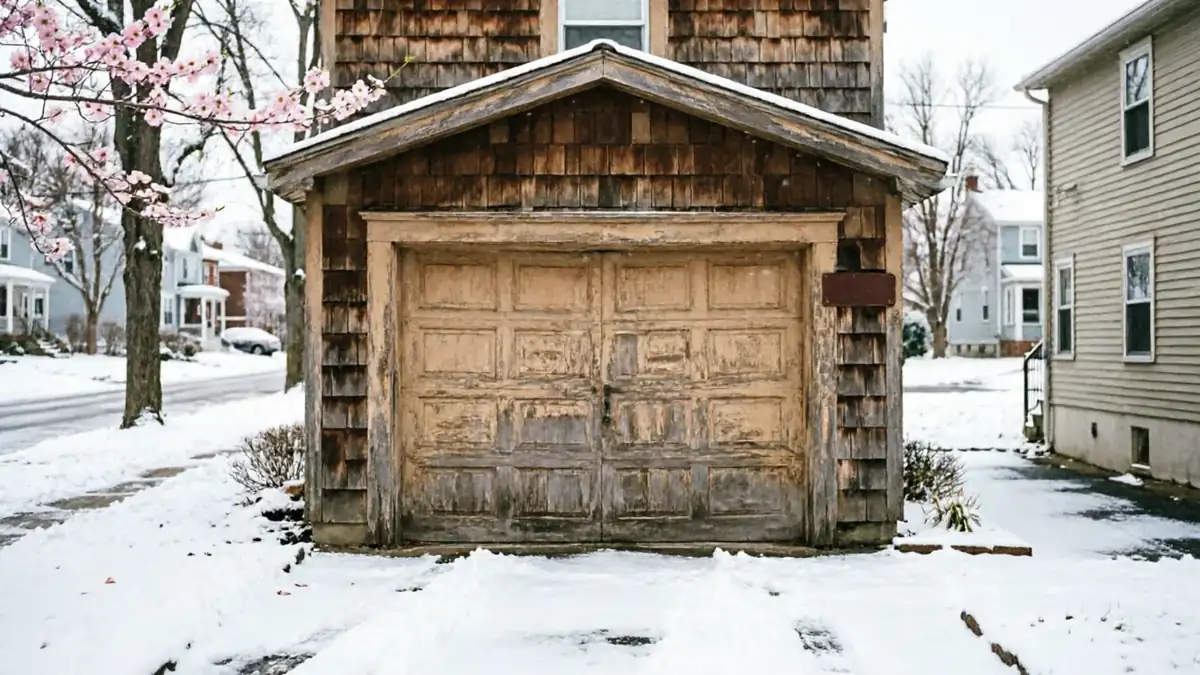
A lot of the doors we get called on in Manchester went up with the house, and most of this city's housing was built between 1938 and 1997, with the median landing around 1982. That means a huge share of the doors still in service are the originals or a first replacement from the 80s or 90s - steel sectional doors with hardware that was standard for that era but isn't always standard now. Across the 45 named areas we work in, from the out through South Hooksett, the door age tracks the build year pretty closely. A door from 1985 isn't automatically junk, but it's old enough that the question isn't "does it still open" - it's whether the track, spring, and panel are still worth matching parts to, or whether you're better off starting clean. That's the call we actually make on the truck, not a blanket rule.
What to Look At First
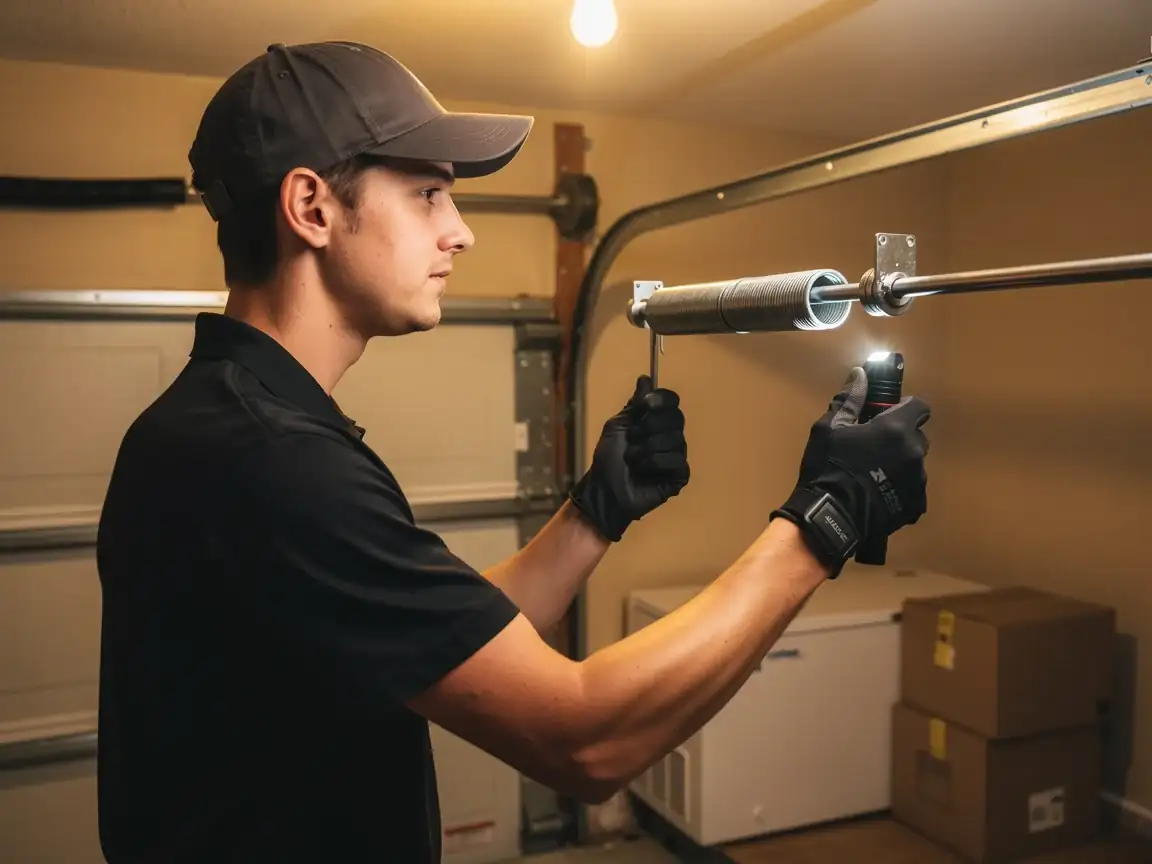
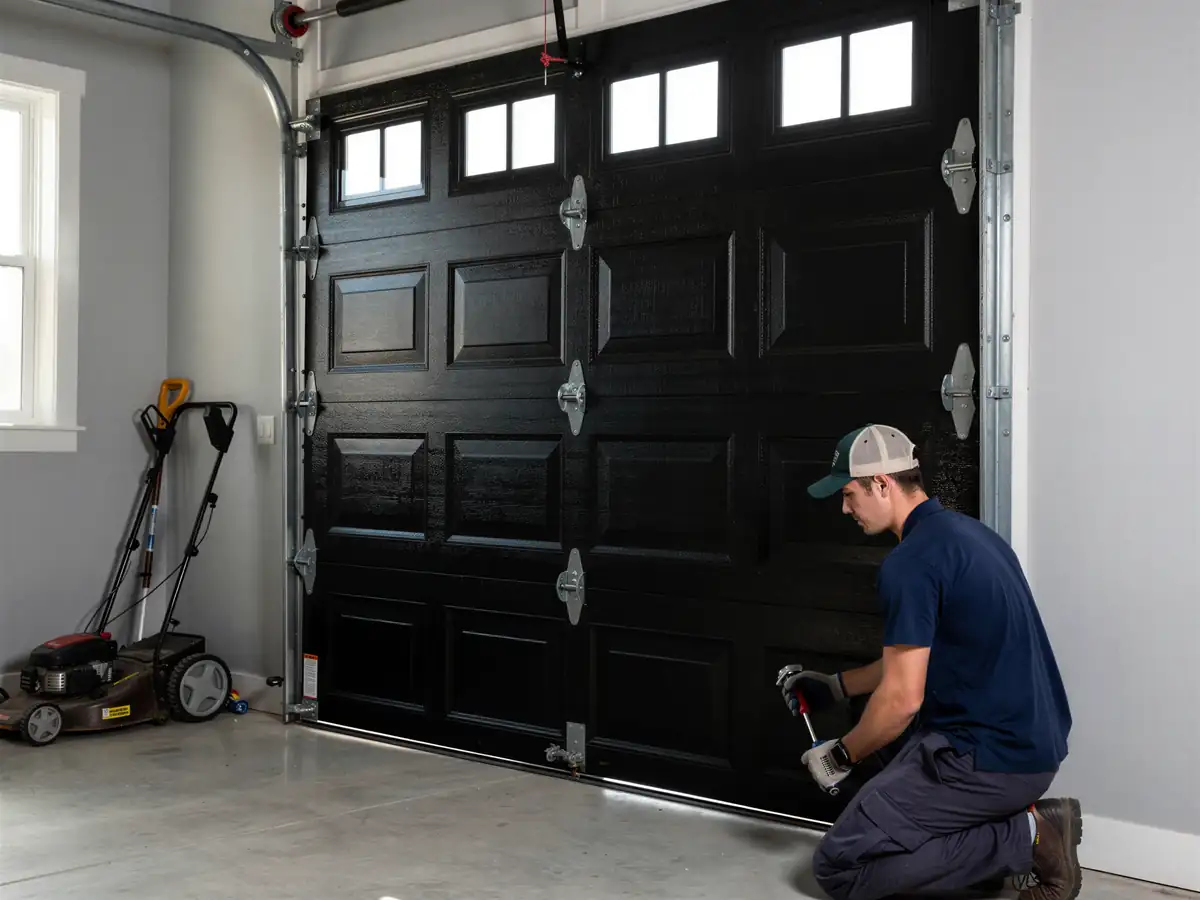
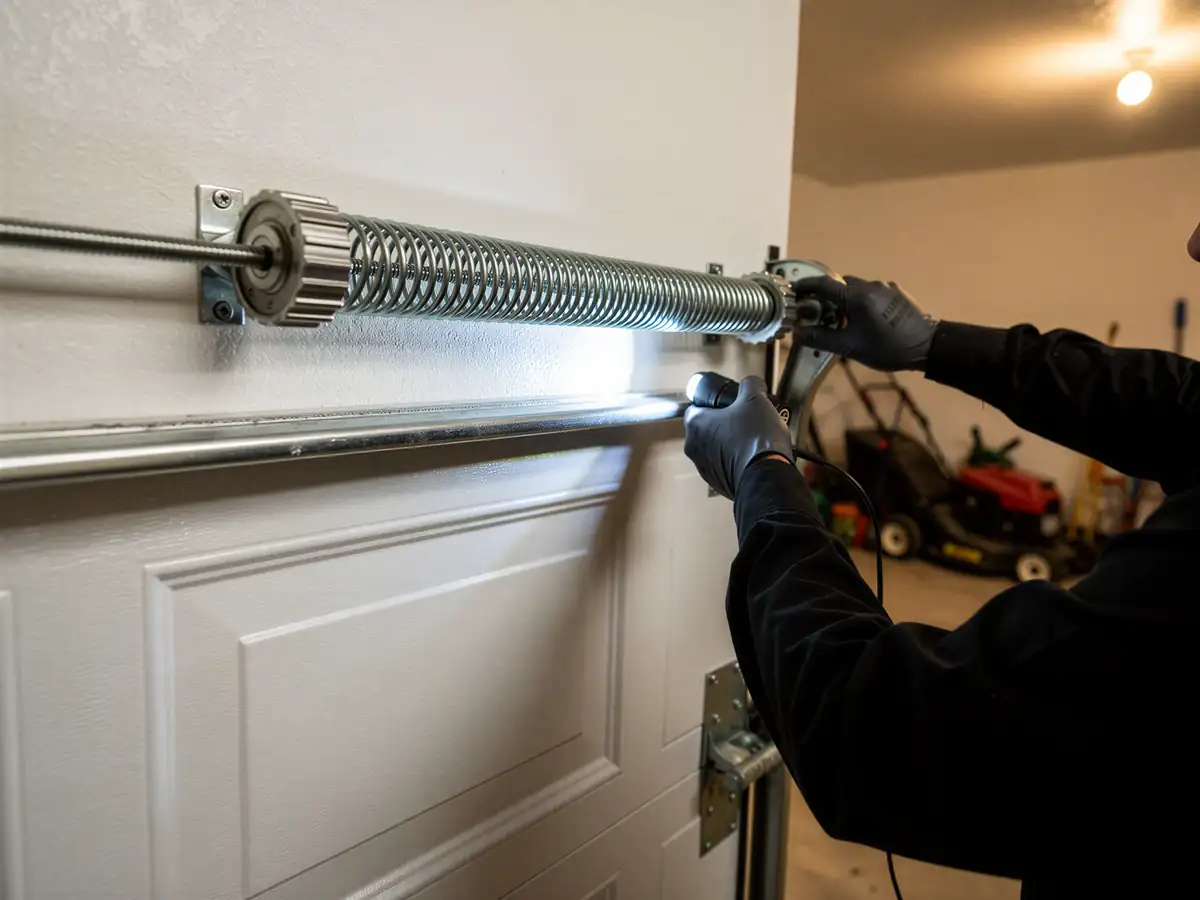
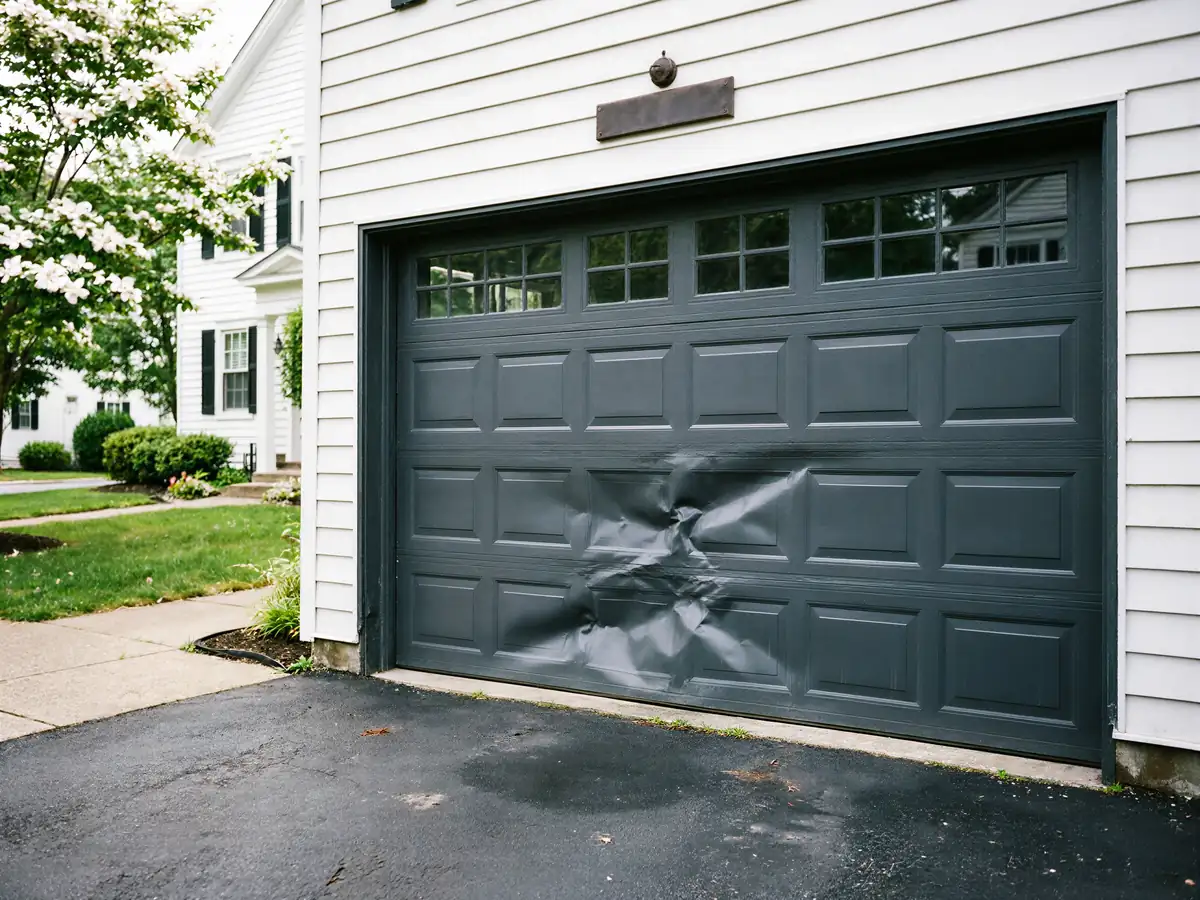
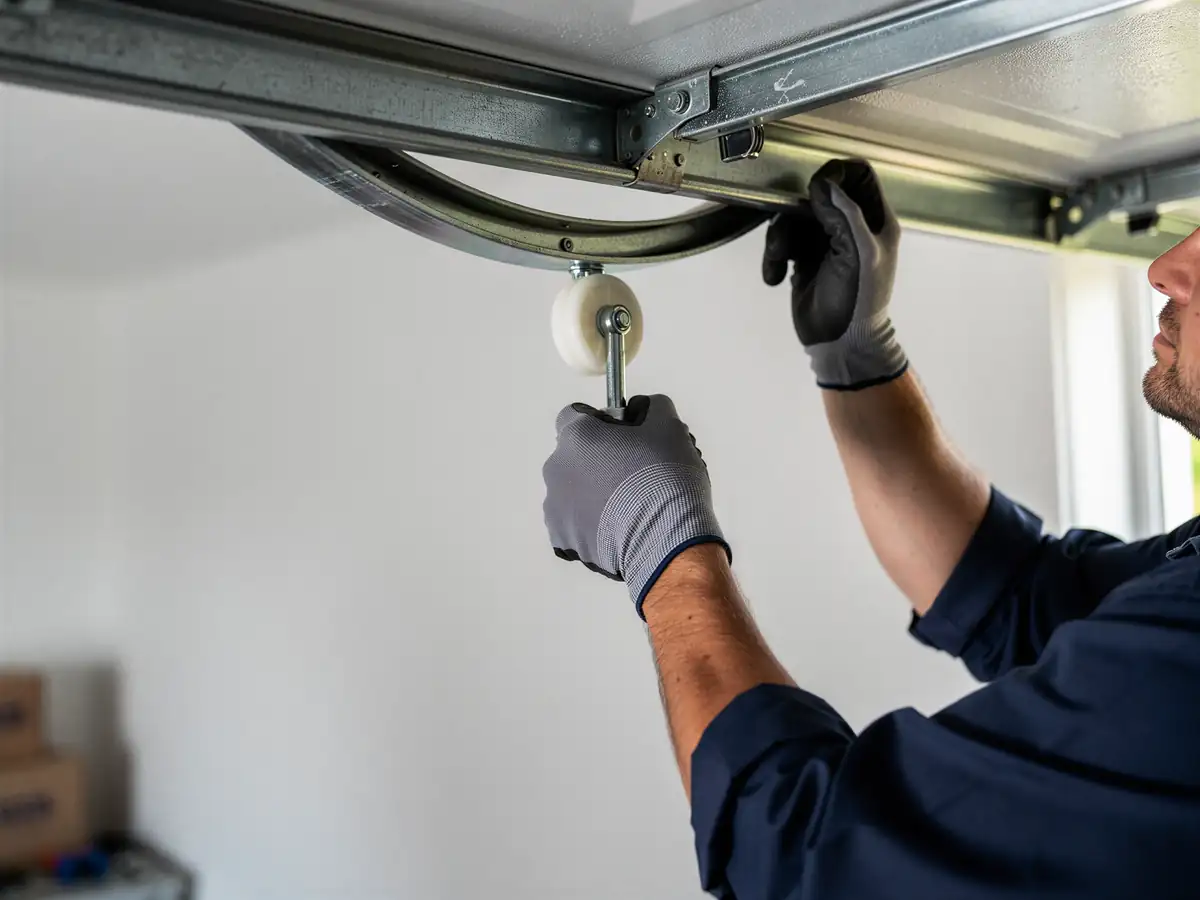
Start with the springs. A torsion spring on a door from the 1980s has likely been replaced once already, maybe twice, and the question is whether the drum and shaft are still true or whether they're worn enough that a new spring won't hold its adjustment. Next look at the track - on houses from the earlier end of that 1938-1997 range, you'll sometimes find track gauges that don't match anything a supplier stocks today, which turns a simple repair into a full track swap. Panels matter less structurally and more for insulation value, especially given how many of these doors predate any insulation requirement at all. If the bottom panel is rusted through from years of snowmelt runoff or the rollers are the old steel kind grinding in a track that's lost its shape, that's a different conversation than a motor that just needs a new gear kit.
How Local Conditions Play In
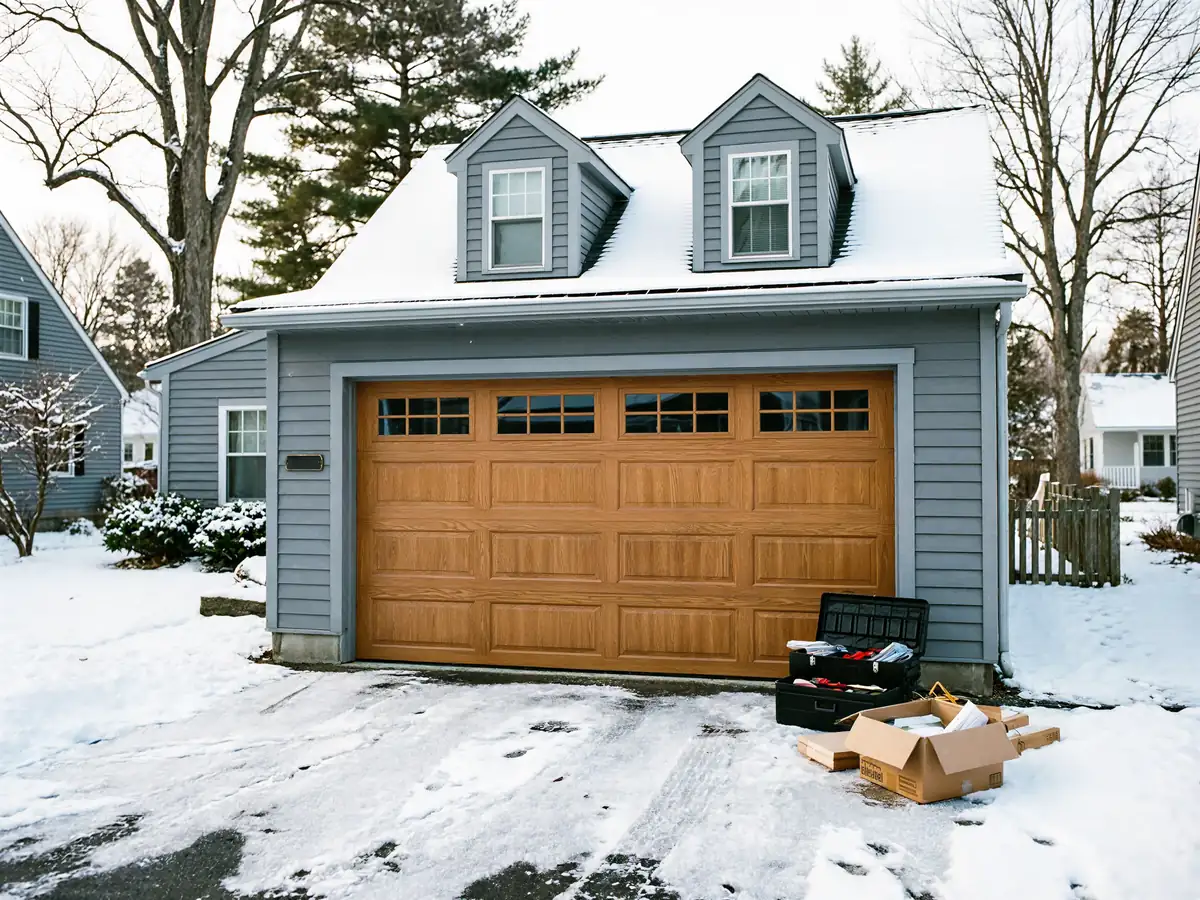
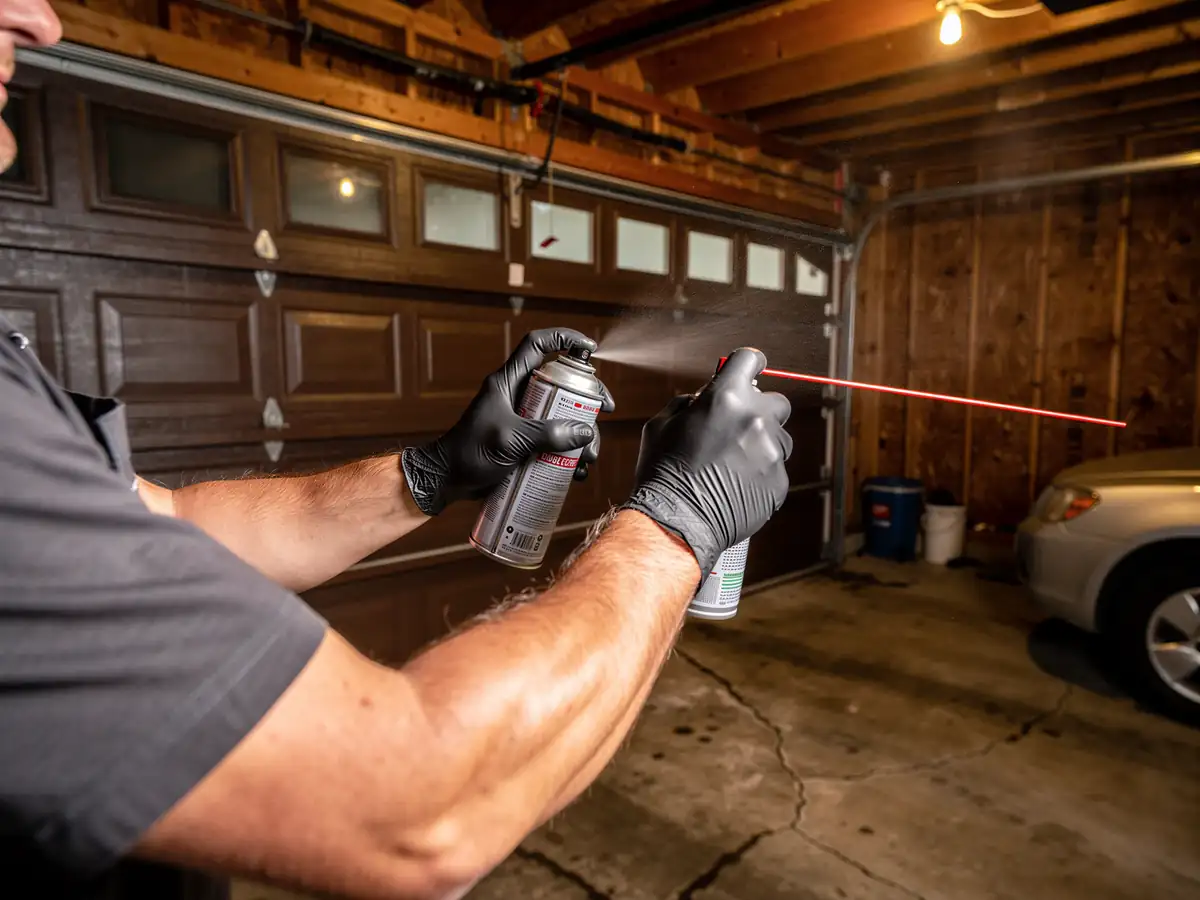
Manchester sits in a severe cold climate band, and that matters more for an older door than people expect. Steel contracts in the cold, and a track that's a few decades old and slightly out of alignment will bind harder in January than it does in July - that's usually when a borderline door finally fails. Lubricant that was fine on a 1990s door in warmer months can gum up or thin out at single-digit temperatures, which is part of why winter is when we see the most spring and opener calls. If your door already struggles in summer, cold will find the weak point first. That's a reason to get a borderline door looked at before the season turns, not after it's stuck shut with a foot of snow against it.