Booking a Visit
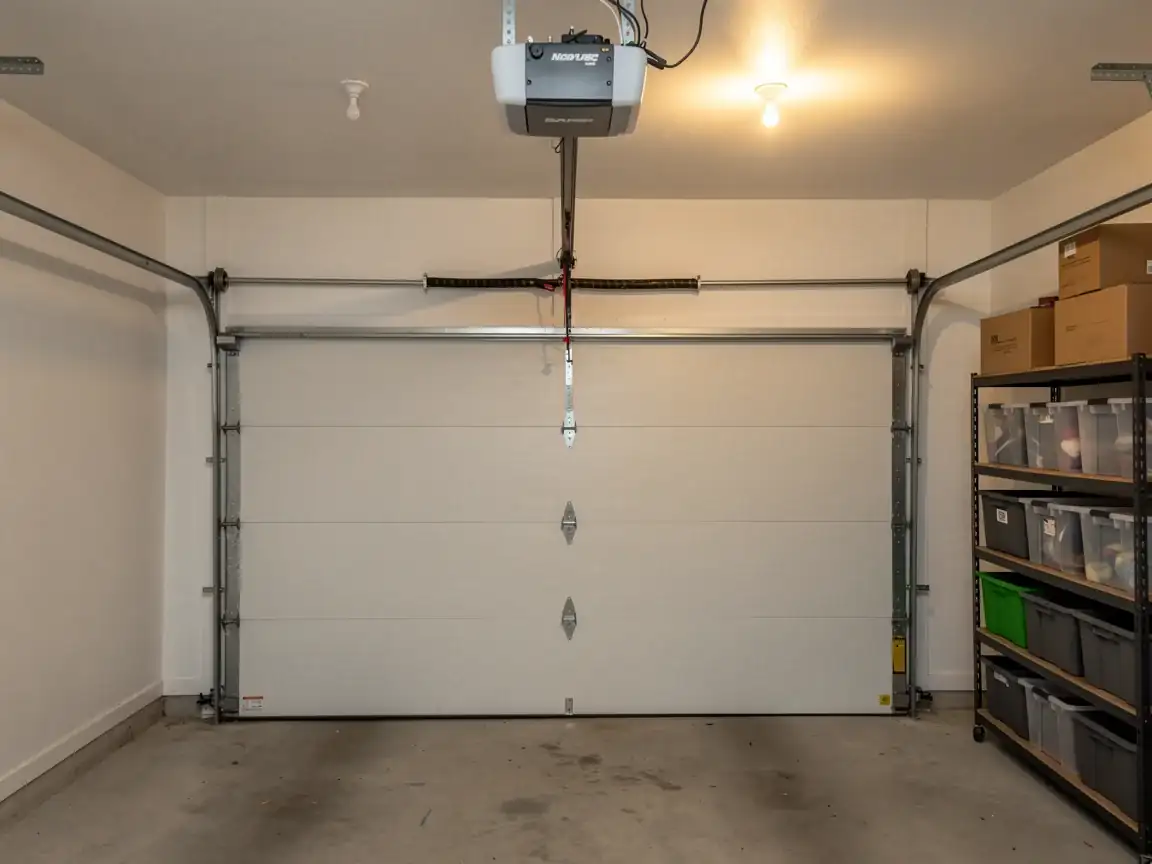
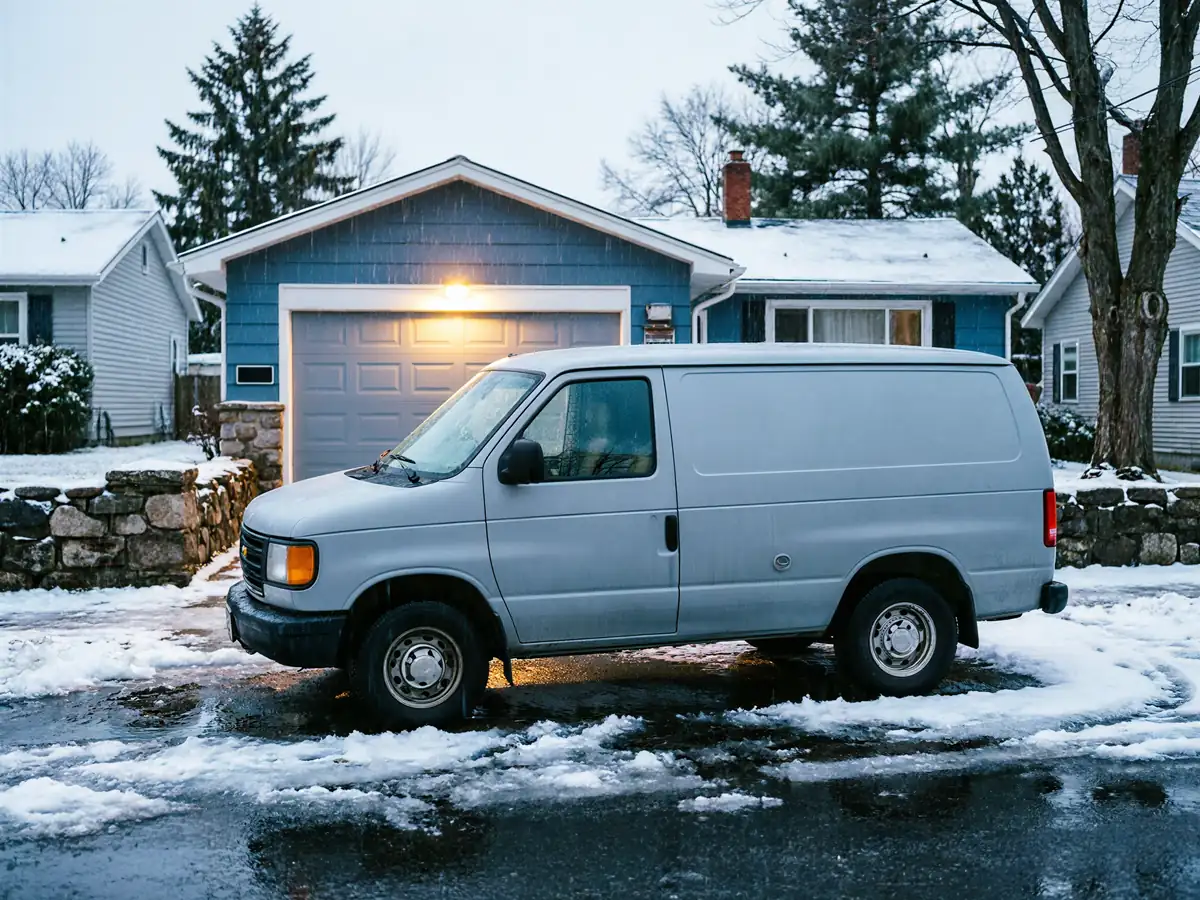
Pembroke is a town of 2,779 households, small enough that we're not running multiple trucks through it every day, but that doesn't mean a longer wait. We come out from Manchester, 13 miles away, and we schedule the drive around the job, not the other way around. When you call, tell us the symptom - door won't open, spring snapped, opener grinding - and we bring the parts for that job based on what you describe, not a generic kit. A town this size also means we're not guessing at the housing stock; most Pembroke doors came in around the same era, so we know what we're likely dealing with before the truck leaves the lot. That said, we're honest about timing: if a part isn't common for a 1969-era track system, it may mean a second trip rather than one visit, and we'll tell you that up front instead of promising same-day on something we don't have in the truck.
Where This Job Goes Sideways
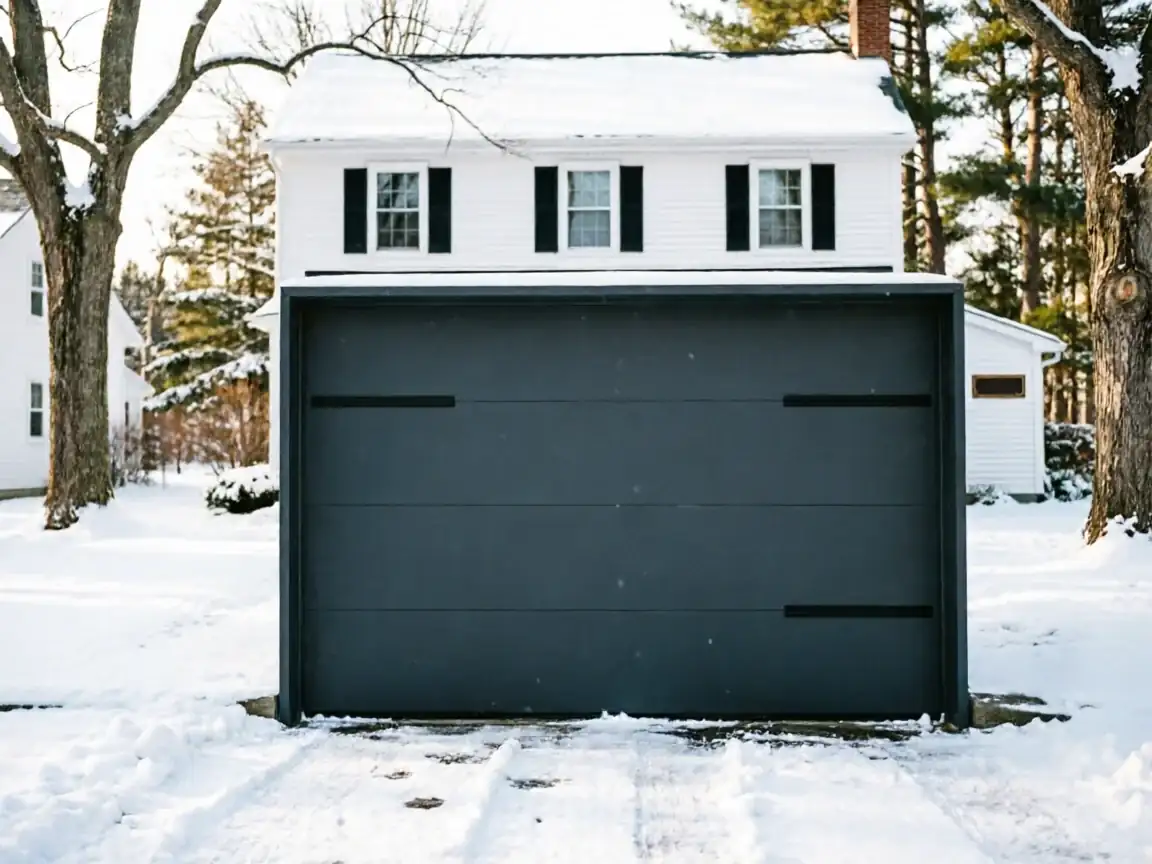
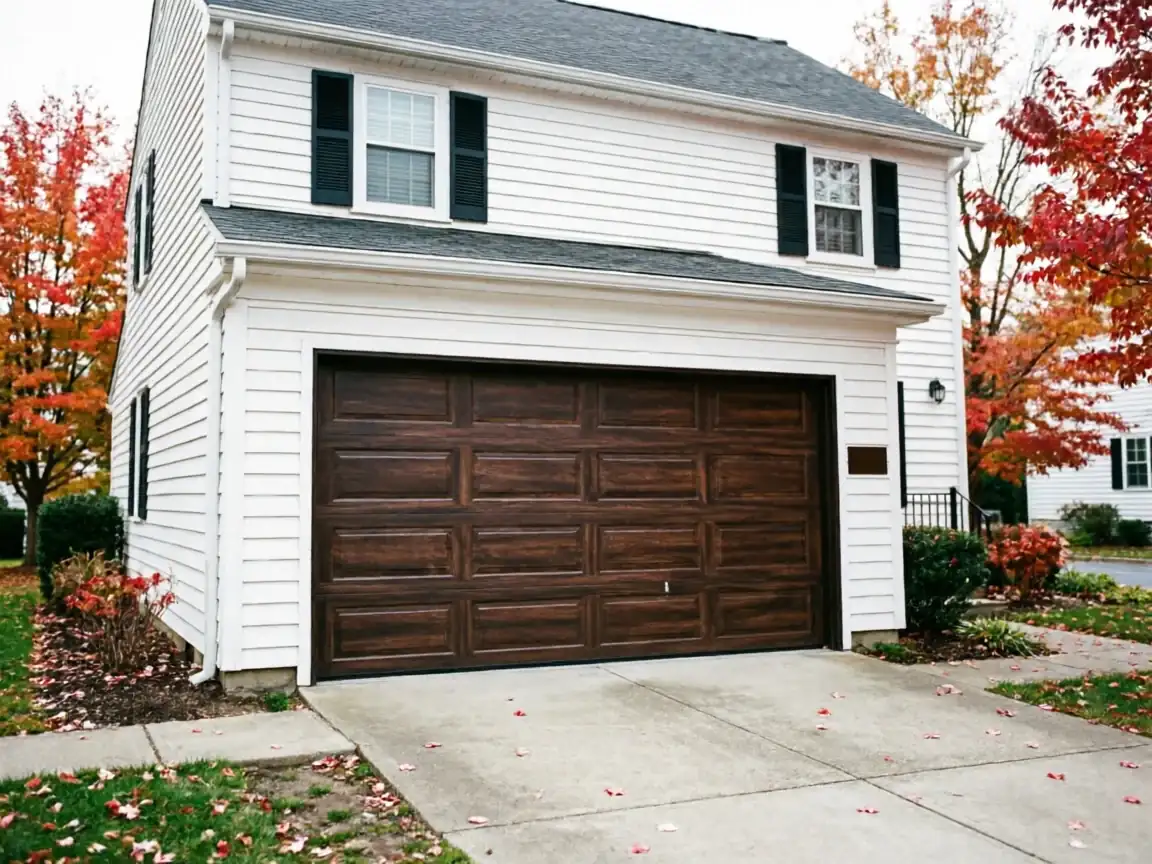
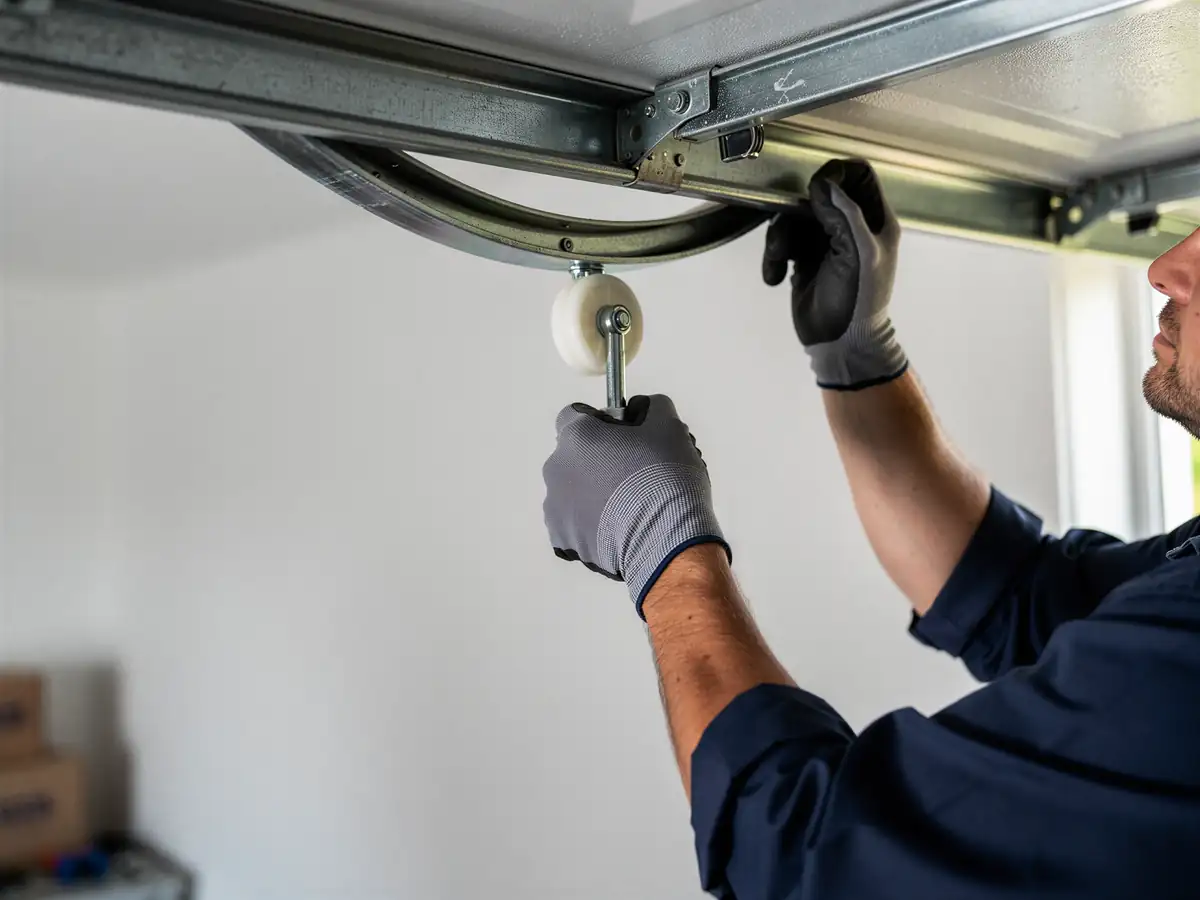
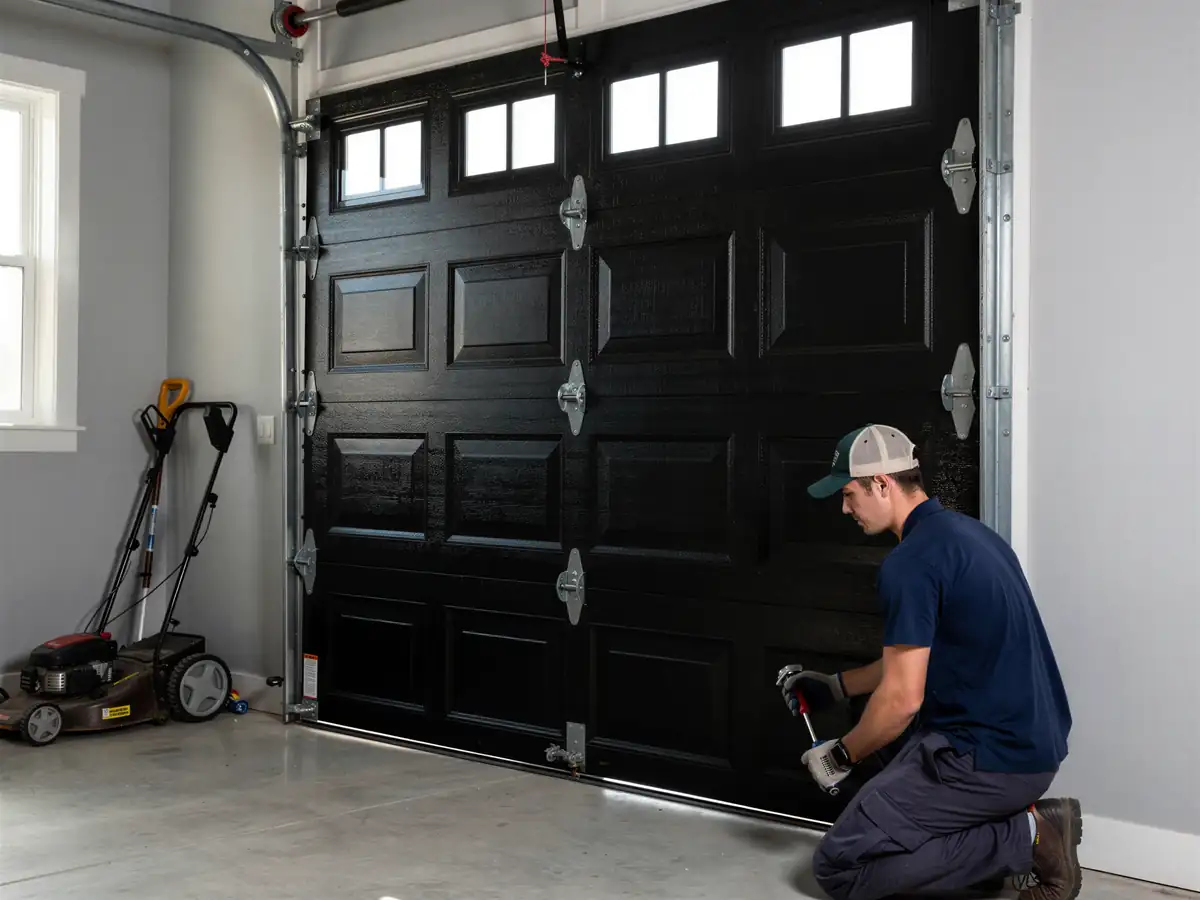
The region's housing was built between 1938 and 1997, with a median build year of 1982, but Pembroke itself centers closer to 1969 - older than the area average. That matters because a door installed on a house from the late 1960s is more likely to have been replaced once already, sometimes with hardware that doesn't match the original opening or the original track spacing. We see mismatched rollers, a spring sized for a lighter door than what's currently hanging, or a track bent from a replacement job that didn't account for the house's older jamb. The failure mode isn't usually the door itself - it's a patchwork of parts from two or three different decades fighting each other on the same track.
Parts We Carry
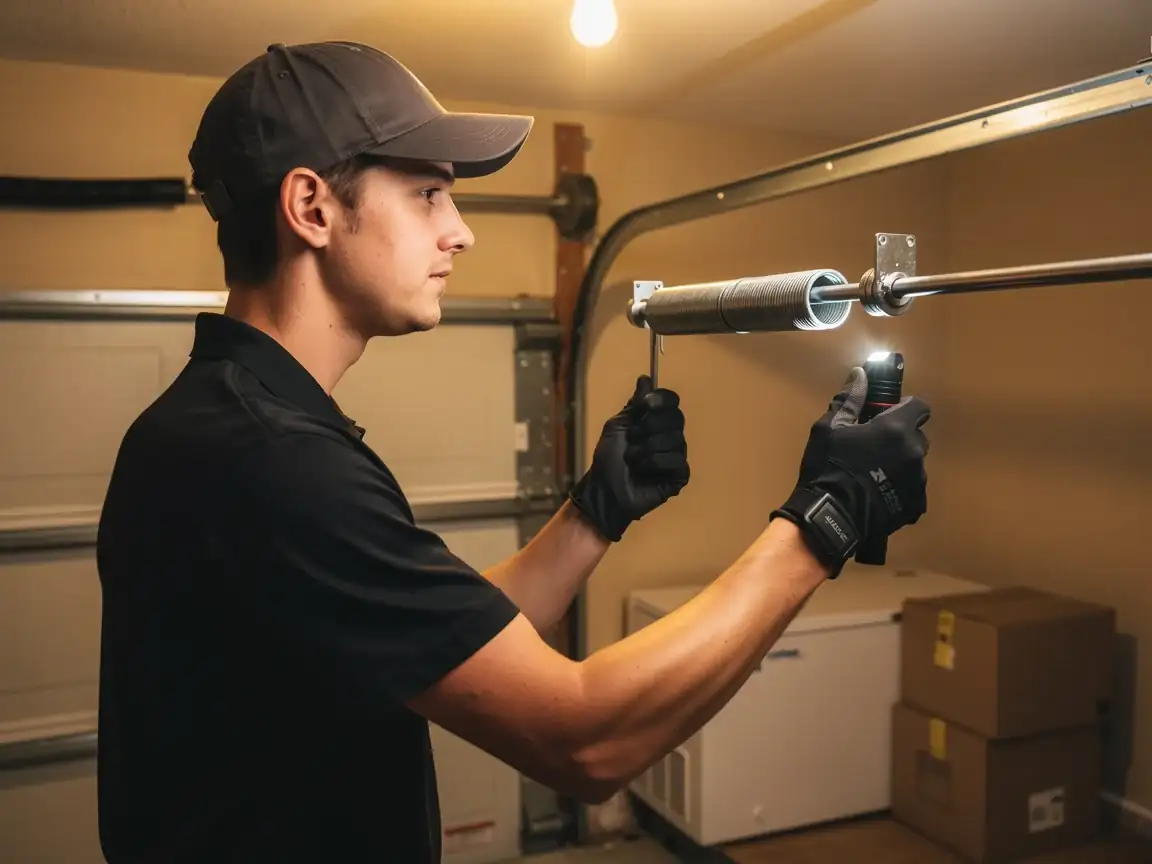
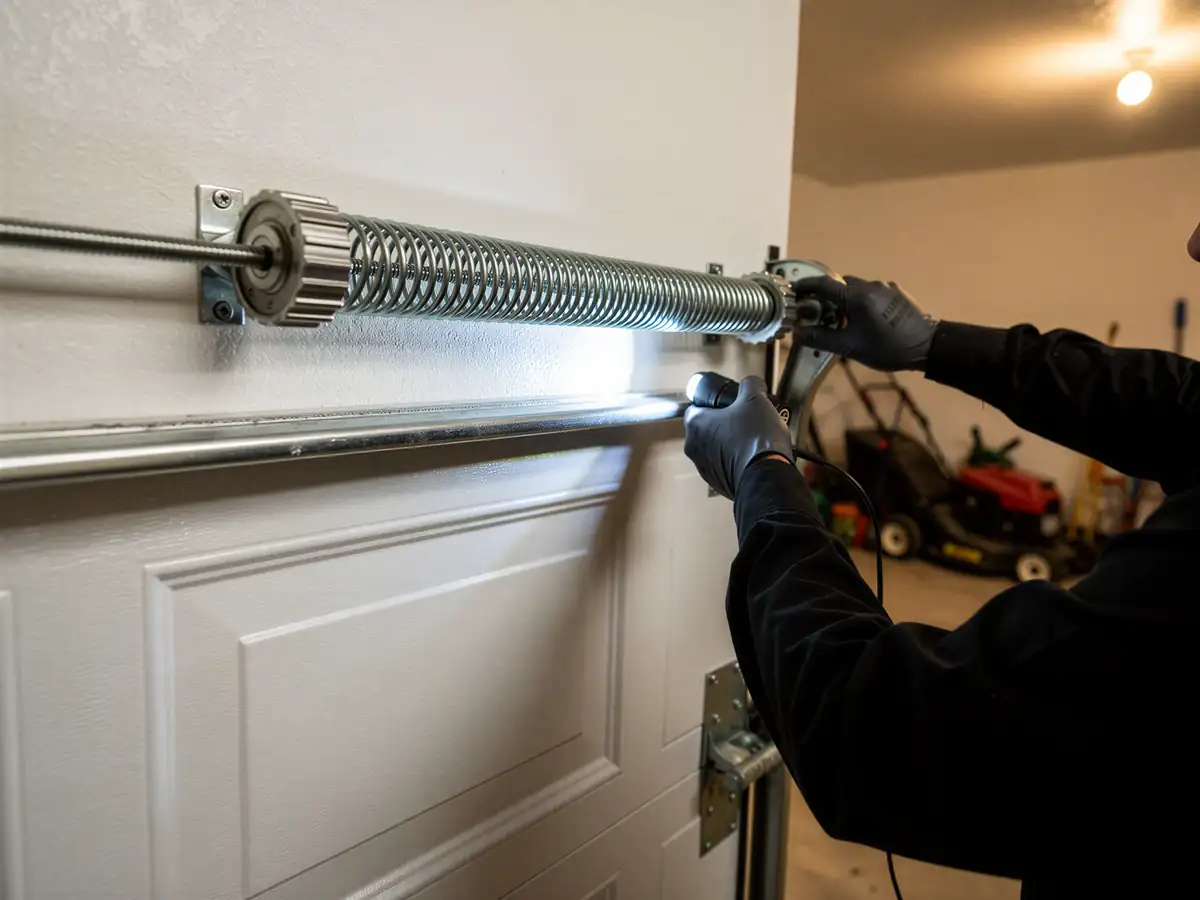
We stock torsion springs, extension springs, rollers, and standard track sections sized for the kind of doors common on houses built from the late 1930s through the late 1990s, which covers most of what's installed in Pembroke. Openers are more of a mixed bag - if yours is a specialty or older proprietary model, we may need to order the part rather than pull it off the truck, and we'll say so instead of stalling you with a vague estimate. For a town this size, we find it's rarely worth carrying rare parts on spec; it's more efficient to confirm what's needed on-site and bring it the next trip if it's unusual.
Why This Fails Locally
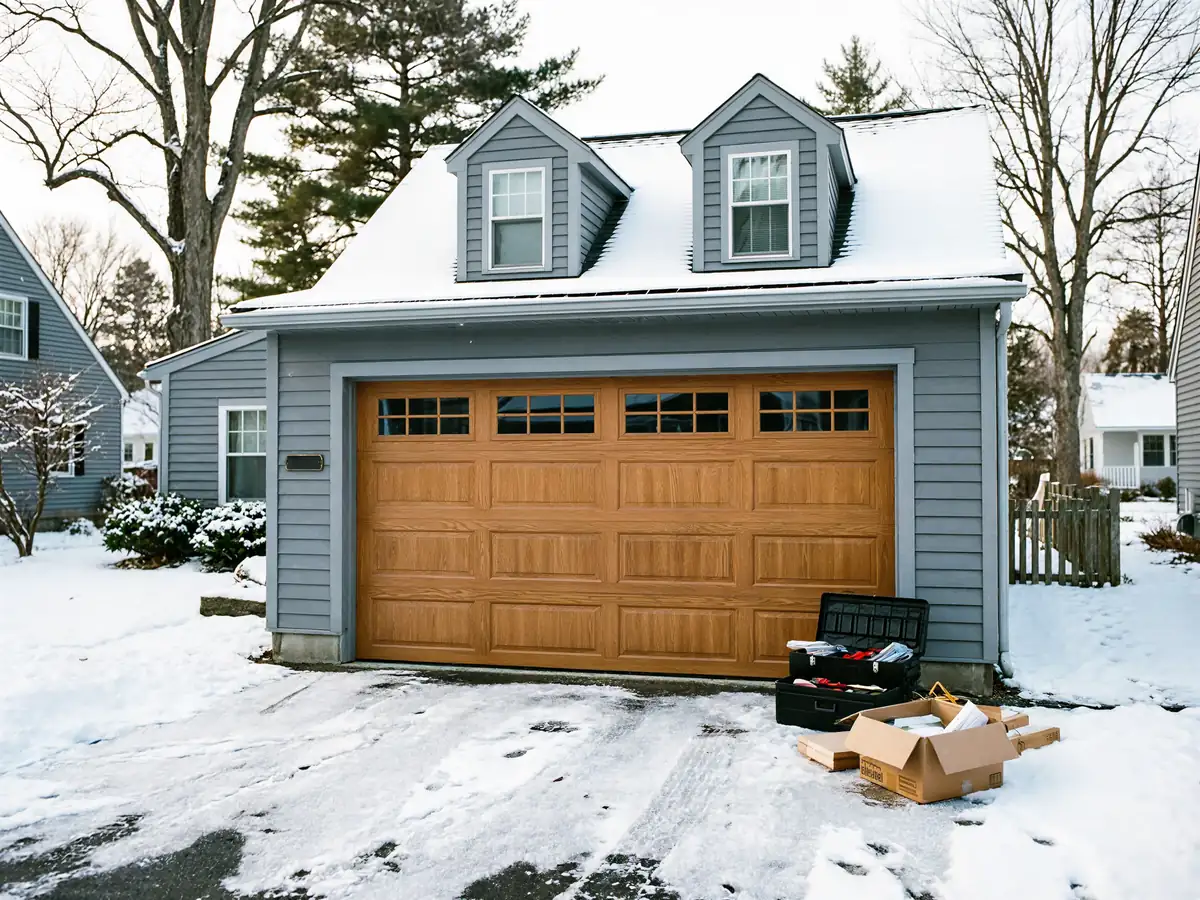
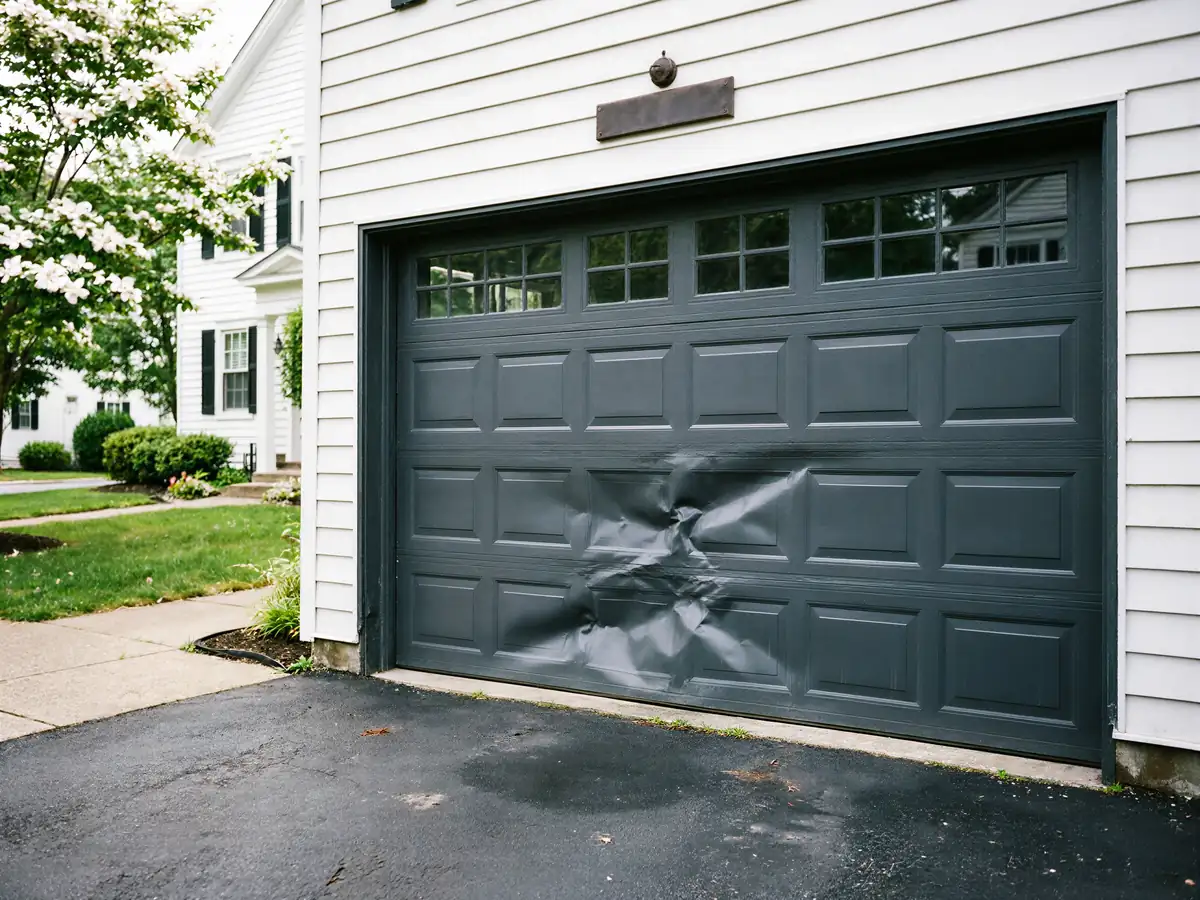
Severe cold is the real driver behind a lot of these calls. Steel contracts in the cold, and a torsion spring that's already fatigued from forty-plus years of cycling is far more likely to let go on a sub-zero morning than a mild one. With 2,779 households and a median household income of $95,307, Pembroke isn't a town where people replace a door at the first sign of trouble - most want it repaired, and that's usually the right call unless the spring has taken the cable or track down with it. We won't push a full replacement on a door that just needs a spring and a roller, but we'll also tell you straight when the frame or track damage means repair isn't worth the money.