The Symptom
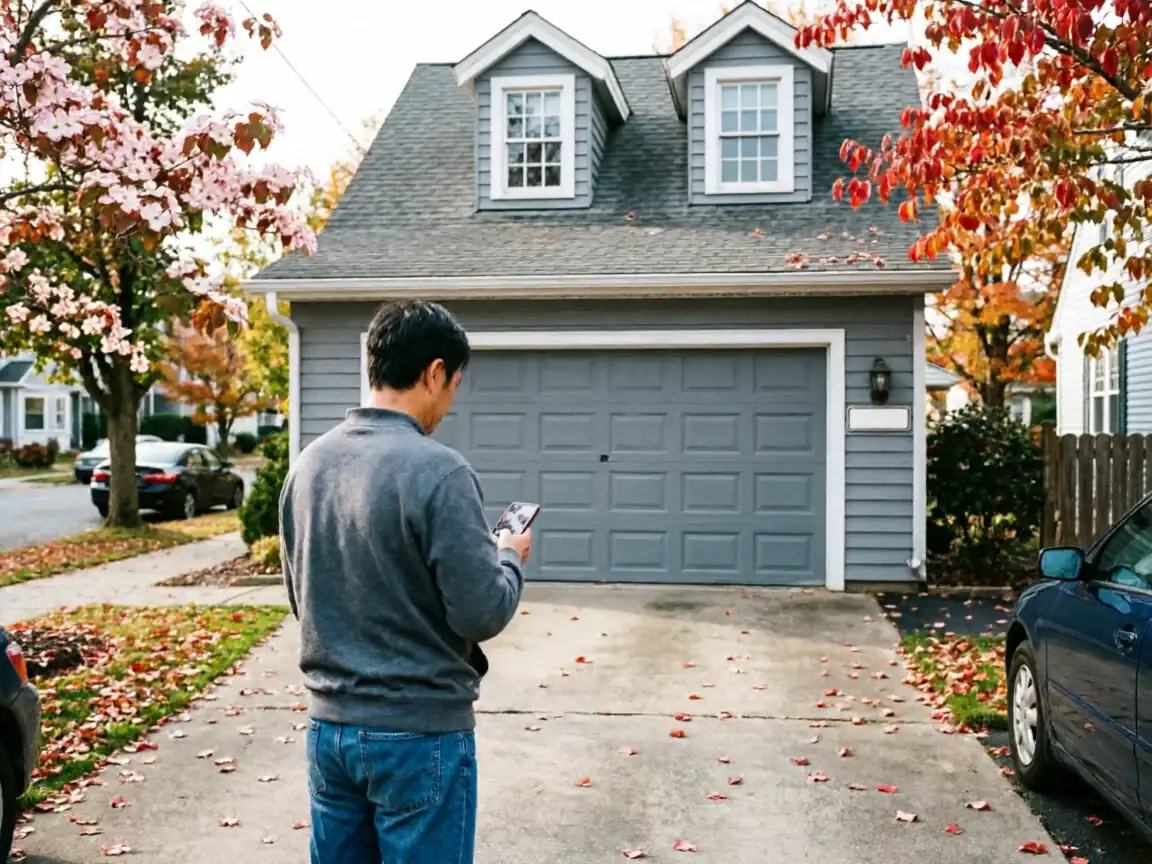
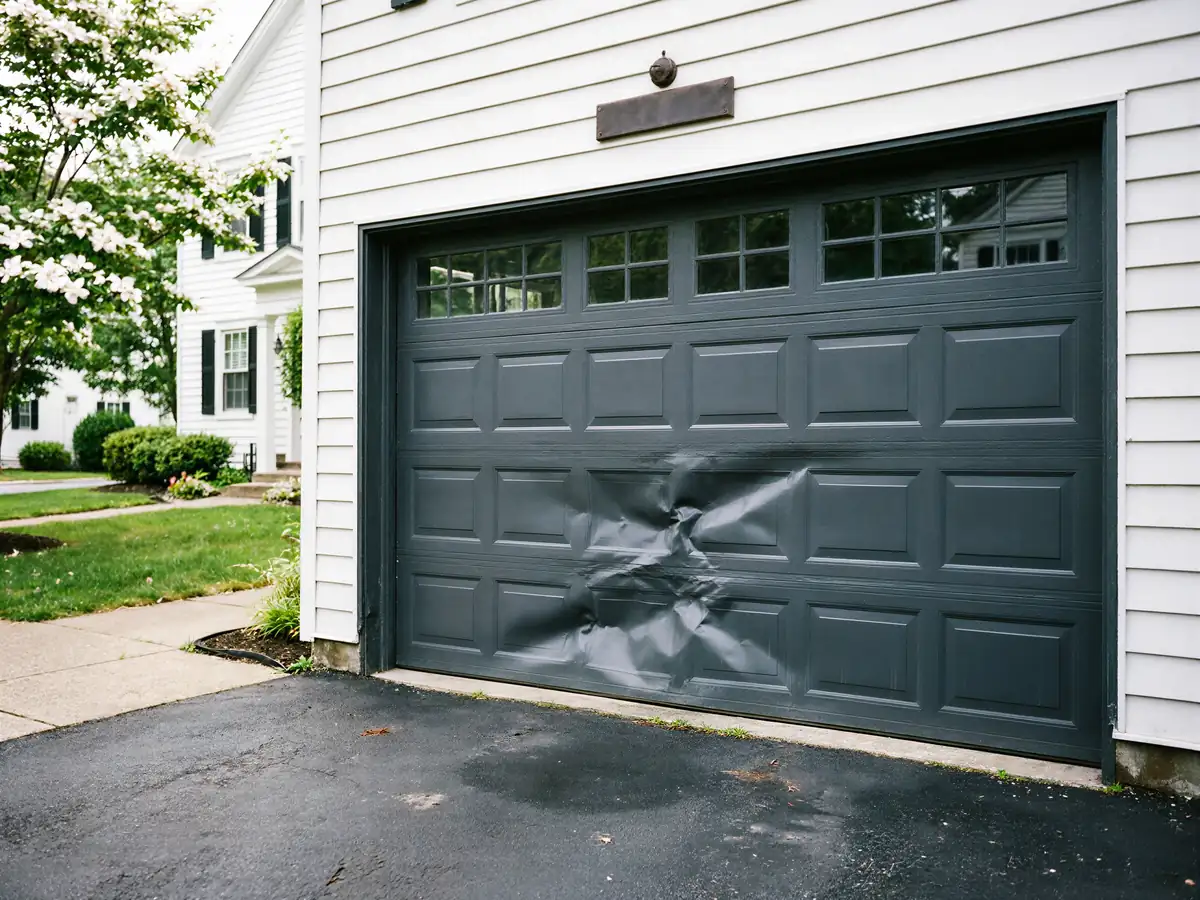
A single panel takes a hit - a backed-up car, a chunk of ice off the roof, a basketball hoop mount that finally gave out - and now the door doesn't sit flush or it binds in the track. Sometimes it's not an impact at all. The bottom panel on a lot of Manchester garages has just rotted or rusted through from years of snowmelt sitting against it. Either way, the rest of the door is fine and you're stuck wondering if you need the whole unit replaced or just the one section.
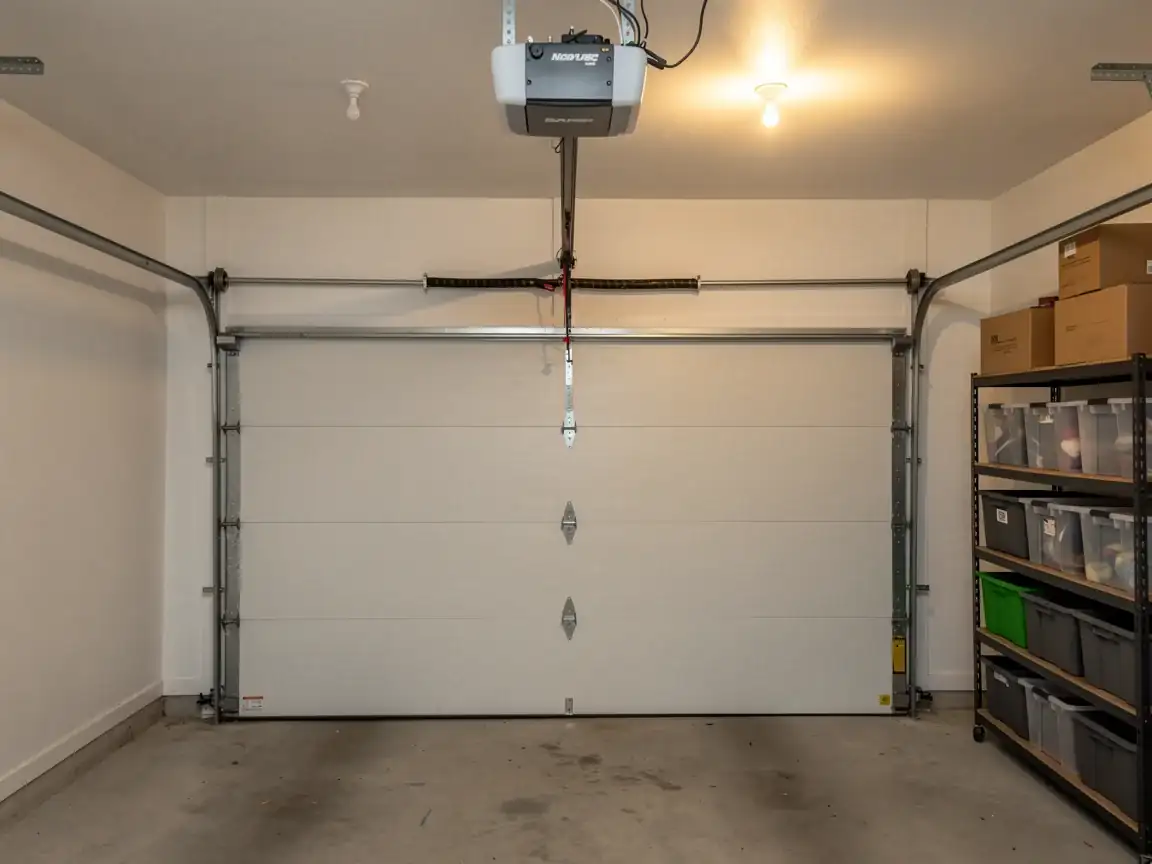
Because the housing stock across this service area runs mostly 1938 to 1997 with a median build year of 1982, a huge number of the doors we get called on are steel sectional doors from the 1980s and 90s. Those panels used profile widths and panel heights that aren't what manufacturers stock off the shelf today. A dent that would be a quick fix on a 2015 door turns into a sourcing problem on a door that age.
Time on the Job
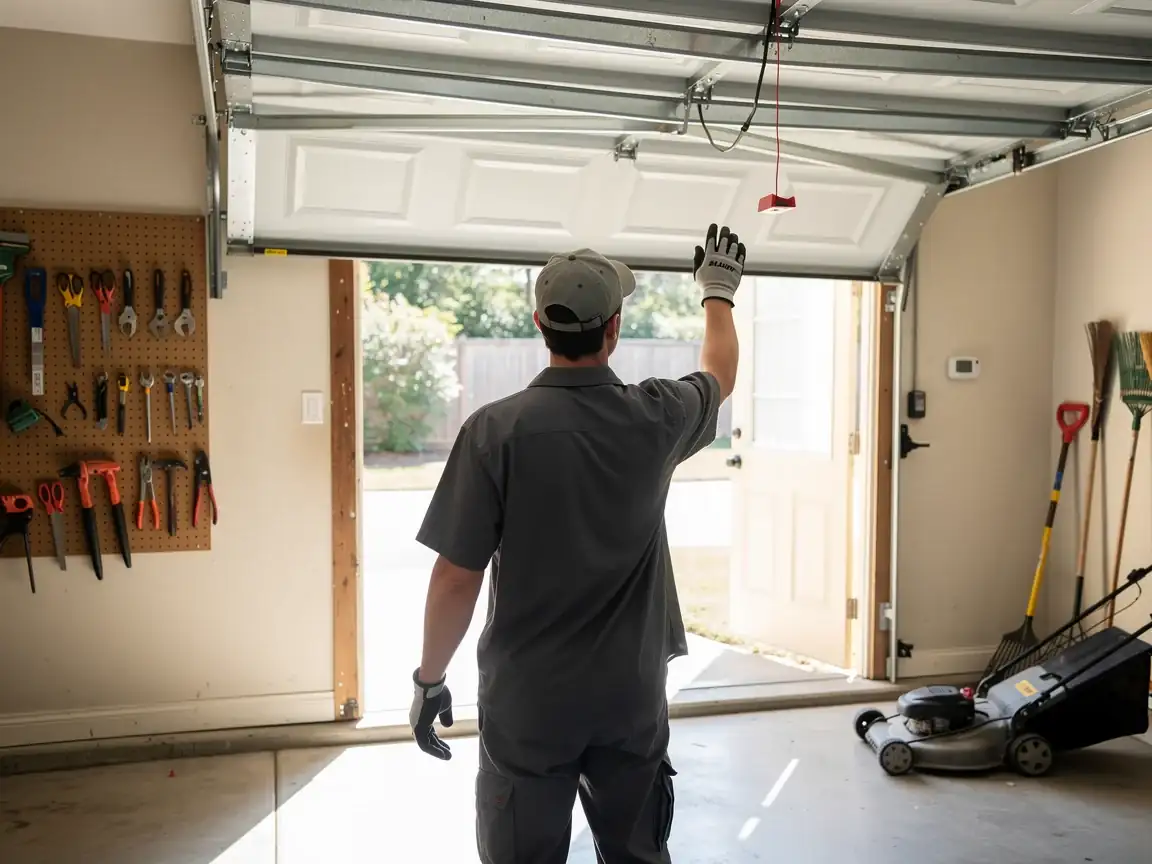
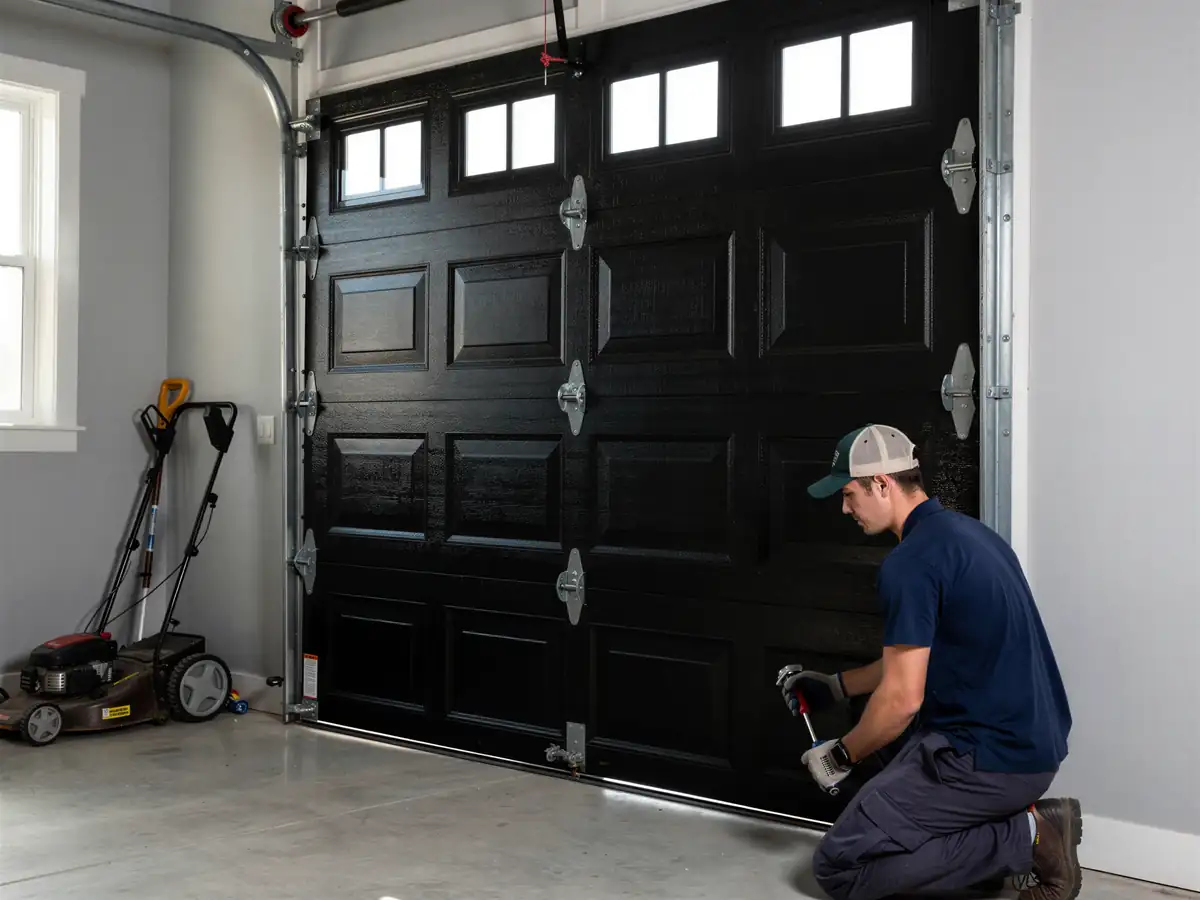
If we've got a matching panel in stock or can source one that fits your door's existing track and hardware, swapping a single section is usually a same-day job once the part is on the truck - a few hours of actual work. The time sink isn't the labor, it's finding a panel that matches the width, the hinge spacing, and the window cutout (or lack of one) on a door that's been out of production for decades.
When we can't match the panel, we're honest about it on the spot rather than stringing you along. We'll tell you what we found and what the options are instead of ordering a part that won't line up and burning another trip.
Why This Fails Locally
Two things stack up against single-panel doors in this climate and this housing stock
First, the cold band here is severe, and steel panels that have been flexing through hard freeze-thaw cycles for 30-plus years develop stress cracks at the hinge points long before the paint tells you anything's wrong. A fresh dent on an old panel often reveals corrosion that was already working underneath.
Second, with most of the 45 named areas we cover built out in that same 1980s-90s wave
A lot of these houses share the same handful of builder-grade door models. That's good news when we can pull a panel from inventory that matches a common profile, and bad news when a house got a less common import or a model a manufacturer dropped. We see this fail pattern constantly because the housing age is consistent, not because any one house is unusual.
Can You Do This Yourself
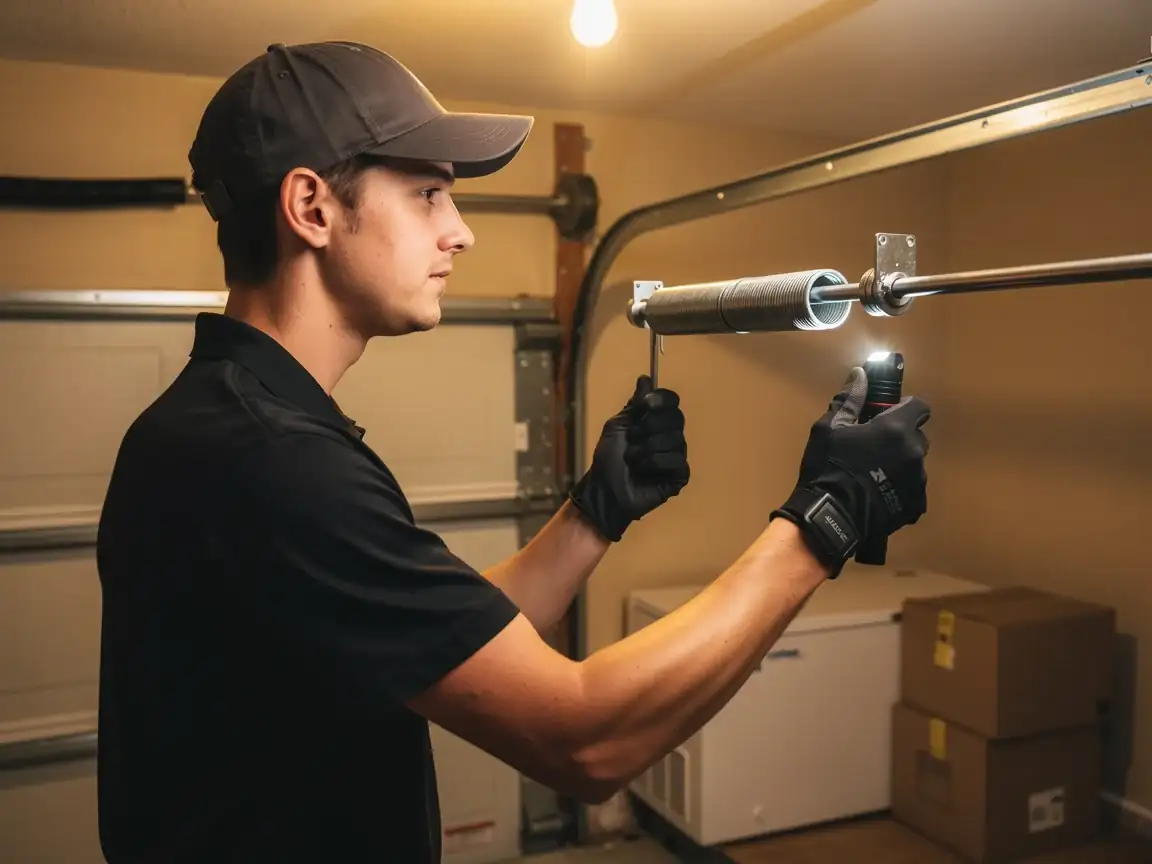
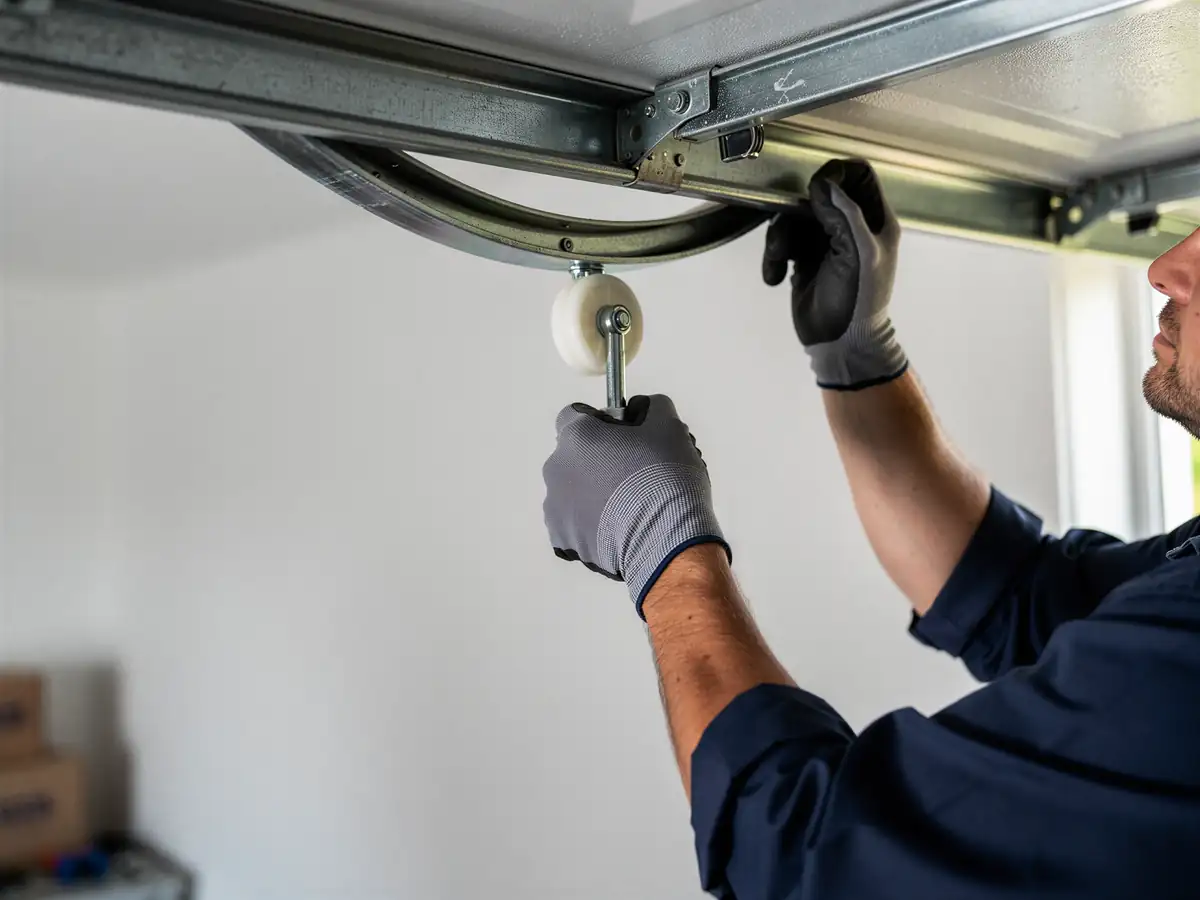
Swapping a single panel is mechanically simple if you can match the part: unbolt the hinges, slide the section out, slide the new one in, rebolt. The catch is everything before that step. Measuring your existing panel correctly - width, radius, hinge pattern, gauge of steel - and then finding a seller who stocks that exact spec for a door that may not even be in production anymore is where most DIY attempts stall out.
One honest limitation: we don't keep every discontinued panel profile in stock, and nobody does. If your door is old enough that the manufacturer or model is unclear, there's a real chance we tell you a full door replacement is the faster and cheaper path rather than chasing a part that doesn't exist anymore. We'd rather say that upfront than quote a panel job we can't actually deliver.