The Symptom
The door jerks instead of gliding. You hear a grinding or chattering noise somewhere along the track, usually worse at the top or bottom of travel where the roller stem takes the most side-load. Sometimes a panel hangs slightly crooked because one roller has flattened on one side and isn't tracking true anymore. On older steel rollers you'll sometimes see rust flaking off the stem where the bearing used to spin freely. On nylon rollers, the wheel itself can crack or chip, and once a chunk breaks off, the door rides on bare metal against the track and the noise gets sharp and metallic fast.
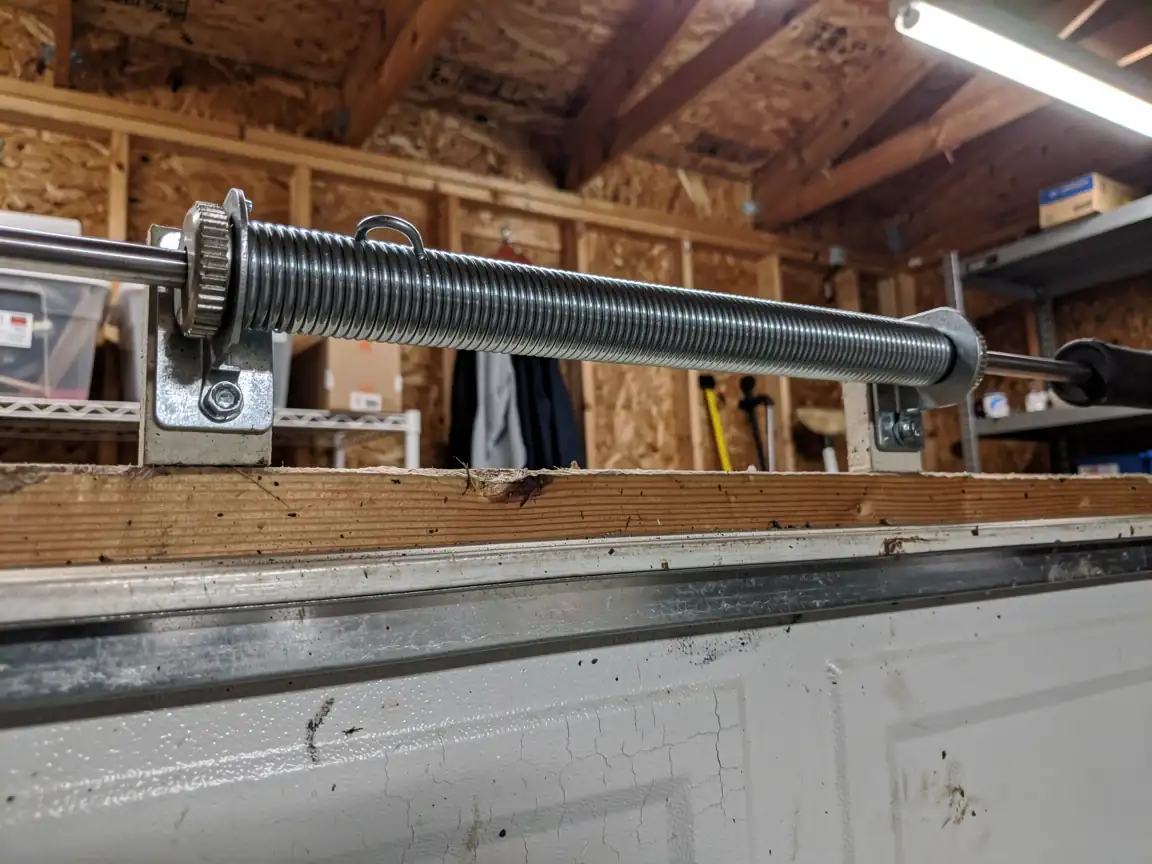
A lot of homeowners mistake this for a spring problem because the door feels heavier to open by hand, but a dragging roller is a different fault. The spring is still doing its job; the rollers are just fighting the track instead of rolling through it. Left alone, a bad roller wears a groove into the track itself, and at that point you're replacing track sections too, not just rollers. Catching it at the chatter-and-drag stage, before the track itself scars, is the difference between a roller swap and a bigger job.
Time on the Job
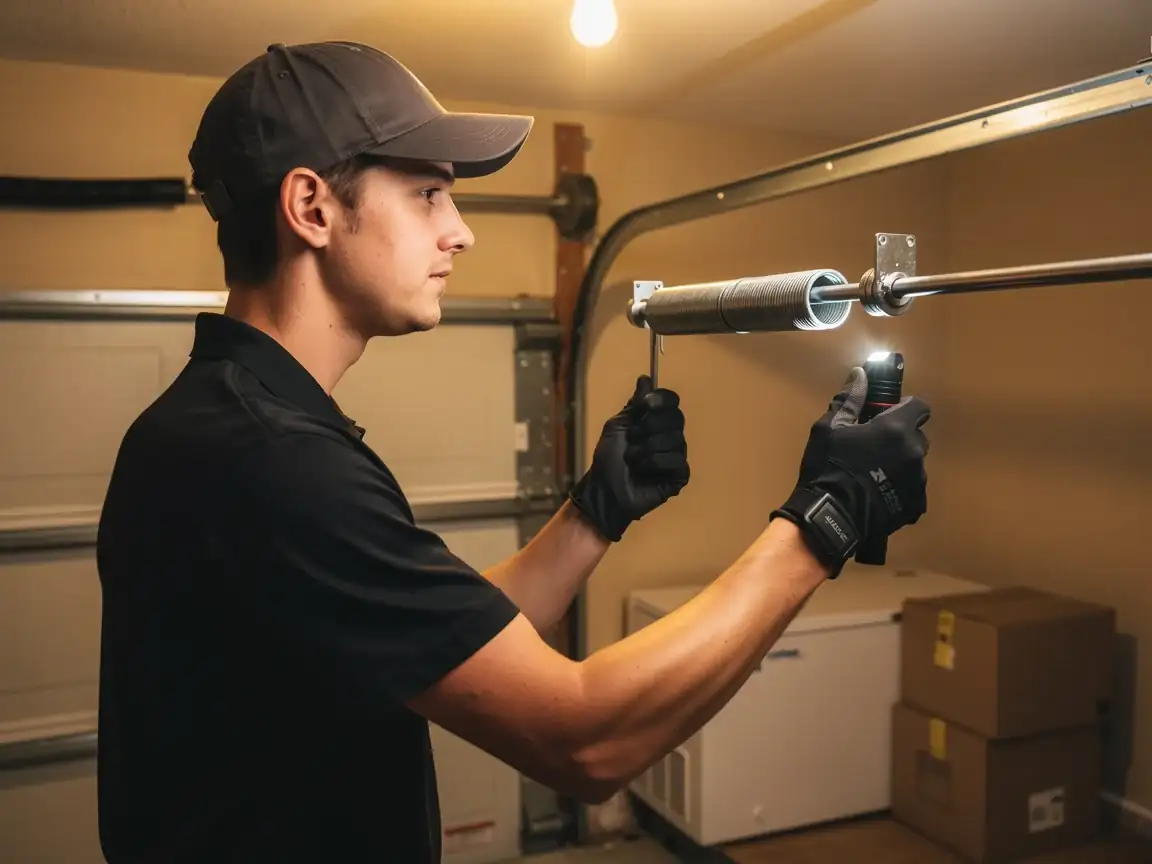
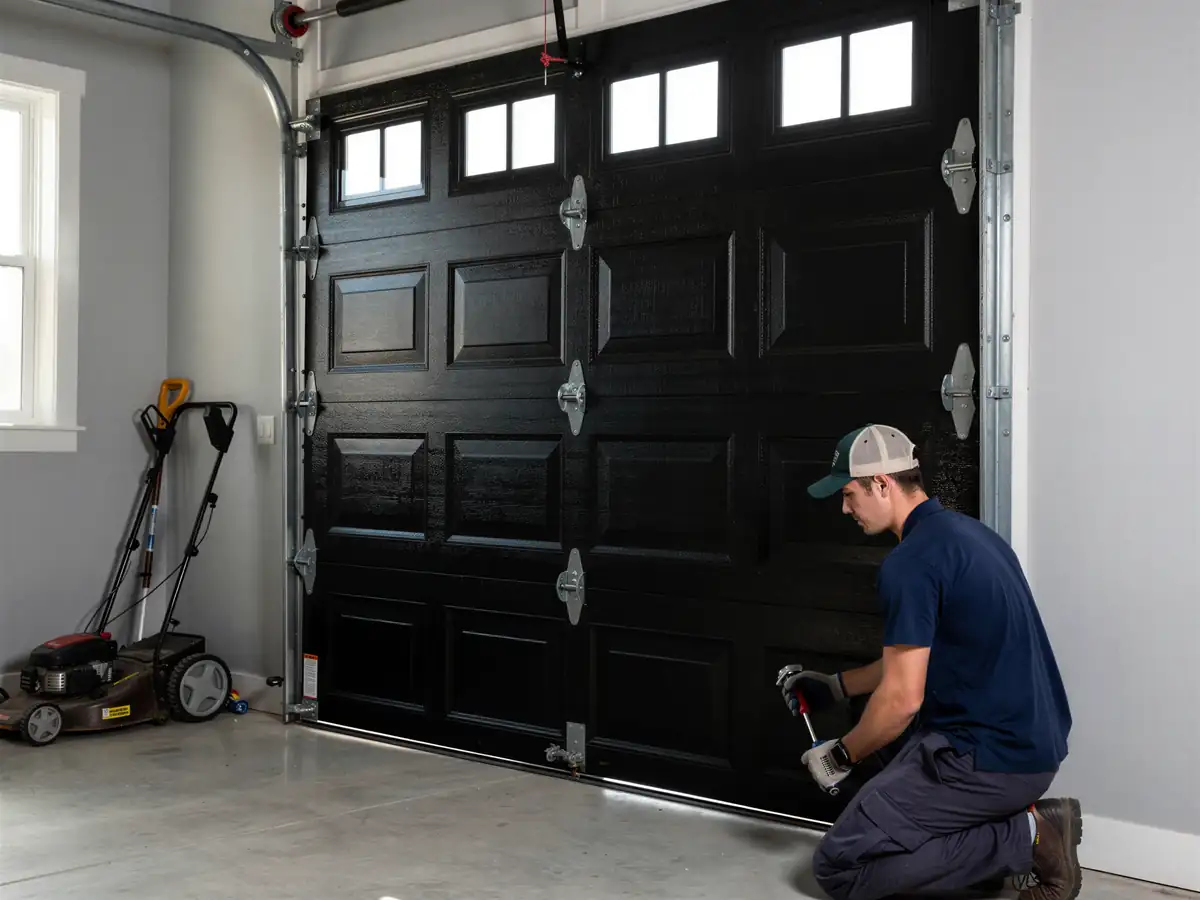
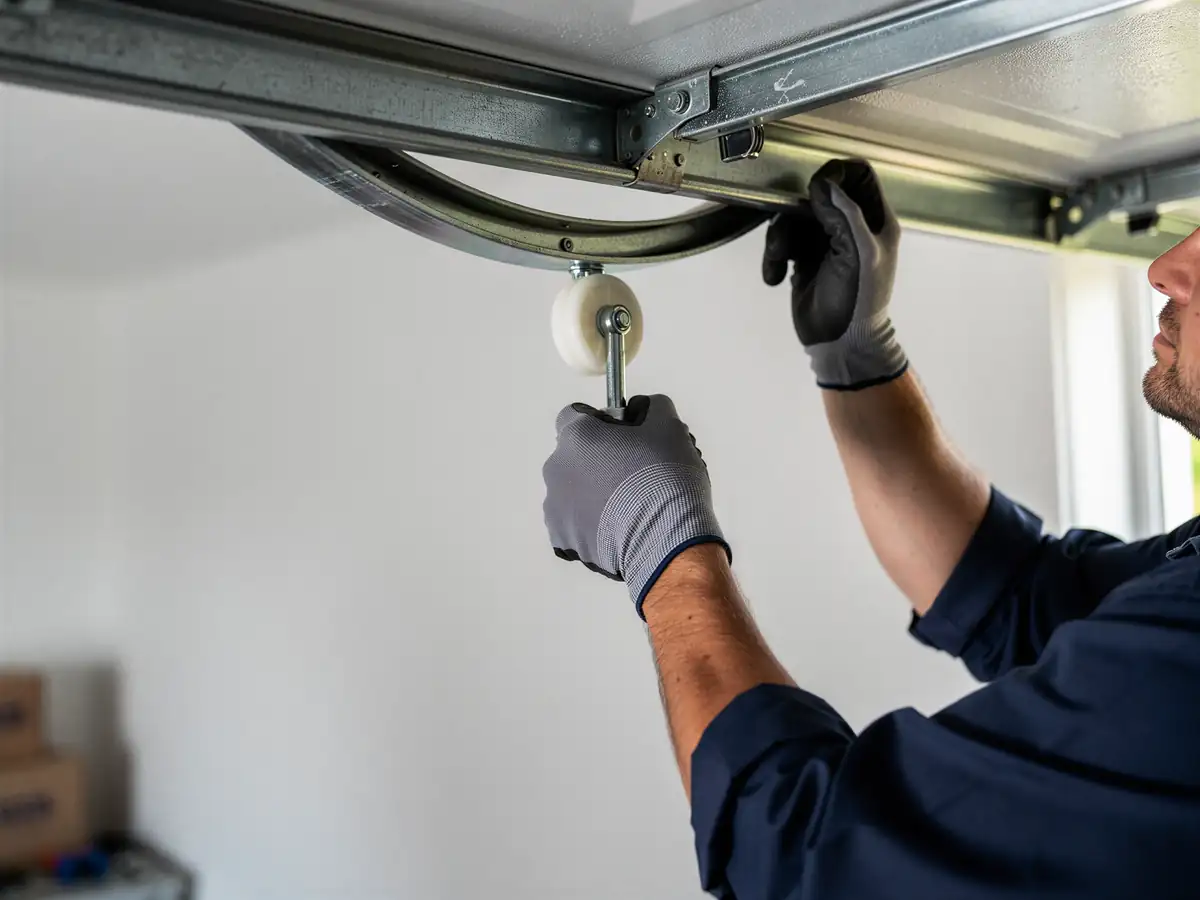
Roller replacement is a hands-on job, not a quick glance. Every roller on both tracks gets pulled and checked, not just the one that's making noise, because if one roller on a 1980s-era bracket set has worn out from age and cold-weather flexing, the others on the same door are usually close behind. We check the stems, the bearings, and how each roller sits in the track before deciding whether it's a full set swap or a partial one.
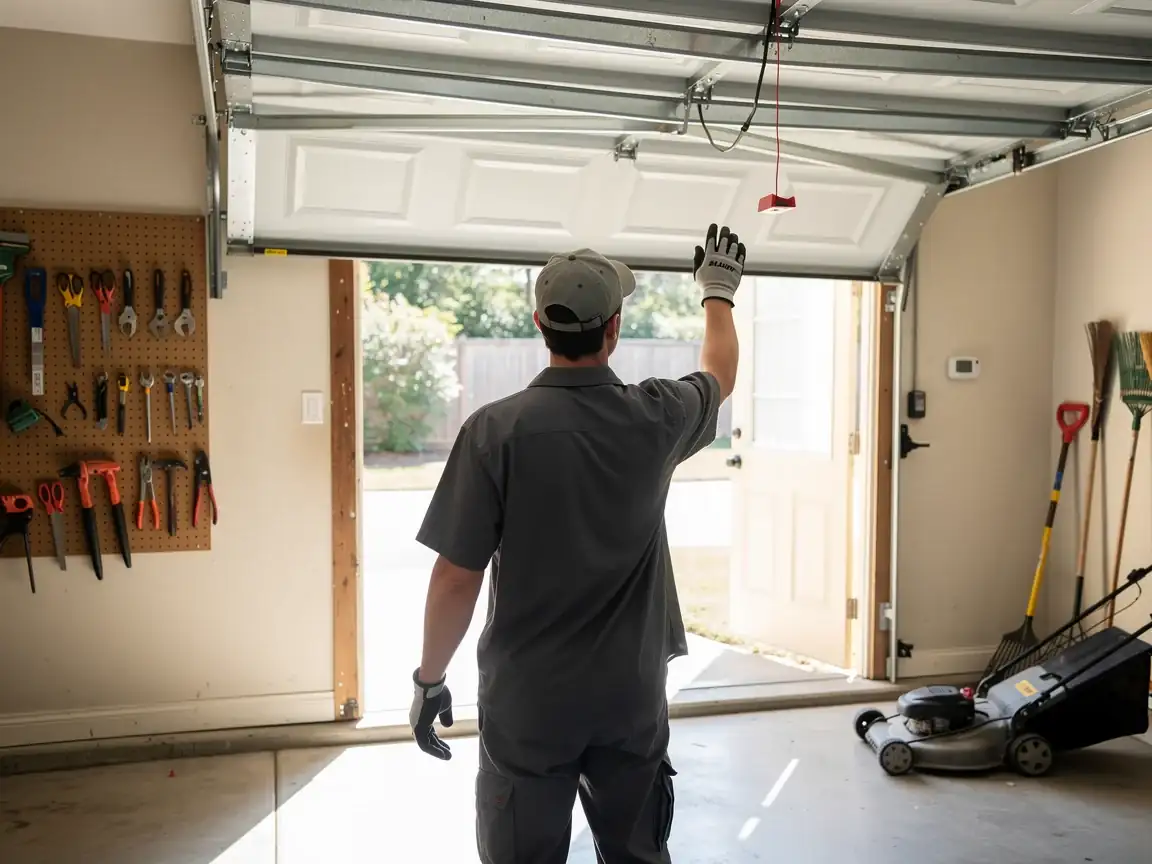
On doors where the bottom brackets are under spring tension, this is not a job to rush through, and it's not one where cutting corners is worth the risk to fingers or to the door itself. We go track by track, roller by roller, and test the door's travel after each side is done rather than guessing that it's fixed and moving on. If a track has already been grooved by a failed roller, that gets flagged separately, because a new roller riding in a damaged track will just wear out again.
Why This Fails Locally
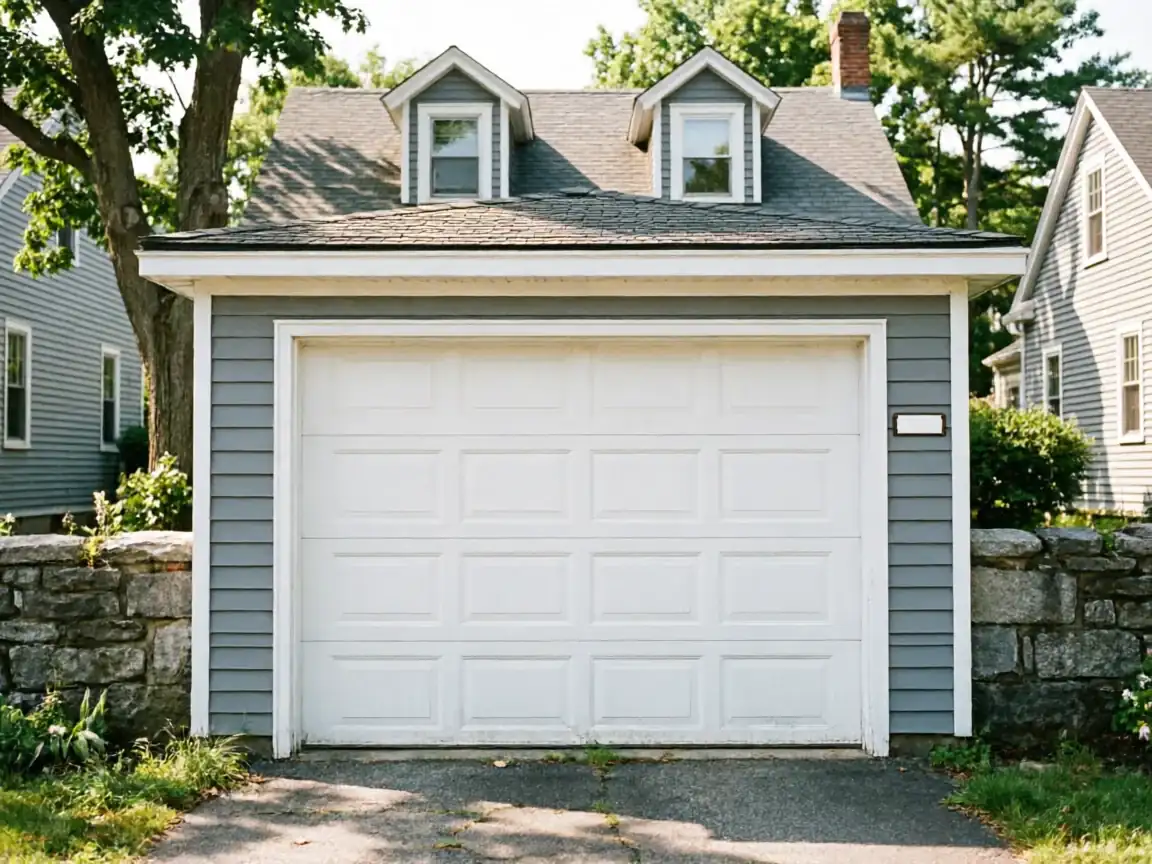
Most of the housing across this service area went up between 1938 and 1997
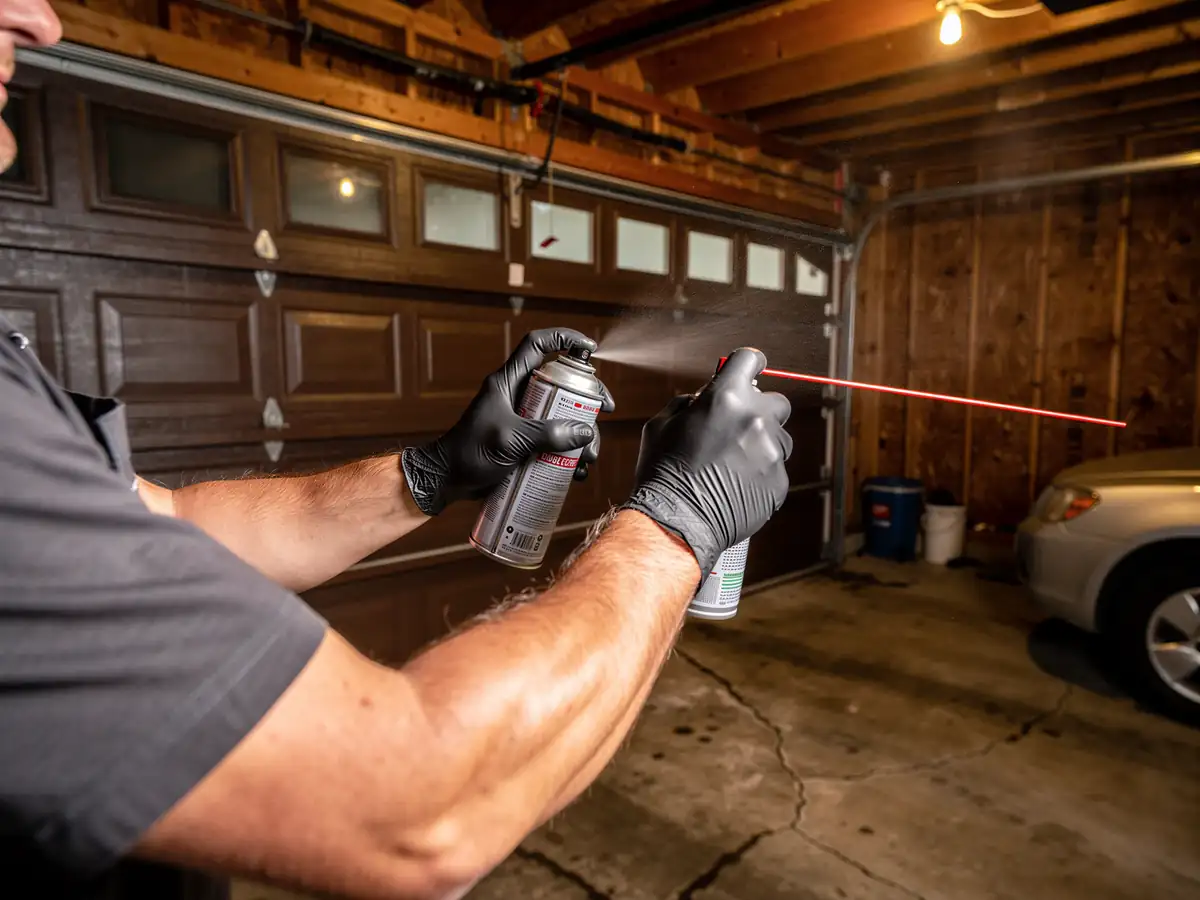
With the bulk of it dating to the 1980s and 90s across the 45 named neighborhoods and towns we work in. That generation of garage door hardware used steel rollers with open bearings as standard, not the sealed nylon rollers that show up on newer installs. Steel-on-steel rollers don't tolerate temperature swings well, and this region sits in a severe cold climate band, which means repeated freeze-thaw cycles every winter. Metal contracts in the cold, grease stiffens or gets pushed out of the bearing, and the roller starts binding on the stem instead of spinning free.
That combination - original-era steel rollers plus a hard winter climate
Is exactly why roller failure shows up so often in homes from this build era. It's not a sign anything was built wrong; it's a sign the hardware has simply reached the end of its service life under the conditions it's been run in for decades. Homes built more recently with sealed nylon rollers tend to go longer before this symptom shows up, but the older stock that makes up most of the area's garages is right in the window where this fault is common.
Can You Do This Yourself
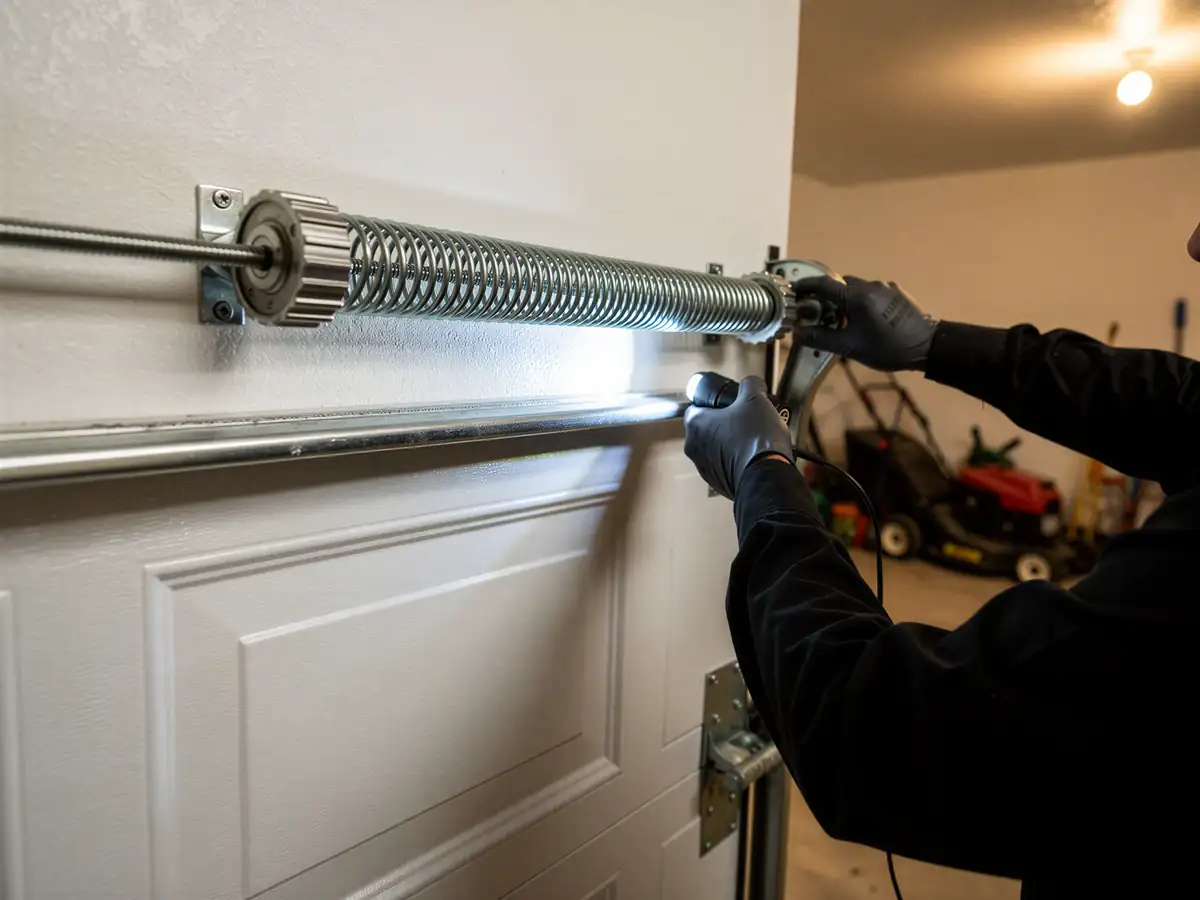
Replacing a roller on the open end of the track, away from the spring and cables, is within reach for someone comfortable with hand tools and a bit of patience. You loosen the bracket, slide the old roller out, and seat the new one. That part isn't the dangerous part.
The bottom two rollers are a different story. Those brackets are attached to the cables that run under spring tension, and pulling the wrong bracket while the door is down and the spring is loaded can snap a cable or let a panel drop. We won't pretend that's a simple swap, and if you're not sure which rollers you're looking at, it's worth a call before you start pulling brackets.
We also won't tell you a full roller set always needs replacing when one is bad - sometimes a single cracked roller really is a single cracked roller, and swapping the whole set is money you didn't need to spend. Honest diagnosis before parts get ordered saves you from both outcomes: a job done twice, or a job done bigger than it needed to be.