The Situation
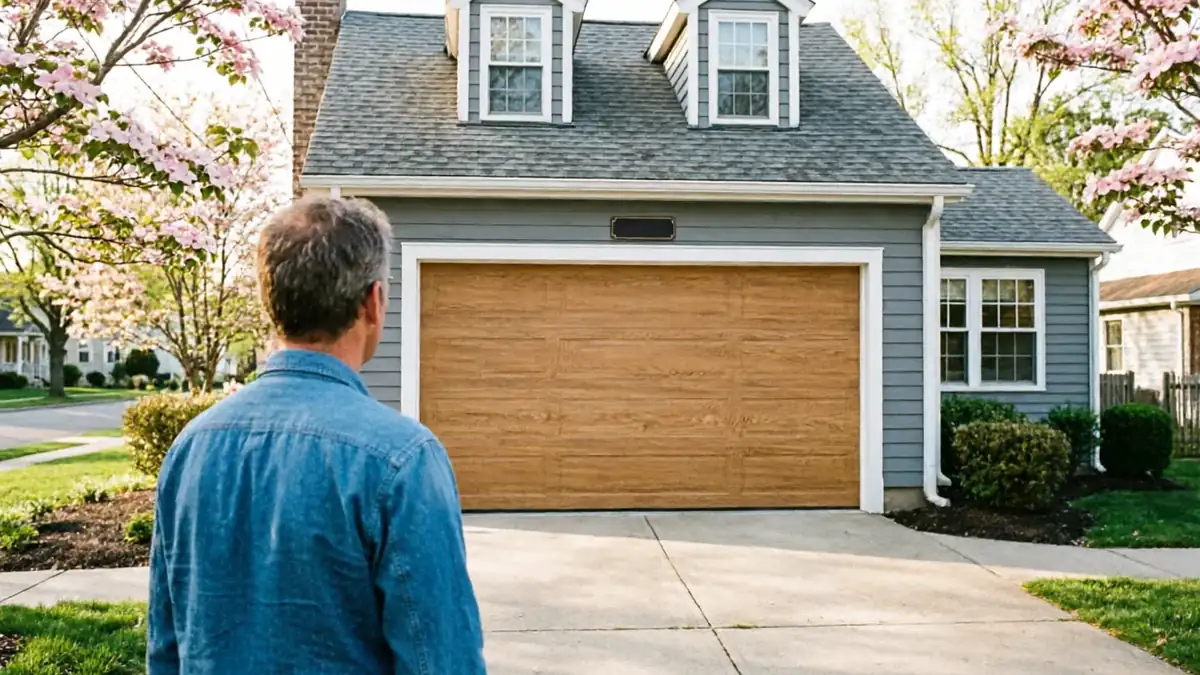
Most of the housing stock around Manchester went up between 1938 and 1997, with the median build year landing at 1982. That one number tells you a lot. A door bought in 1982 is on its third or fourth opener by now, but the door panel itself, if nobody's touched it, is often original - a steel sectional with foam that's lost most of its R-value, or an older wood door that's been painted over a dozen times. Across the 45 named areas that make up this market, the bulk of the stock is 1980s-90s construction, so this isn't a problem unique to one street. It's a problem baked into the age of the housing. If your house was built in that window and the door looks original, it probably is, and that changes what 'replacement' means versus just swapping parts.
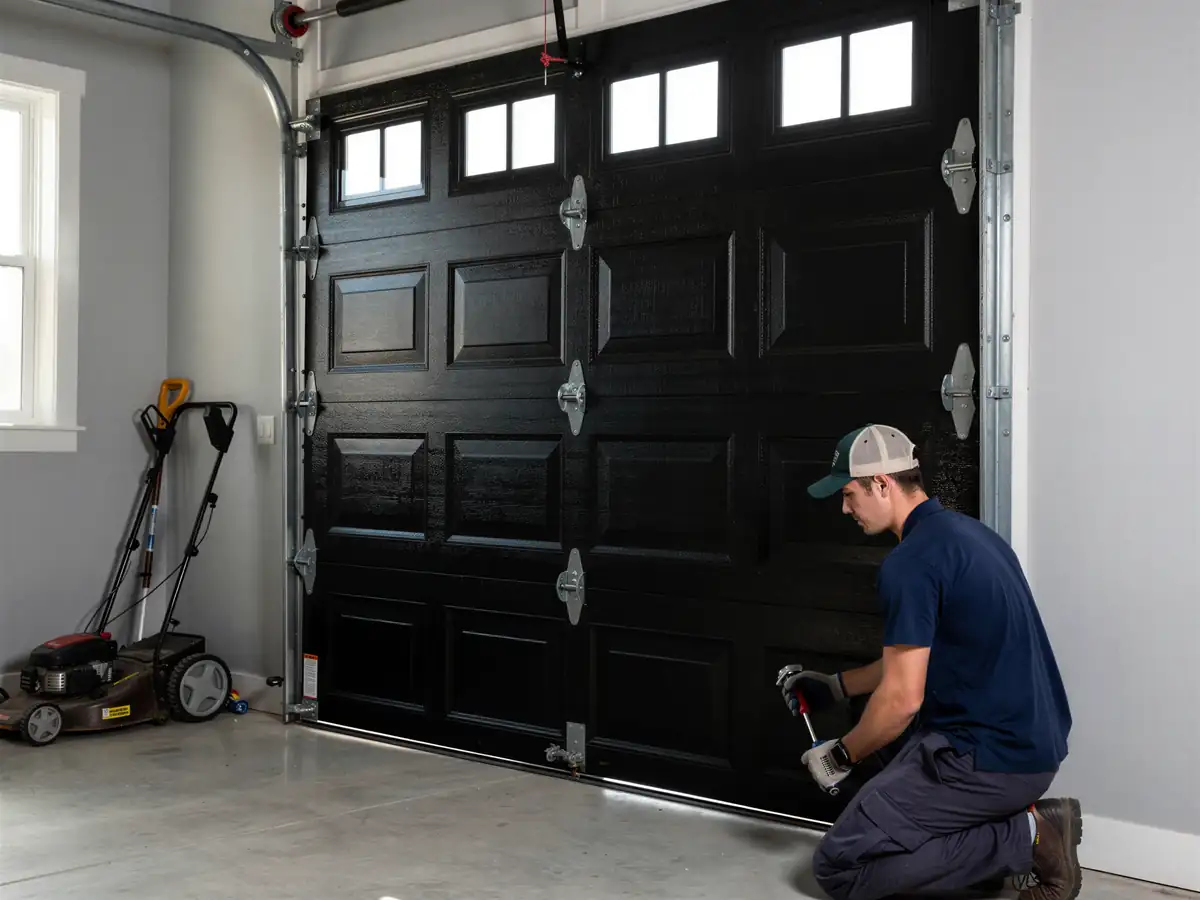
This matters because a door bought new in the early '80s was built to a different standard than what's sold today - thinner steel, single-layer insulation if any, and track hardware sized for the openers of that era. When one of those doors fails, you're rarely looking at a simple panel swap. You're looking at a full replacement, because the old track and spring system often won't take a modern door anyway.
What to Look At First
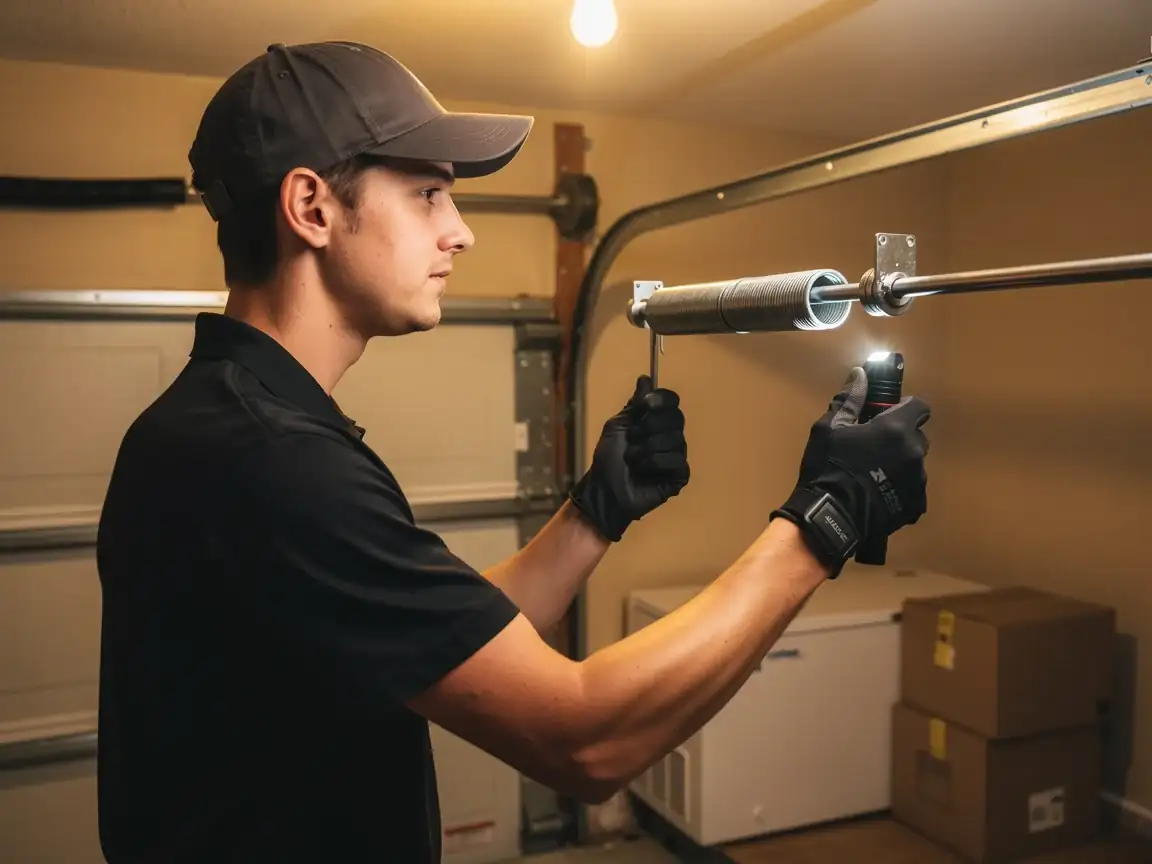
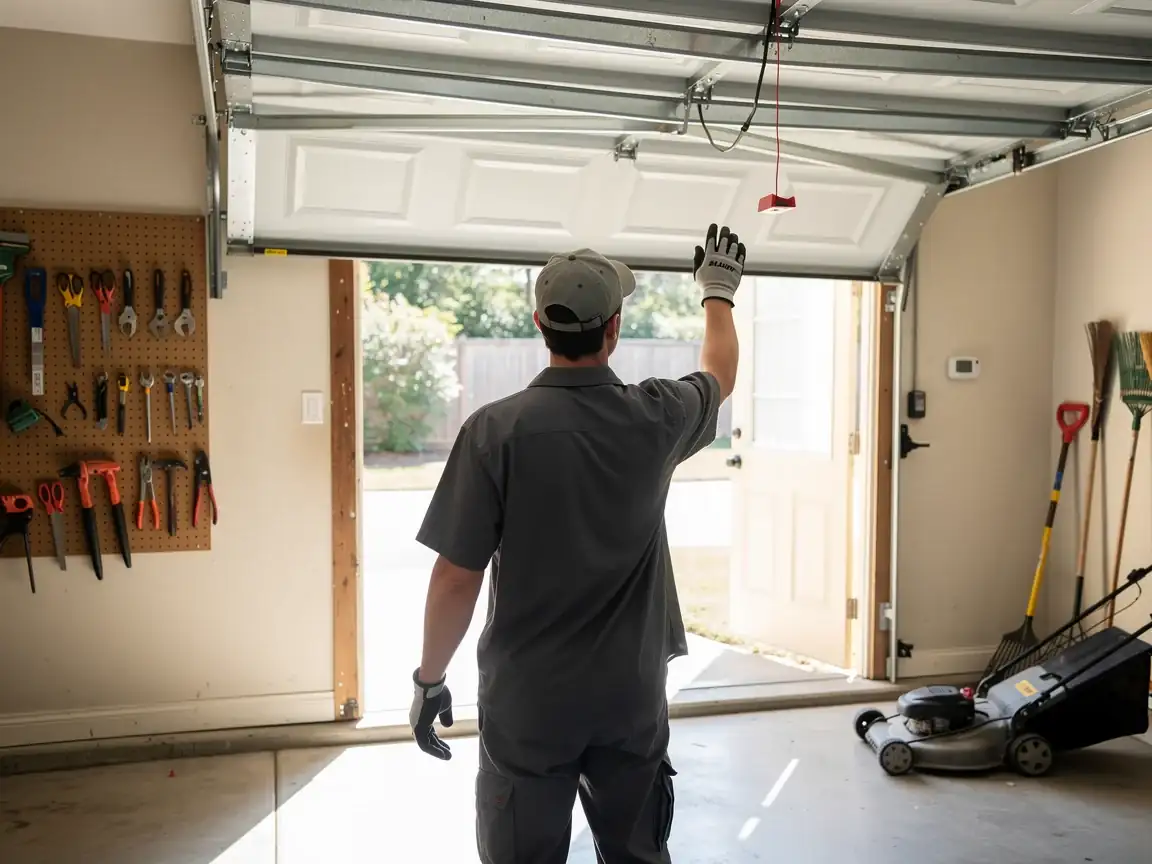
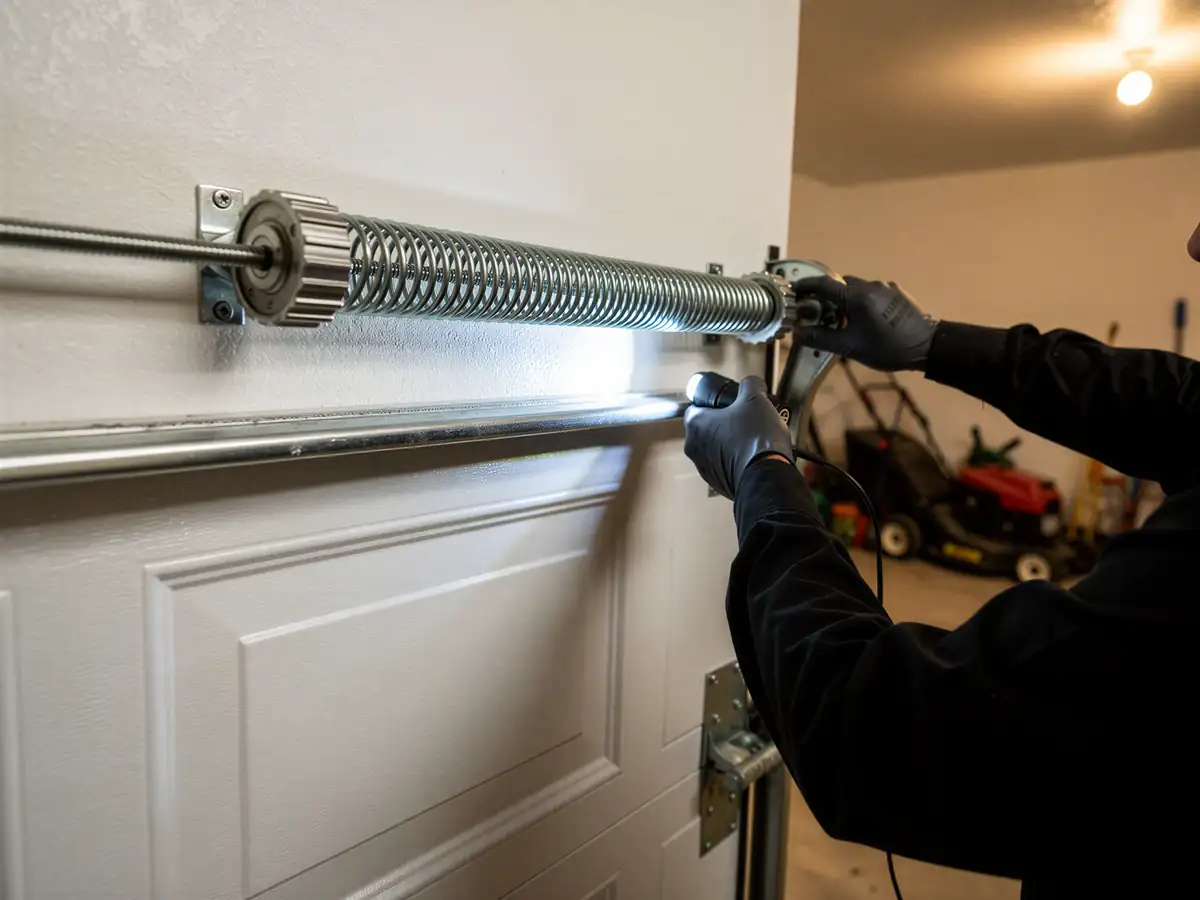
Before you call anyone, open the door by hand with the opener disconnected and see how it moves. If it's hard to lift or drops fast, the torsion spring is tired - common on doors from the 1982-era median age group, since springs don't last 40 years regardless of how well the door looks. Next, check the bottom panel for rust or rot where it meets the slab; on original-build doors in this area that's usually the first place to go. Look at the track mount - older installs sometimes used wood jamb framing that's shifted over four decades of freeze-thaw, which is routine for housing built before the newer code cycles.
If the door is original to a house built in that 1938-1997 range, don't assume a new opener fixes anything. The opener and the door are two different clocks, and a lot of homeowners here replace the opener in the 2000s while the door itself is still the one that shipped with the house. Pull the model sticker if there is one. If there isn't, that's itself a sign of age worth factoring into the decision.
Leaving It Alone
Not every door needs replacing
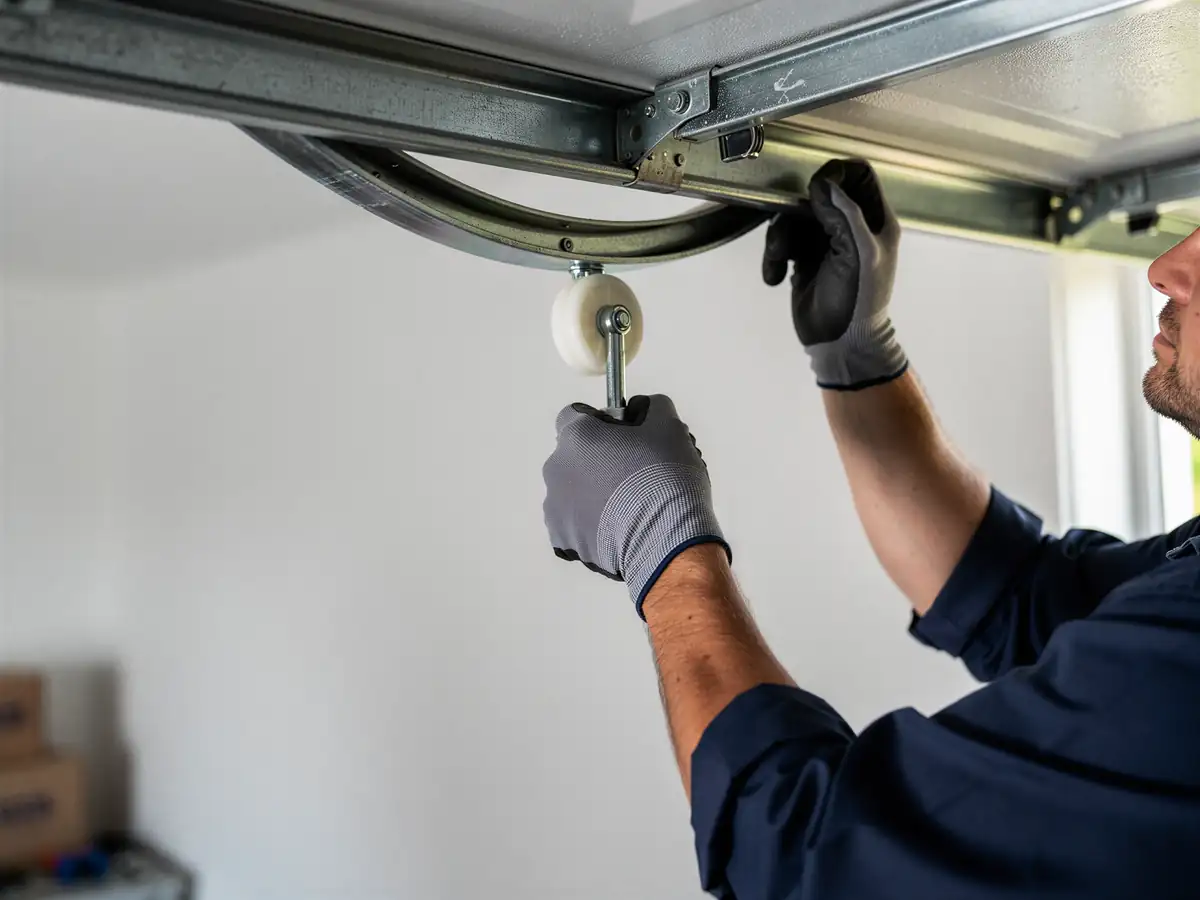
And I'll say that plainly: if the panel is sound, the track is square, and the only issue is a worn roller or a weak spring, fixing those parts costs a fraction of a new door and buys years. Where I draw the line is insulation and air sealing - a single-layer steel door from the 1980s-90s stock common here just doesn't hold heat the way a current double-layer door does, and in a cold-severe climate that gap shows up on the heating bill every winter, not just on a bad day.
The honest limitation
I can't tell you a repair will outlast a certain number of winters, because that depends on how the door's been used and stored, and that's not something I can put a number on without seeing it. What I can tell you is that if the frame or track mount is rotted, no amount of part-swapping saves it - at that point you're paying twice, once for the patch and again for the replacement a year later.
How Local Conditions Play In
Manchester sits in a cold-severe climate band, and that drives two decisions on a replacement door: insulation rating and the type of weatherstripping at the bottom seal. A door without a thermal break will ice at the bottom corners in a hard freeze, and on the older stock here - doors that predate current insulation expectations - that's a known failure point, not a surprise. Torsion springs also lose tension faster through repeated cold-to-warm cycling than they would in a mild climate, which is one more reason a 1980s-vintage spring on a 1982-median-age house is usually past due.
Across the service area, with roughly 82,285 owner-occupied houses out of 141,685 households, and a median household income around $115,712, most of what gets replaced here isn't emergency work - it's planned, because the owner caught the warning signs early. That's the better way to do it: notice the slow lift or the rust line before the spring snaps in January.