Time on the Job
The age of the house tells us more than the age of the door. Bedford's housing stock centers on 1990, a good decade past the median build year for the wider Manchester area, which sits around 1982. That gap matters because doors from the early '90s almost always shipped with galvanized steel rollers running on 2-inch track - a step up from the lighter stamped track common on older stock, but still steel-on-steel, and steel rollers wear a specific way: flat spots, chipped edges, and a grinding sound as the bearing dries out.
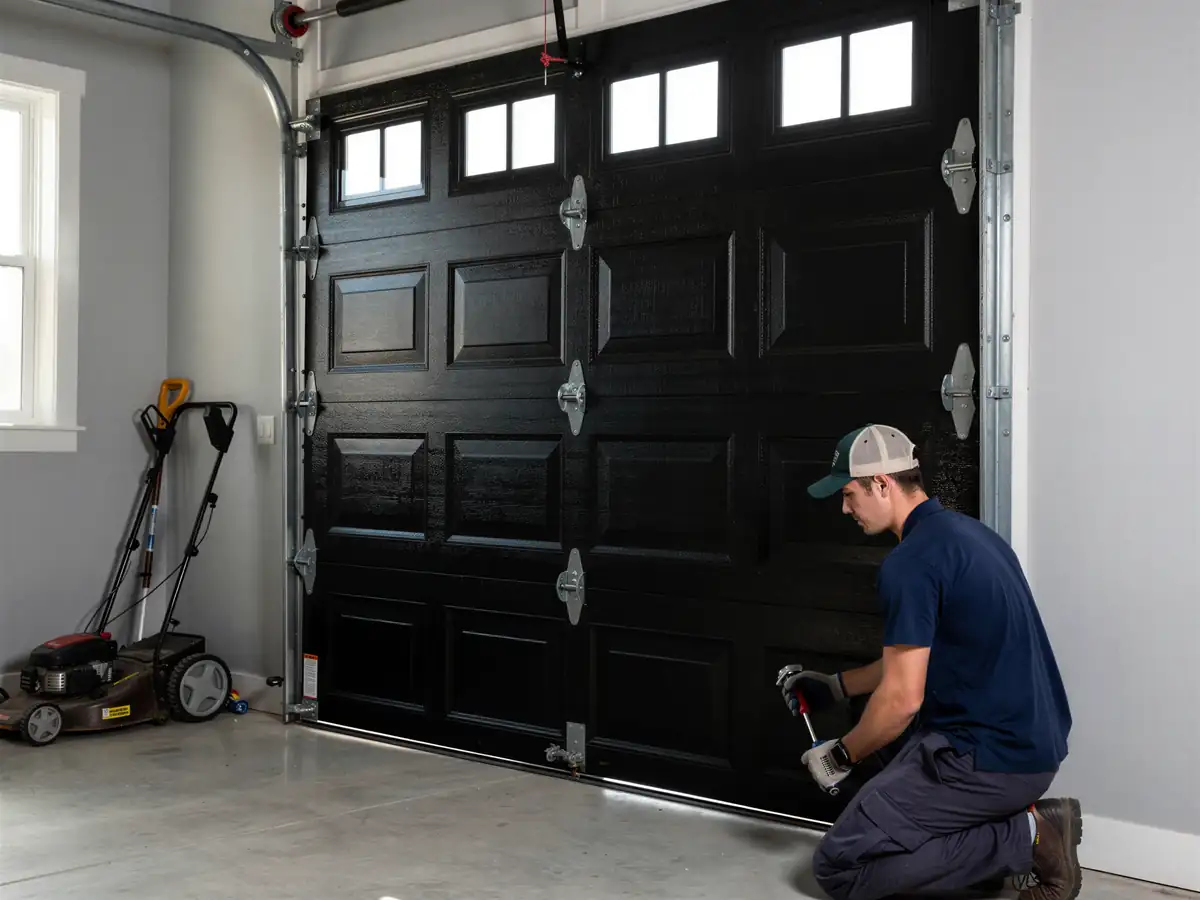
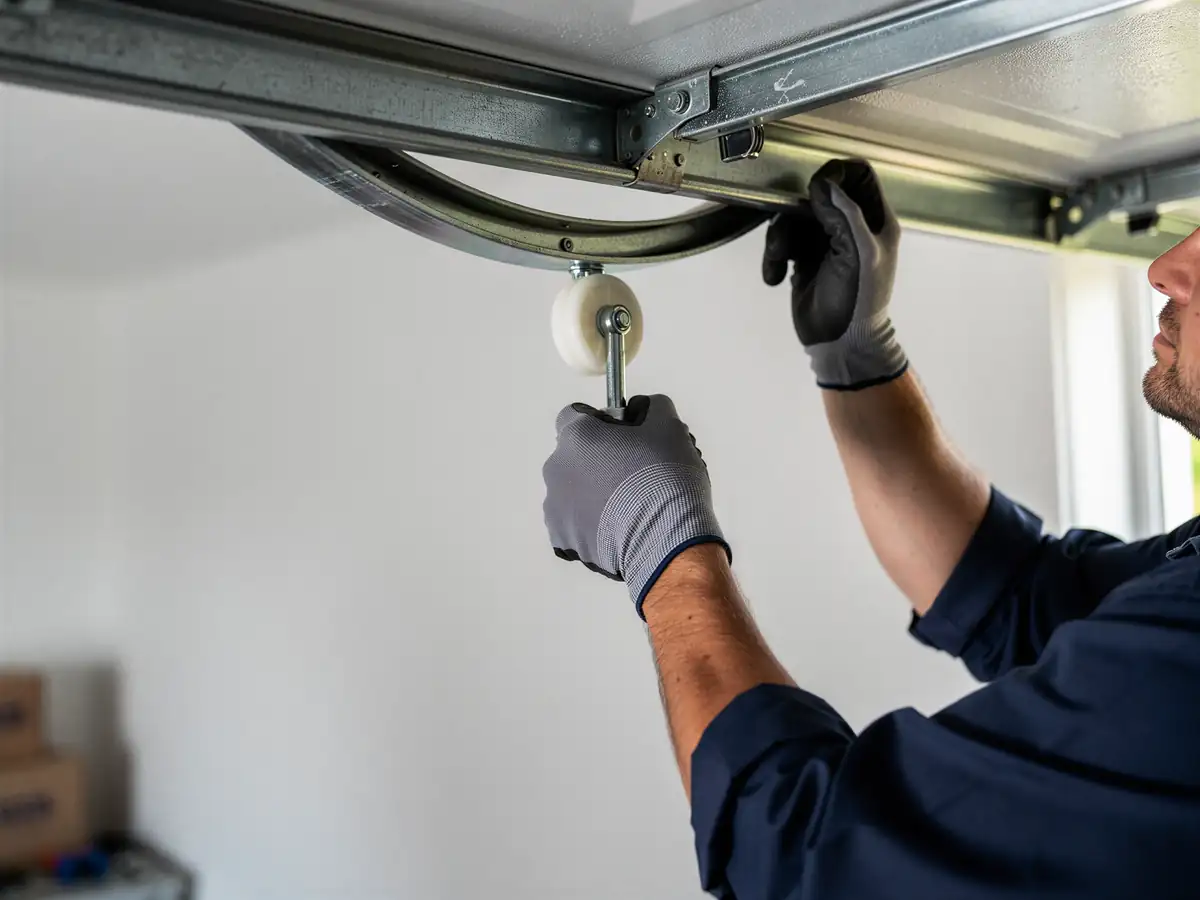
Most roller jobs on these doors are a single visit. We pull the old rollers, check the track for the wear pattern they left behind, and set new ones - usually nylon with sealed bearings, since that's the upgrade most owners want once they're already paying for labor. If the track itself is bent or the door is a double with a worn center bearing plate, that adds time, because we're not just swapping parts, we're truing hardware that's been carrying weight wrong for years.
We don't promise a number of minutes on site. Every door tells us something different once the panel's up and we can see the actual wear.
Where This Job Goes Sideways
The thing that turns a roller swap into a bigger job is cold. This region sits in a severe cold climate band, and steel rollers on steel track don't like repeated freeze-thaw cycling - moisture gets into the bearing, rusts it solid, and the roller stops turning freely inside its own stem. At that point the roller isn't rolling anymore, it's dragging, and it starts chewing a groove into the track instead of riding it.
On Bedford's early-90s doors specifically, we see this most on the bottom rollers, since those take the brunt of ground moisture and road salt thrown up from driveways. If a homeowner waits past the grinding-noise stage into the point where the door binds or jumps the track on the way up, we're no longer just replacing rollers - we're straightening or replacing a section of track too, and that's a longer job with more parts.
The honest limit here: if the track is bent in more than one spot, or the door's been dragging long enough to warp the bottom panel, roller replacement alone won't fix it. At that point we tell owners straight that they're looking at a door section too, not just hardware.
Parts We Carry
For doors from this era we stock both galvanized steel rollers and the sealed-bearing nylon rollers most Bedford owners end up choosing
Since nylon runs quieter and doesn't rust the way steel does in a severe cold climate. We carry stem lengths to match the stamped steel track typical of 1980s-90s construction across this whole service area, not just the newer rolled track some later remodels use.
What we don't stock on the truck is anything specialty
Oversized commercial rollers, odd European stem sizes, or rollers for doors that have already been modified with non-standard track. Those get ordered, and that adds a day or two. For a straight swap on a stock residential door built in the window this area was built in, we're carrying what we need on the truck already.
More on how we handle rollers across the broader area
Including the hardware mix we see across the rest of our Manchester service territory, is on our main roller replacement page.
How We Fix It
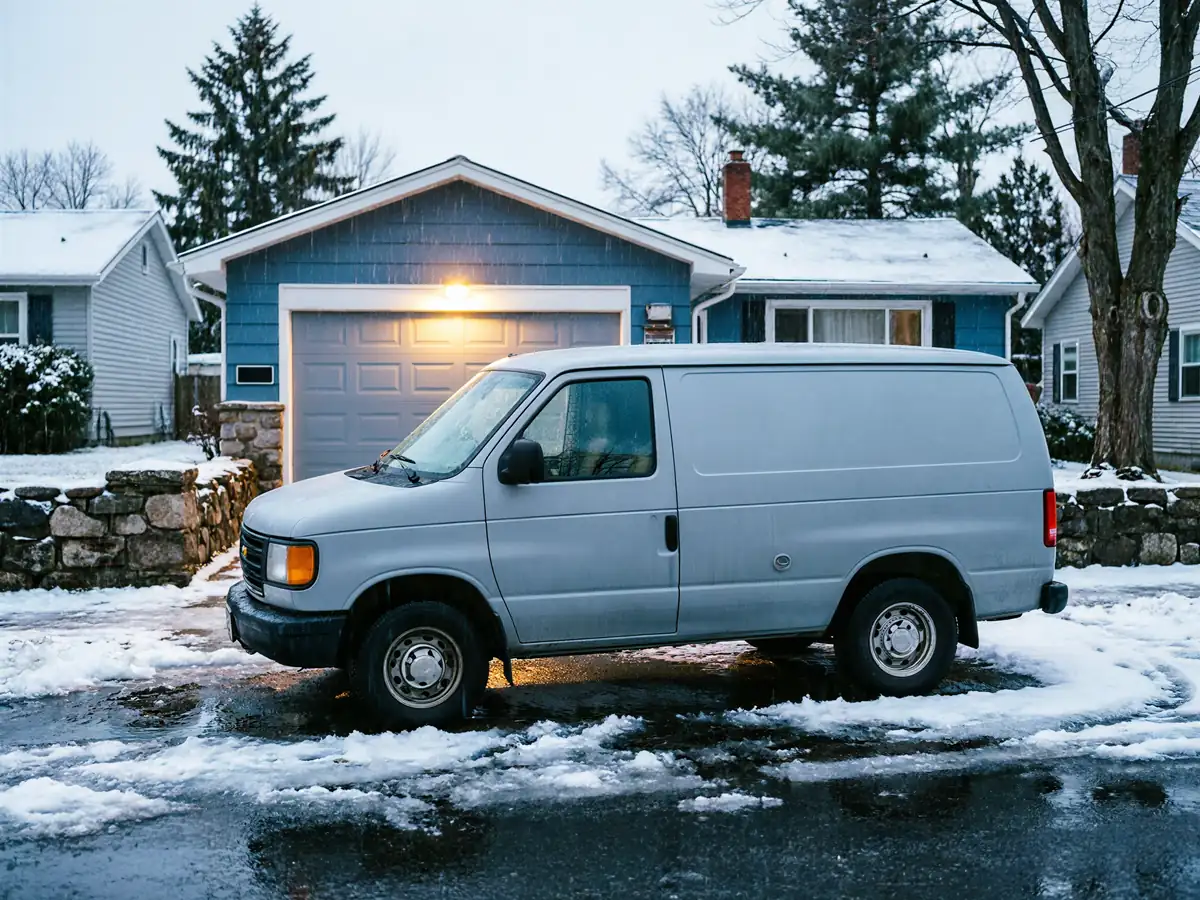
We come out from Manchester, about 6 miles to Bedford, and start by running the door by hand with the opener disconnected - that's the only way to feel which roller is actually binding versus which one just looks worn. Steel rollers on a 30-year-old track rarely fail one at a time cleanly; usually two or three are near the end together, so we replace the full set on a side rather than patching one and leaving the rest to fail in six months.
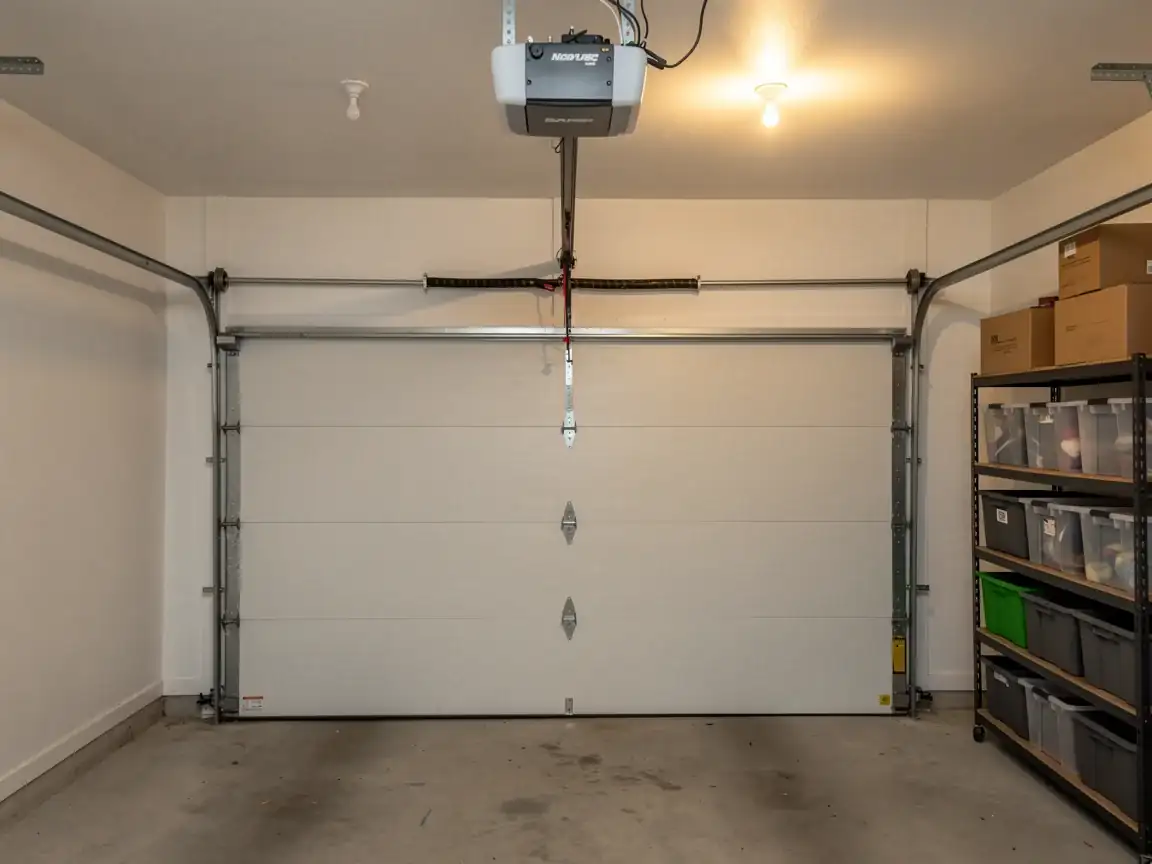
Once the new rollers are in, we check the track alignment against the jamb, since Bedford's income levels tend to mean more double-car doors with heavier sections, and a heavier door shows track misalignment faster than a single. We re-tension and run the door through a full cycle before we call it done.
If you're not sure whether what you're hearing is a roller problem or something in the opener chain, that's worth a look before you guess. See our Bedford area page for the rest of what we cover near you.