Time on the Job
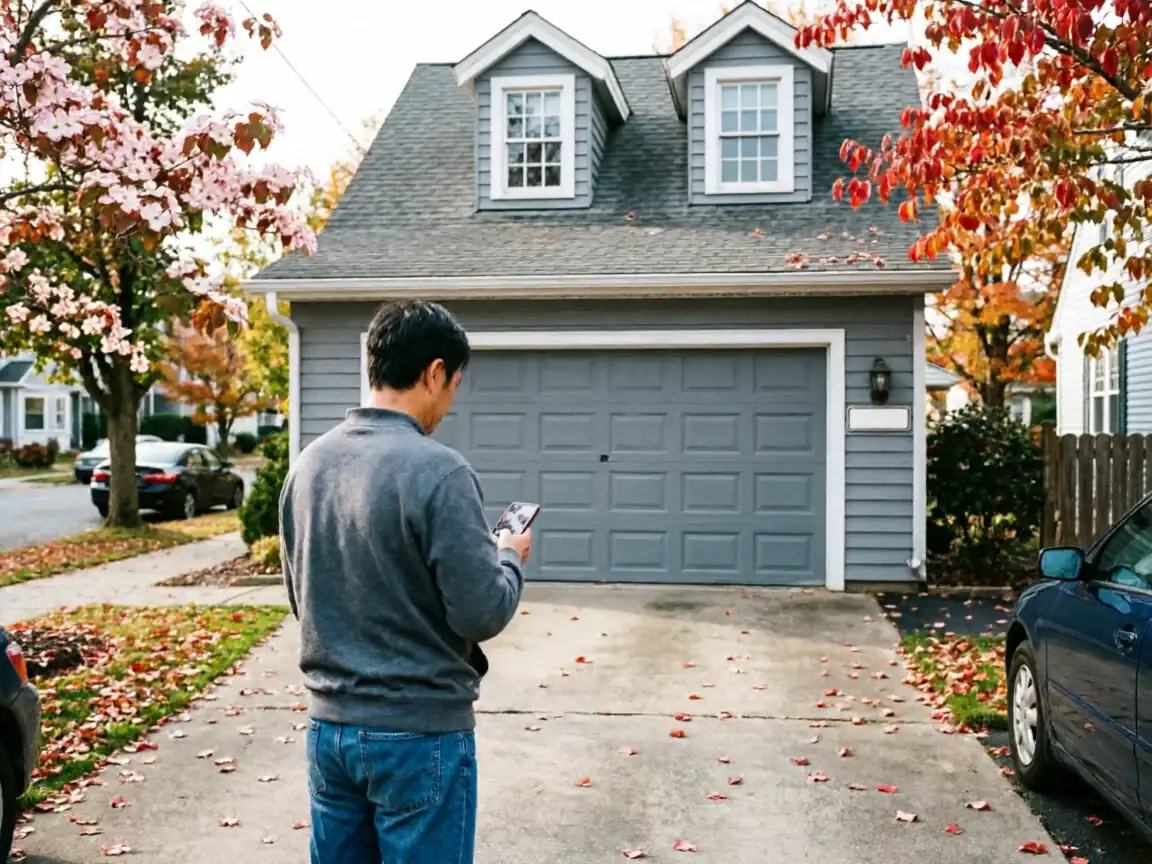
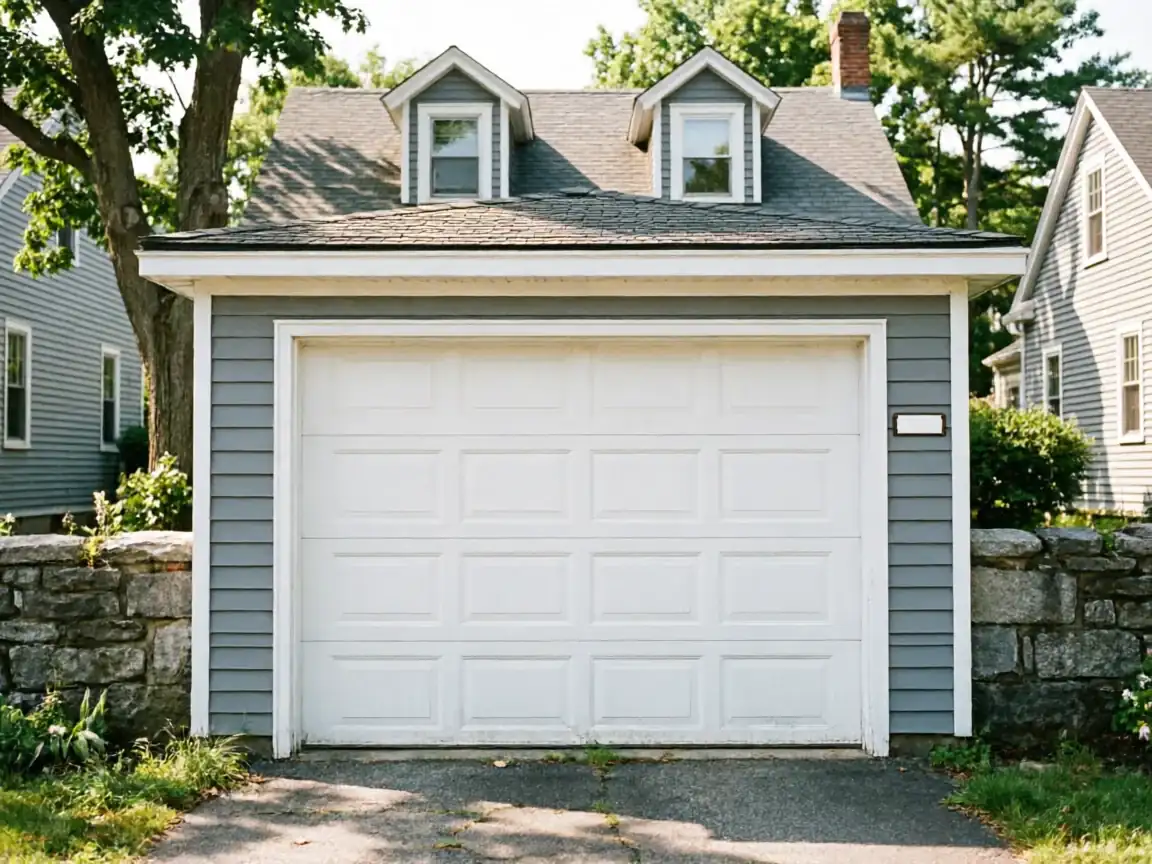
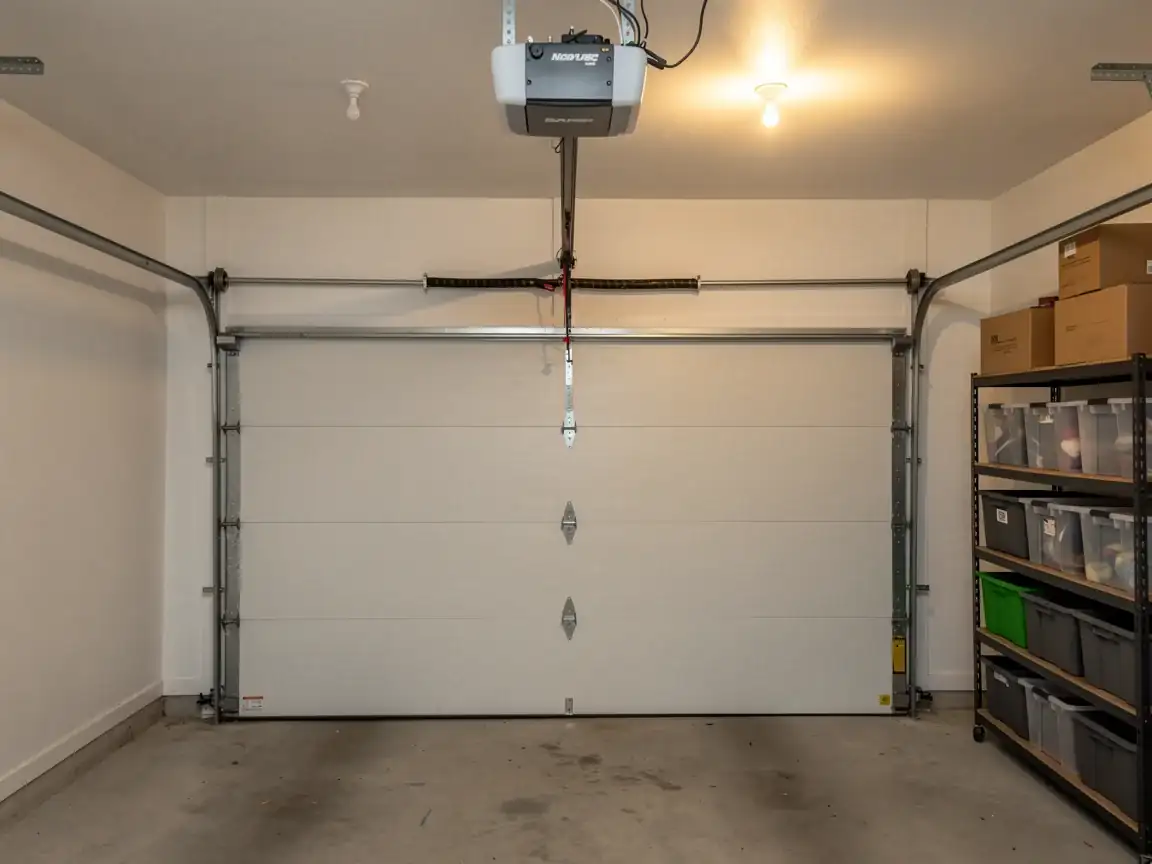
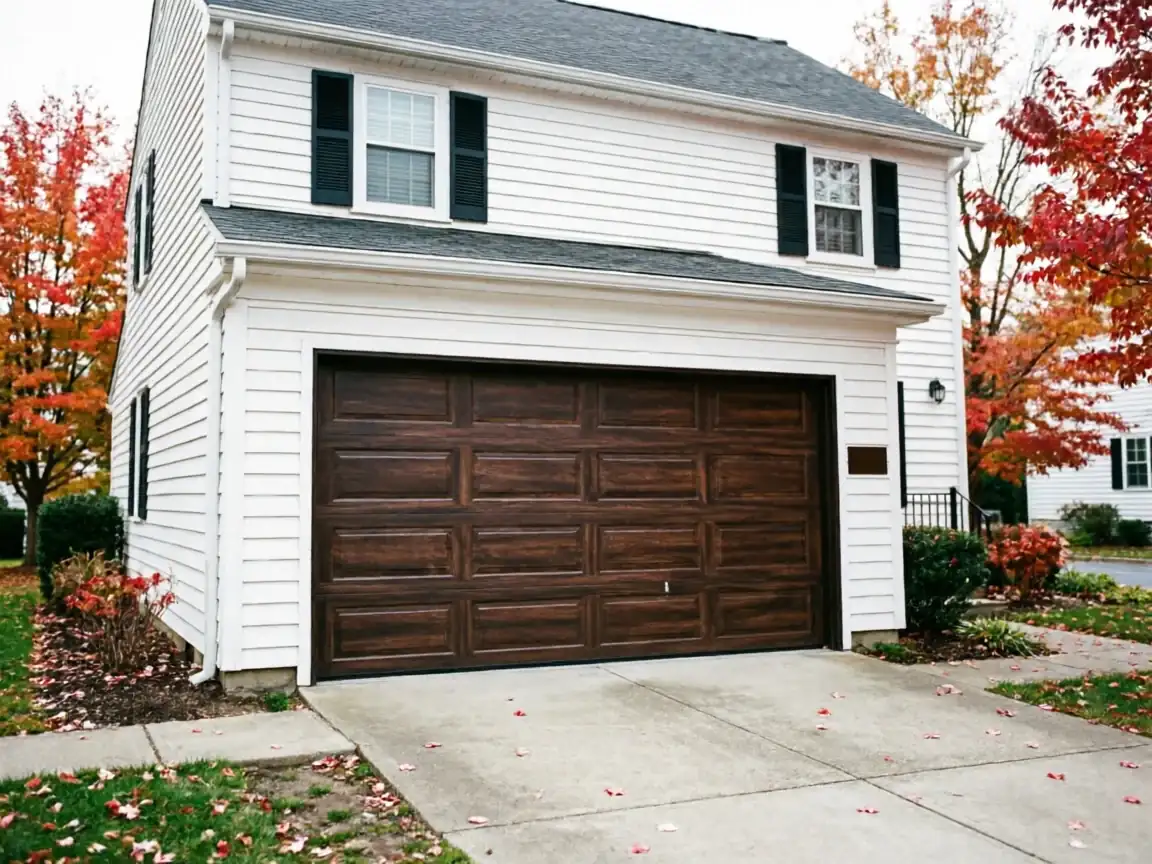
Bedford's housing stock centers on 1990, newer than a lot of what we see closer to Manchester, which sits in a service area with homes dating back to 1938. That later build year matters for panel work: most Bedford garages still have their original steel sectional doors, usually a 16x7 double or 8x7 single, with a factory-insulated core rather than the older hollow steel or wood panels you find on pre-1970 stock. We drive 6 miles out from Manchester for these jobs, and because Bedford's doors are a newer generation, the fix is often less about rot or warped wood and more about a cracked or dented insulated panel section that needs to be matched to a 30-plus-year-old color run. A straightforward single-panel swap on a door we can match same-day runs shorter than a full-door teardown; if we have to source a non-stock panel, expect the job to stretch past one visit.0
Where This Job Goes Sideways
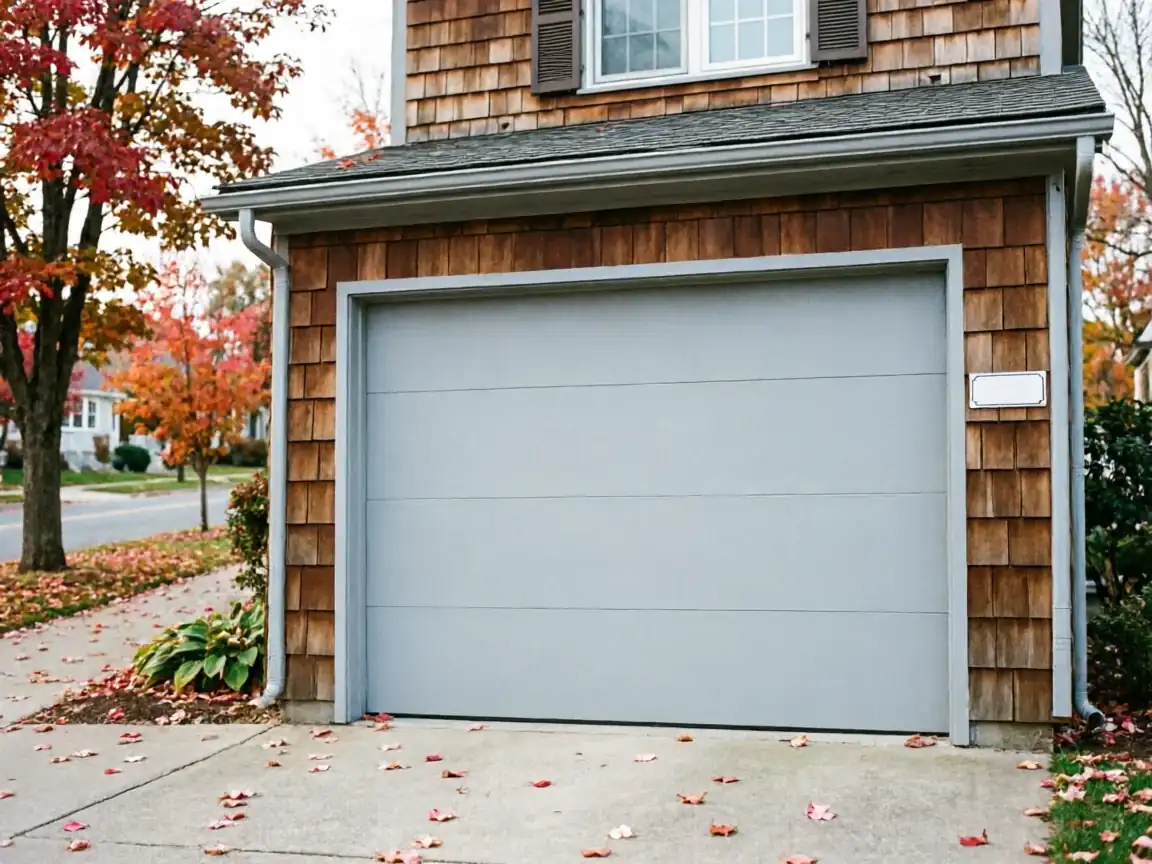
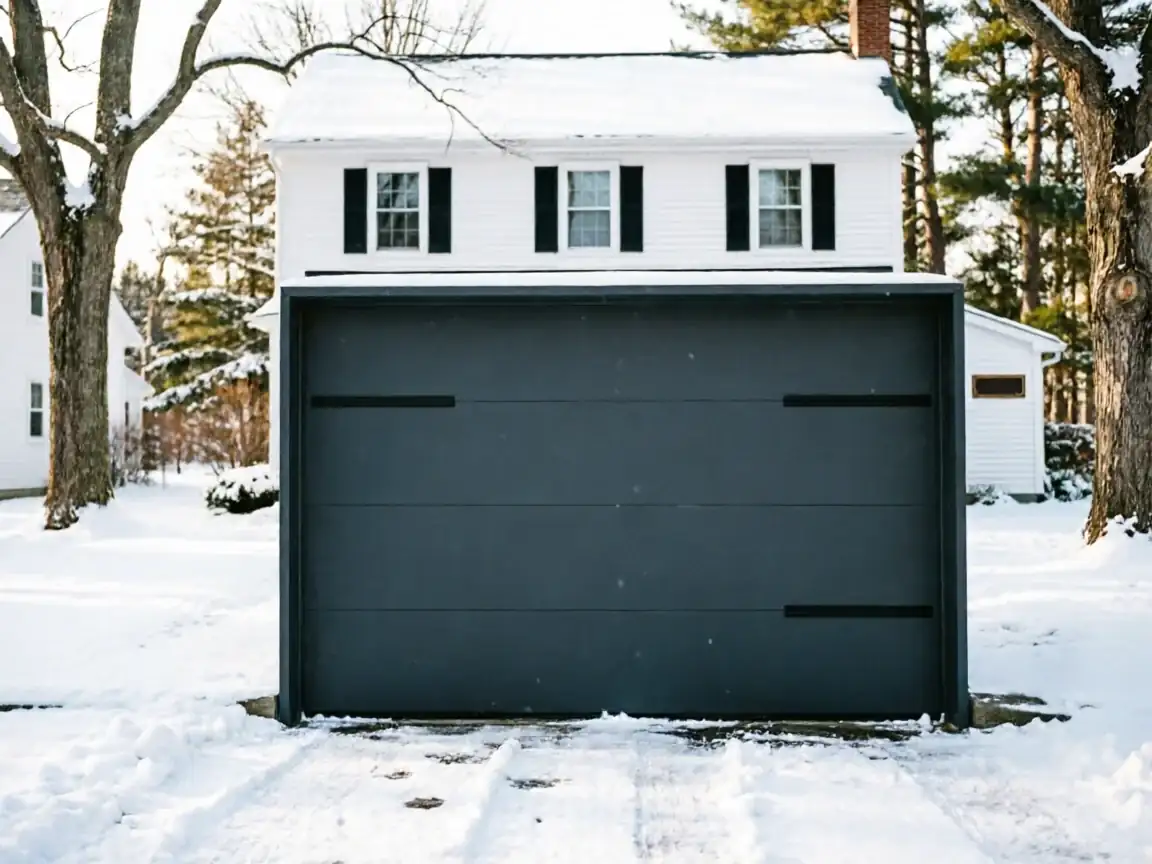
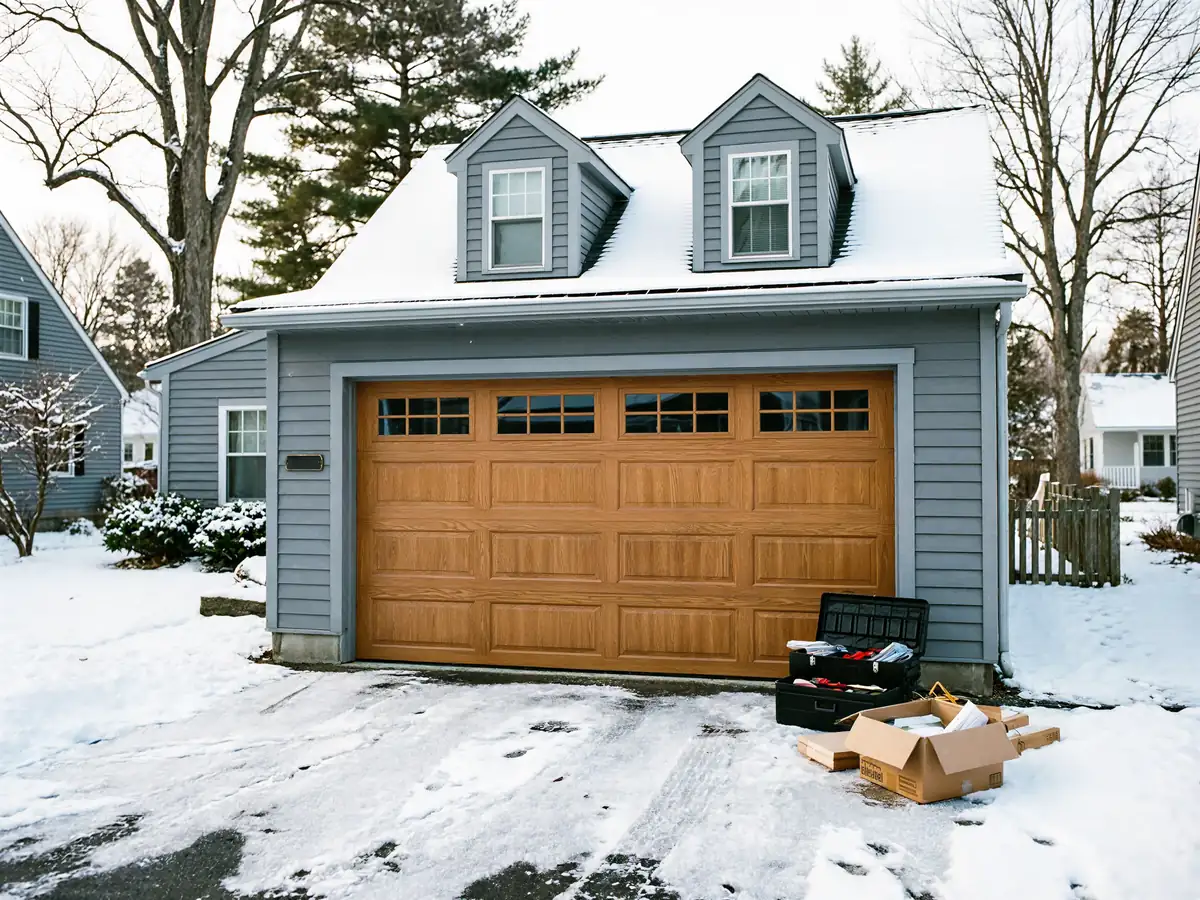
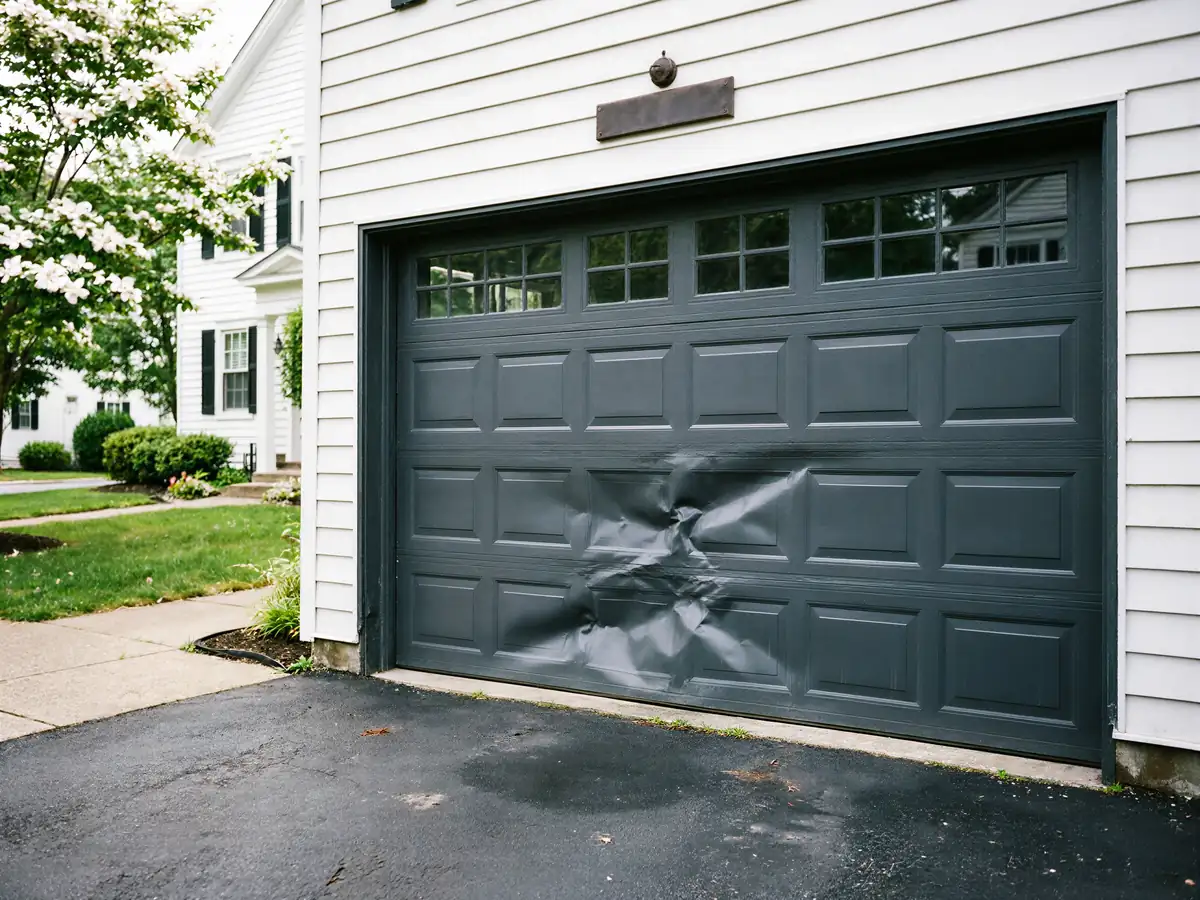
The complication in Bedford isn't the door's age so much as its insulation. A 1990-era steel panel almost always has a foam core bonded to the steel skin, and once that bond fails from a dent or a cracked seam, the whole section telescopes or bows instead of sitting flat in the track. We're working in a cold-climate zone here, so that foam core also takes a beating from the seasonal expansion and contraction between a heated garage and a Bedford winter outside. The other snag is color and profile matching. Doors from this build era came in dozens of embossed woodgrain and smooth-panel finishes that manufacturers have since discontinued, so a single replaced section can end up a visibly different shade or texture than the three panels next to it. We tell customers straight: if we can't match the panel close enough to pass a glance from the driveway, full-door replacement is the better call rather than a patch job you'll notice every time you pull in.
How We Fix It
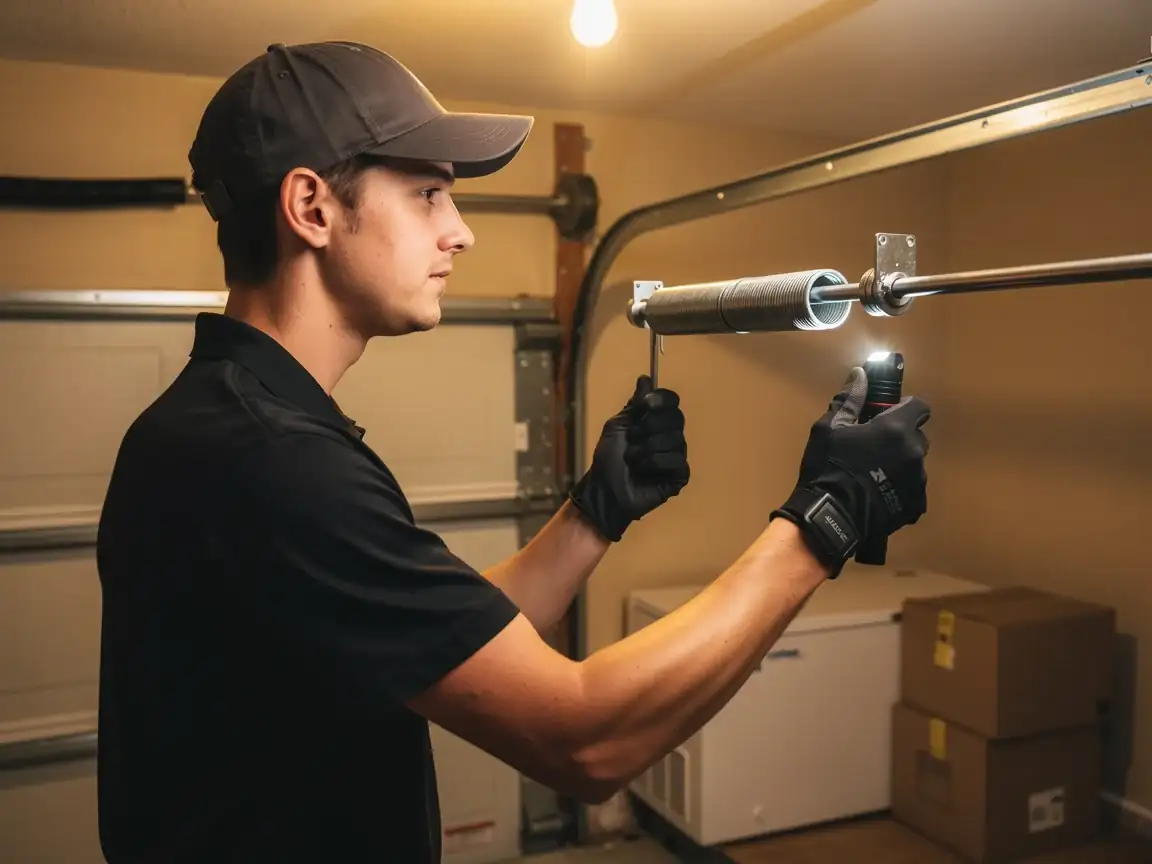
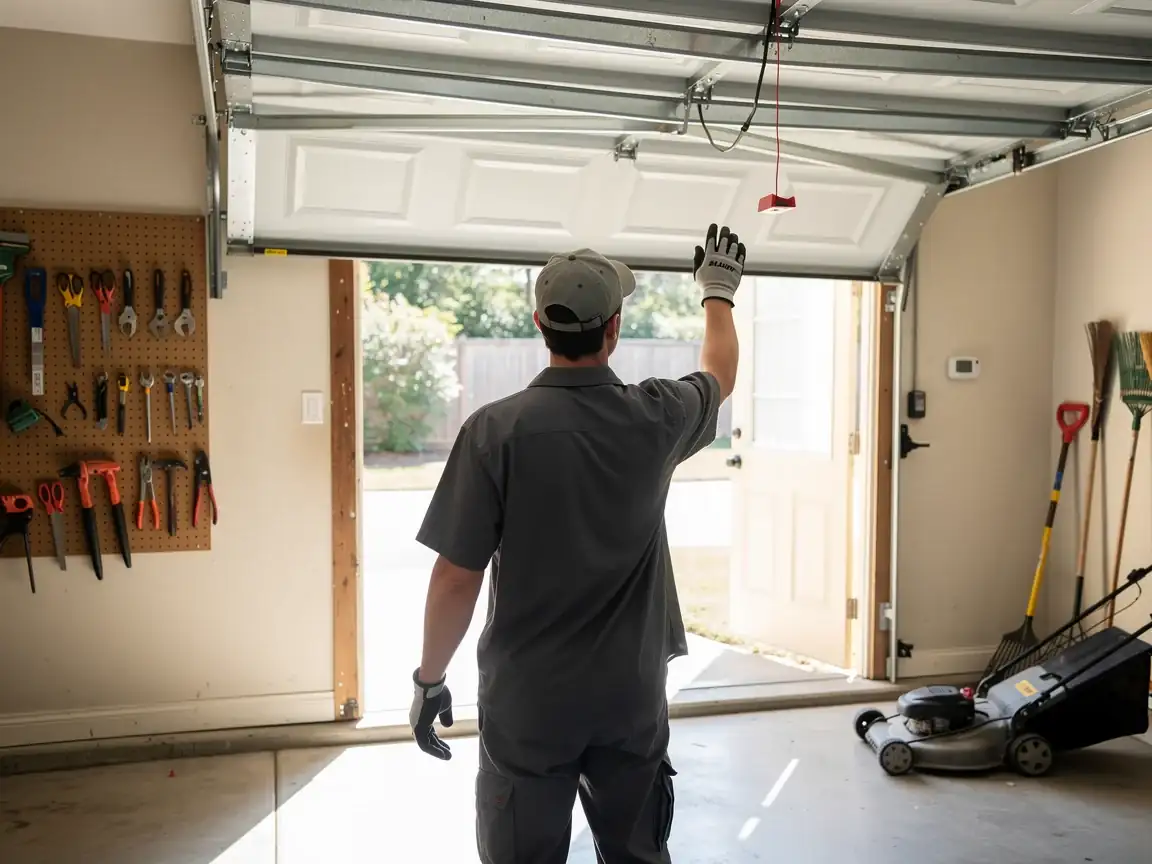
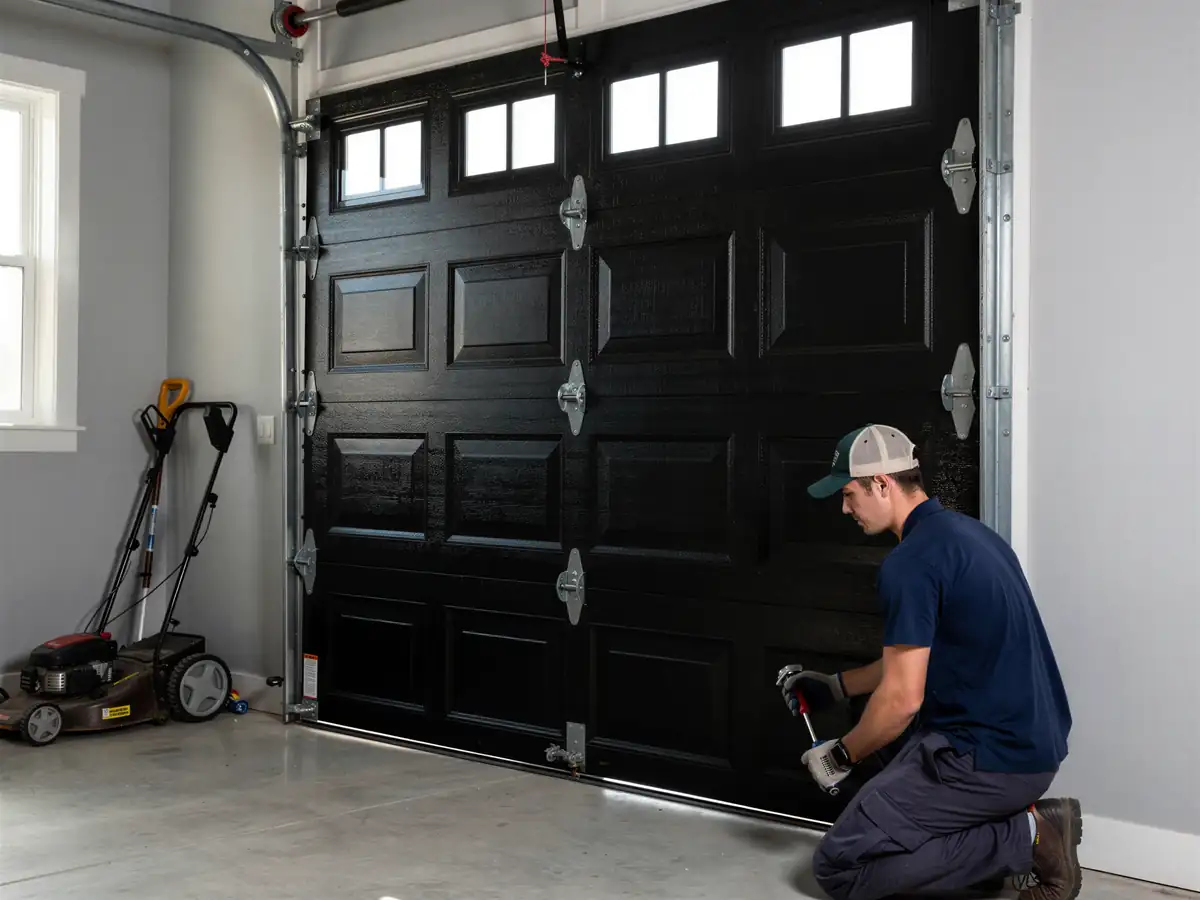
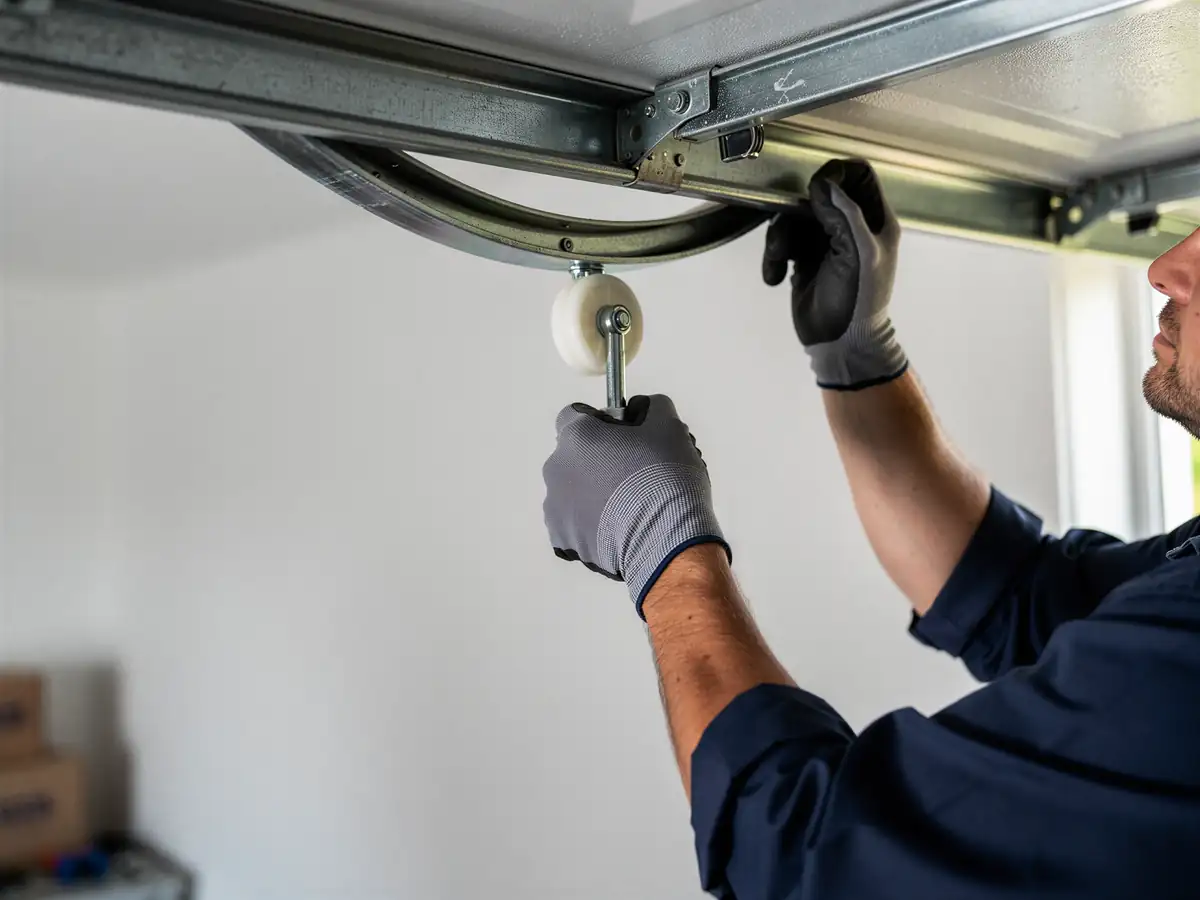
First we pull the door's model plate and panel section number off the back of an existing panel, since that number tells us whether a current-production replacement will bolt straight in or whether we need a special order. If it's a direct match, we pull the damaged section, transfer the hinges and roller brackets, set the new panel, and re-square the door in the track before testing the opener's travel limits against the new panel's weight. If the finish or profile has been discontinued, we walk you through the choice between a close-enough match on one panel or replacing the full door, since a mismatched panel on an otherwise clean 1990s door tends to bother people more than they expect once it's hanging there.