Time on the Job
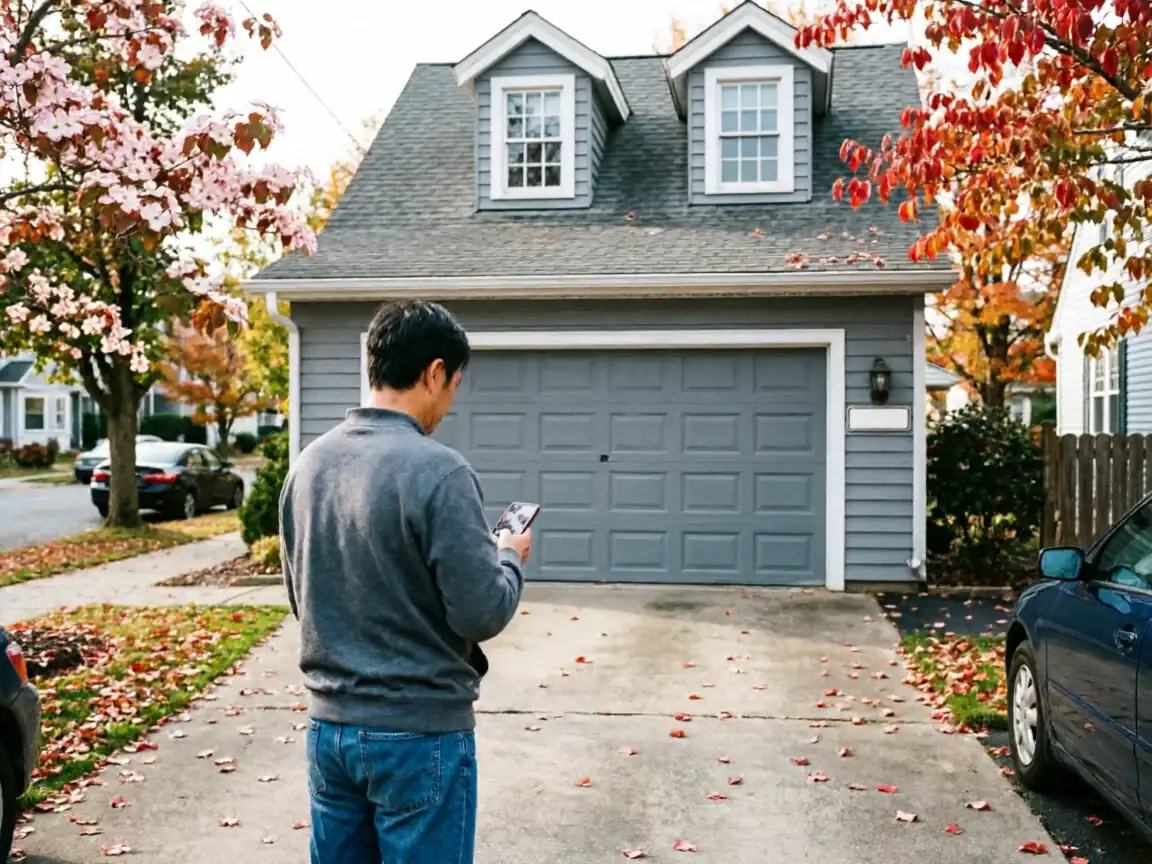
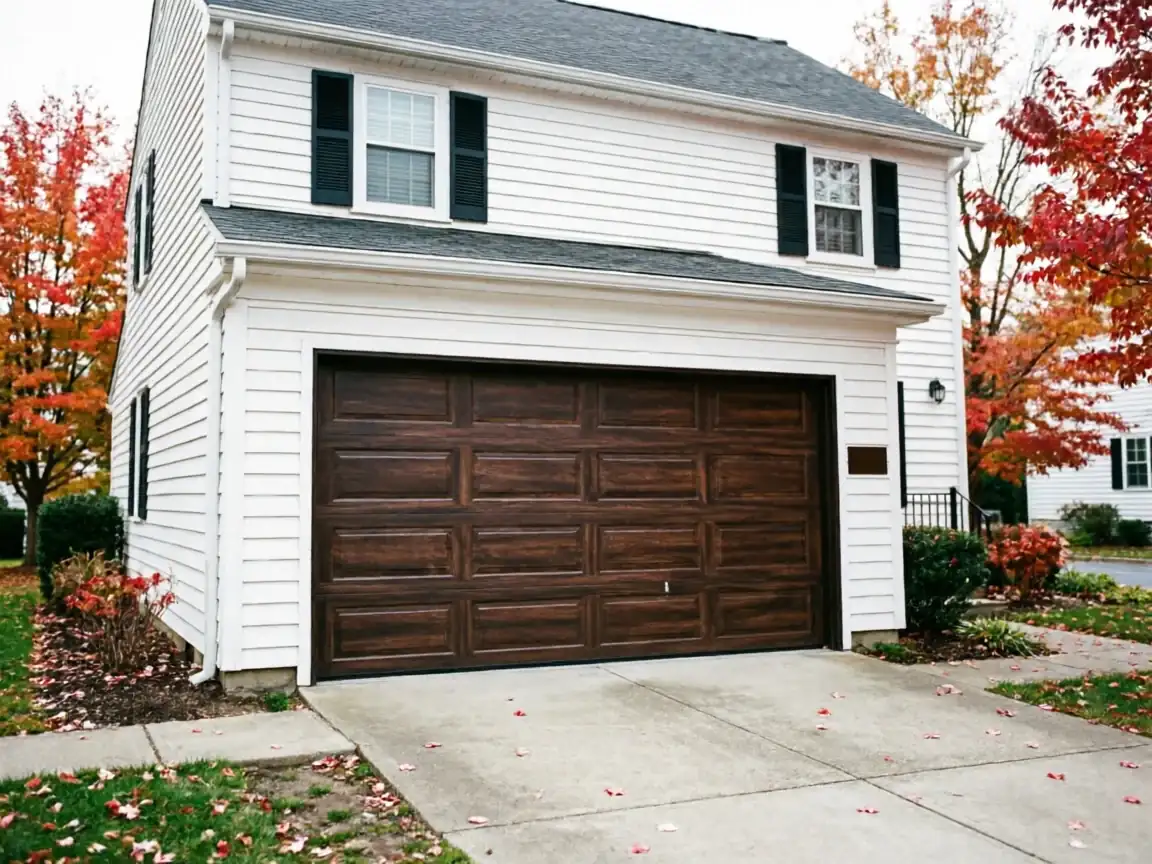
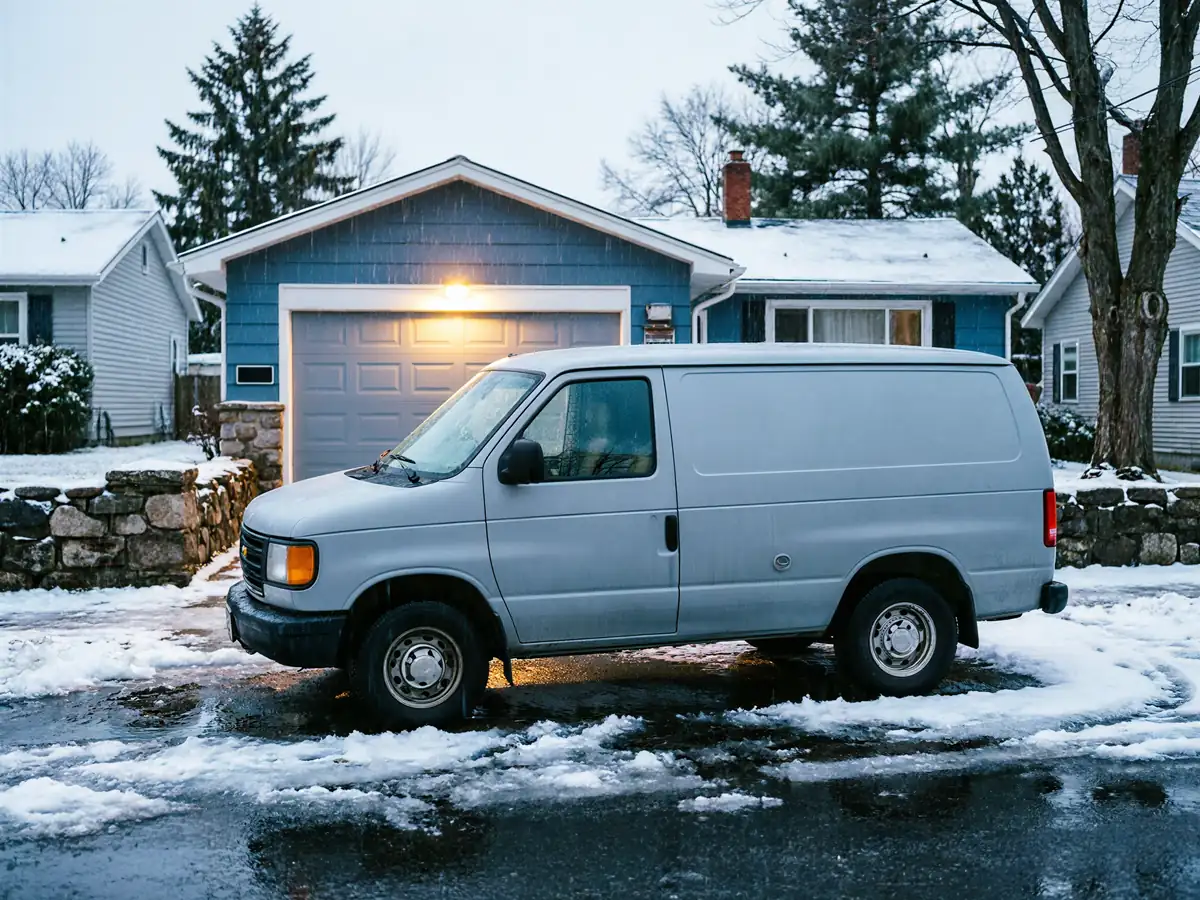
Bedford has about 8,033 households, smaller than a lot of the towns we cover out of Manchester, but that doesn't mean fewer calls per door - it means a tighter, more consistent build era to work on. Most of this town's housing dates to around 1990, newer than the service area's overall median year of 1982. That ten-year gap matters more than it sounds. A door built in 1990 is likely on a torsion spring system rather than the older extension-spring setups still common in some of the pre-1980s stock nearby. Torsion springs fail differently - usually a clean snap rather than a slow stretch - and the openers paired with them are a different generation of hardware than what we see on the older housing stock elsewhere in the area. Bedford's median household income, at $160,253, runs well above the area median of $115,712, and in practice that shows up as more owners replacing a door outright rather than patching it twice. We come from Manchester, about six miles out, so we're not sitting in Bedford waiting on calls - we're routing here same as we route to the other towns on that side of the loop.
Where This Job Goes Sideways
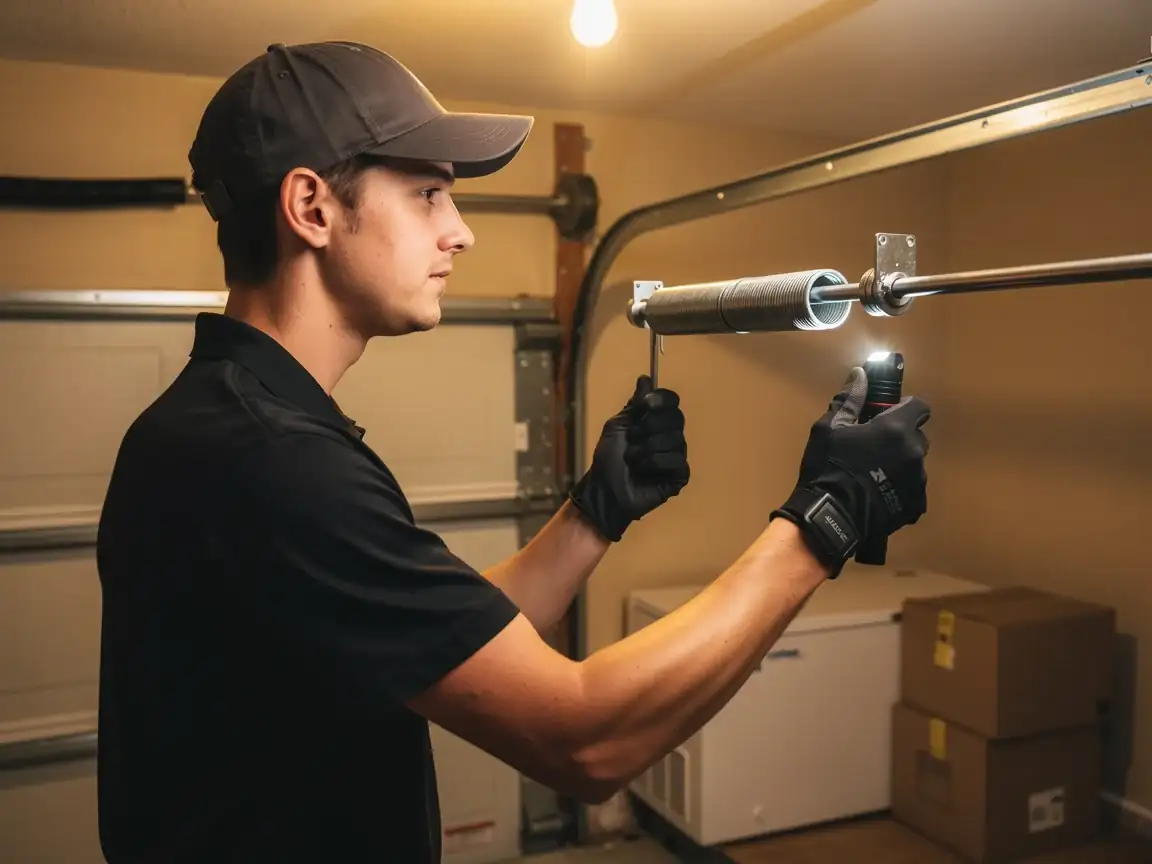
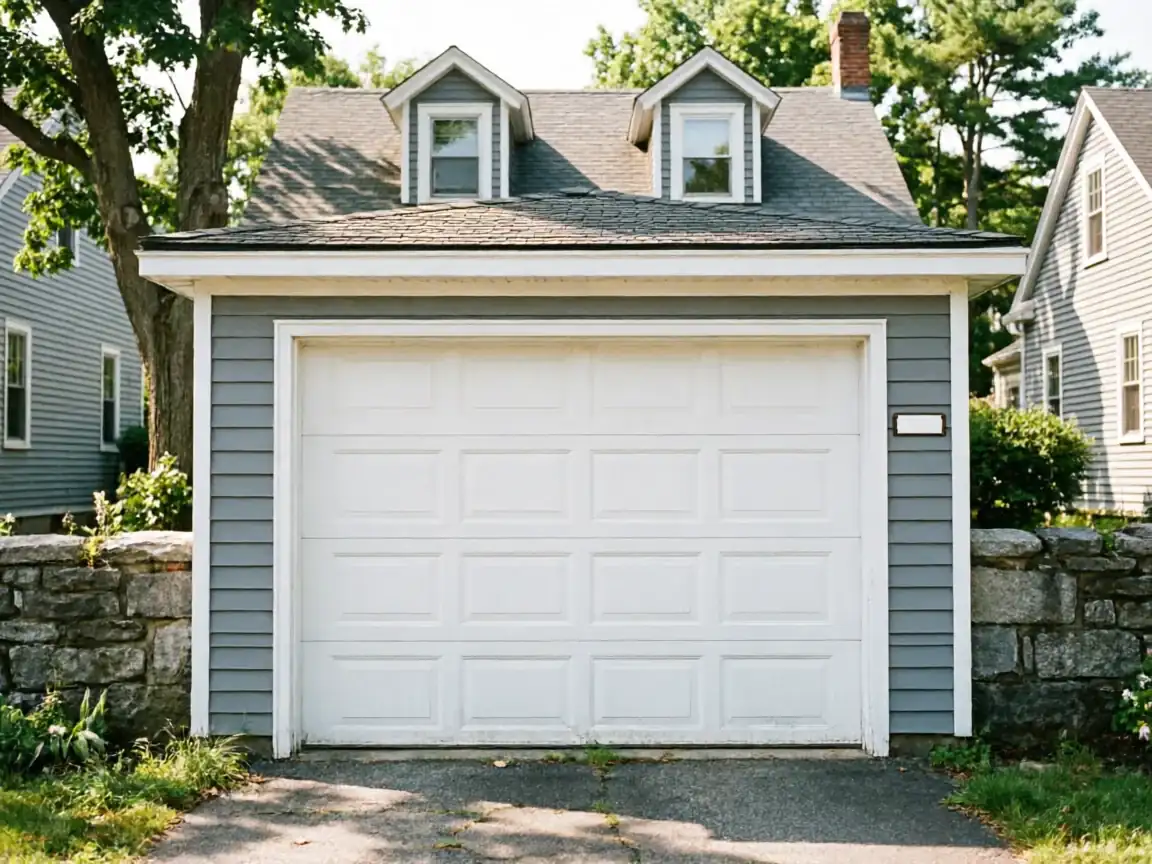
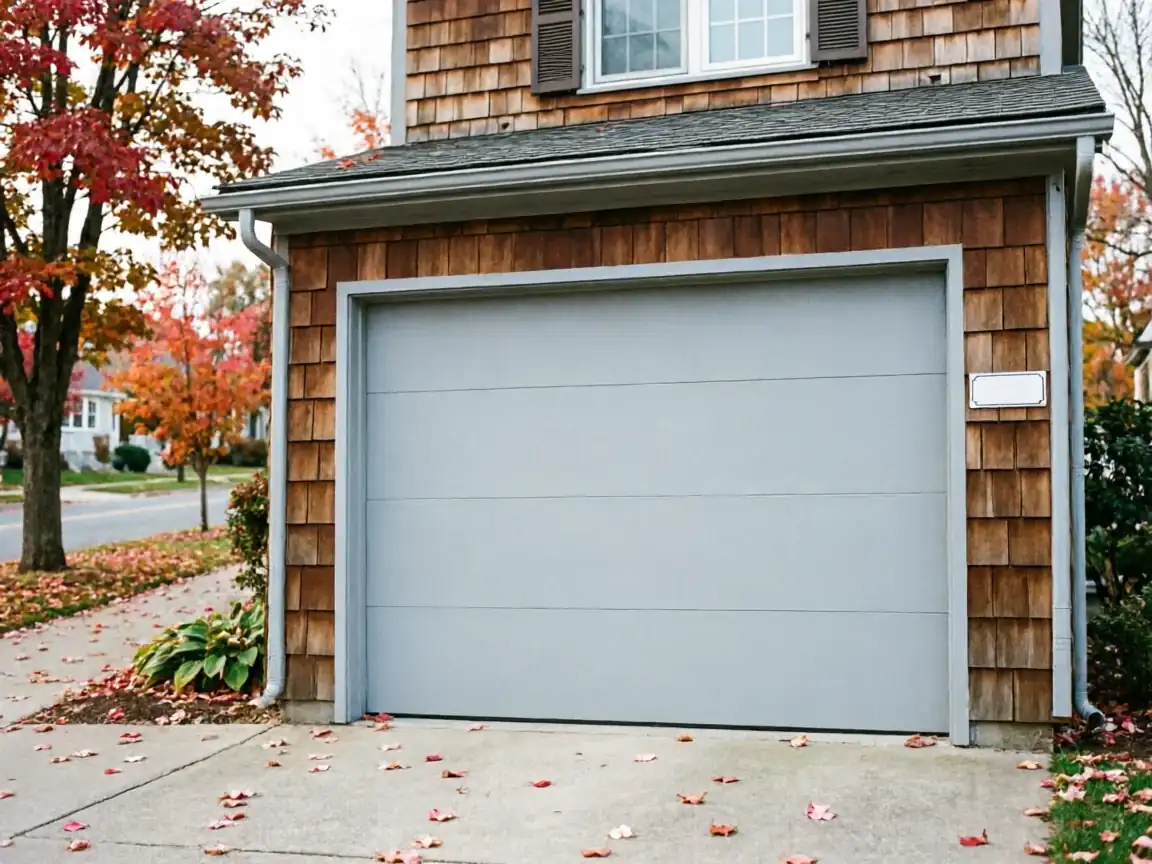
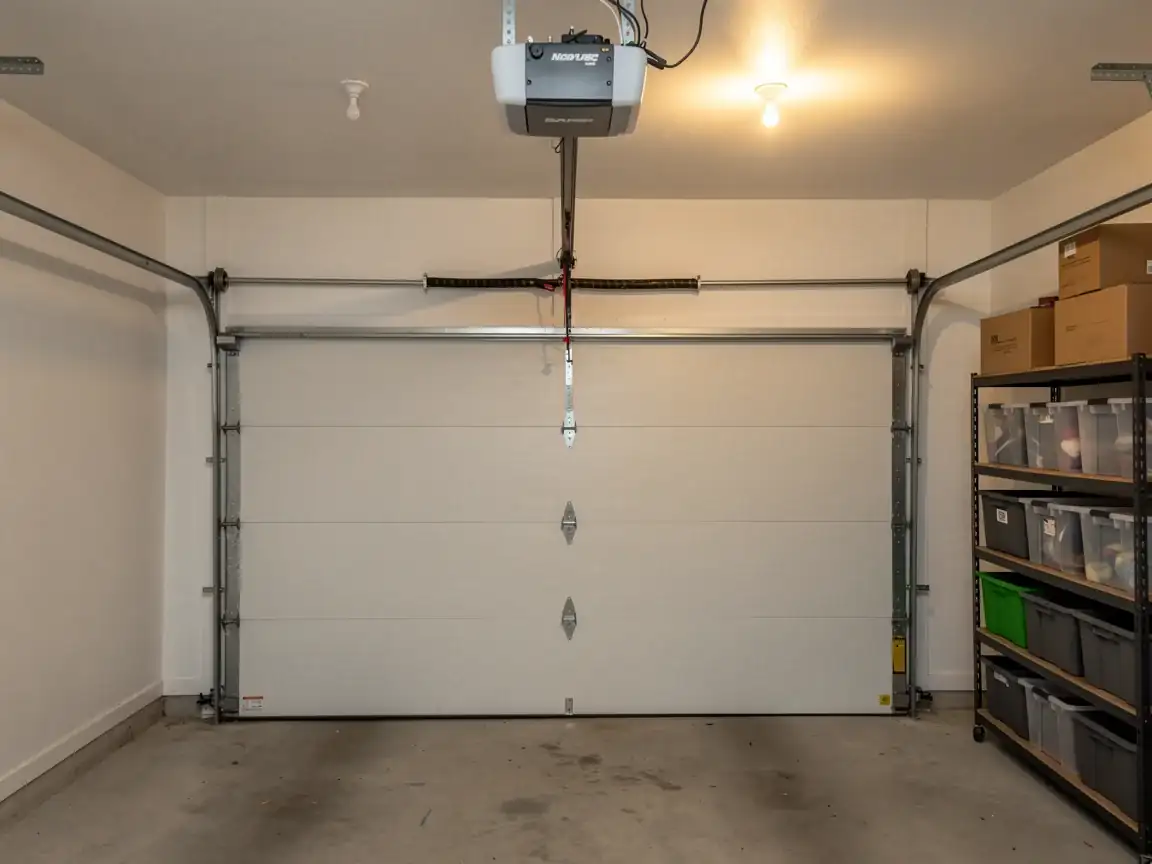
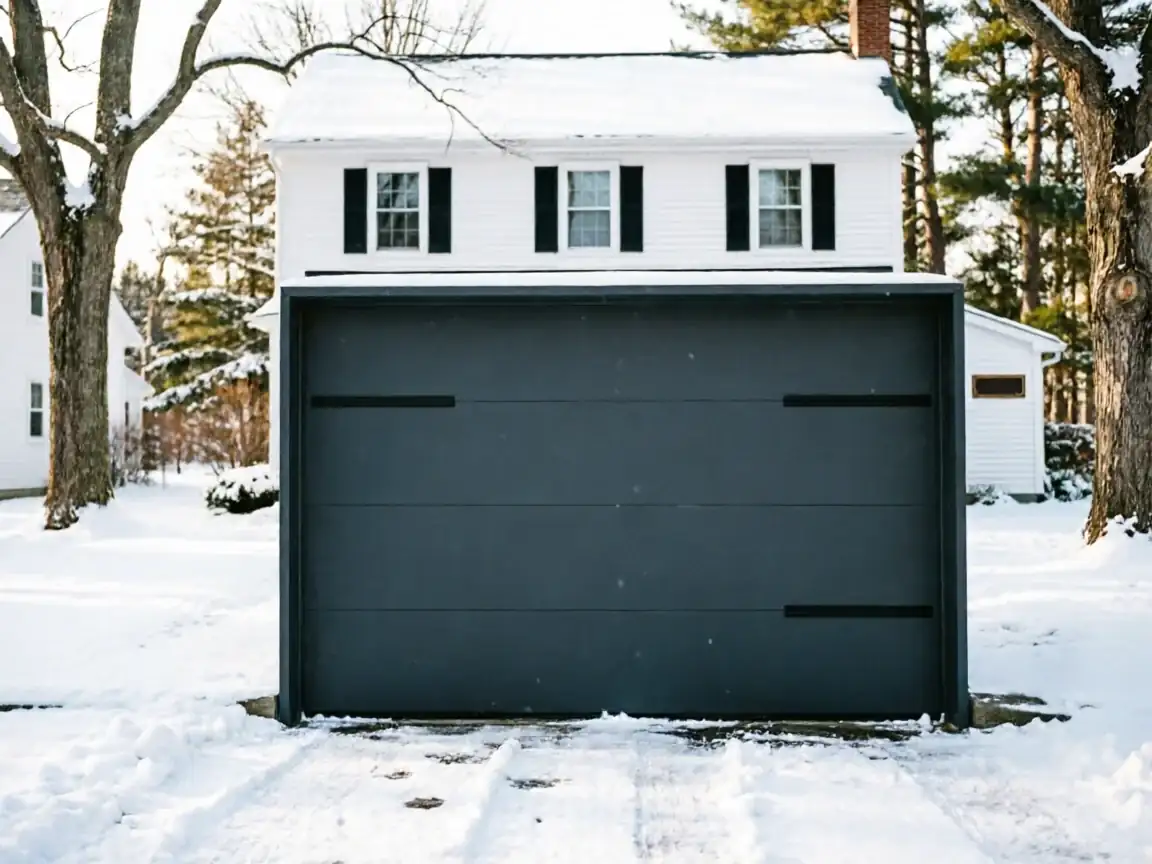
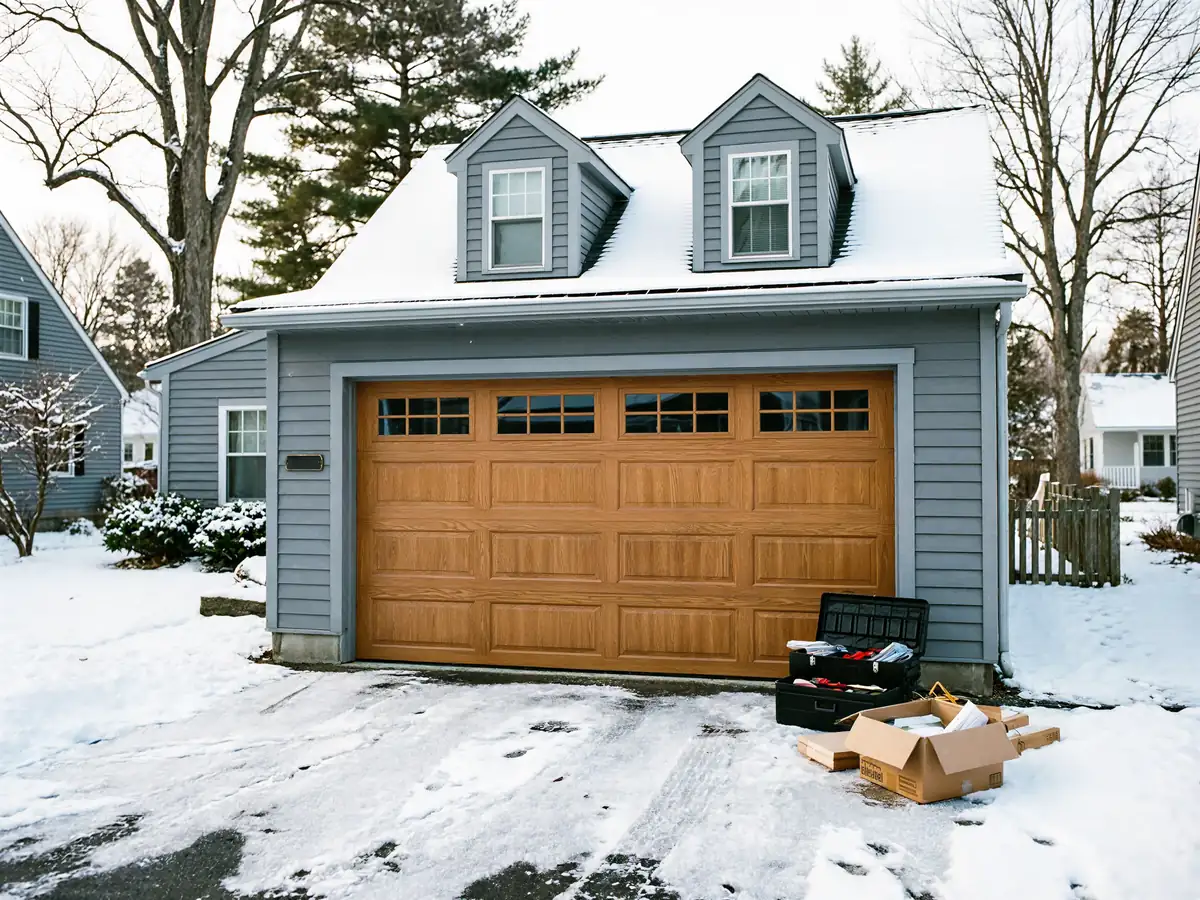
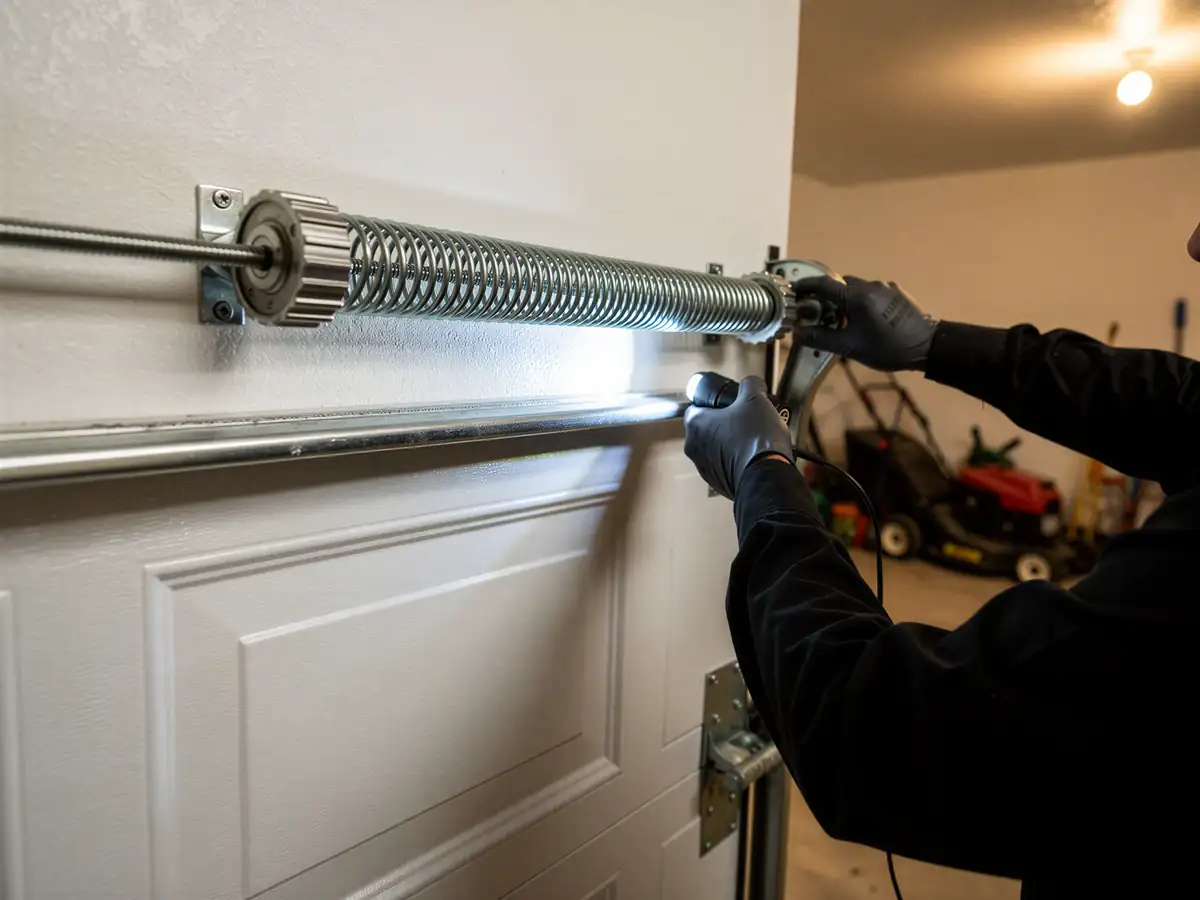
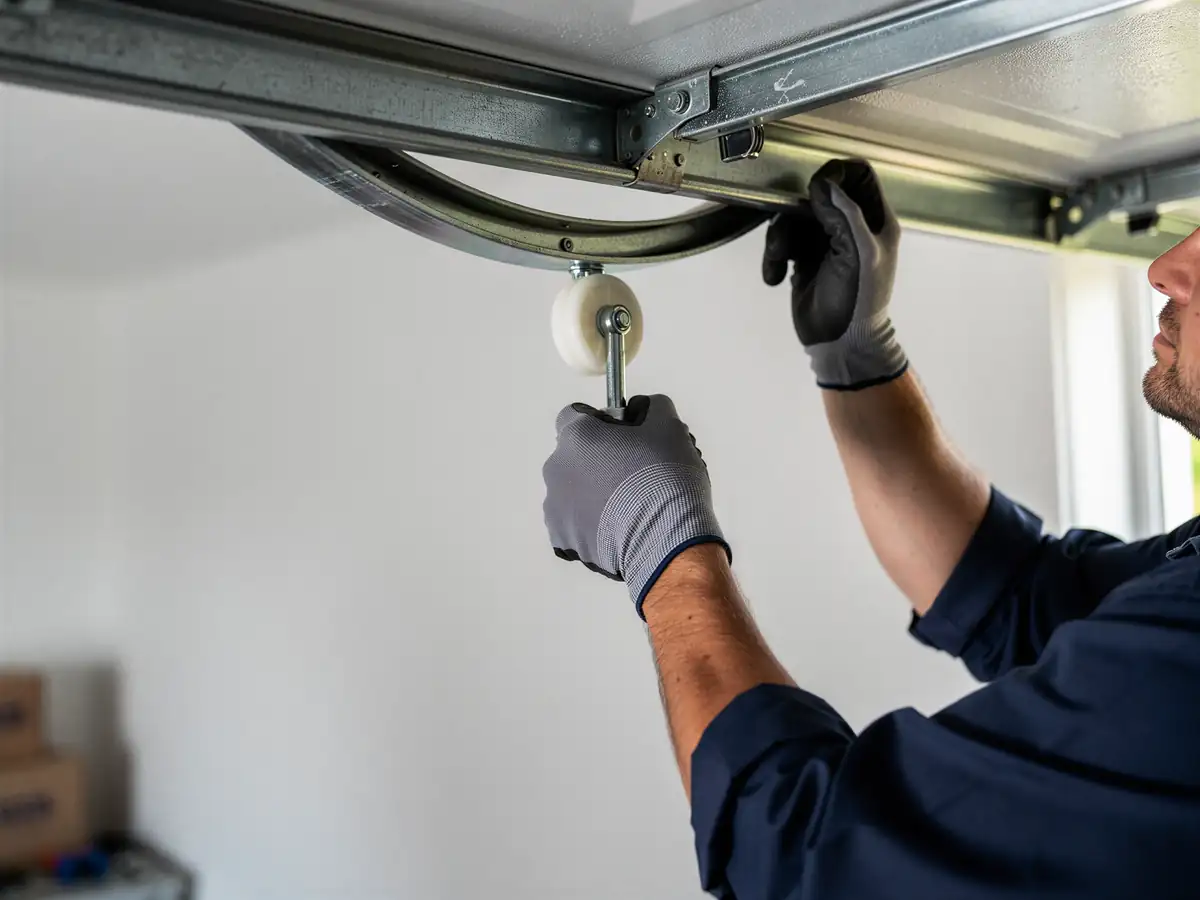
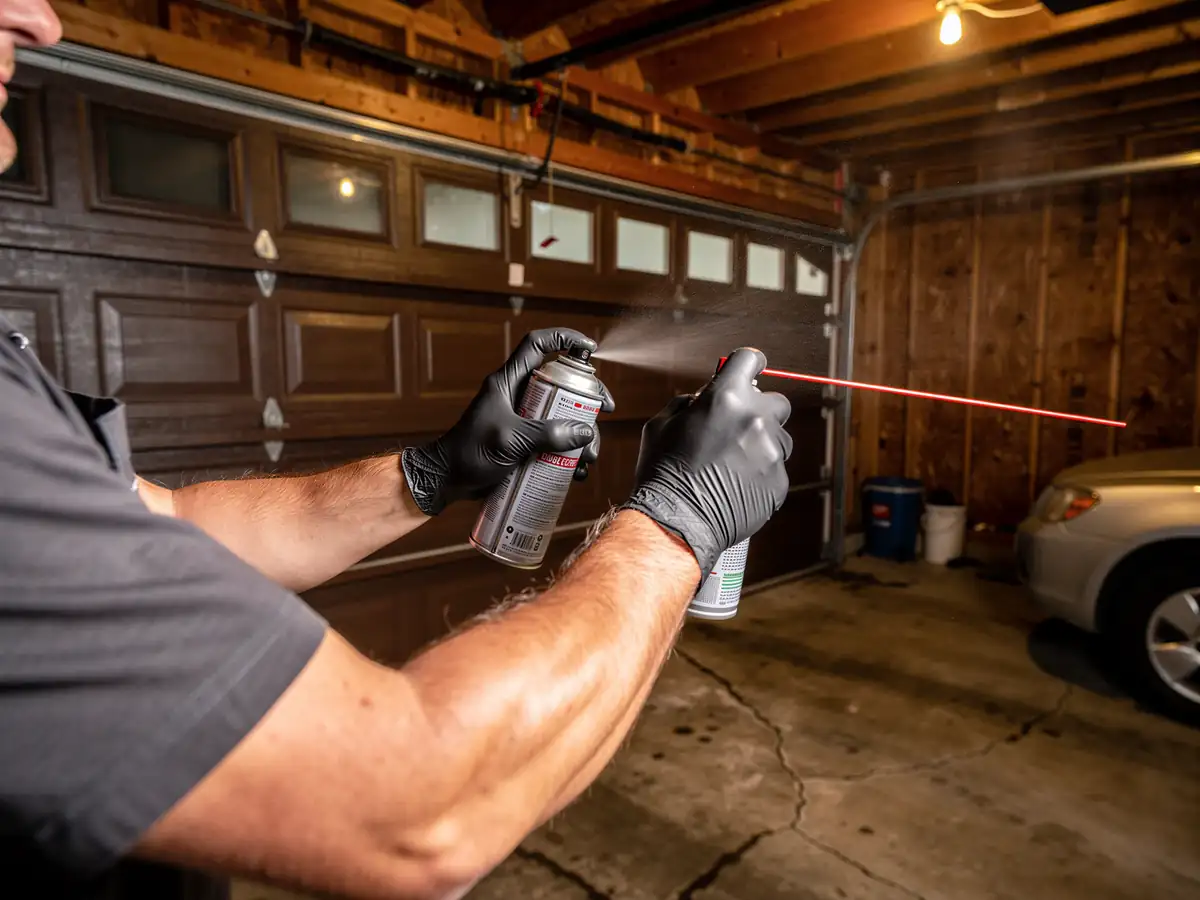
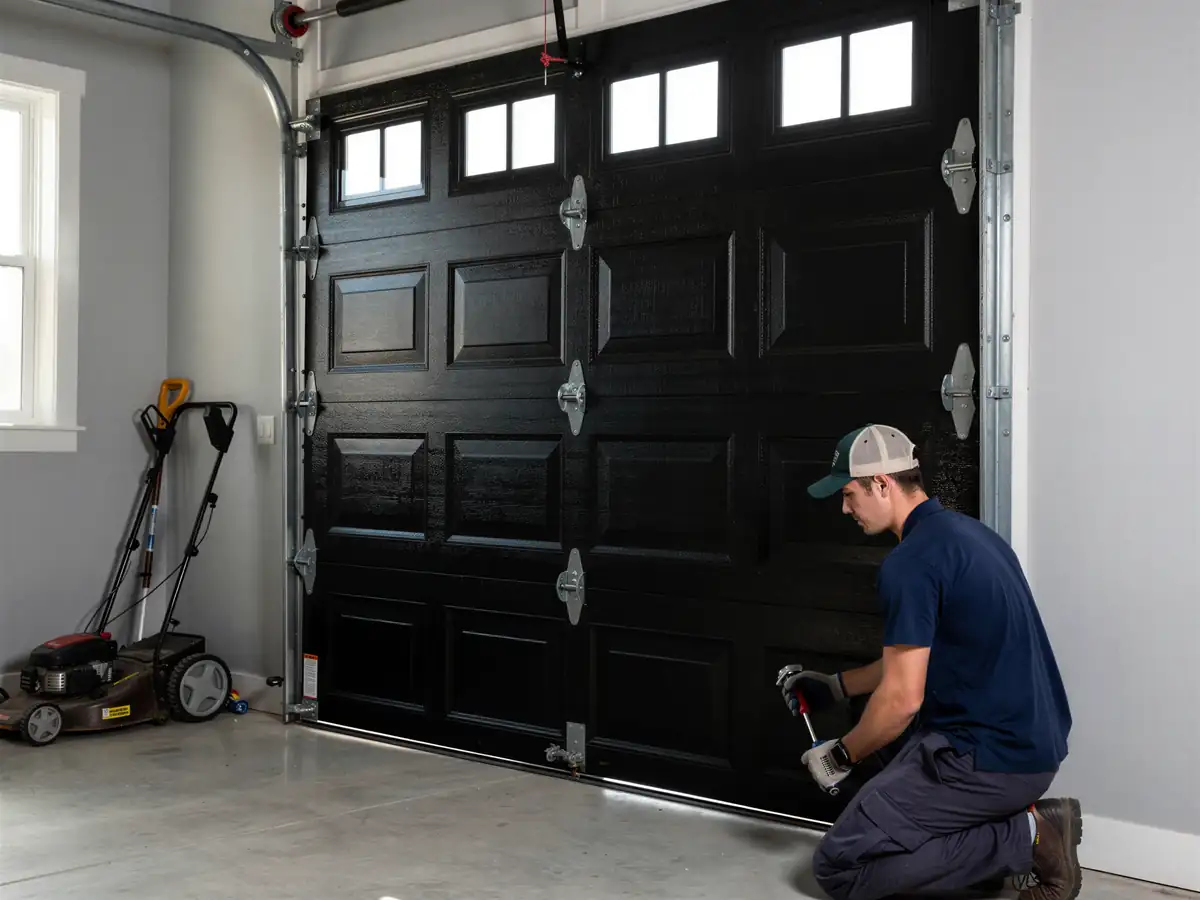
The doors on Bedford's 1980s-2000s builds are mostly steel sectional panels with torsion springs mounted on a center shaft over the header - a setup that's sturdier than older extension systems but less forgiving when something lets go. A torsion spring under tension can do real damage if you unwind it without the right bars, and we still get calls from homeowners who tried. Winter is the other wrinkle. This area sits in a cold, severe climate band, and steel panels that size up tight in July can bind on their tracks by January as the metal contracts and the lift cables pick up extra load off center. On a door from the early '90s, that's often the first real stress the hardware has seen in years - rollers that were fine all summer start grinding, and a spring that was already fatigued finally goes. We won't pretend every noisy door needs a service call; sometimes it's just a roller due for grease and nothing more.
How We Fix It
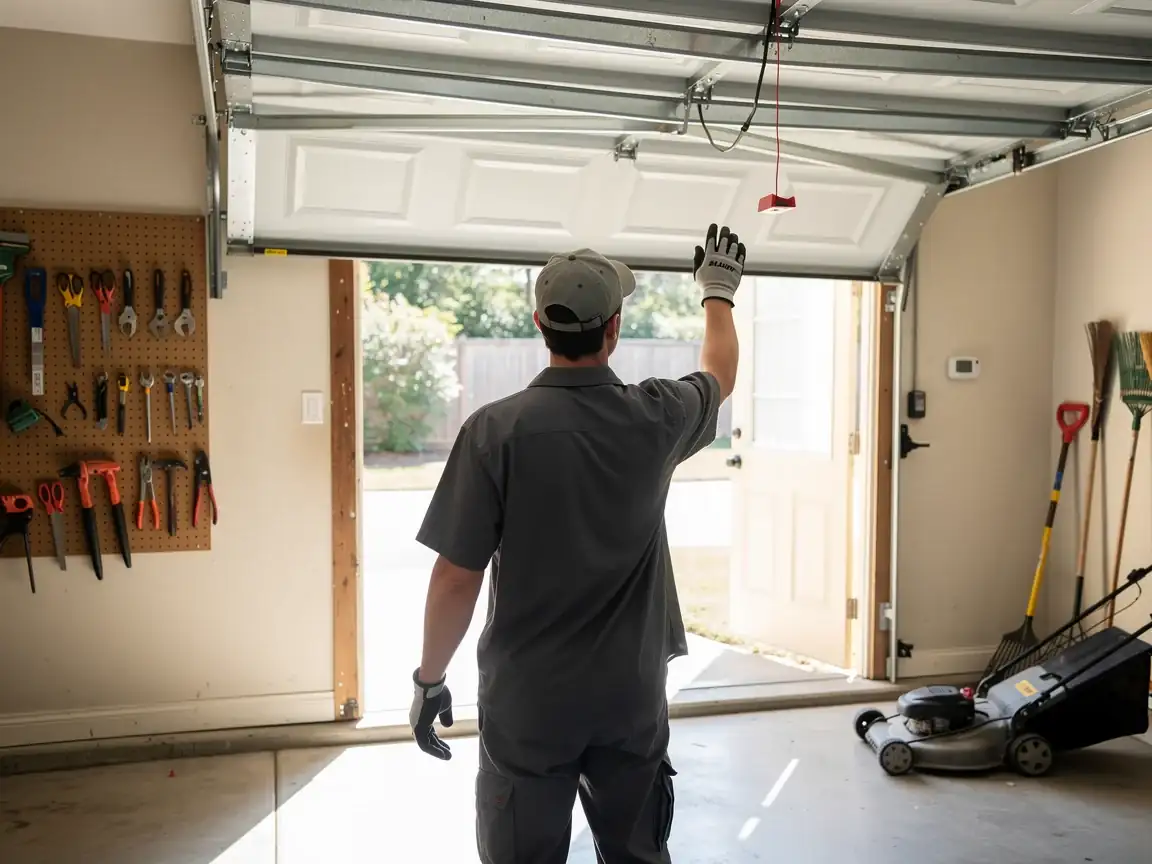
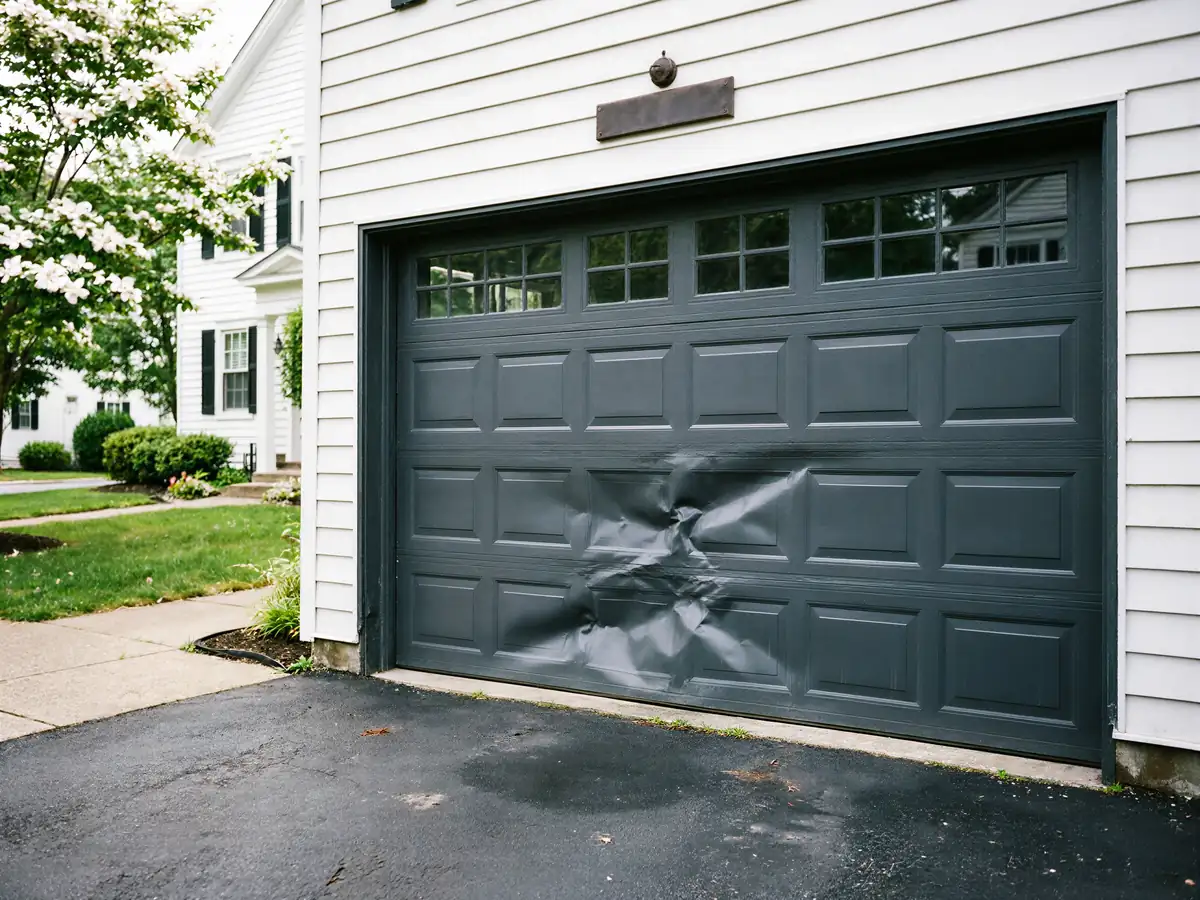
First call is always diagnosis, not a swap. We check the spring tension, the cable wear, the track alignment, and the opener's force settings before we touch anything, because a door that looks like a broken spring is sometimes a track knocked out of plumb - a five-minute fix instead of a parts job. If it is the spring, we replace it with a correctly sized torsion unit matched to the door's weight and cycle count, not a universal part that's close enough. If the opener logic board is the issue on an older-generation unit, we'll tell you when a new opener costs less than chasing a discontinued board. We travel from Manchester for every call here, so we don't pad the job with upsells to make the trip worth it - the work on the truck is the work we quote.