Time on the Job
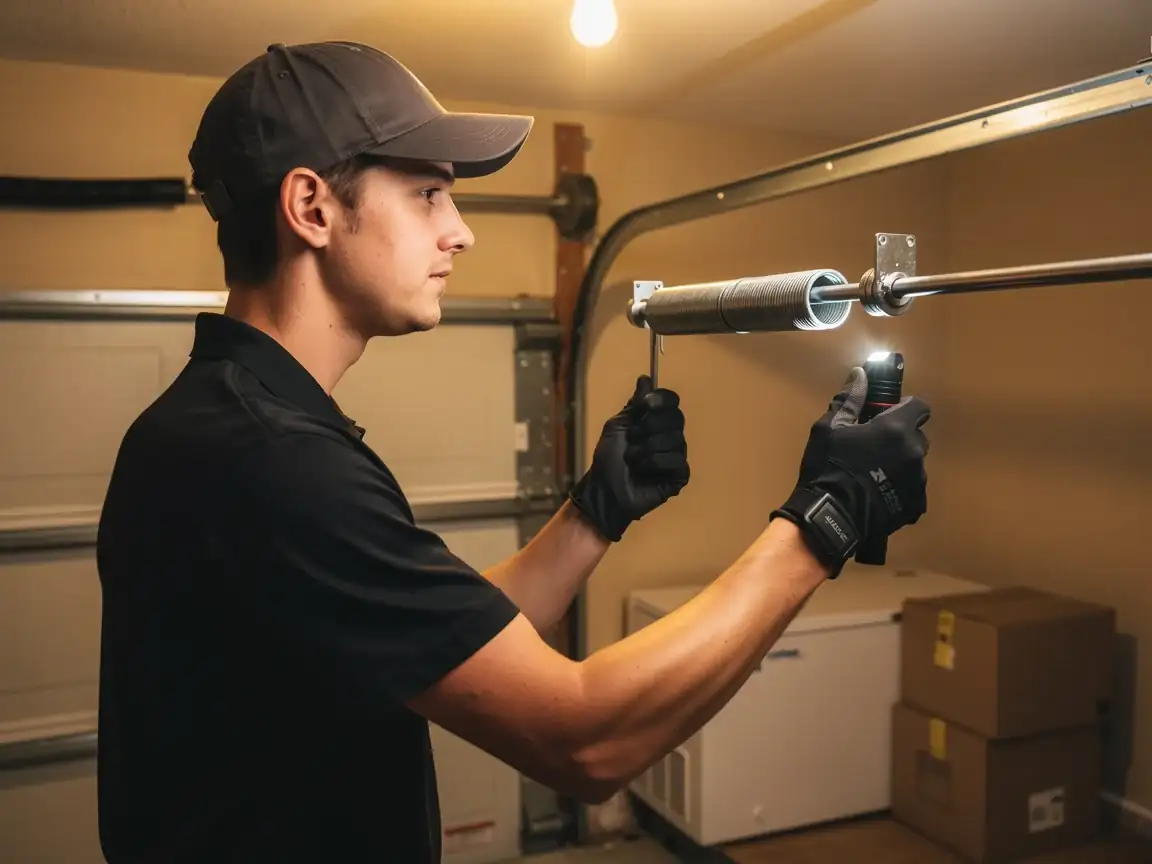
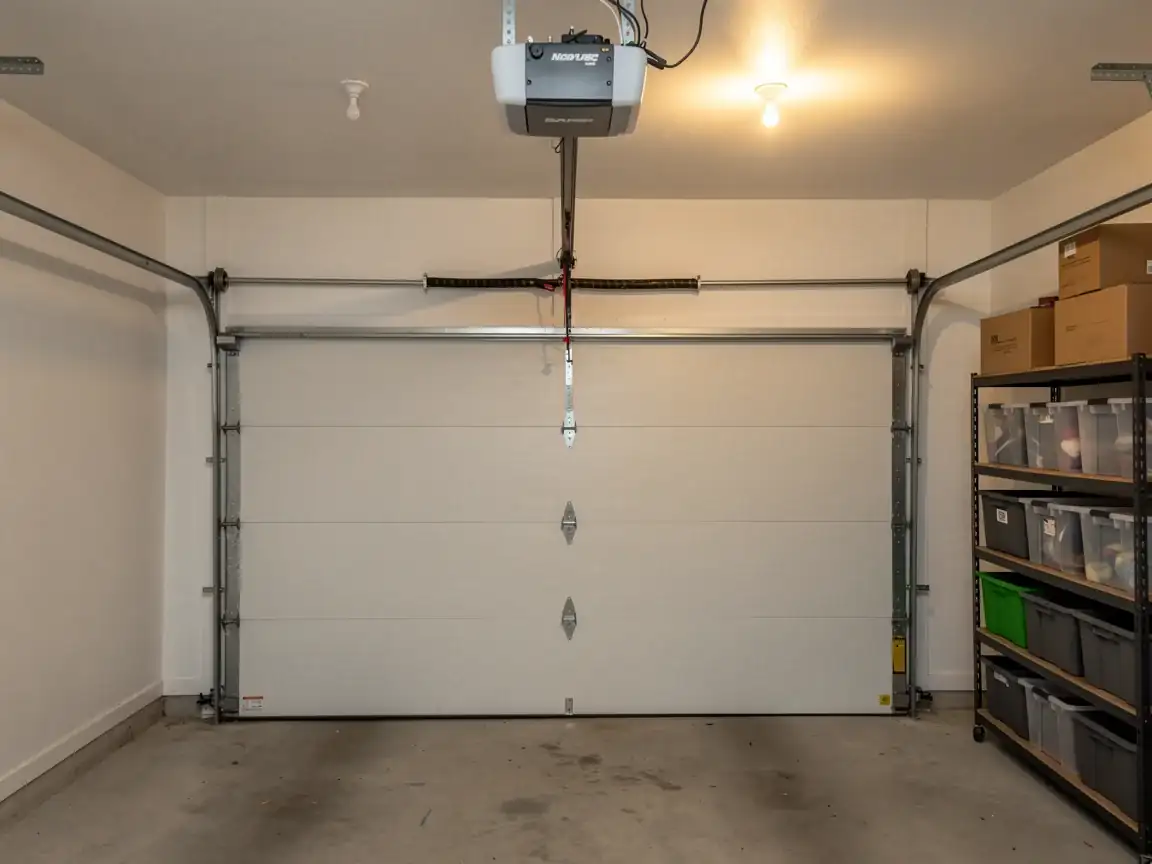
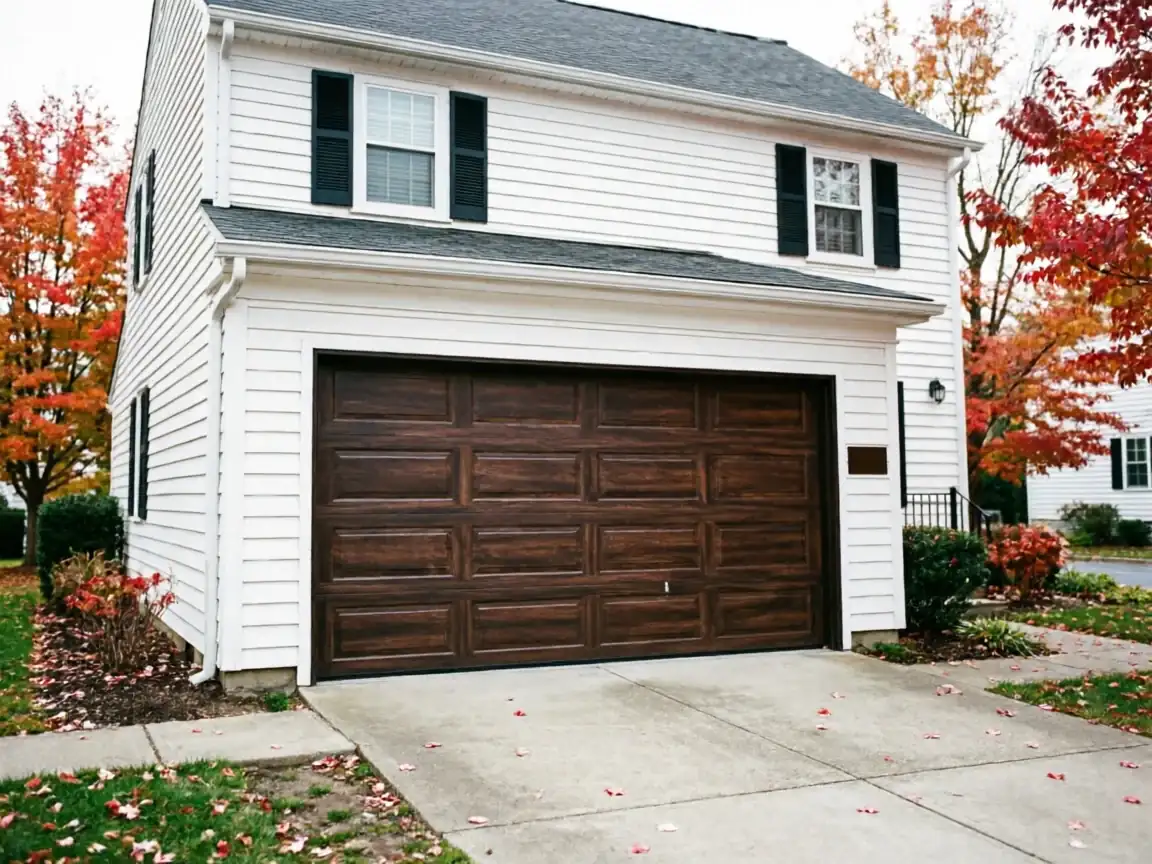
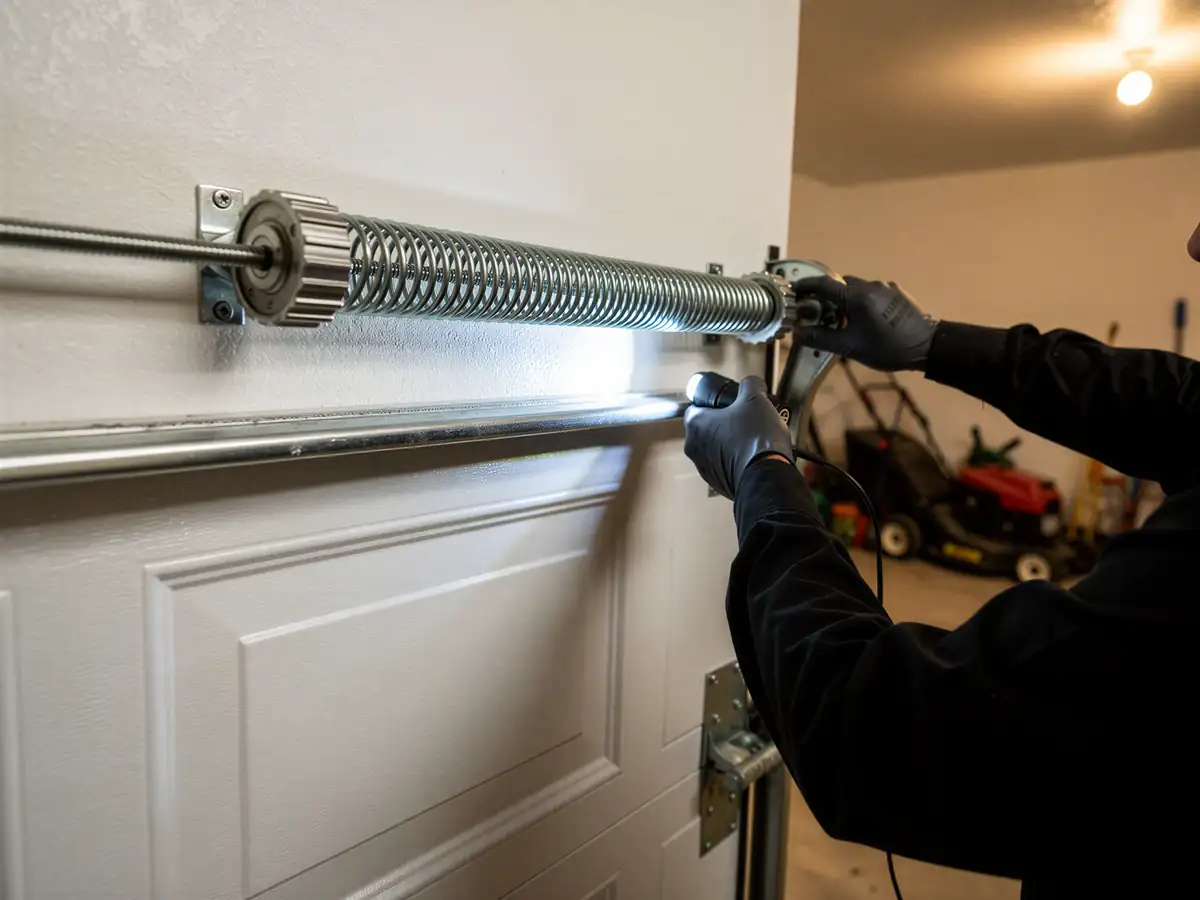
Most garage doors in Bedford went up around 1990, which puts this town a solid decade ahead of the older stock in places like the core of Manchester where houses date closer to the 1938-1997 span's low end. That matters for maintenance because a door and opener installed in 1990 is now at the point where the original torsion spring has either already failed once or is close to it, and the opener's logic board and drive gear are original parts nobody has touched since the garage was poured. With roughly 8,033 households in Bedford, a lot of them built in that same narrow window, we see the same failure pattern on back-to-back jobs on the same streets: galvanized torsion springs rated for a cycle count that ran out years ago, and chain-drive openers with worn gears that grind before they quit. Bedford's median household income, at $160,253, runs well above the $115,712 figure for the wider service area, which is why we stock heavier-duty springs and quieter belt-drive openers more often on this side of town - owners here tend to upgrade rather than patch. We don't guess at what's original; we check the spring wind, the cable condition, and the opener's year before we touch anything.
Where This Job Goes Sideways
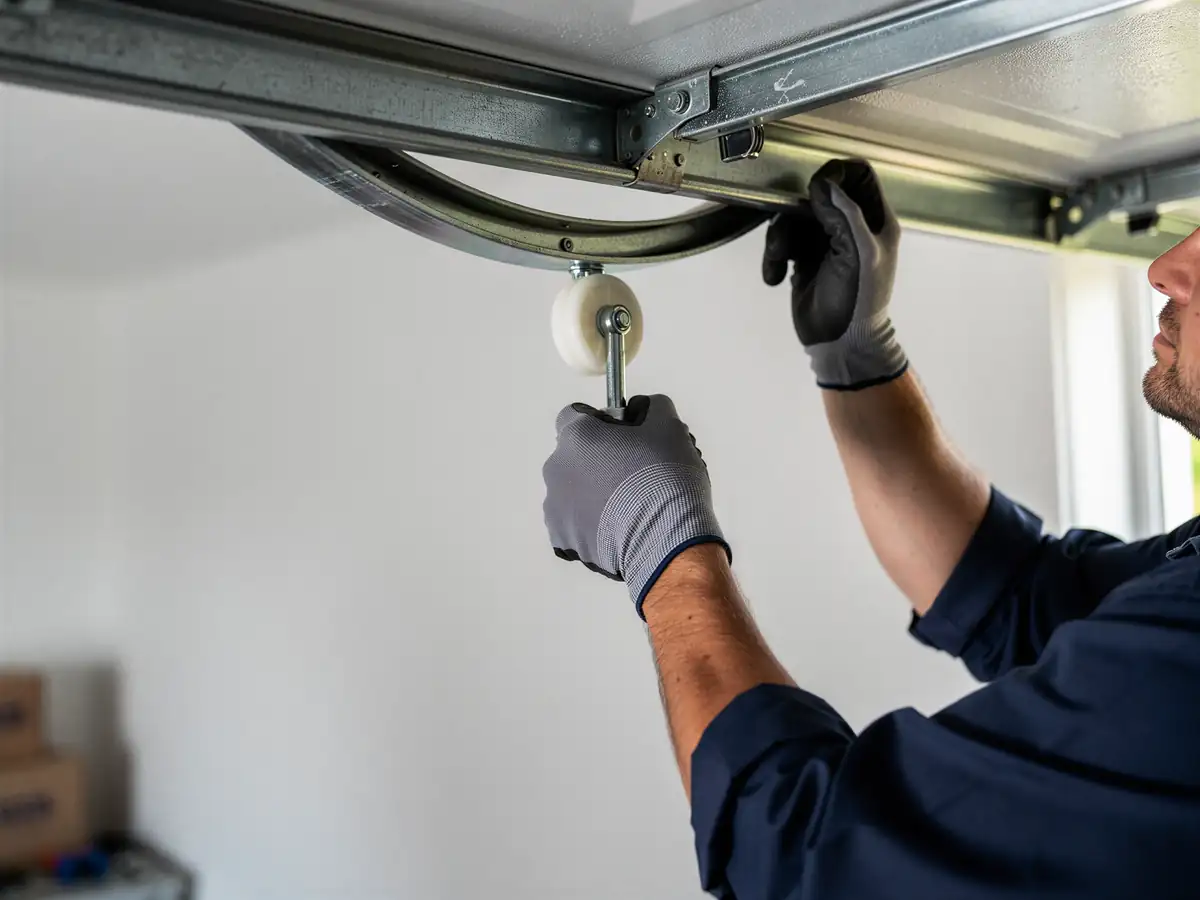
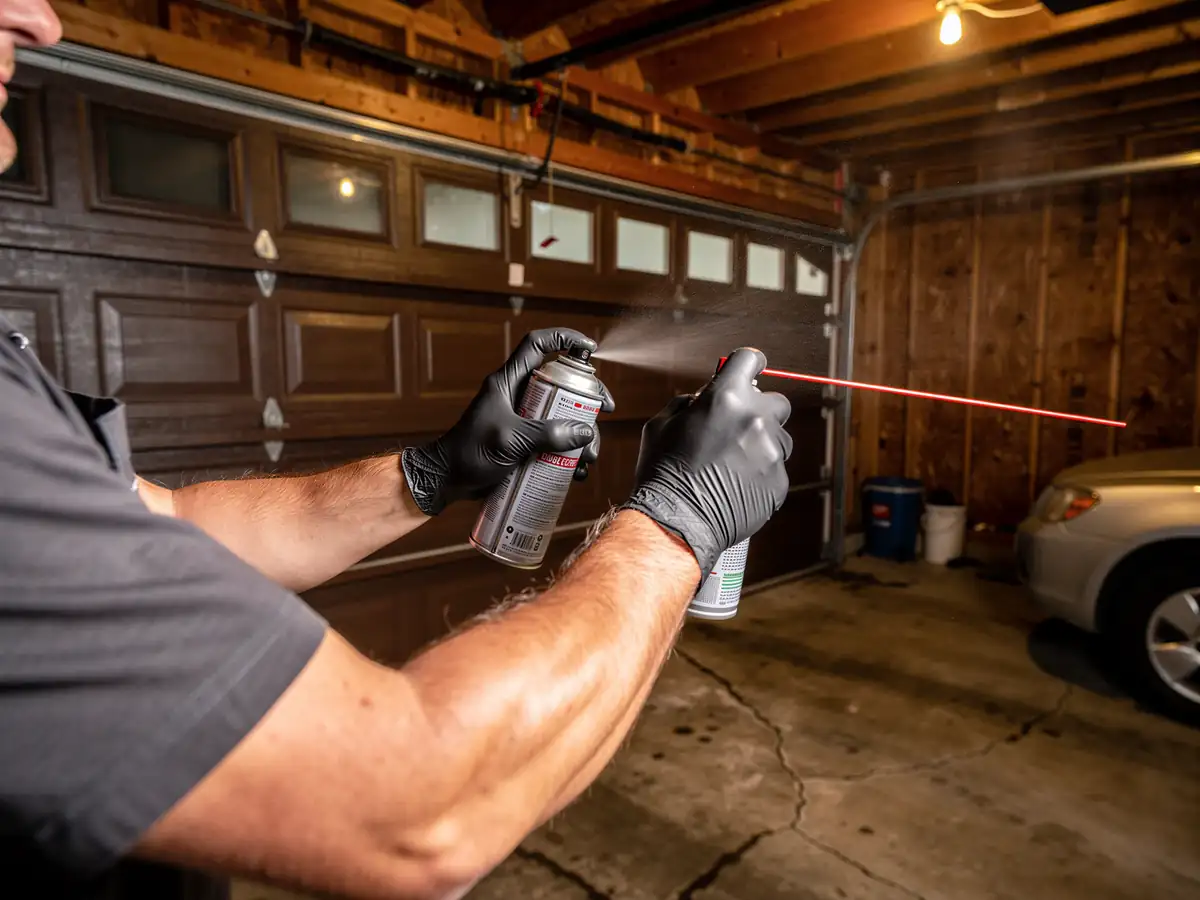
The usual mistake with a 1990s door is treating the opener like the problem when the spring is the real cause. An opener straining to lift a door with a weakened torsion spring will wear out its gear and capacitor years early, so a homeowner replaces the opener, the door still groans, and six months later the spring finally snaps. With about 8,033 households in Bedford, the openers installed through the 1990s are reaching the age where circuit boards and keypads start failing even when the motor is fine - that's a different fix than a spring job, and the two get confused constantly. The other place it goes wrong is the track. Builders in that era used a standard-width track that doesn't leave much room for a door to be off by even a little, so a slightly bent section that seems cosmetic will bind a roller and strip a cable under load. We won't tell a customer they need a new door when a track adjustment and a cable replacement solve it - but we also won't keep re-adjusting a track that's bent in two places, because at that point the fix doesn't hold.
How We Fix It
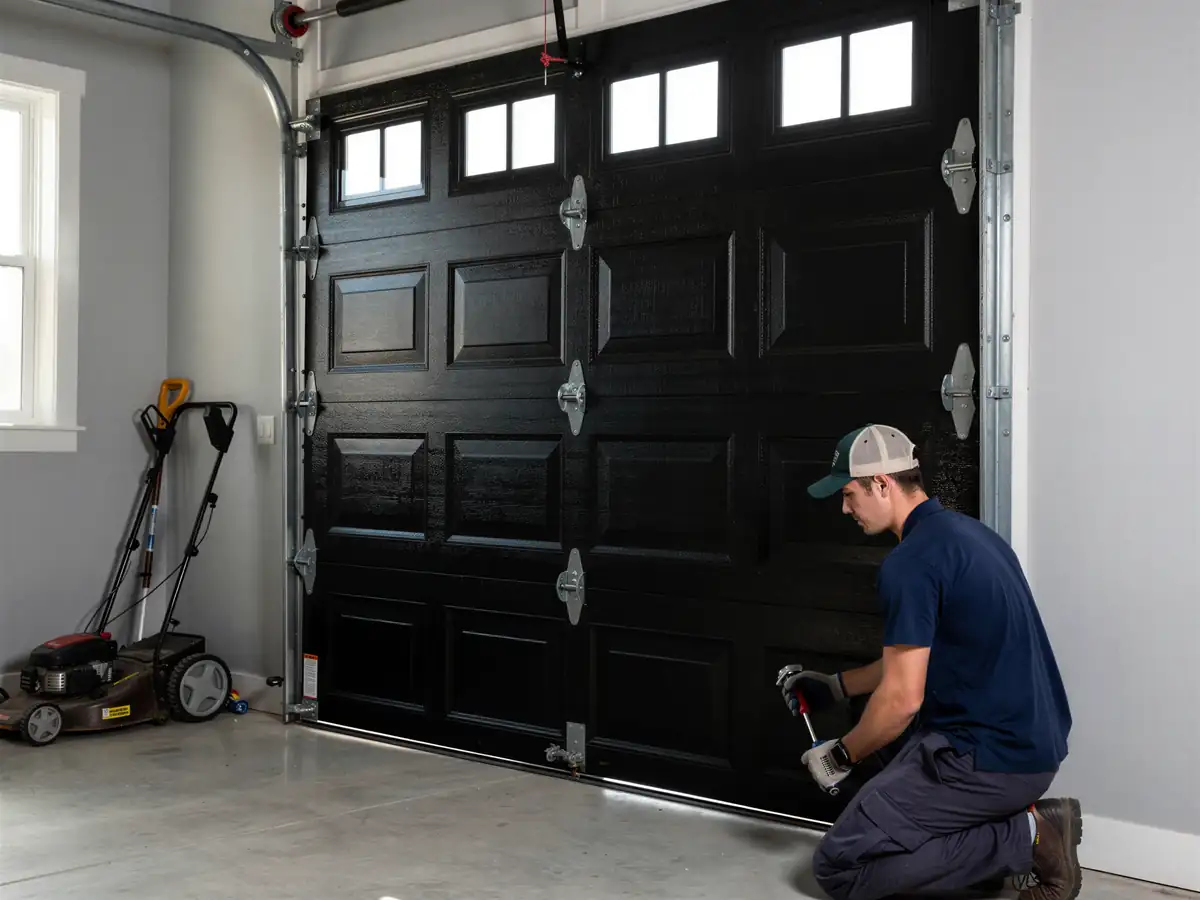
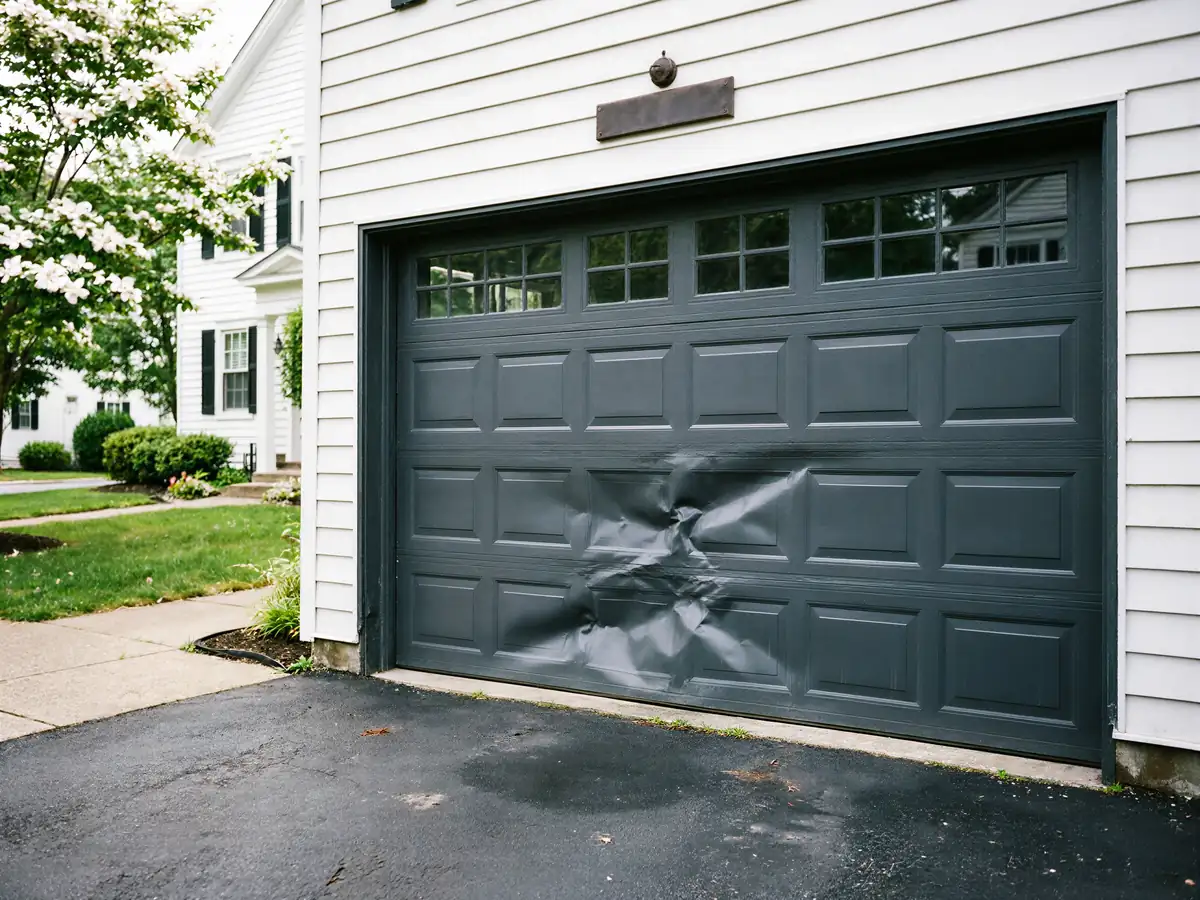
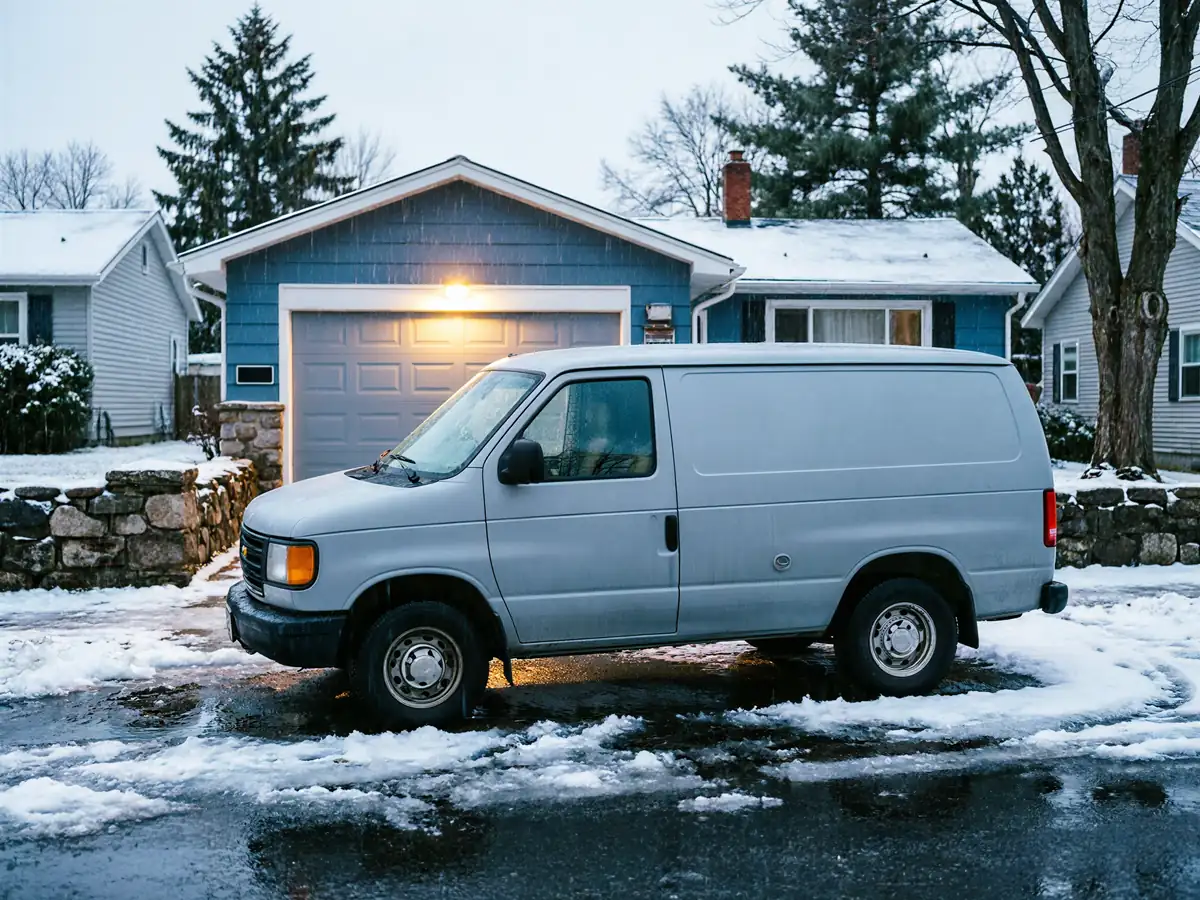
The truck comes from Manchester, six miles away, so there's no local depot sitting idle in Bedford waiting for a call - every job starts with that drive. Once we're on site, the process is the same regardless of which street: check spring tension and cycle wear first, since on a door this age that's the most likely failure point, then move to cables, rollers, and track alignment before we ever look at the opener. If the opener's the actual problem - a stripped gear, a dead board, a keypad that won't pair - we replace just that part rather than the whole unit when the motor housing and rail are still sound. For doors where the panel itself has rusted through or warped, repair isn't worth the labor against a new door, and we'll say so rather than patch something that'll fail again in a year. See our main Manchester maintenance page for the broader rundown of what we cover; this page is about what the 1990-era stock in Bedford specifically needs.