Time on the Job
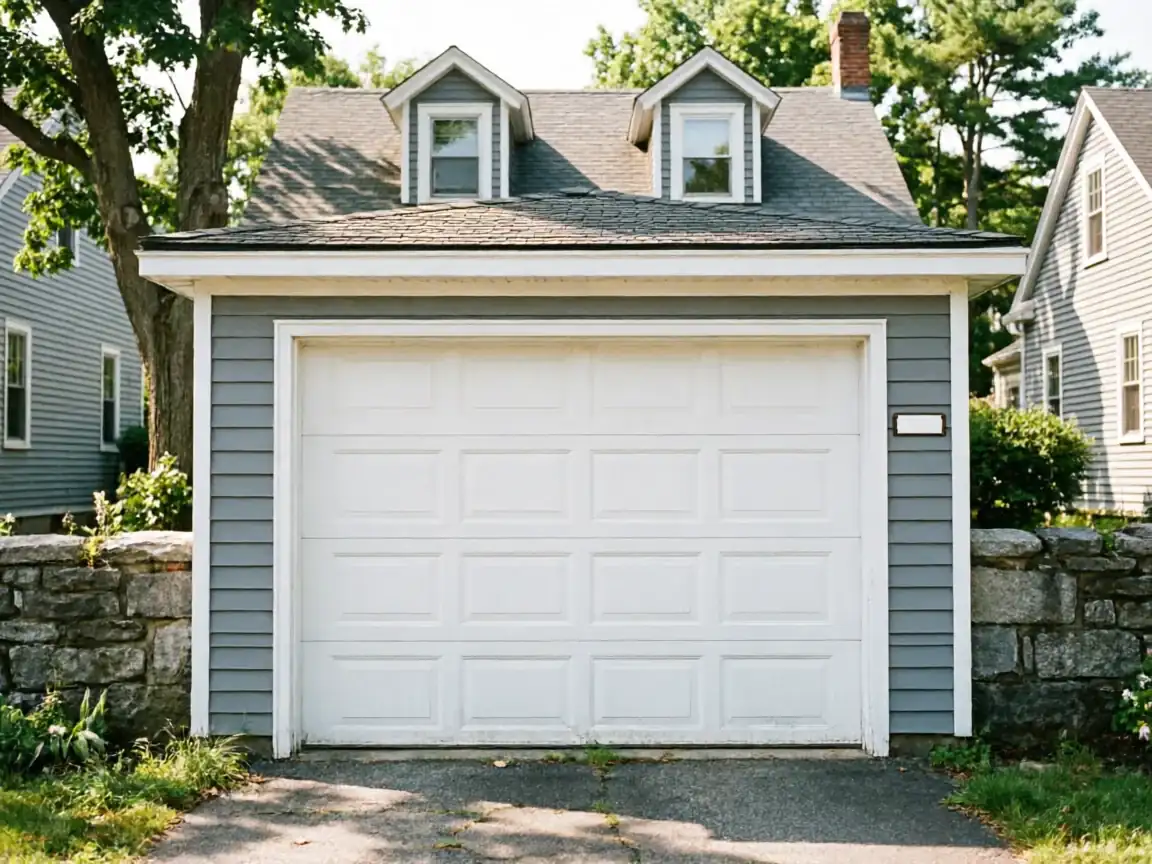
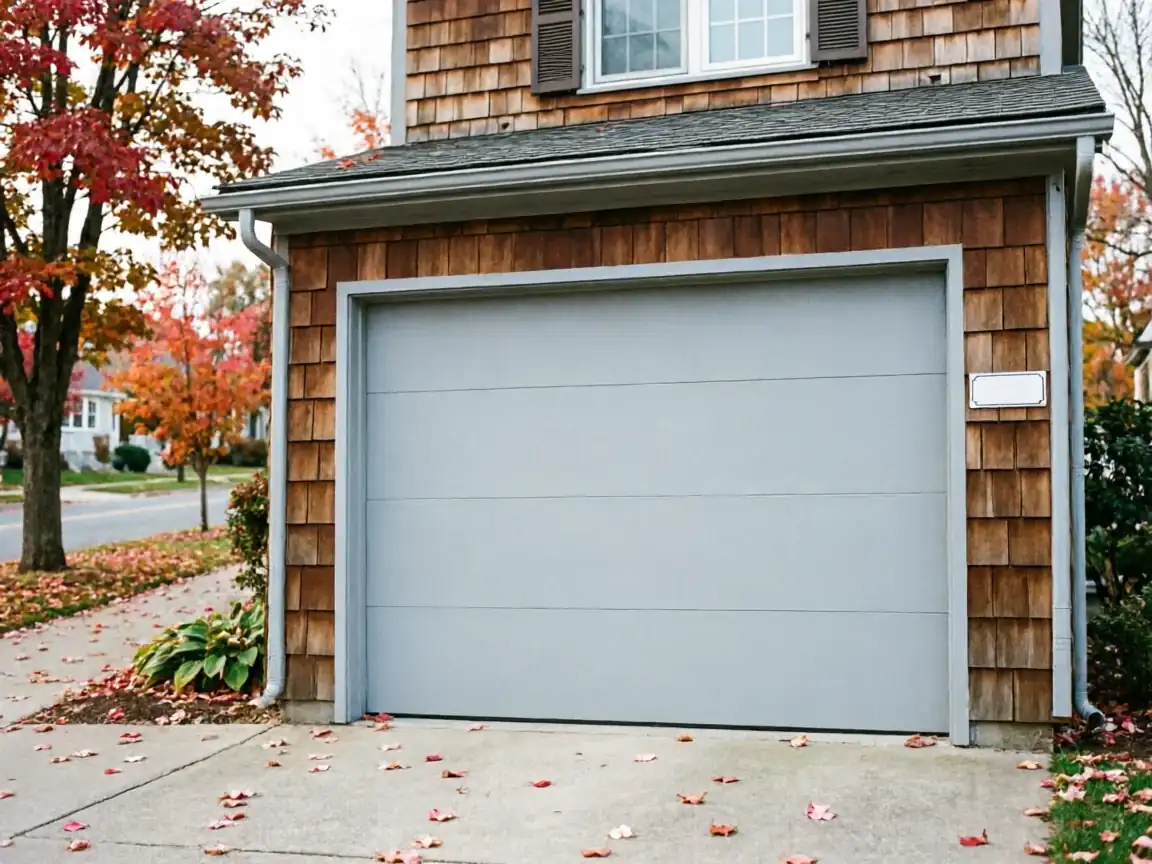
The call we get most out of Bedford isn't a door that won't open - it's a door that opens halfway and stops, or slams down because a cable let go. That points at age, and Bedford's housing stock tells you what kind of age you're dealing with. The median year built here is 1990, which puts a lot of these garages on their second or third opener and, more often than people expect, their original torsion spring.
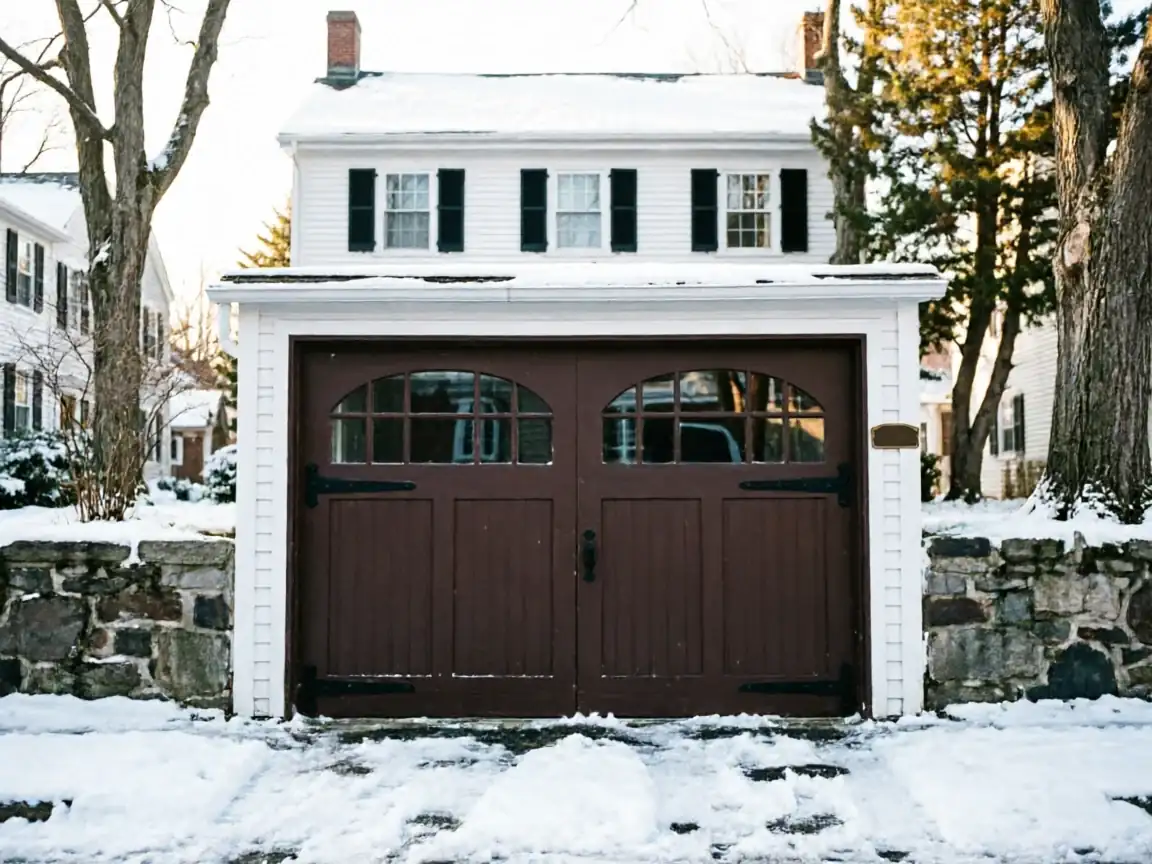
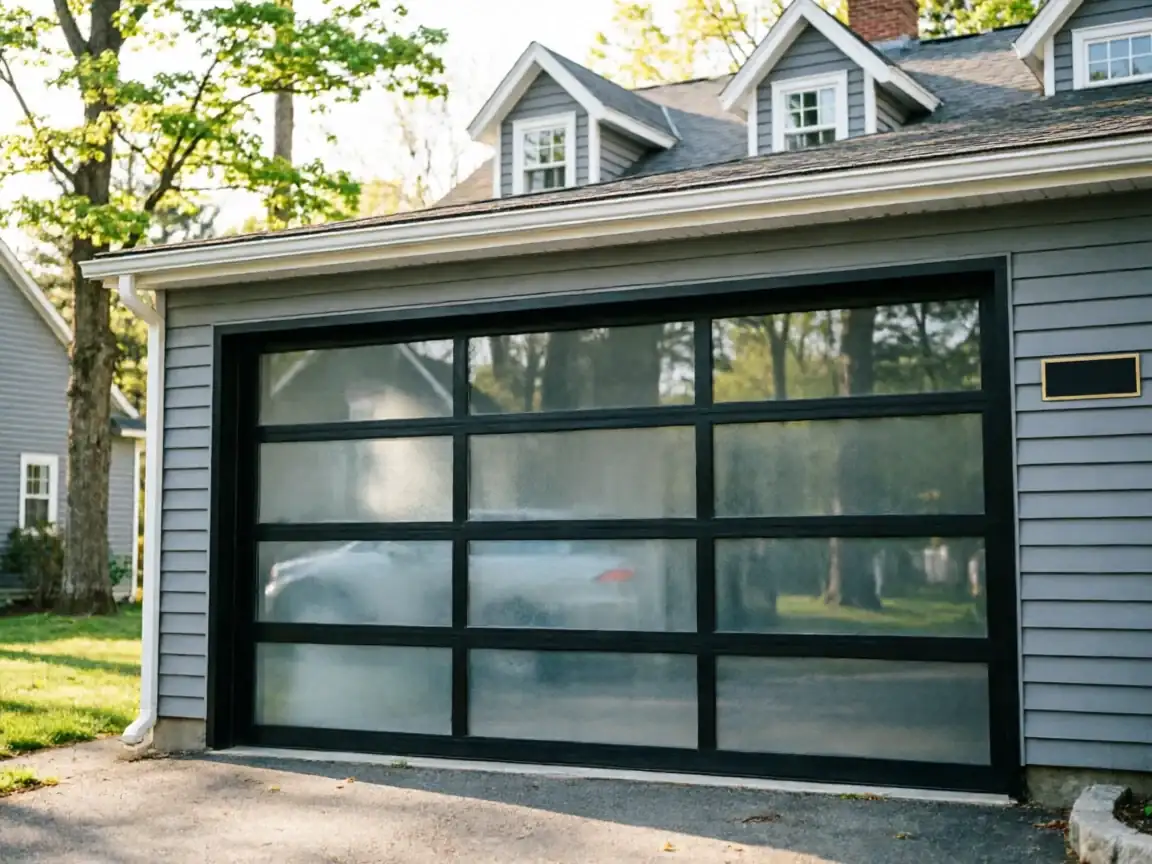
That 1990 median matters because it's newer than the wider service area's 1982 median. Doors from this era were built to a fairly standard 7-foot double or 16-foot single opening, with steel torsion hardware sized for that span. Thirty-plus years of cold-climate cycling - and this region sits in a COLD severe climate band - is exactly the lifespan where torsion springs fatigue and snap, usually on the first hard cold morning of the season, not during the cold itself. Bedford's median household income of $160,253, well above the area's $115,712, also means we see more doors with upgraded insulated panels and belt-drive openers than bare steel and chain units. Those fail differently, and they don't always take the same parts off the truck.
Where This Job Goes Sideways
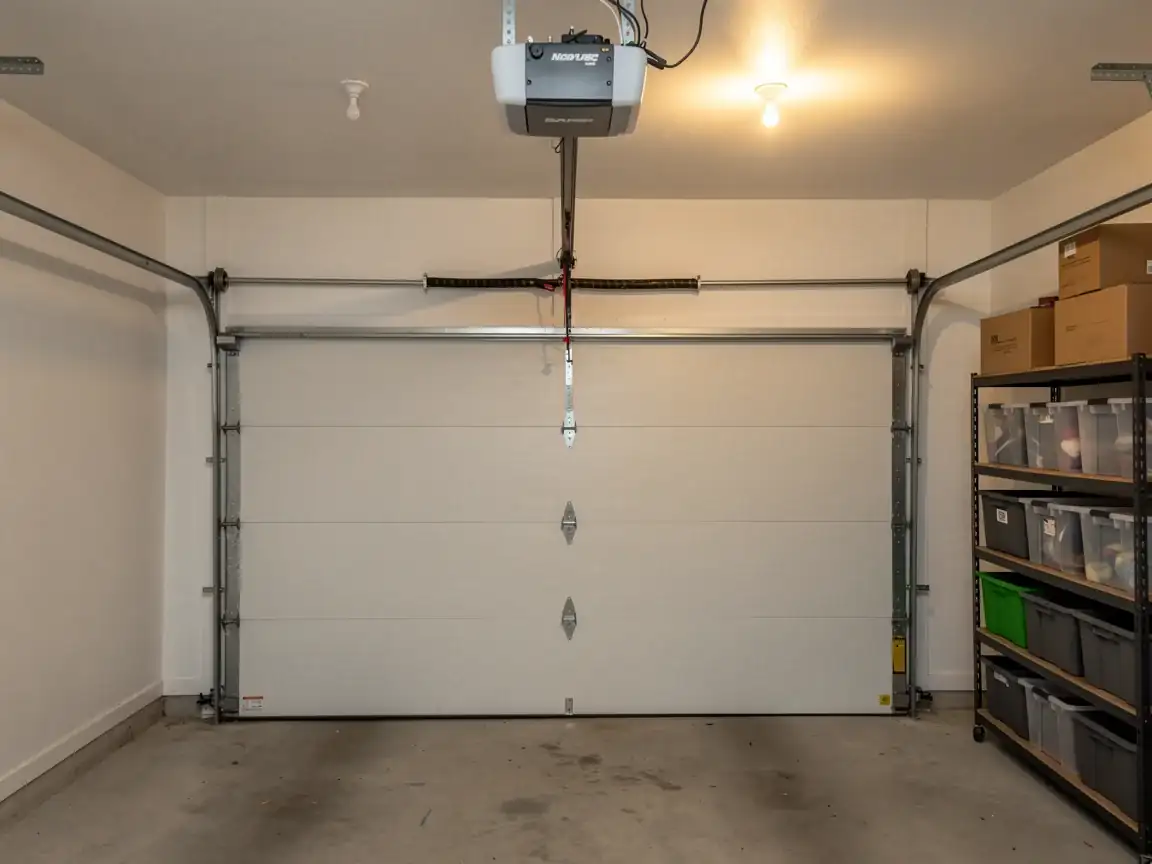
A broken torsion spring on a double door is a two-person lift if you try to muscle it open by hand - the door is heavier than it looks once the spring tension is gone, and we've had calls where someone's already strained a back trying. Leave it down and call.
The other common failure in homes from this build era is the opener's drive gear. Chain and belt units installed through the 1990s used nylon gears that get brittle with age and cold; they strip quietly, so the motor hums but the door doesn't move. People assume it's the remote or the sensor first, and burn a day troubleshooting the wrong thing.
Where it goes sideways for us is parts availability on the higher-end insulated doors that show up more in Bedford than elsewhere in the service area - some of those panel sets and matching hardware aren't something we carry on the truck, and a replacement section can mean a short wait on special order rather than a same-day fix. We'll tell you that up front rather than promise something we can't deliver that day.
Parts We Carry
For the torsion springs common to 1980s-90s construction
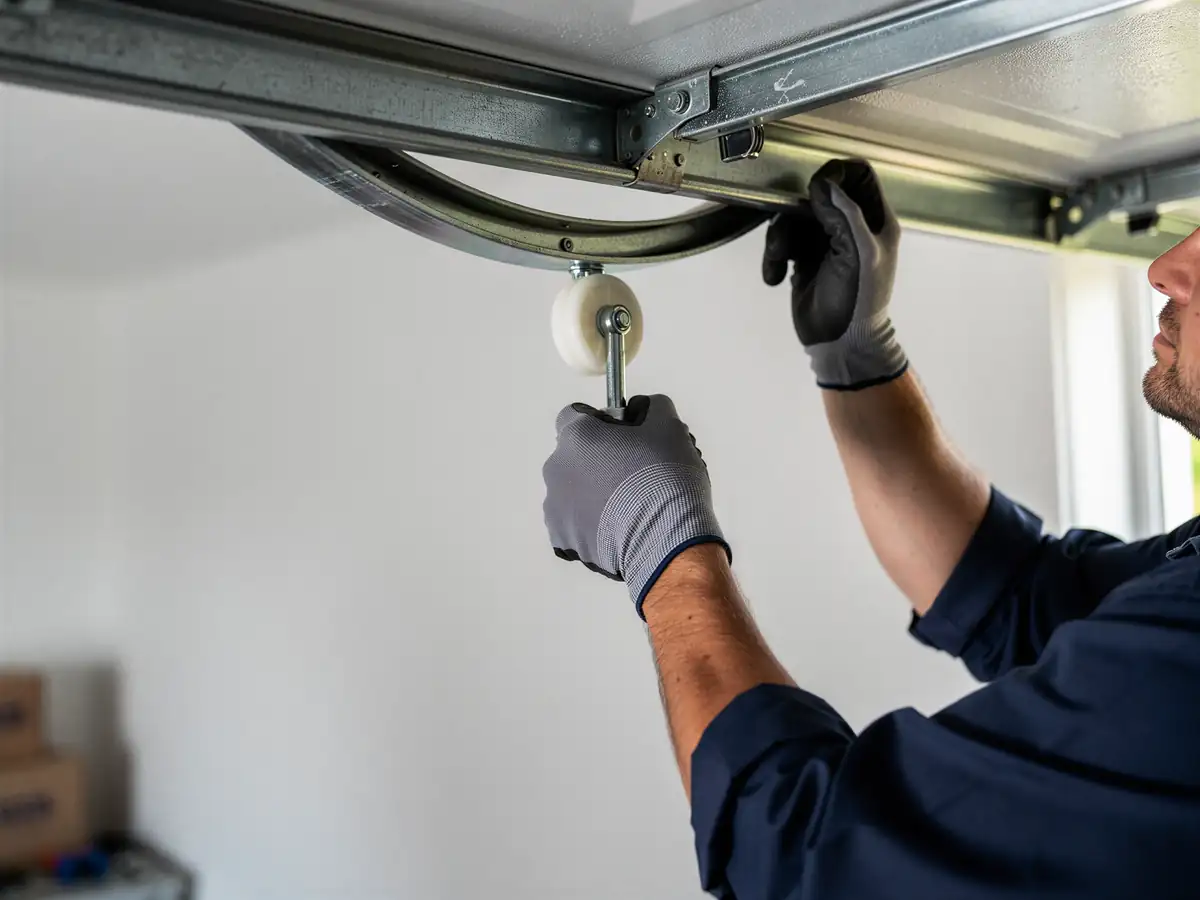
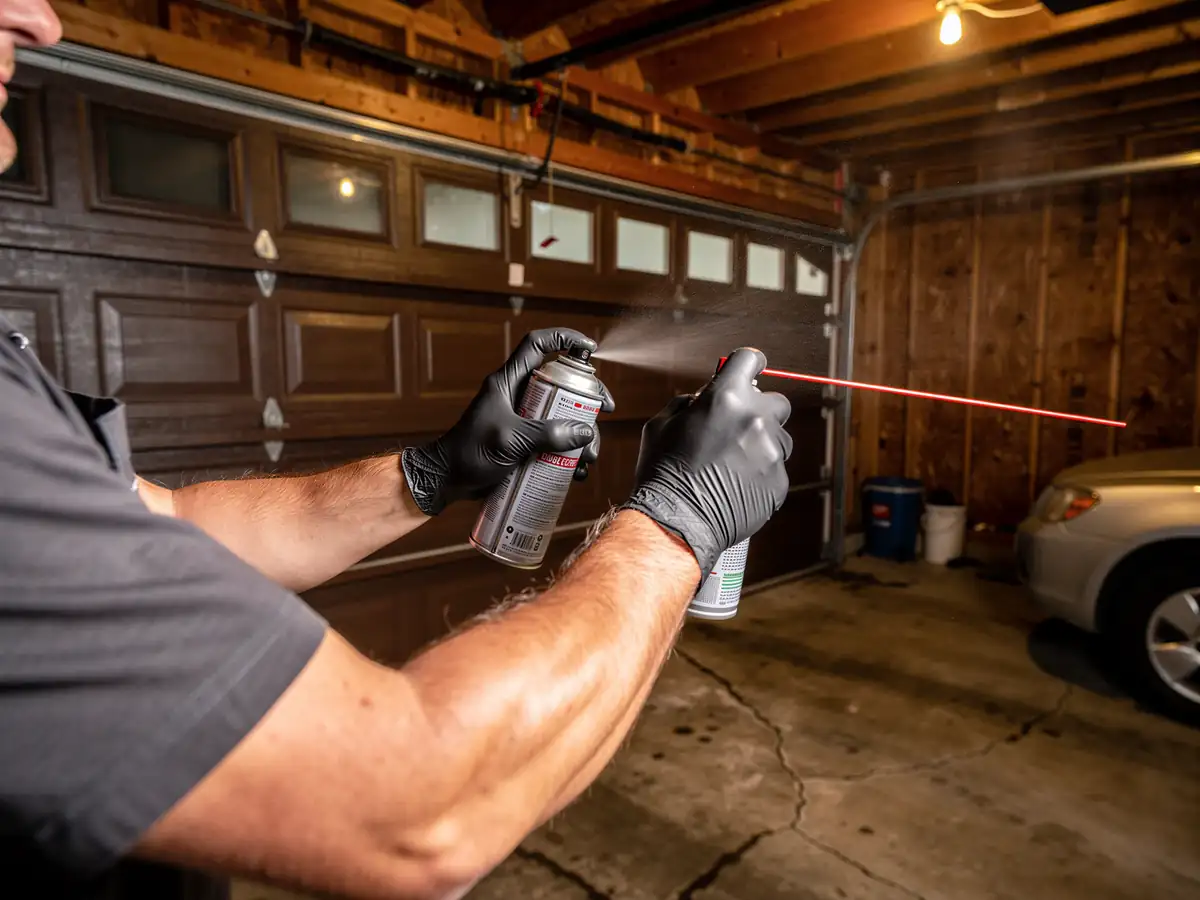
We carry the standard wire sizes and wind lengths that fit a 7-foot double or single opening, plus the drums, cables, and end bearing plates that usually go with a spring failure rather than alone. Rollers and hinges we stock in both steel and nylon, since nylon's quieter and shows up more in the newer end of this housing stock.
On openers, we carry replacement gear kits and circuit boards for the belt and chain drive units most common to homes built in this era
Along with standard safety sensors. What we don't keep on the truck is specialty hardware for high-end insulated door lines - some of the panel and track assemblies that came with pricier installs are special-order items, and that's a lead-time job, not an emergency one. We'd rather say that than show up and improvise.
How We Fix It
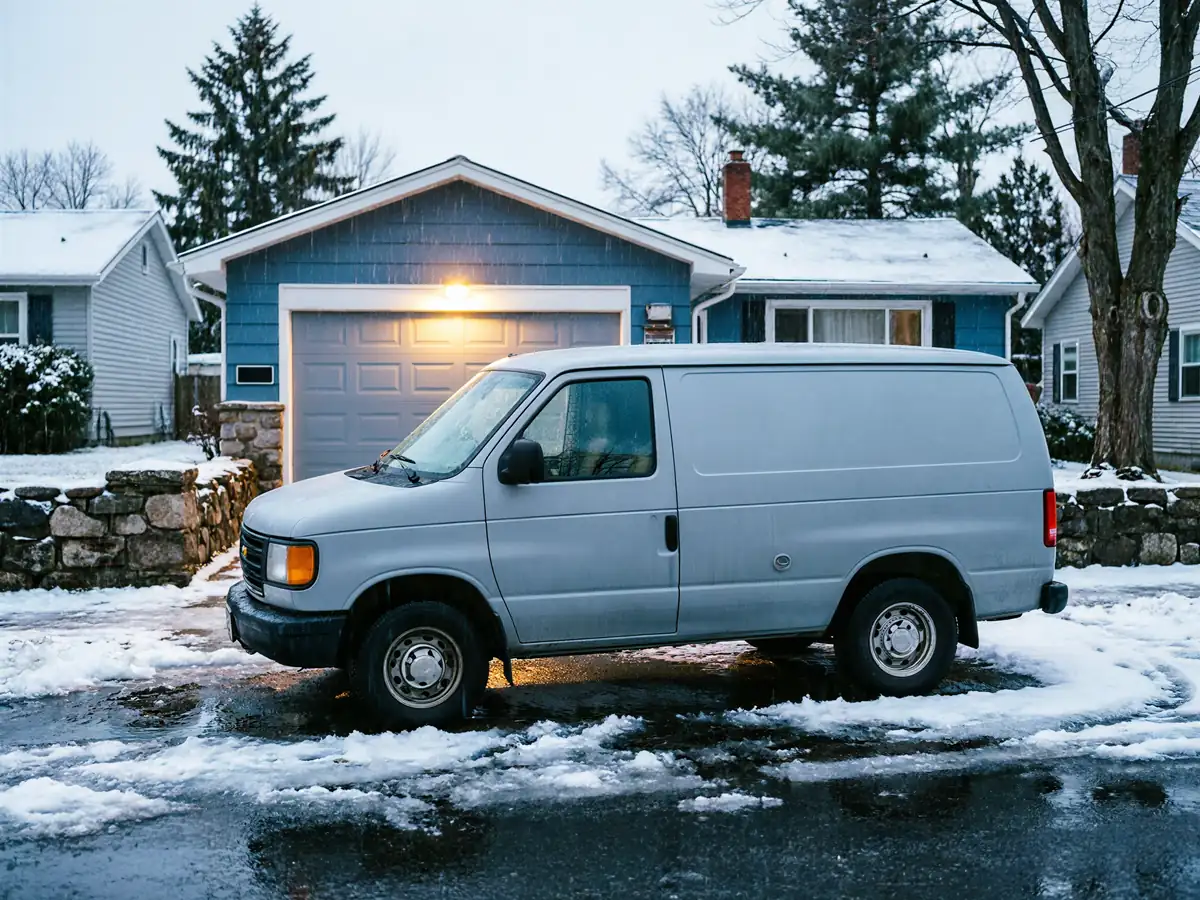
We run the call from Manchester, six miles out, so there's no separate branch or crew sitting in Bedford waiting - just a shorter drive than most of the rest of the territory. On arrival, the first move on any stuck or stalled door is isolating whether it's spring, cable, or opener, because treating the wrong one wastes your time and ours.
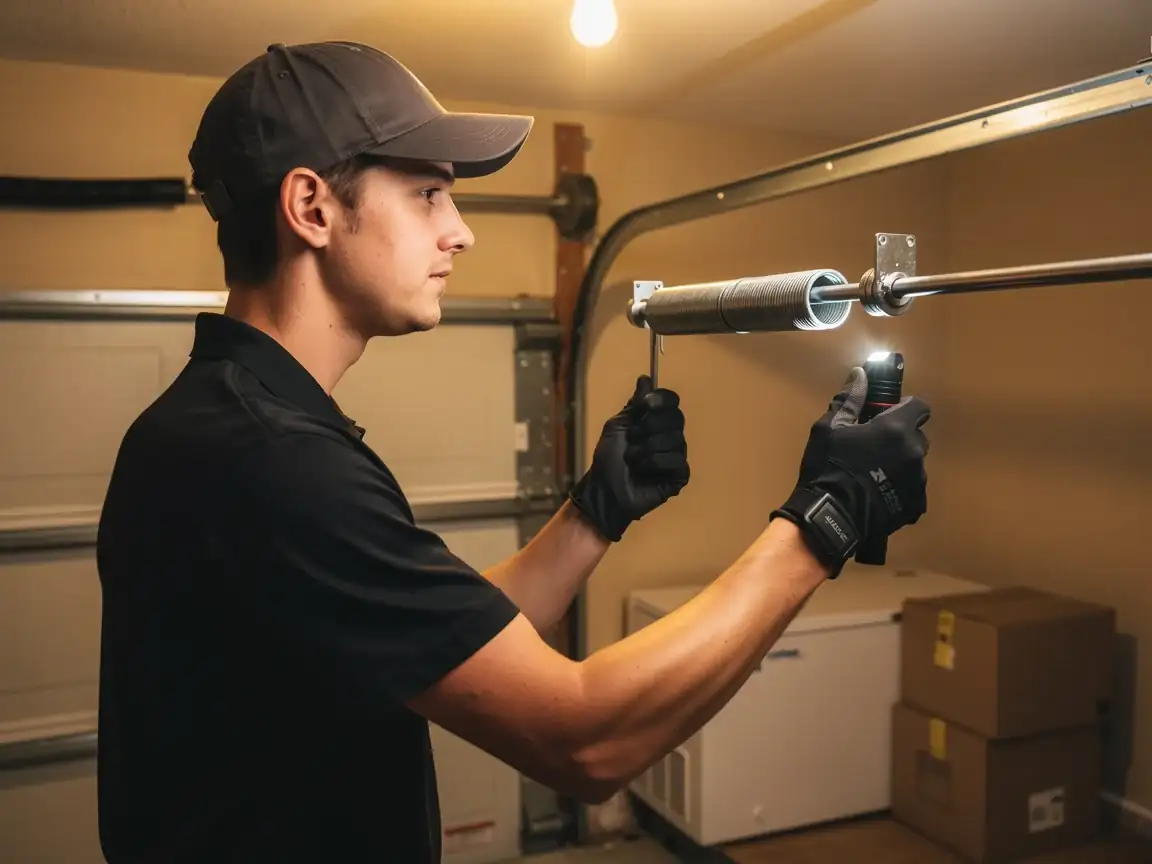
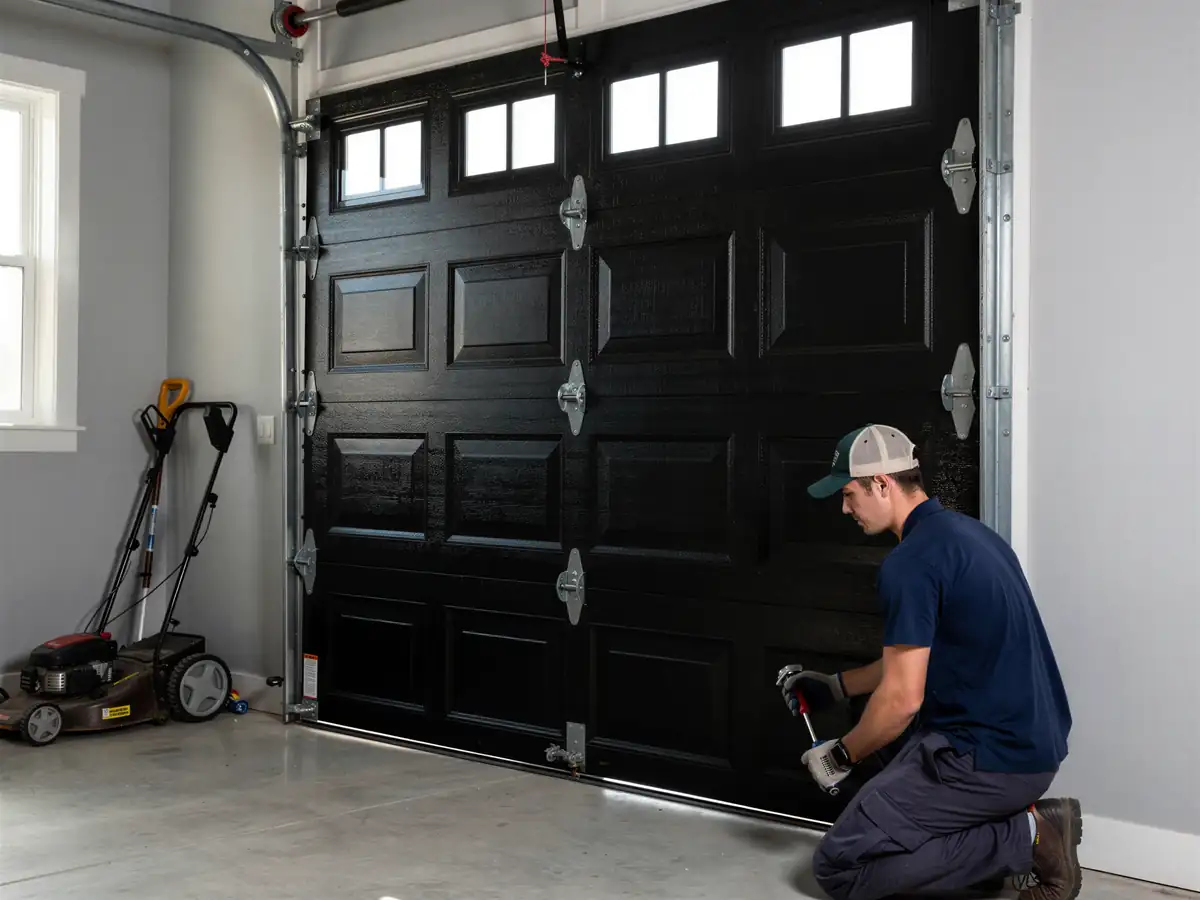
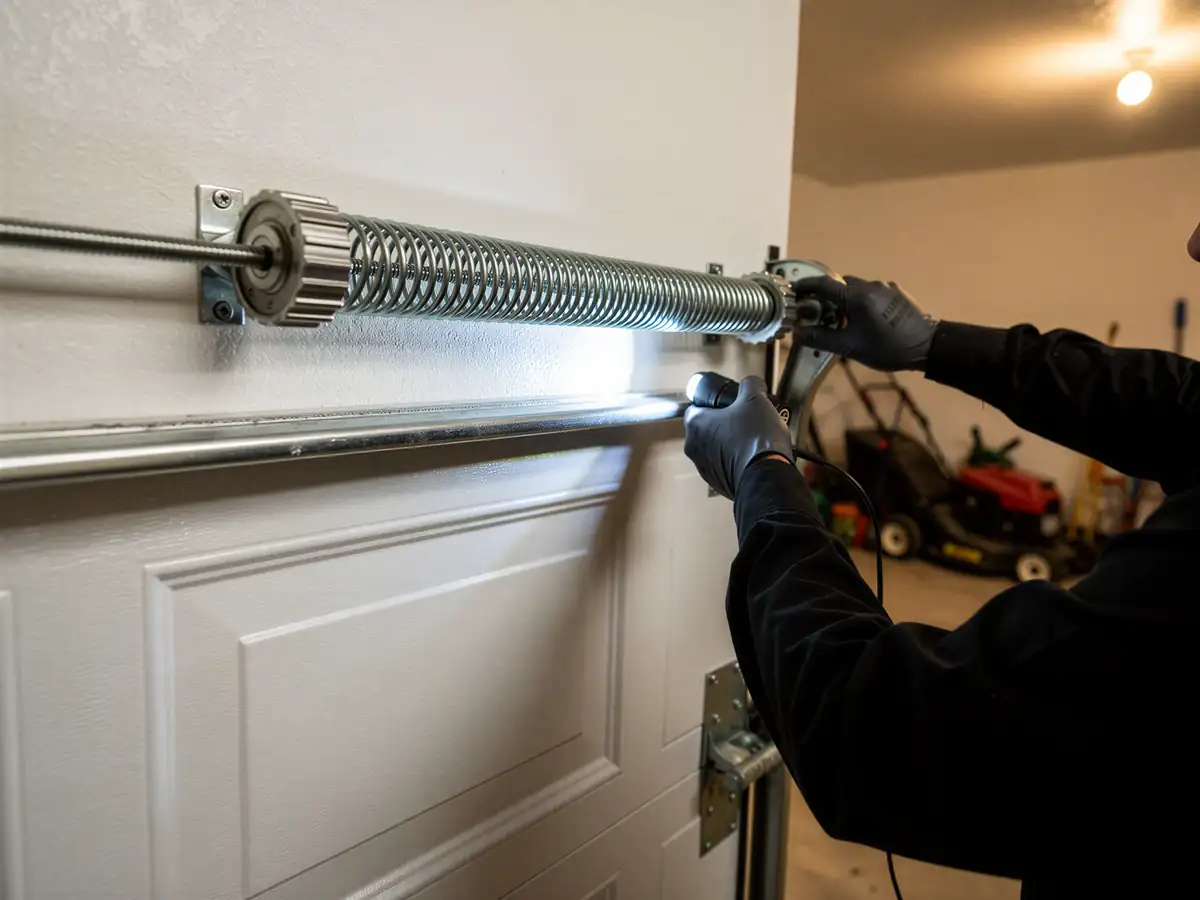
If it's a broken torsion spring, we release what tension is left safely, pull the old spring and drum hardware, and match new springs to the door's actual weight and height rather than guessing off age. If it's an opener gear or board failure, we replace the part rather than the whole unit where the motor and rail are still sound - a full opener swap only makes sense when the drive system itself is failing, not just one part of it.
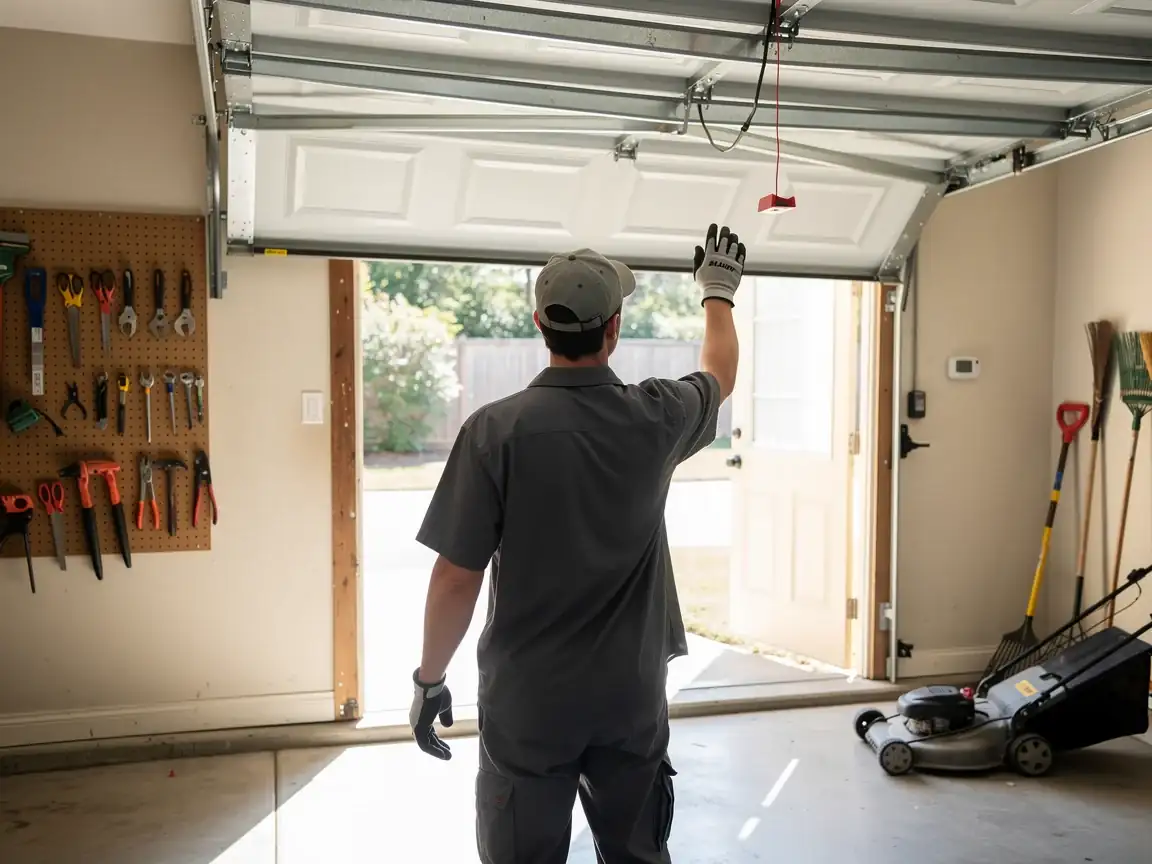
We close every job by cycling the door several times under load and checking balance, because a spring replaced on an unbalanced door just fails again sooner. See our main emergency page for how this works across the rest of the territory, and the Bedford area page for what else we cover out here.