How We Fix It
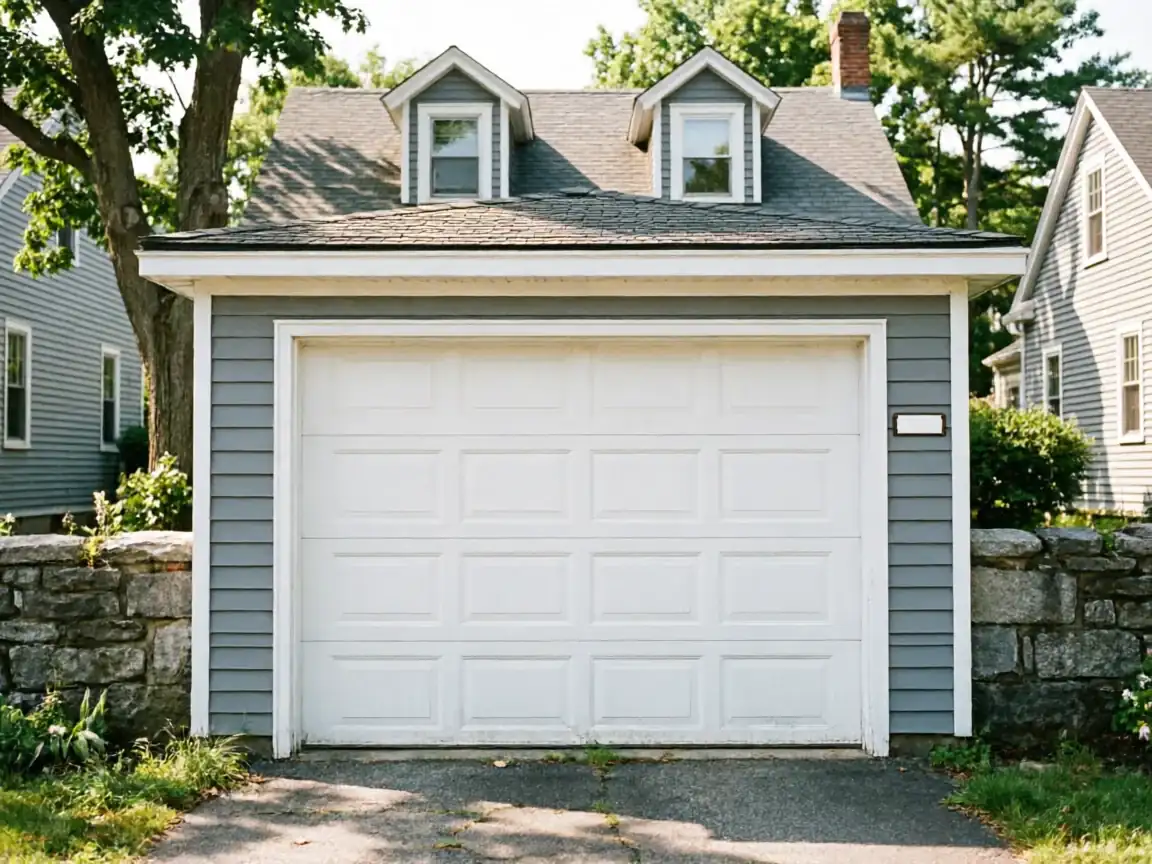
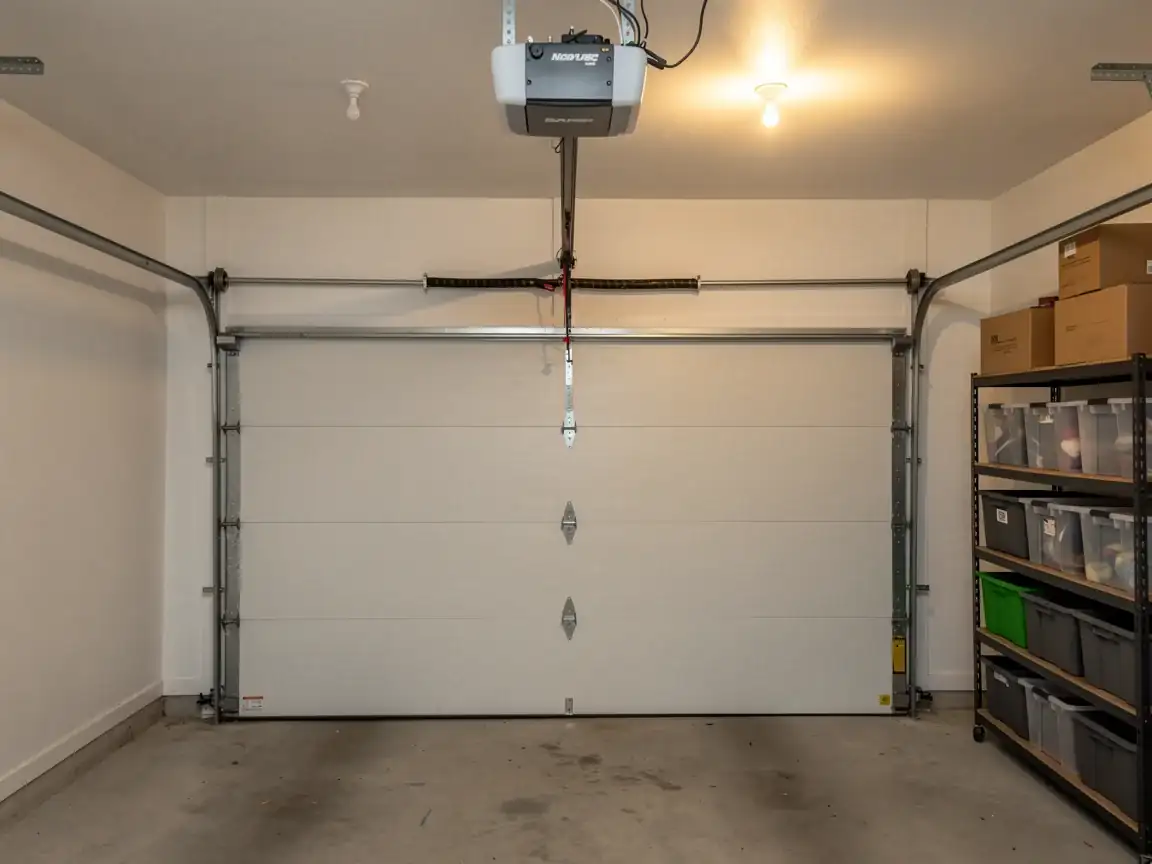
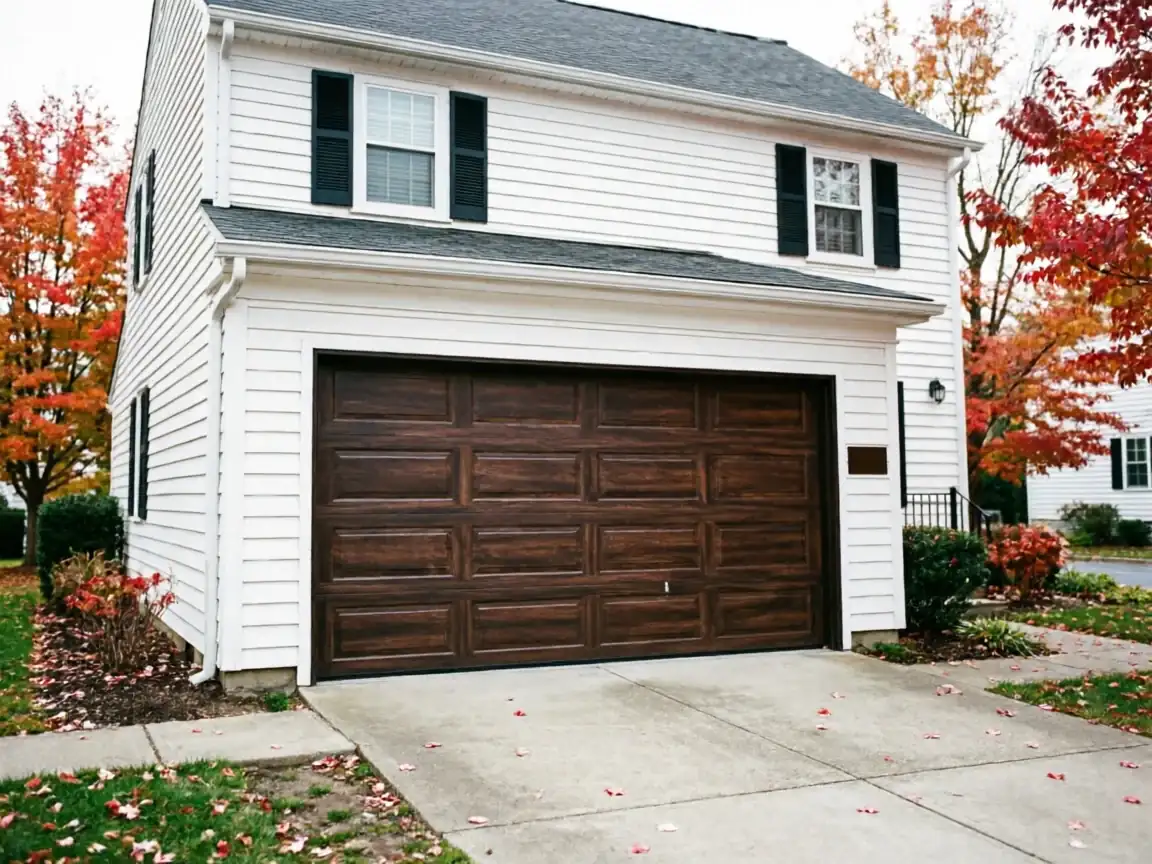
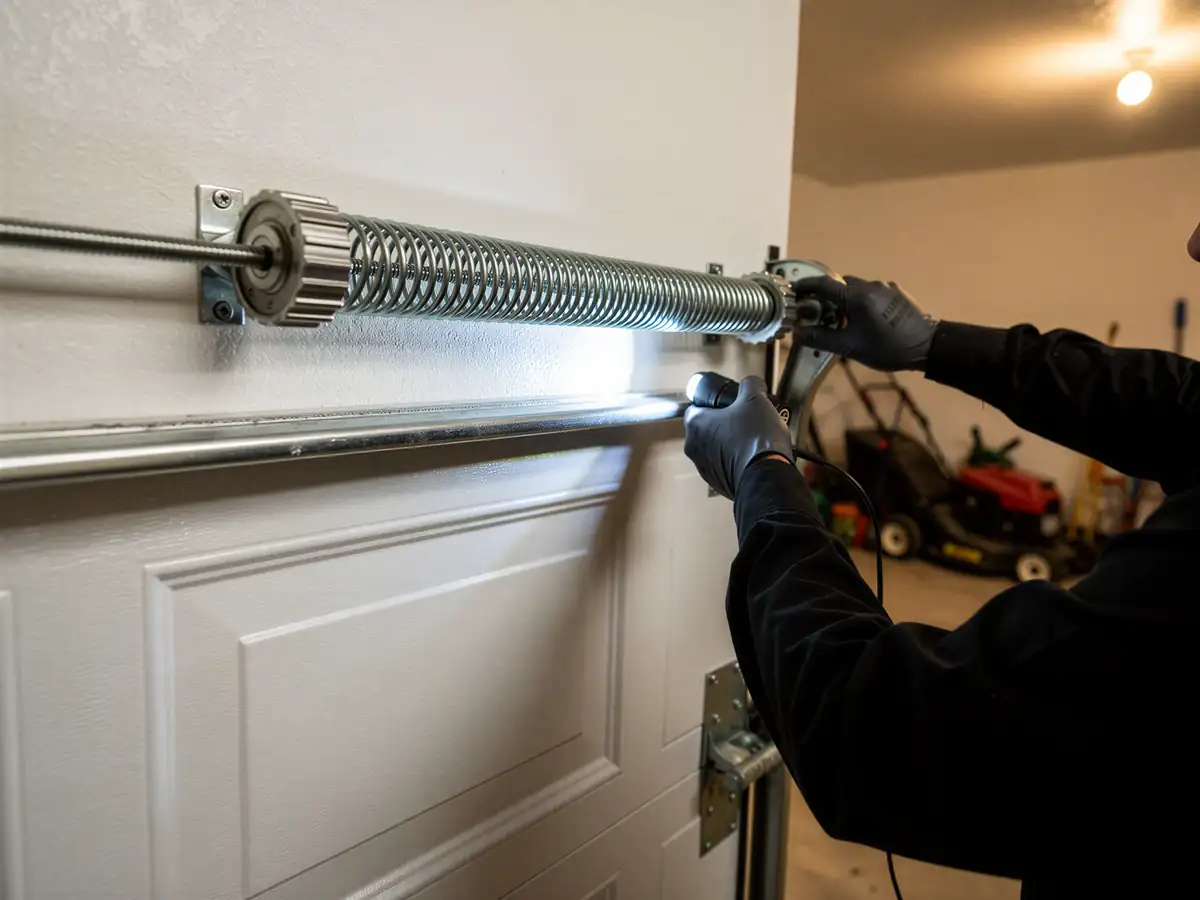
Most garage doors in Auburn went up around 1983, give or take a few years on either side, which puts them squarely in the run of 16x7 and 9x7 steel sectional doors that builders favored through the 1980s and into the 90s. These are heavier than the aluminum doors that came before them, which means the torsion springs carrying that weight work harder over the decades. When one lets go, the door won't lift, or it slams down crooked because only one spring on a double-spring setup has snapped.
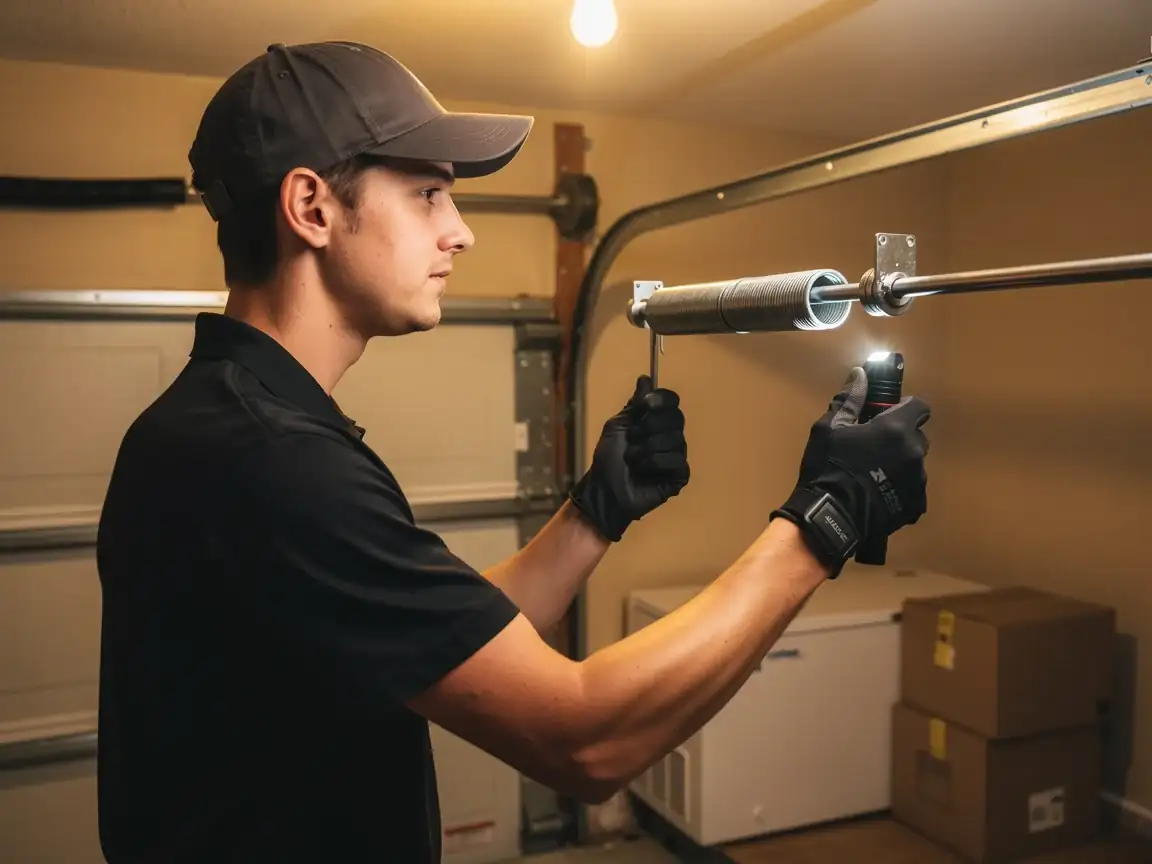
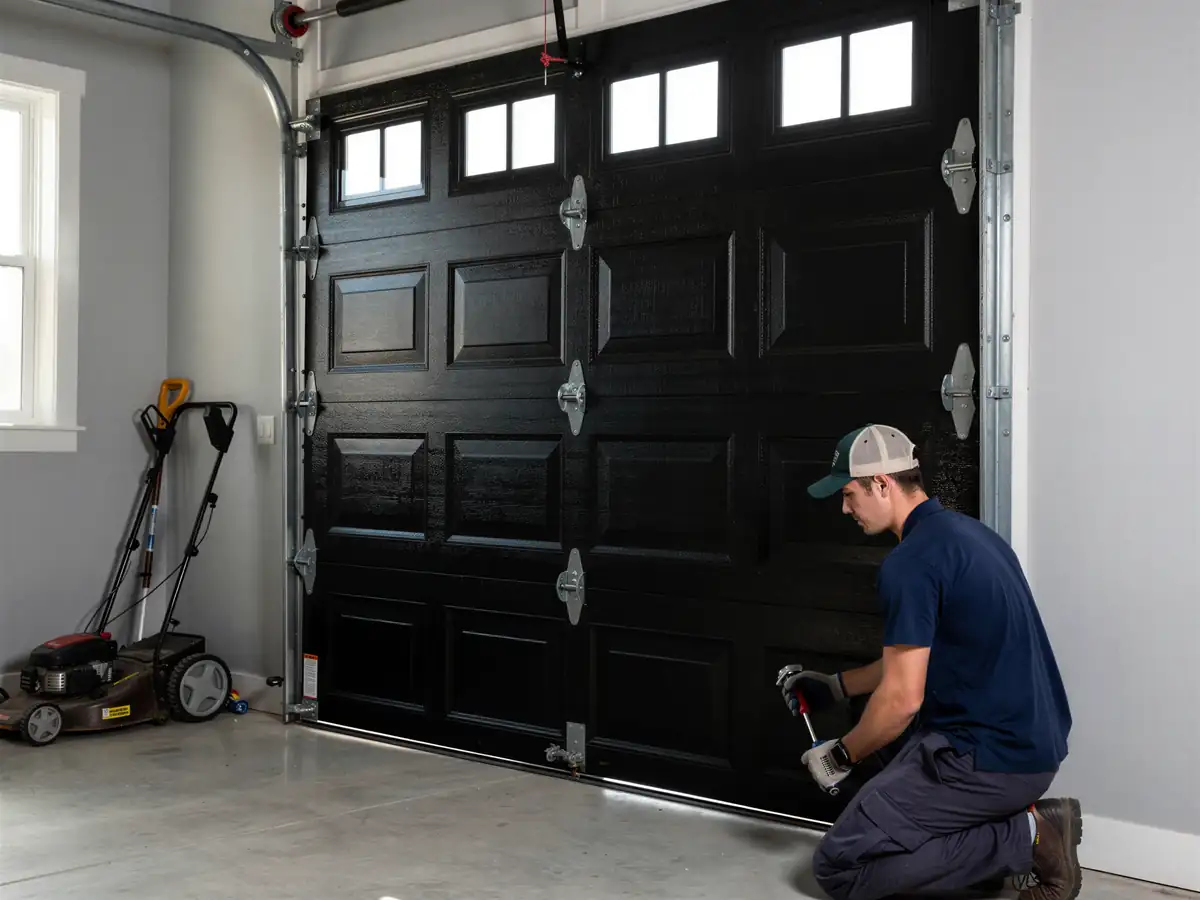
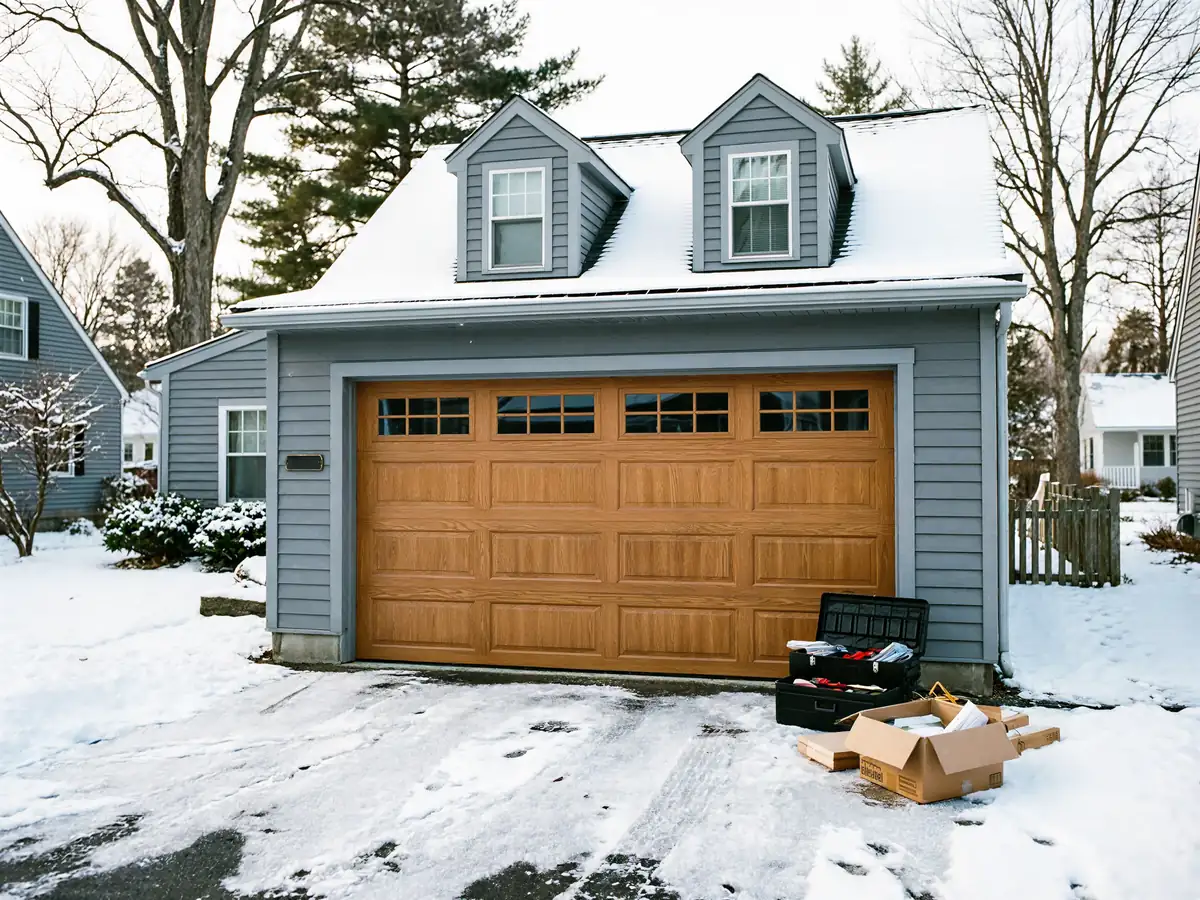
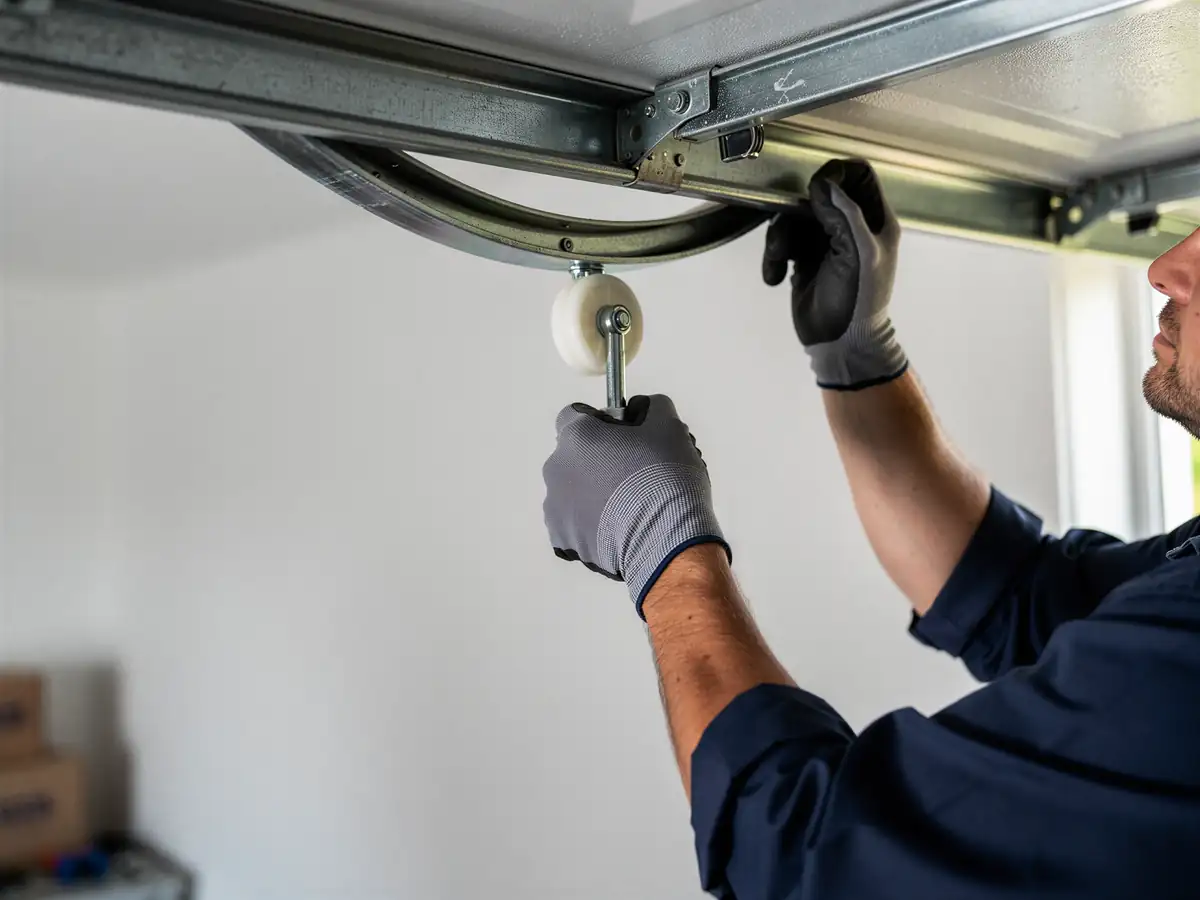
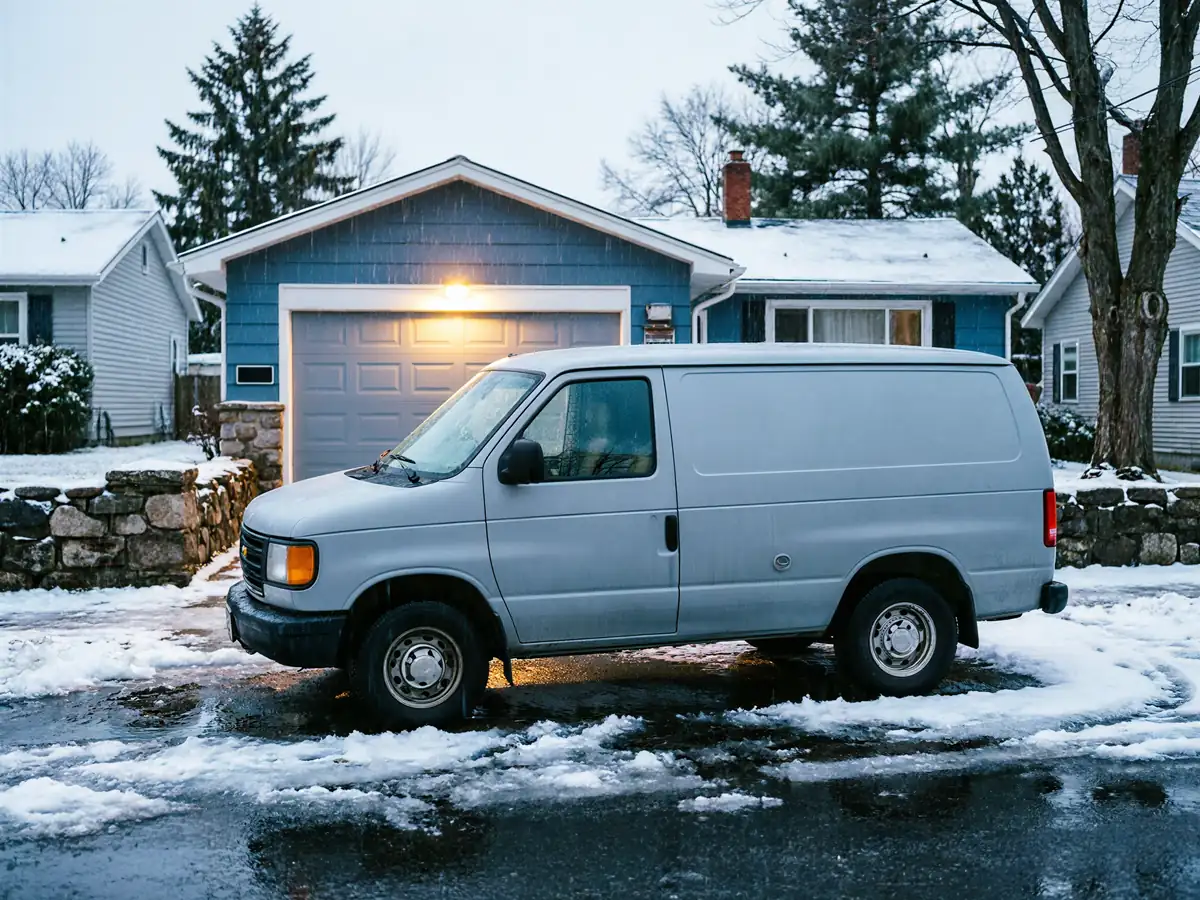
We unwind the broken spring, measure the wire gauge and wind length against the door's actual weight, and replace it with a spring rated for that load, not a generic stock size. On doors this age we also check the shaft and center bearing, since 40 years of use wears those parts down even when the spring itself looks fine. We travel to Auburn from our Manchester shop; there's no branch here, so we bring what the job needs on the truck based on what you tell us about the door when you call.
Parts We Carry
We stock torsion springs in the wire sizes that match 1970s-through-1990s door weights, since that covers the bulk of what's on Auburn garages. We also carry standard-size extension springs for the older two-spring side-mounted setups that some of these houses still have if the door hasn't been swapped out since it was built.
What we don't carry on the truck is oddball or custom-length springs for doors that have been modified or replaced with something non-standard. If a previous owner put in a wider door or an unusual opening size, we may need to order that spring, which can mean a return trip instead of a same-visit fix. We'll tell you up front if that's the case rather than guess and come back with the wrong part.
Can You Do This Yourself
A torsion spring is wound under several hundred pounds of tension
And the winding bars and clamping steps matter more than they look like they would. People get hurt on this job, including people who've done it before. If you're set on trying, at minimum don't attempt it with a one-piece bar, don't stand in front of the door while it's under tension, and don't reuse a spring that's already stretched or rusted through.
Extension springs are a little more forgivable to look at
Since the tension isn't coiled the same way, but the safety cables that are supposed to catch a broken extension spring are often missing on older installs. If yours doesn't have them, that's worth fixing regardless of who does the spring work. Honestly, for most homeowners, this is the one repair on a garage door that's worth paying for rather than learning on your own door.
Time on the Job
A straightforward torsion spring swap on a door from this era, once we're on site with the right spring, usually runs under an hour. Doors with two springs where only one broke still need the matching spring replaced too, since mismatched springs wear unevenly and you'll be back to a second repair within a year or two. That adds a little time but saves you a second call.
If the shaft, bearings, or cable drums show wear from decades of cycling, we'll flag it, and fixing those at the same time adds to the visit but costs less than a separate trip later. We don't pad a quote with work the door doesn't need, but on a 40-year-old door we're not going to ignore a bearing that's about to seize either.
Where This Job Goes Sideways
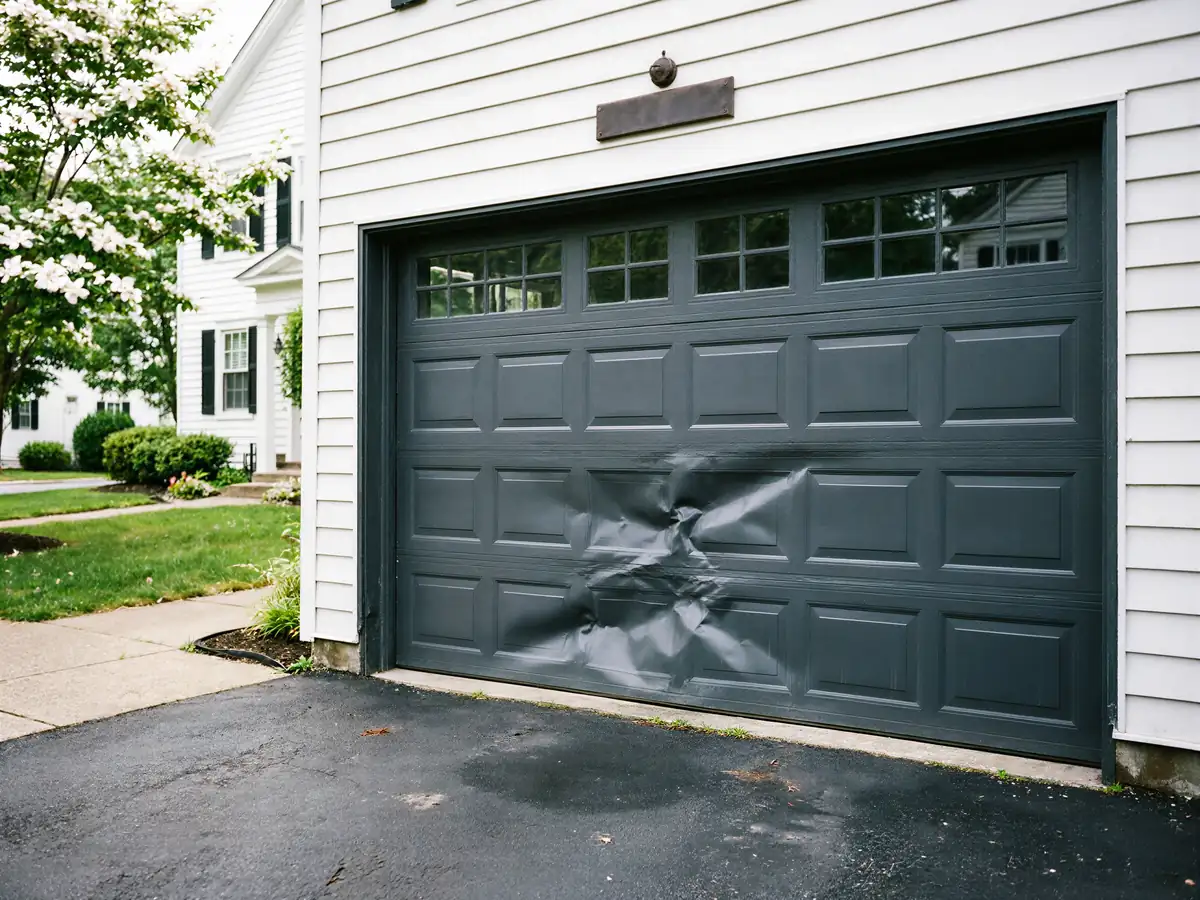
The spring itself is rarely the whole story on a door this old. A broken spring that's been left unaddressed for even a few days lets the opener take on weight it isn't built for, and we see opener gears stripped on Auburn calls that started as nothing more than a snapped spring. If the opener's been straining against a dead spring, don't assume replacing the spring alone fixes the door.
Cold also plays a part here. Winters in this region put real strain on steel springs and brittle plastic rollers, and a spring that's been slowly weakening for a year often finally breaks on the coldest morning of the season, not a mild one. If your door's been getting harder to lift by hand over the past few months, that's usually the spring losing tension before it fully goes, and it's worth a call before it fails during a cold snap instead of after.