How We Fix It
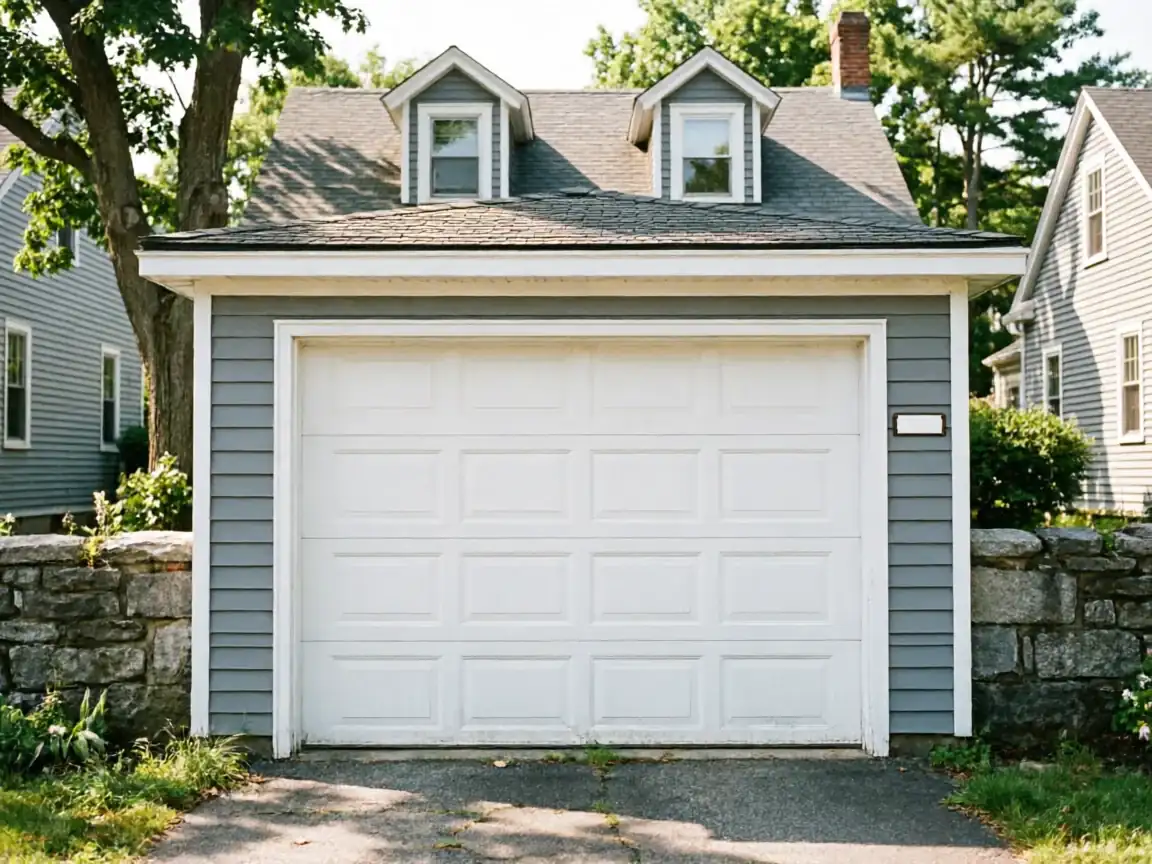
Manchester's housing stretches from 1938 to 1997, which means our trucks see everything from original one-piece wood doors to late-90s steel sectionals on the same route. Auburn is different. The town's median build year sits at 1983, and the stock here is tighter around that date than almost anywhere else we cover. That narrow window simplifies the diagnosis: when we open a panel in Auburn, we're almost always looking at the same generation of extension-spring hardware and the same gauge of steel track, aged the same number of winters.
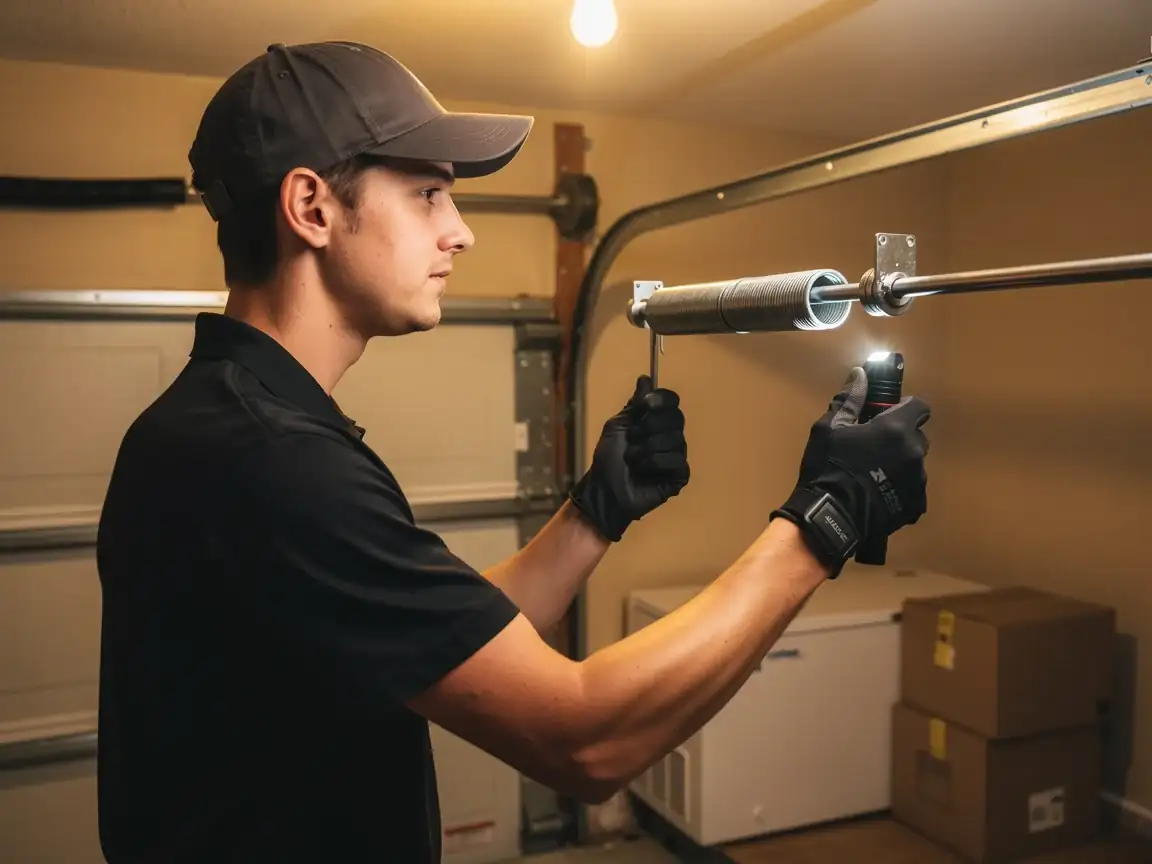
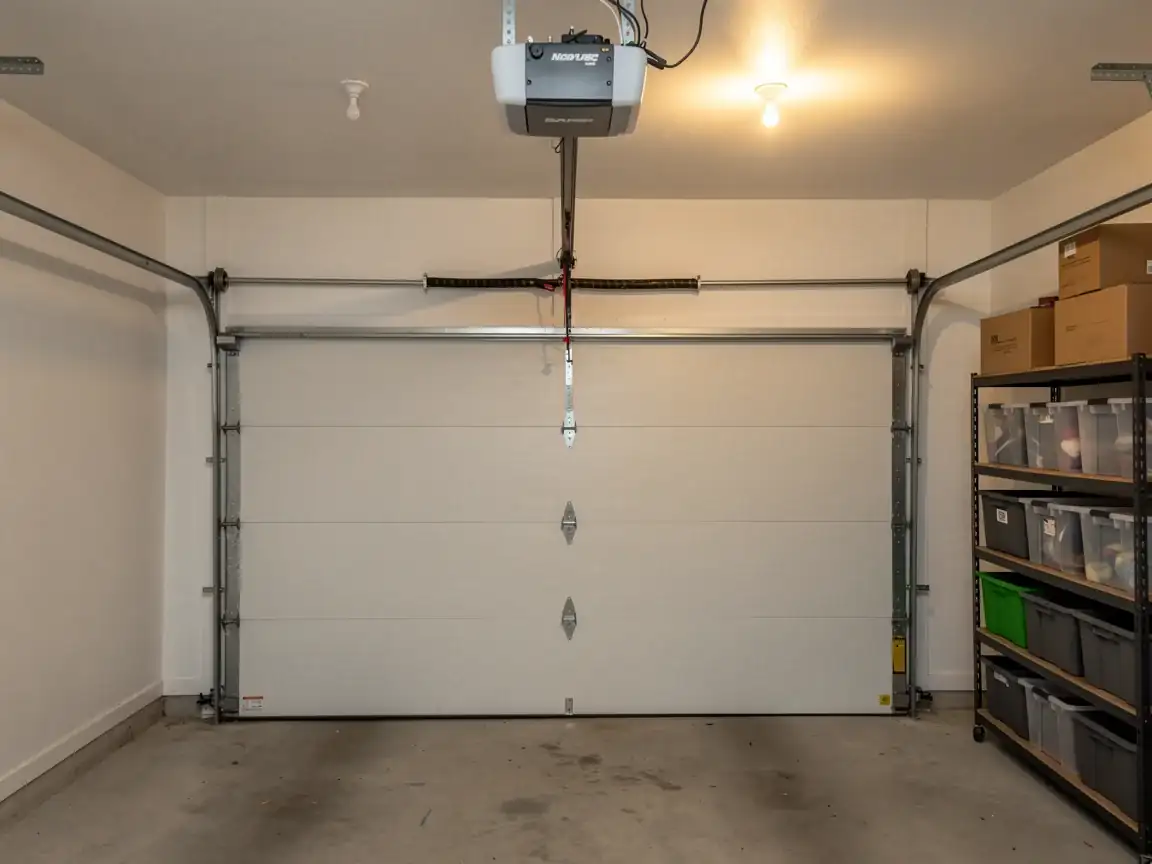
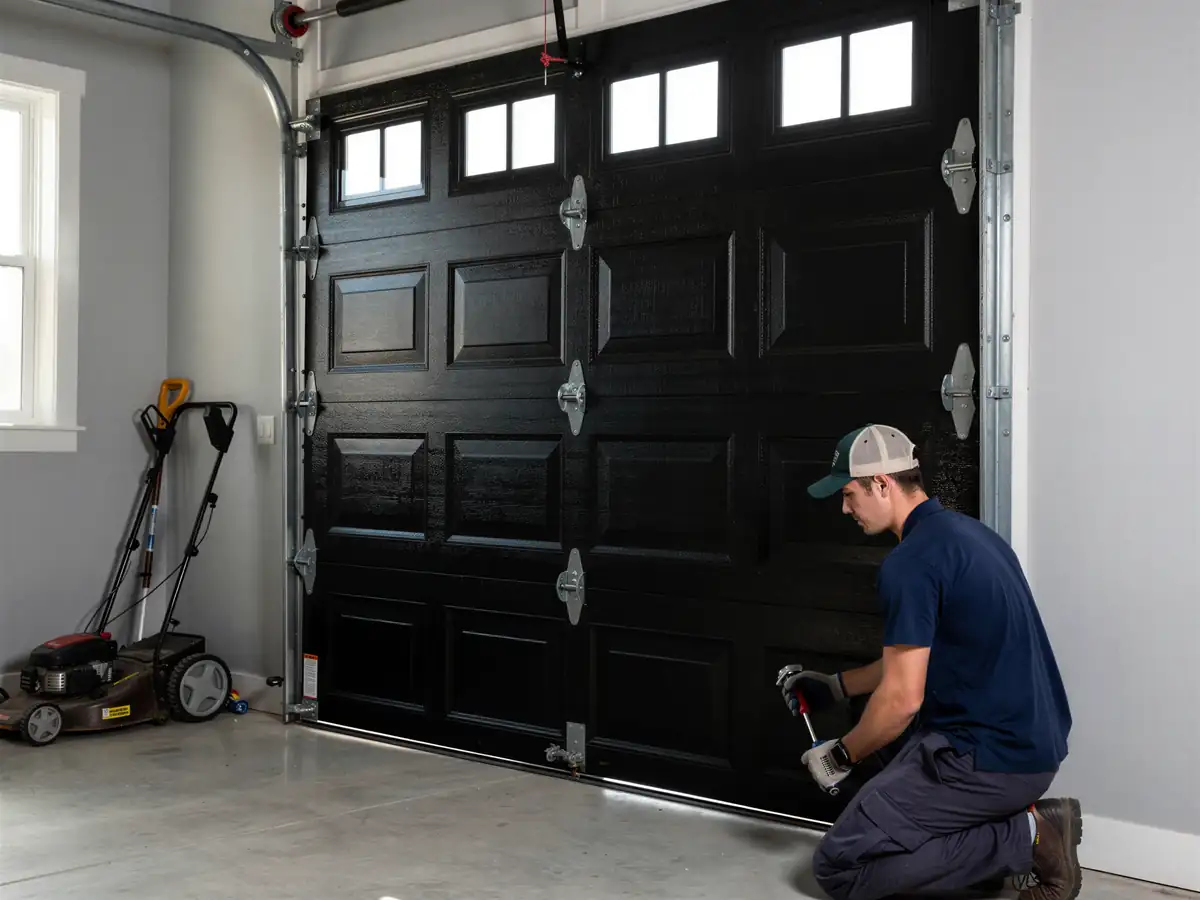
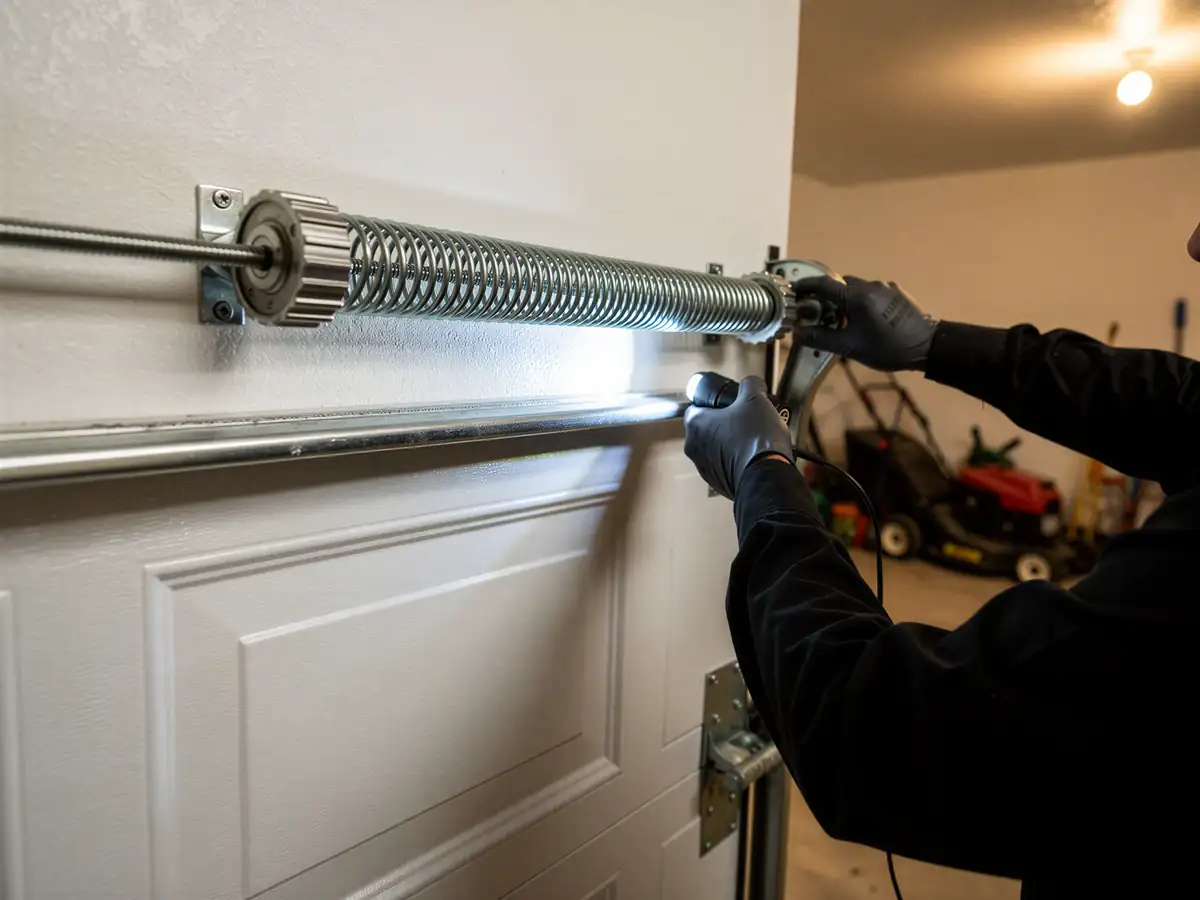
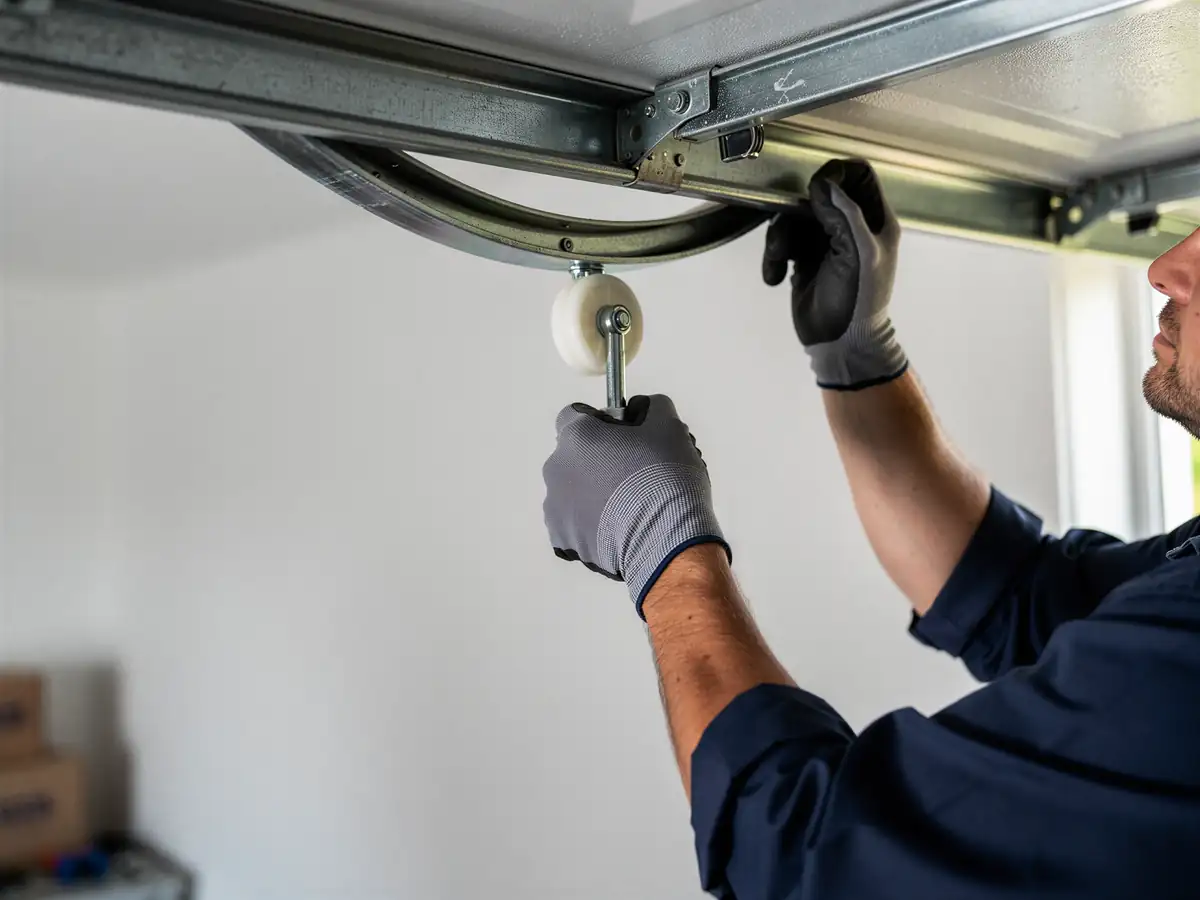
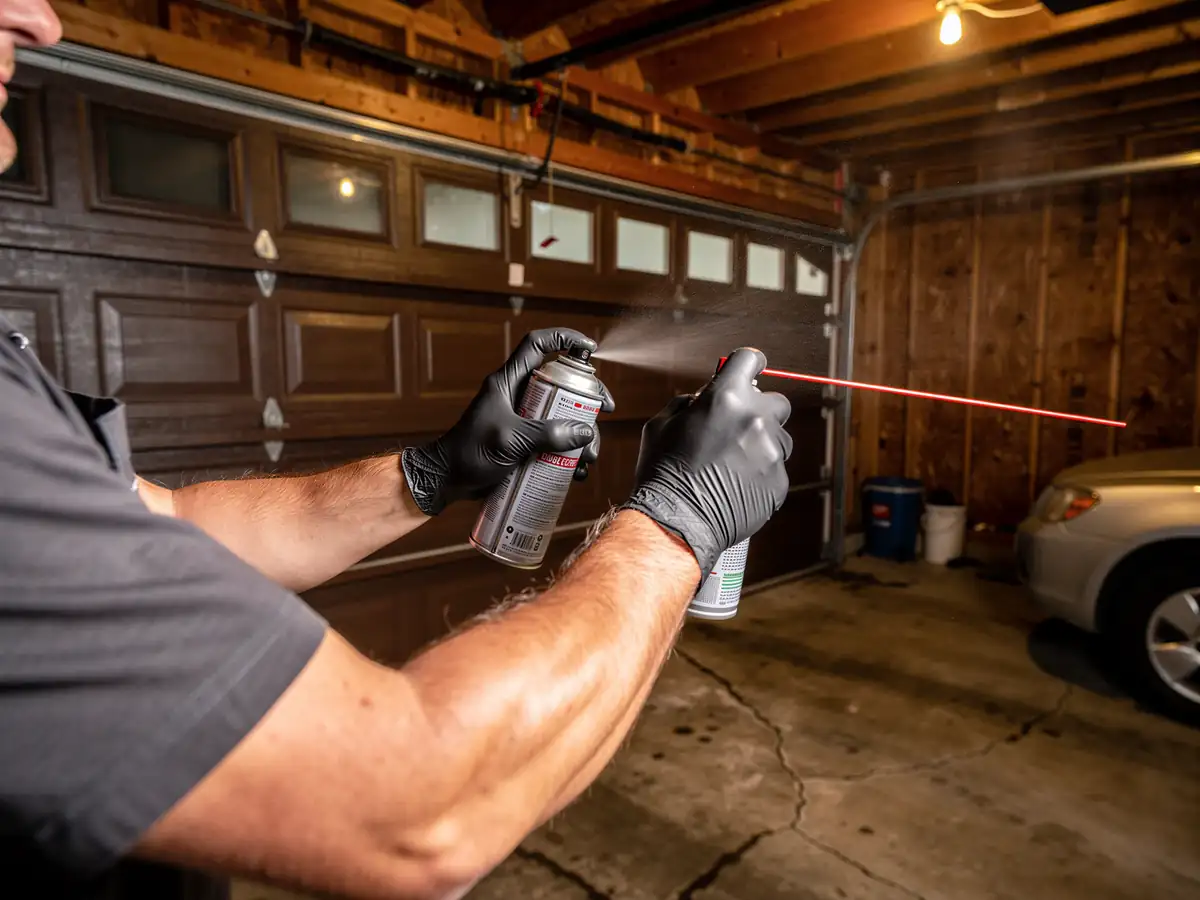
Our maintenance visit starts with the spring system, since a door built in the early 1980s is now old enough that the original springs have been cycled tens of thousands of times. We check torsion and extension spring tension, inspect the track for the rust pitting that severe cold climates cause over decades, and test the opener's force settings against the door's actual weight, which drifts as rollers wear. We lubricate hinges and rollers, tighten loose hardware, and check cable fraying at the drum. We don't replace parts that are still within spec just to pad a ticket.
Parts We Carry
Because Auburn's doors cluster so tightly around a single build era, we stock the rollers, hinges, and extension spring sizes that fit 1980s-vintage sectional doors on the truck more often than we would for a town with a wider spread of ages. Steel sectional panels from this period typically ran on galvanized track with nylon or steel rollers, and both wear out on a predictable schedule once they pass the 35-to-40-year mark.
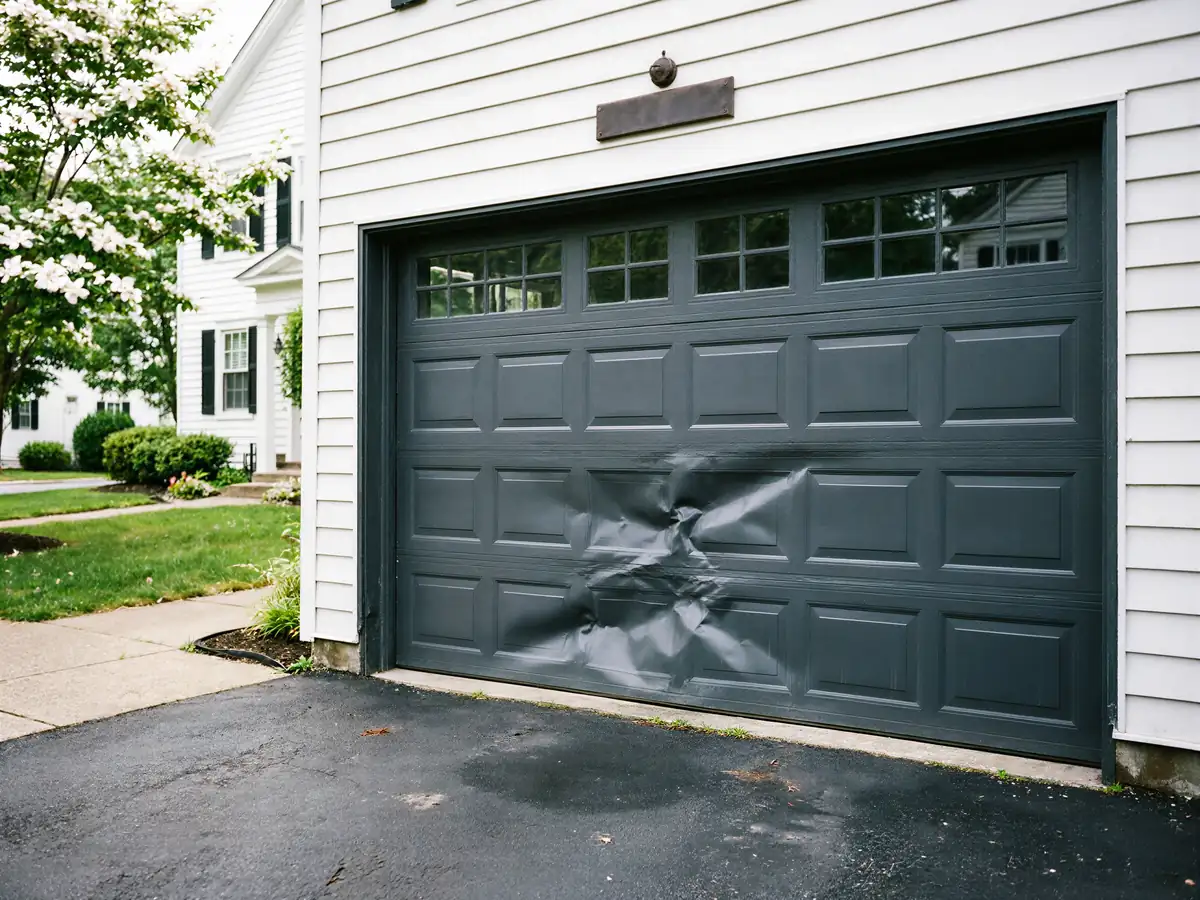
What we don't carry on the truck is anything custom to a specific door brand or a panel style we haven't confirmed in person first. If your door needs a matched replacement panel instead of a repair, that part usually has to be ordered, and lead times on matched panels run longer than a standard maintenance visit. We'll tell you straight if your door is at the point where parts availability makes replacement the more sensible call instead of another round of fixes.
Can You Do This Yourself
Some of this is fine to do on your own
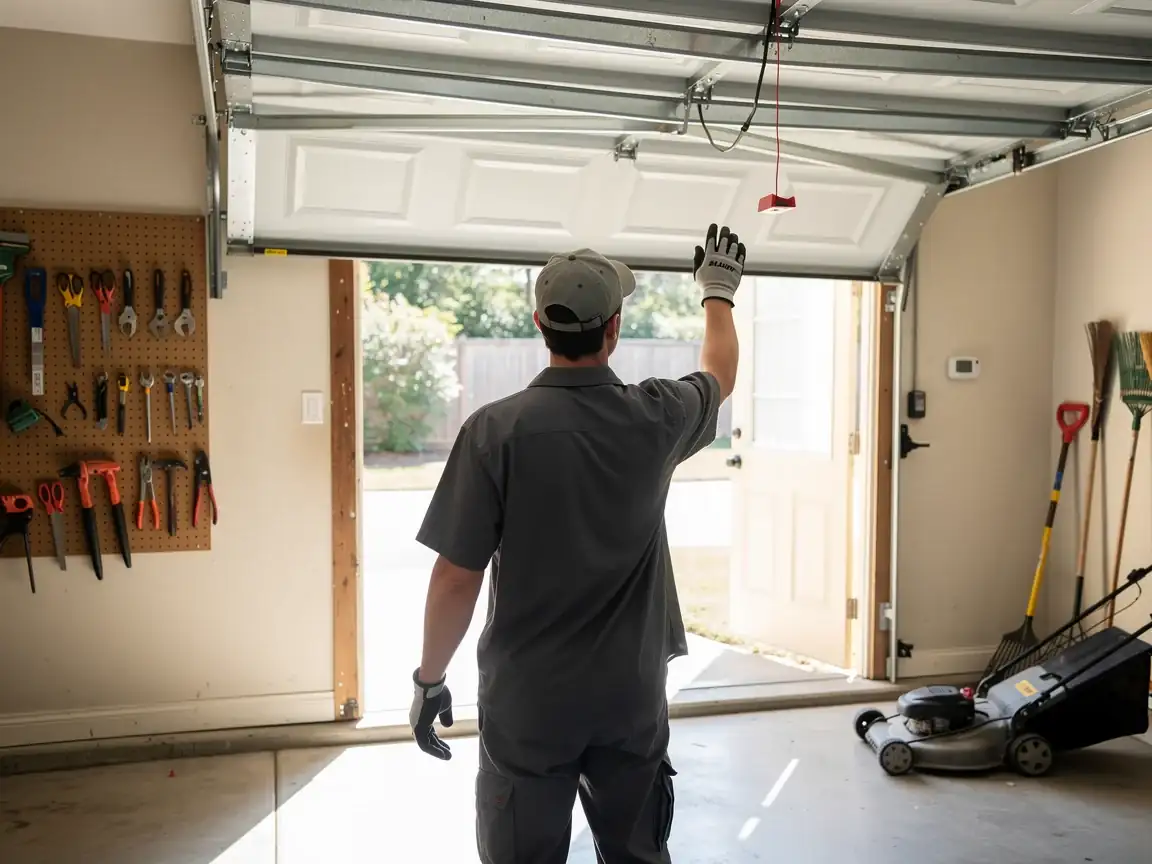
Wiping down the track, checking that the auto-reverse safety feature still works, and keeping hinges lubricated are homeowner-level tasks, and a 1983-built door benefits from getting that attention every few months rather than once a year.
What we don't recommend doing yourself is anything involving the torsion or extension springs themselves
These are under enough stored tension to cause serious injury if they let go while you're working near them, and on a door this age, the spring is often closer to failure than it looks from the outside. If a spring is rusted, visibly stretched, or missing a coil, that's a call for us, not a weekend project.
Time on the Job
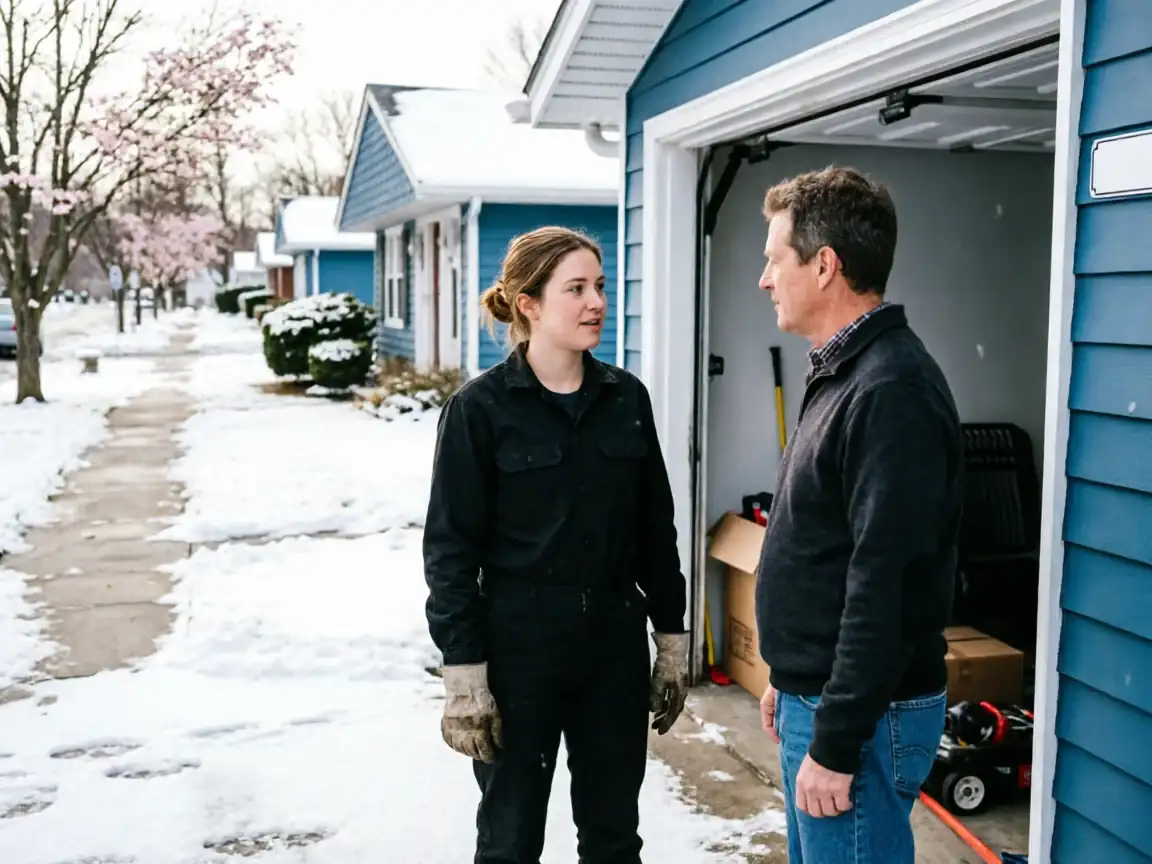
A standard maintenance visit on a single door runs long enough to properly check the spring, track, rollers, cables, and opener settings rather than just glance at them. Auburn's distance from our shop in Manchester, about 4 miles, means drive time isn't the variable here; the condition of a nearly 40-year-old door is. If everything's in reasonable shape, the visit is quick. If we find a spring near the end of its life or a cable starting to fray, we'll walk you through what that repair adds to the visit before we start, rather than surprise you with it at the end.
Where This Job Goes Sideways
The most common surprise on an Auburn maintenance call is a door that looks fine from the driveway but has a spring that's one or two cycles from snapping. Doors built around 1983 are now old enough that corrosion inside the spring coil isn't visible until it's tensioned up and down a few more times, and the area's severe cold winters accelerate that kind of fatigue more than a milder climate would.
The other place this goes sideways is on households that have delayed maintenance because the opener still runs fine. A working opener tells you nothing about the condition of the springs or cables carrying the actual weight of the door. With a median household income here running higher than the broader Manchester service area, we see more Auburn owners choose to replace worn parts proactively rather than wait for a failure, and on a door this age, that's usually the cheaper path.