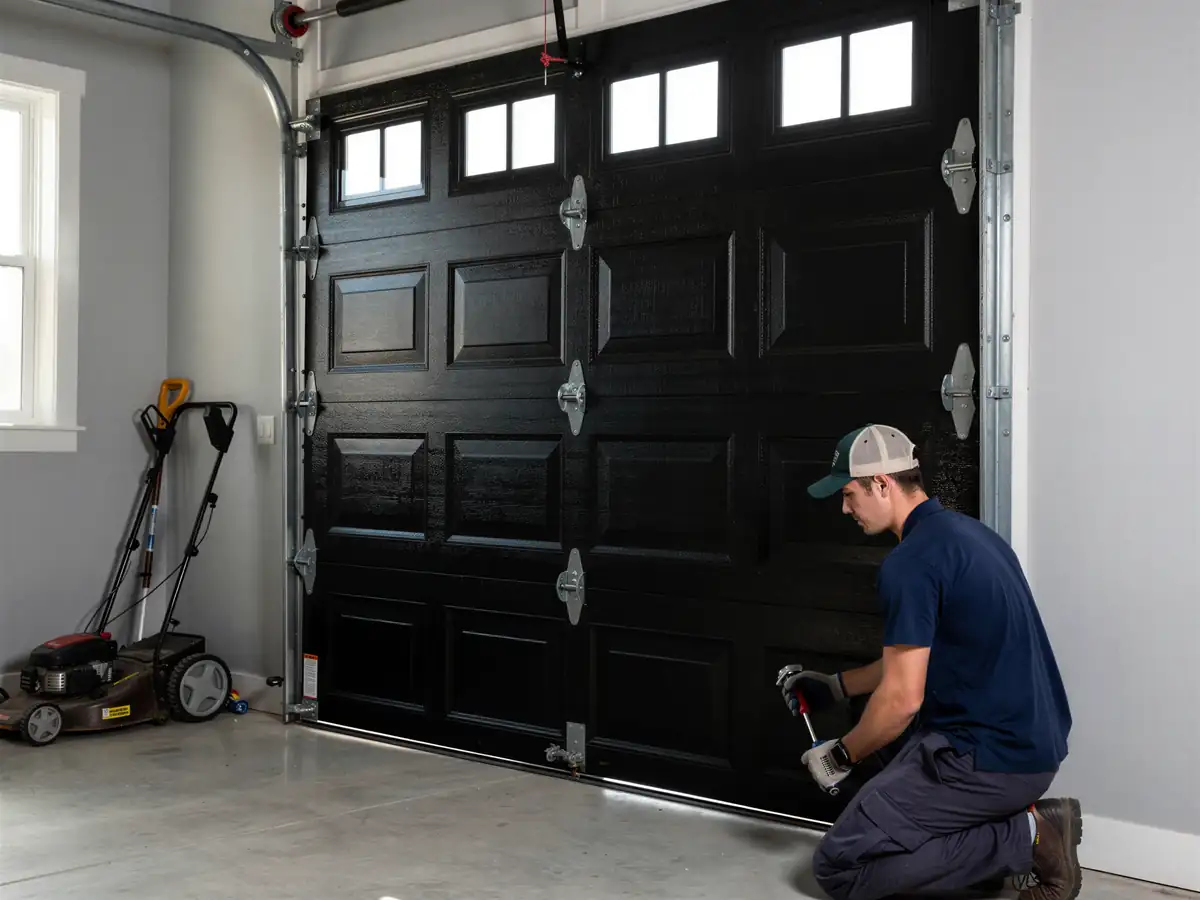
How We Fix It
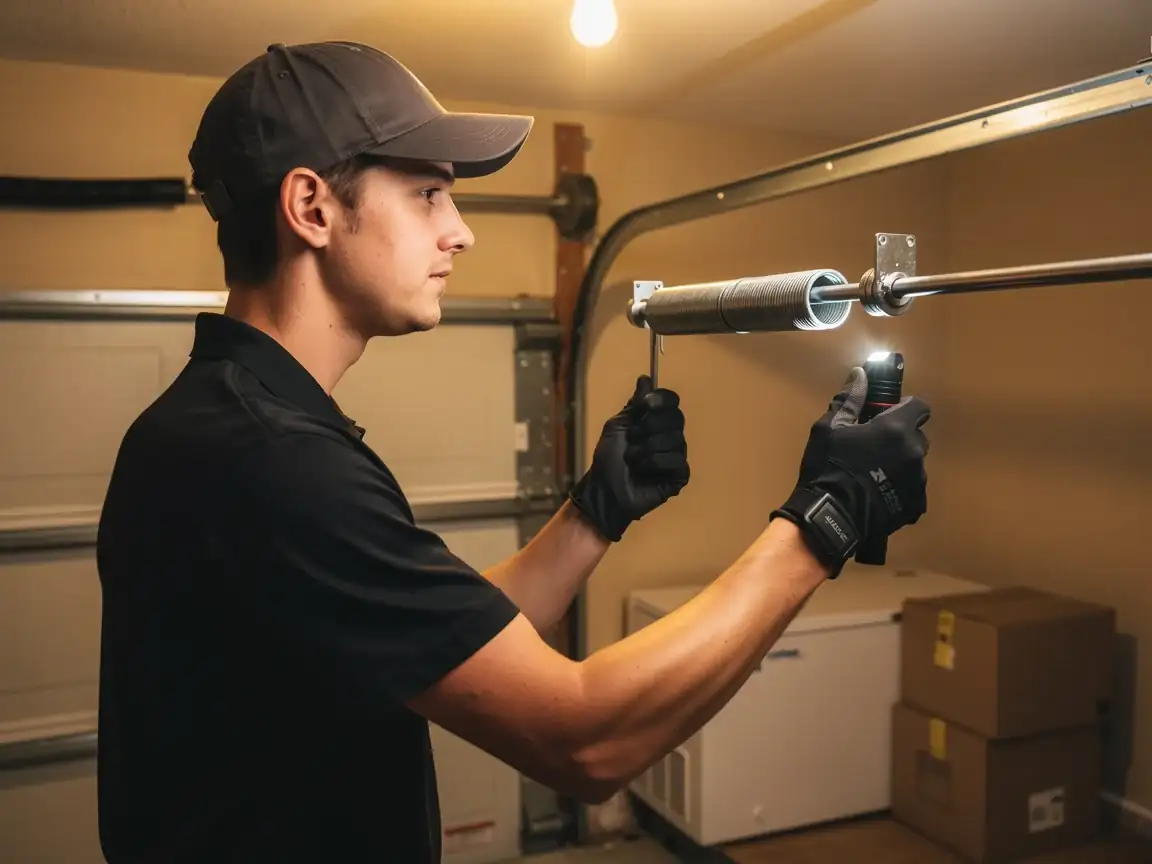
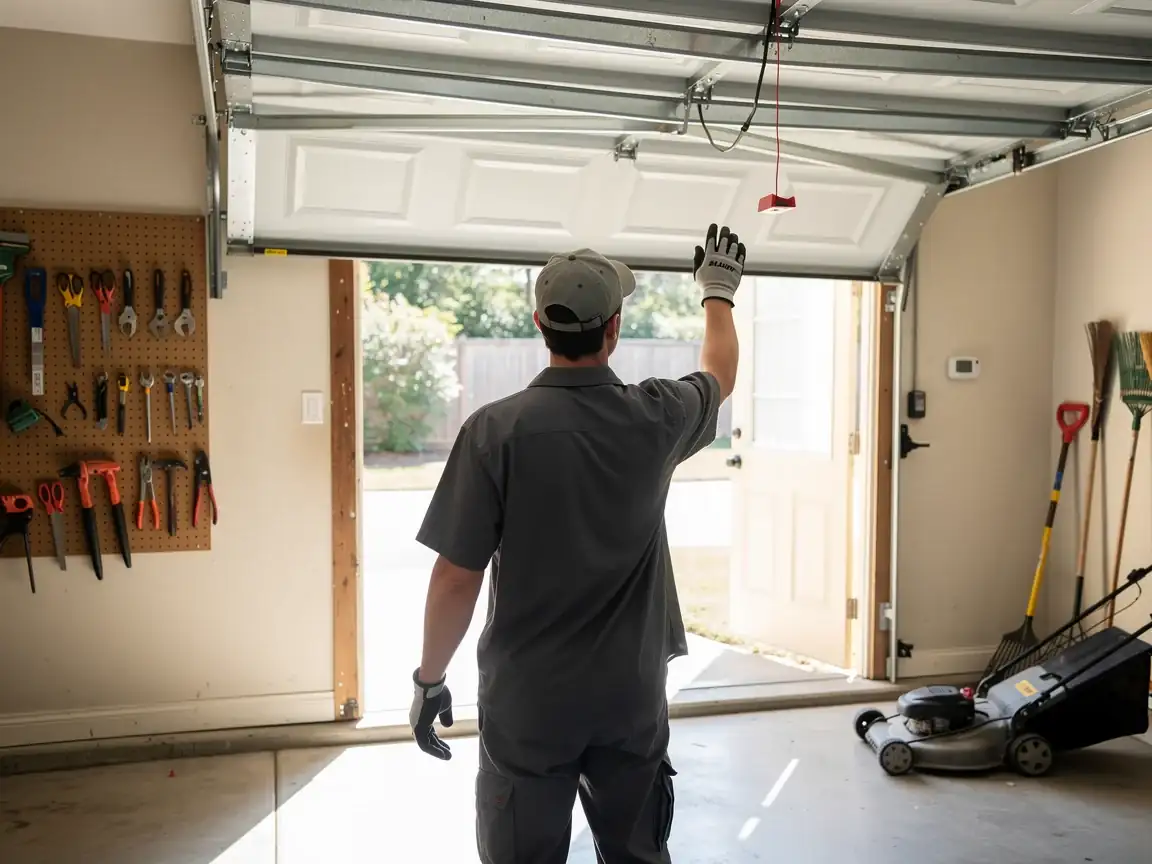
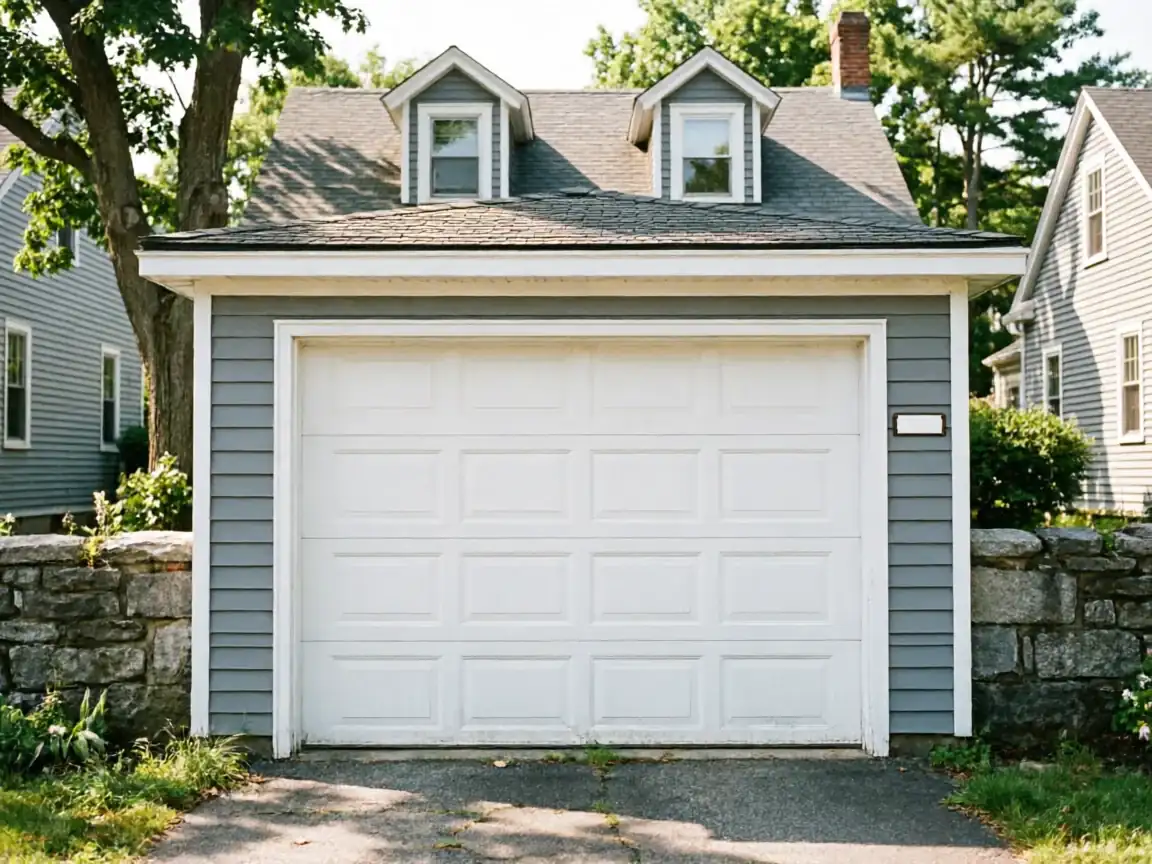
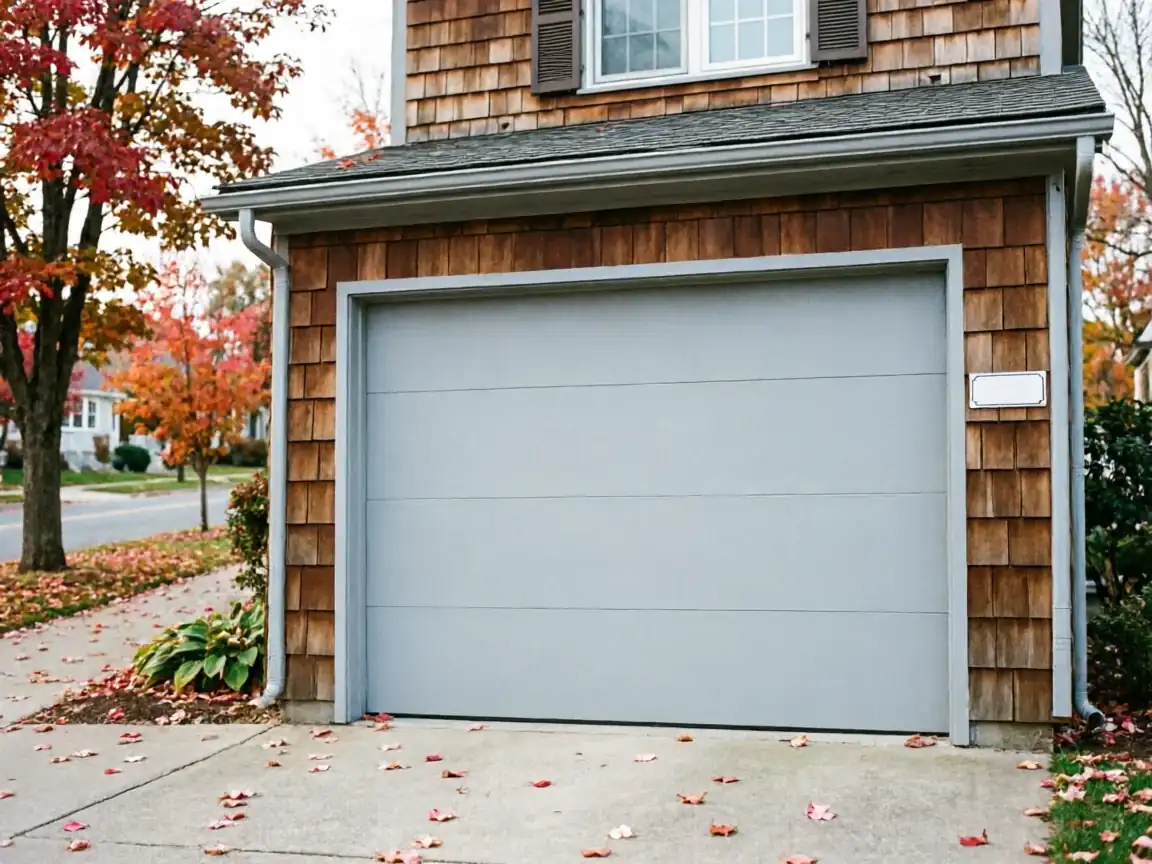
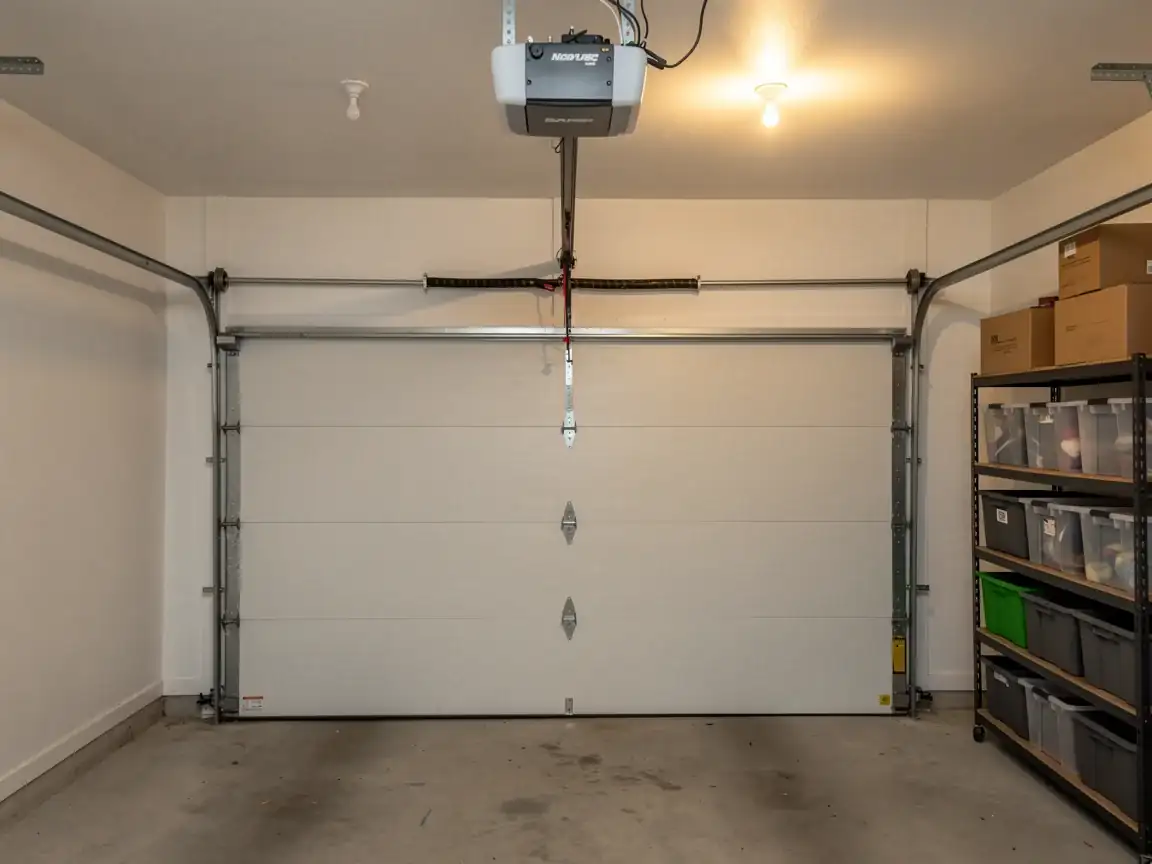
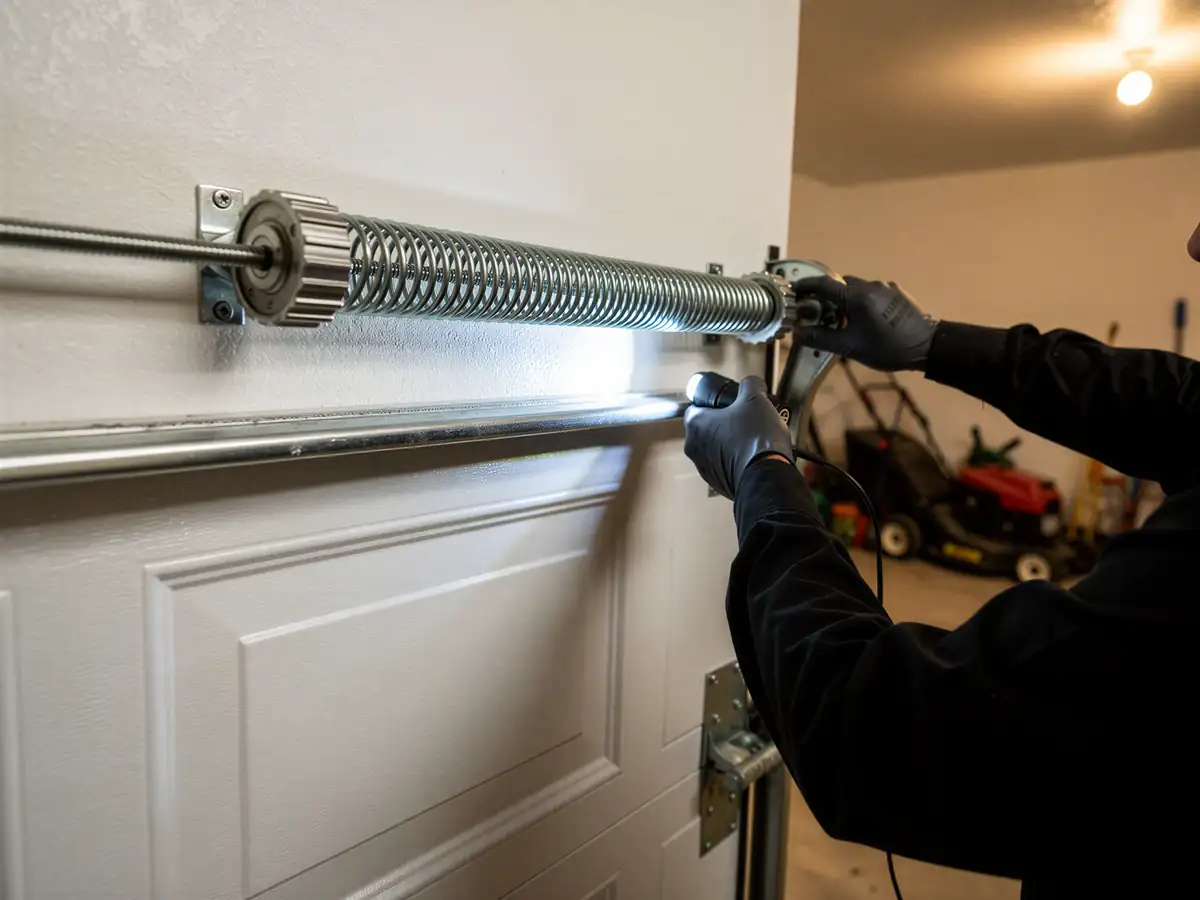
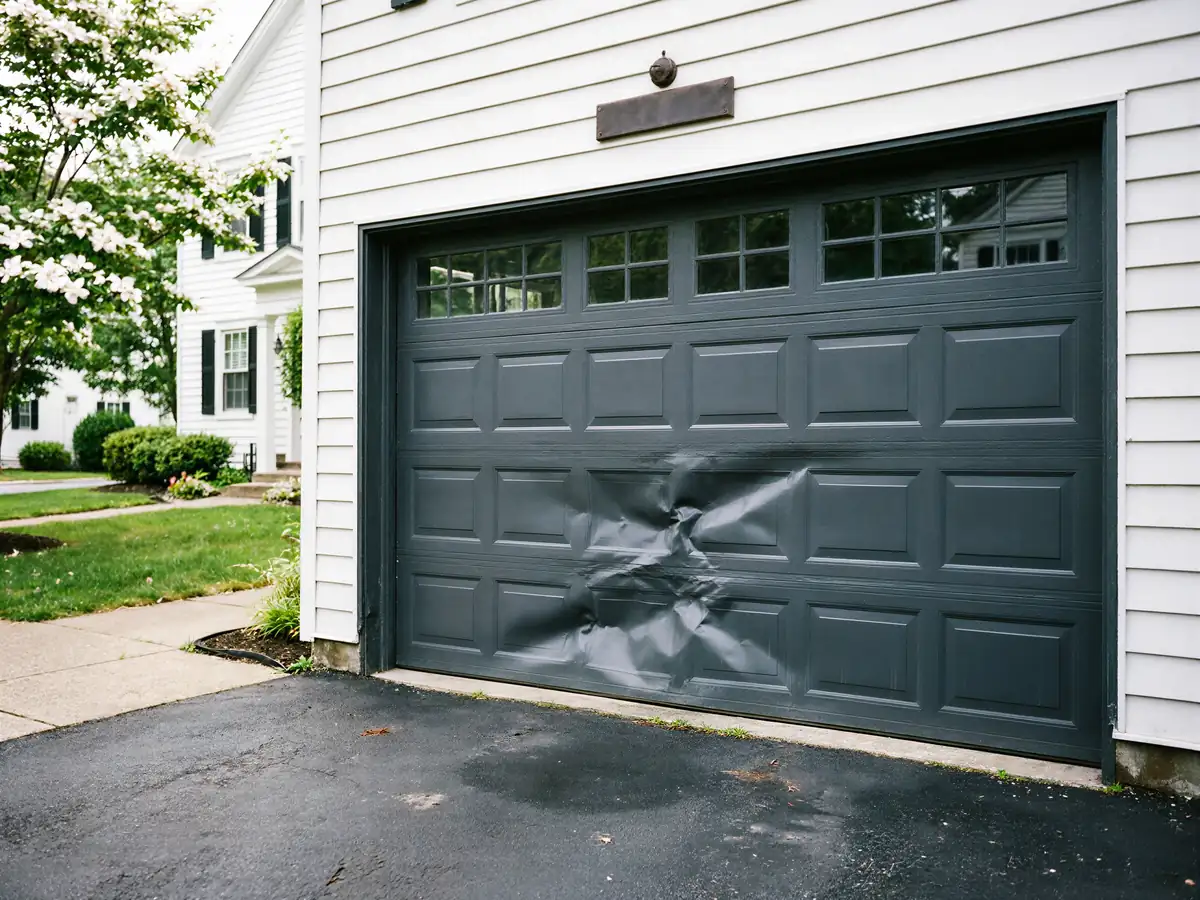
Most houses in Auburn went up around 1983, right in the middle of the broader 1980s-90s building wave that covers this part of the service area. That one fact tells us a lot before a truck even leaves Manchester. Doors from that era were almost always steel sectional panels on extension or early torsion spring setups, often paired with chain-drive openers that have since been swapped out, repaired, or left to limp along on original hardware pushing forty years old. We start every call by pulling the door's age and setup, not just looking at what broke. A snapped cable on a '83-built door usually means the drum and track are original too, so we check those before we touch the cable alone. We carry parts sized for that generation of door and hardware, so a torsion spring rebuild or a cable replacement on an older Auburn door doesn't turn into a return trip because the part on the truck was cut for newer tolerances. The honest limit here: if the track or jamb has shifted with the house settling over four decades, a spring or cable fix won't hold long, and we'll say so instead of billing you twice.
Parts We Carry
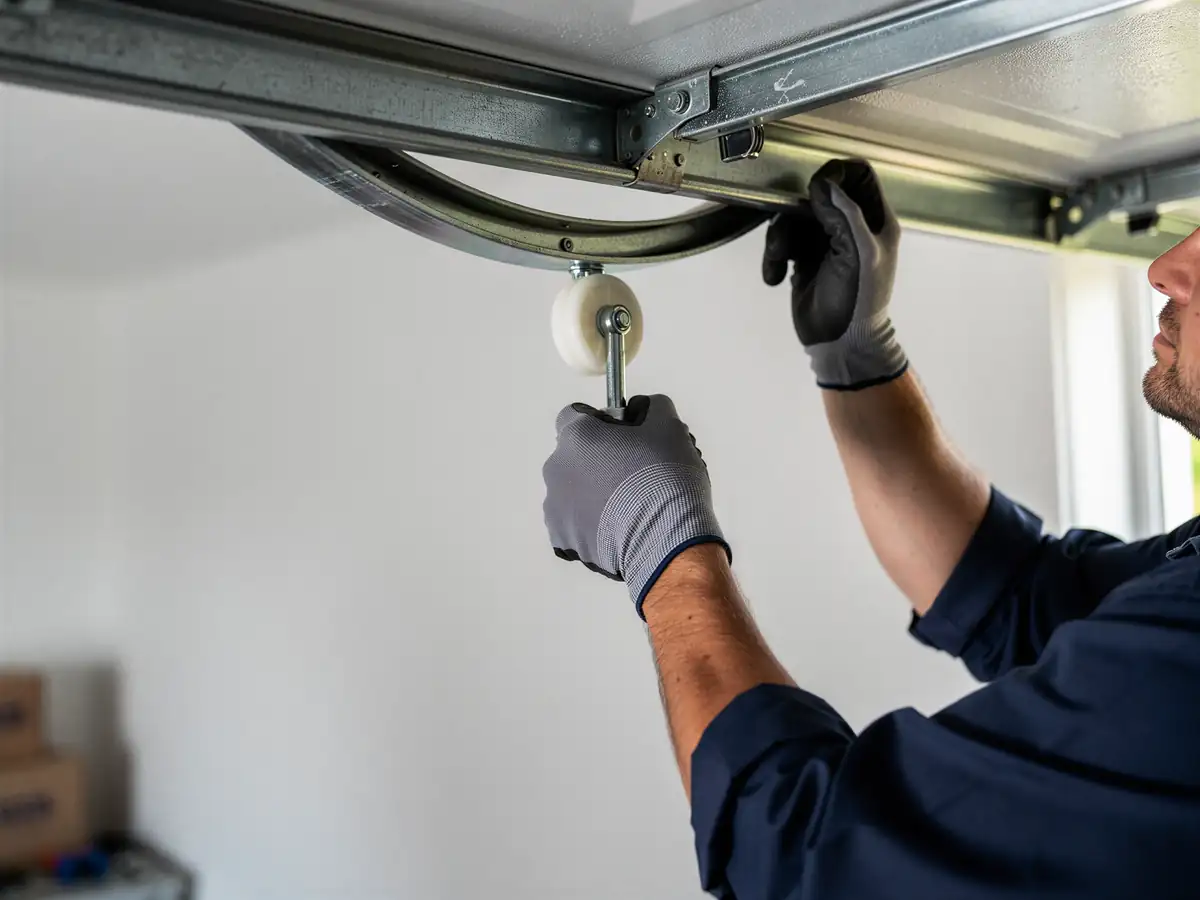
Given how much of Auburn's housing dates to the early 1980s, we stock torsion springs, extension spring sets, and drums sized for doors from that build window, along with rollers and hinges that match steel sectional panels from the same era. Openers are the one piece that's usually been replaced at least once by now, so we carry common chain and belt-drive replacement units rather than trying to match whatever came with the house originally. Cold-climate weatherstripping and bottom seals are part of the regular stock too, since this area sits in a severe cold climate band and worn seals here mean real heat loss, not just a draft. What we don't keep on hand are specialty or custom-width panels for doors outside the standard sizes from that period. If a panel on an older Auburn door is a non-standard width, we'll order it rather than pretend a universal panel will fit right. That's a lead-time item, not a same-visit fix, and we'd rather tell you that upfront than guess at the trim.
Time on the Job
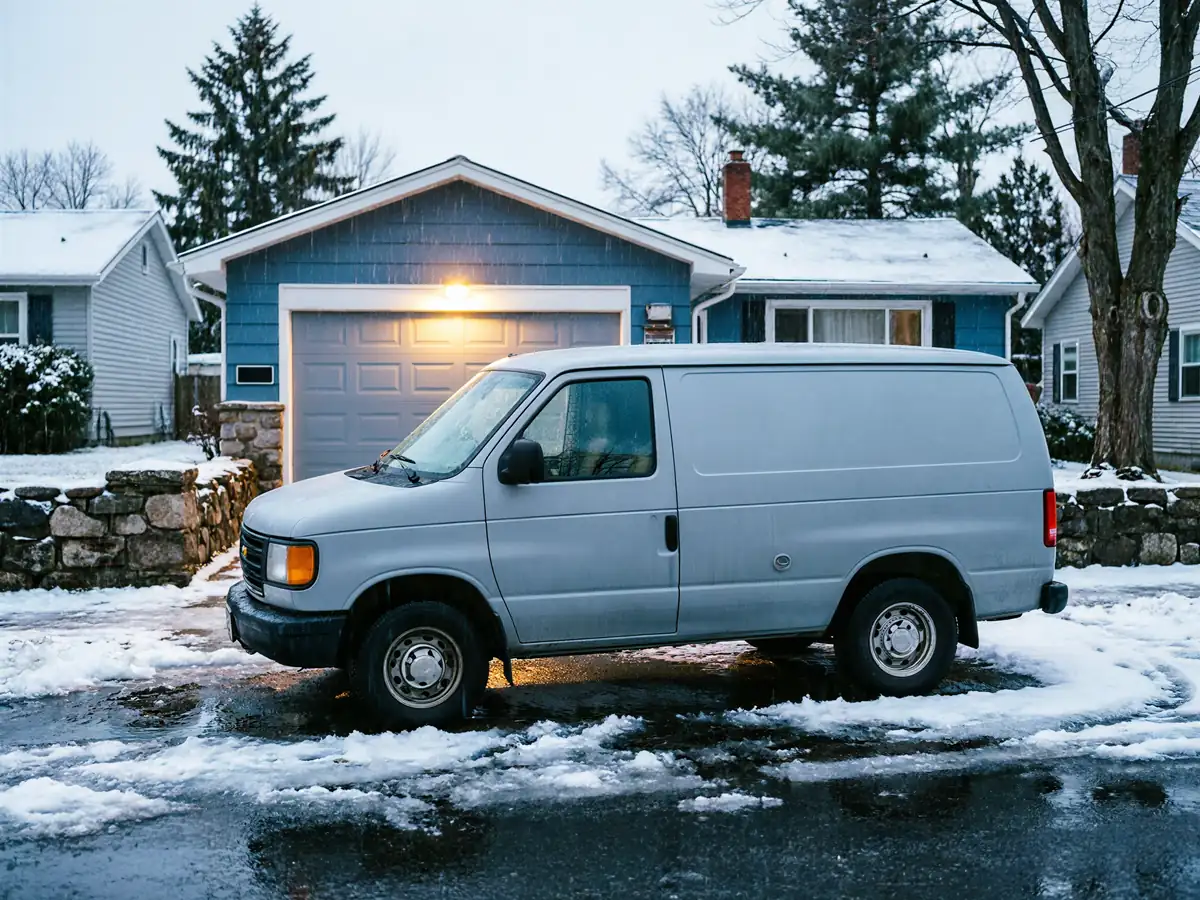
A spring replacement on a standard door from Auburn's typical build era runs shorter than a job on a house with a non-standard or custom door, mostly because the parts and dimensions are predictable for that housing stock. Opener swaps take longer when the existing unit is original to an early-1980s build, since the wiring and mounting brackets sometimes need adapting to a current unit. We travel from Manchester, about 4 miles out, so the job itself is the bulk of the time on site, not the drive. Jobs run long when the track has to be re-aligned along with whatever brought us out in the first place, which happens more often on older homes where the door opening has shifted slightly with the structure over the years. We'd rather take the extra time to true up the track than leave a door that closes crooked three weeks later.
Where This Job Goes Sideways
The calls that turn into bigger jobs than expected are almost always on doors from Auburn's older housing stock where more than one system has worn out at the same time. A homeowner calls about a noisy opener, and once we're there, the rollers are shot, the cable is fraying, and the spring is close behind. On a door built around 1983, that's not bad luck, it's just four decades of use catching up at once. The other place this goes sideways is cold weather. In a severe cold climate band, grease stiffens, metal contracts, and a spring that was already marginal can snap on a cold morning instead of giving a warning first. We won't talk anyone into replacing a whole door system if a spring and a roller set will genuinely hold for years, but we also won't pretend a 40-year-old track is fine just because it's not actively broken today.