How We Fix It
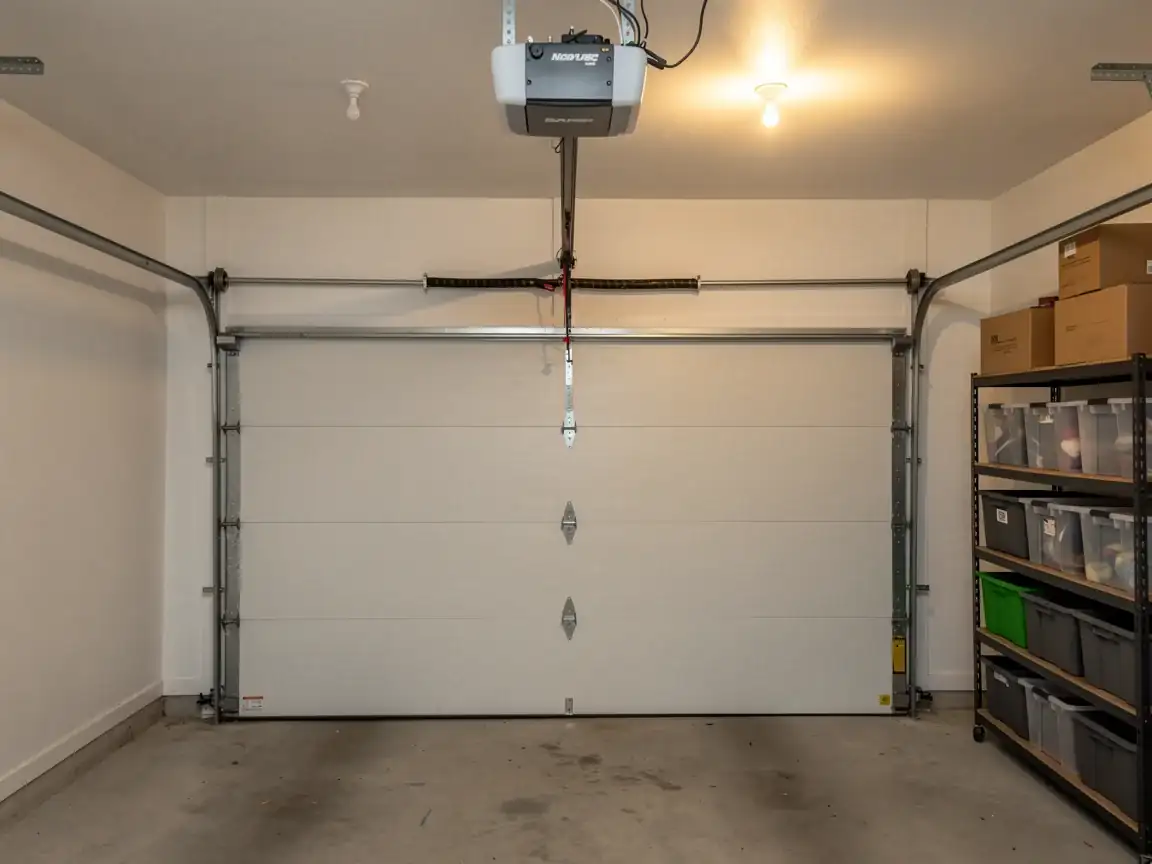
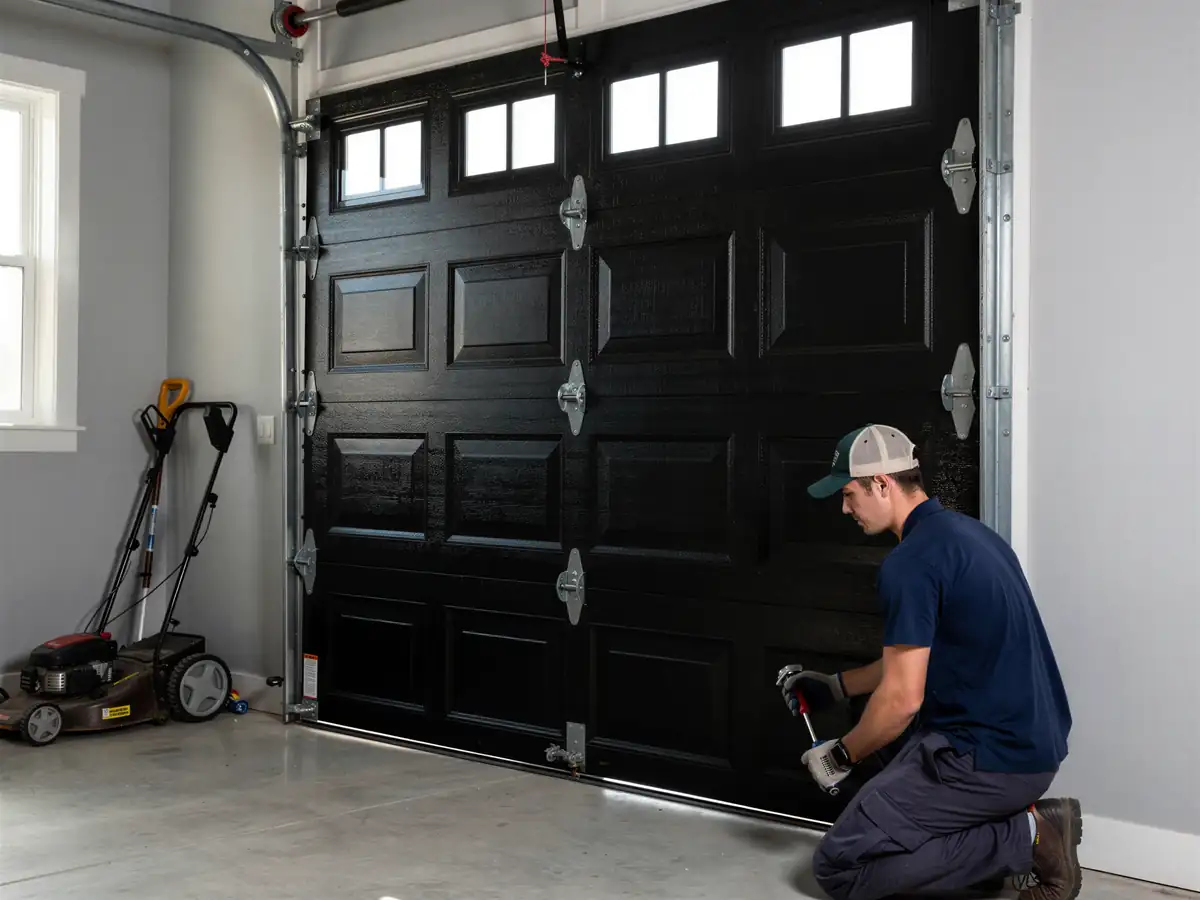
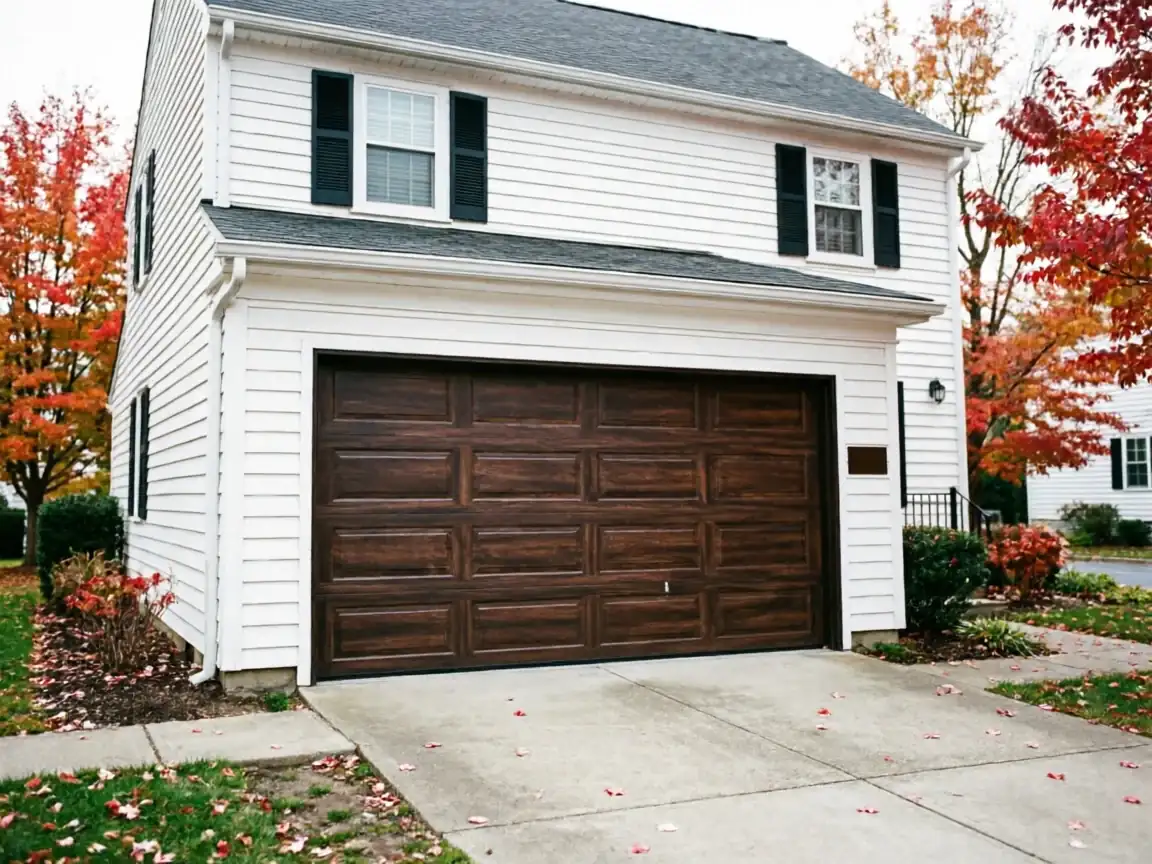
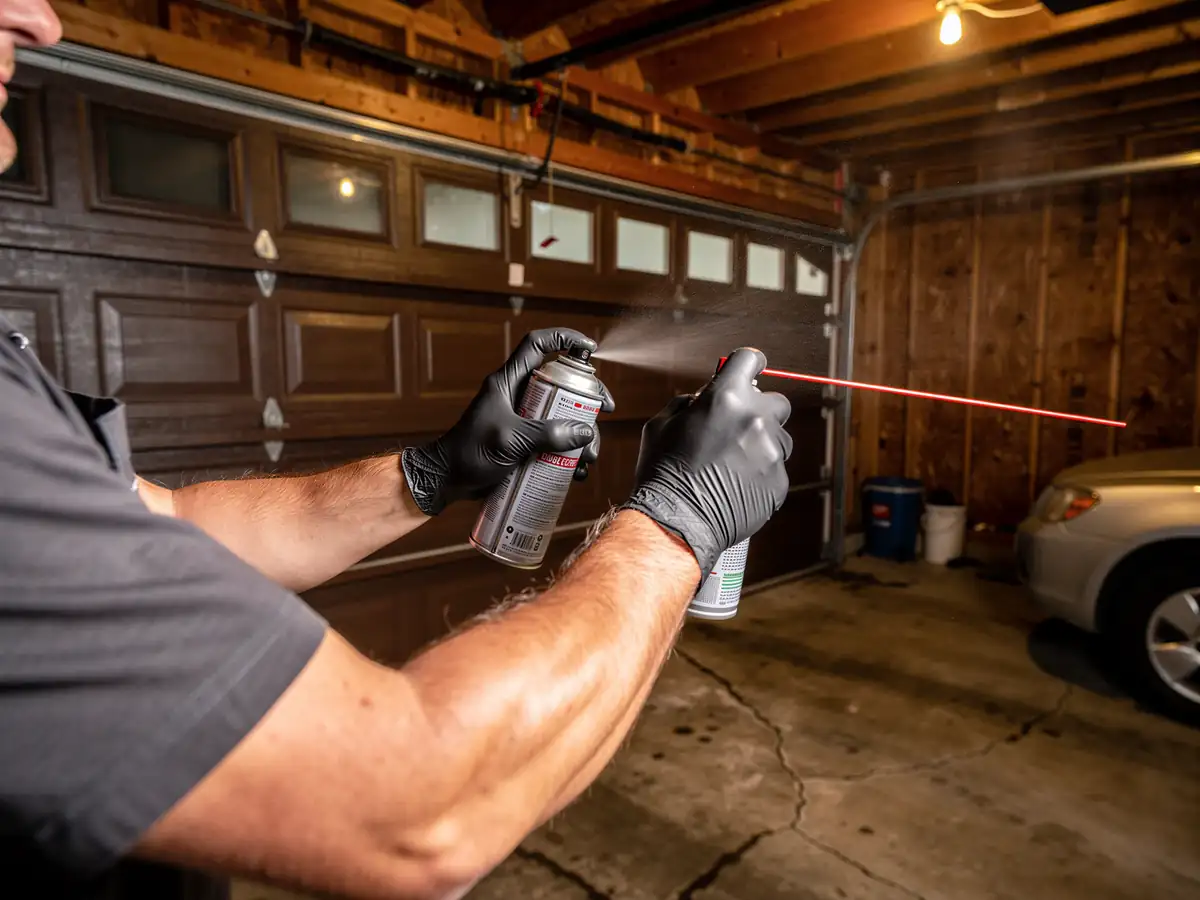
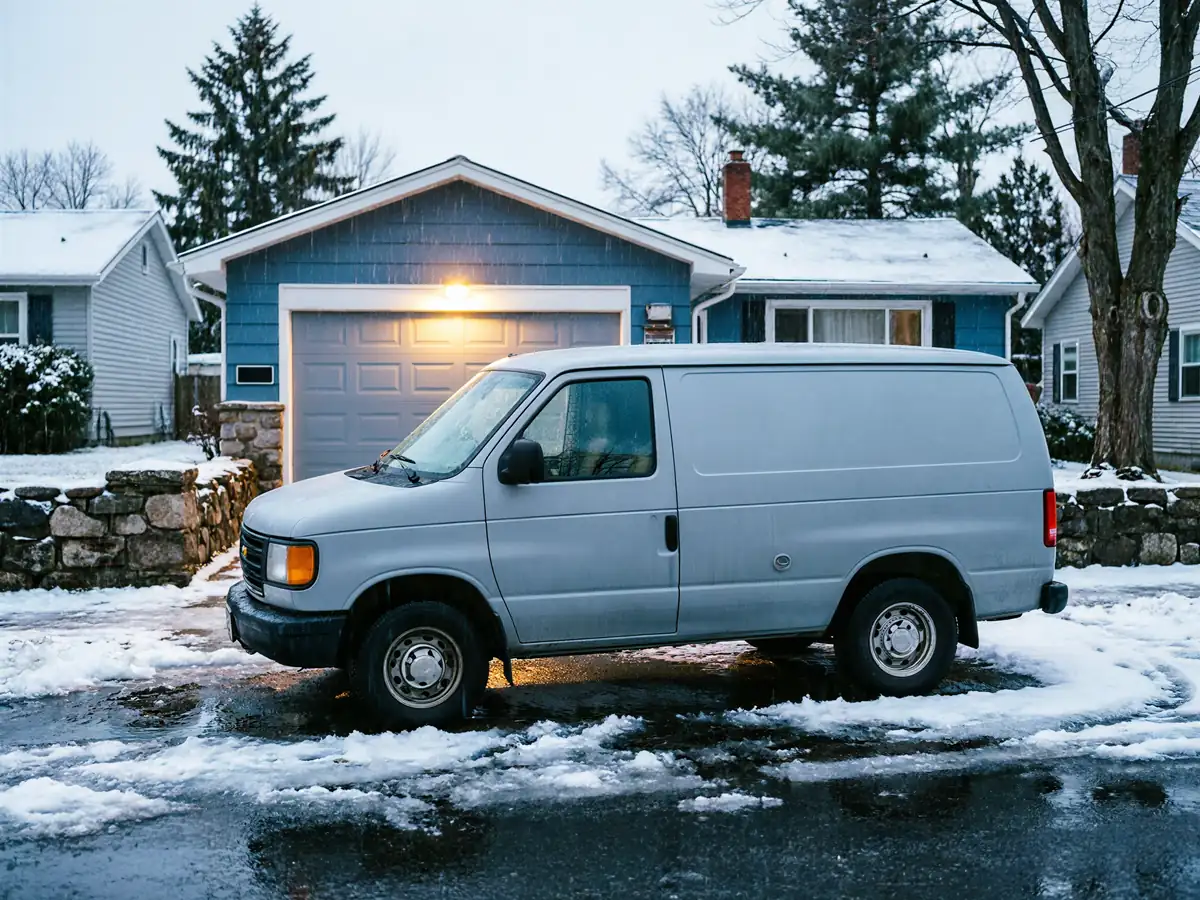
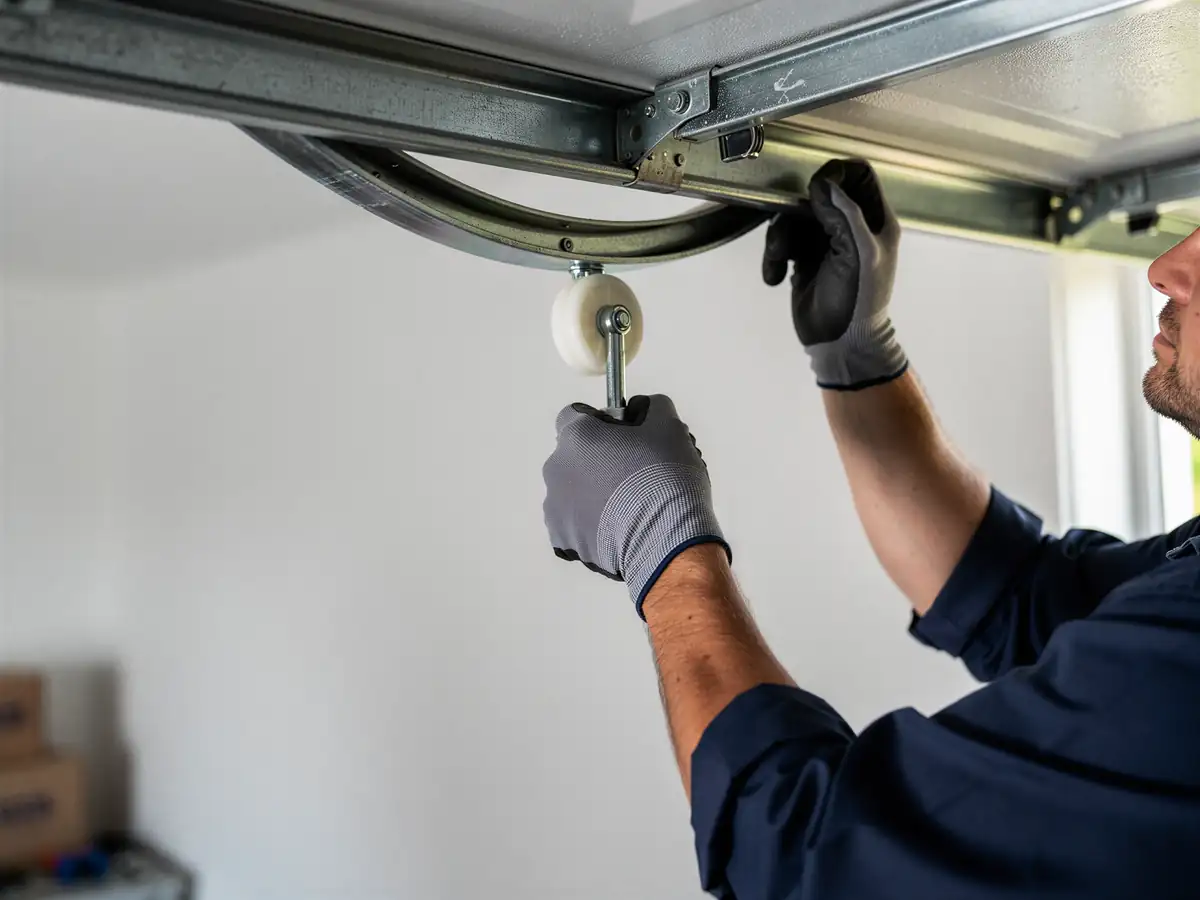
Most houses in Auburn went up around 1983, and a lot of those garage doors are still running the rollers that came with the house. Steel rollers from that era don't fail all at once - they wear a flat spot, start grinding in the track, and the door gets loud and jumpy months before anything actually breaks. We pull the door down, disconnect the opener arm, and work the track section by section, pulling old rollers and dropping in new ones without taking the whole track apart unless a section is bent. On a double door with two tracks, that's the bulk of the job. If a bracket is rusted through or a hinge is stripped, we replace that piece too - no point putting new rollers on hardware that's about to fail anyway. We're coming from Manchester, about 4 miles off, so we bundle the drive with the actual repair time when we quote the job.
Parts We Carry
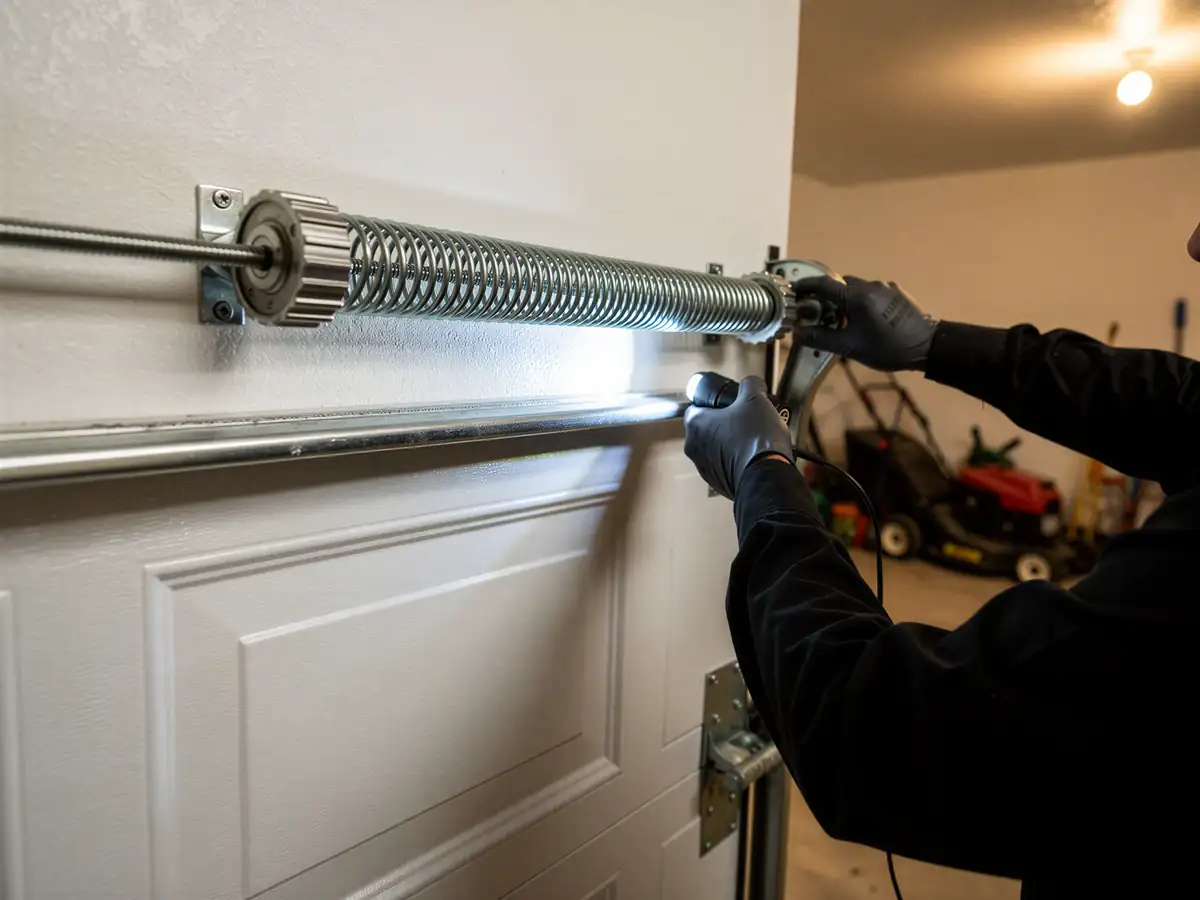
We stock nylon rollers in the common stem lengths and sealed-bearing versions for owners who want quieter operation, since a lot of Auburn's original hardware is the noisier steel ball-bearing type from the early 80s builds. We also carry replacement hinges and end brackets, because rollers rarely fail alone on hardware that's been in place since the house was framed - the hinge pin wears the same amount the roller does. What we don't stock is every oddball roller stem length from older custom doors; if a door's track geometry is non-standard, we may need to order a part, and we'll tell you that up front instead of jury-rigging something that'll strip out in a winter.
Time on the Job
A full roller set on one door, both tracks, usually runs under two hours once we're on site, assuming the brackets and hinges are sound. Add time if a hinge or end bearing plate has to come off and get replaced - that's another 20 to 30 minutes per point of hardware. We don't count drive time in the job estimate separately, but with roughly 4 miles between Auburn and our Manchester base, it's a short add to the schedule, not a half-day trip. Doors with bent track from a roller that's already jumped take longer, since we have to straighten or swap track sections before the new rollers will even sit right.
Where This Job Goes Sideways
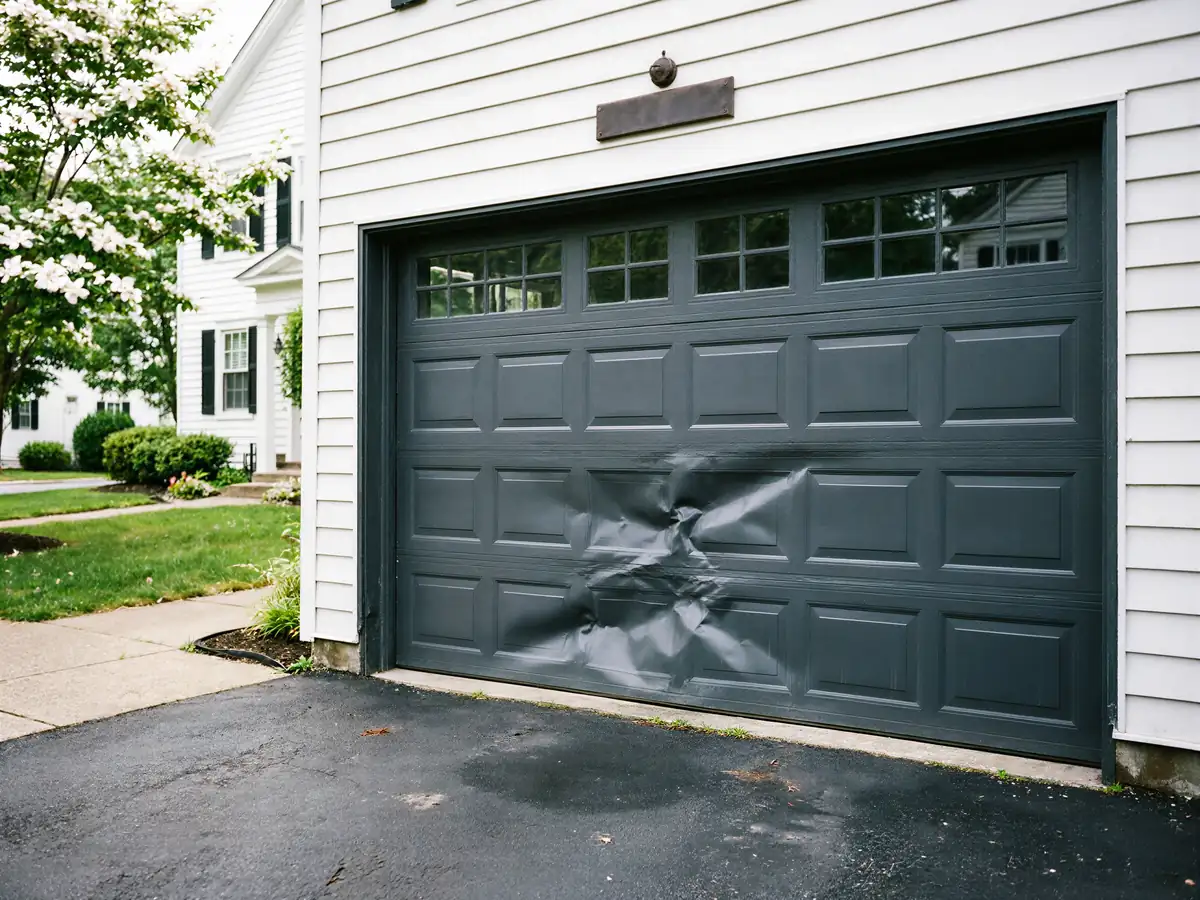
The trouble spot is hardware nobody's touched since the house was built around 1983 - a bracket rusted into the framing, a lag bolt that strips the second you back it out, or a track section that's been quietly bending for years under a bad roller. We've opened up doors expecting a ten-minute roller swap and found the whole bottom bracket needs replacing because the wood behind it has gone soft. That's the honest limitation here: we can quote roller replacement as a standalone job, but if what we find once the door's open is worse, the price moves, and we'll stop and tell you before we keep going rather than surprise you on the invoice.