How We Fix It
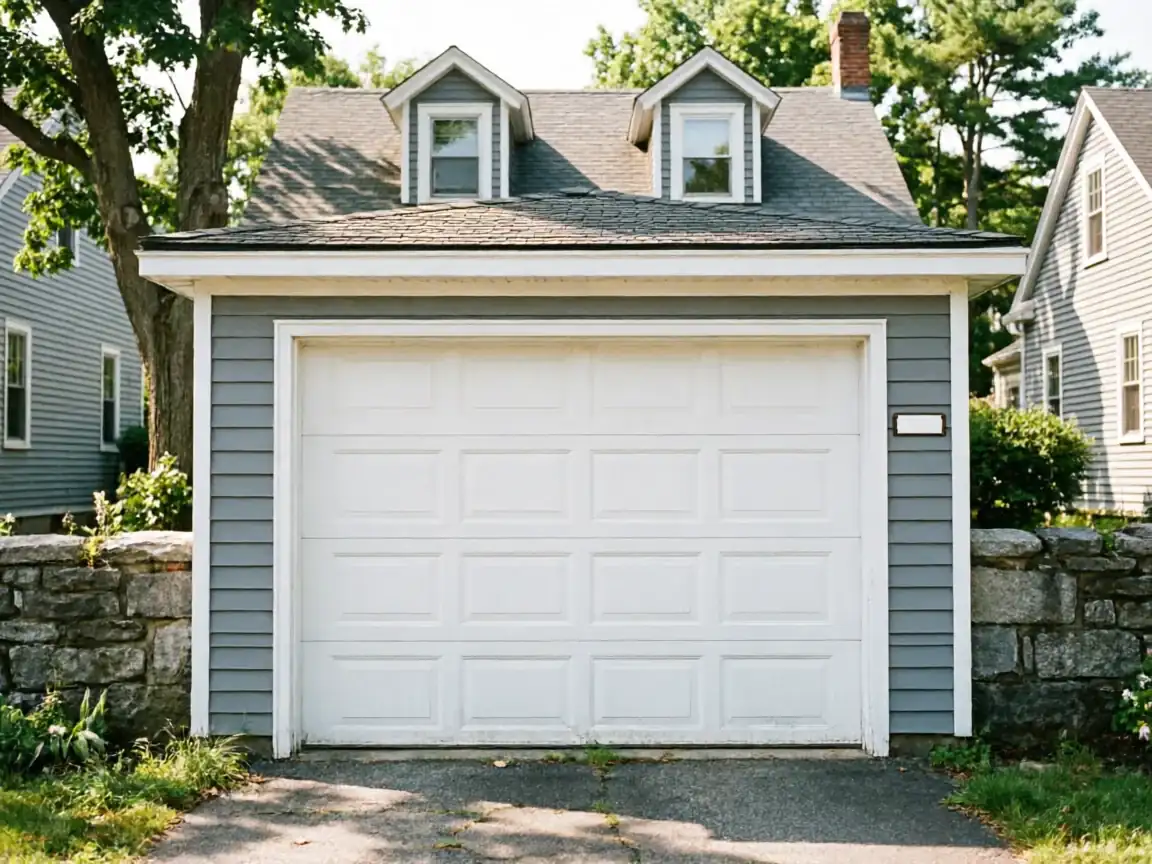
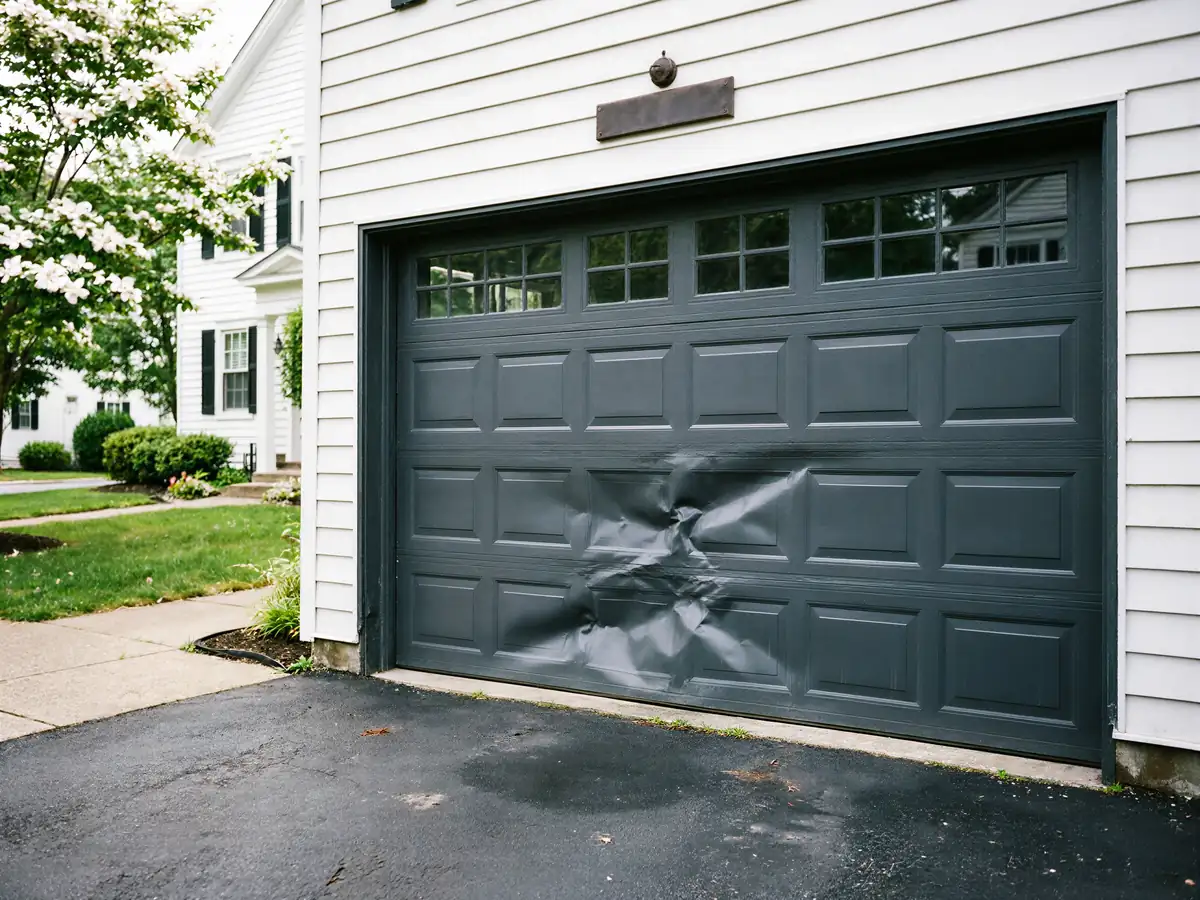
The dent itself is rarely the problem. On a door built around 1983 - which is where most of Auburn's housing stock sits - the panel skin is a thinner steel gauge than what's sold today, and the foam core behind it has usually started to pull away from the metal after four decades of New Hampshire winters. That gap is what lets a single bent panel turn into a door that won't seal, won't track straight, or binds the opener.
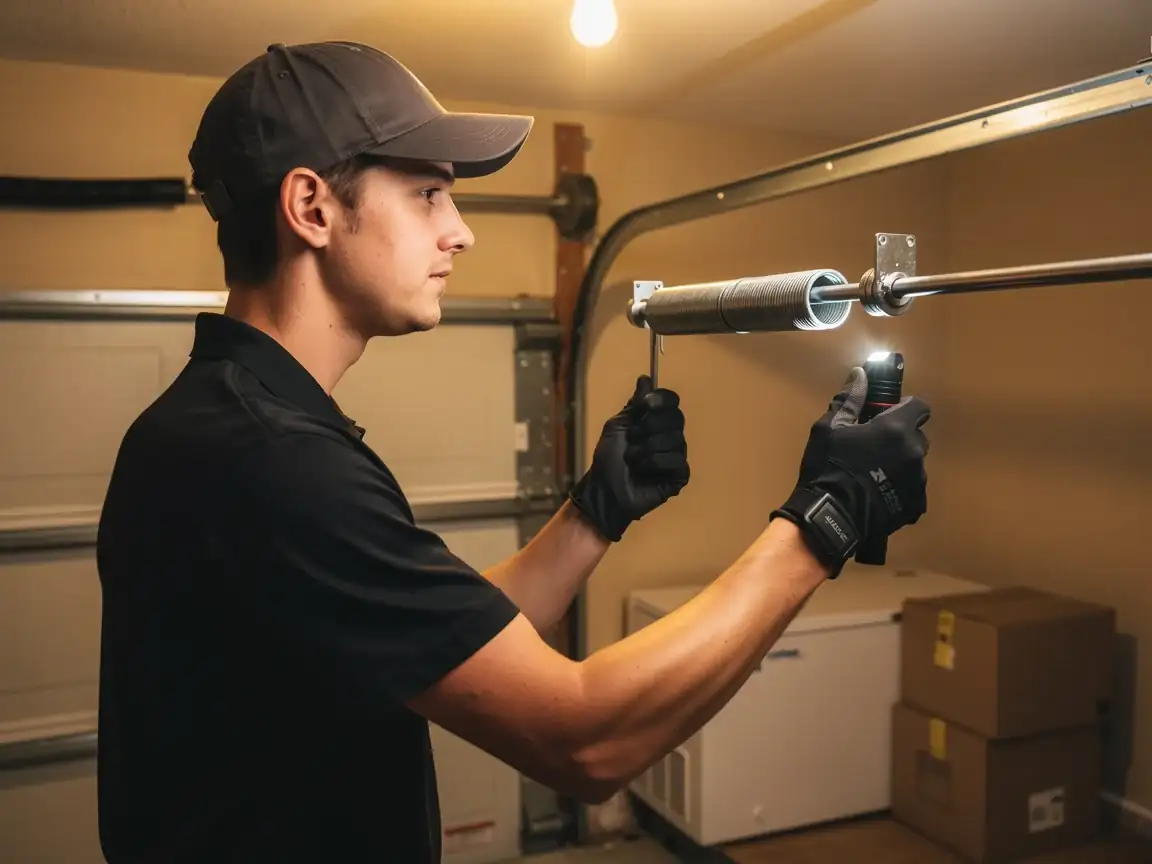
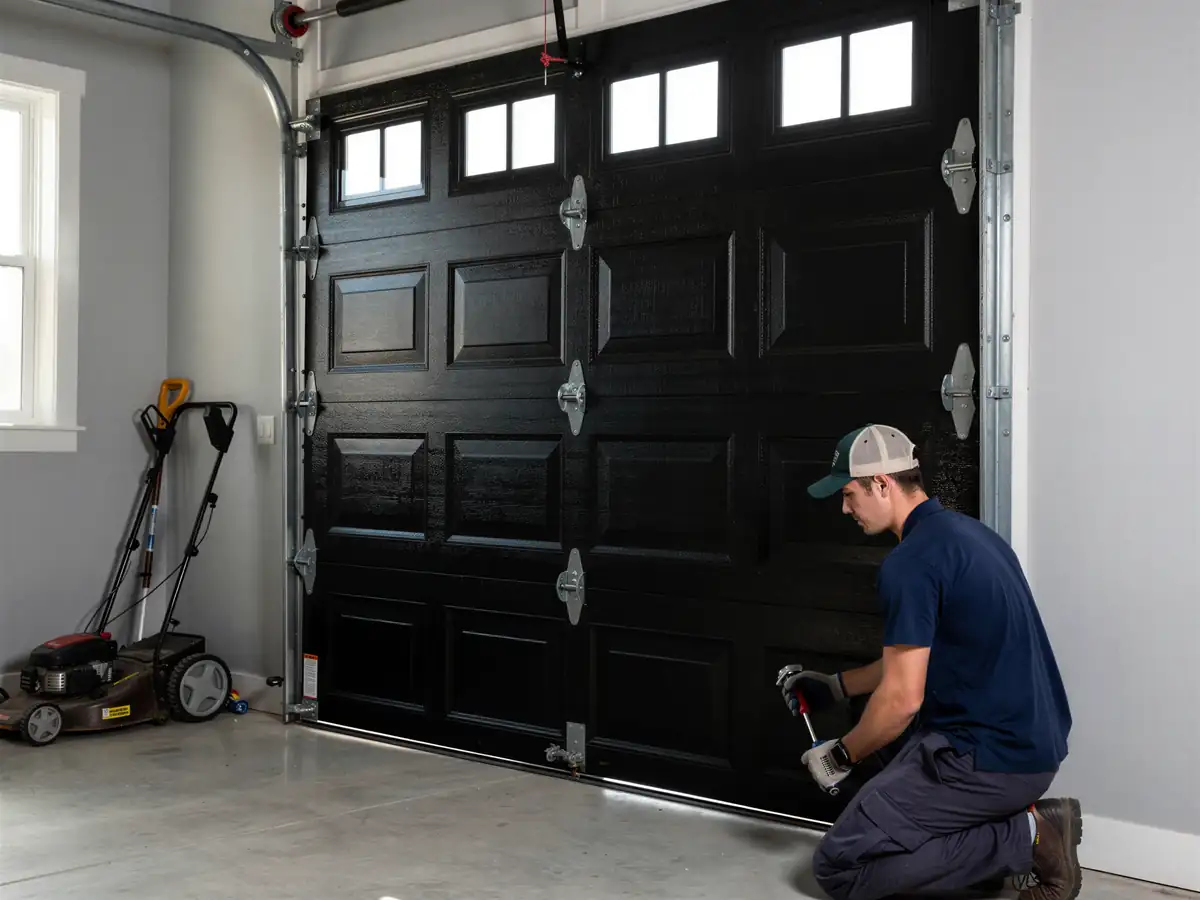
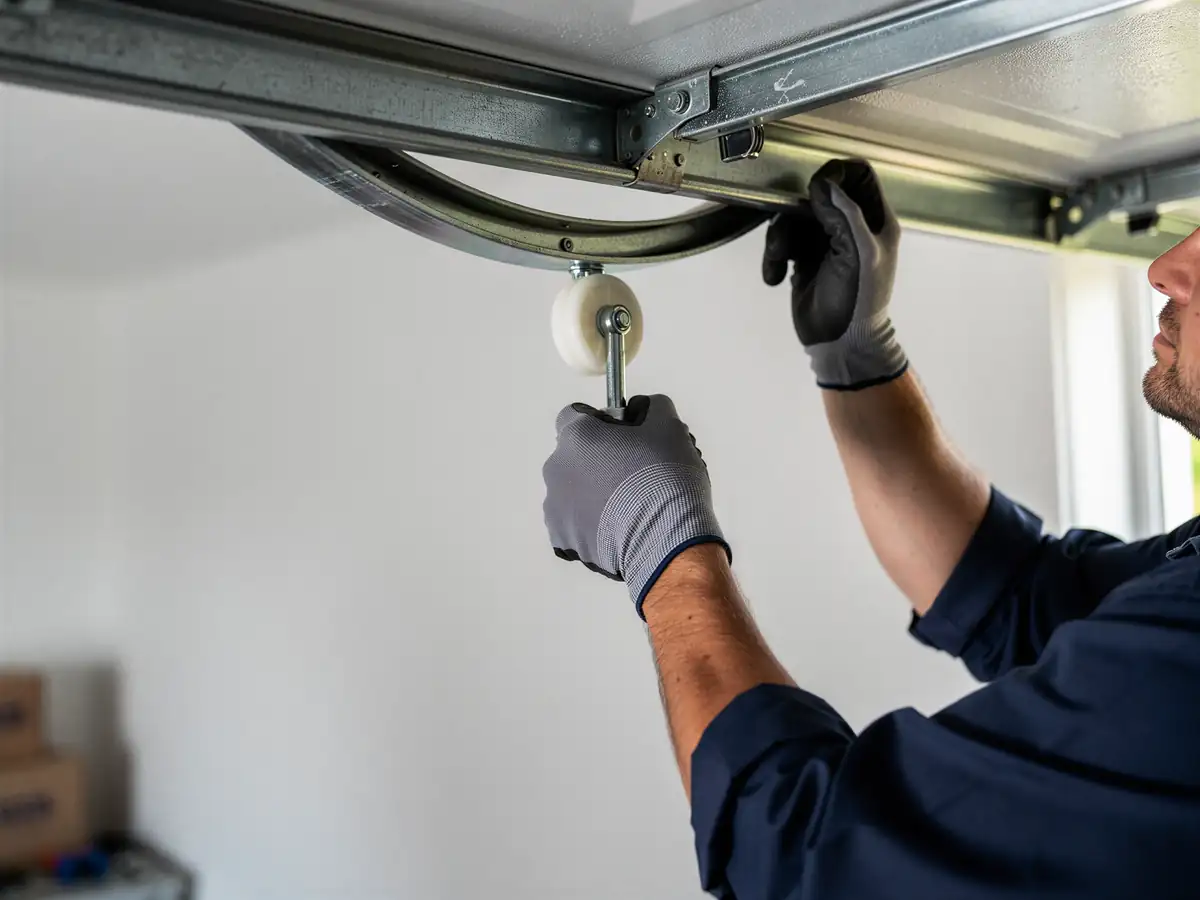
We pull the damaged section, check the hinges on either side for stretch (a bent panel almost always tweaks the hinge pin next to it), and set a new panel that matches the existing door's rib pattern and track width before we touch anything structural. If the hinge or roller shows wear beyond that one section, we replace those too rather than bolt new steel to tired hardware. A panel swap on a 1980s door is a different job than on a door from 1995 - the fastener spacing and panel height both shifted over that stretch of years, so we confirm the model before we quote anything.
Parts We Carry
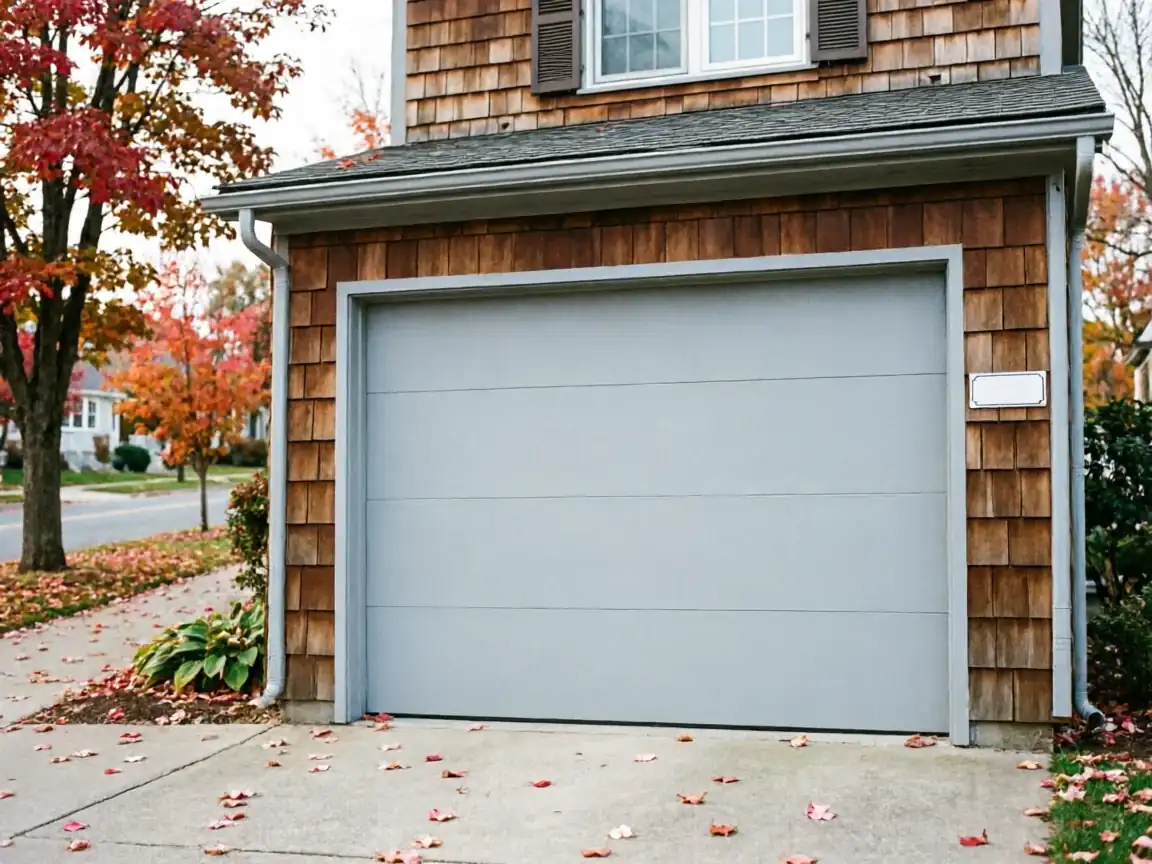
Because Auburn's housing dates mostly to the 1980s and 90s, we stock the steel panel profiles that match that era's common builders, plus the heavier insulated cores that cold-climate buyers in this region tend to want once they're replacing anyway. A severe winter climate like this one is hard on foam-core doors that were installed before better sealing became standard, so a lot of panel jobs here turn into a conversation about upgrading the insulation at the same time, not just matching the old look.
What we don't carry on the truck: panels for doors older than the typical 1938 start of this area's housing stock, or for specialty architectural styles that were never common in this part of the state. If your door falls outside that range, we order the part and schedule once it's in - we won't guess at a match and bolt on something close enough.
Can You Do This Yourself
A single cosmetic dent on a steel panel, no cracking, no binding, is something a handy homeowner can sometimes pop out or live with
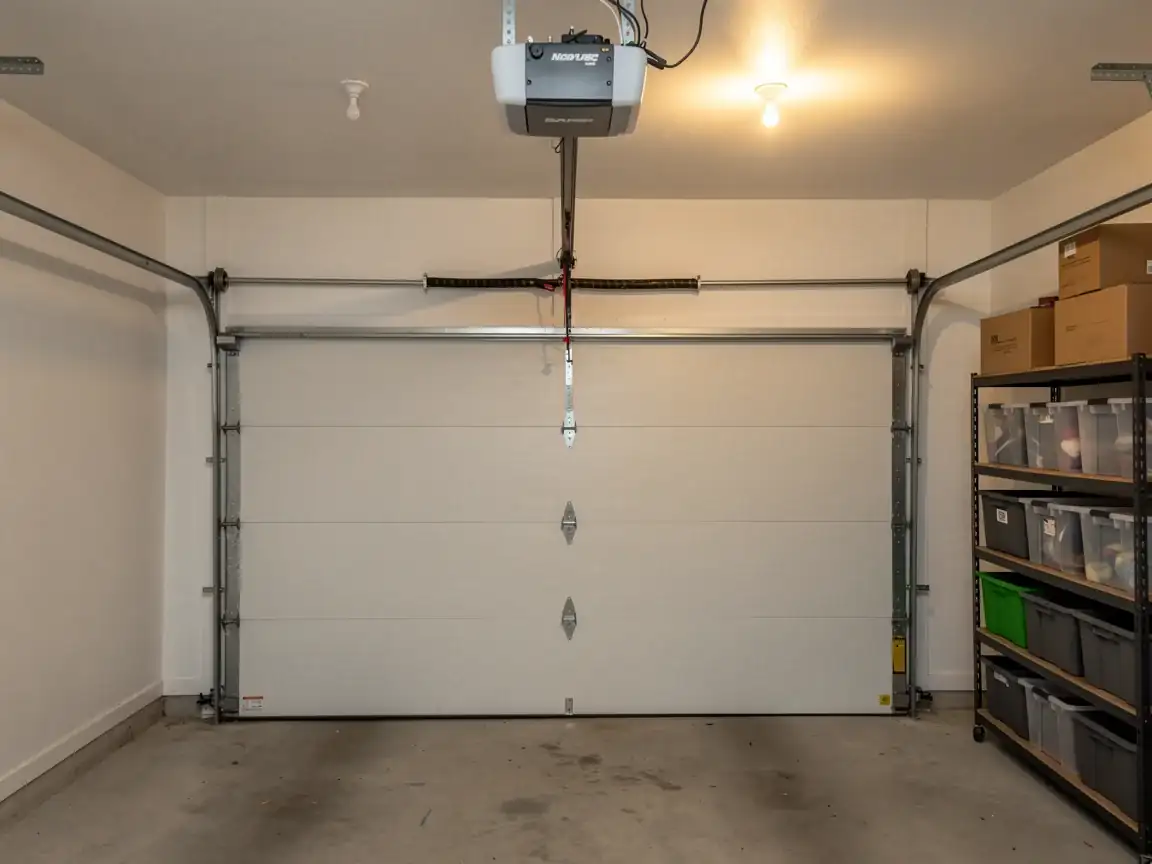
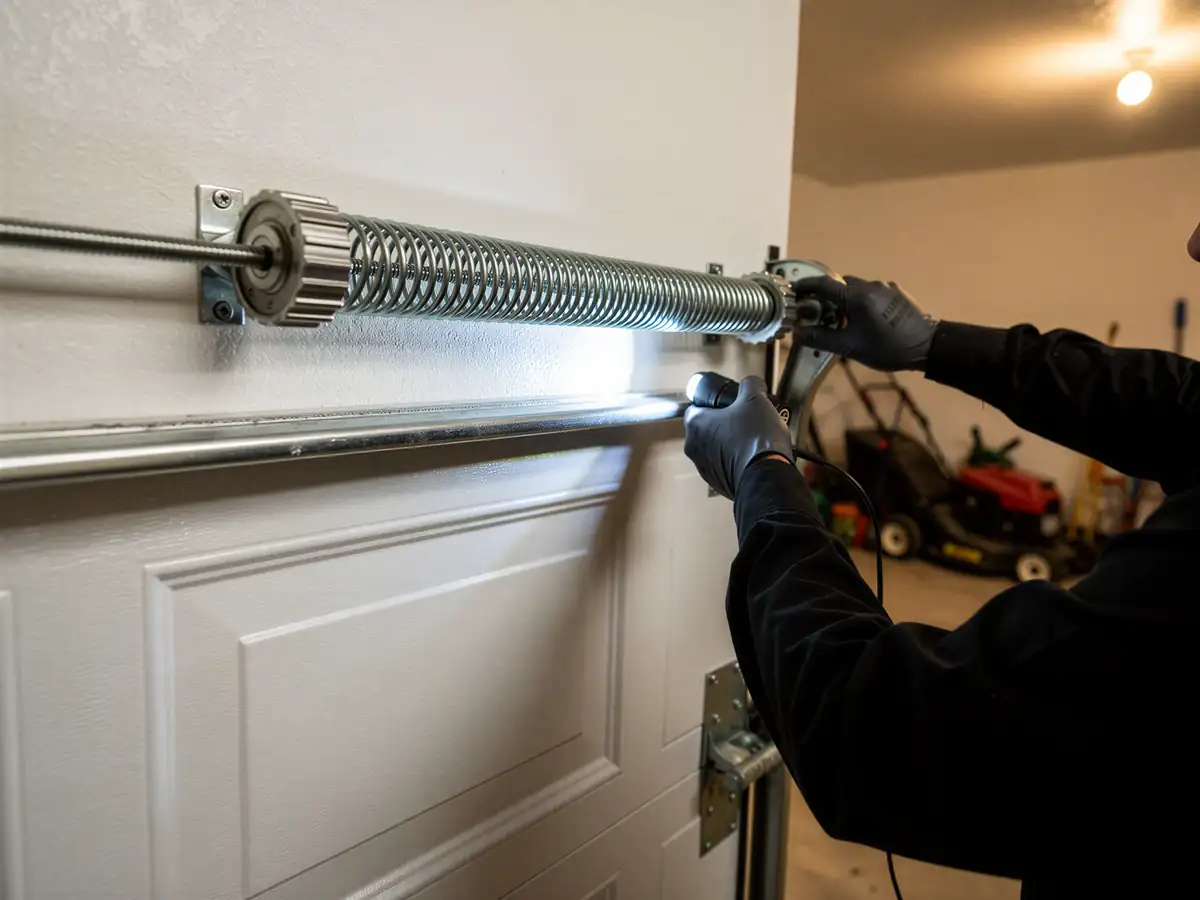
Swapping the panel itself is a different matter. The panel is tied into the track alignment and, on a lot of these older sectional doors, into a spring system that's under real tension. Pull the wrong fastener on a torsion setup and you're not looking at a cosmetic fix anymore.
We'll say plainly: if the door is from the early 1980s era common here and the panel damage is near a hinge or near the bottom roller bracket
That's not a DIY afternoon. The labor isn't the hard part - getting the replacement panel to seat flush against 40-year-old adjoining panels without throwing the whole door out of square is. That's the part that turns into a bigger bill if it's done wrong.
Time on the Job
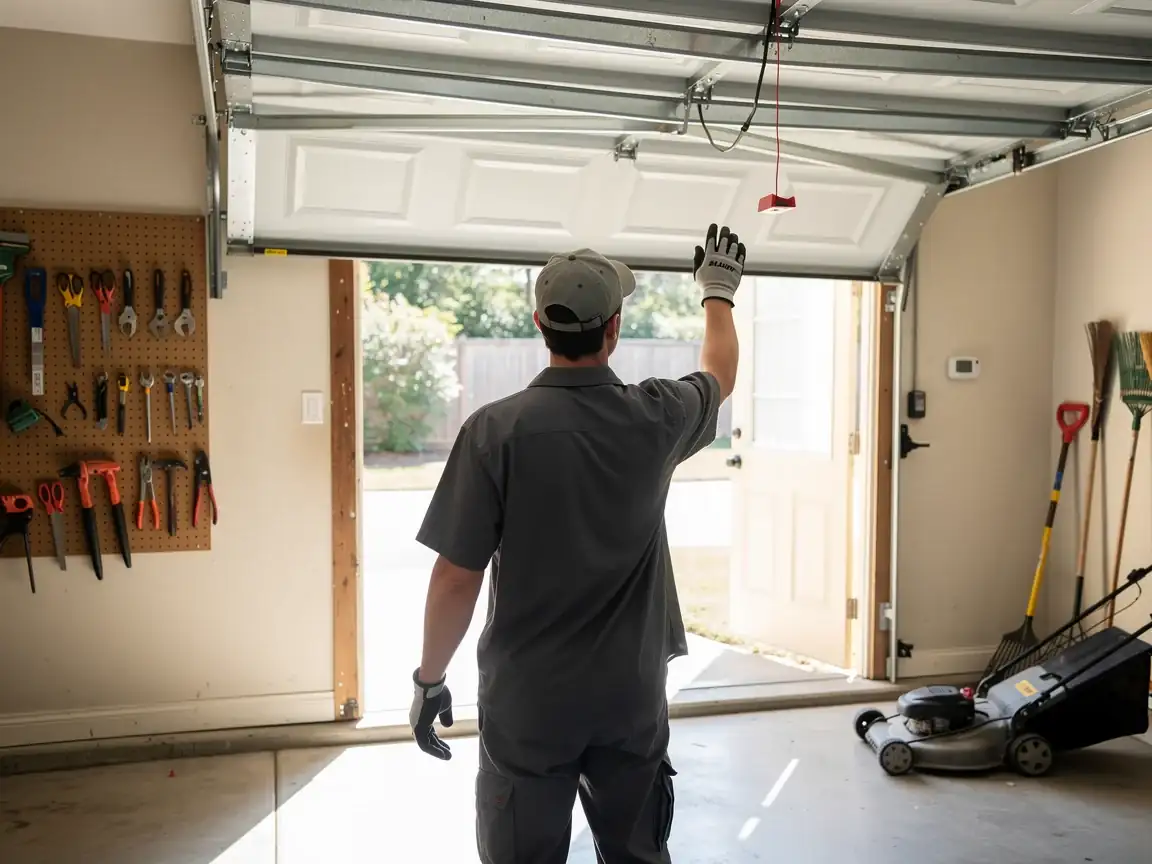
A straightforward single-panel swap on one of these doors usually runs a couple of hours once we're on site, parts in hand. That's lower-end if the hardware is cooperative and the panel we're pulling is a standard width from the 1980s-90s run of construction that covers most of Auburn. It runs longer if the hinges or rollers on either side of the damaged panel need replacing too, which is common once a panel's been bent for a while and has been pulling on the adjacent hardware.
We travel from Manchester, about 4 miles out, so arrival time depends on the day's schedule rather than anything local to Auburn itself. We don't promise a response window here - we'll give you a real estimate when you call, not a number pulled from a general service page.
Where This Job Goes Sideways
The job gets complicated when the panel we're replacing isn't actually the original problem. On a door built in the early 1980s, a bent panel is sometimes the result of years of a slightly out-of-plumb track finally letting a roller catch wrong. Swap the panel without fixing the track and the new panel takes the same hit within a season.
It also goes sideways on discontinued colors and profiles. A door from this build era may not have an exact factory match available anymore, and we're not going to pretend a close color is identical - we'll tell you straight if the realistic fix is a full door rather than a patched-together panel. Given the median household income in this part of the service area, a lot of owners choose full replacement anyway once they hear the numbers, but that's a decision we lay out, not one we make for you.