How We Fix It
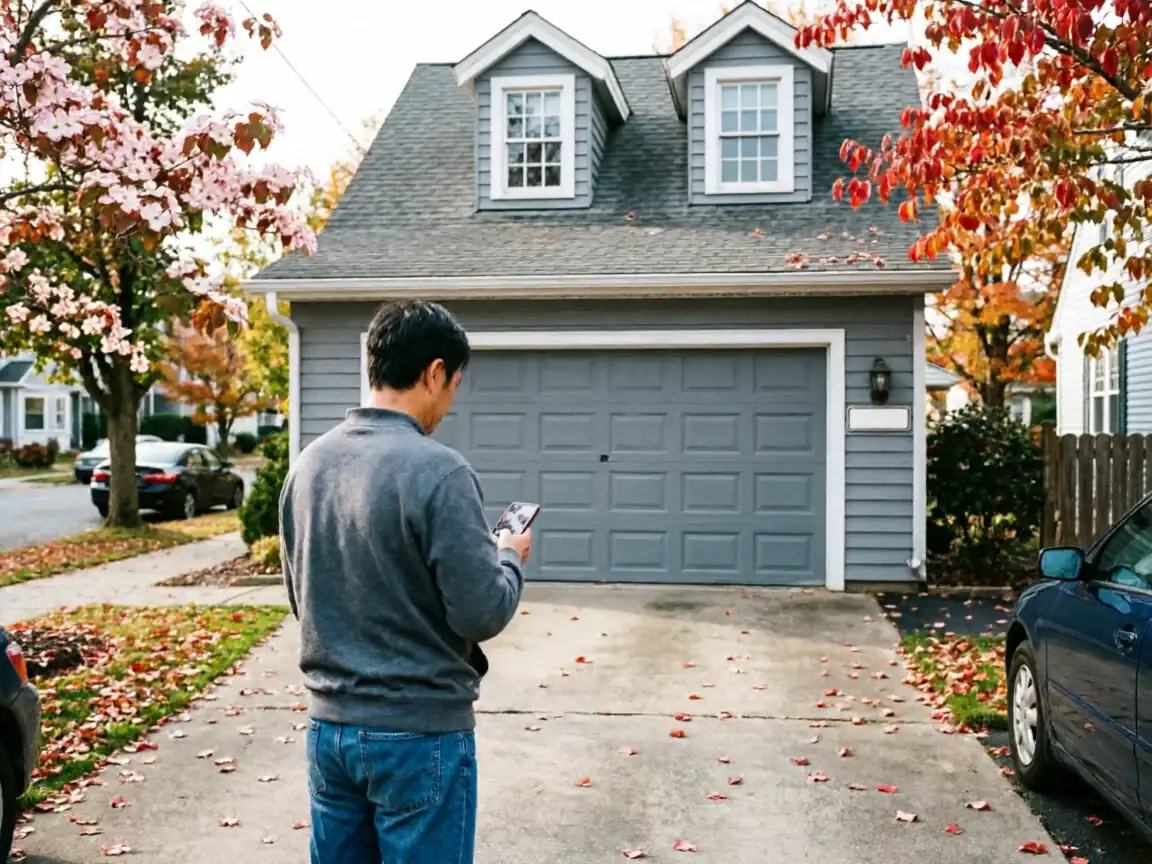
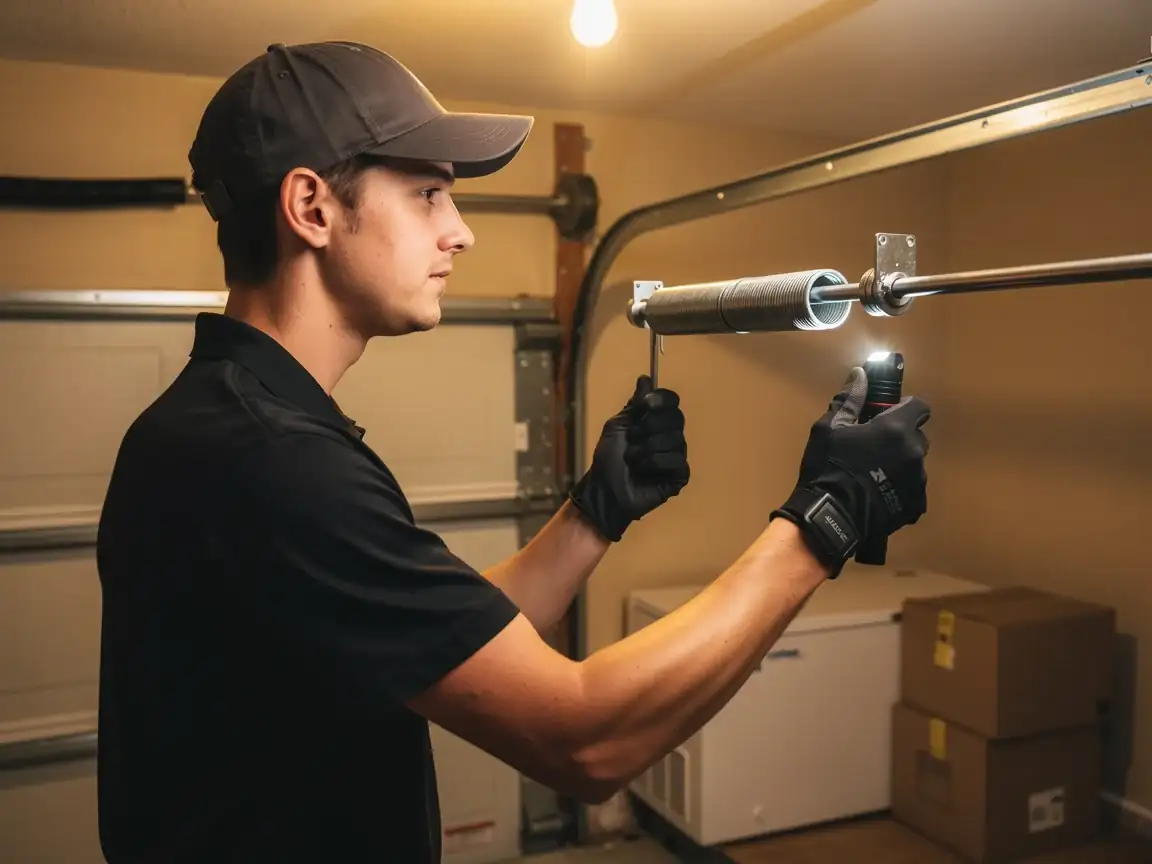
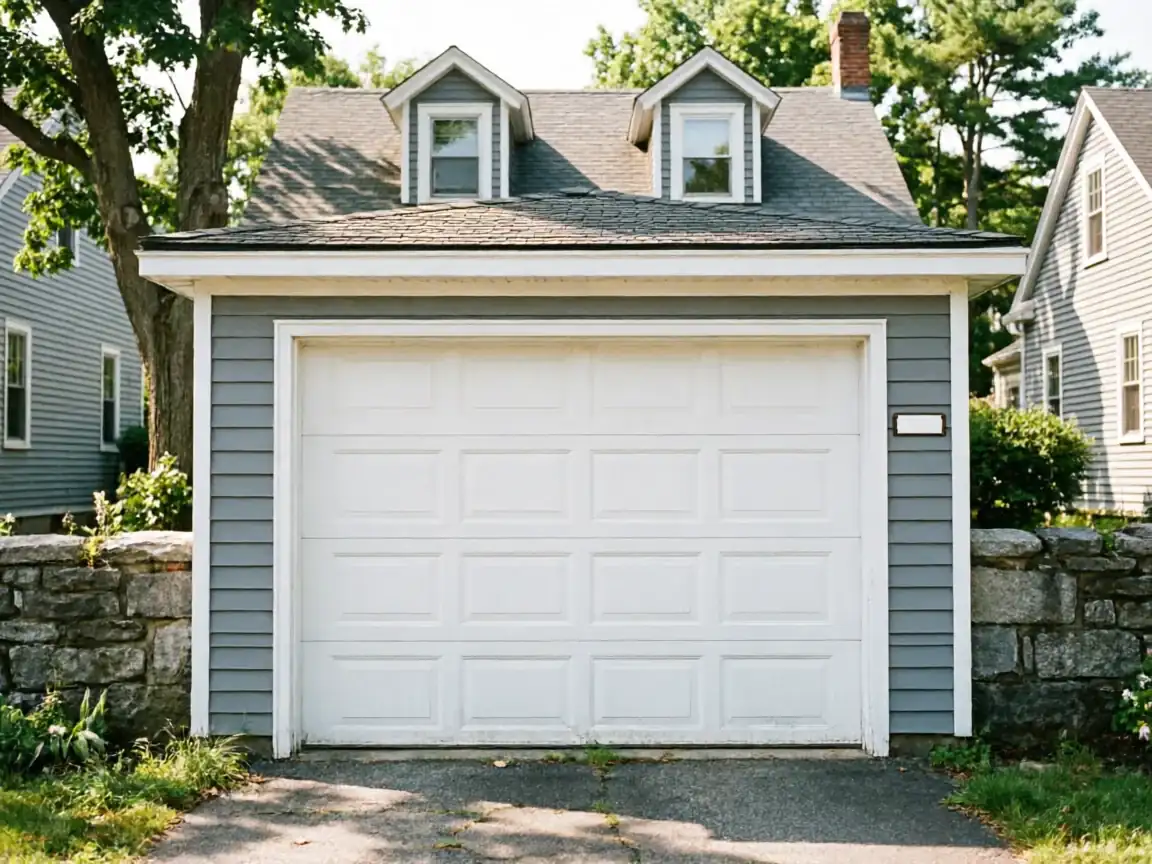
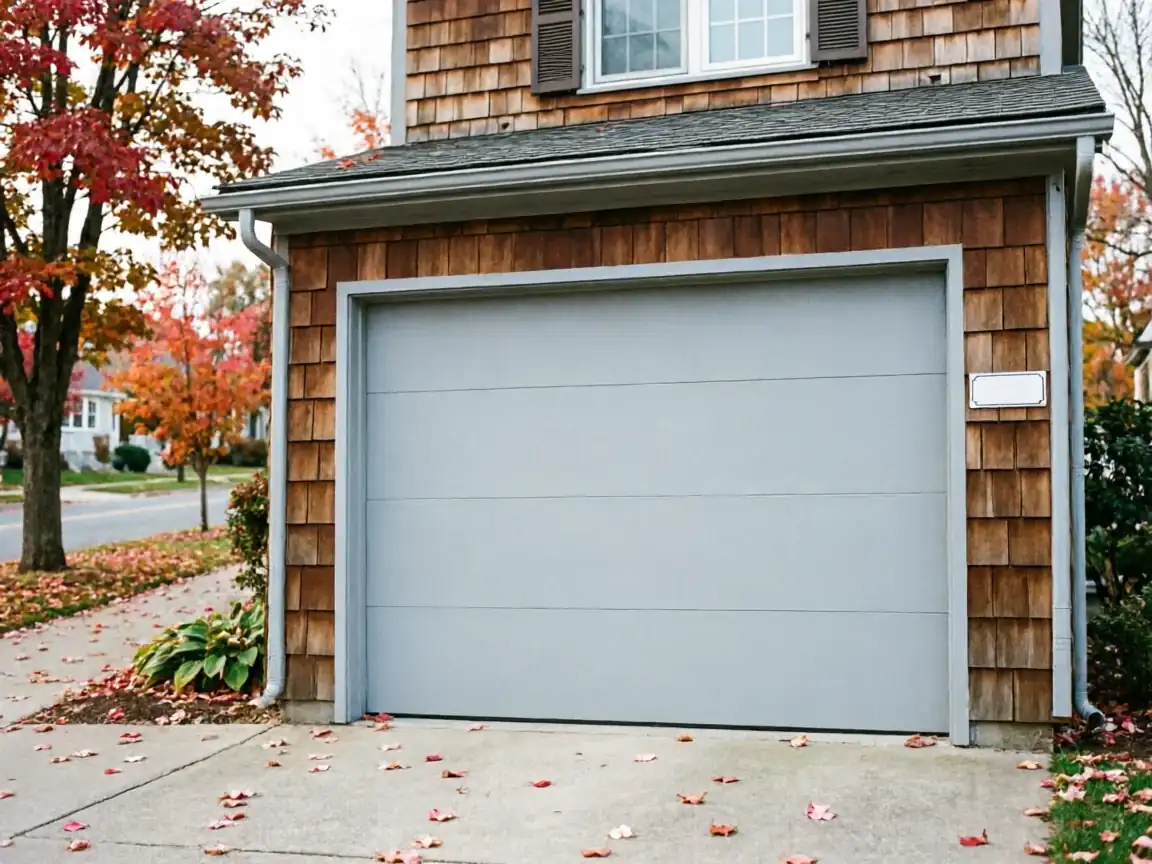
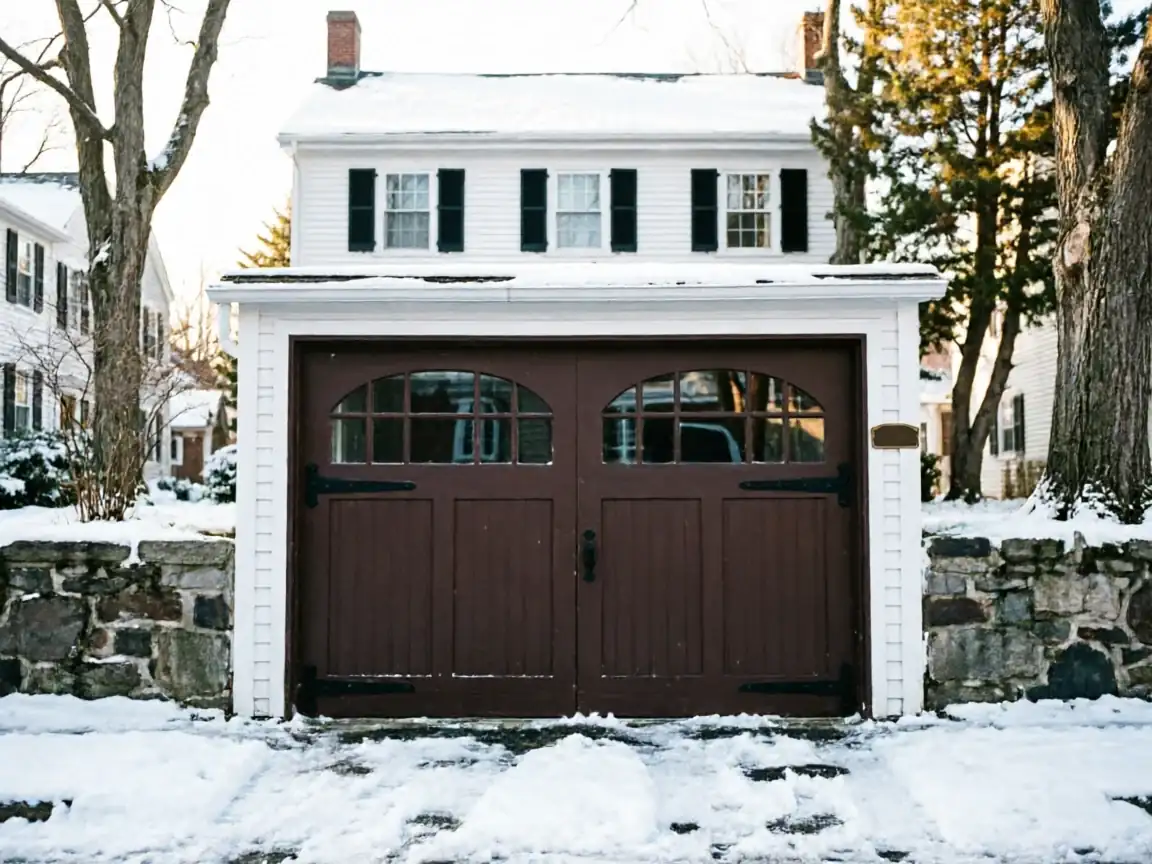
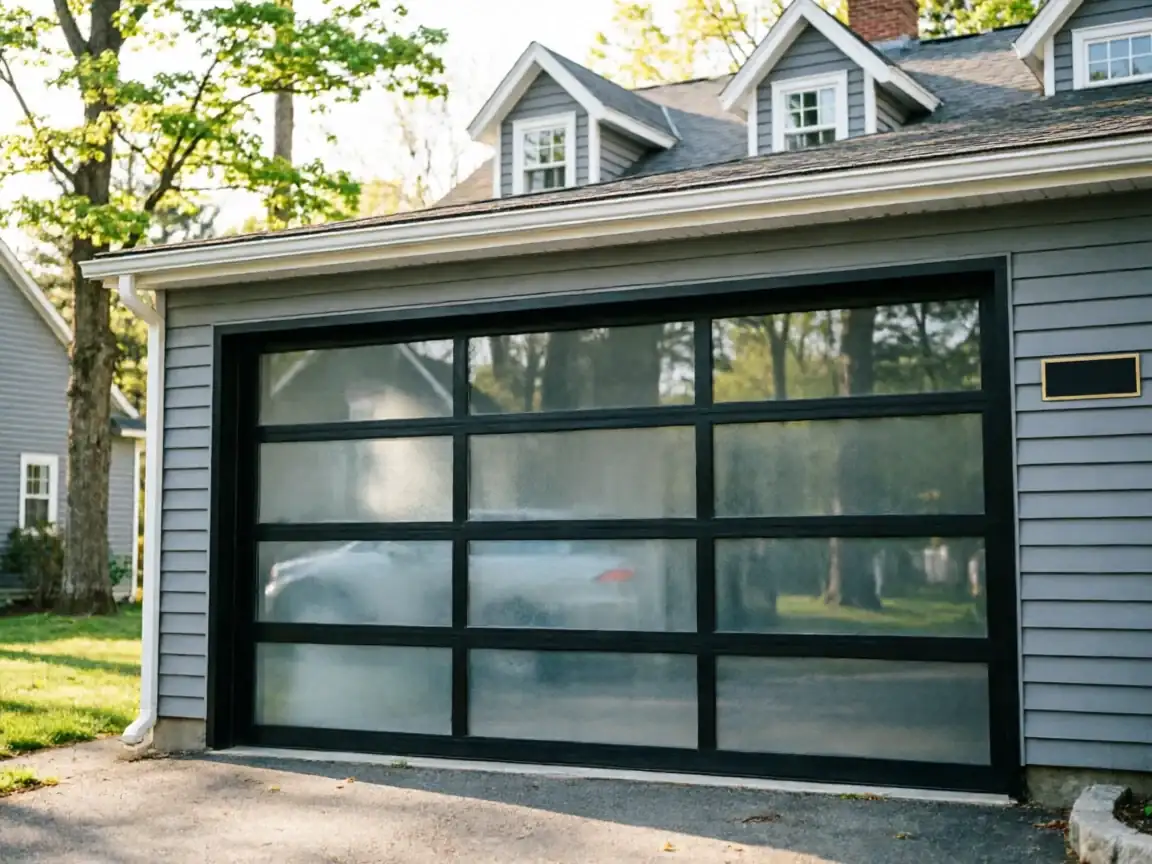
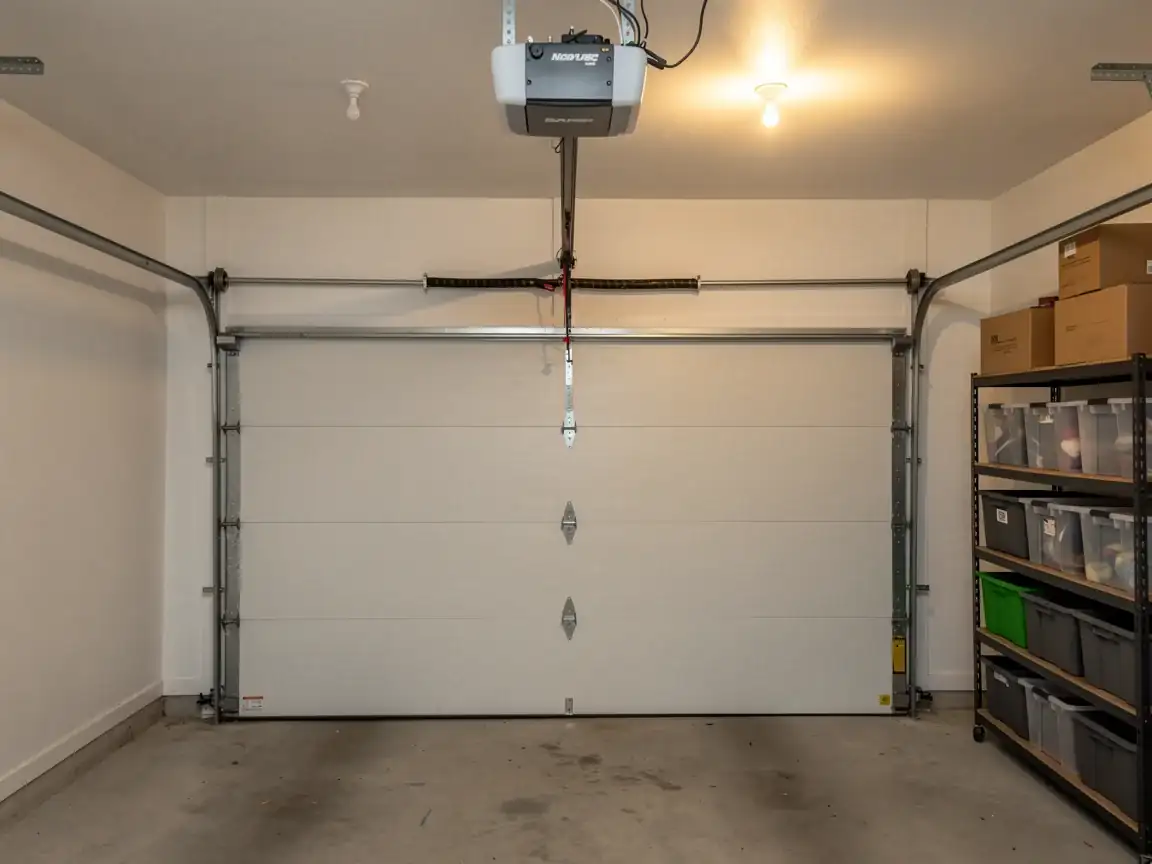
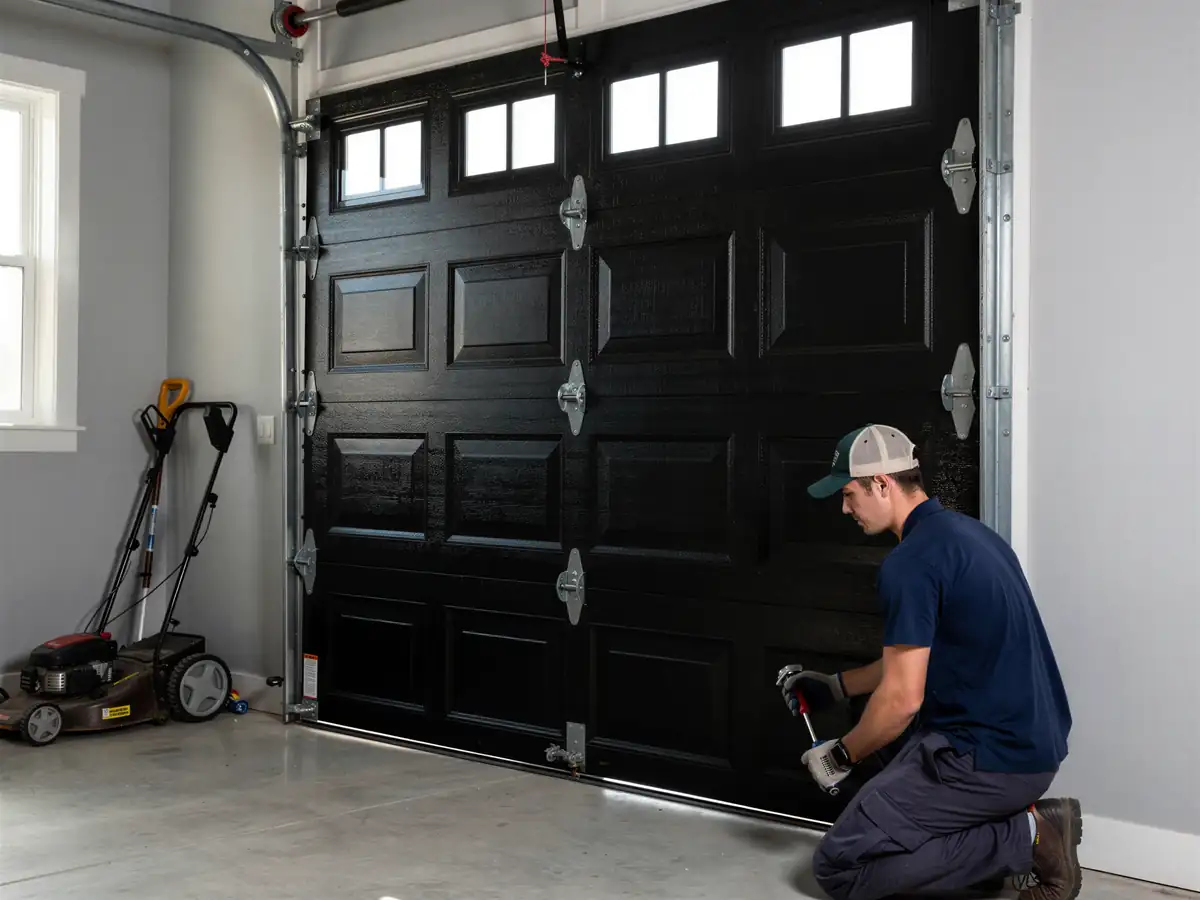
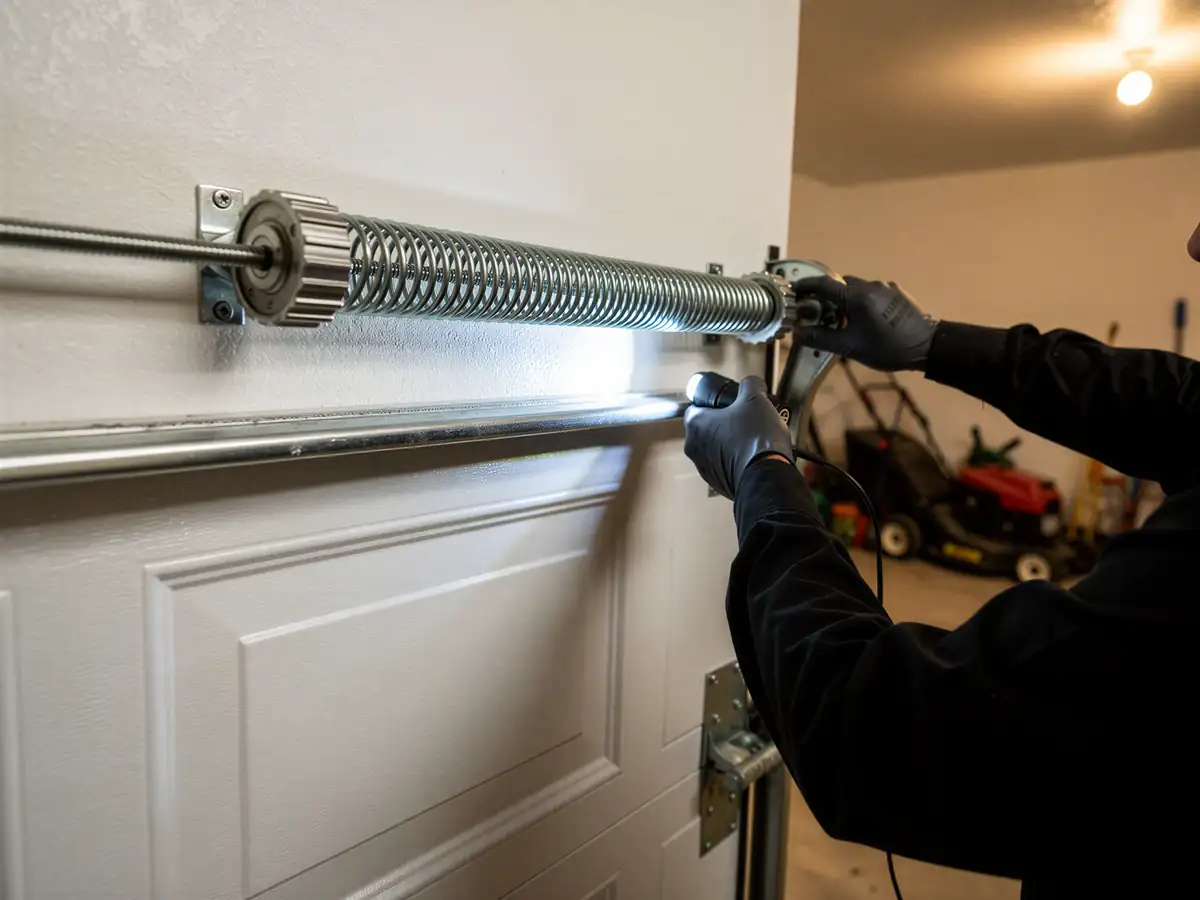
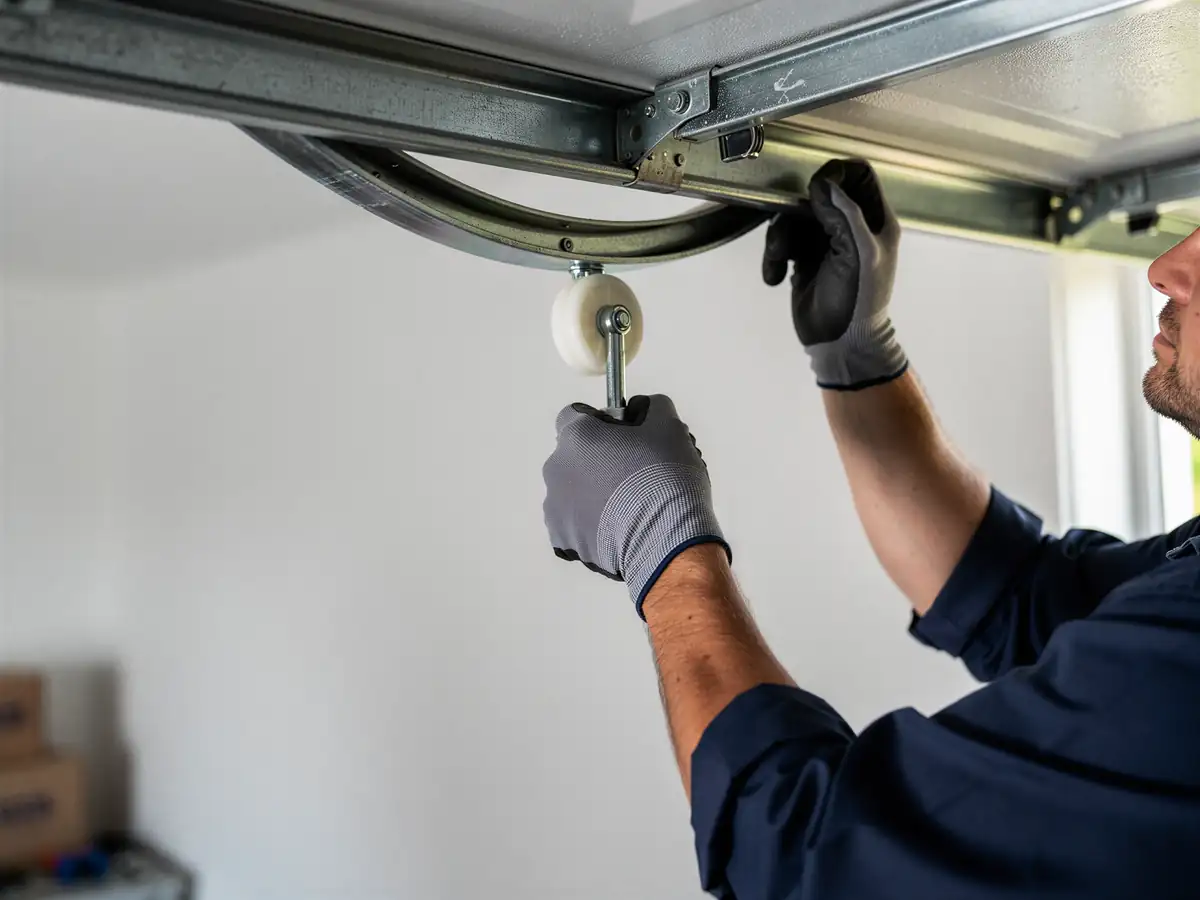
Auburn is a short run from our shop in Manchester, about four miles, which matters more than it sounds. A job that far out doesn't need a separate truck or a half-day window - it gets folded into the same route as the Manchester calls on either side of it, so a broken spring or a dead opener here gets looked at the same day more often than not. We diagnose on site: cycle the door, check spring wind and cable tension, test the opener's force settings, and look at the track for the kind of bend that comes from a door that's been fighting bad rollers for years. Most of the housing stock in and around Auburn went up in the early 1980s, which lines up with the wider area's median build year of 1982. That means a lot of doors here are original steel panel doors on extension springs rather than the torsion setups builders switched to later, and the repair has to match what's actually on the house, not what's common in newer subdivisions nearby.
Parts We Carry
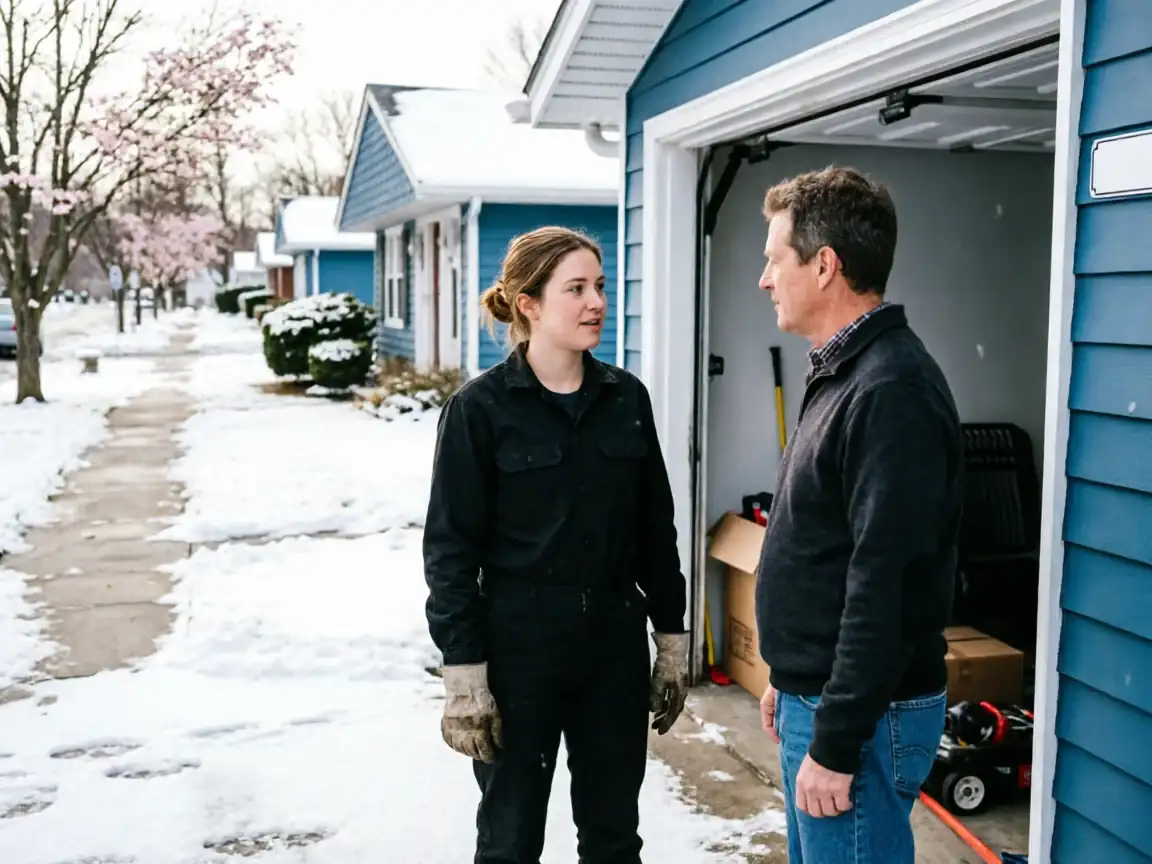
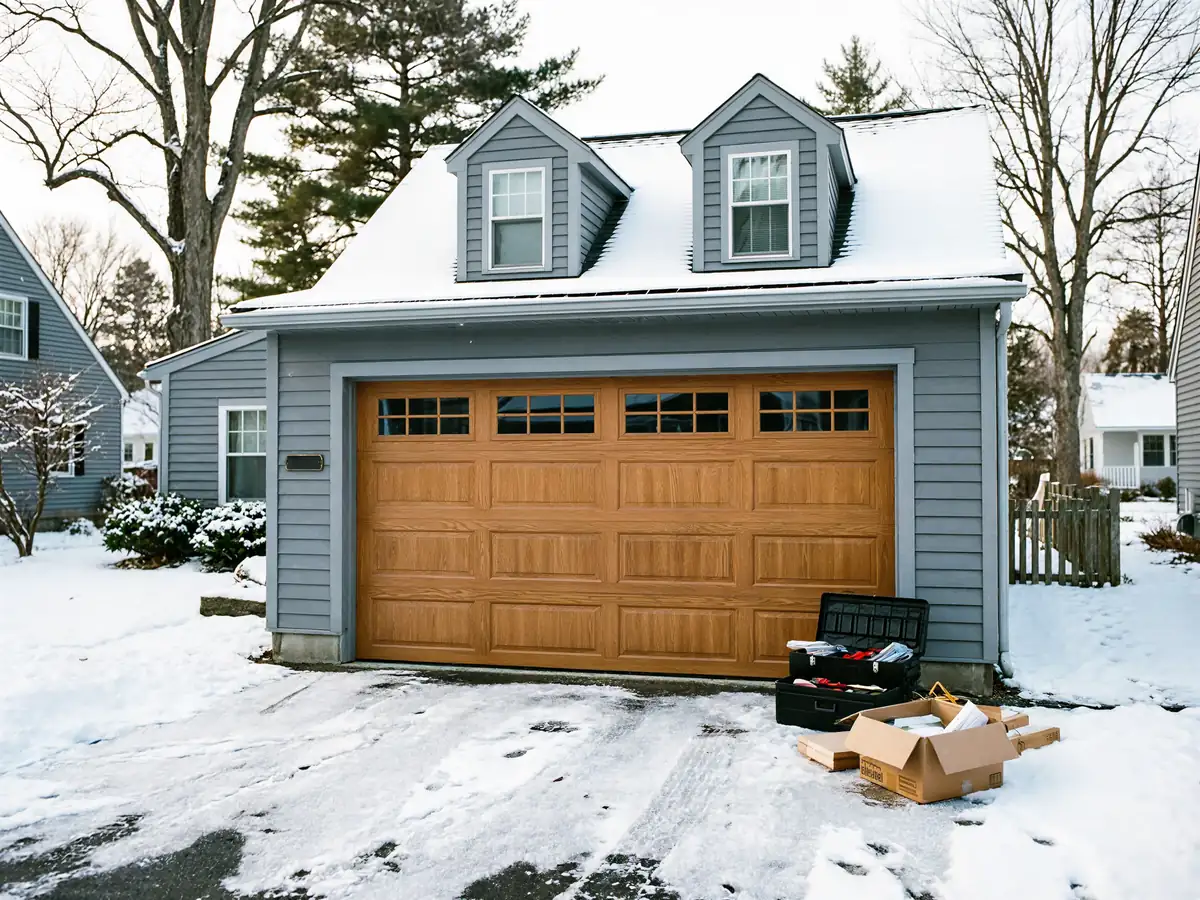
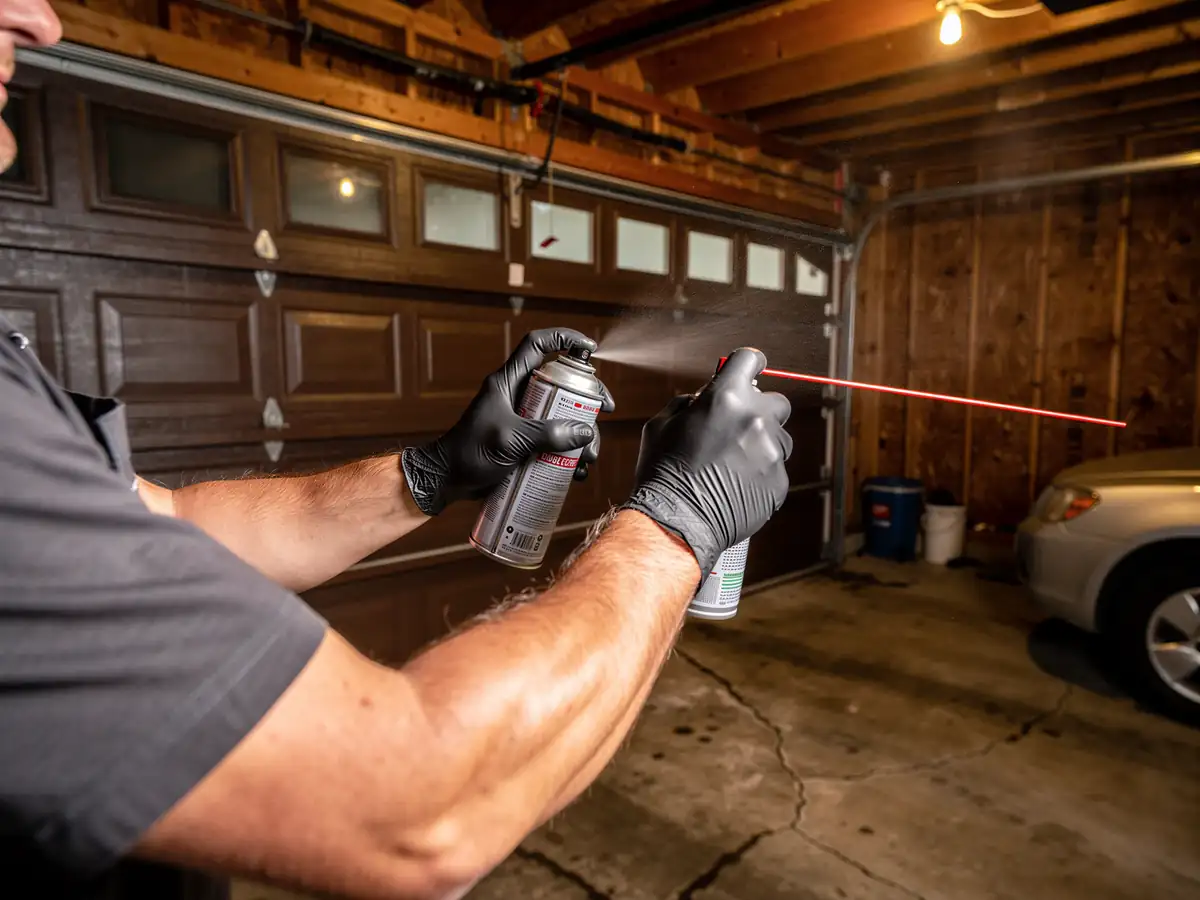
We stock for the era this area was actually built in. Across the 45 named areas we cover, the housing runs from 1938 to 1997 with a lot of it clustered in the 1980s and 90s, so the truck carries extension springs, older-style torsion kits, and the steel door sections that fit builder-grade doors from that window rather than only the newest profiles. Auburn's own housing lines up with that 1980s window, so the parts that fit most calls here are the ones we already carry. What we don't carry is obsolete wood panel stock or discontinued opener logic boards - if a door needs one of those, we'll tell you up front instead of guessing at a fix that won't hold. Cold matters too: this is a severe cold climate, and we carry springs and lubricant rated for it rather than parts that seize up or snap once the temperature drops hard in January.
Time on the Job
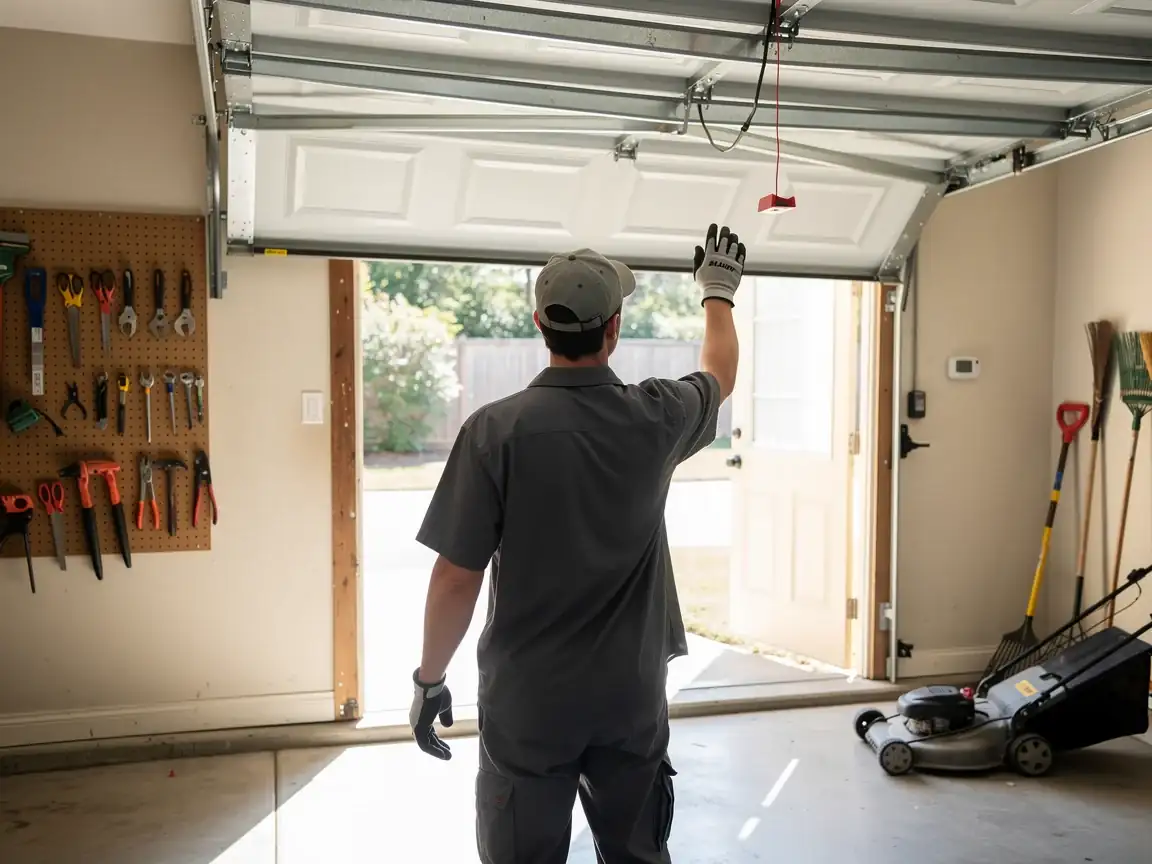
A straightforward spring or roller repair on a standard door usually runs under two hours once the truck is on site. Opener swaps take longer, closer to half a day, mostly because of wiring and safety sensor alignment rather than the mechanical work itself. Given that Auburn is only about four miles out, travel time isn't the bottleneck it can be on calls farther out in the service area - the trip itself adds minutes, not hours. What does add time is parts availability: if a door needs a section or hardware we don't carry on the truck, that's a return trip, not a same-visit fix. We'd rather tell you that up front than stretch a first visit out trying to force a part that isn't right.
Where This Job Goes Sideways
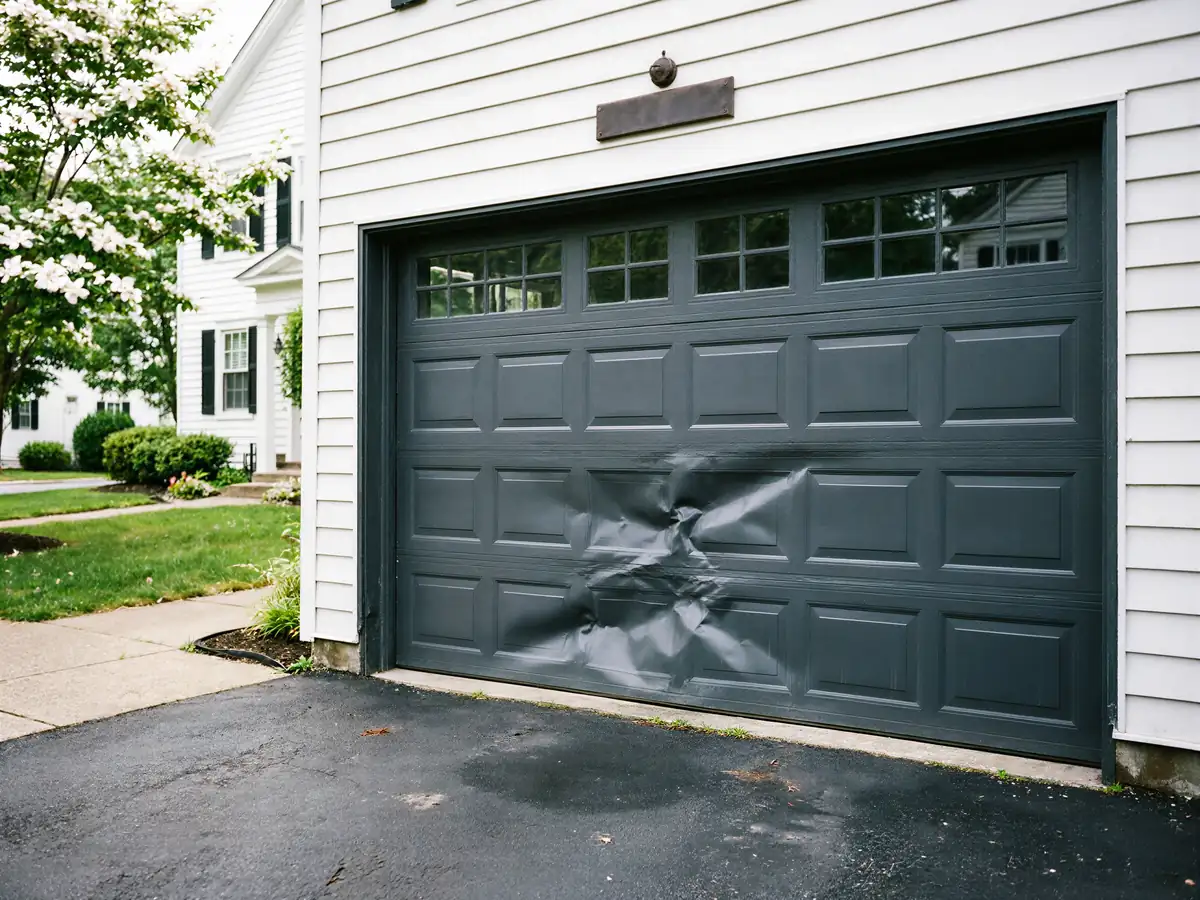
The usual trap with doors from this build era is treating a symptom instead of the cause. A door that's slow to close might get blamed on the opener when the real issue is a spring that's lost tension and is making the motor do work it was never sized for. On a house from the early 80s, that's common - the spring has had forty-plus years of cold winters to weaken, and the opener was never built to compensate for it. Replacing the opener alone fixes nothing and costs more than fixing the spring would have. The other place this goes wrong is cost-based: with median household income in this part of the service area well above the region's overall $115,712, it's tempting to replace a whole door rather than repair it. Sometimes that's the right call, especially on a door that's rusted through or warped - but it should be a decision made after seeing the actual door, not before.