The Symptom
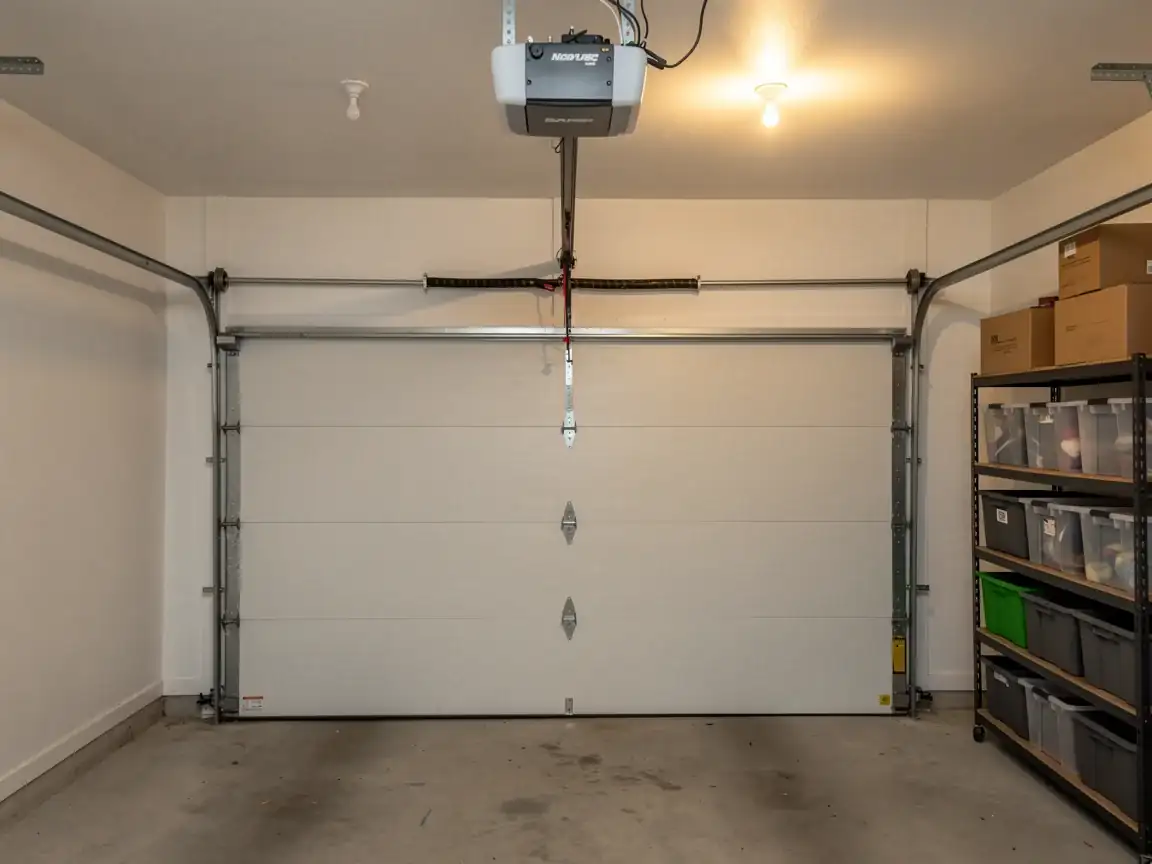
Derry has about 8,882 households, which is a smaller, tighter pocket than some of the towns we cover out of Manchester. A town that size doesn't generate a flood of calls, but the ones we get tend to cluster around the same complaint: a door that shudders, grinds, or jumps in the track every time it opens. That's almost always a roller problem, not a spring problem or an opener problem. If the door still moves but sounds like it's dragging gravel through the track, or if you can watch the panel hop sideways as it passes the bend in the track, the rollers have worn past round. Steel rollers wear down to a flat spot over years of use; nylon rollers can crack at the stem in hard cold. Either way the door keeps working just long enough that people put off the call, right up until a roller jumps the track entirely and the door won't move at all.
Why This Fails Locally
The median year built for houses in Derry is 1981, close to the 1982 median across the wider service area but on the older edge of it. A door installed with that house, or replaced once sometime in the 80s or 90s, is running original or first-generation steel rollers on steel track. That hardware was never built for a severe cold climate over four decades. Steel rollers in a cold garage contract, bind slightly, and wear unevenly at the bearing - you hear it as a rhythmic squeal that gets worse as the temperature drops. Houses built in that era also tend to have narrower track radius than newer doors, which means a stiff or pitted roller catches harder on the curve. This isn't a defect unique to any one house - it's what happens to hardware this old in a climate that gets this cold, and Derry's housing stock puts a good share of doors squarely in that window.
Parts We Carry
We stock both sealed-bearing steel rollers and nylon rollers on the truck, since the right choice depends on the door and how it's used. Steel rollers hold up under heavier doors but run louder and feel every bit of the cold-weather stiffness this climate brings. Nylon rollers run quieter and tolerate temperature swings better, which matters given the severe cold band this whole service area sits in, but they're not the right call on every door - a few older steel-track setups need steel rollers to seat properly. We'll tell you which one fits your track rather than defaulting to whichever we happen to have more of.
How We Fix It
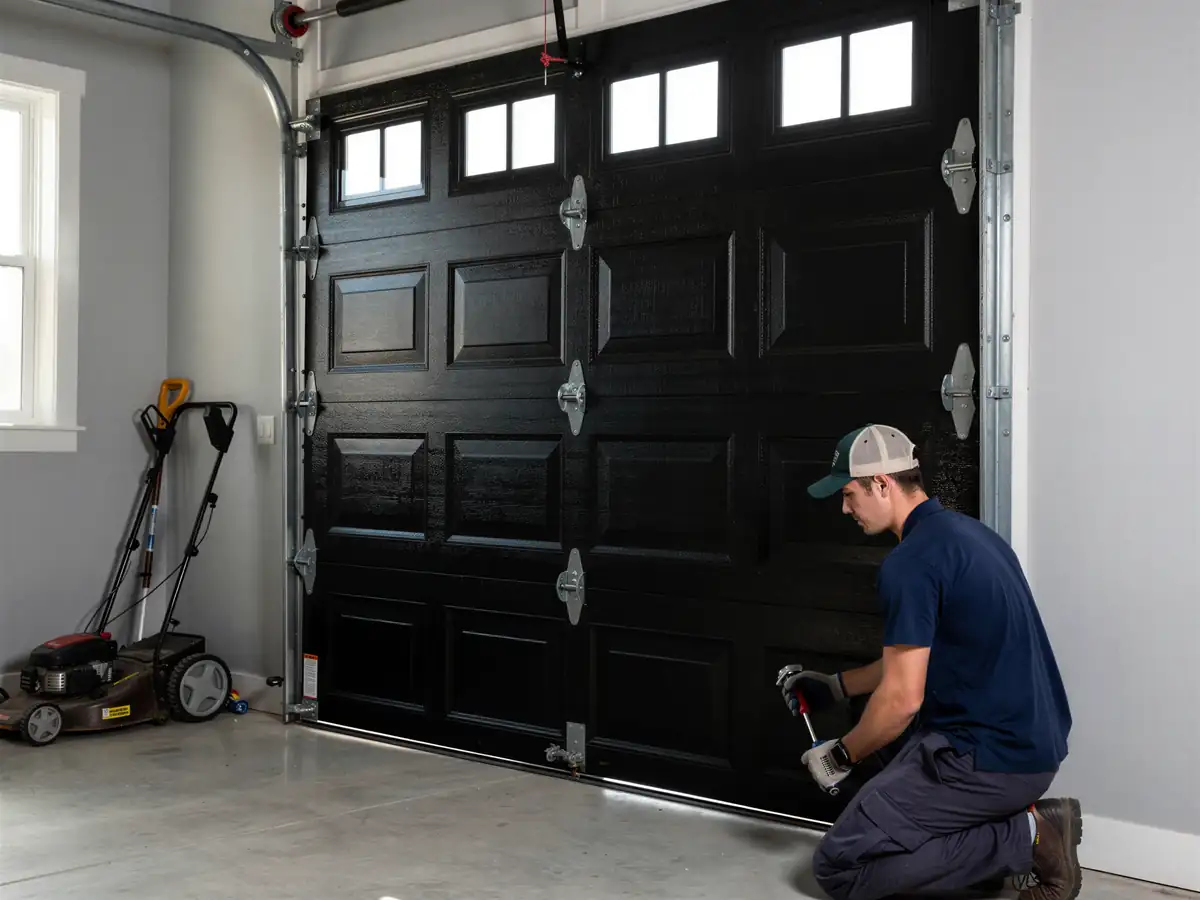
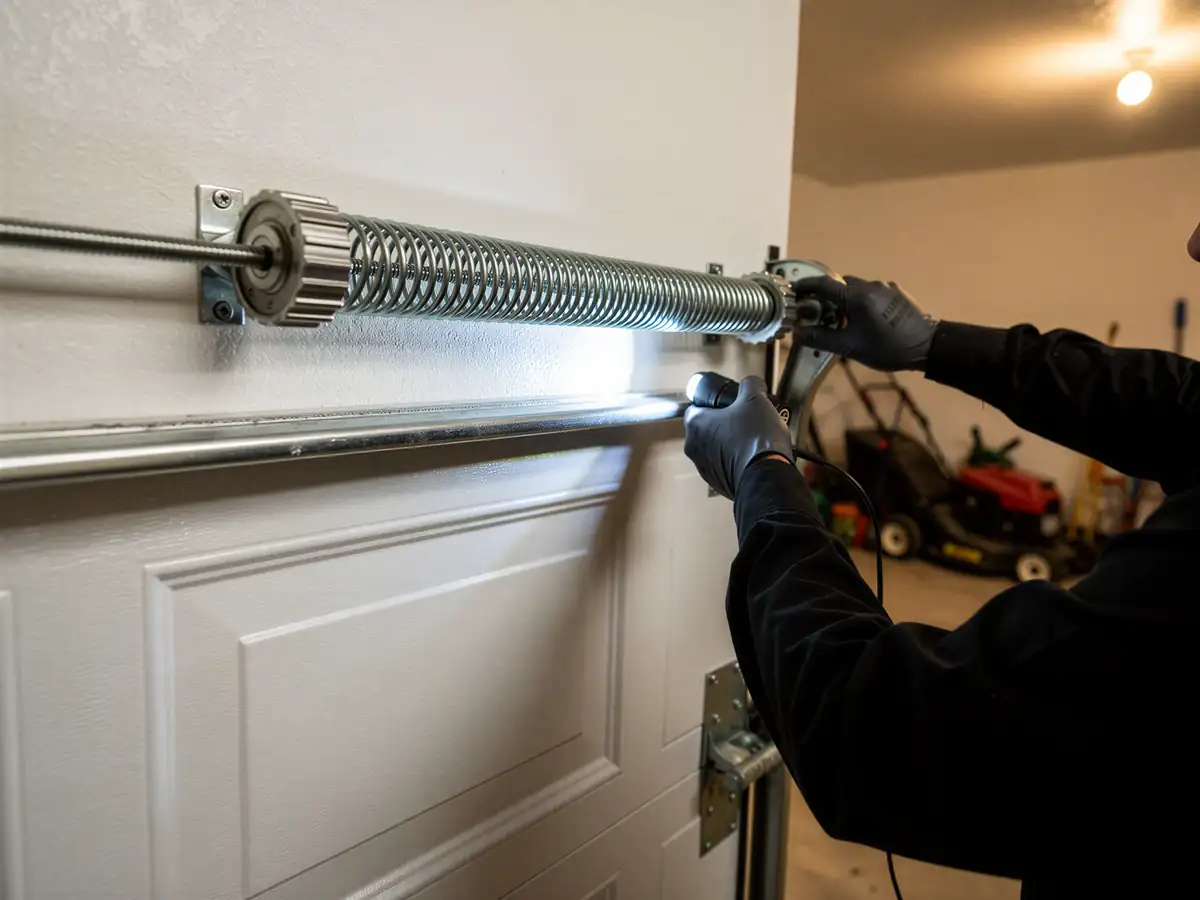
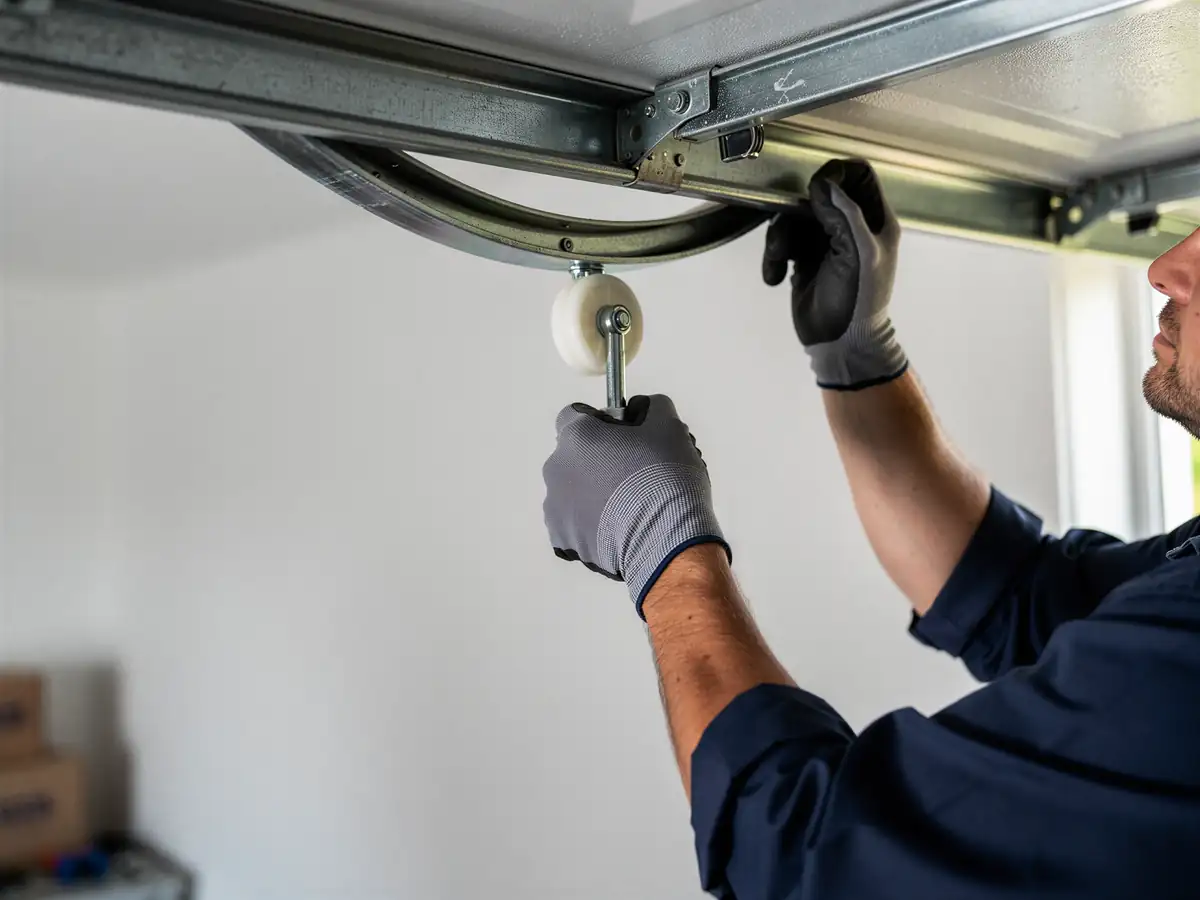
We pull the old rollers one at a time, working the door into a safe position and never with the spring still loaded under tension. Each bracket gets checked for wear before the new roller goes in - a roller swapped into a stretched or bent bracket won't track straight no matter how new it is. We run the door through a full open-close cycle by hand before we hand it back to the opener, listening for any catch point in the curve of the track. If we find a section of track that's rusted or bent from years of a bad roller grinding against it, we'll point it out and price that separately rather than bundle it in without asking.