The Symptom
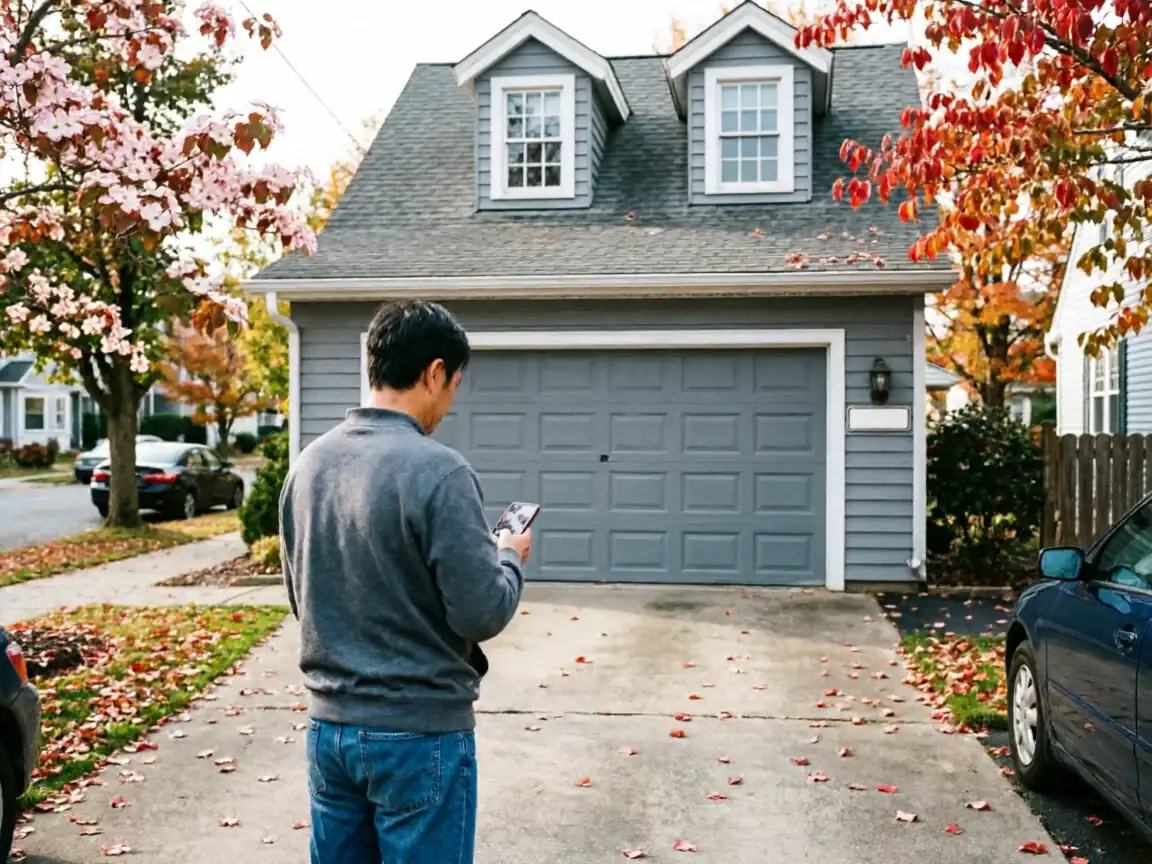
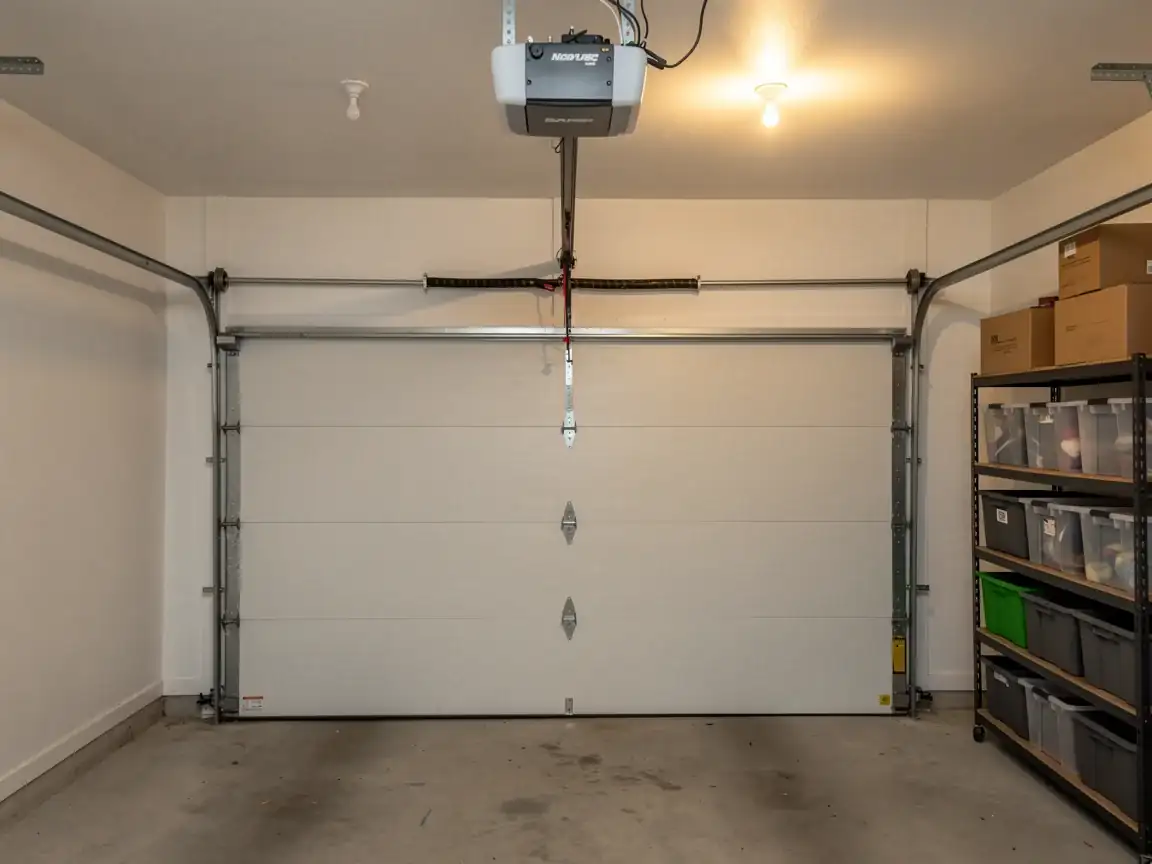
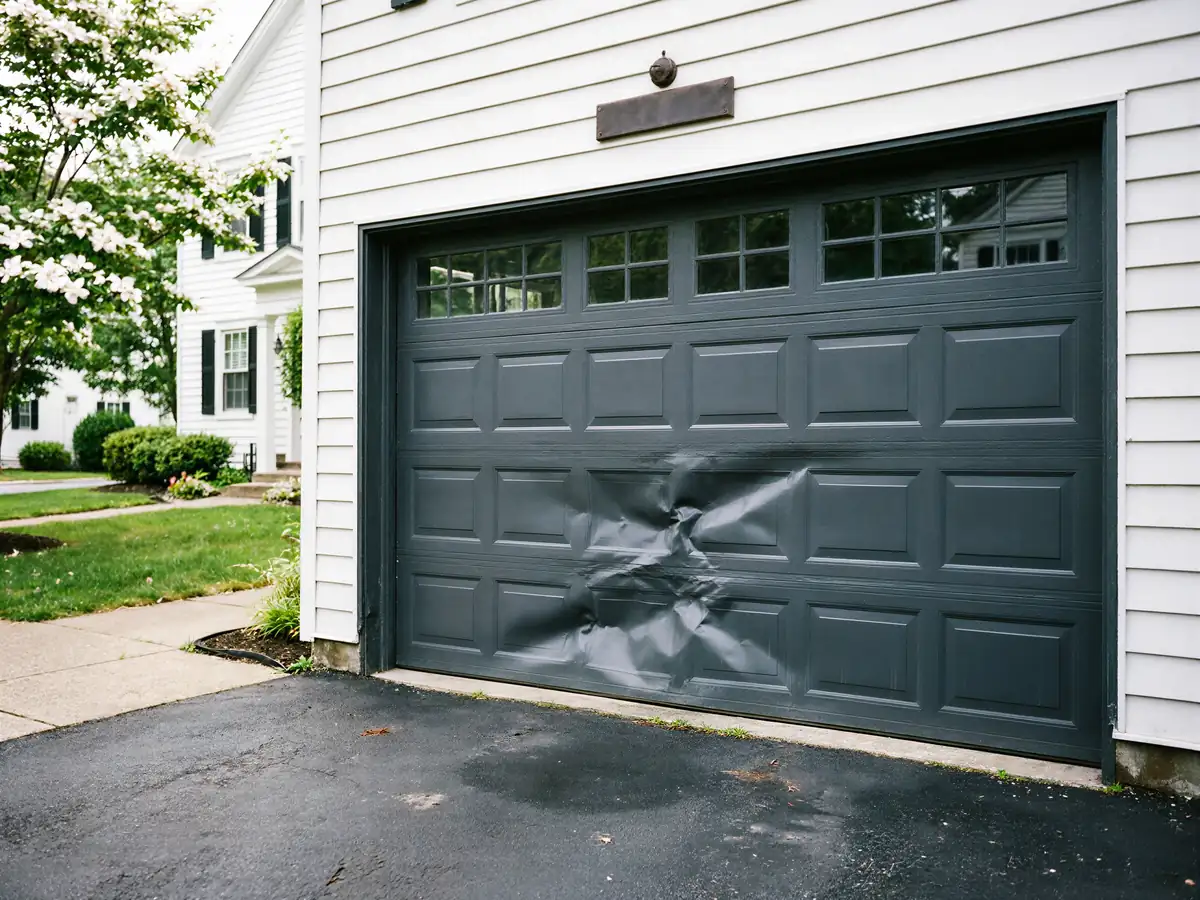
If your house in Derry went up around the early 1980s - and the median build year here is 1981 - there's a decent chance the garage door opener, the track, and even the springs are original equipment. Nobody replaces a working door just because it's old. They replace it when the spring finally lets go, when the panels have rusted through at the bottom, or when the opener grinds instead of pulling. That's usually the first time anyone in the house has ever looked closely at what's actually back there. A door that's run quietly for forty years tends to fail all at once, not gradually, because the hardware was never built with a service schedule in mind.
The tell is almost always the same: a door that's heavy to lift by hand, an opener straining on the last foot of travel, or a track that's slightly bowed from decades of a spring working a little too hard for a little too long. None of that is a Derry-specific defect. It's what 1981 hardware does by 2024.
Why This Fails Locally
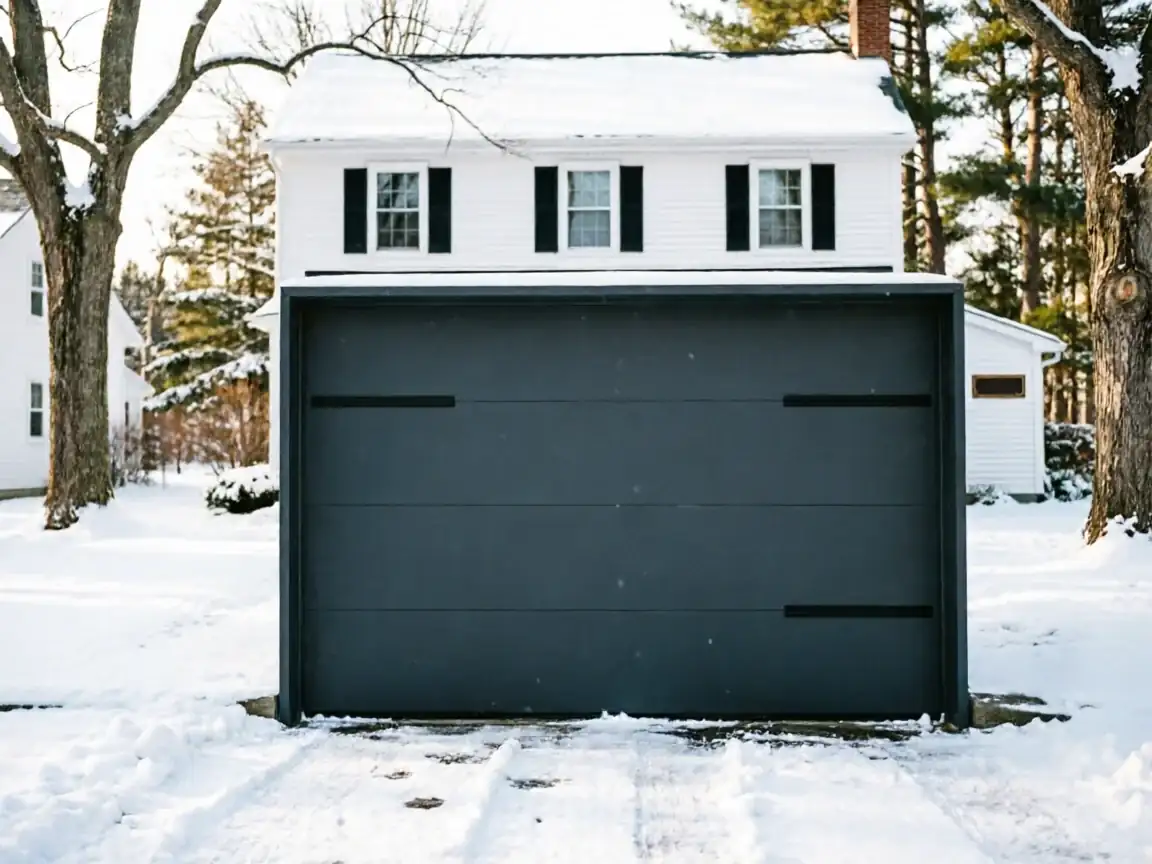
Derry's roughly 8,882 households sit in a part of the state where winter actually bites - this is a severe cold climate zone, with real freeze-thaw cycling every year. Steel doors from the early '80s weren't insulated the way doors are built now, and on an attached garage that shares a wall with living space, an uninsulated single-layer door lets the cold track straight into the house. Add a slab that's heaved slightly over forty winters and you get a door that binds in January even though it swung fine in July.
The median household income in Derry, around $88,901, is enough that most owners choose to replace rather than patch a door that's fighting them every winter. That's a reasonable call on a door this old - the hardware wasn't designed for the loads a modern insulated panel puts on an old frame, and matching new parts to a 1981 track is a losing game anyway.
Time on the Job
We come out of Manchester, about 11 miles away, for installs in Derry
A straight swap - same opening, new insulated steel door, new springs sized to the new panel weight - is a job we can usually finish in a single visit. If the opening itself needs reframing because the old jamb has shifted, or if the existing track and drum setup doesn't match anything we stock, that adds time on site. We'll tell you before we start cutting anything, not after.
- 11 miles
We don't schedule installs as same-day emergency work from Manchester
If your spring snaps on a Tuesday morning, we can talk through options, but a full installation gets booked, not rushed.
Parts We Carry
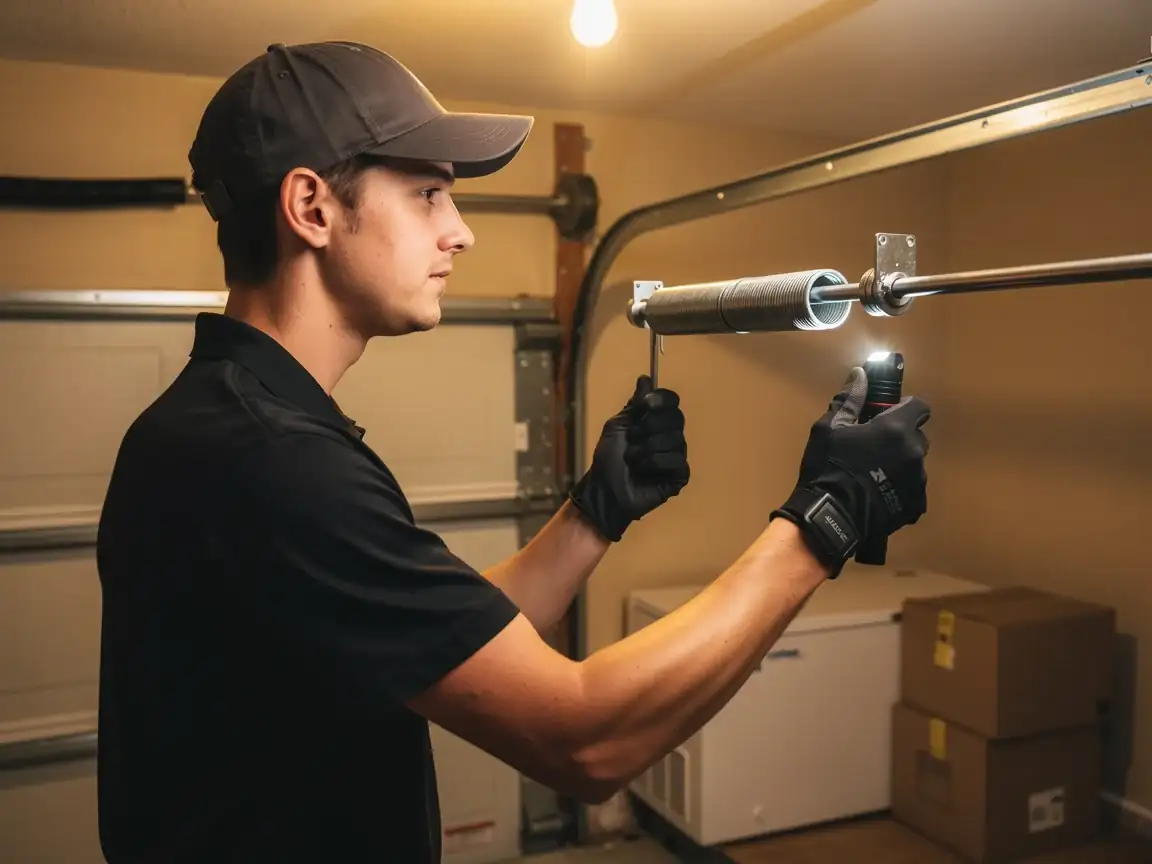
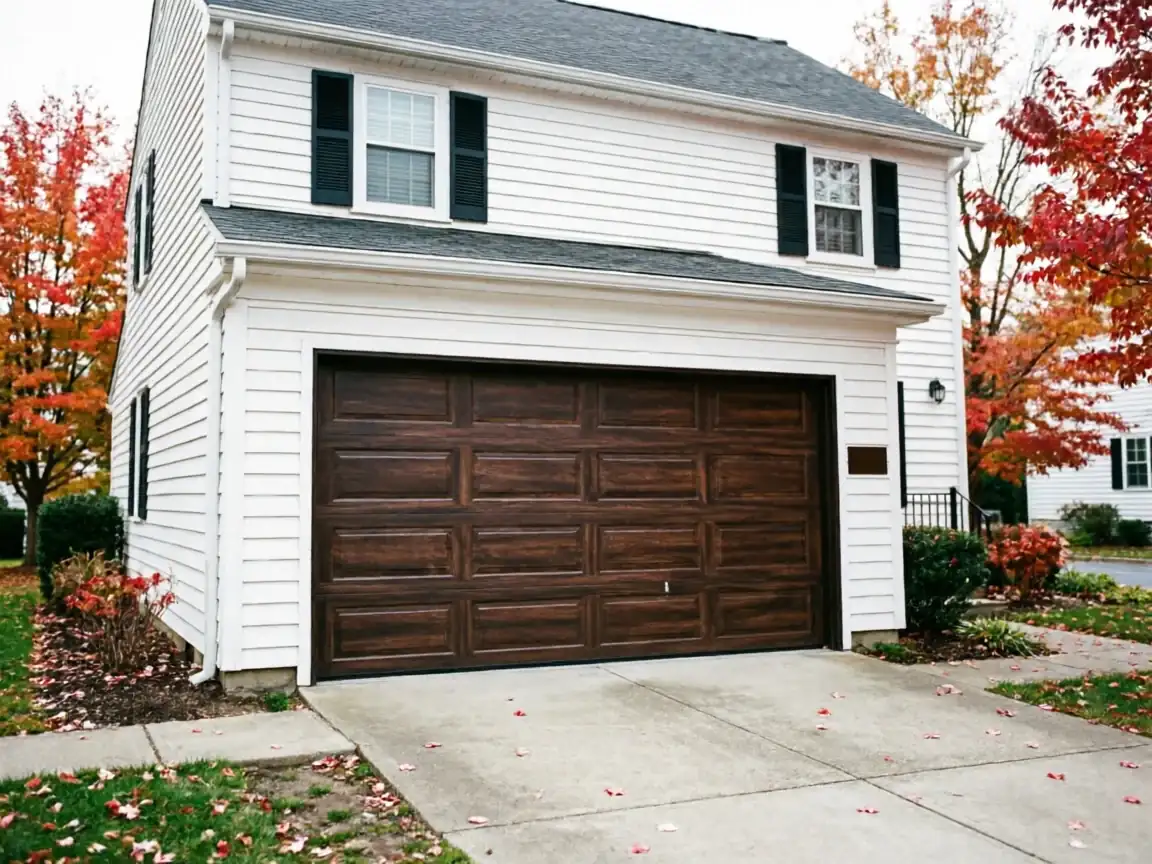
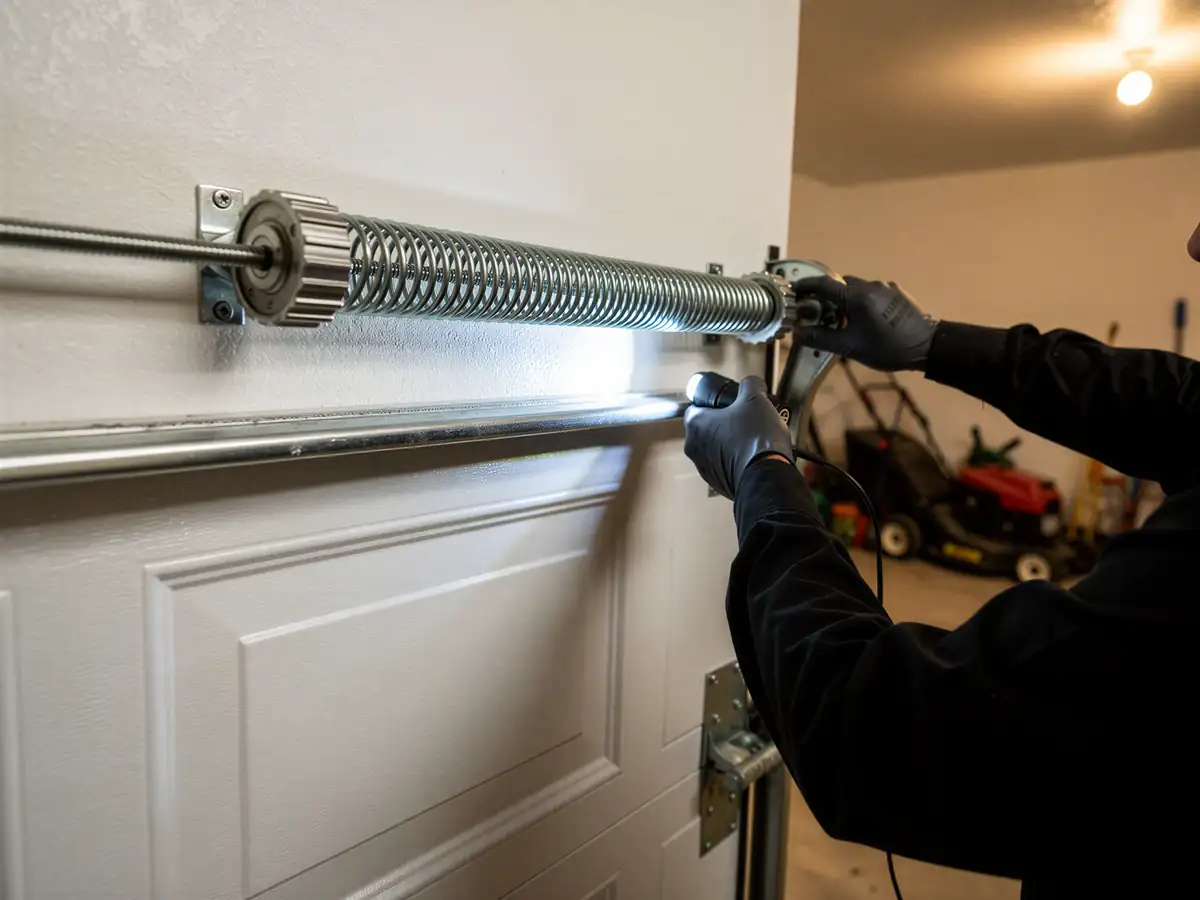
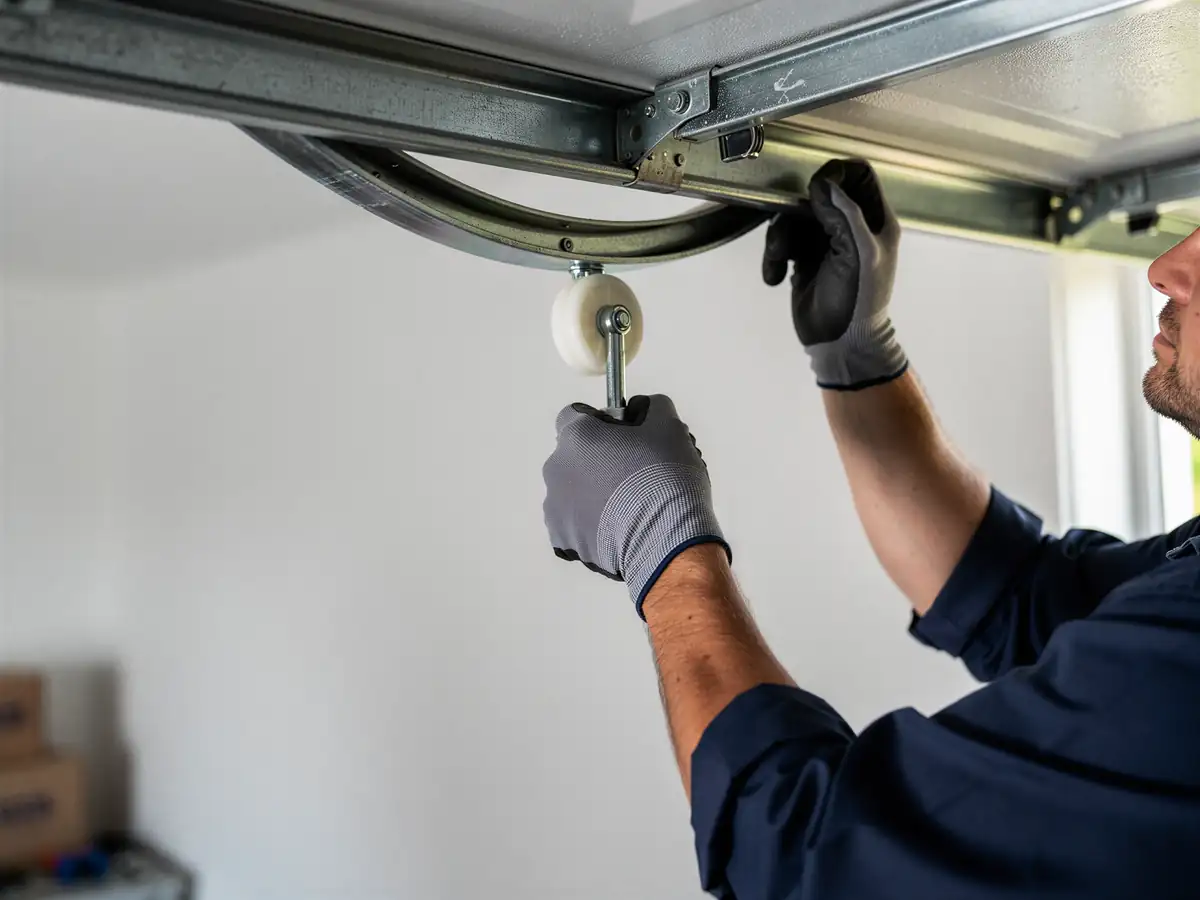
For a house built in the early 1980s, the common failure point is the torsion spring and the galvanized track, both sized for a door that's lighter than what's sold today. We stock insulated steel sectional doors in standard single and double widths, new torsion springs matched to the actual door weight (not the old spring's rating - that number is often wrong once a door's been painted or weatherstripped over the years), and steel tracks sized to current opening heights.
One honest limit: if your opening is a nonstandard size - common in some custom-built homes from that era - we may need to special-order the door itself, which adds lead time beyond the install visit. We'll measure before quoting so there's no surprise later.
How We Fix It
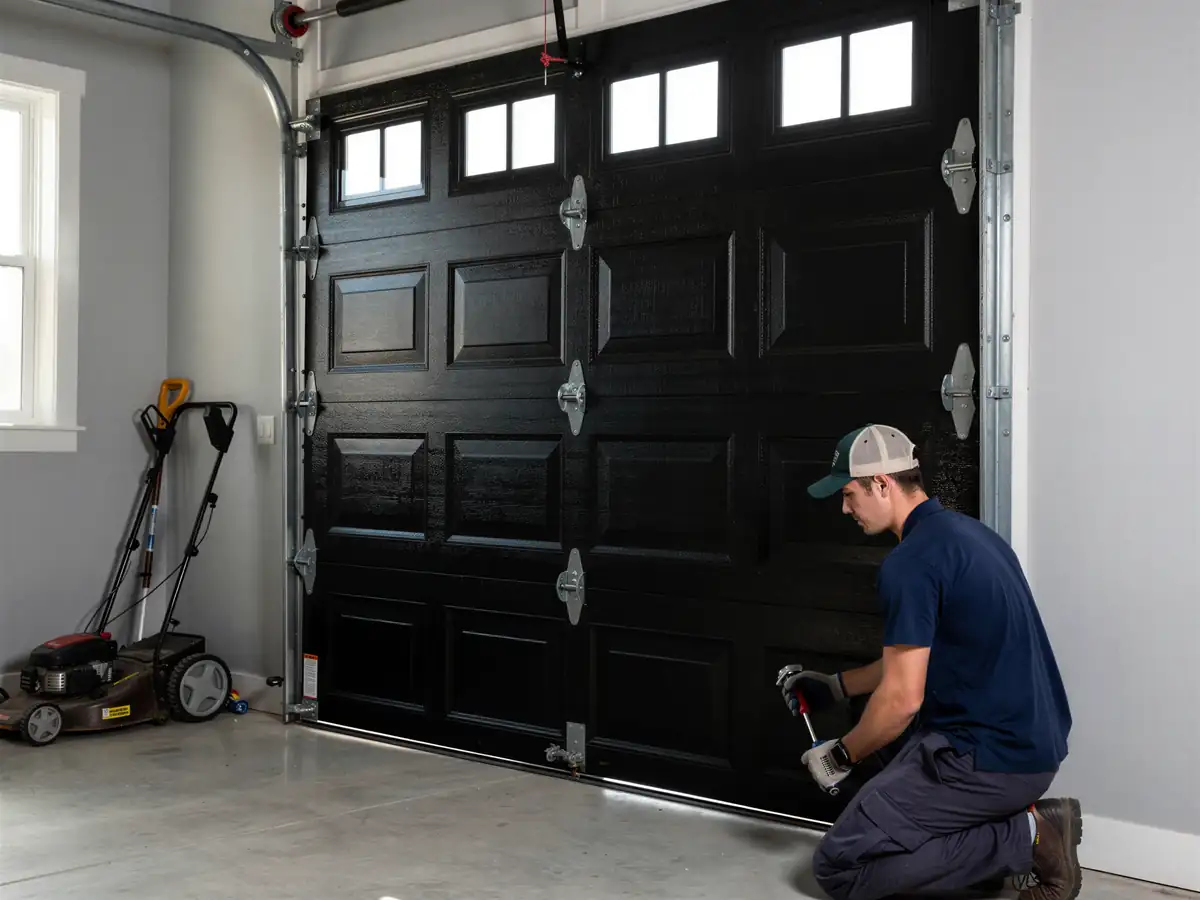
We start by measuring the actual opening, not trusting the old door's dimensions, because framing settles over forty years and openings aren't always square anymore. We pull the old door and hardware, check the jambs and header for rot or movement, and reset anything that's shifted before the new door goes in. Then we install the new insulated panel, mount new springs sized to its actual weight, and set the opener's travel limits and force settings so it doesn't slam the floor or strain against resistance.
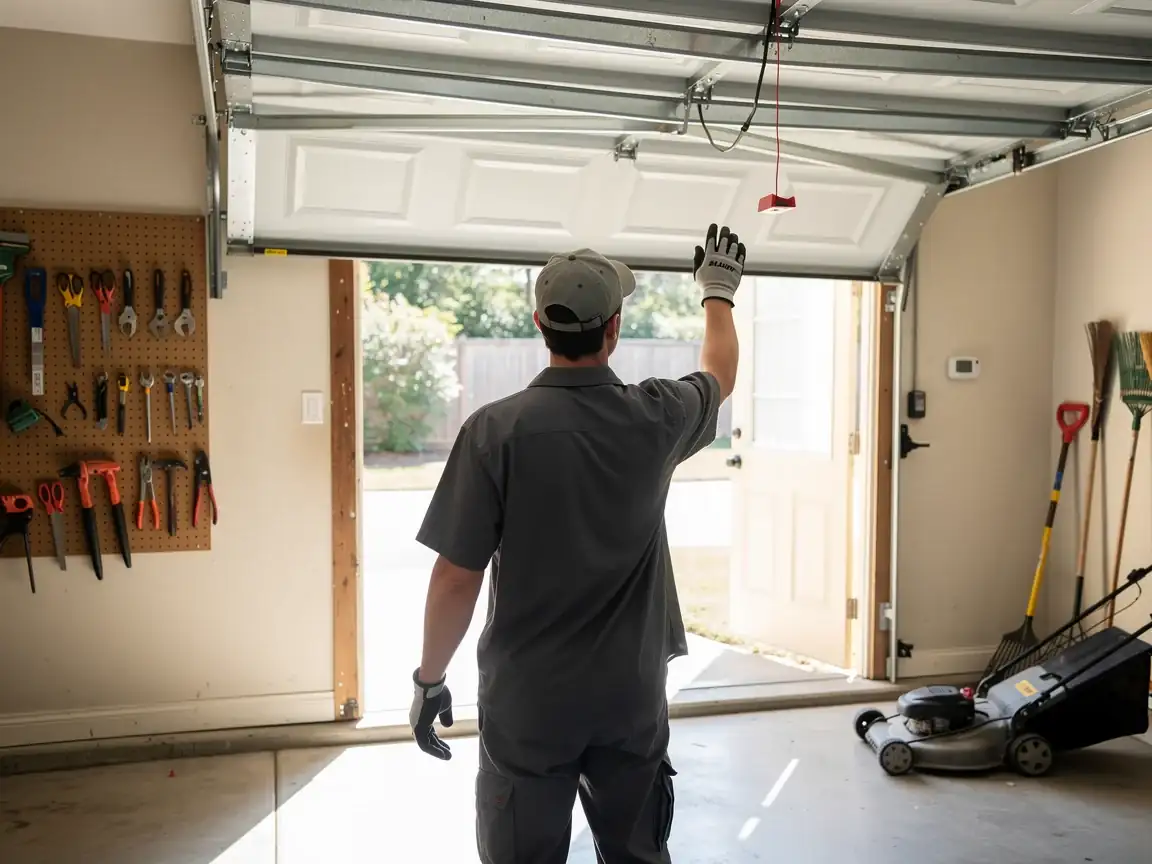
We test the balance by hand before we test the opener - a door that's correctly sprung should lift and hold at waist height on its own. If it doesn't, something's still off, and we find it before we leave, not on a callback.