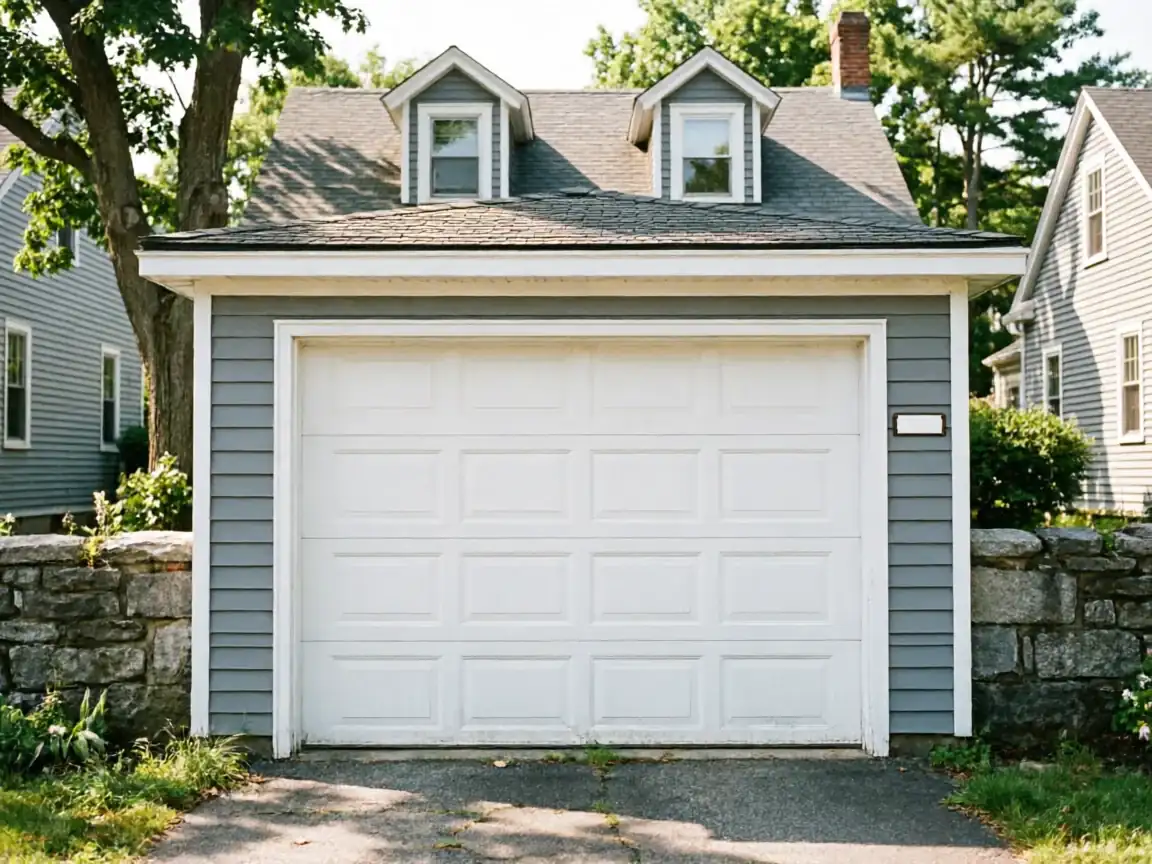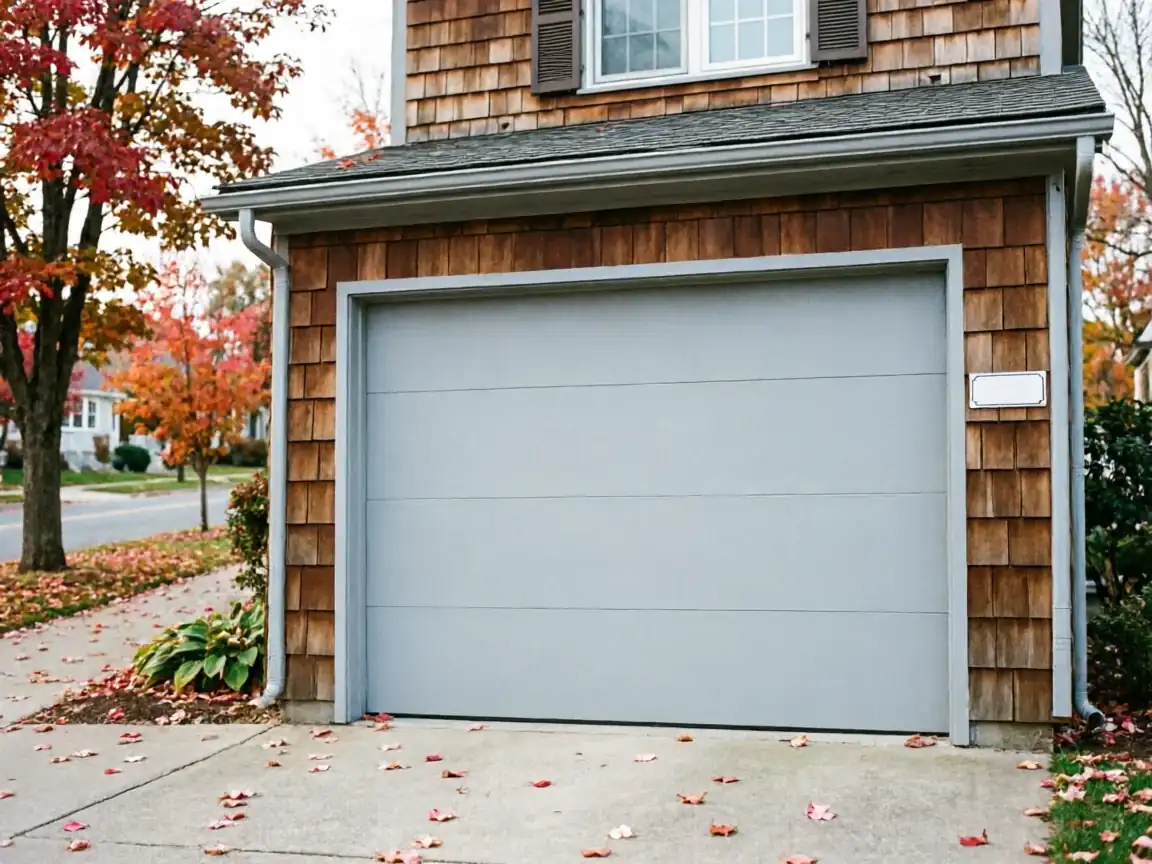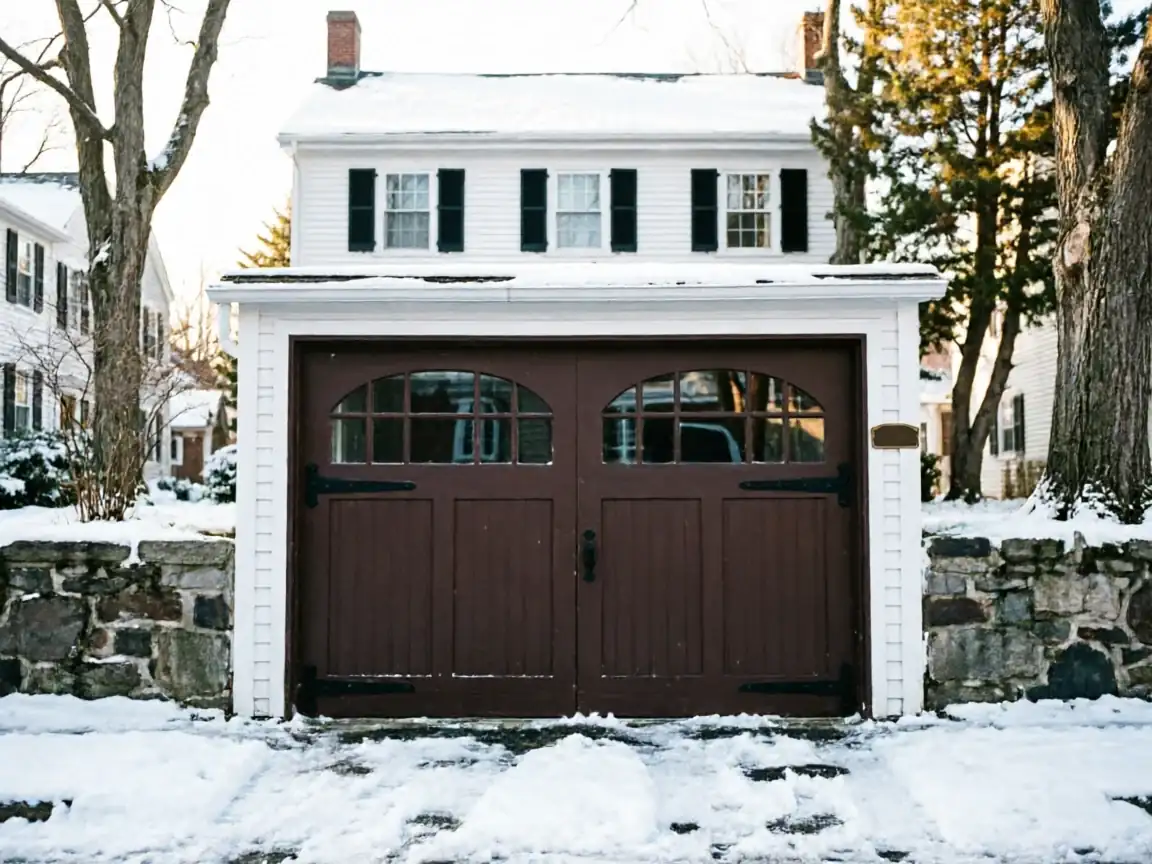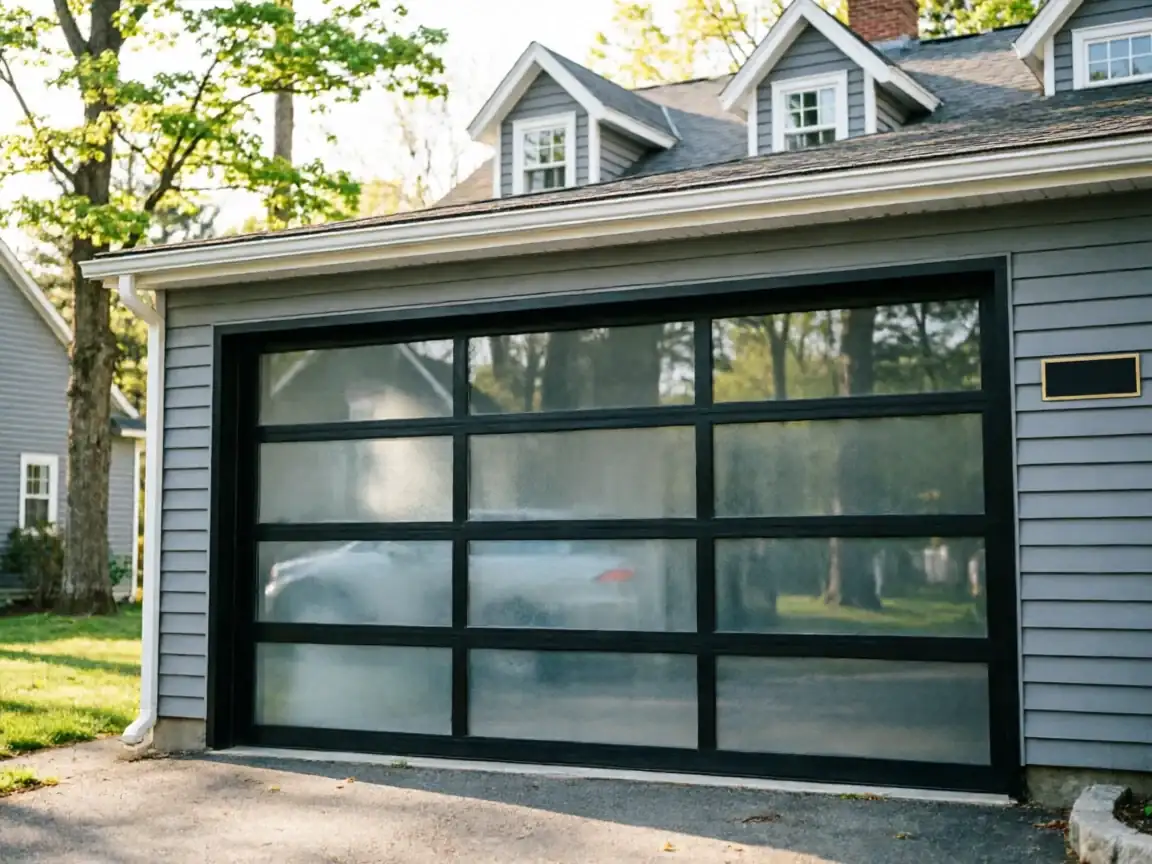
The Symptom
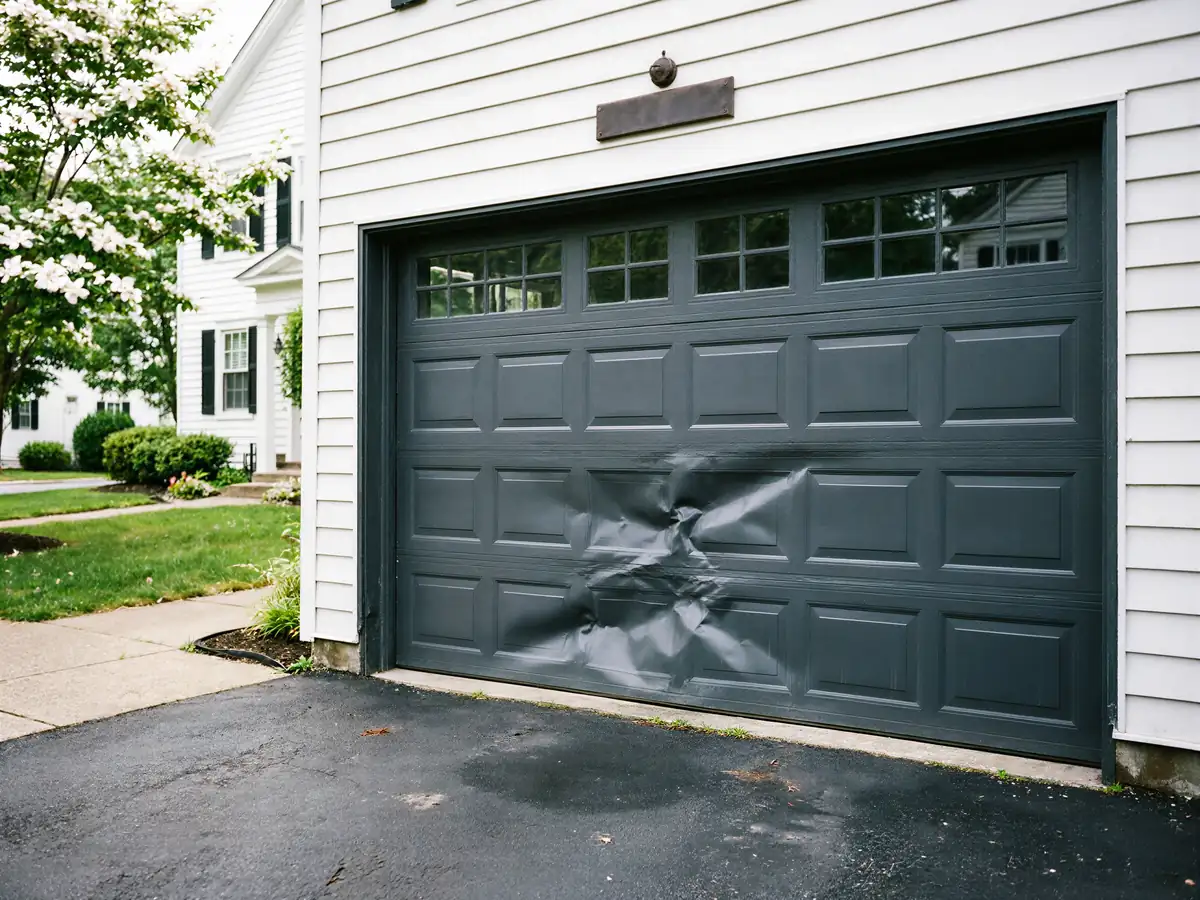
Derry's median year built sits at 1981 - almost the same year as the 1982 median across our whole service area. That one-year gap doesn't sound like much, but it tells us what's on the other end of the call before the truck leaves Manchester. A door that won't open, a spring that let go with a bang, an opener that hums but doesn't lift - in a town built this consistently in one era, these symptoms trace back to the same handful of parts over and over. You're not dealing with a one-off oddball door. You're dealing with hardware that was installed by the thousands across Derry and the surrounding towns in roughly the same stretch of years, which means we've usually seen the exact failure before we get out of the truck.
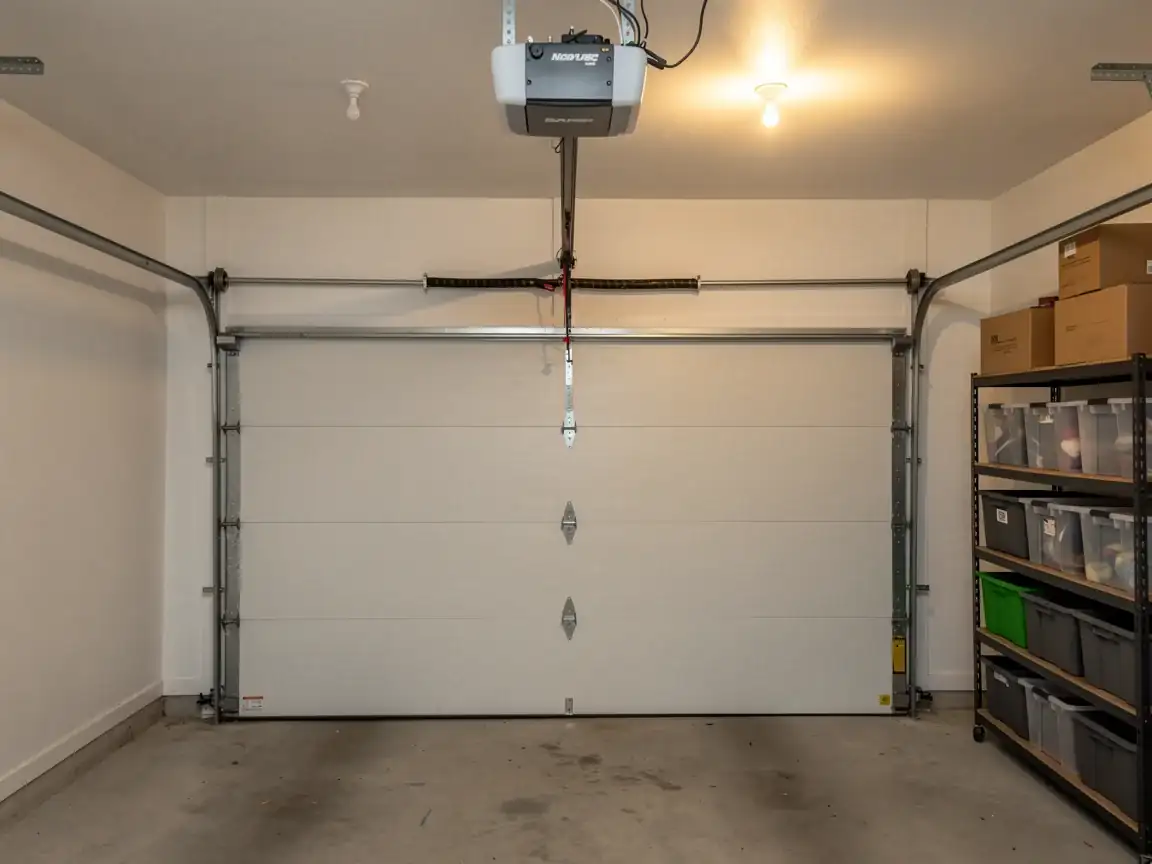
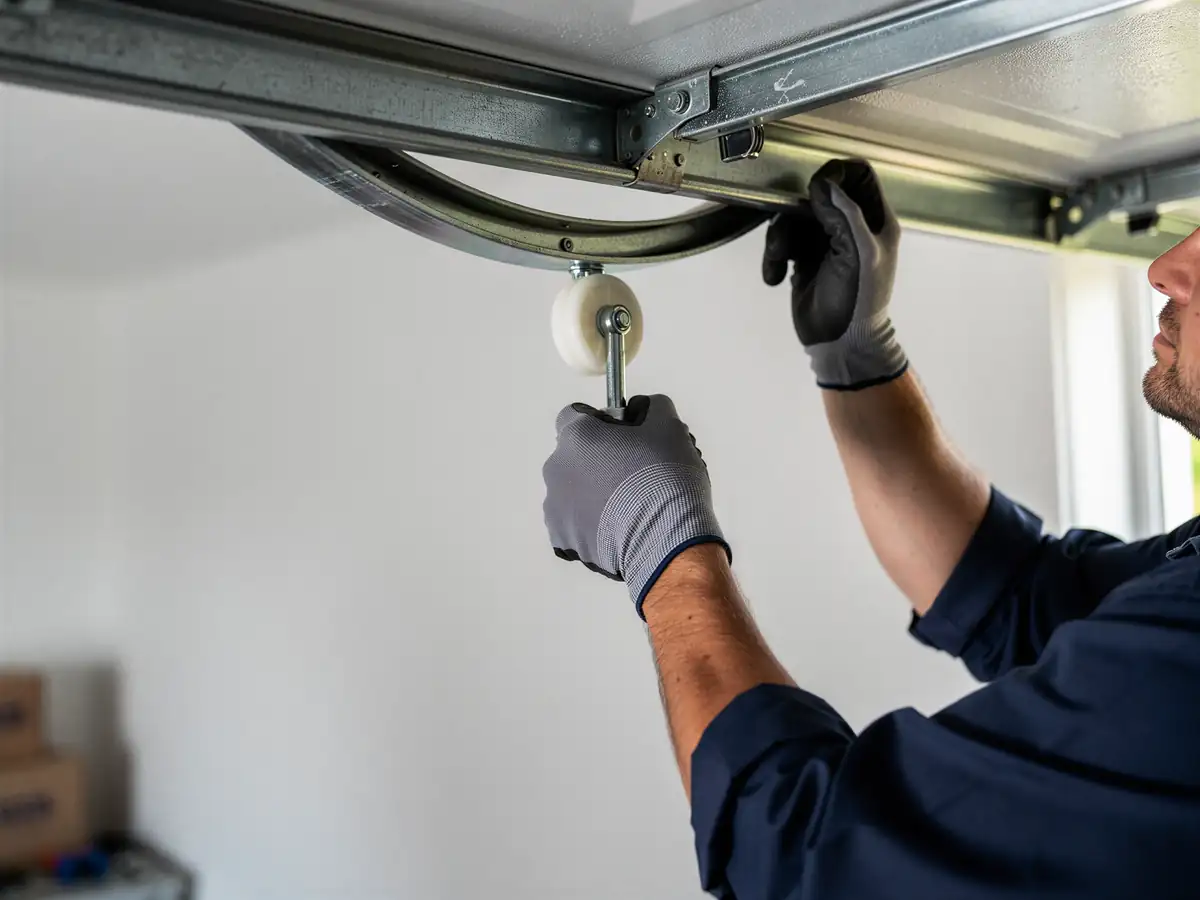
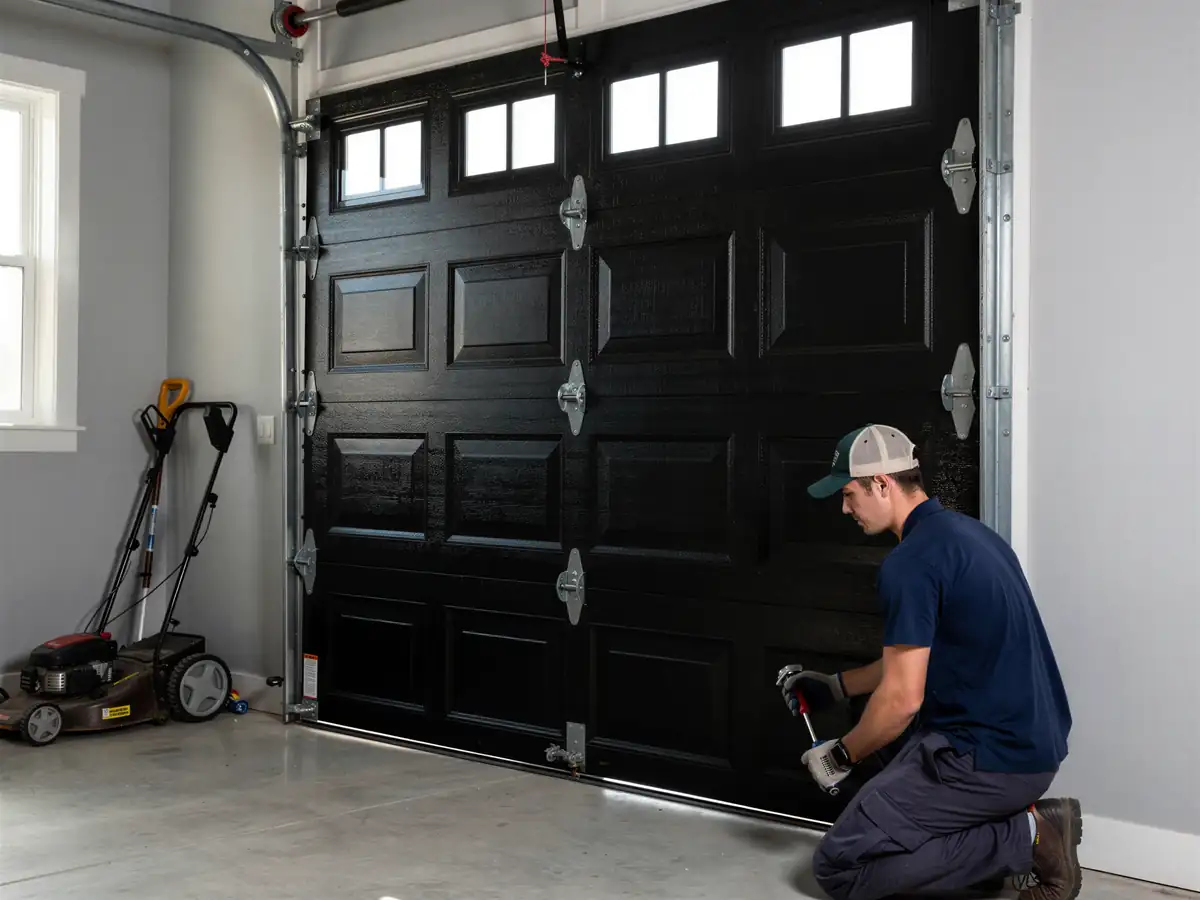
The giveaway symptoms: a door that drops fast and uncontrolled (broken torsion spring), a door that reverses itself off the floor (misadjusted travel limits on an opener from that era), or a track that's bowed where a roller rode loose for a few years too long. None of these are mysteries in a town this age-consistent.
Why This Fails Locally
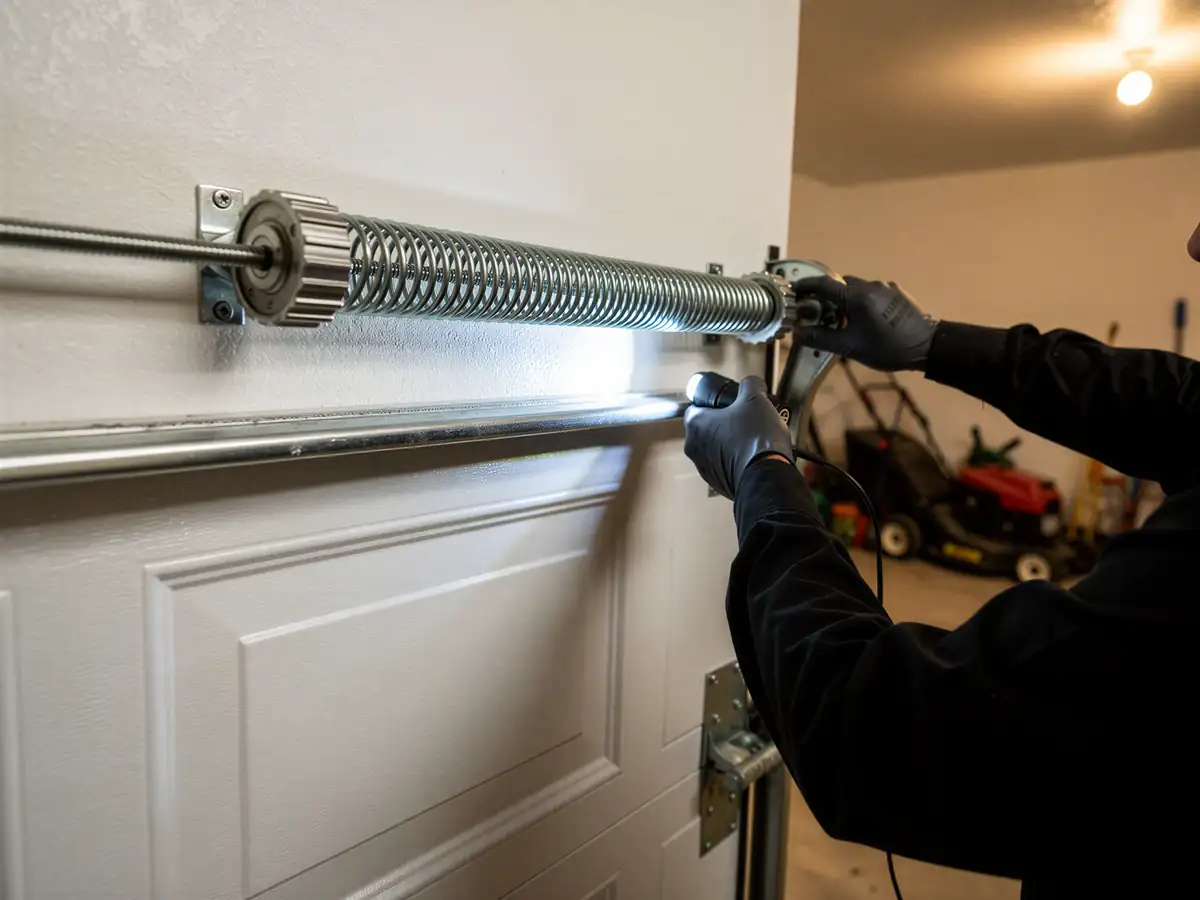
With a median build year of 1981, most Derry garage doors went in with torsion springs on a steel track, not the older extension-spring setups you'd find in neighborhoods built before 1960. That's good news in one way - torsion systems are safer to work on with the right bar and more standardized to fix - and bad news in another, because a 40-plus-year-old torsion spring has usually cycled past its rated life and nobody notices until it snaps.
Derry has 8,882 households, which is a meaningful chunk of the roughly 141,685 households across our wider coverage area. That volume matters for parts stocking: we carry what this housing era actually uses, not a catalog of everything ever made. The service area's median household income is $115,712, but Derry's own median runs lower, at $88,901. That gap shapes the advice we give on-site - whether a $300 spring job makes more sense than a full door swap, and we say so plainly rather than upselling a replacement nobody asked for.
The region sits in a cold, severe climate band, which means steel hardware installed in the early 1980s has now gone through four decades of winter contraction and summer expansion. That cycling is what tires out rollers and bends tracks years before the door itself looks worn.
Time on the Job
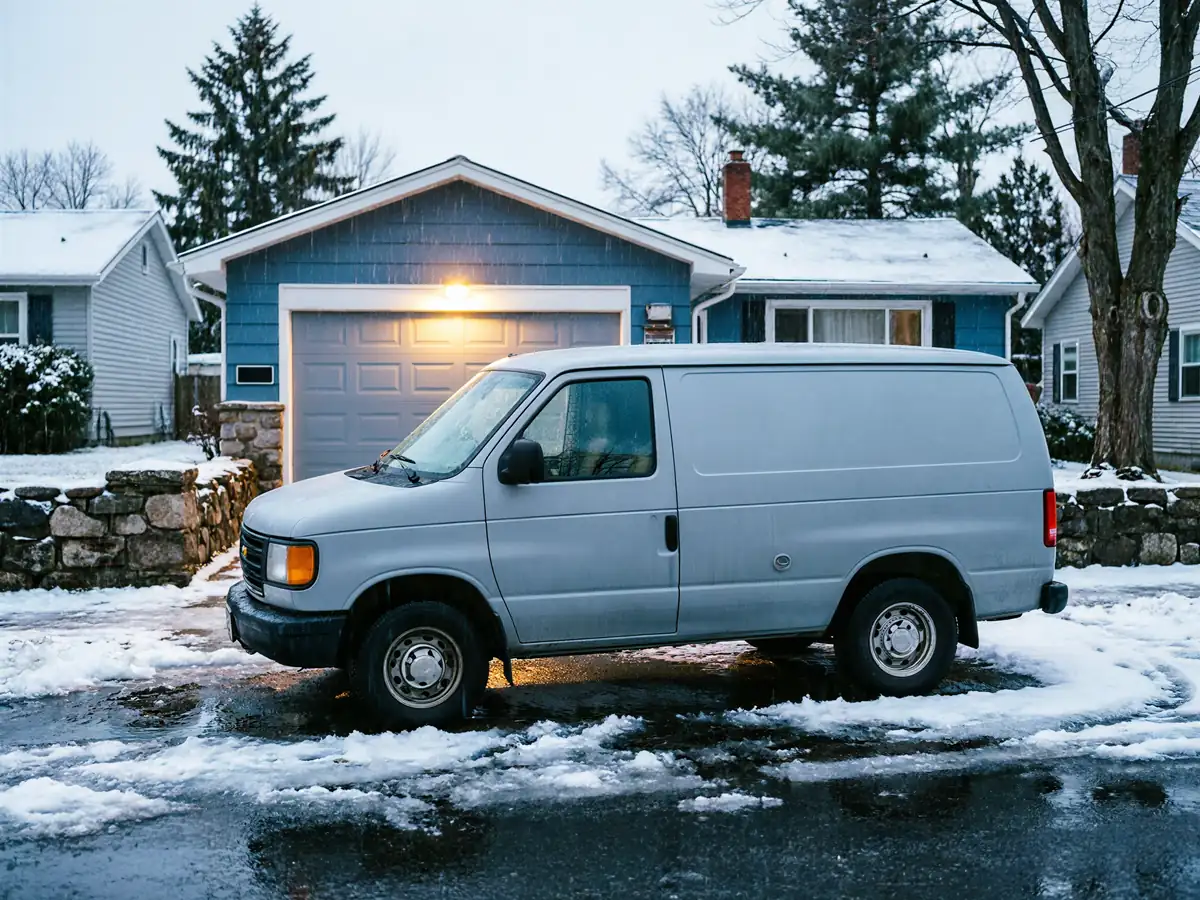
We work out of Manchester, and Derry is an 11-mile drive from there
We don't run a branch office or a depot in Derry, and we're not going to pretend otherwise - every job here is a trip, not a drop-by. That distance doesn't change what we carry on the truck, but it does mean we plan the visit as a full stop: diagnose, fix, test, not a rushed in-and-out.
Most jobs in a town built around 1981 fall into a narrow band of repair types
Torsion spring replacement, roller and track work, opener logic board or limit-switch issues - so once we're on-site, the work itself usually moves fast. What takes longer is diagnosing anything that isn't textbook: a door that's been limping along with a bent track for years, or an opener that's been replaced once already with a mismatched unit. We'll tell you straight if that's what we're looking at before we start charging for parts.
Parts We Carry
Because Derry's housing stock is consistent with the 1980s-90s stock found across 45 named areas in our coverage region, the parts we carry on the truck are built around that era: torsion springs sized for standard 7-foot and 8-foot steel doors, galvanized rollers, and opener logic boards compatible with the chain and belt-drive units that replaced the original openers somewhere along the way.
What we don't carry, and won't pretend to: anything for pre-1960 extension-spring hardware or one-piece wood doors. If your Derry house happens to be an outlier - older than the 1981 median, with original hardware - we'll say so on arrival and talk through whether a part is even sourceable before we quote a repair. That's the honest limit of what a truck stocked for this town's typical housing can do.
How We Fix It
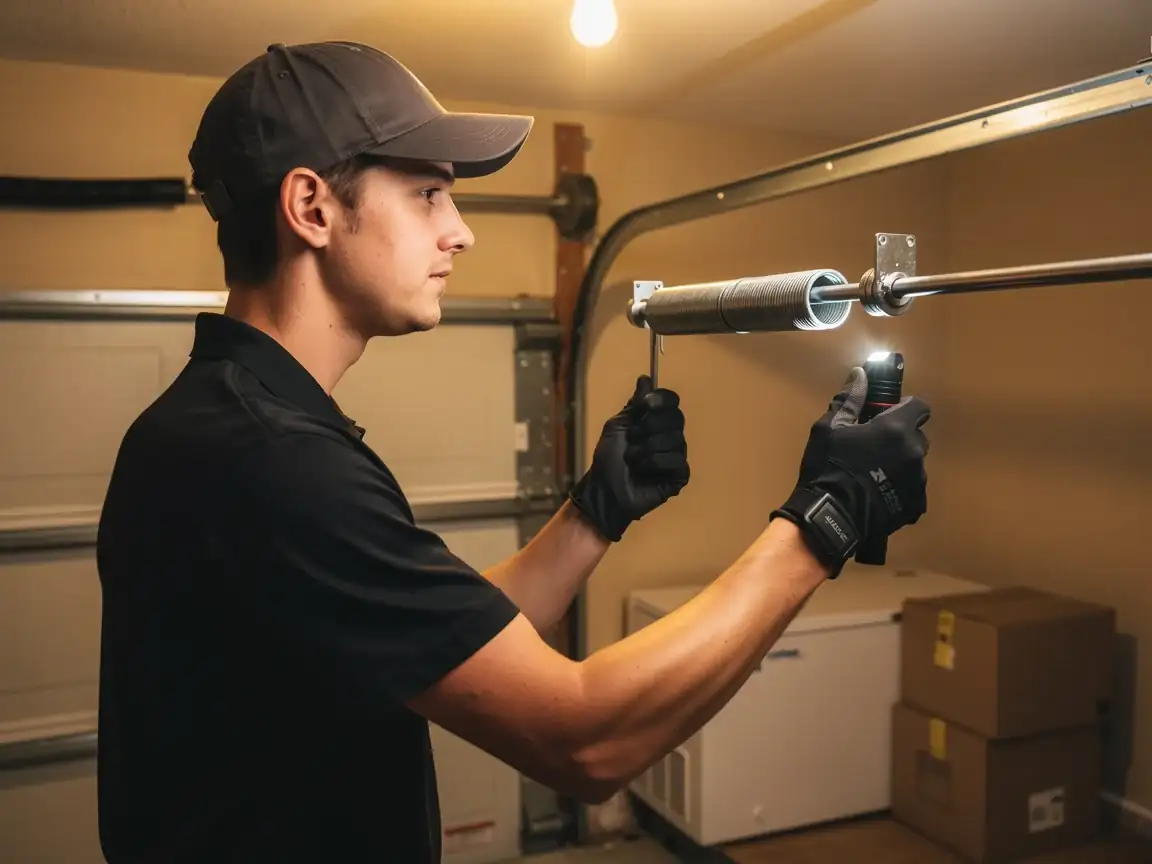
On a torsion spring call, we unload the spring under tension with a winding bar, pull the broken halves, measure wire gauge and wind direction against the door's weight, and set the new spring to match - not a generic size that's close enough. On a track or roller job, we check the track for bow first, because swapping rollers on a bent track just buys you another service call in a year.
For openers, most of what we see in Derry's housing is either an aging chain-drive unit nearing the end of its working life or a replacement unit installed at some point without matching the original door's balance. We test spring tension and door balance before touching the opener itself, since an opener straining against an unbalanced door will fail again no matter what we replace inside it.
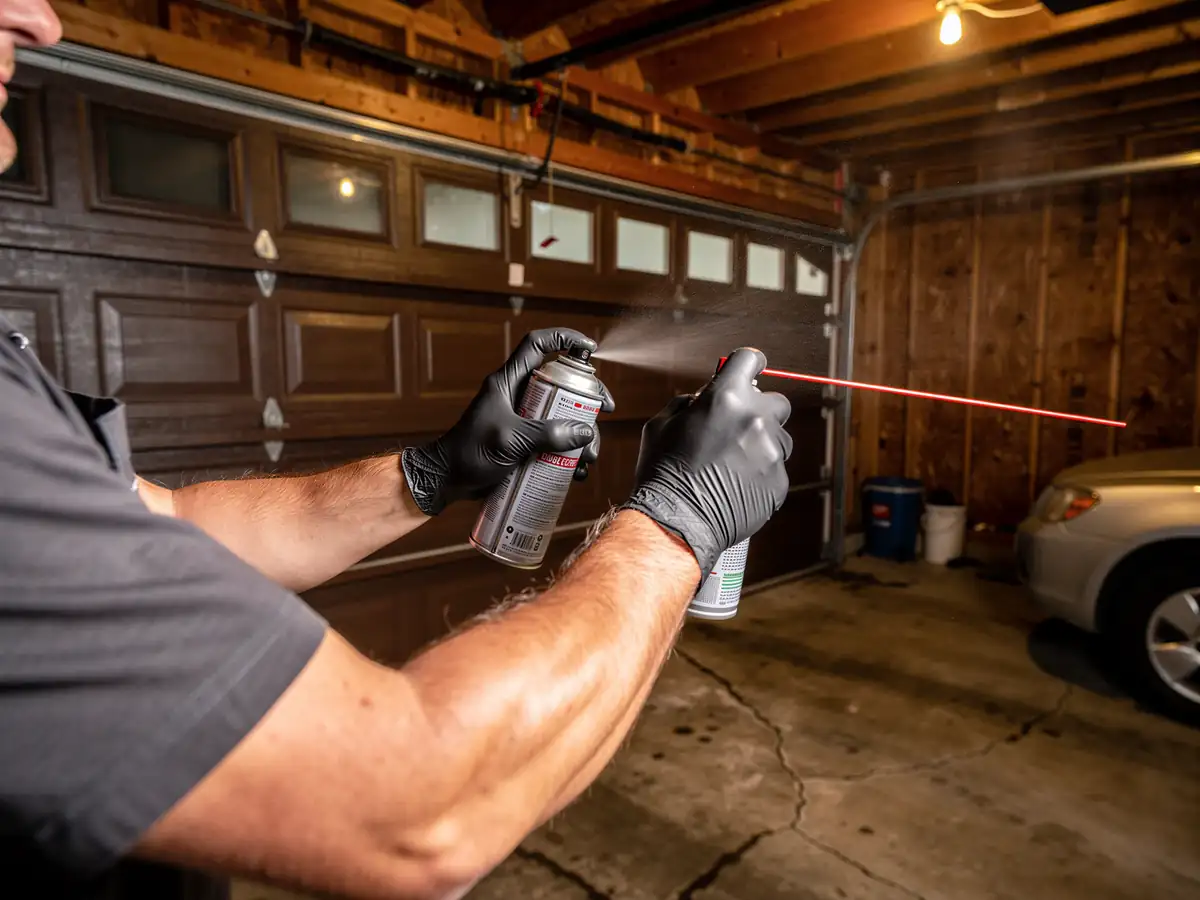
Cold-climate steel hardware in this region also means we check cable fraying at the drum more carefully than milder-climate trucks would - four decades of freeze-thaw cycling is harder on galvanized cable than people expect.