The Symptom
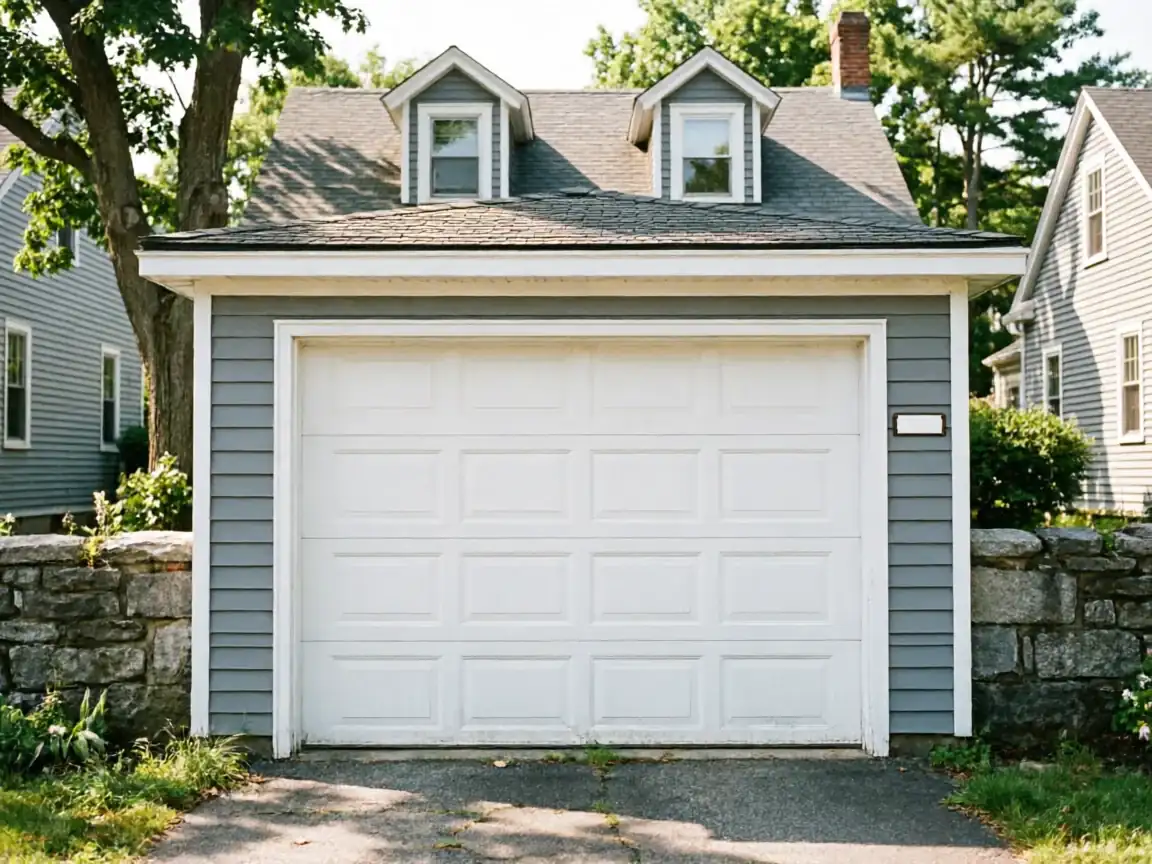
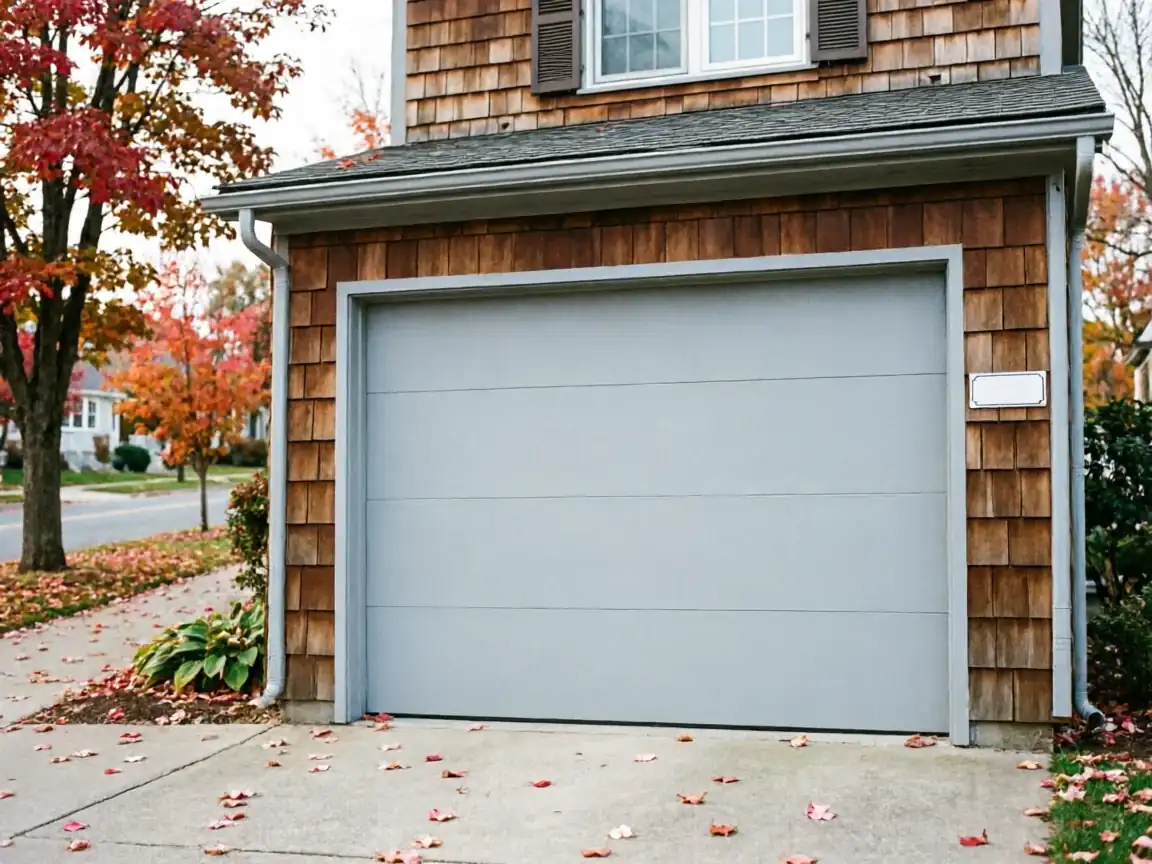
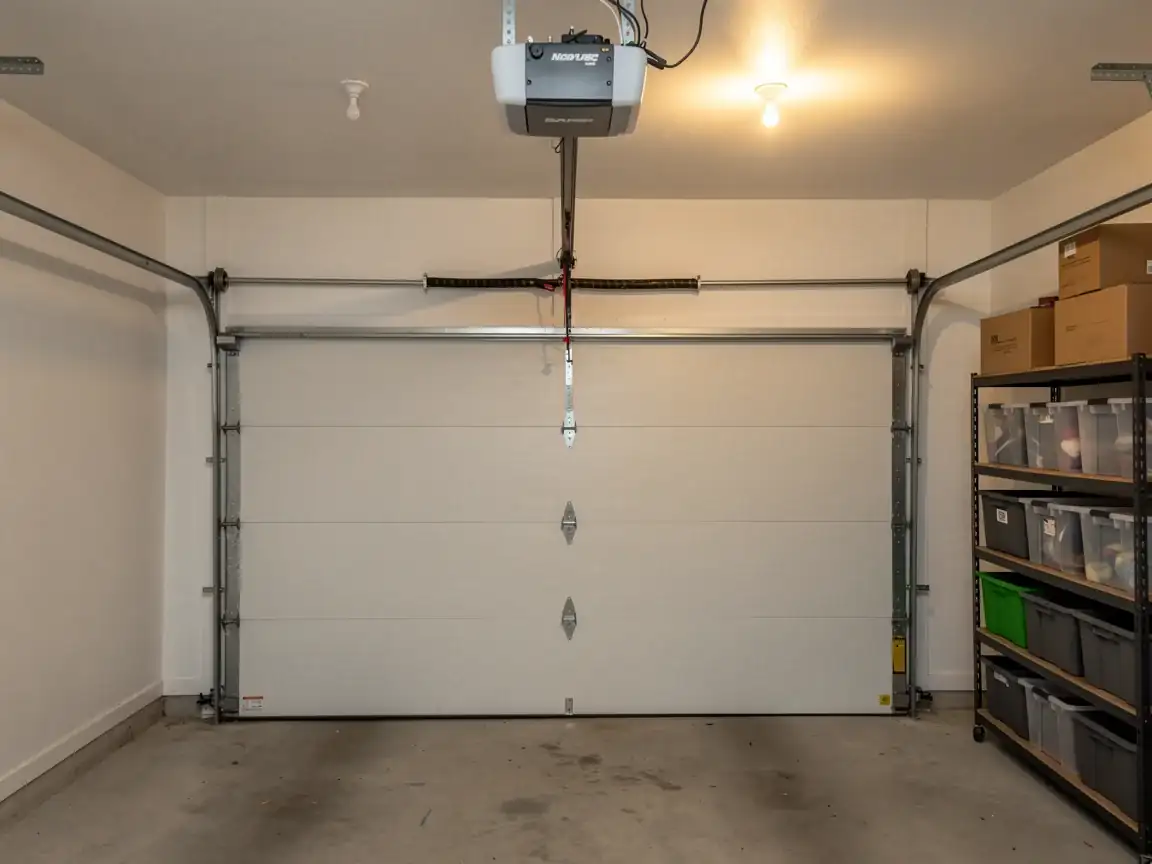
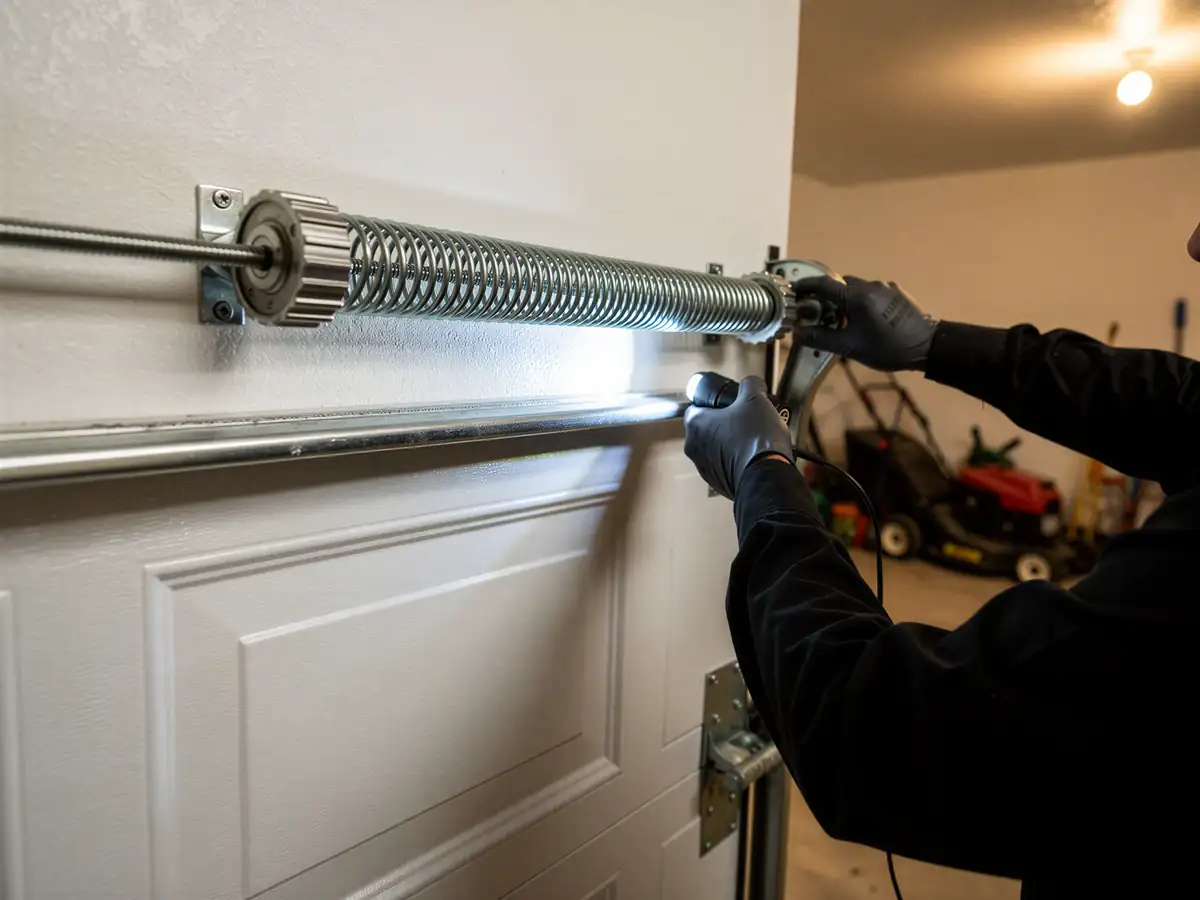
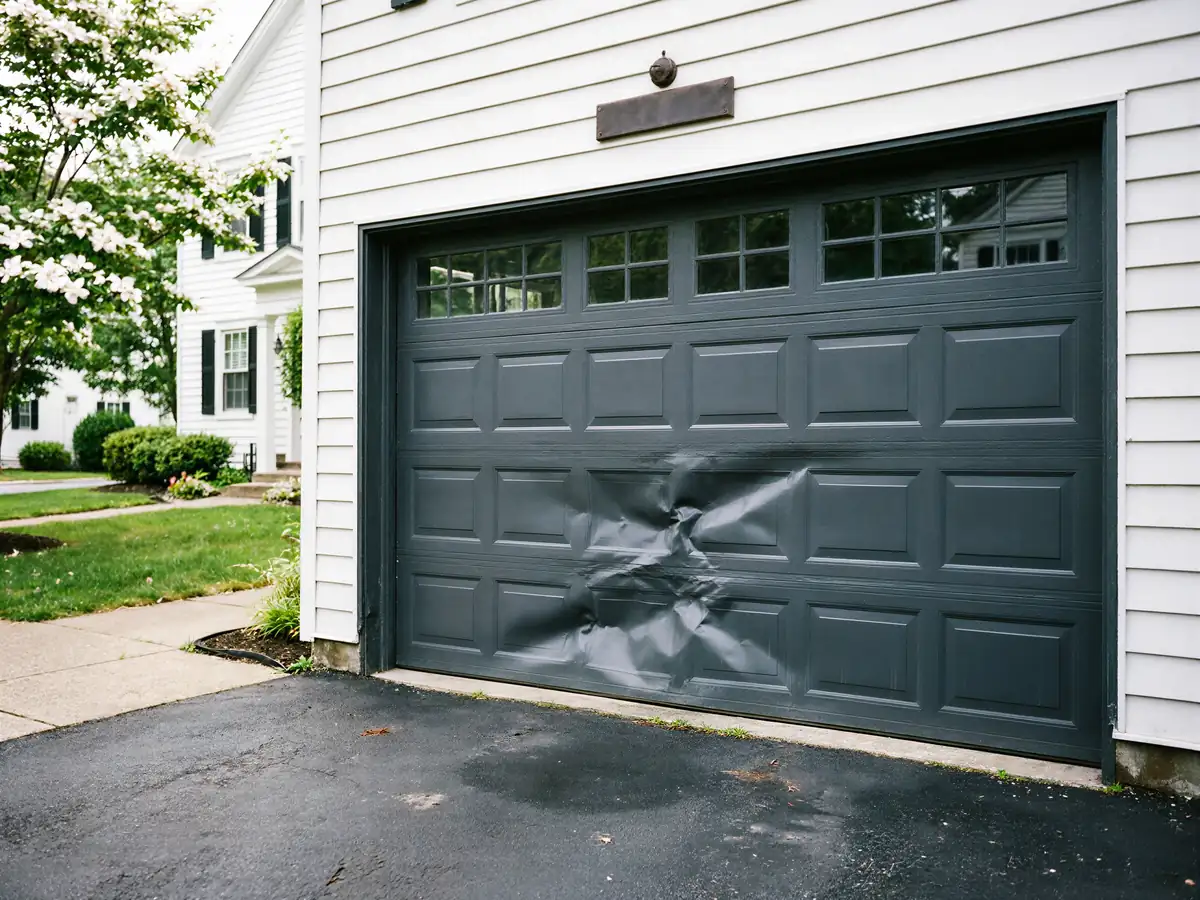
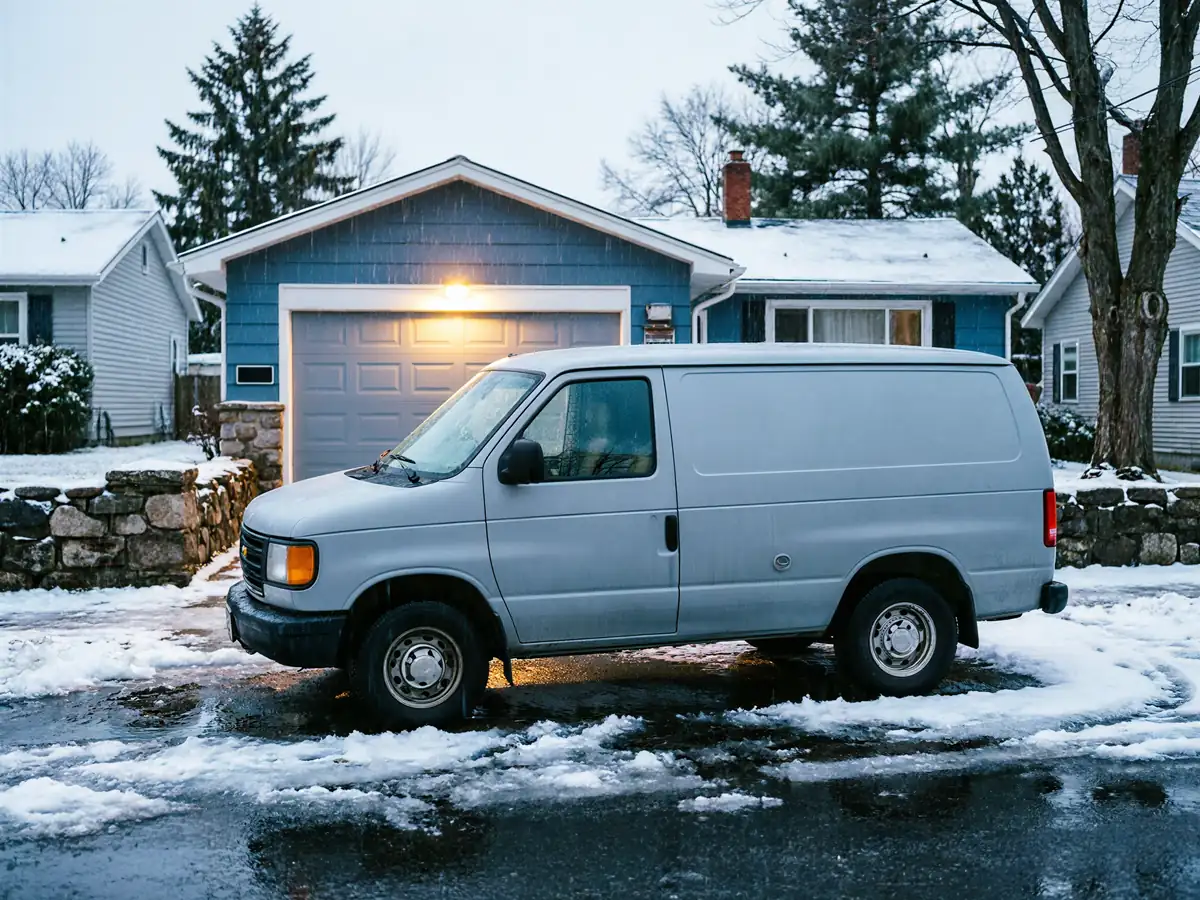
Most garage doors in Derry are steel sectional doors from around 1981, the median build year for houses in this part of the service area. That's a single layer of galvanized steel, no foam core, hung in two or three panel sections on a torsion spring mounted on a center shaft above the opening. It's a simple door by design, which is why it ran fine for decades without anyone touching it. When it fails now, it usually fails all at once: the door won't lift, or it lifts six inches and stops, or it comes down crooked and jams in the track. The spring on these doors has done its job for over forty years. When it finally lets go, it doesn't give you warning shots first - it just goes.
Why This Fails Locally
A door built to the standards common in 1981 was sized and sprung for the house it went on, not for today's heavier insulated replacements, and that matters when something breaks. The torsion springs from that era were wound for the original door weight. If a homeowner swapped in a heavier insulated door later without re-rating the spring, the hardware is working harder than it was built for every single cycle. New Hampshire's cold winters add their own load: steel contracts, grease stiffens, and a spring already near the end of its wind cycle goes in January more often than July. In a house with original 1980s hardware, that's not a coincidence - it's the cold finishing a job age already started.
Parts We Carry
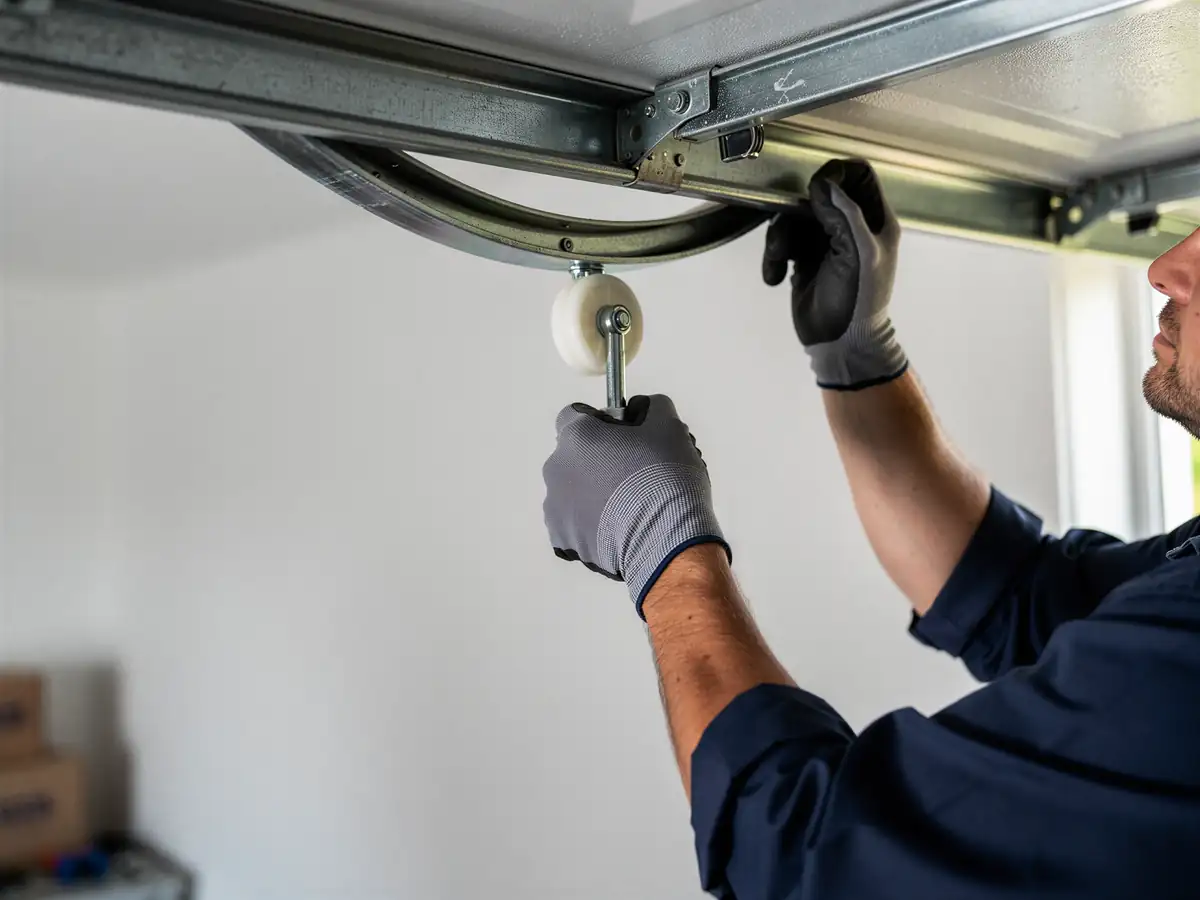
Because so much of Derry's housing stock dates to the early 1980s, we stock torsion springs sized for the single-shaft setups common on doors from that build era, along with the matching end bearings, lift cables, and drums. These aren't the parts that show up on big-box shelves, and if your door has been upgraded to a newer insulated panel system with different spring ratings, we carry stock for that too. What we don't carry on the truck is every obsolete extension-spring bracket from houses that never got upgraded - if your setup is that original, we may need to order the exact bracket, which can add a day to the job.
How We Fix It
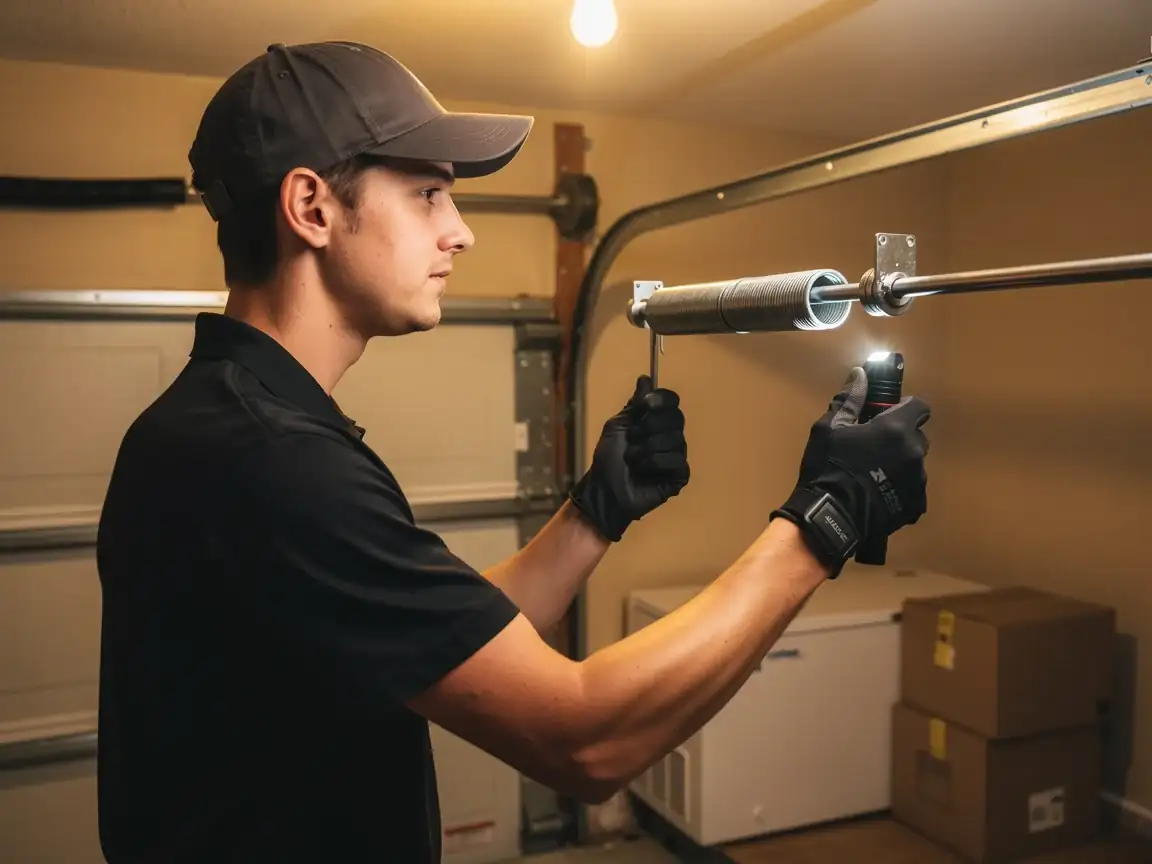
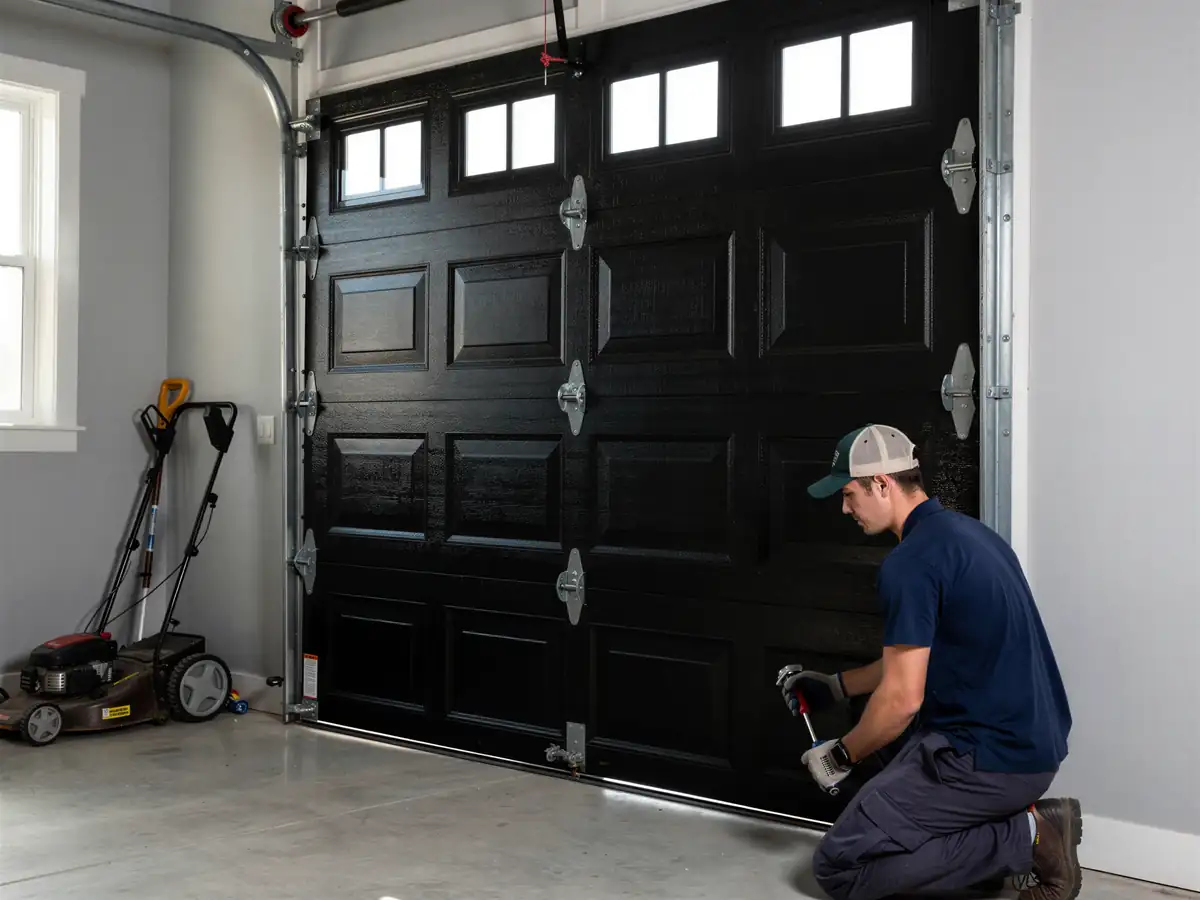
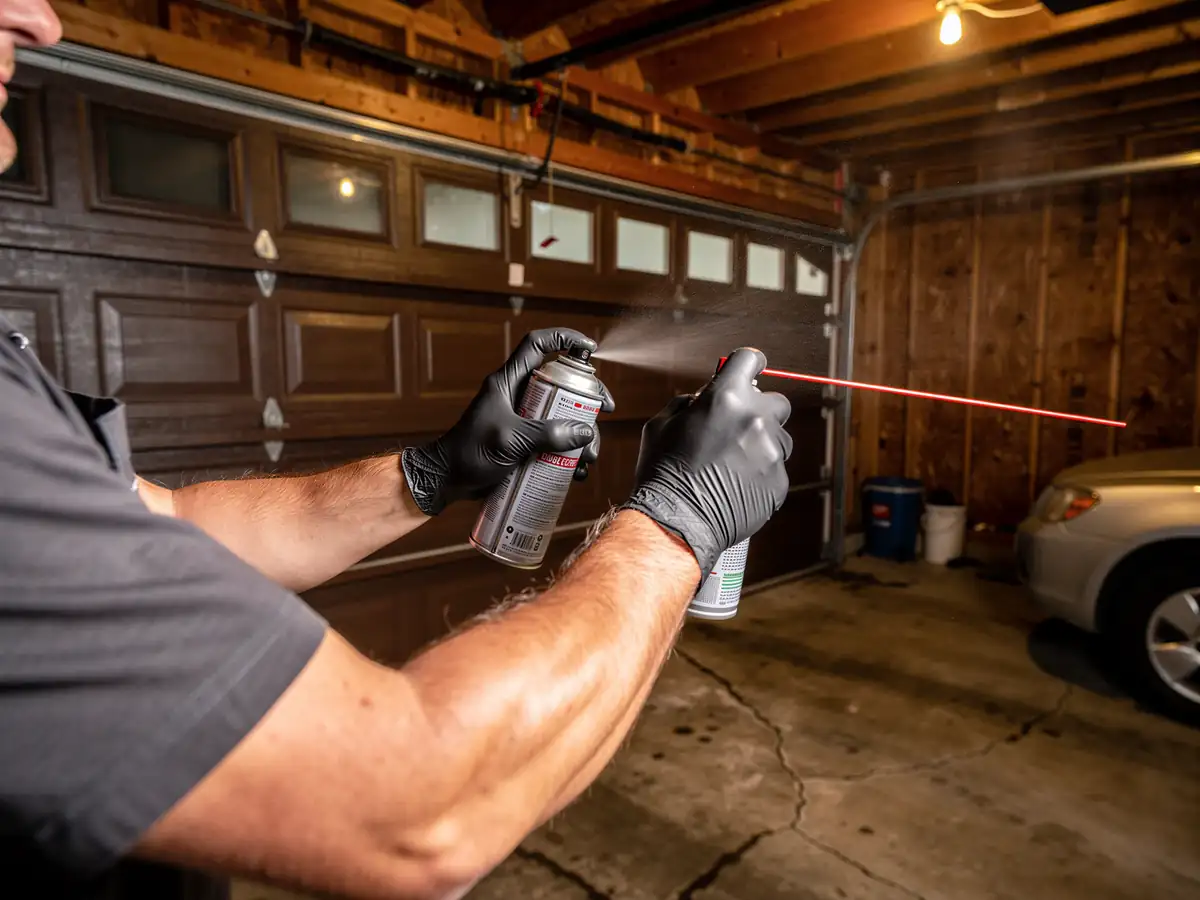
First we check the shaft and bearing plates for wear, since a worn bearing plate on a forty-year-old shaft is often the real reason a spring failed, not just age on the spring itself. We replace the spring to match the door's actual weight, not just the size written on the old one, because a lot of these doors have had a panel or a lock swapped out over the years and the balance has drifted. We test the cycle count and the auto-reverse before we call it done. If the door itself has rusted through at the bottom panel or the track is bent past straightening, we'll say so plainly - some of these original doors are past the point where a repair is the better money, and we'll tell you that instead of billing you for one anyway.