The Symptom
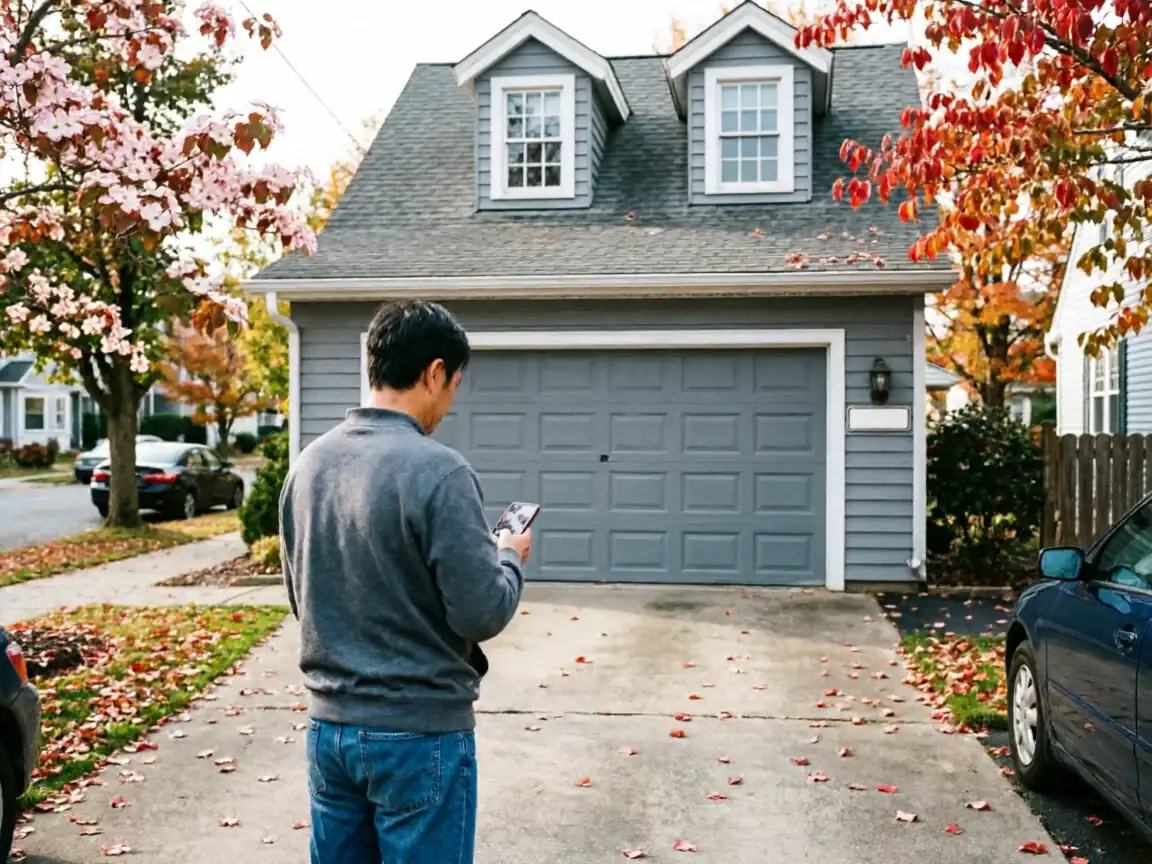
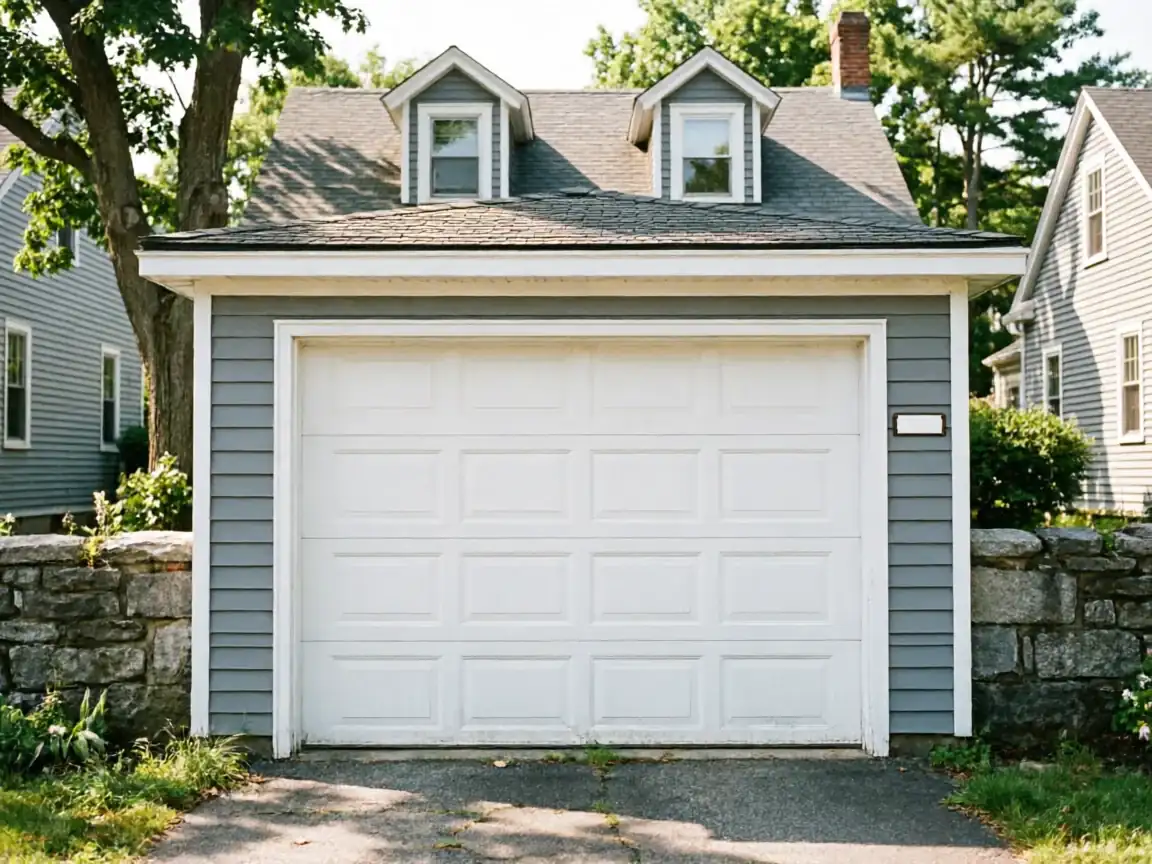
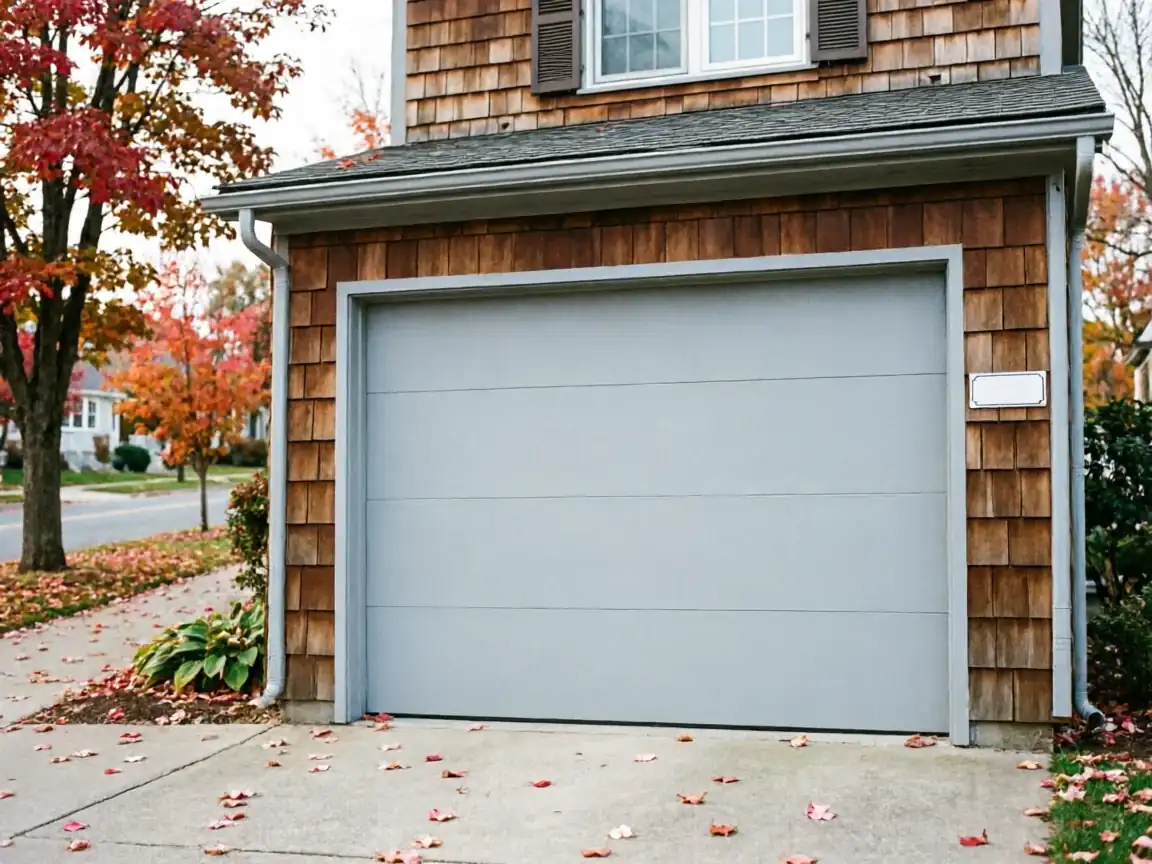
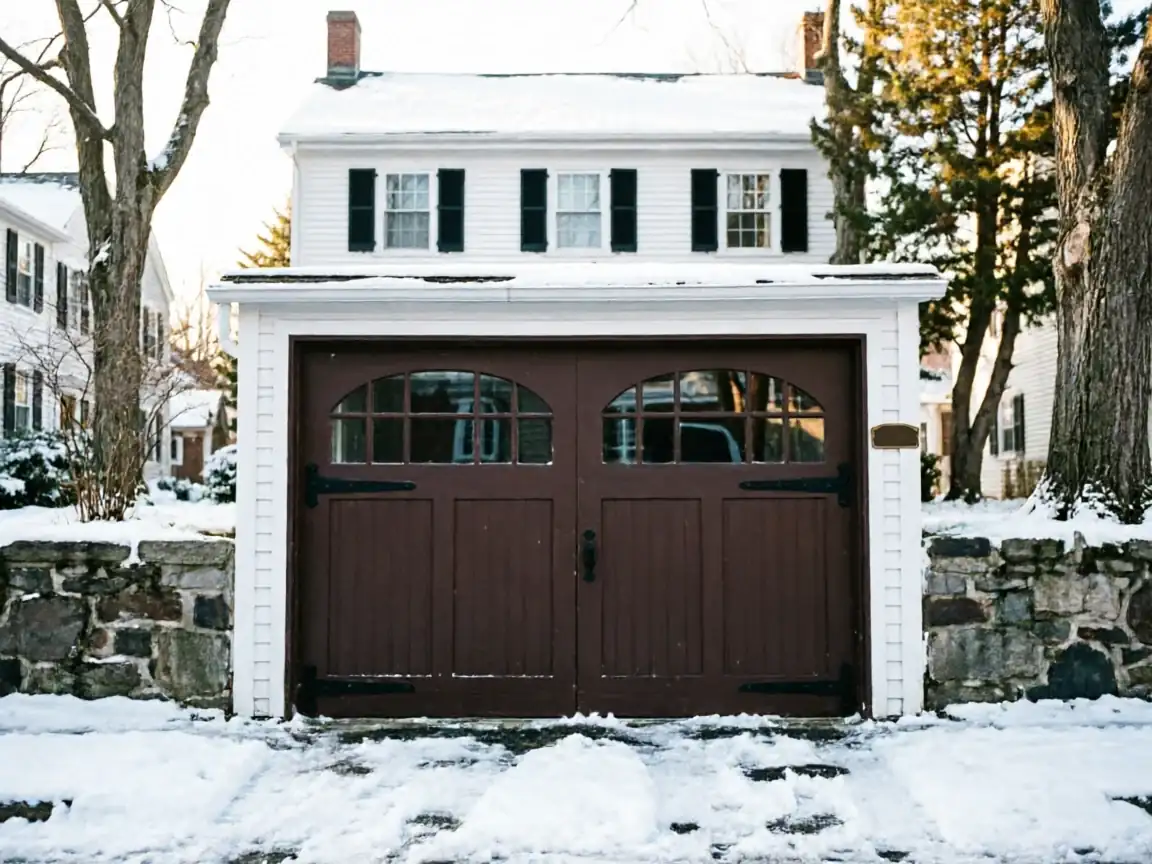
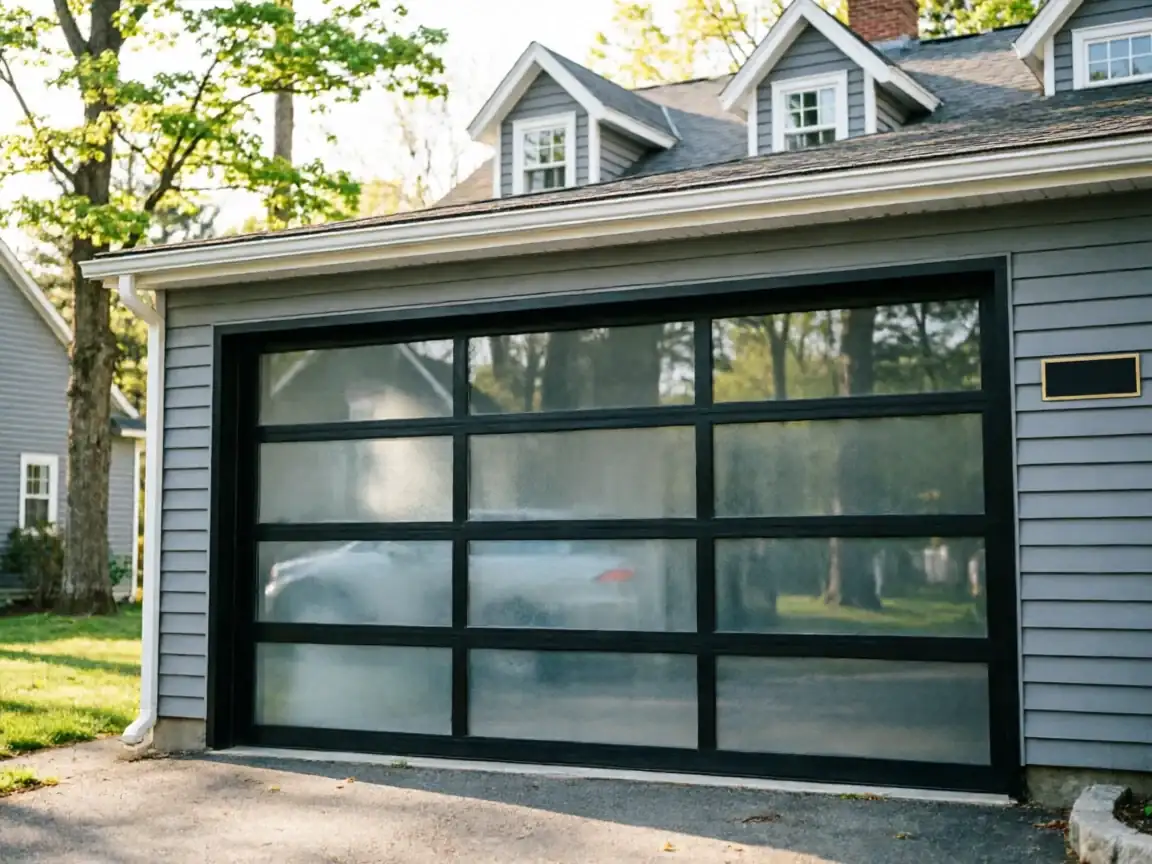
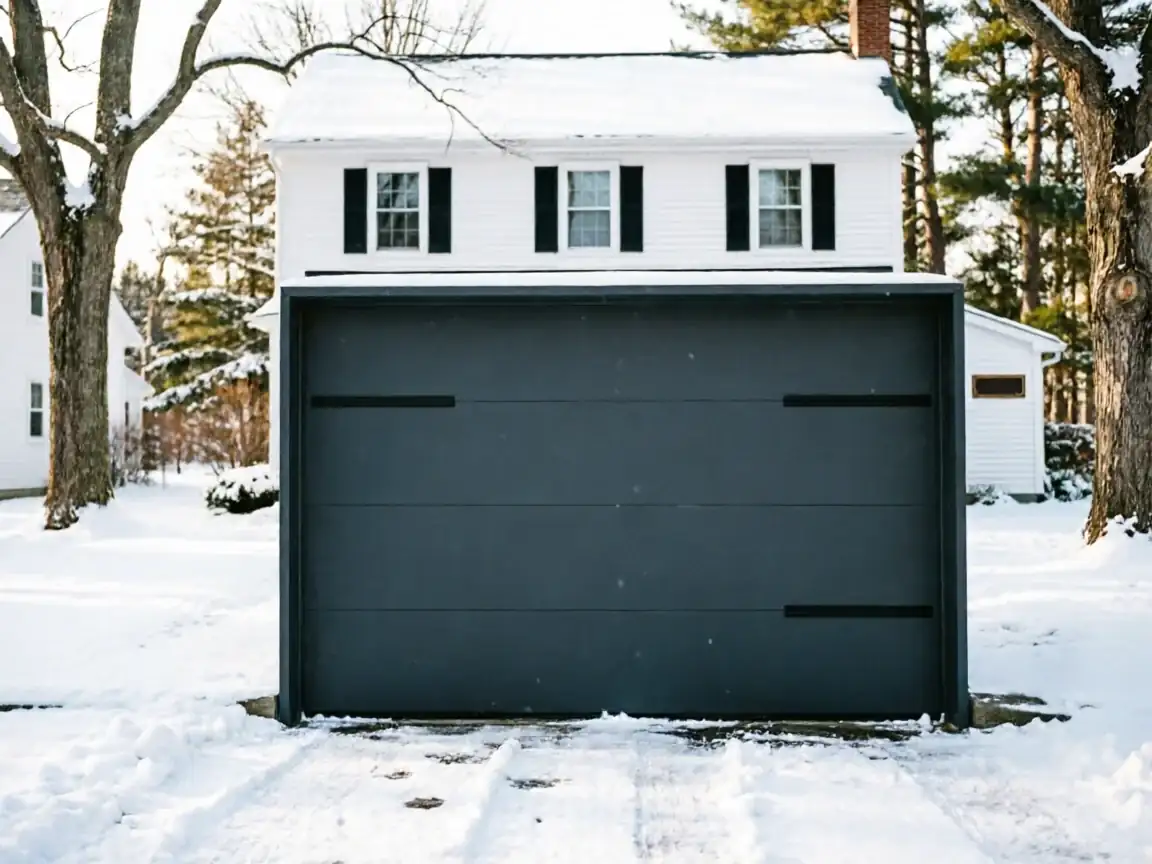
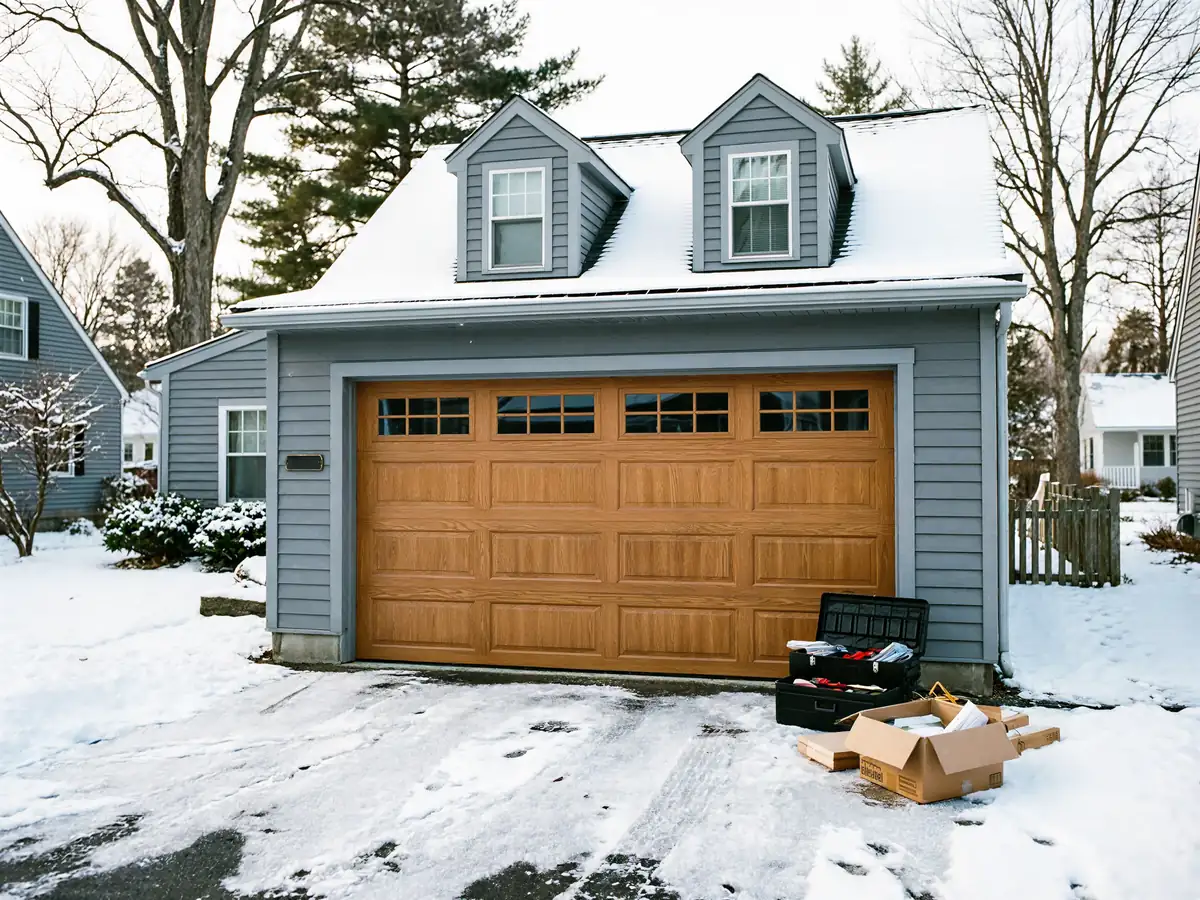
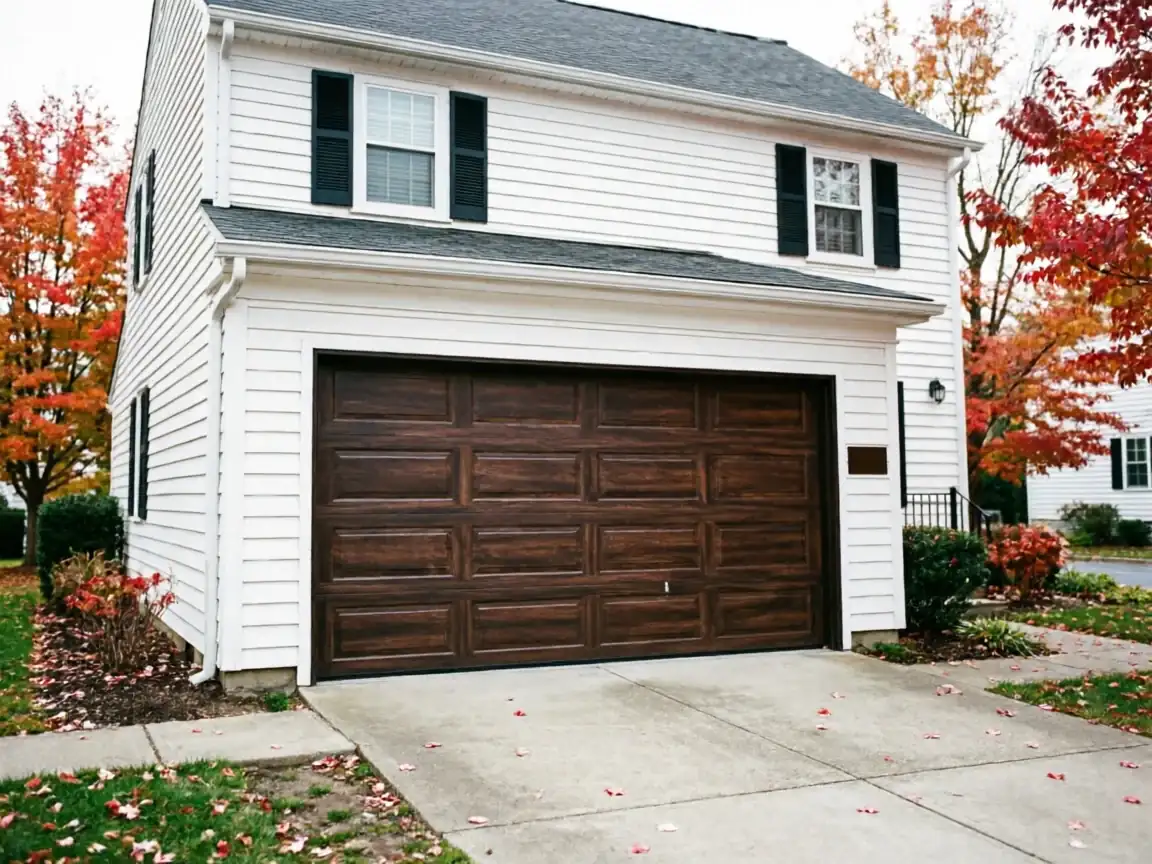
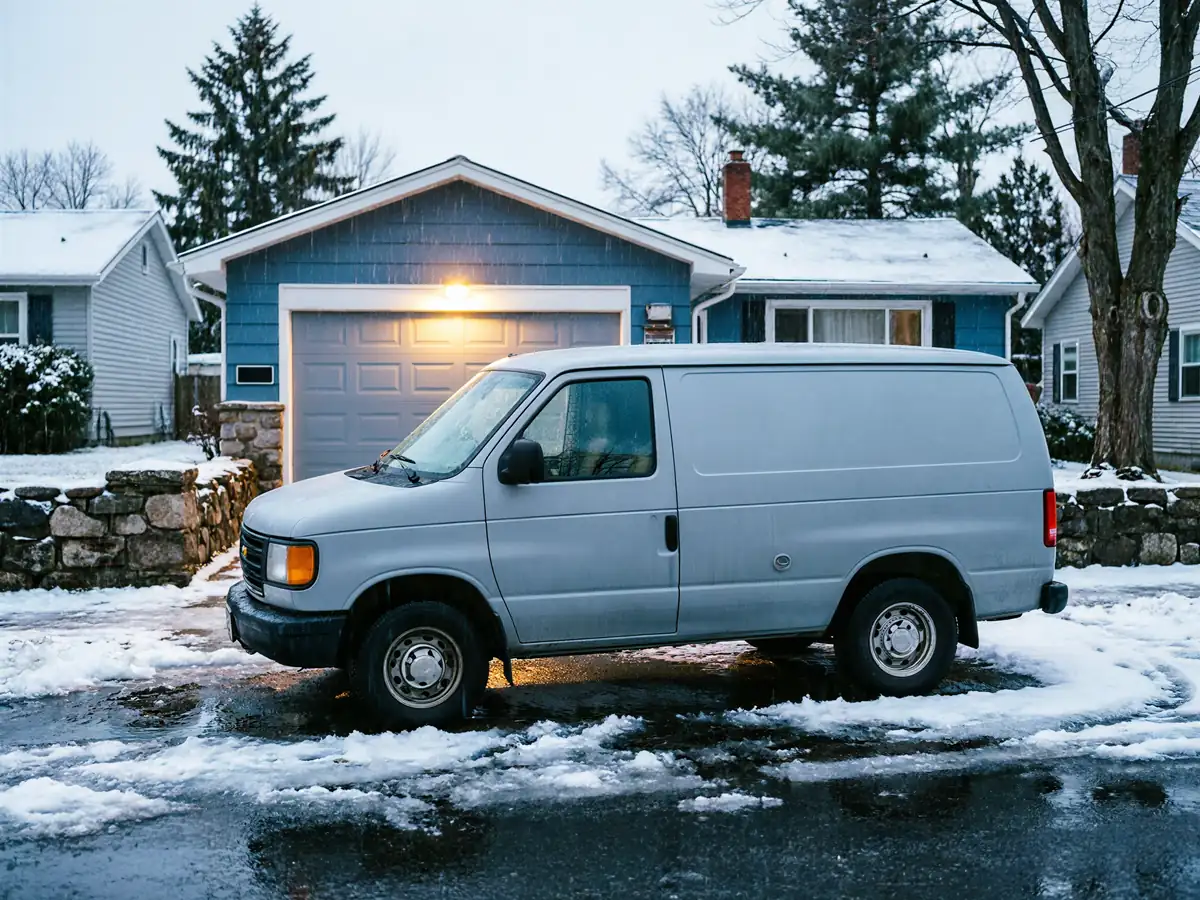
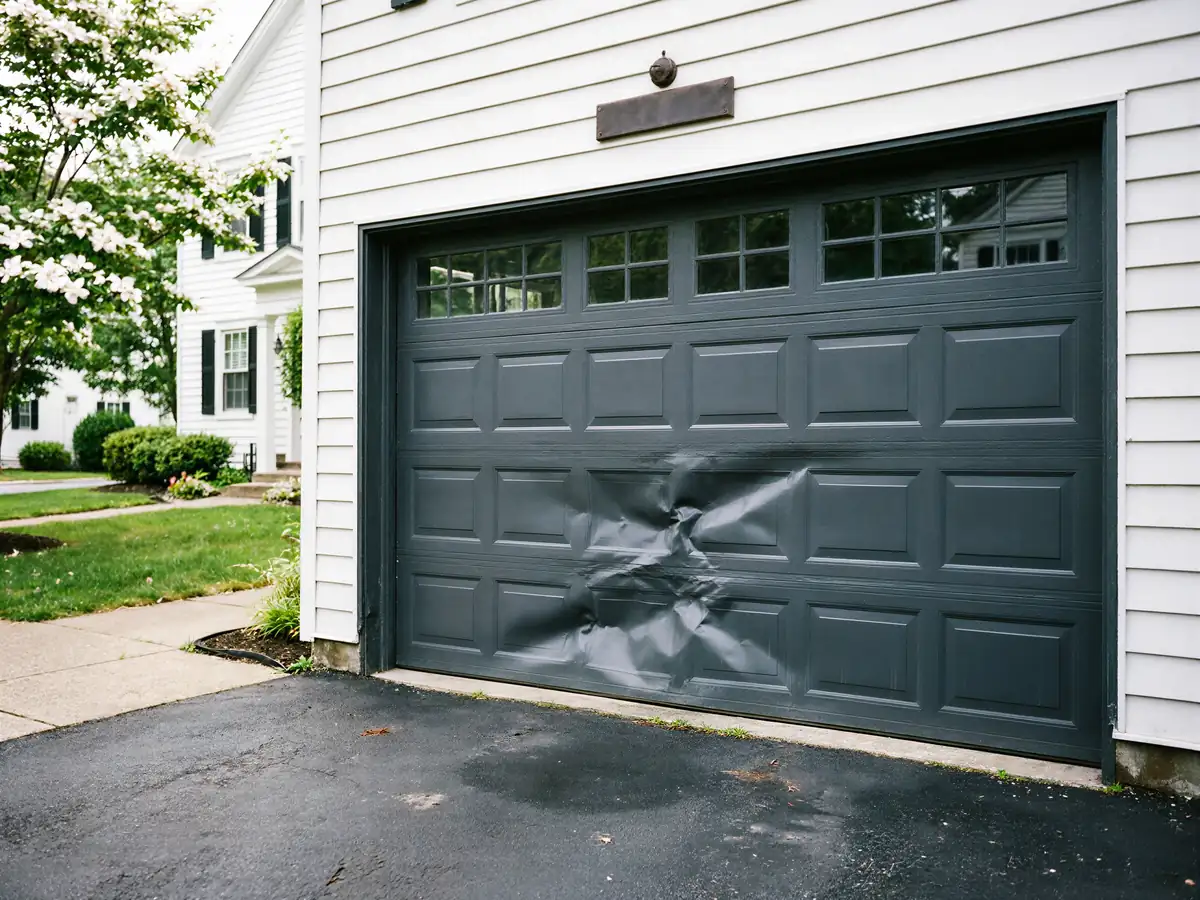
Derry is 11 miles from our Manchester shop, which is close enough that a panel job here runs on the same truck schedule as jobs across town - but it still means we load the van with the sizes and finishes Derry actually needs before we leave, not after we see the door. Most calls start the same way: a bottom or second-from-bottom panel is caved in, cracked along a seam, or rusted through at the bottom edge where water sits against the steel after a thaw. Sometimes it's one section from a plow blade or a backed-into mower. Sometimes it's the whole bottom row, rotted from years of snowmelt refreezing against the panel skin. Either way, the fix is rarely "replace the whole door." On a door that's structurally sound otherwise, swapping the damaged section is the right call, and it's the job we get asked for most on this stretch of our service area.
Why This Fails Locally
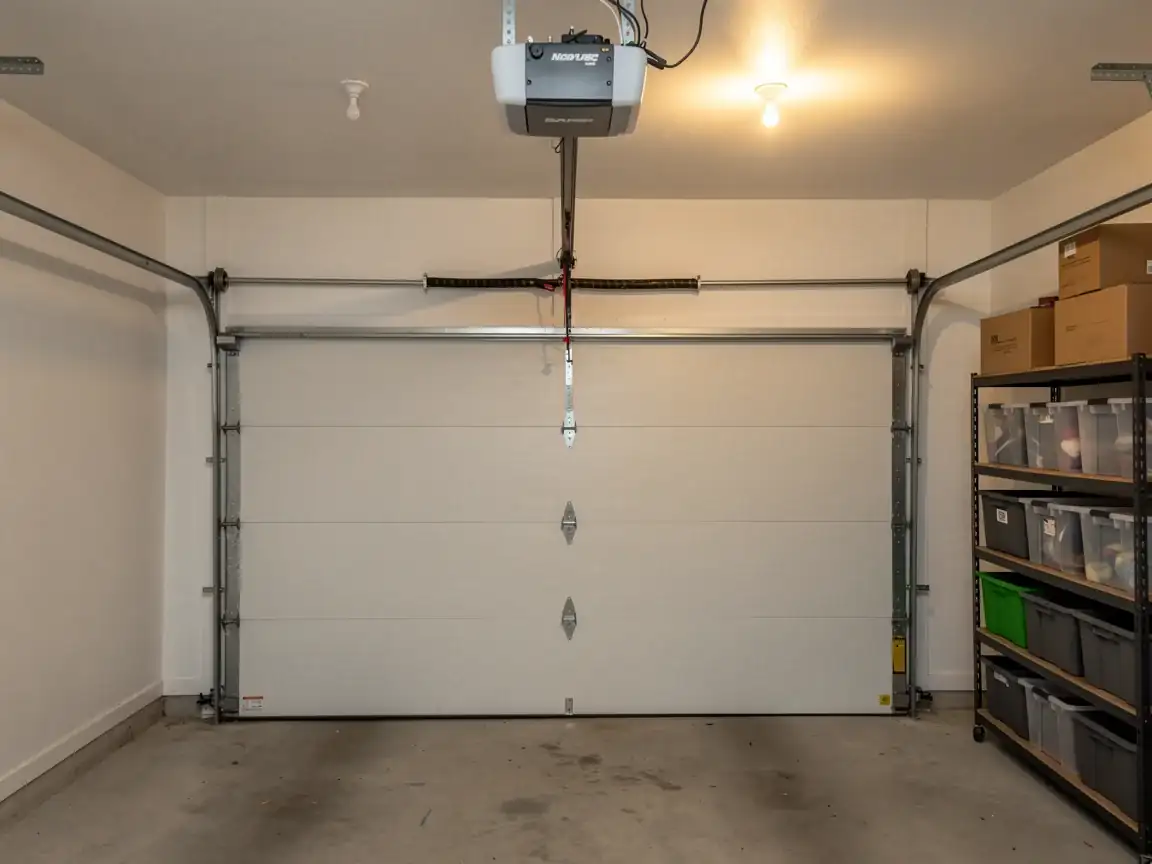
The typical Derry garage door dates to around 1981, which lines up with the broader service area's median build year of 1982 - this was a boom decade for the subdivisions on this side of the state, and a lot of those original doors are still hanging on original track. Thirty-plus-year-old steel sections were built thinner than what's sold today, with less insulation and a foam core that breaks down and lets the skin oil-can and dent more easily. Pair that with the cold-climate conditions this region sits in - real winter, real freeze-thaw cycling, not a mild coastal version of it - and the bottom panels take the worst of it: road salt spray, snow load against the bottom seal, ice forming in the seam between sections. A panel that would last two decades in a milder climate corrodes through a lot sooner here.
Parts We Carry
We stock panel sections in the common widths and insulation types that fit the doors most common on 1960s-through-1990s housing stock, which covers the bulk of what's on the road and in driveways here. Standard raised-panel steel sections in the usual residential widths, basic flush panels for older doors, and the hardware that goes with a section swap - hinges, rollers, and end caps that match wear patterns rather than forcing a full set replacement. What we don't carry on the truck is a match for every discontinued color or embossing pattern from a 40-year-old production run. If your door needs an exact cosmetic match to an original 1981 panel, that sometimes means a special order and a wait, and we'll tell you that up front rather than pretend otherwise.
How We Fix It
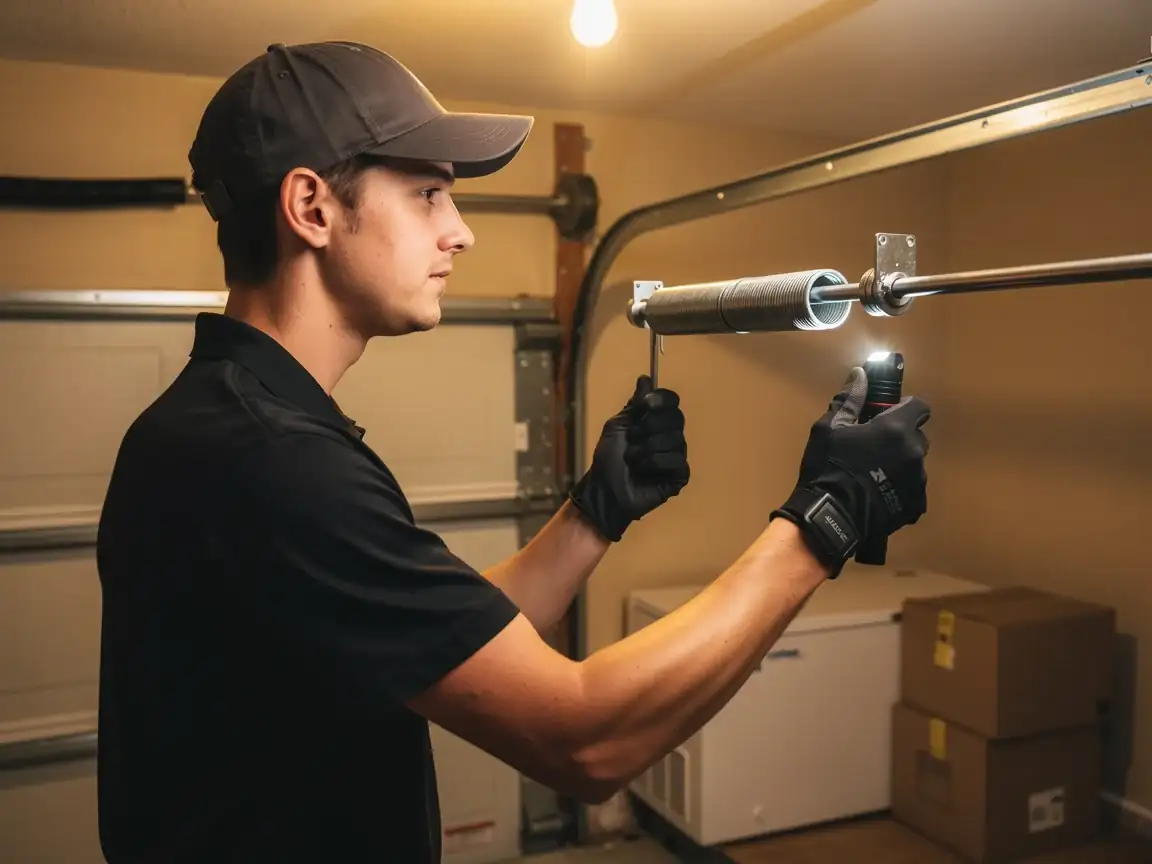
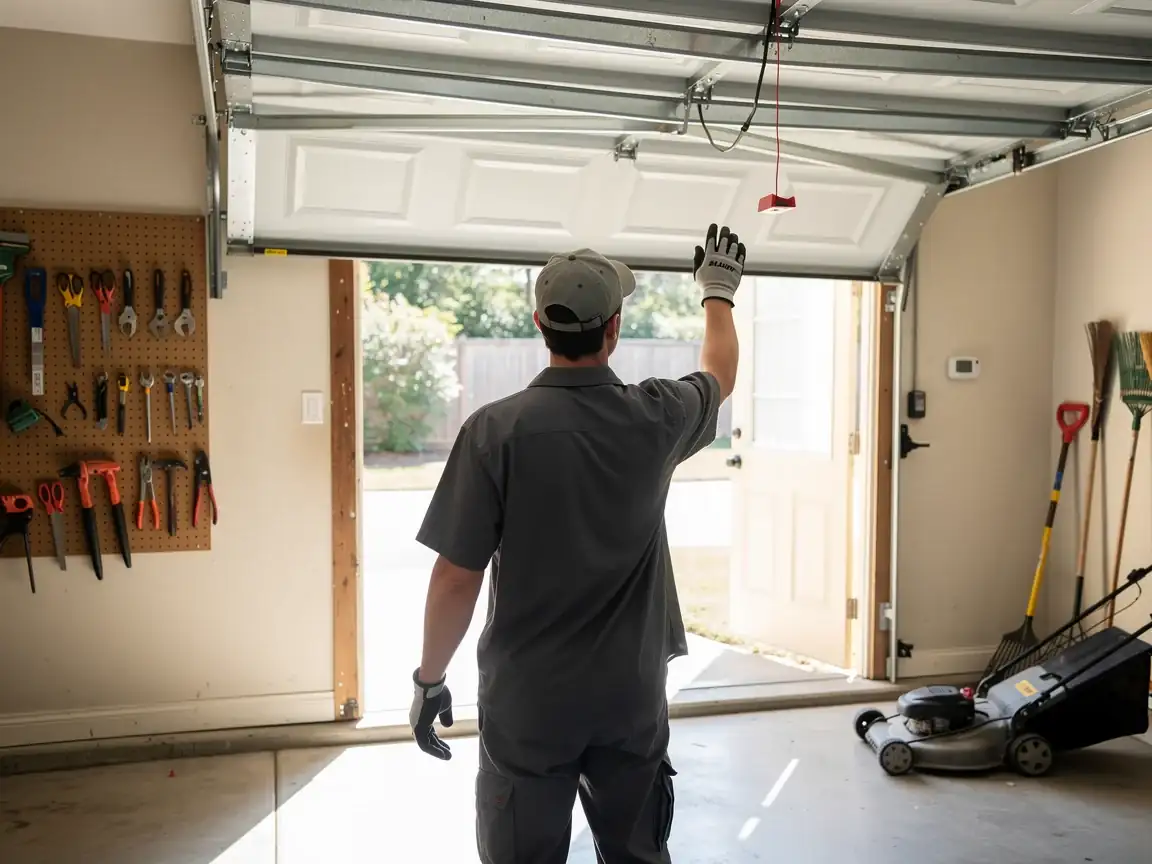
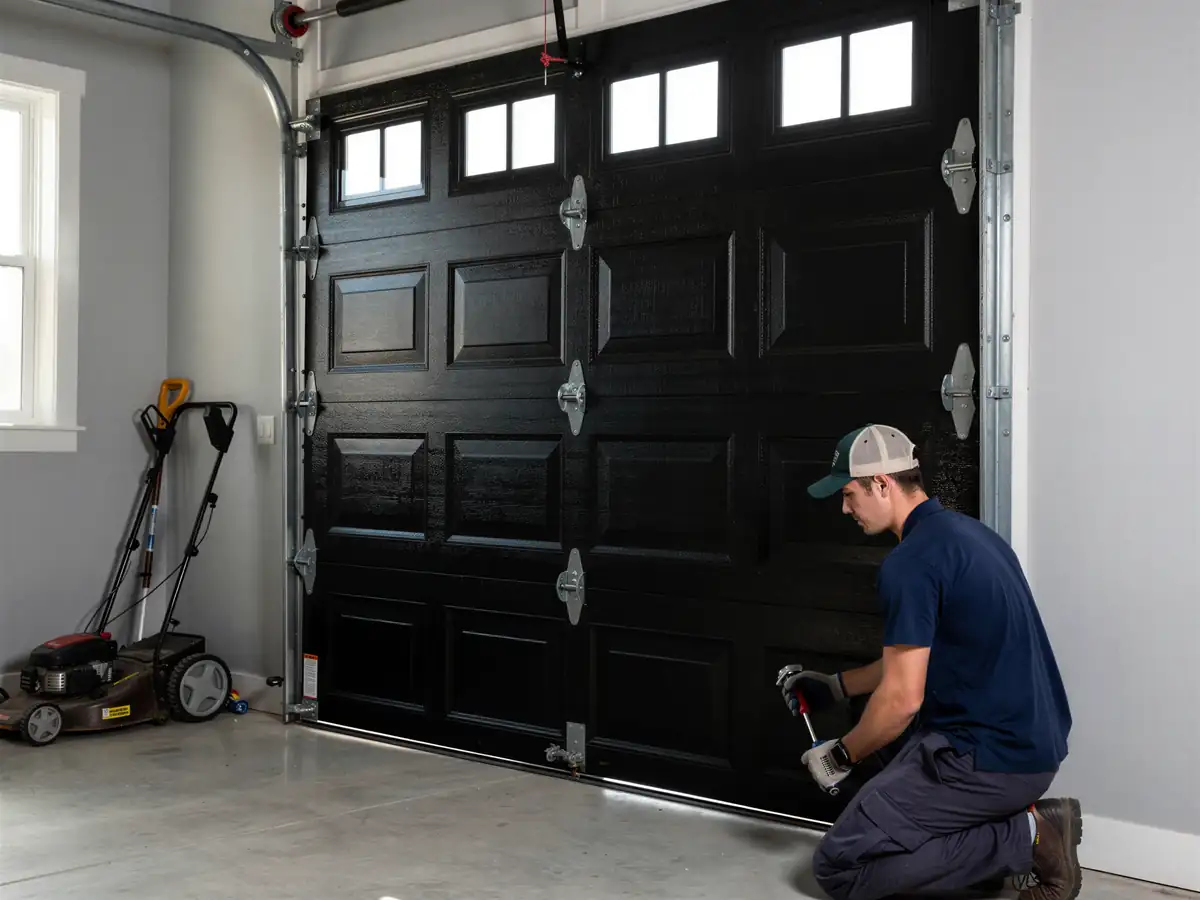
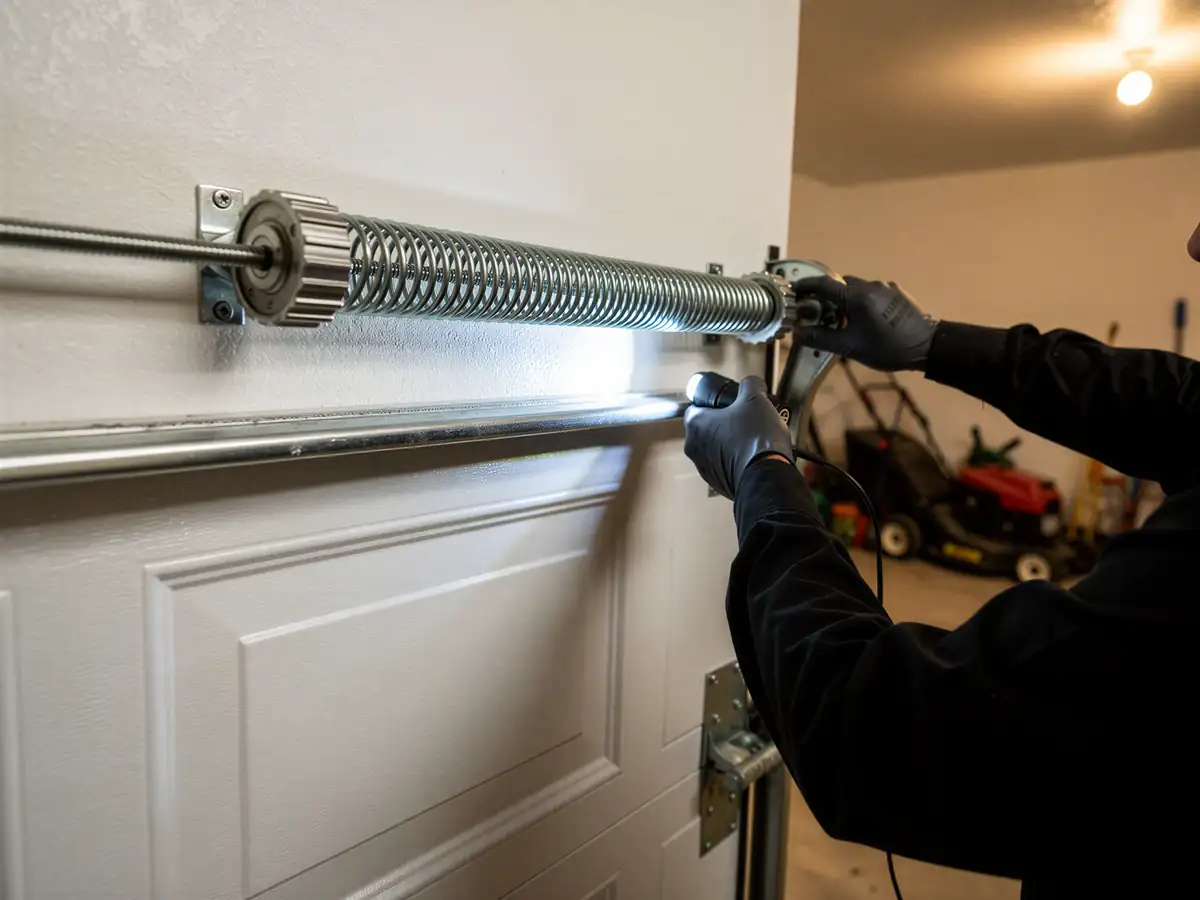
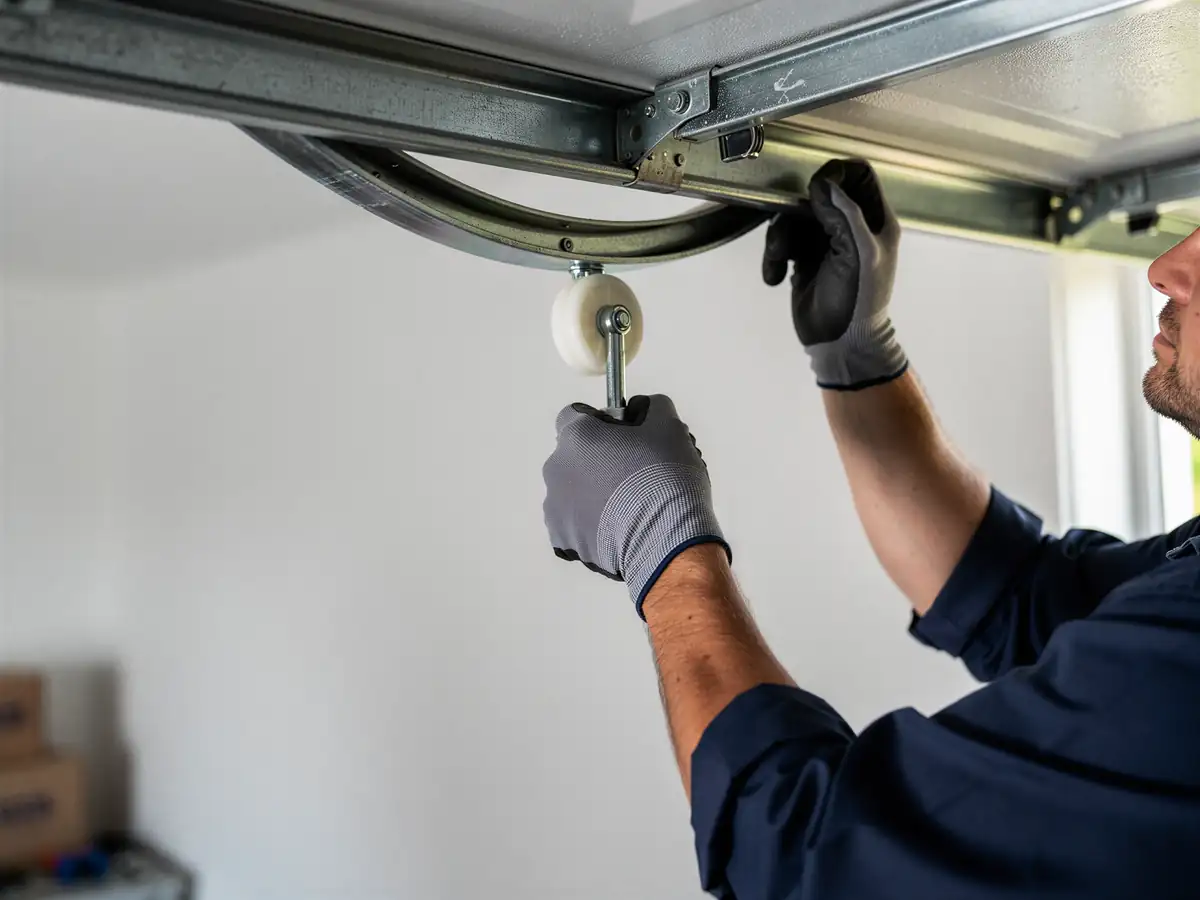
First we check whether the damage is contained to the panel or whether the impact bent the track or pulled a hinge out of square - that changes the job. If the section is isolated, we disconnect the opener, support the door, pull the damaged panel's hinges and rollers, and swap the section without touching the rest of the door. We check the new panel seats flush against its neighbors before we reattach anything, because a panel that's even slightly out of alignment will bind on the track the first cold snap it hits. Springs get checked for proper tension afterward, since removing panel weight temporarily changes the balance point. If the whole bottom row has gone soft from years of moisture, we'll say so and talk through whether a full-door swap makes more financial sense than patching section by section.