Parts We Carry
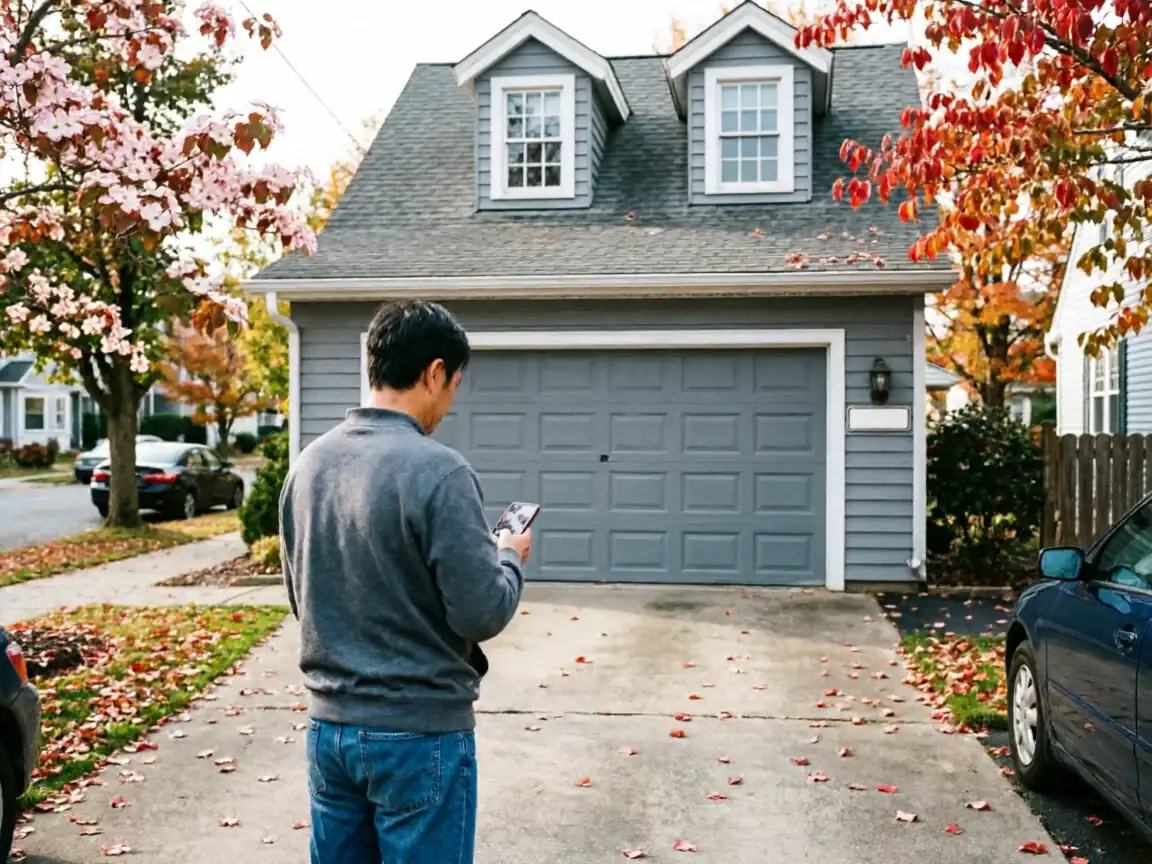
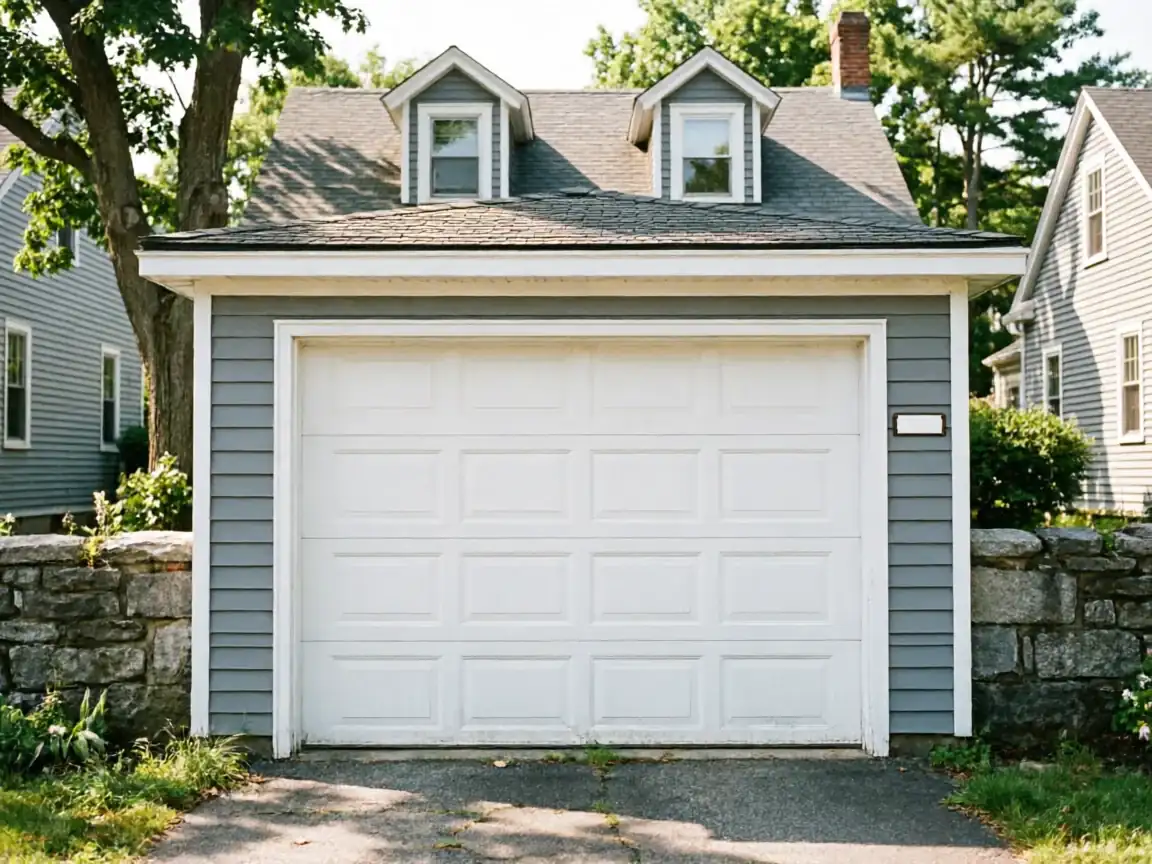
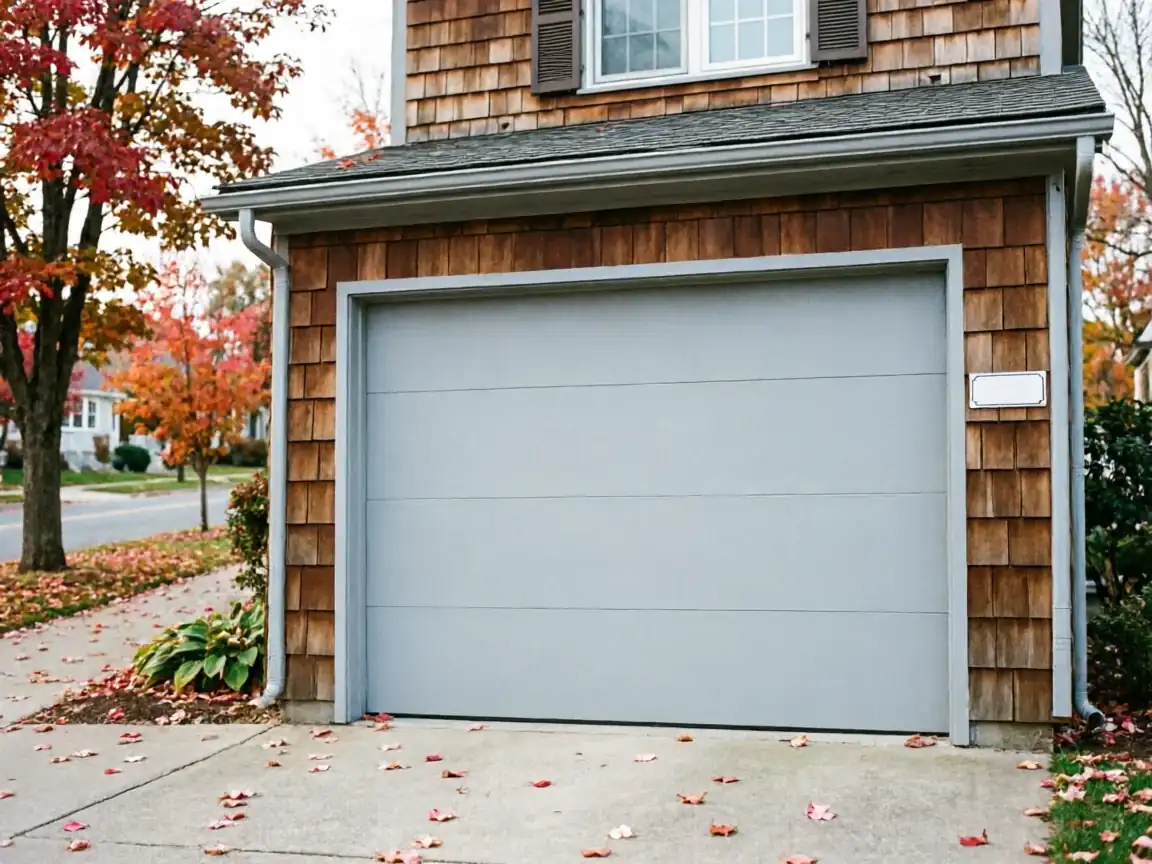
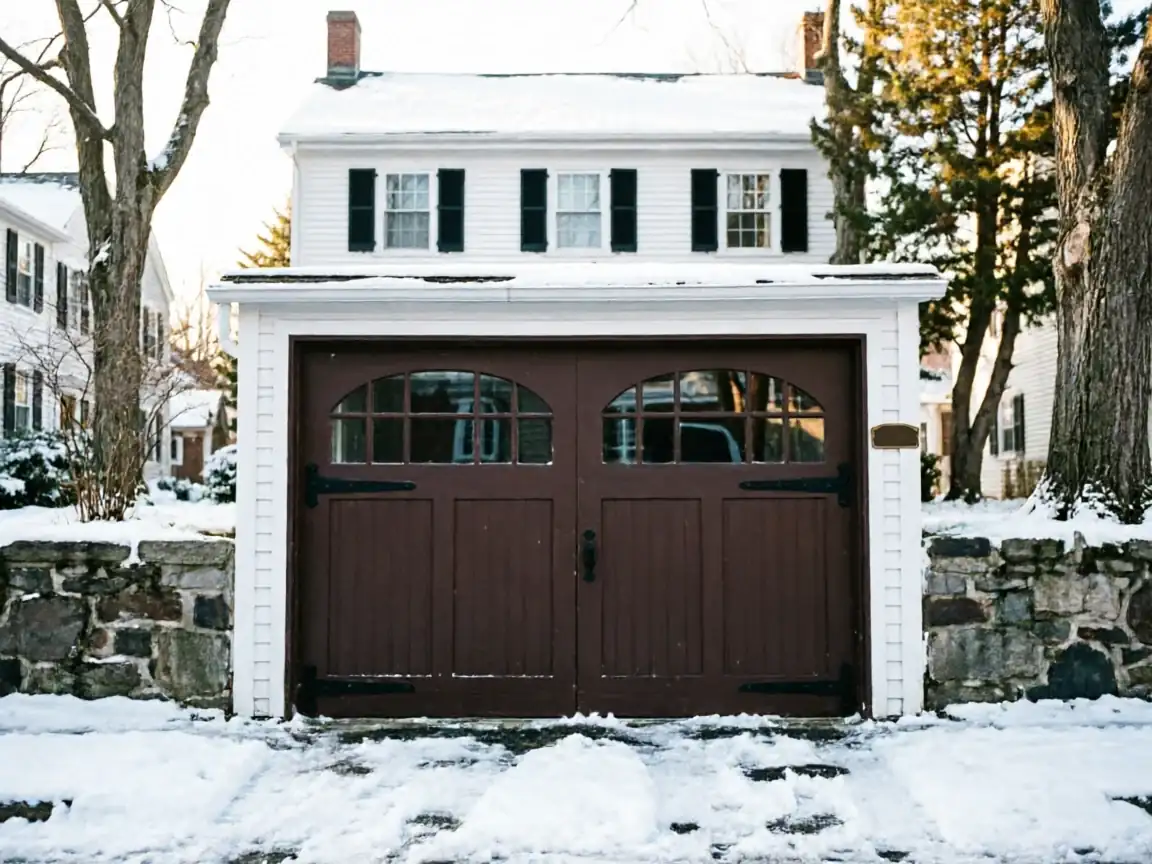
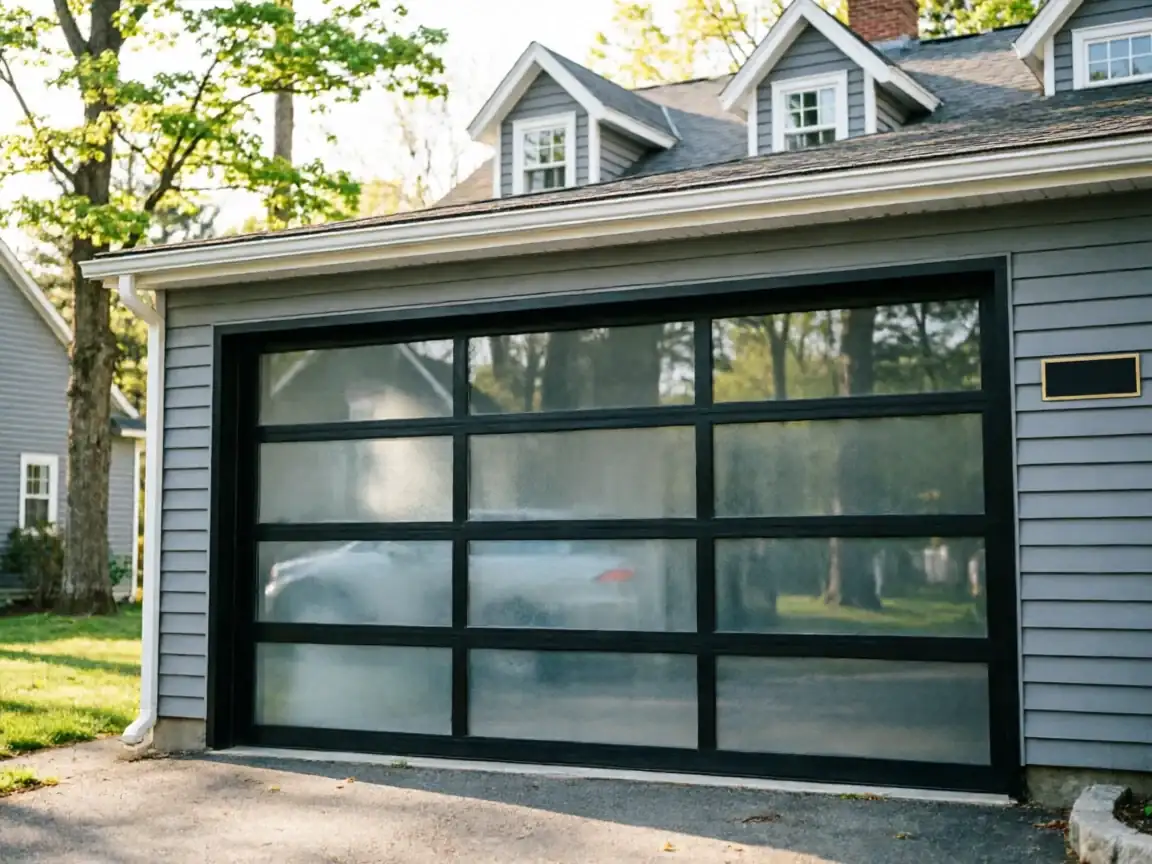
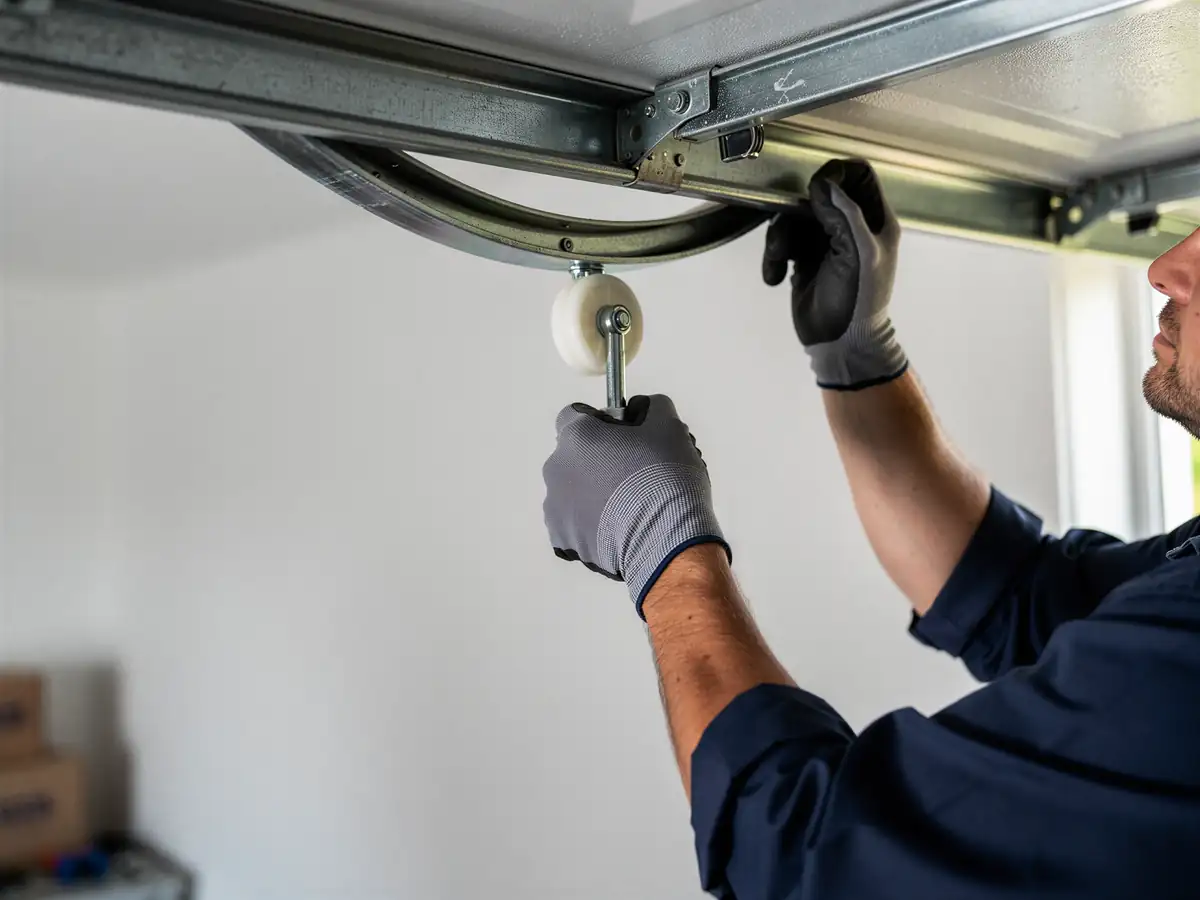
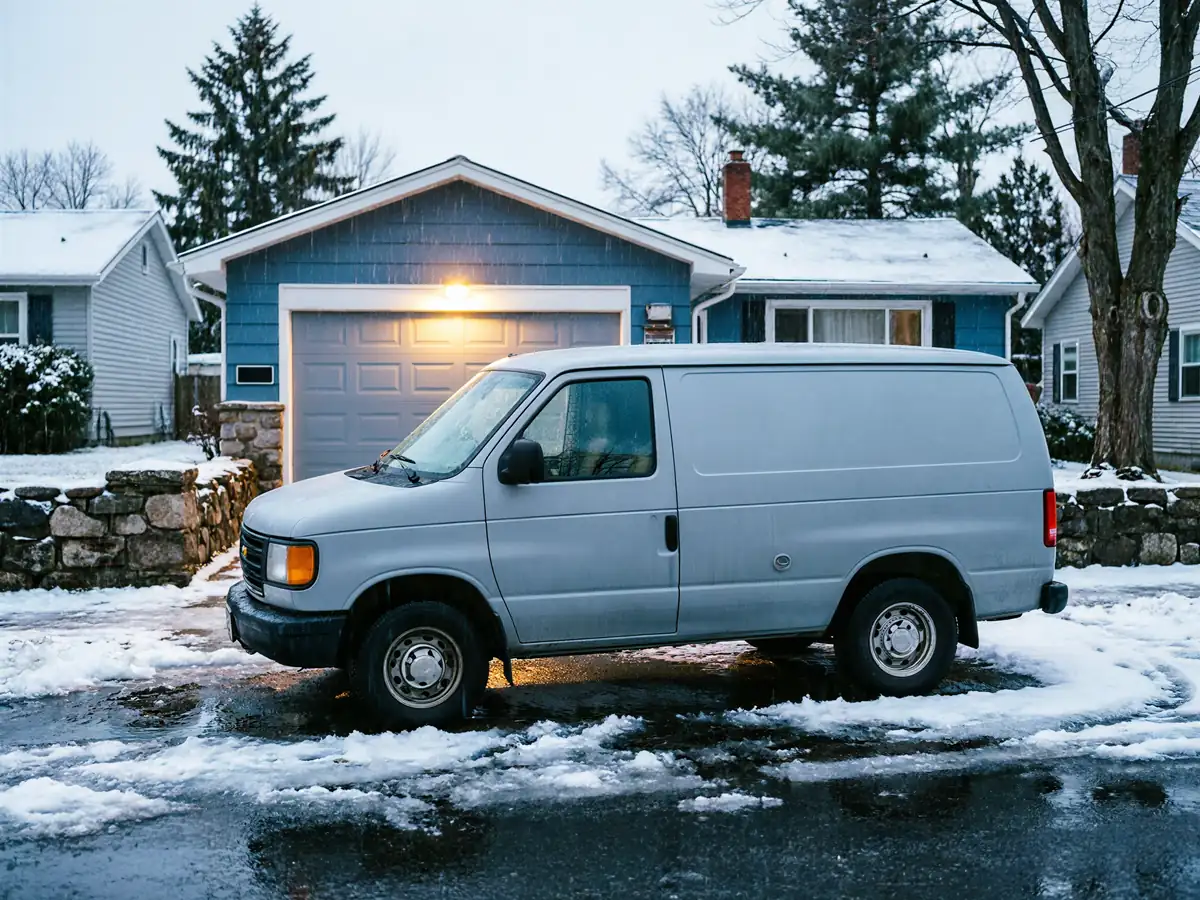
South Hooksett sits three miles up the road from our shop in Manchester, and that short drive shapes what's on the truck before we even pull out of the lot. Most houses here went up around 1982, smack in the middle of the 1938-to-1997 build range that covers this whole service area, which means the doors we see are almost always original-era torsion setups, not the newer extension-spring builds you find on later infill. We stock torsion springs in the wire sizes that match that generation of door - the ones sized for a 7-foot single or a 16-foot double from that era - plus the matching end bearings and center brackets that tend to wear out alongside them. We also carry extension springs for the smaller number of older or converted doors in the mix. What we don't carry is every obscure spring size ever made; if a door's been retrofitted with a non-standard opener or a custom panel weight, that part may need a day or two to come in. We'd rather tell you that up front than make a second trip.
How We Fix It
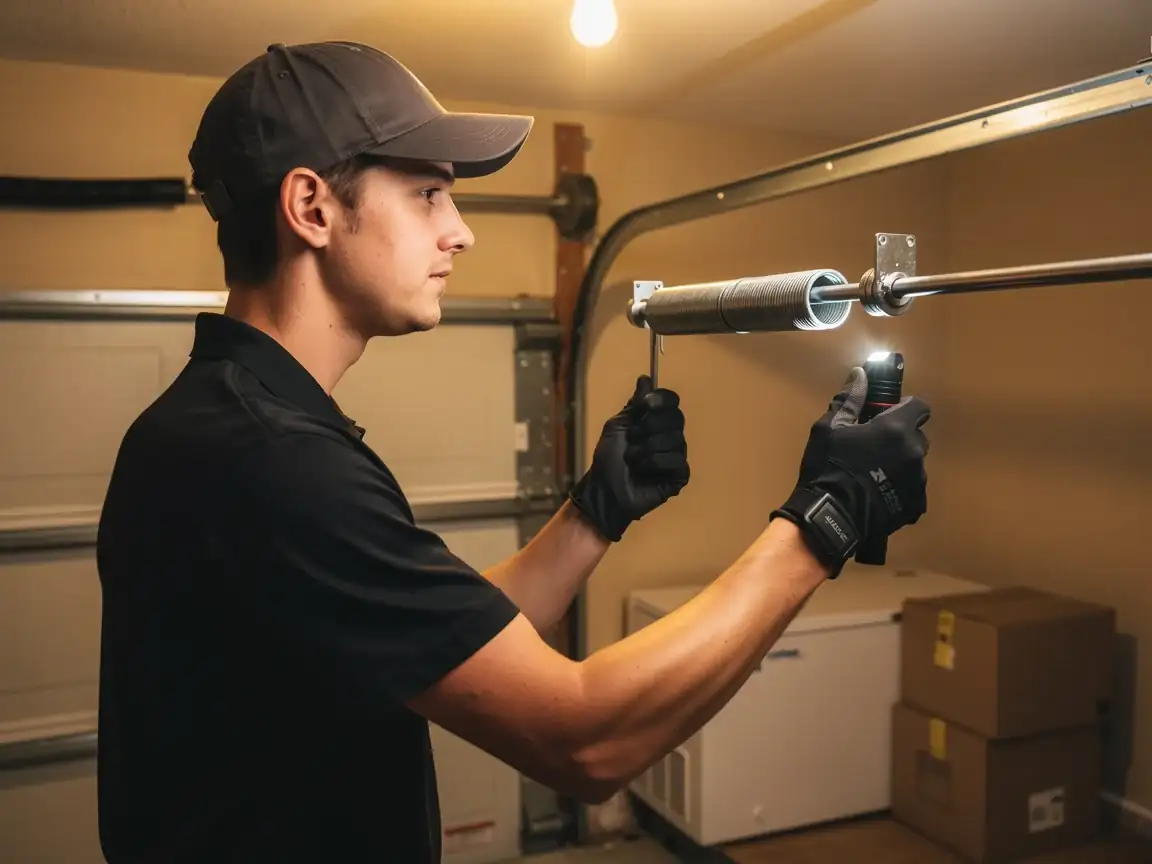
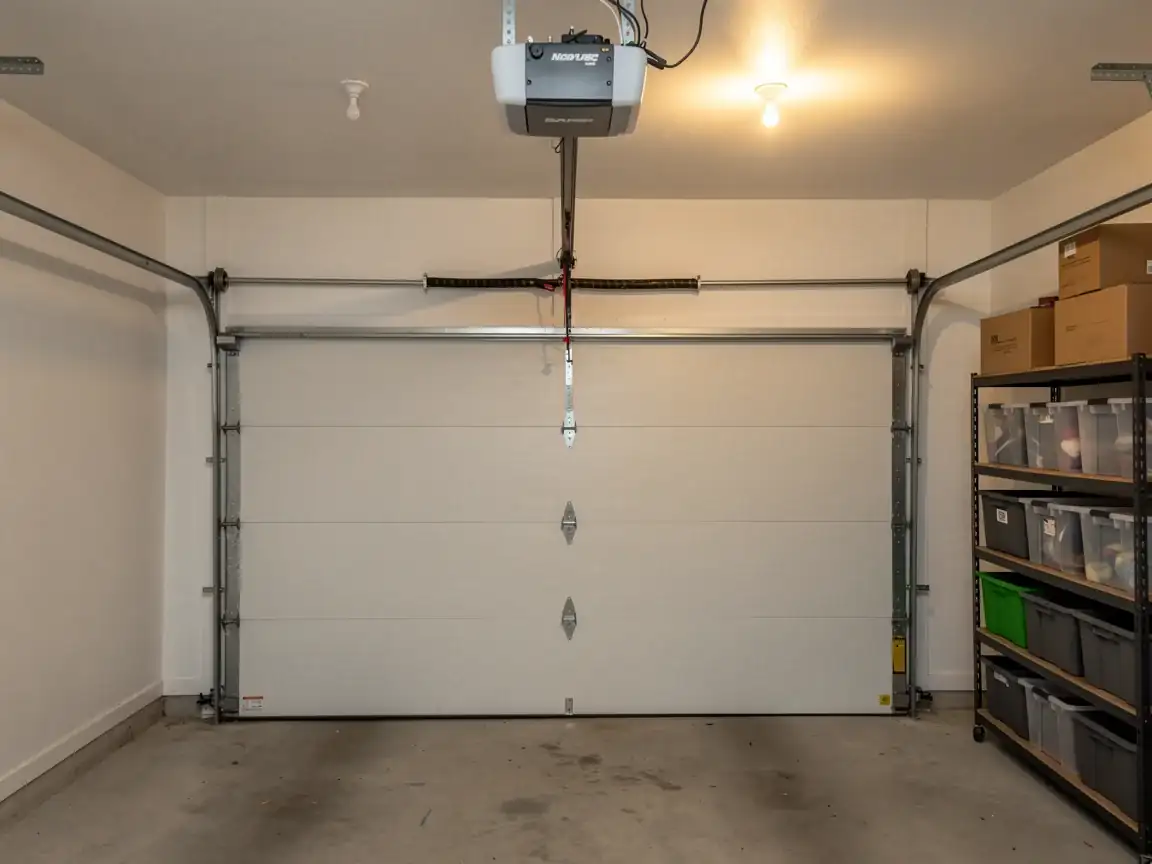
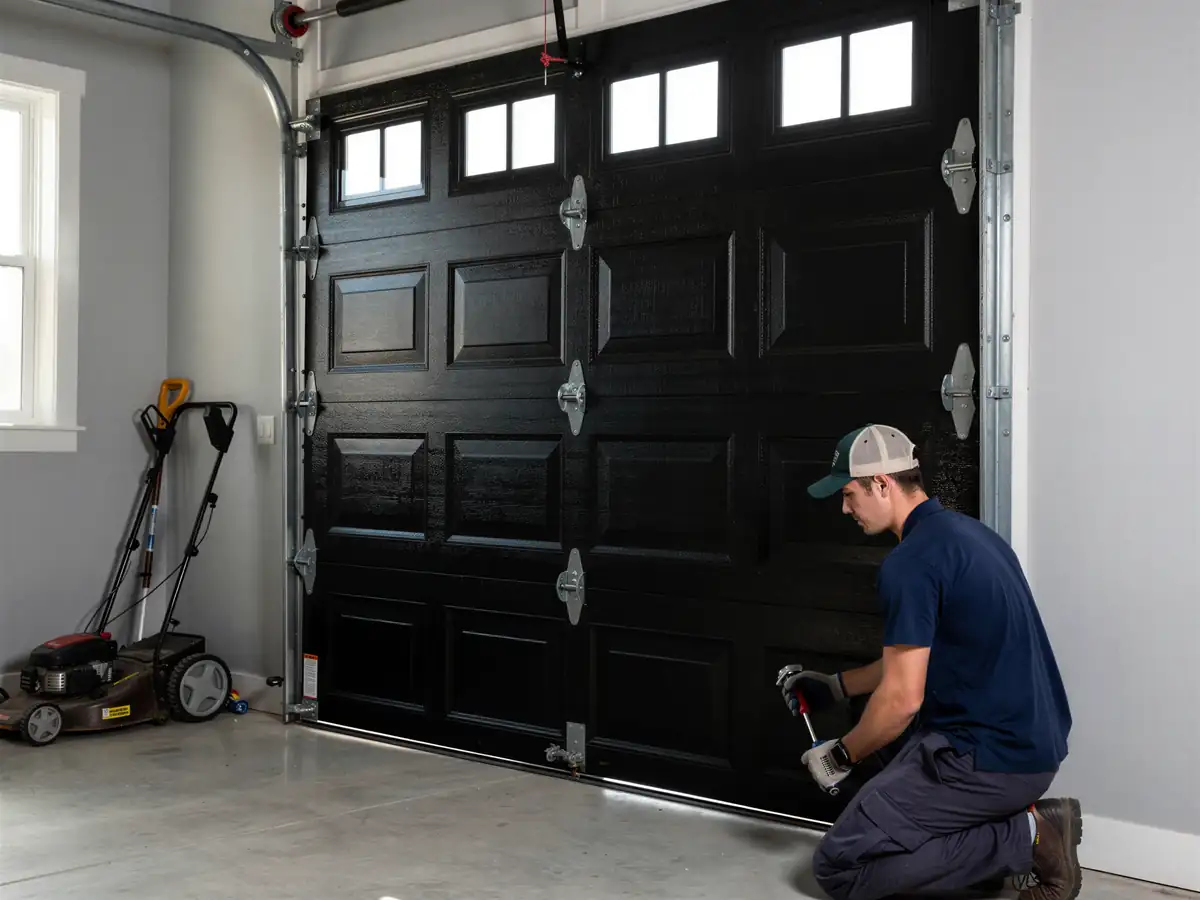
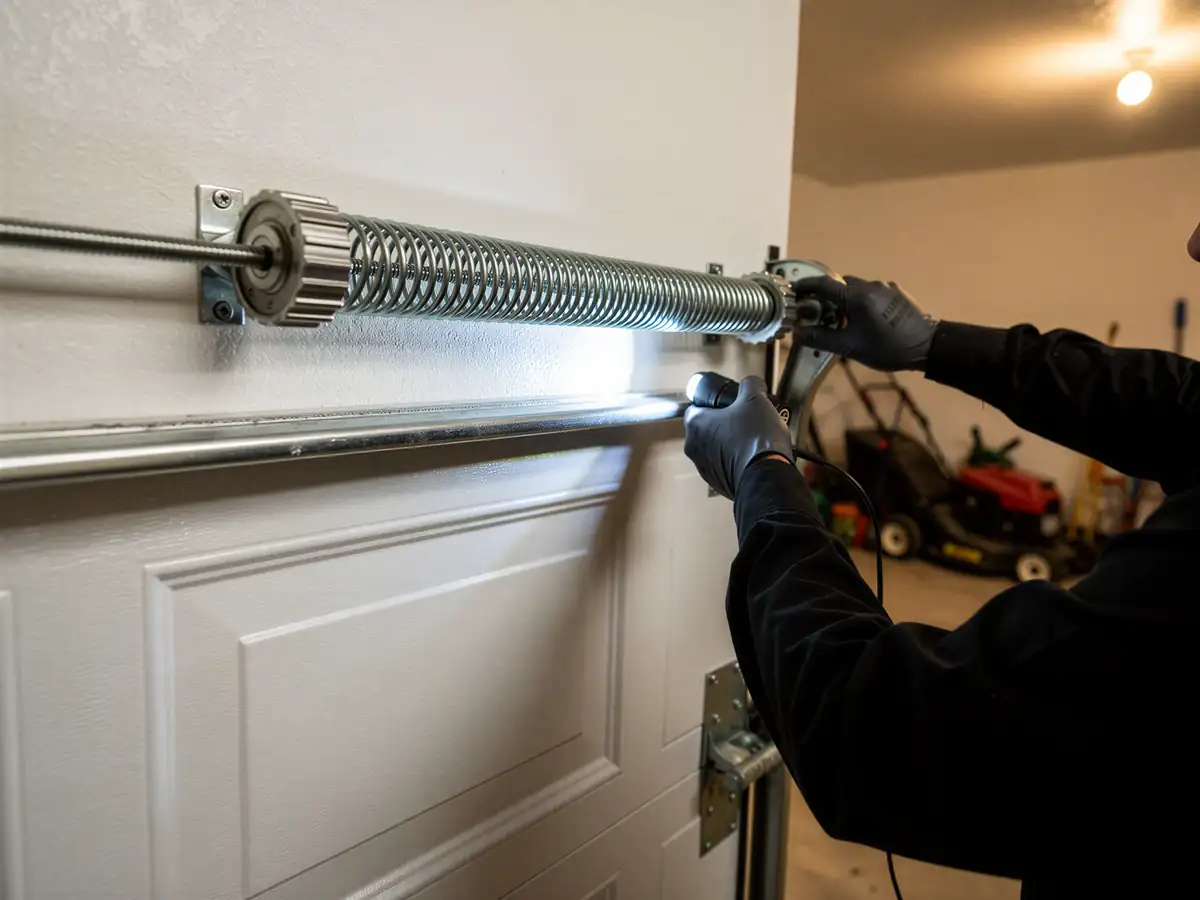
A broken torsion spring doesn't mean a new door - it means the door is unbalanced and the opener is doing work it was never built to do. We measure the spring's wire diameter, inside diameter, and length off the old one (or off the shaft if both springs have already let go), then wind in a matched pair sized to the actual door weight, not just the stock size for that model year. On a double door from the early 1980s, that's usually two torsion springs on a center bearing; on a lot of the smaller, older single-car bays still standing in this area, it can be a single spring or a pair of extension springs over the horizontal tracks. Either way we check the cable drums, the flag brackets, and the shaft itself before we wind anything, because a spring snapping under load often bends something next to it. Cold tightens steel, and this area sits in a climate band cold enough that older torsion hardware gets brittle faster than it does further south, so we also check for stress cracks on anything original to the house.
What It Costs
We don't quote a price over the phone sight unseen, because spring cost depends on wire size, door weight, and whether one spring broke or both are due. What we can tell you is that the income level in this part of the service area - median household income runs north of $115,000 here - doesn't change what a spring costs; steel is steel. What does change the number is door size and age. A single spring on a smaller, older single-car door costs less than a matched torsion pair on a heavier double. We give you the number before we start winding anything, not after.
Where This Job Goes Sideways
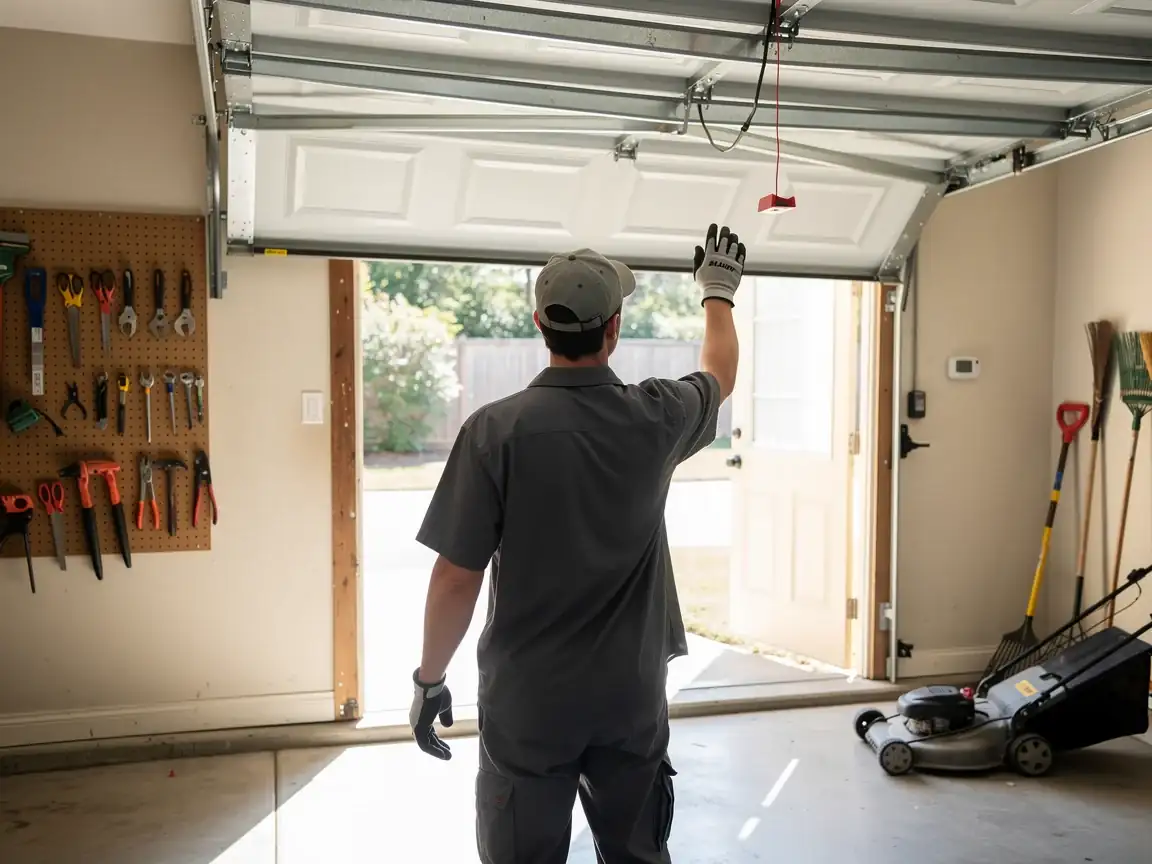
The spring itself is rarely the hard part. What makes a job take longer than expected is usually something it was hiding: a cable that's frayed from riding on a worn drum, a center bearing seized from age, or a shaft that's bent from running on an unbalanced door for months before anything actually broke. Houses built in the early 1980s - which is most of what's around here - are at the age where original hardware starts failing in clusters rather than one piece at a time. If we open the door up and find the drums pitted or the shaft out of true, we'll tell you before we replace anything, because winding a new spring onto bad hardware just moves the failure a few months down the road. Sometimes the honest answer is that the door's cheaper to replace than to keep patching, and we'll say so instead of running up a repair bill on a door that's earned its retirement.