Parts We Carry
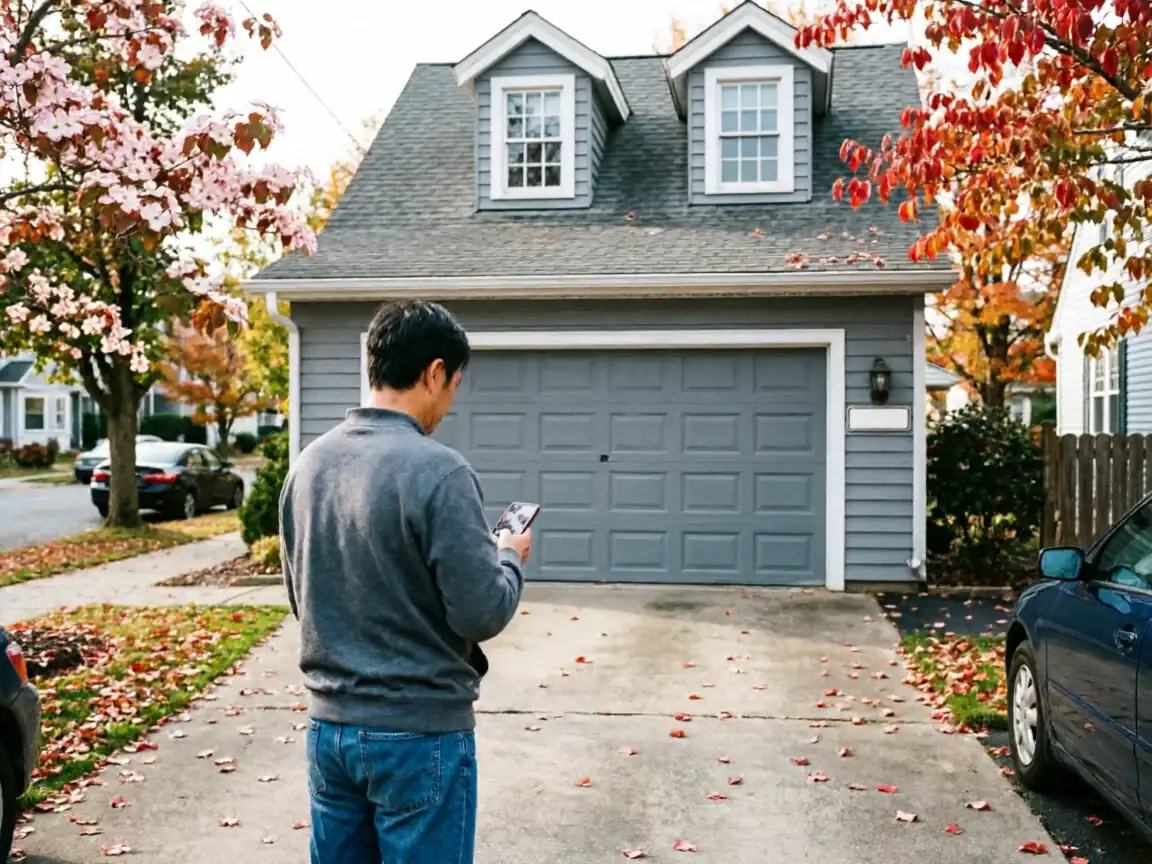
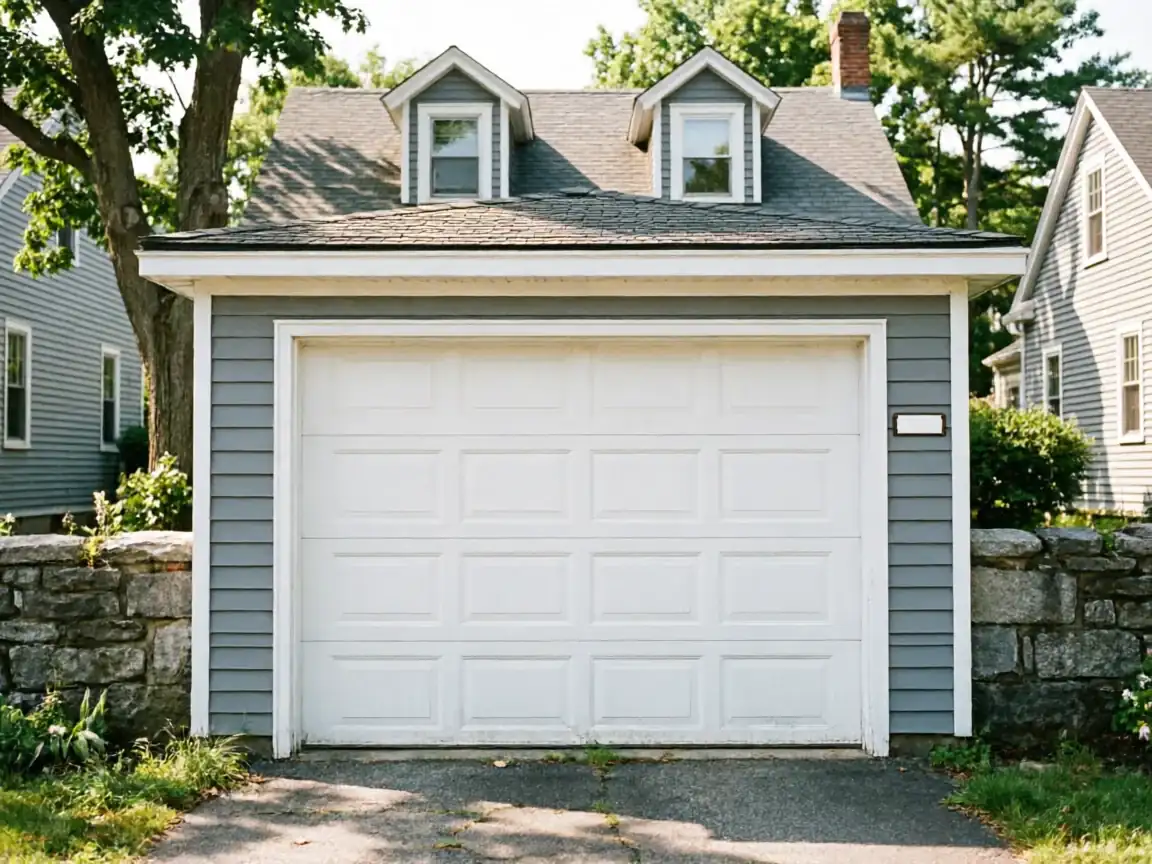
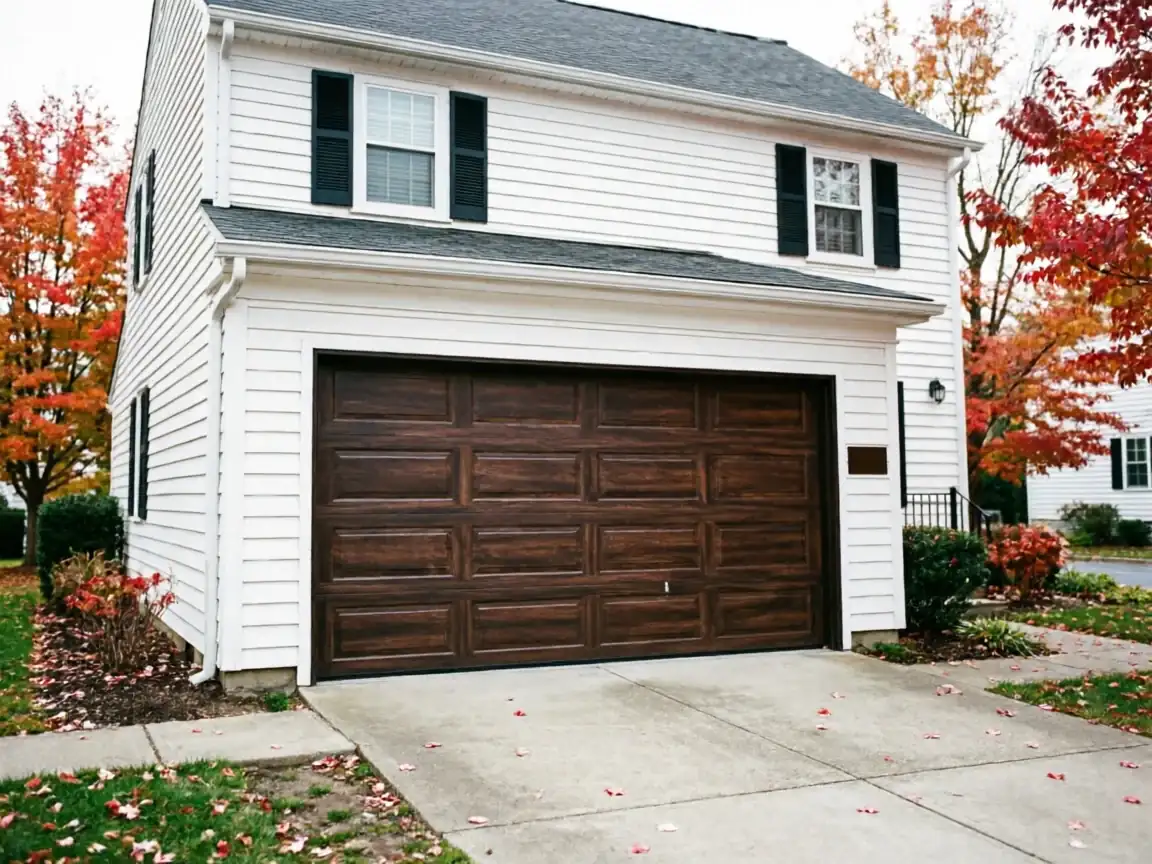
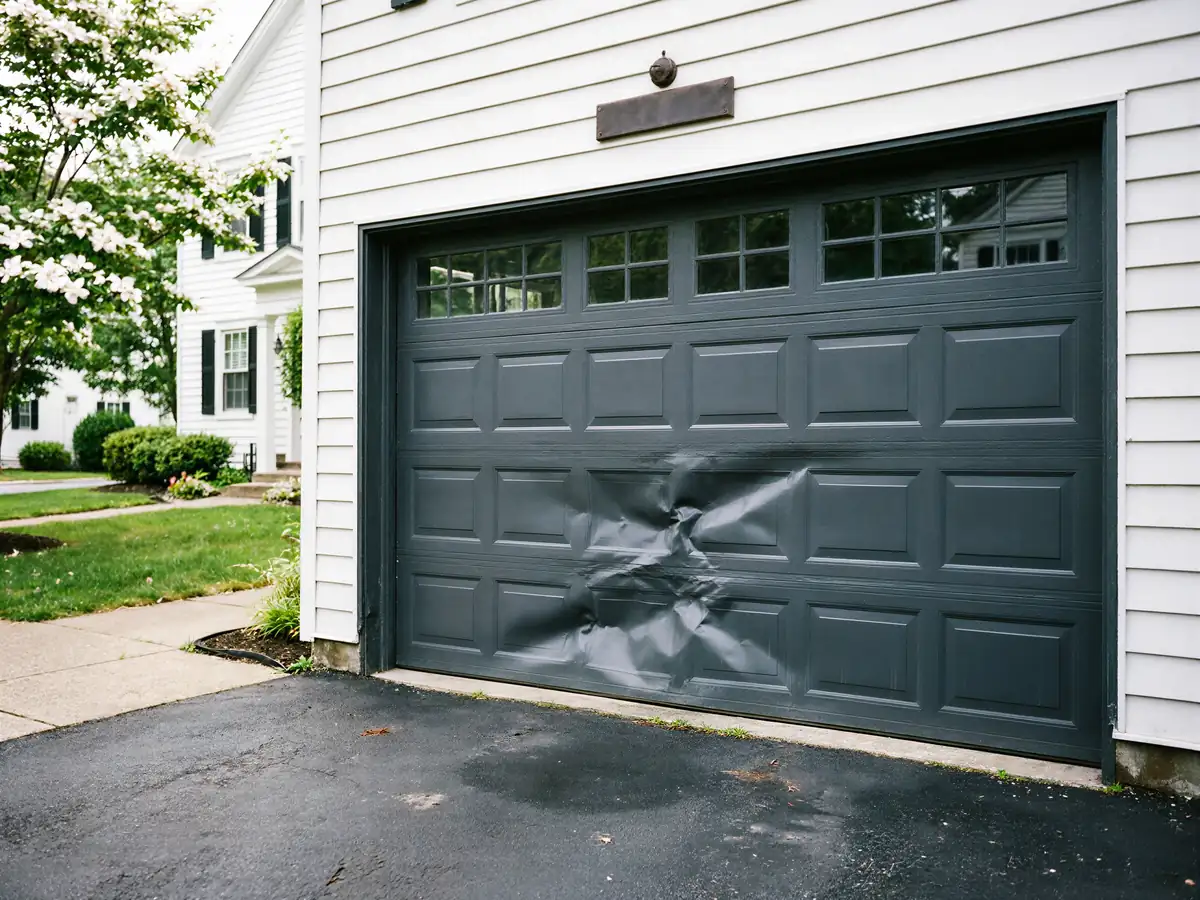
Most garages in South Hooksett went up when the area was being built out in the 1980s and 90s, and the doors that came with those houses are almost always steel sectional units - raised-panel steel with a wood-grain stamp pressed into the face, usually 9x7 for a single bay or 16x7 for a two-car garage. These doors were built without insulation as a rule, just a single skin of steel over a frame, which matters once you're thirty-plus years in: the steel is thinner than what gets installed today and dents easier.
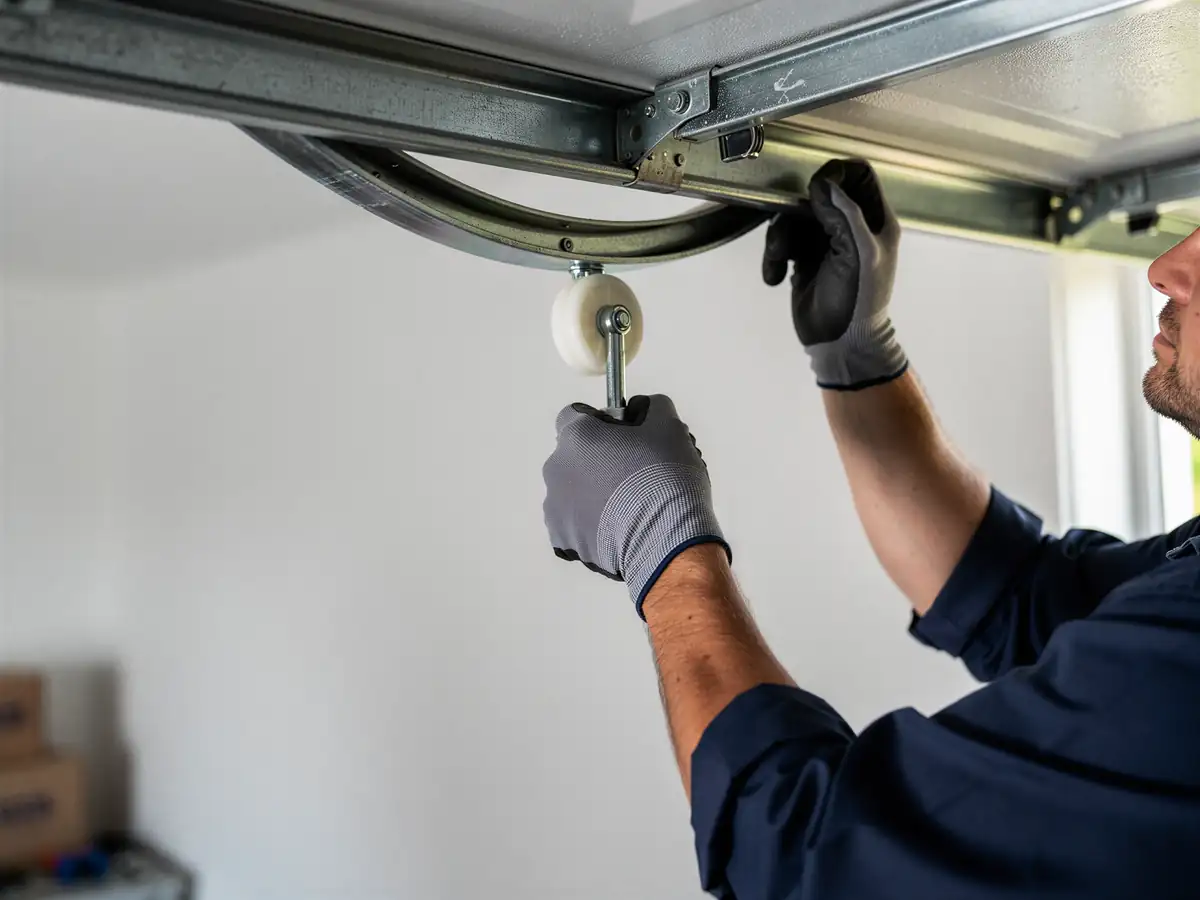
We stock steel sectional panels in the common raised-panel profiles that match what went up during that build-out, along with the end panels, hinges, and rollers that usually fail alongside a damaged panel. What we don't always have on the truck is an exact color or embossing match for a specific manufacturer's run from the early 80s - some of those profiles were discontinued years ago, and matching a single panel to the rest of a faded door can mean special-ordering rather than grabbing stock. We'll tell you up front if that's the case rather than installing something that looks wrong next to the other seven panels.
How We Fix It
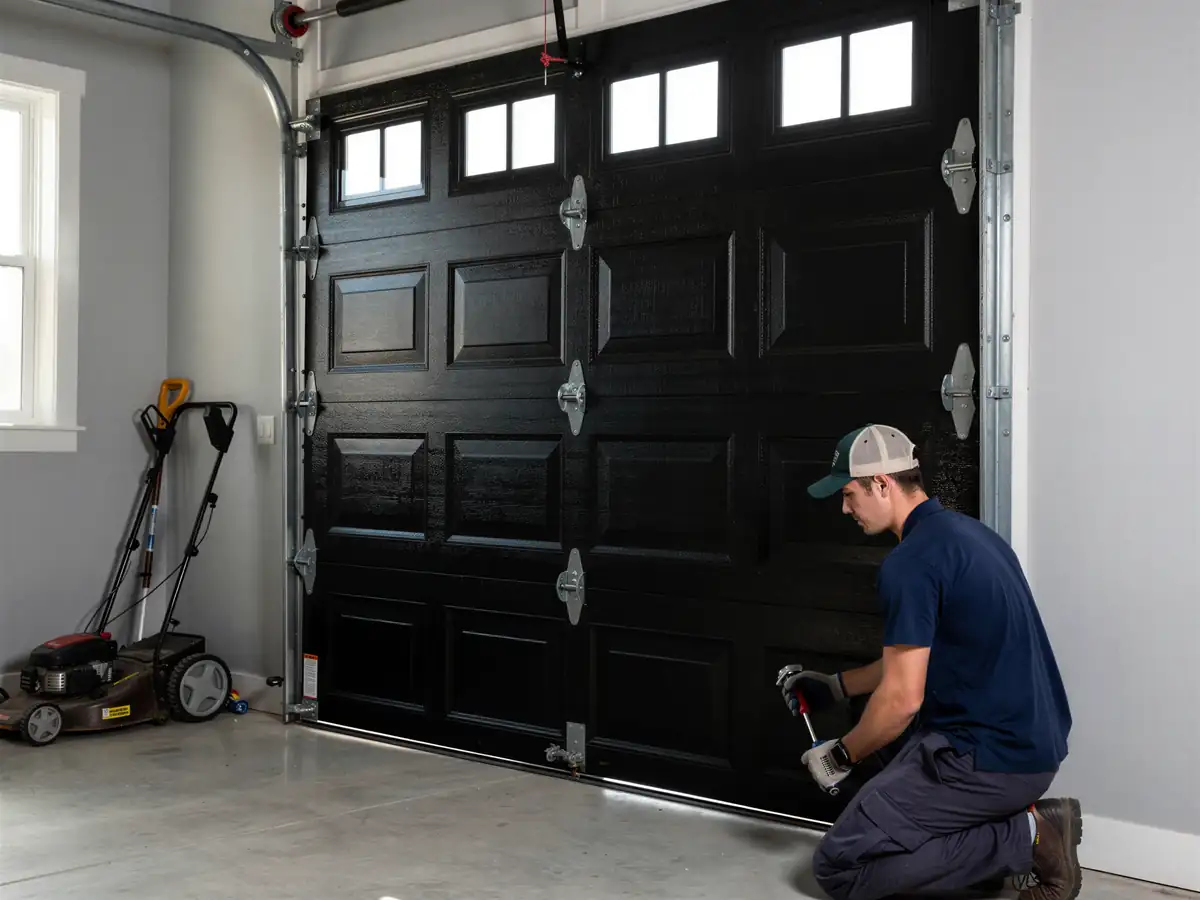
First step is figuring out whether we're replacing one damaged panel or the whole door. A single bottom panel that's rusted through from years of snowmelt and road salt sitting against the steel is often a straightforward swap - we unbolt the hinges, pull the damaged section, and set in a matching panel, re-hanging the hardware and checking the track alignment while it's apart. Doors from the 1982-median building stock here tend to use galvanized steel that rusts from the inside out at the bottom edge first, so that's usually the panel we're pulling.
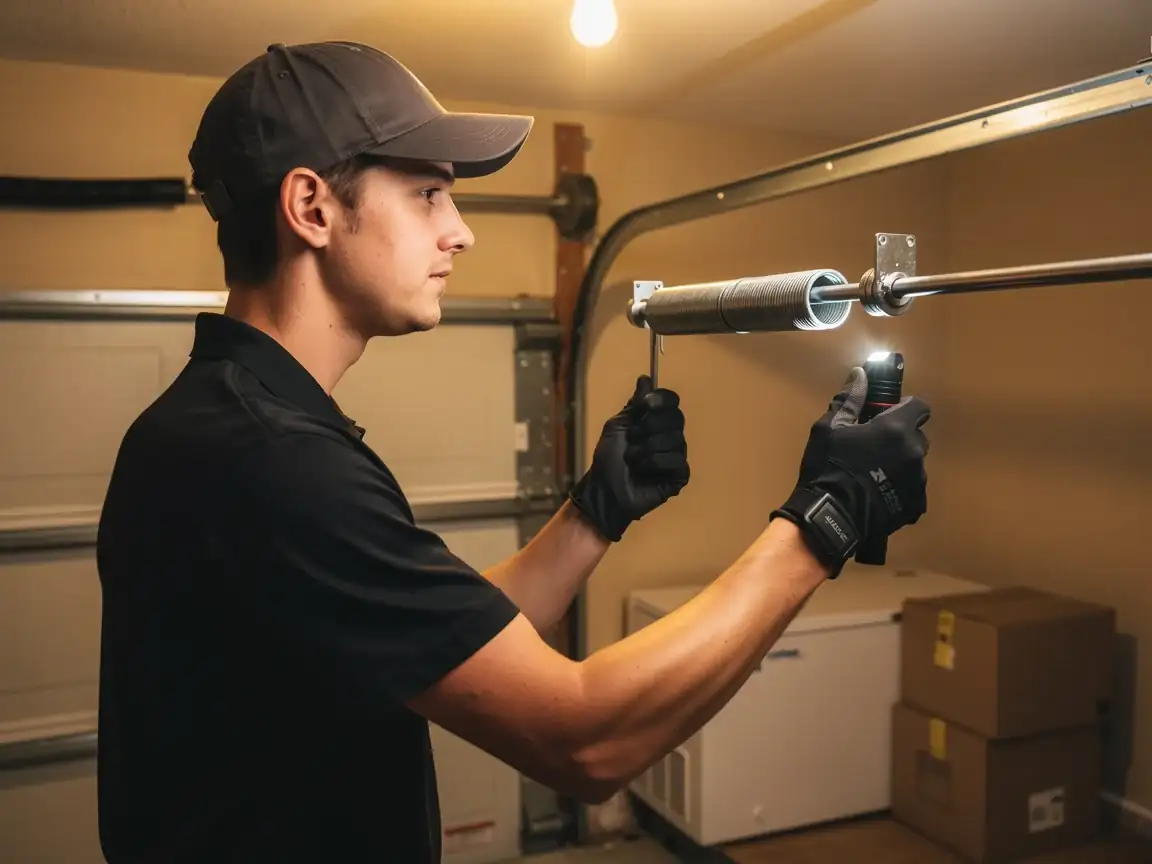
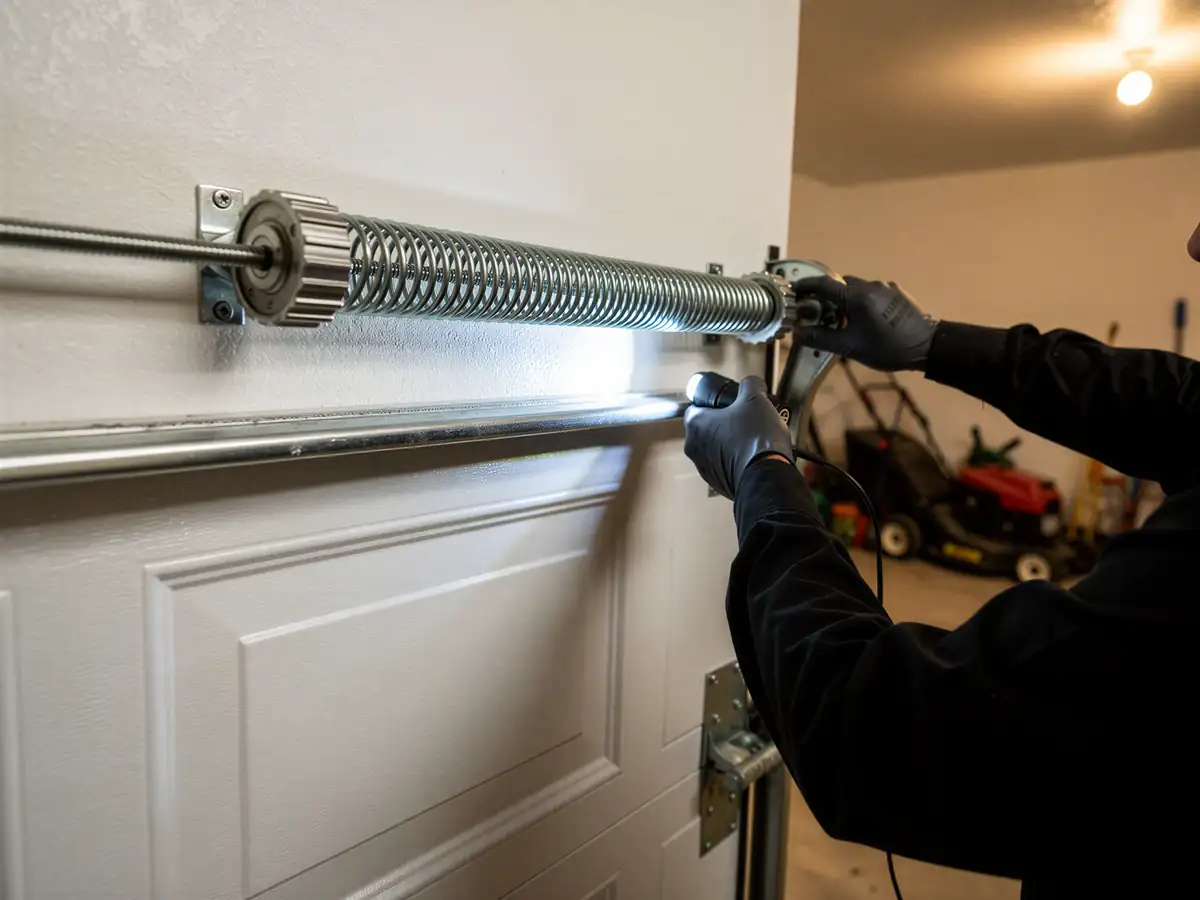
If the door has taken damage across multiple panels, or the remaining sections don't match a replacement anymore because the finish has faded unevenly, we'll walk you through whether panel-by-panel replacement still makes sense or whether a full door makes more sense long-term. We check spring tension and cable wear at the same time, since a cracked panel sometimes isn't the only thing under strain - in a cold climate the steel contracts and expands enough over a winter that fasteners loosen and tracks shift slightly out of plumb.
Time on the Job
A single panel swap on a door that's otherwise sound is usually the fastest job we do
Most of the time goes into matching the panel and making sure the hinge pattern lines up, not the physical swap itself. Multi-panel jobs take longer because we're also re-checking balance and track alignment across the whole door, not just the section we replaced.
Weather plays a role here that it wouldn't in a milder climate
Steel contracts in cold temperatures, and on doors from this era the panel seams were never as tight as what's manufactured now, so winter jobs sometimes turn up a second problem once the door's open - a hinge that's cracked at the fold, or a roller bracket that's worked loose. We'd rather find that during the visit and fix it in the same trip than have you call back in a month with a door that's binding.
What It Costs
What a panel job runs depends on whether it's one section or several, whether the color and profile are in stock or need to be special-ordered, and whether we find additional wear once the door's open - a cracked hinge or a sagging cable isn't unusual on a door that's been in service since the 1980s. We don't quote a flat number over the phone for that reason; we'd rather look at the actual panel and door before telling you what it'll run.
One thing worth knowing going in: if more than two or three panels on a door need replacing, or the finish is faded enough that new panels will stand out badly next to the old ones, replacing the whole door is often the better value than patching it panel by panel. We'll say so if that's what we see, even though a panel swap is the smaller job for us.
Where This Job Goes Sideways
The most common snag is color and profile matching. A lot of the steel doors installed across this area's 1980s and 90s build-out came from manufacturers who've since changed or discontinued their panel lines, so a single replacement panel sometimes doesn't sit right next to thirty-year-old sun-faded steel even when the profile matches. We won't pretend a mismatch isn't visible - it usually is, at least for the first year or two before the new panel weathers in.
The other place this goes sideways is when rust has spread past the bottom panel into the track or the panel above it. What looks like one bad section from the outside sometimes turns out to be corrosion that's worked its way along the seam, and at that point swapping just the visible panel doesn't solve the problem - it just delays the next call. We'll open the door up and tell you honestly if that's what we're looking at before we quote a single-panel fix that won't hold.
Booking a Visit
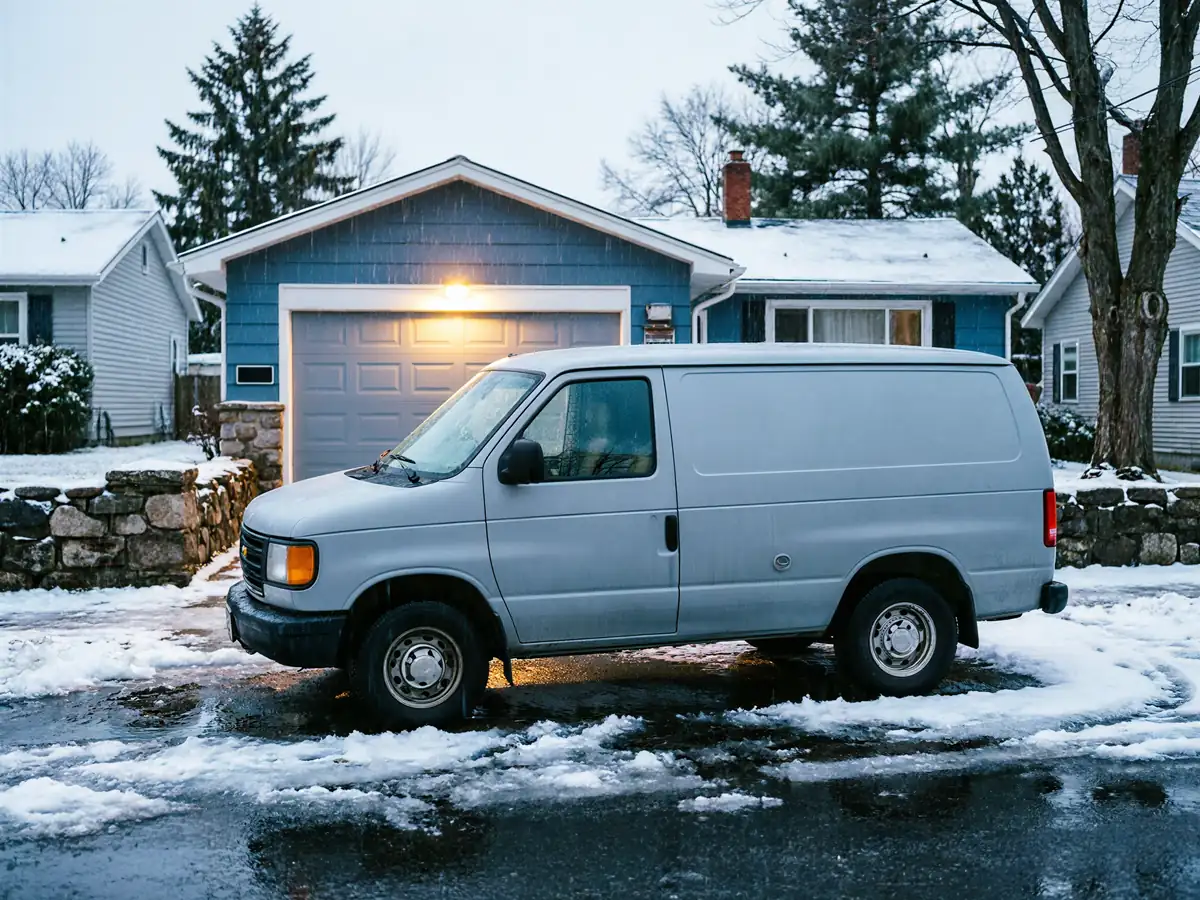
We cover South Hooksett from our Manchester location, a short drive of about three miles
So getting a truck out doesn't add meaningfully to the job. If you're not sure whether what you've got is a one-panel fix or something bigger, we'd rather take a look in person than guess over the phone - steel panel damage is one of those things that's hard to judge accurately from a description alone.
You can see the areas we cover from Manchester on our South Hooksett service page
And if you're looking into a full door replacement rather than a panel repair, that's covered separately on our Manchester panel replacement page.