Parts We Carry
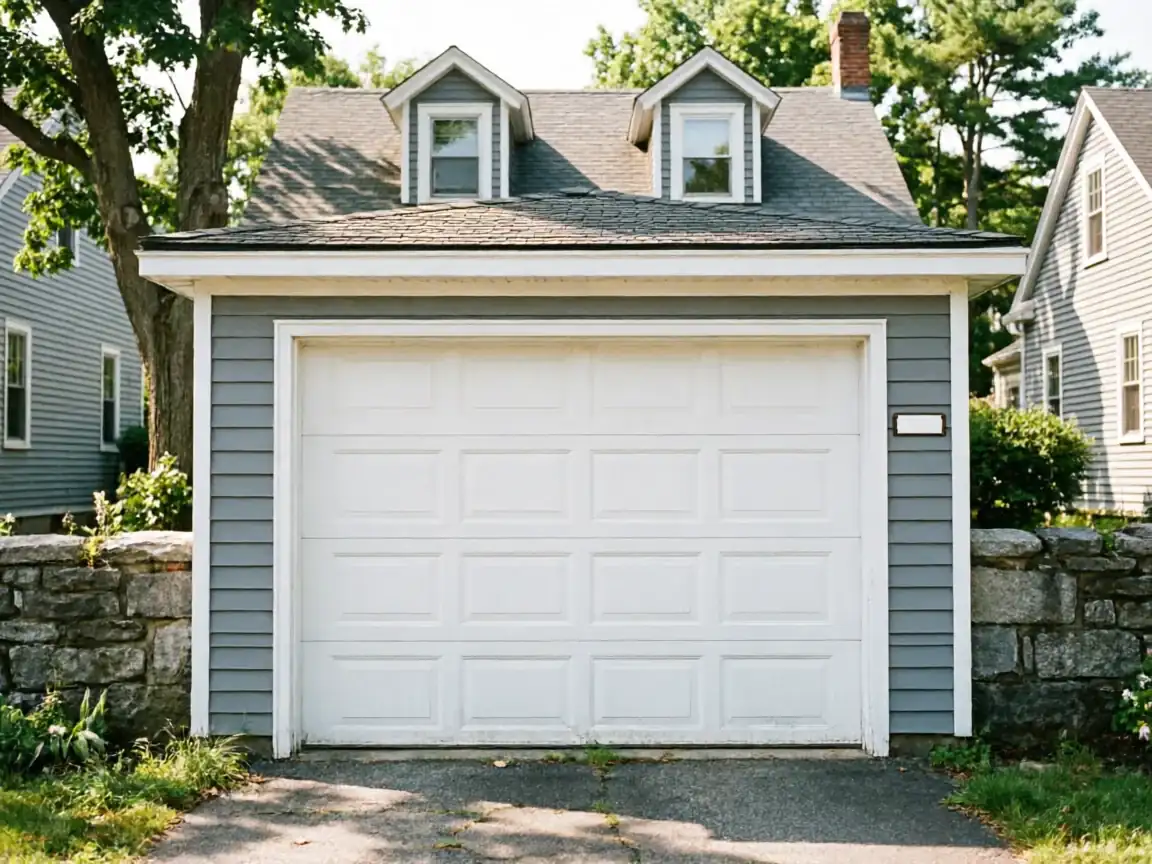
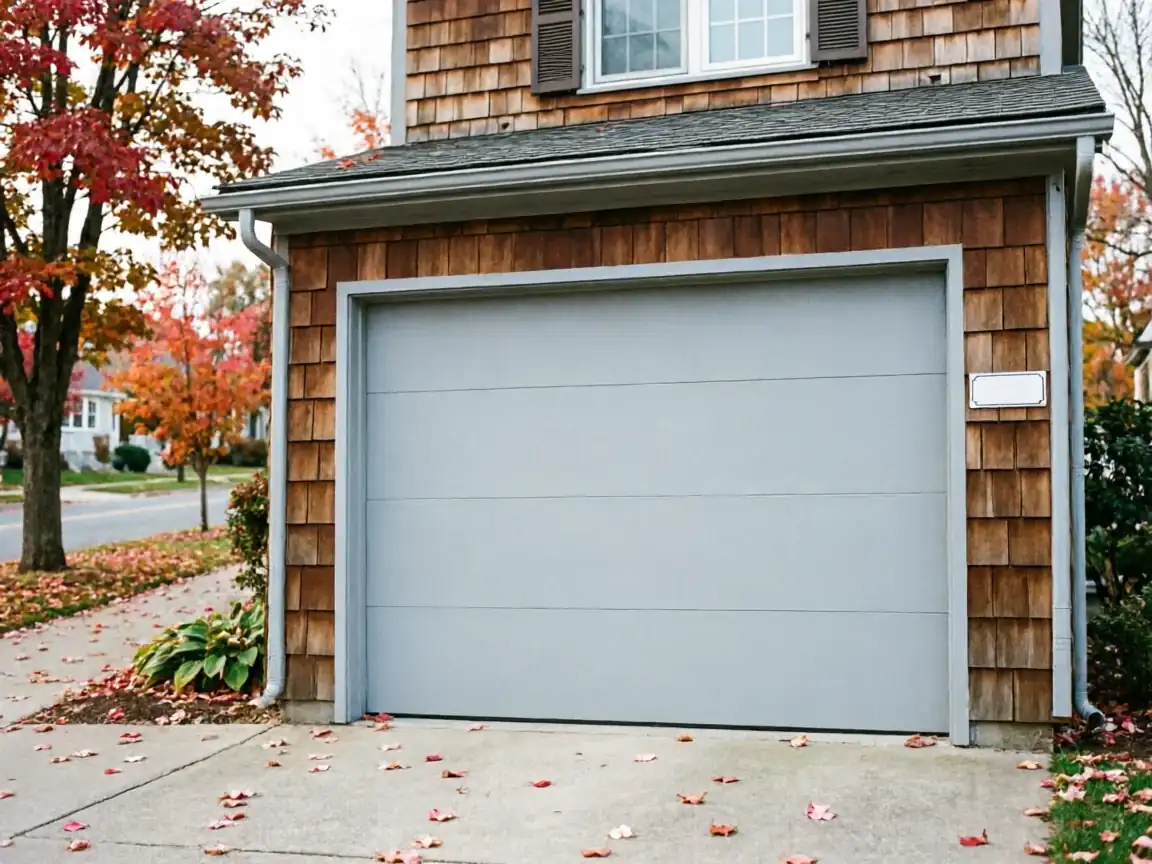
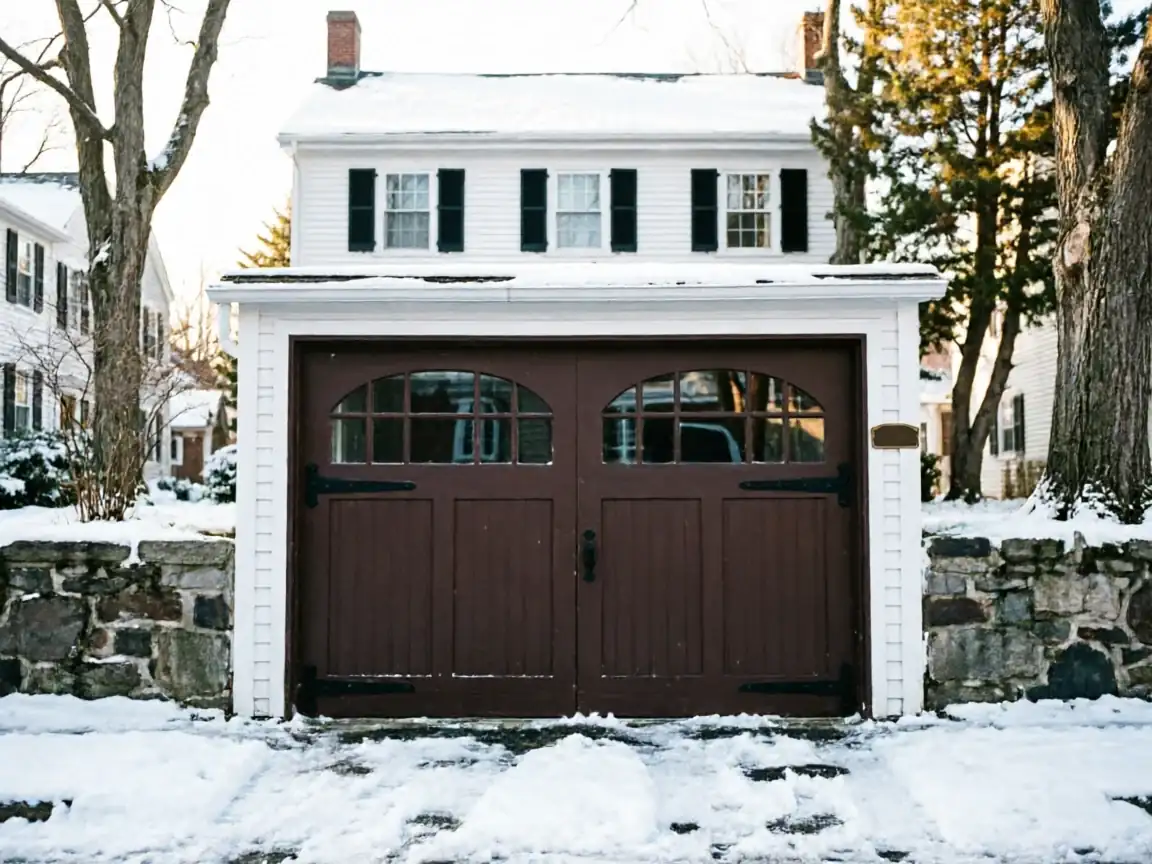
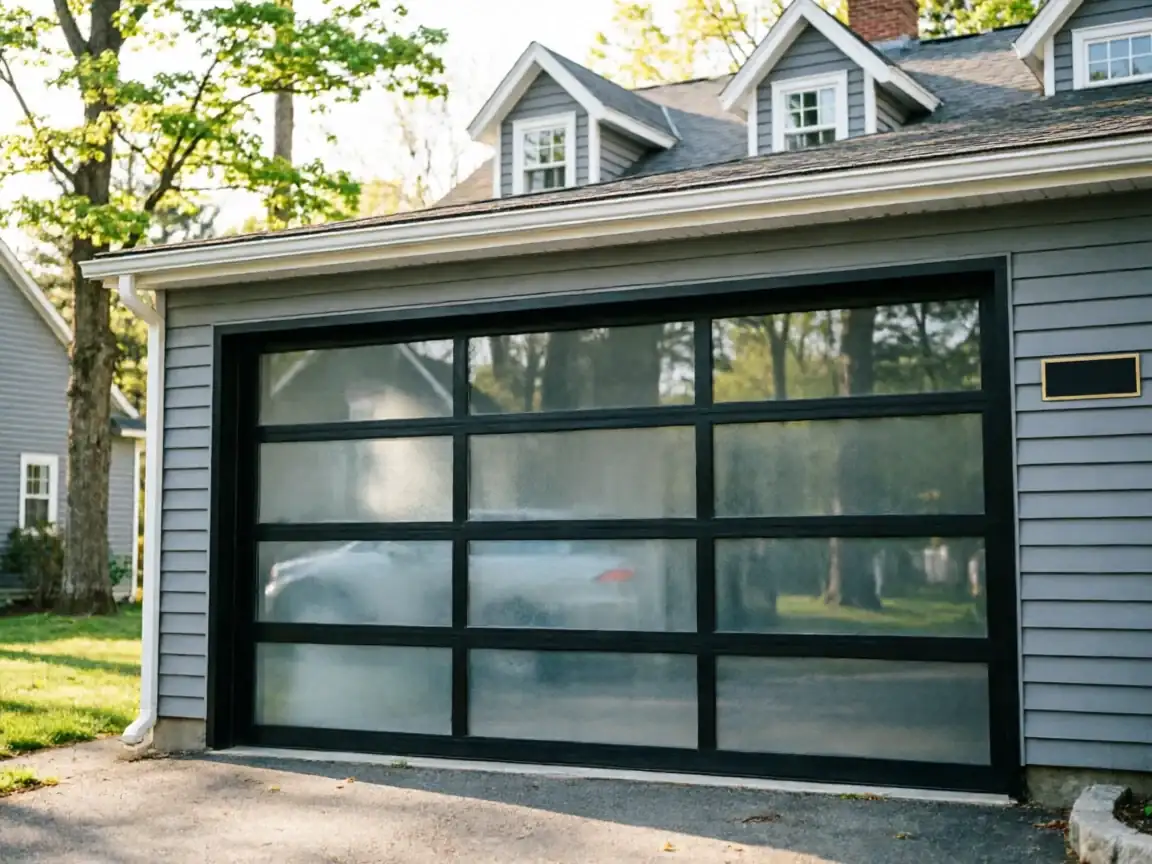
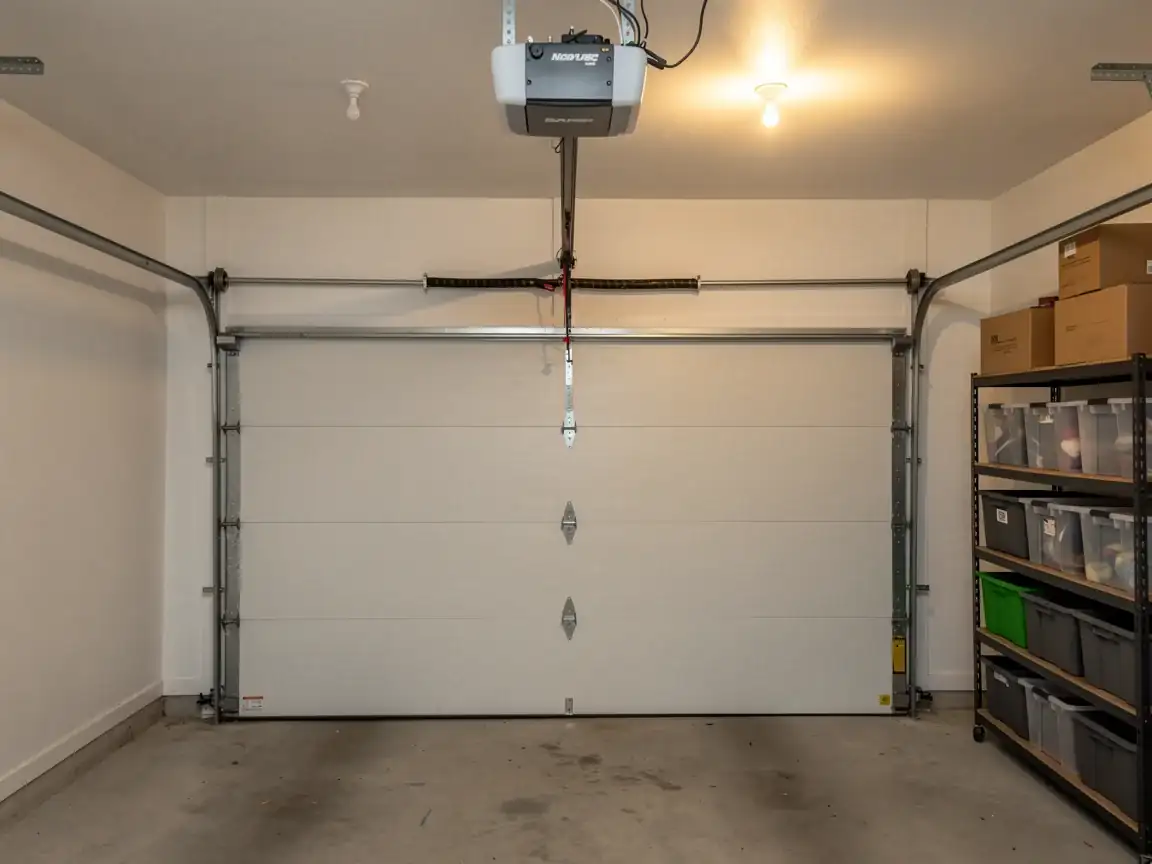
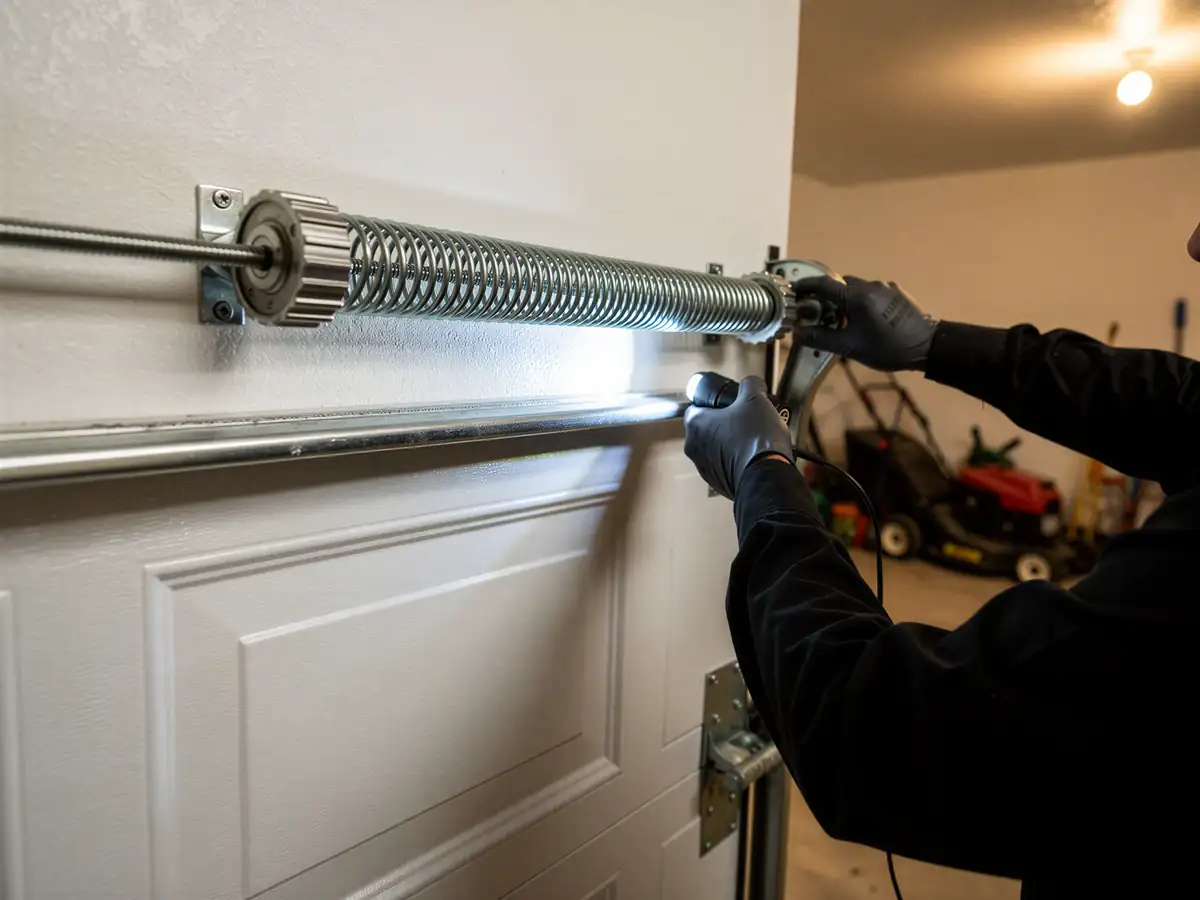
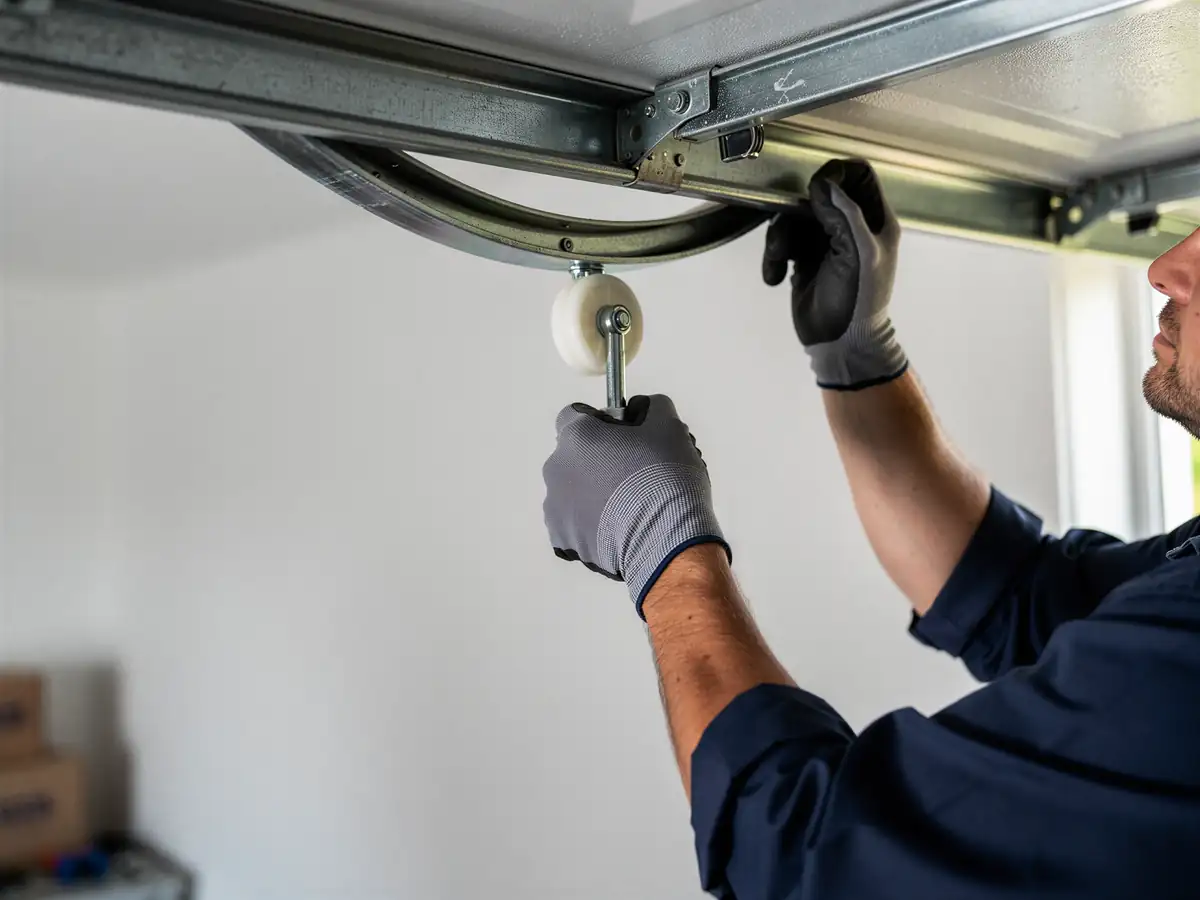
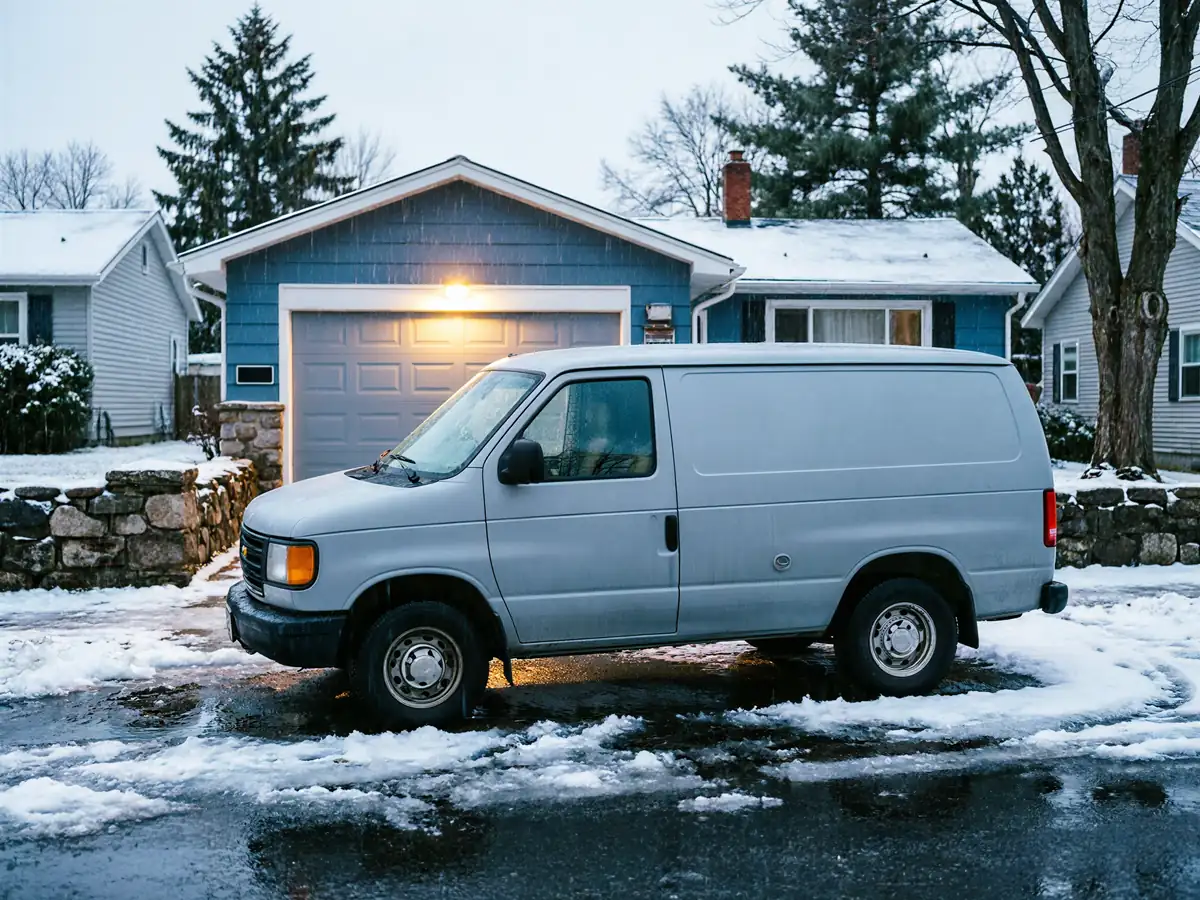
South Hooksett is small by household count - about 1,893 of them - which means the fault patterns we see here repeat more than they vary. Most houses in this pocket went up around 1982, smack in the middle of the 1938-1997 build range across our wider service area. That era means steel sectional doors on torsion springs sized for the lighter panels builders used back then, not the heavier insulated doors going into new construction elsewhere. We carry torsion springs in the common wind and wire sizes for those builds, standard-lift cable, nylon and steel rollers, and the extension spring kits that show up on the handful of older single-car garages mixed into the neighborhood. We don't stock every proprietary opener board on the truck - if your opener is an obscure import model, that part sometimes has to be ordered, and we'll tell you that up front instead of guessing at a fix.
How We Fix It
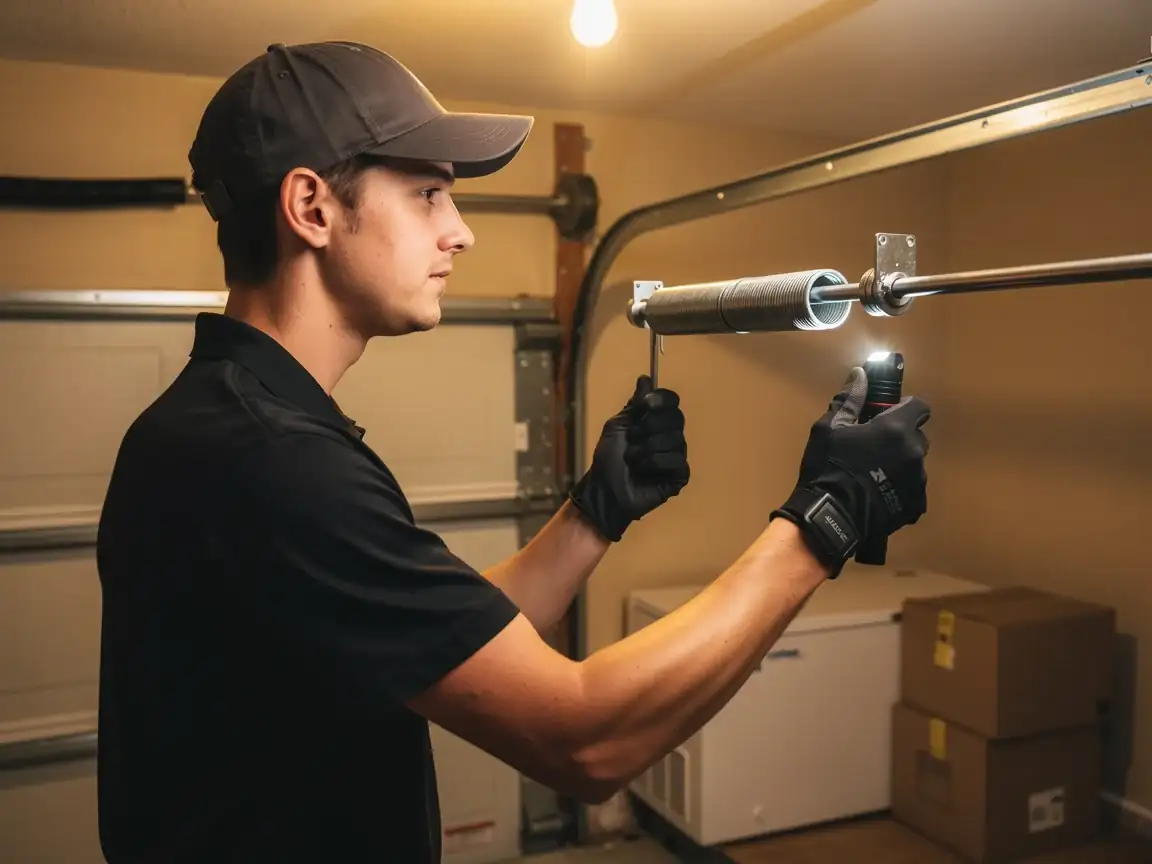
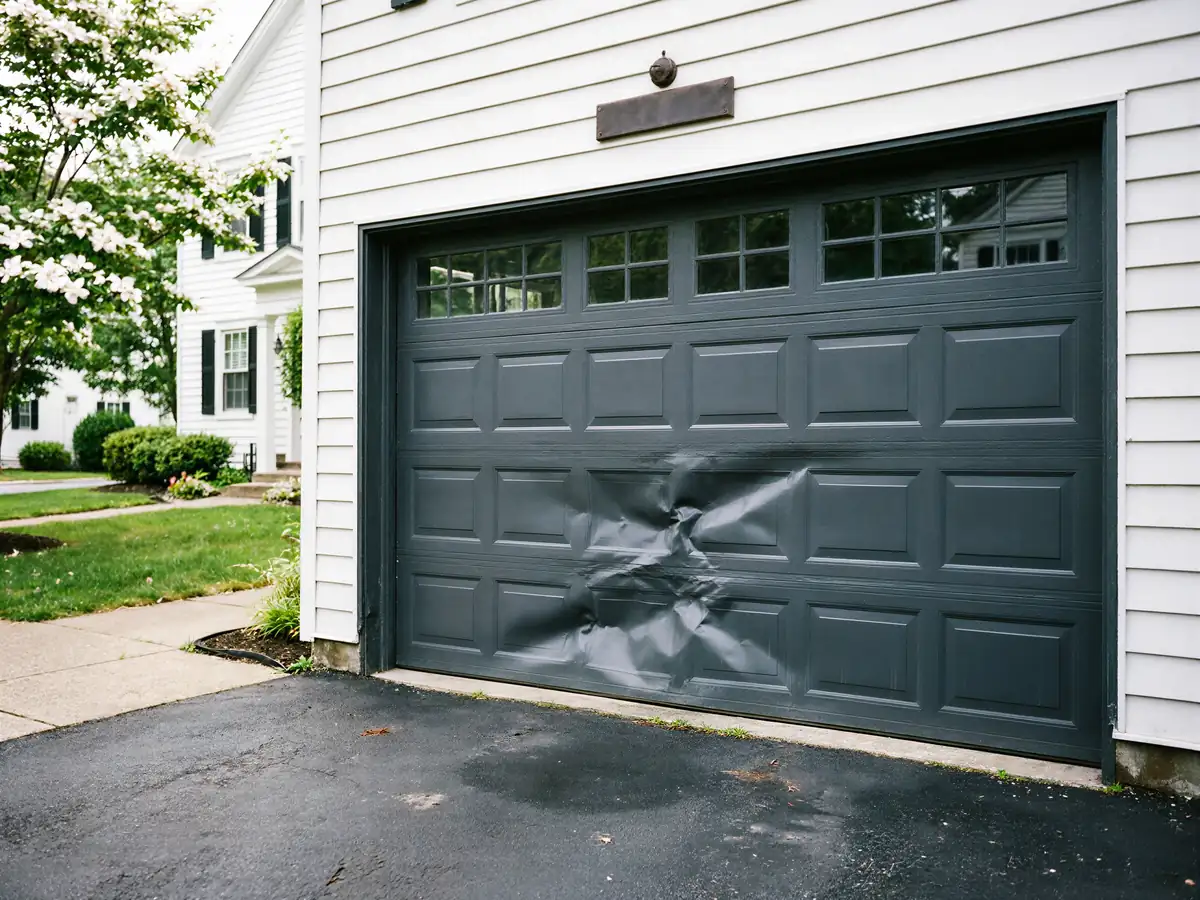
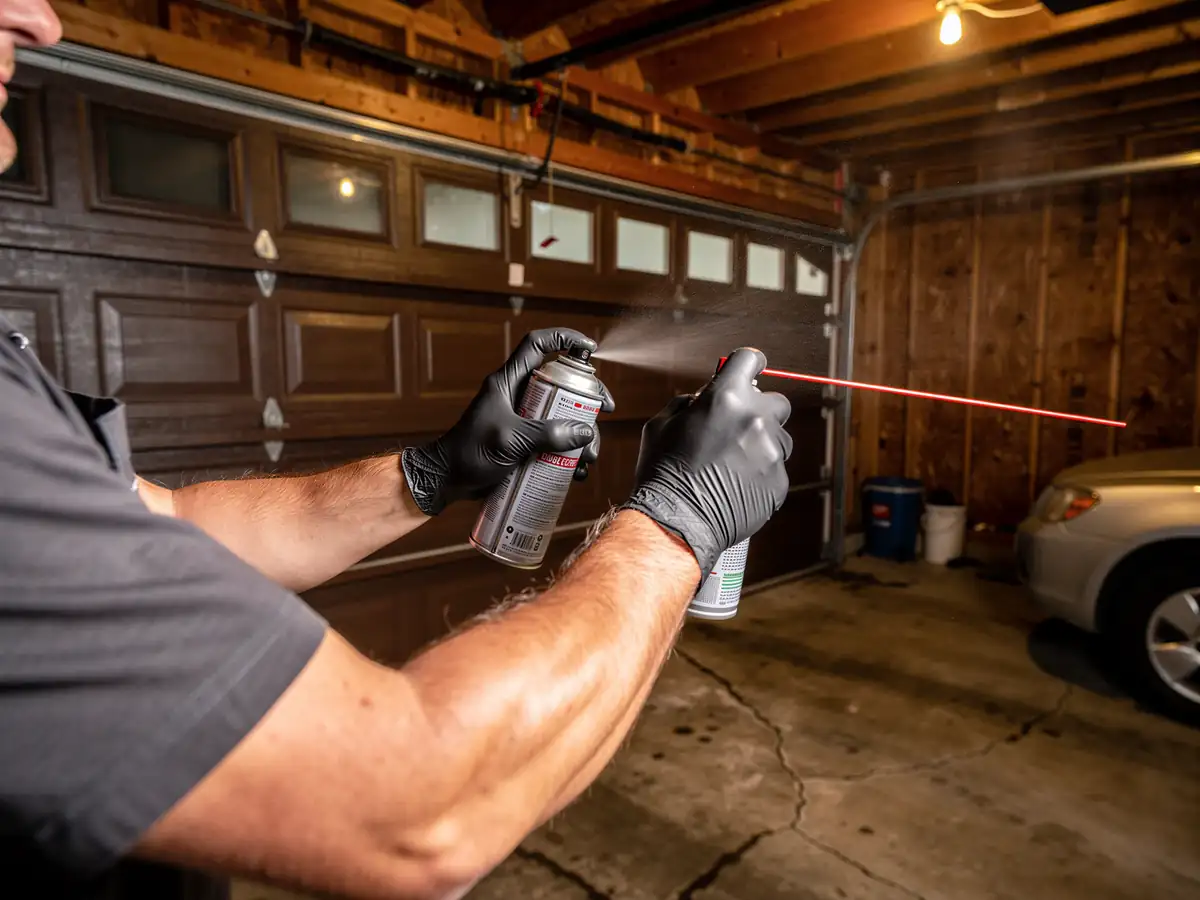
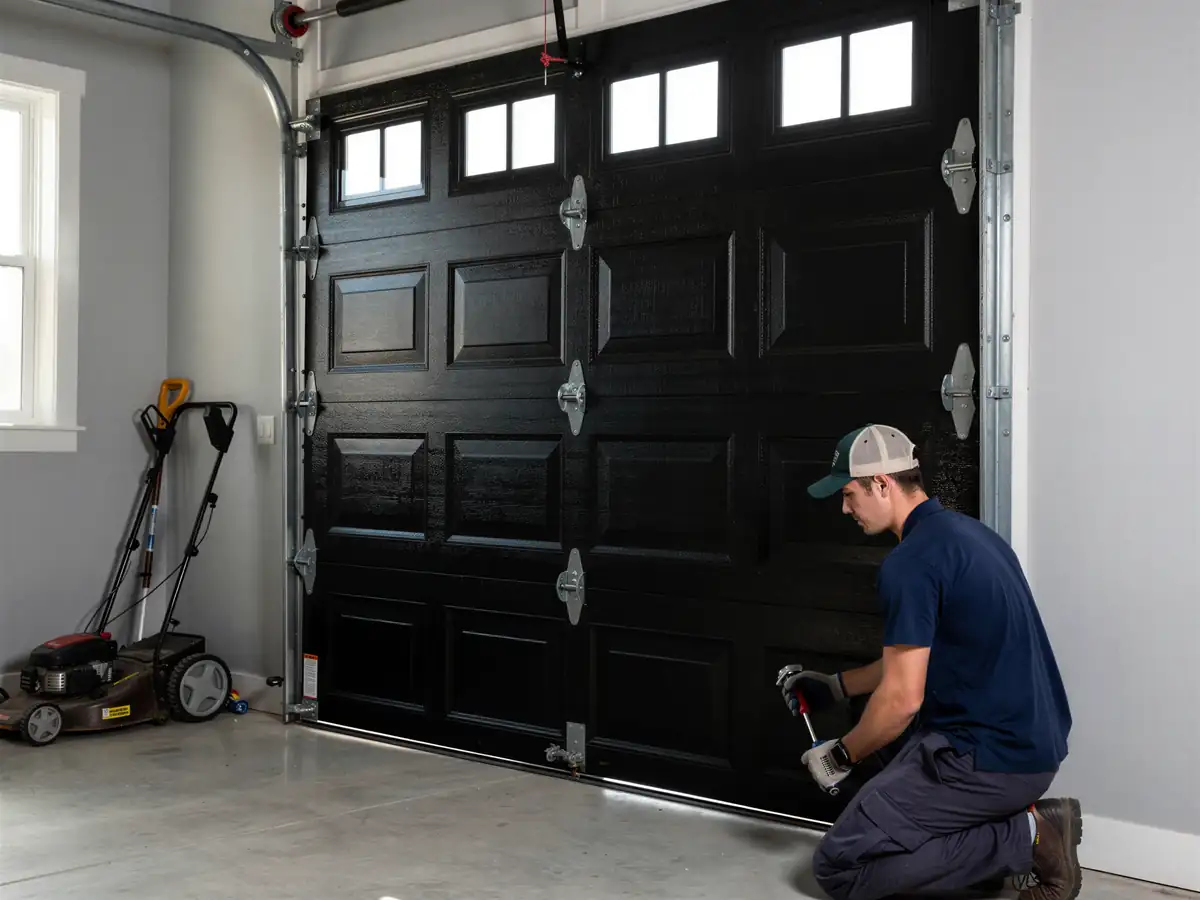
We start with the spring and cable, since a door built in the early '80s has had thirty-plus years of cycles on original or once-replaced torsion hardware. If the door won't open, we check for a snapped spring or a derailed cable before we touch the opener - most no-go calls aren't the opener at all. Track alignment comes next; with housing this age, the tracks are usually original steel, and a bent section from a bumped car is common. We test travel limits and force settings on the opener last, because resetting those on a door with worn spring tension just masks the real problem. Cold-weather stiffness in the chain and hinges is part of this region's climate - we lubricate and check for binding as a matter of course, not as an upsell.
What It Costs
We don't have a flat number to quote here - door size, spring type, and whether the opener needs parts all move the price. What we can say: a community of around 1,893 households with a median income near $115,592 tends to ask for the repair done right the first time rather than the cheapest patch, and that's the standard we work to. If a part isn't something we carry on the truck for your specific opener or door model, we'll give you a number before we order it, not after.
Where This Job Goes Sideways
The trouble spot on doors from this era is mismatched hardware - a spring or cable replaced once already by someone using a size that's close but not correct for the door's weight. That shows up as premature wear or a door that drifts instead of holding position. We also see it when a homeowner has swapped the opener but kept the original springs from 1982; the new opener's force settings end up compensating for tired springs instead of the actual lift work being right. Our honest limit: if the door itself has rusted-through panels or a warped section from age, we'll tell you replacement beats another repair, because chasing a worn-out door with parts fixes gets expensive fast and doesn't last.